A shutdown brief built around timing
The client was a hard-rock mine near Postmasburg working through a planned maintenance window. Their main concern was simple: if the crusher was opened up and the right wear parts were not on hand, the shutdown would stretch, cost more and push production back into the next cycle. They needed a supplier who could hold stock in Middelburg, then release it in step with the shutdown schedule.
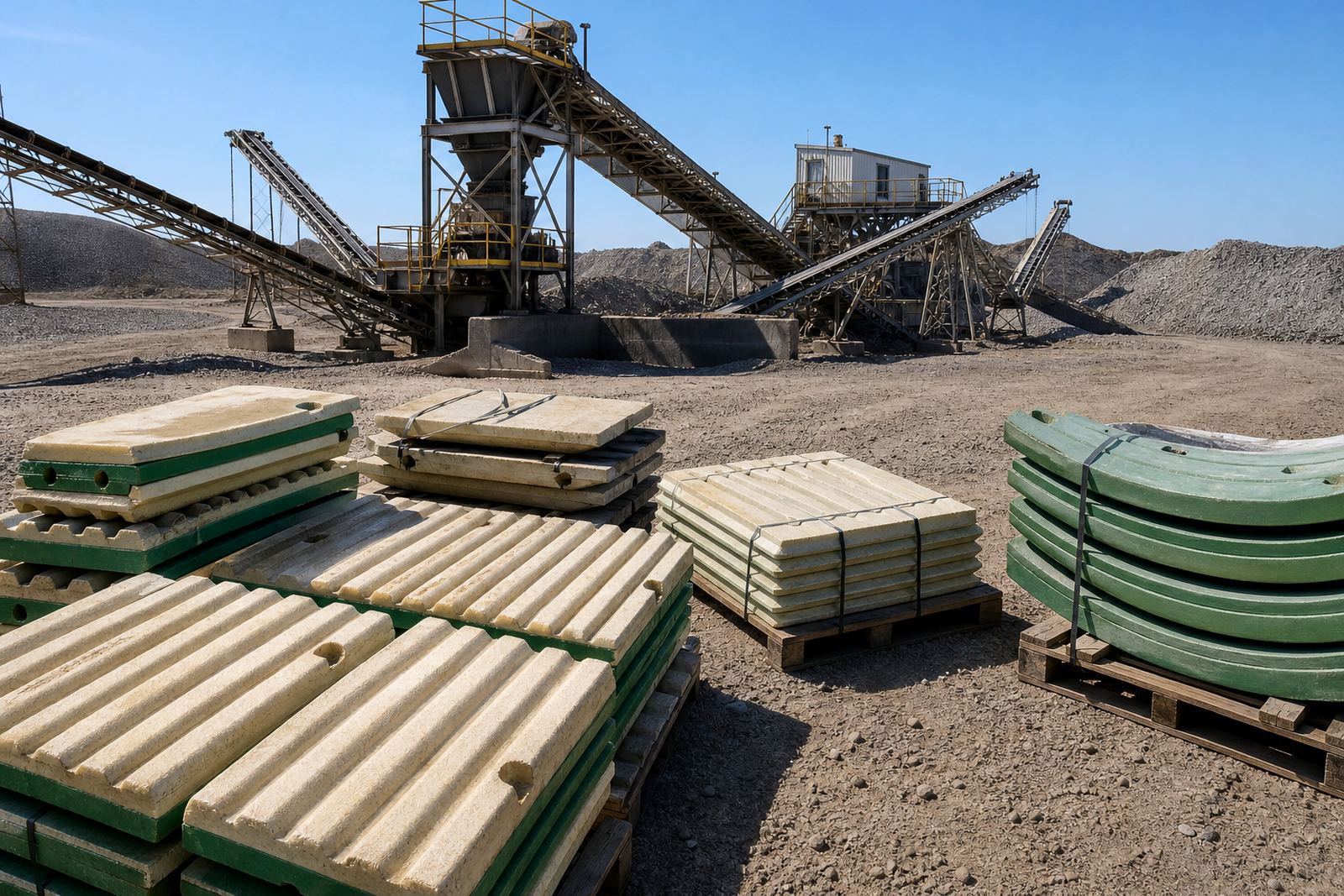
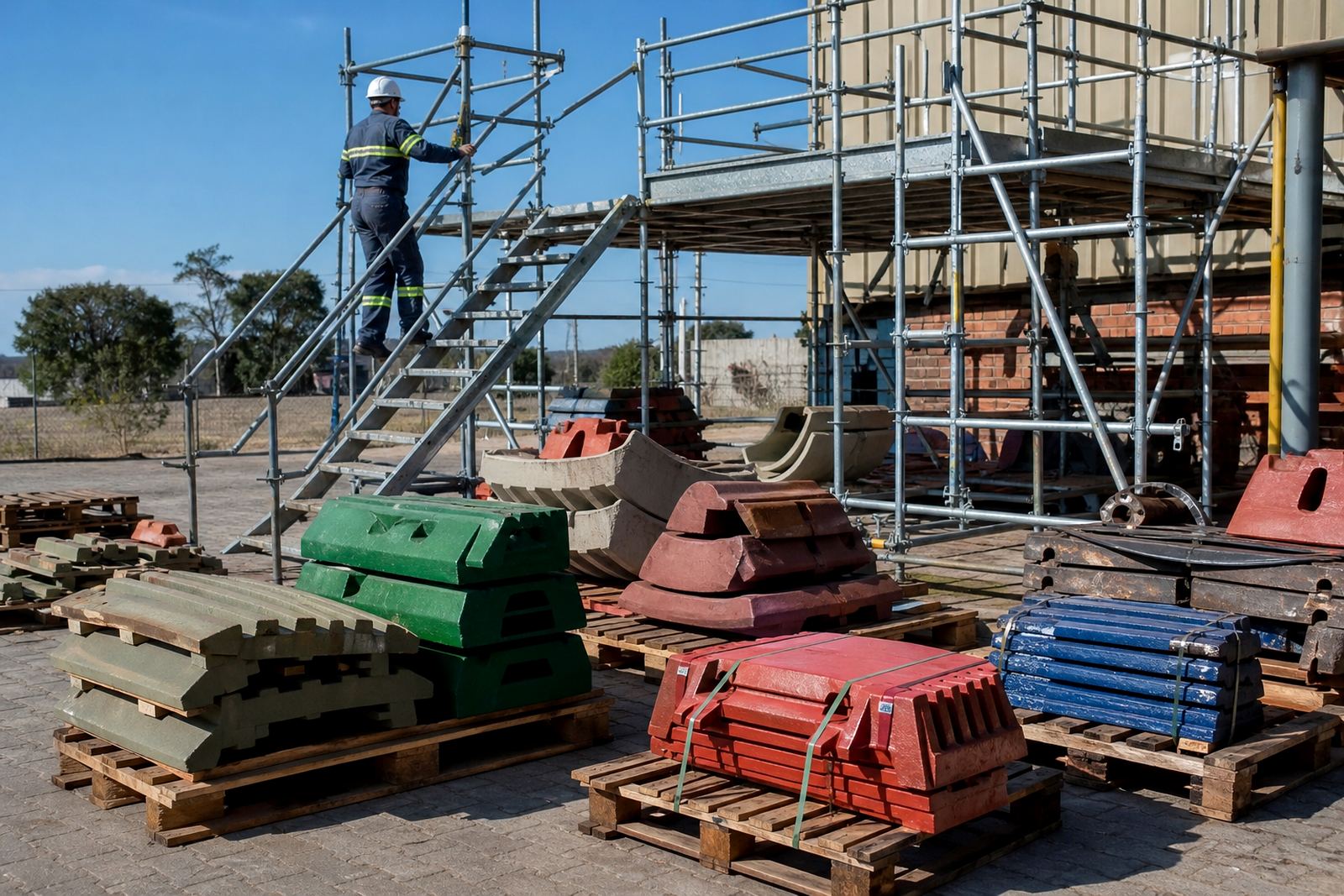
We were brought in to support the full parts movement from stock holding through to site delivery. The brief covered jaw plates, mantles, concaves, blow bars and liners in mixed sizes, plus the smaller items needed for fitting and changeout. The mine wanted the parts split into usable groups, not sent as loose cartons that would slow the fitters down on the day.
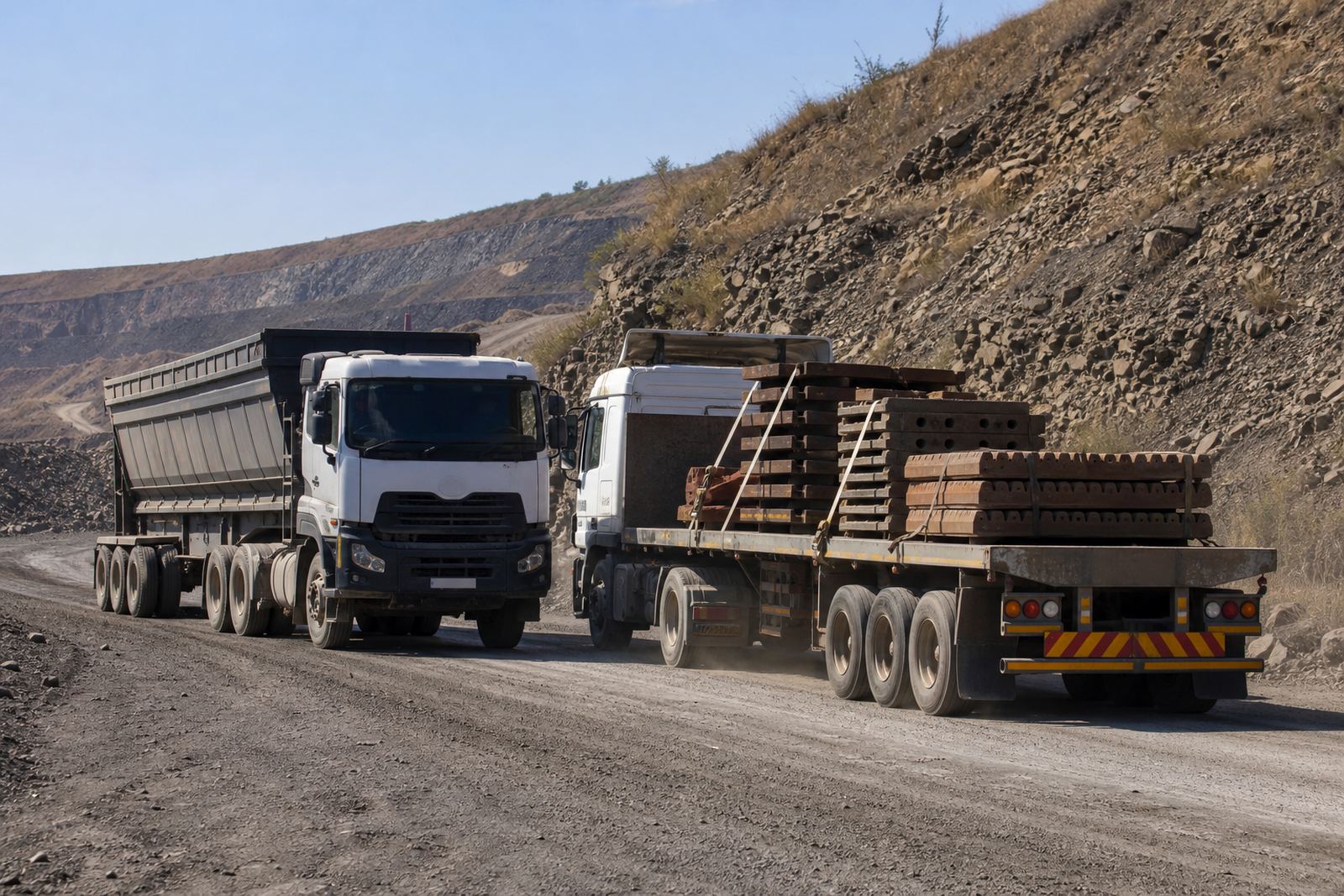
The site is in a dry, remote part of the Northern Cape and the access roads can be unforgiving after rain or under heavy traffic. That meant freight timing, load securing and route planning mattered just as much as the parts themselves. We also had to work around the fact that shutdown teams often start before sunrise, with limited time to wait around for late loads or missing paperwork.
What had to be controlled before the shutdown began
The biggest constraint was not the quantity of parts, it was the sequence. The mine needed release dates matched to the actual tear-down plan so the warehouse did not dispatch too early and leave stock sitting on site, or too late and force the maintenance crew to wait. We also had to allow for standard freight delays on long-distance runs to remote mines, especially where road conditions and local security checks can slow the final leg.
Because the mine runs heavy equipment and works under strict shift handovers, every package had to be identified clearly. The team needed to know which crusher stage each item was for, which machine it belonged to and what order it should be installed in. We kept the packing list clean and the order of parts practical, which reduced confusion in the workshop and on the plant floor.
- Stock held in Middelburg for release against the shutdown programme
- Mixed crusher wear parts packed by machine and fitting sequence
- Freight scheduled to avoid weekend standstill and mid-shutdown gaps
- Load securing checked for long-distance travel to Postmasburg
- Delivery coordination arranged with the mine gate and maintenance team
Stock release, consolidation and freight out of Middelburg
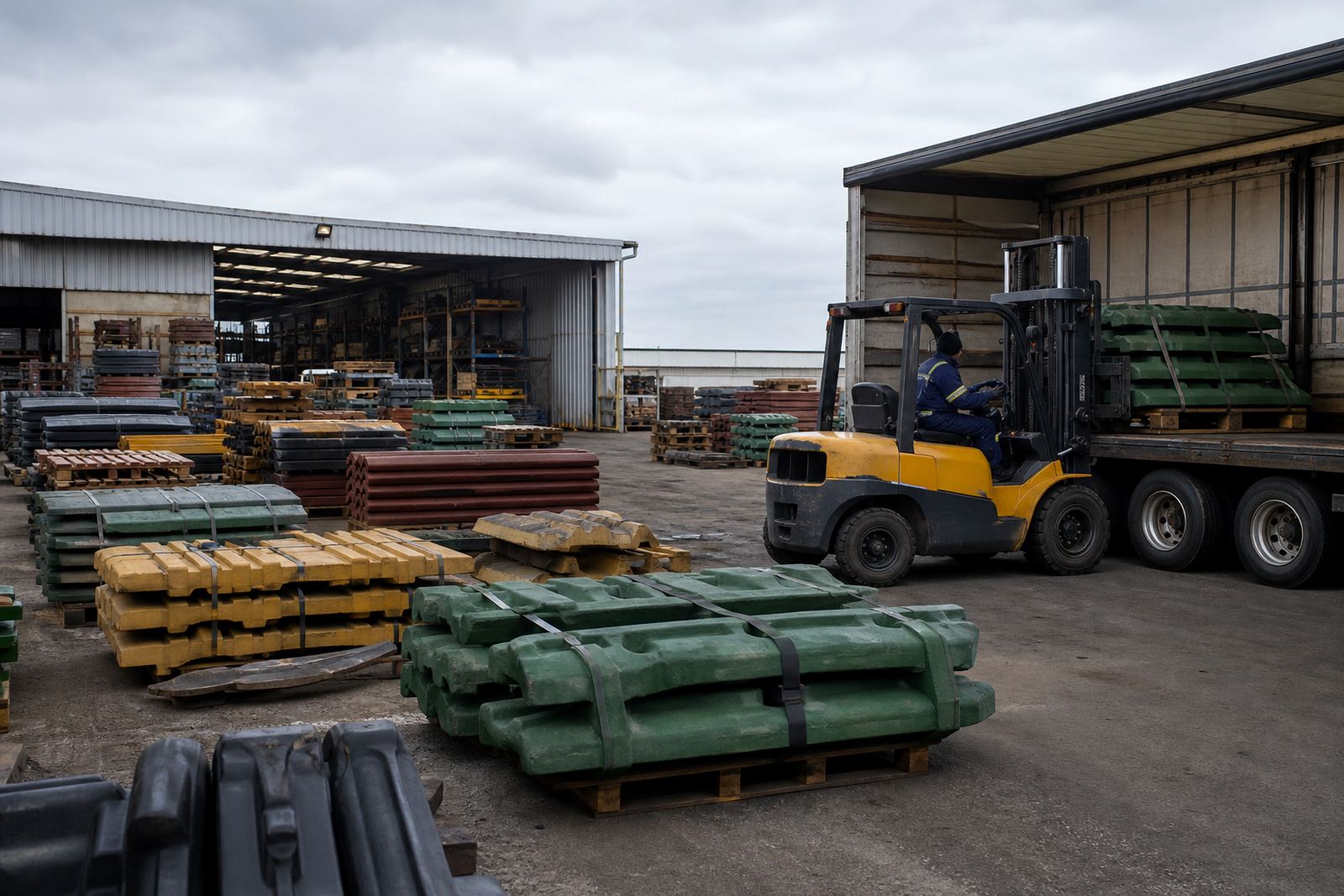
We held the required wear parts at our Middelburg base until the mine confirmed the shutdown date. Once the go-ahead was given, the warehouse released the order in phases. That included heavier crusher wear components as well as smaller lining items that were grouped into bundled kits for faster handling at site. It made the receiving process easier and cut down the time spent opening, checking and re-sorting goods.
Our freight coordinator planned the route from Middelburg into the Northern Cape with the delivery window in mind. The load was consolidated so the mine received one organised shipment rather than several smaller arrivals. That helps when a site is remote and access is limited, because the crew can book one receiving slot and plan manpower accordingly. We also kept an eye on road conditions and fuel stops, since long routes can be affected by heat, traffic and unplanned delays.
The team used standard load securing methods suitable for heavy crusher wear parts and mixed pallet sizes. That mattered because the shipment included dense components that must not shift in transit. A poor tie-down job can cause damage to machined edges or make unloading unsafe, so we treated the load as a maintenance-critical delivery rather than a routine parcel move.
Shutdown-week support on site
During the shutdown week, the client’s maintenance crew had the parts ready when the crusher came apart. That is where good planning paid off. Because the wear parts were released in line with the work programme, the fitters could move straight from strip-down to replacement without waiting for additional stock to arrive. The mine did not need to improvise or keep machine crews standing around.
We stayed in contact with the site and the receiving point throughout the delivery cycle. If the mine needed confirmation on a carton count, a pallet description or the order of a bundled kit, Ayanda and Johan could respond quickly and keep the process moving. In remote locations that kind of practical support saves time, especially when the mine is balancing safety meetings, shift changes and contractor access all at once.
- Clear part identification for each crusher section
- Delivery aligned with the shut down start time
- Receiving support to confirm counts and condition
- Reduced handling on site because kits arrived grouped logically
Outcome: a tighter stoppage and a cleaner restart
The shutdown ran to plan because the parts were already positioned for release and transport before the crew opened the machine. There was no scramble to source missing wear items at the last minute, and no need to hold the crusher open while freight was chased across the province. For a mine in a remote area, that makes a real difference to labour use, contractor cost and restart confidence.
The result was a cleaner maintenance window and a more orderly handover back to operations. The team could complete the replacement work, reassemble the crusher and move into inspection without waiting on outstanding freight. That is the value of holding stock in Middelburg for mines far from major service centres, it keeps the parts close enough to release quickly when the shutdown starts.
There was also less risk of damage or confusion because the components had been consolidated before dispatch. When a mine receives mixed crusher wear parts in one planned shipment, it is easier to check, store and issue items in the right order. That helps the workshop stay organised and reduces the chance of a missing liner or a misplaced jaw plate slowing the next shift. It also avoids costly rework if a wrong item is unpacked first.
What we would repeat for the next shutdown
If we were doing the same job again, we would use the same approach: hold the wear parts in Middelburg, confirm the shutdown window early, then release the freight in one controlled movement. For mines near Postmasburg and across the wider Northern Cape, that is usually the best balance between speed and control. It also works well for other remote sites in Mpumalanga, Limpopo, North West and Gauteng when maintenance windows are tight.
We would also keep the bundled part kits approach, because it saves time on the receiving side and helps the maintenance team work from a clear sequence. For shutdowns in hot, dusty areas or where load-shedding can complicate workshop planning, having the right parts in the right order matters a great deal. Thabo Mokoena and the team treat that as standard practice, not a special favour.
If your mine or quarry has a planned stoppage coming up, the safest approach is to line up the parts before the plant goes down. Once the shutdown clock starts, every hour counts and the freight plan must already be in motion.
Key facts
| Project | Postmasburg mine shutdown support |
|---|---|
| Location | Near Postmasburg, Northern Cape |
| Base | Middelburg, Mpumalanga |
| Service | Pre-arranged stock release and remote mine freight |
| Parts supplied | Jaw plates, mantles, concaves, blow bars and liners |
| Timeline | Planned over 2 weeks, with release timed to shutdown week |