







Home / Journal

Crusher Journal

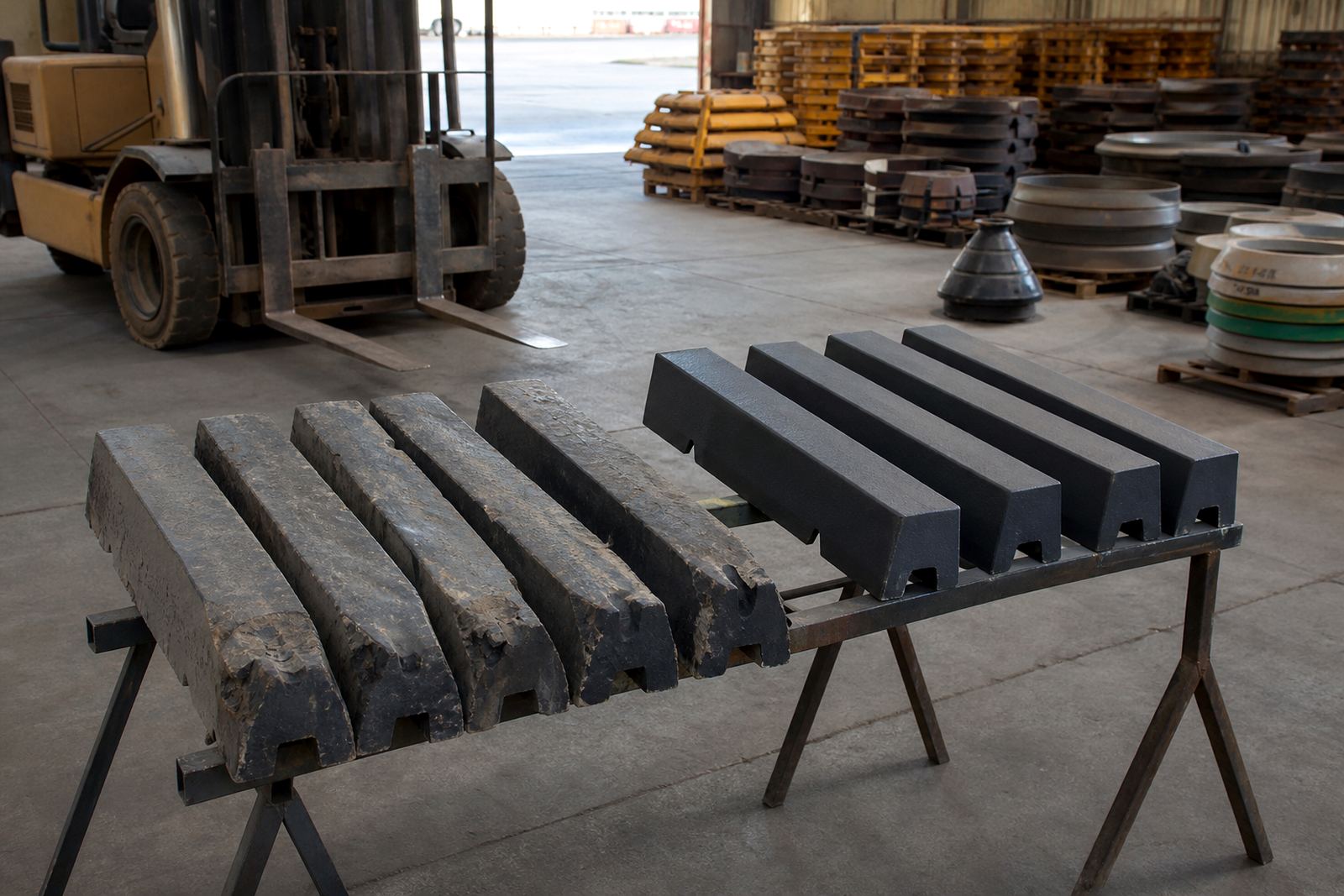
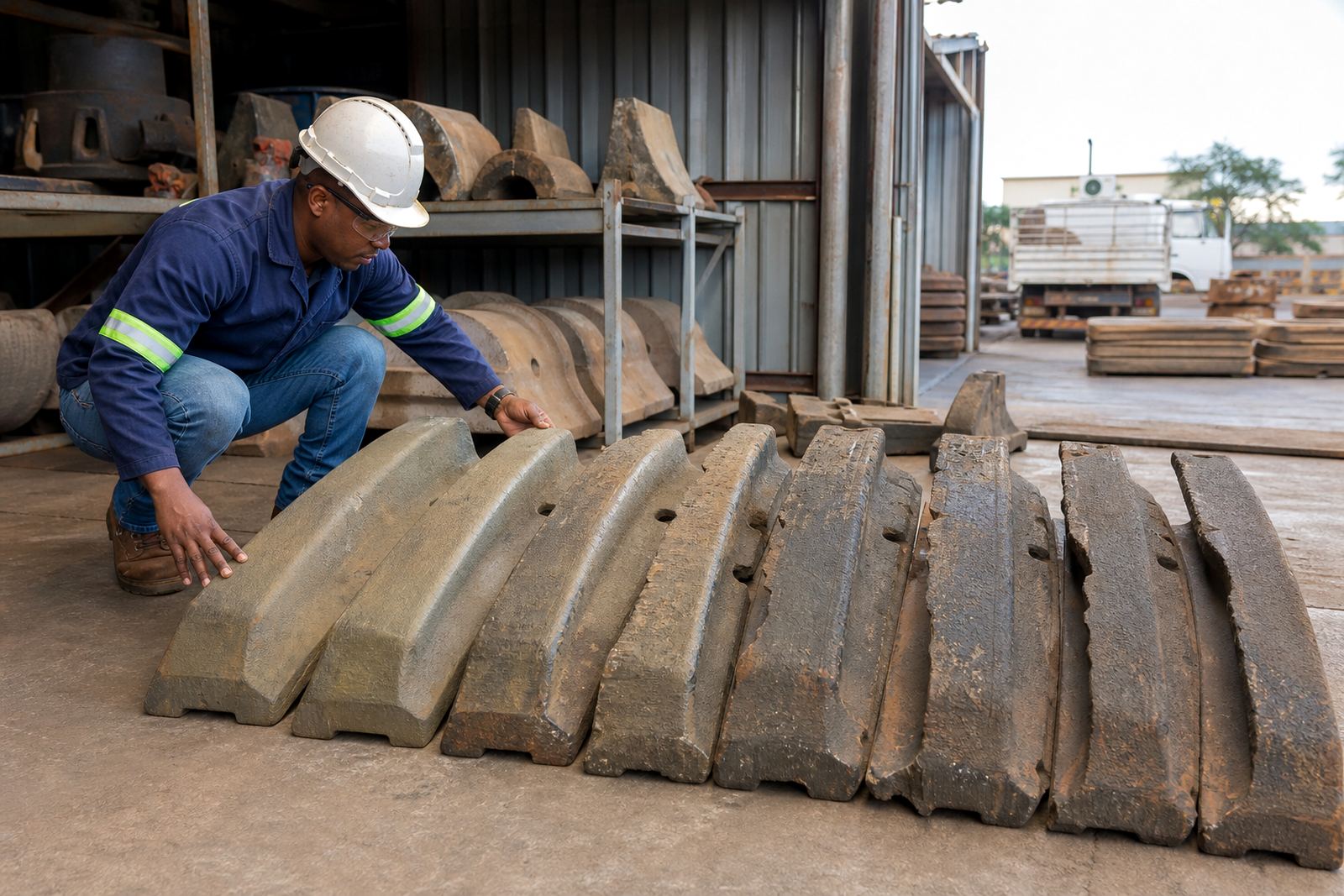
Our journal shares practical articles on crusher wear parts, stock planning and freight realities in mining and quarry environments. Topics are written in clear language for plant teams, buyers and site supervisors.

Crusher Journal
Jaw Plate Wear Signs

Jaw Plate Wear Signs

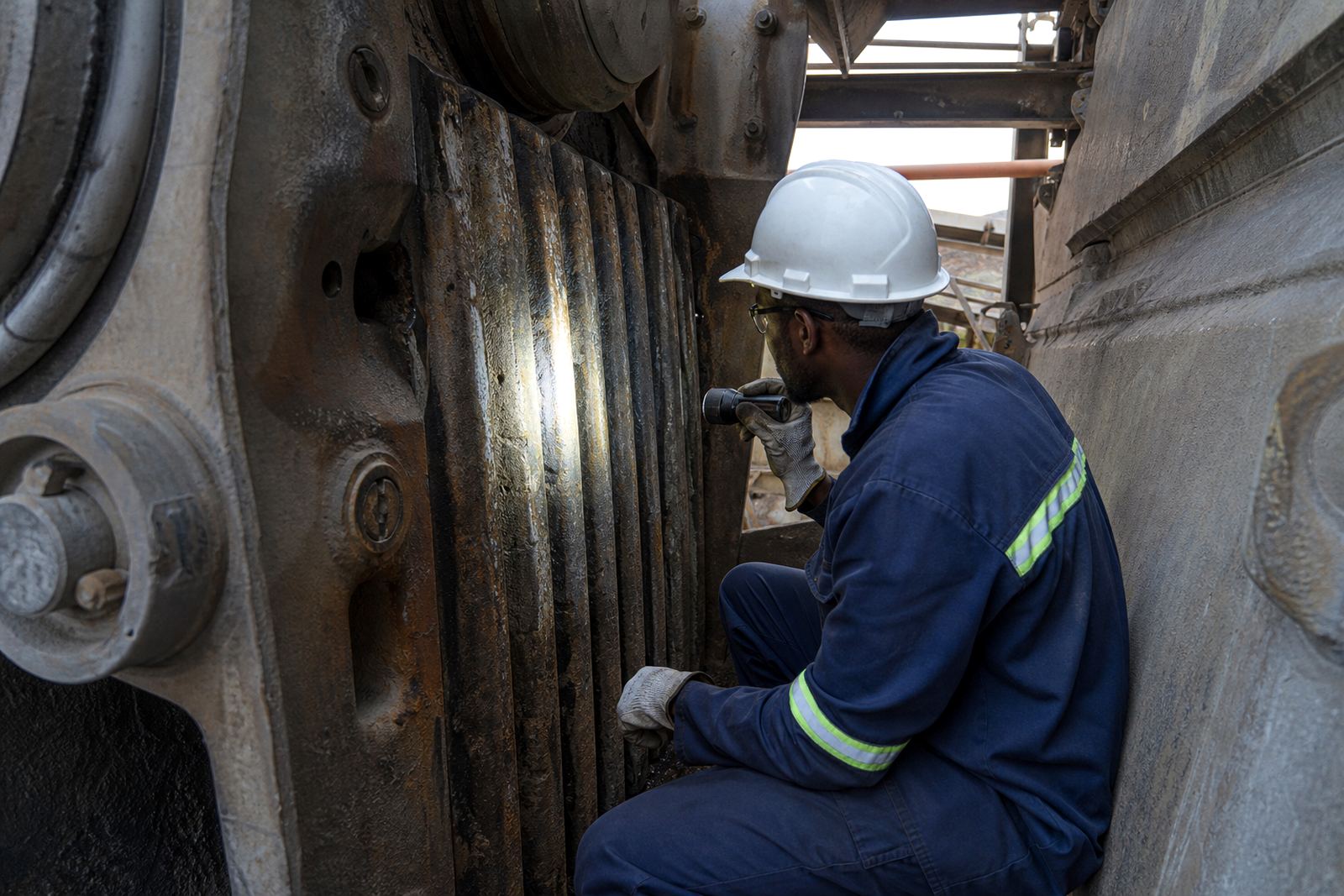
Common indicators that jaw plates may be nearing replacement in active crushing circuits.

Mantle Change Planning

Mantle Change Planning

How to think about mantle replacement timing before wear affects crusher performance.

Concave Wear Patterns

Concave Wear Patterns

What uneven concave wear can suggest about feed conditions and chamber loading.

Blow Bar Selection

Blow Bar Selection

A practical look at choosing blow bars around application, feed and maintenance priorities.

Liner Bolt Checks

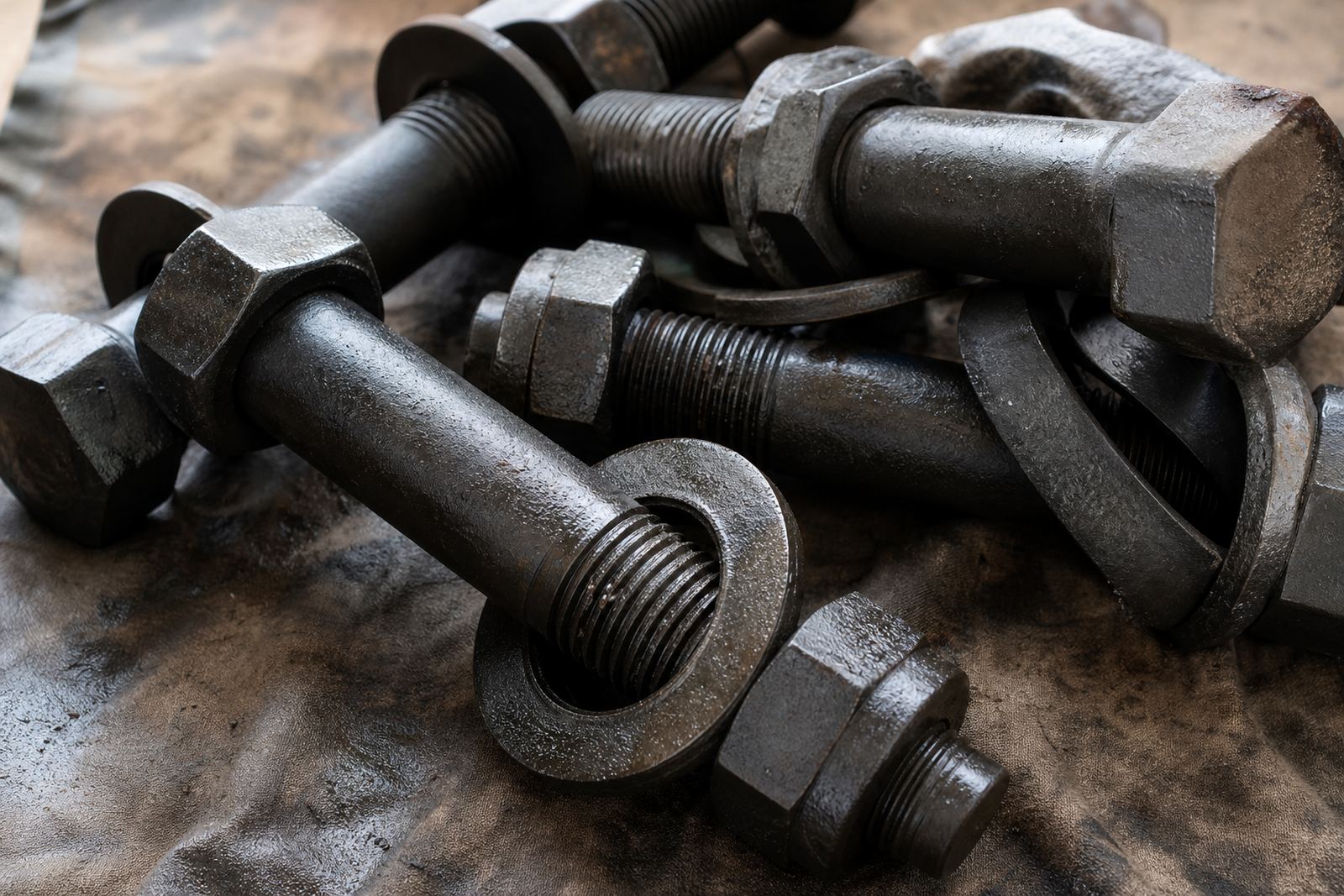
Liner Bolt Checks

Why bolt condition matters when planning crusher liner replacement work.

Crusher Shutdown Lists

Crusher Shutdown Lists

Simple shutdown preparation points for wear part jobs on busy mine and quarry sites.

Remote Delivery Risks

Remote Delivery Risks

Key transport and timing risks when moving heavy crusher parts to distant sites.

Stock Vs Ordering

Stock Vs Ordering

How sites weigh local stockholding against ordering parts only when required.

Jaw Crusher Basics

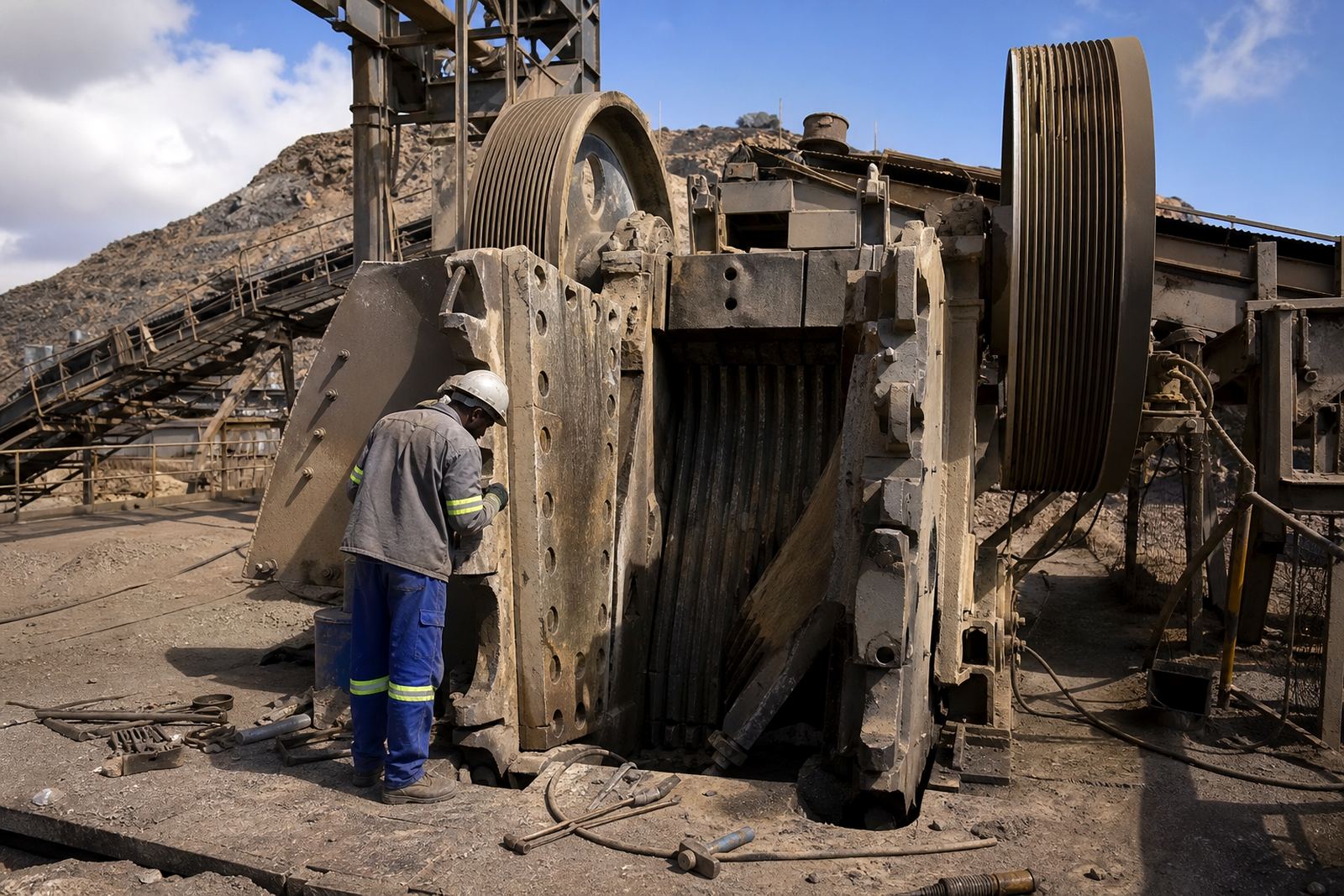
Jaw Crusher Basics

A straightforward introduction to jaw crusher wear zones and routine consumable needs.

Cone Crusher Basics

Cone Crusher Basics

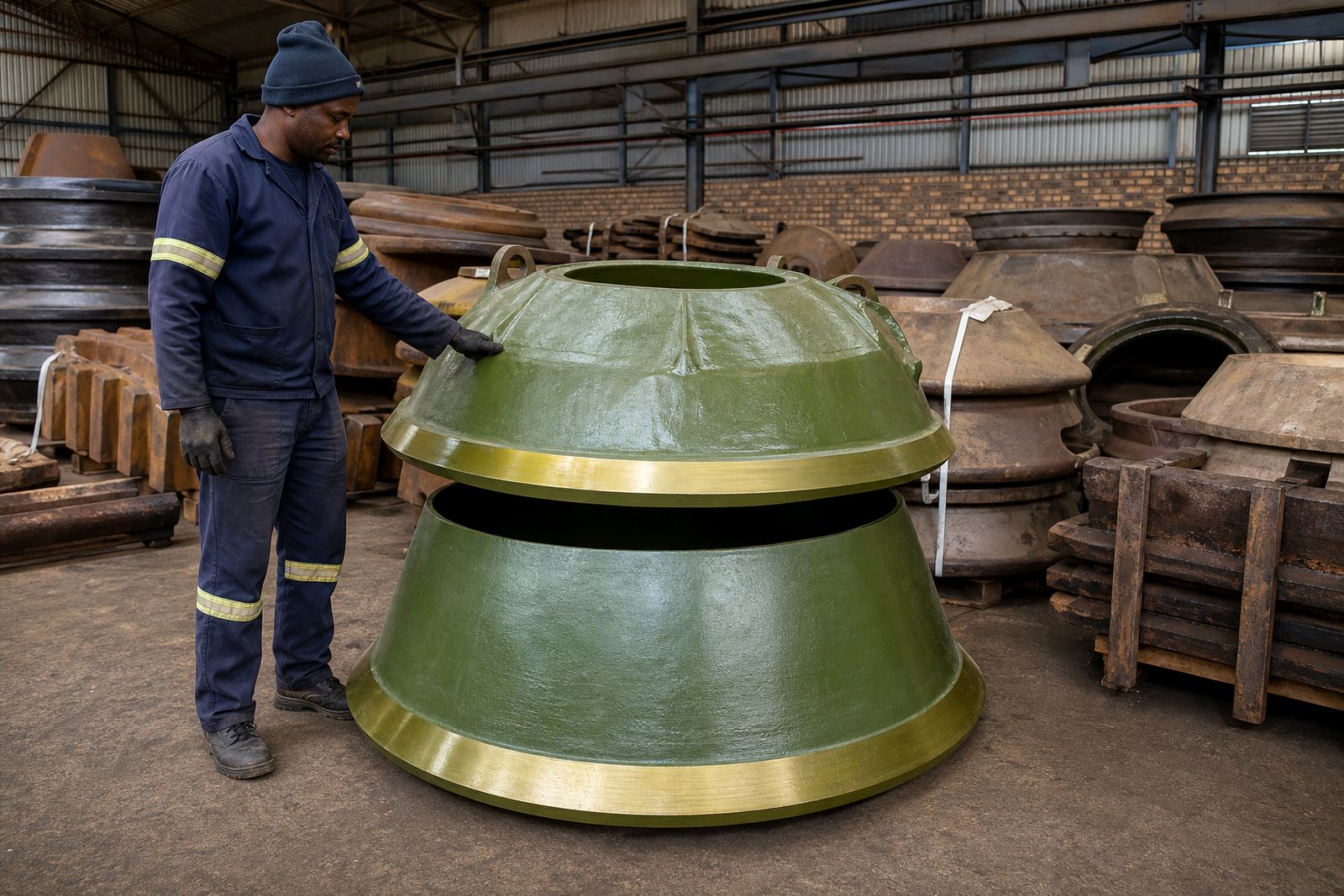
A basic overview of mantle, concave and liner considerations in cone crushers.

Impact Crusher Basics

Impact Crusher Basics

An introduction to wear items commonly checked in impact crushing duty.

Abrasive Feed Effects

Abrasive Feed Effects

How abrasive feed can influence wear rate and replacement planning across crusher types.

Feed Size Control

Feed Size Control

Why incoming material size can shape wear life and chamber performance.

Bridging In Hoppers

Bridging In Hoppers

A practical article on hopper bridging and the wear surfaces affected around feed areas.

Chute Liner Replacement

Chute Liner Replacement

Points to consider when chute liners form part of crusher area maintenance work.

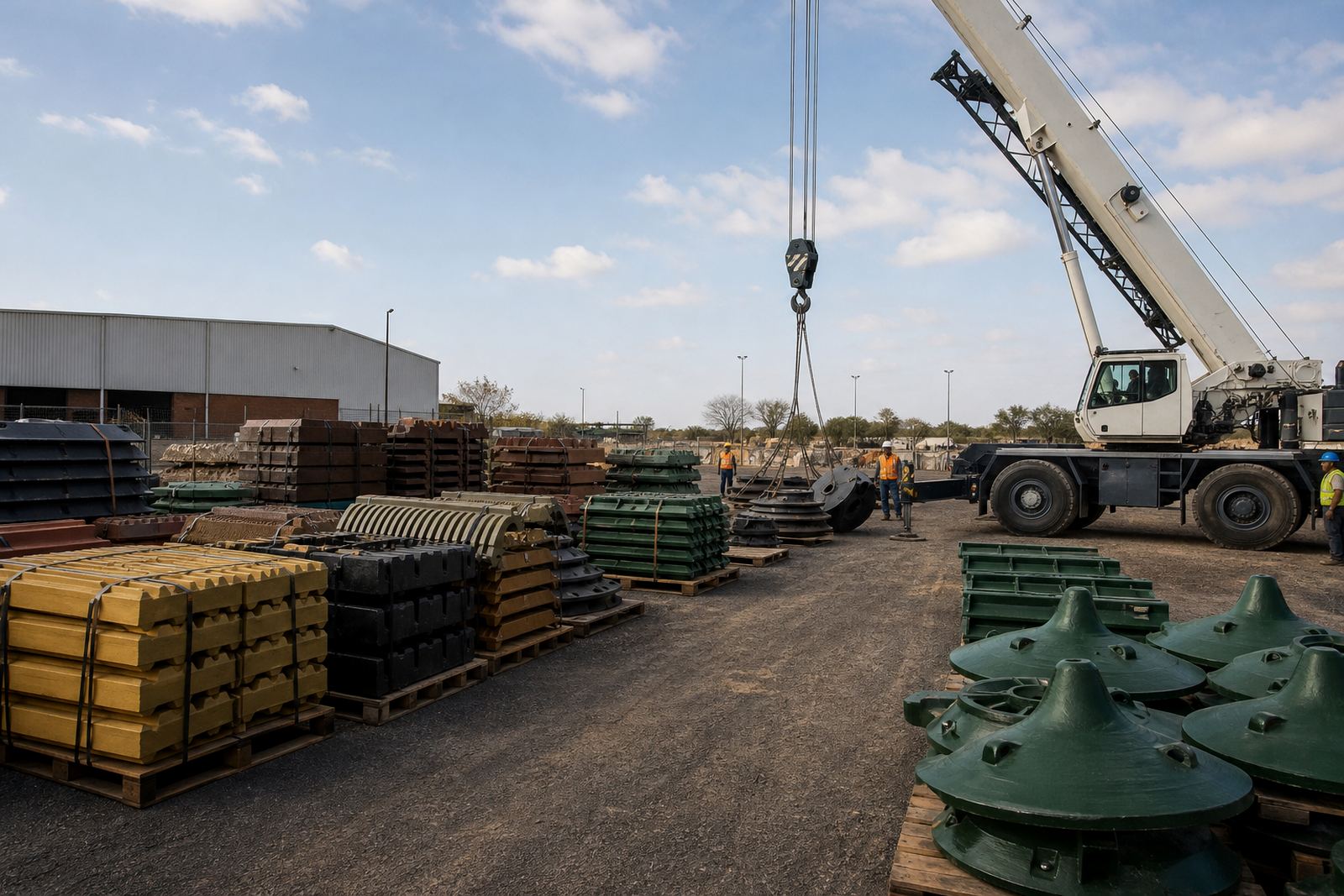
Wear Part Storage

Wear Part Storage

Storage basics for heavy wear parts awaiting dispatch or shutdown installation.

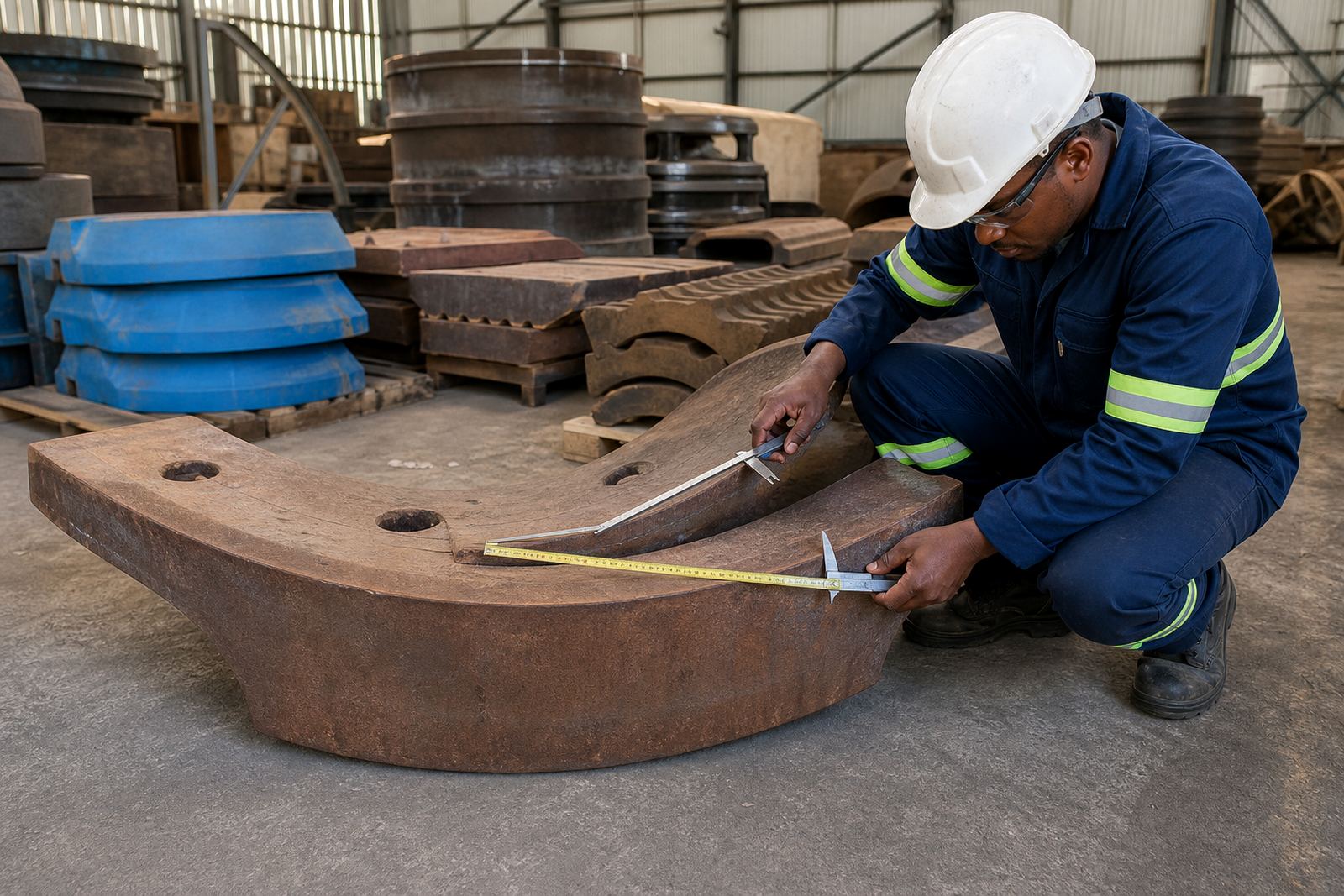
Part Identification Tips

Part Identification Tips

Useful ways to confirm crusher wear part requirements before placing an order.

Site Access Planning

Site Access Planning

Why access restrictions matter when arranging freight to mines and quarries.

Heavy Parts Freight

Heavy Parts Freight

Transport basics for moving dense crusher parts safely and on time.

Planned Vs Urgent

Planned Vs Urgent

Comparing planned wear part replacement with urgent response ordering after a stoppage.

Checking Cheek Plates

Checking Cheek Plates

A short guide to monitoring cheek plate condition alongside jaw plate wear.

Mantle And Concave Pairs

Mantle And Concave Pairs

Why these wear parts are often considered together during planning and ordering.

Blow Bar Turning Points

Blow Bar Turning Points

Signs that blow bars may need attention before output quality drops.

Liner Life Factors

Liner Life Factors

Several operating and material factors can shape how long liners last.

Crusher Wear Zones

Crusher Wear Zones

Understanding the areas where wear commonly concentrates in crushing circuits.

Choosing Liner Materials

Choosing Liner Materials

A generic overview of how application conditions influence liner material decisions.

Quarry Maintenance Routines

Quarry Maintenance Routines

Routine wear checks that can support steady output at aggregate sites.

Mine Shutdown Logistics

Mine Shutdown Logistics

How freight timing and stock release can support better shutdown outcomes.

Ordering By Part Number

Ordering By Part Number

Why clear part references and photos help avoid delays in crusher consumable orders.

Ordering By Measurement

Ordering By Measurement

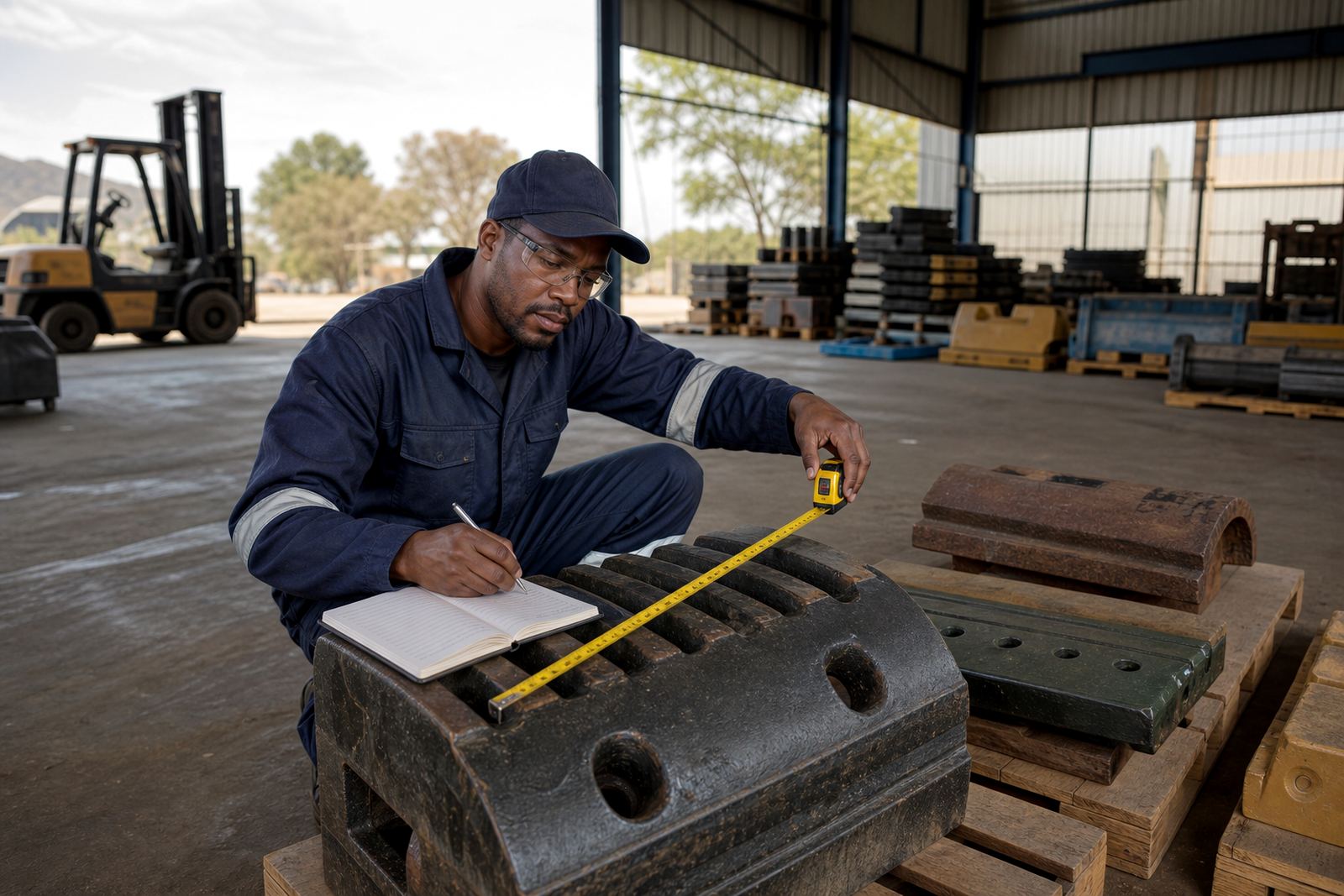
A practical alternative when a worn part needs to be identified by dimensions.

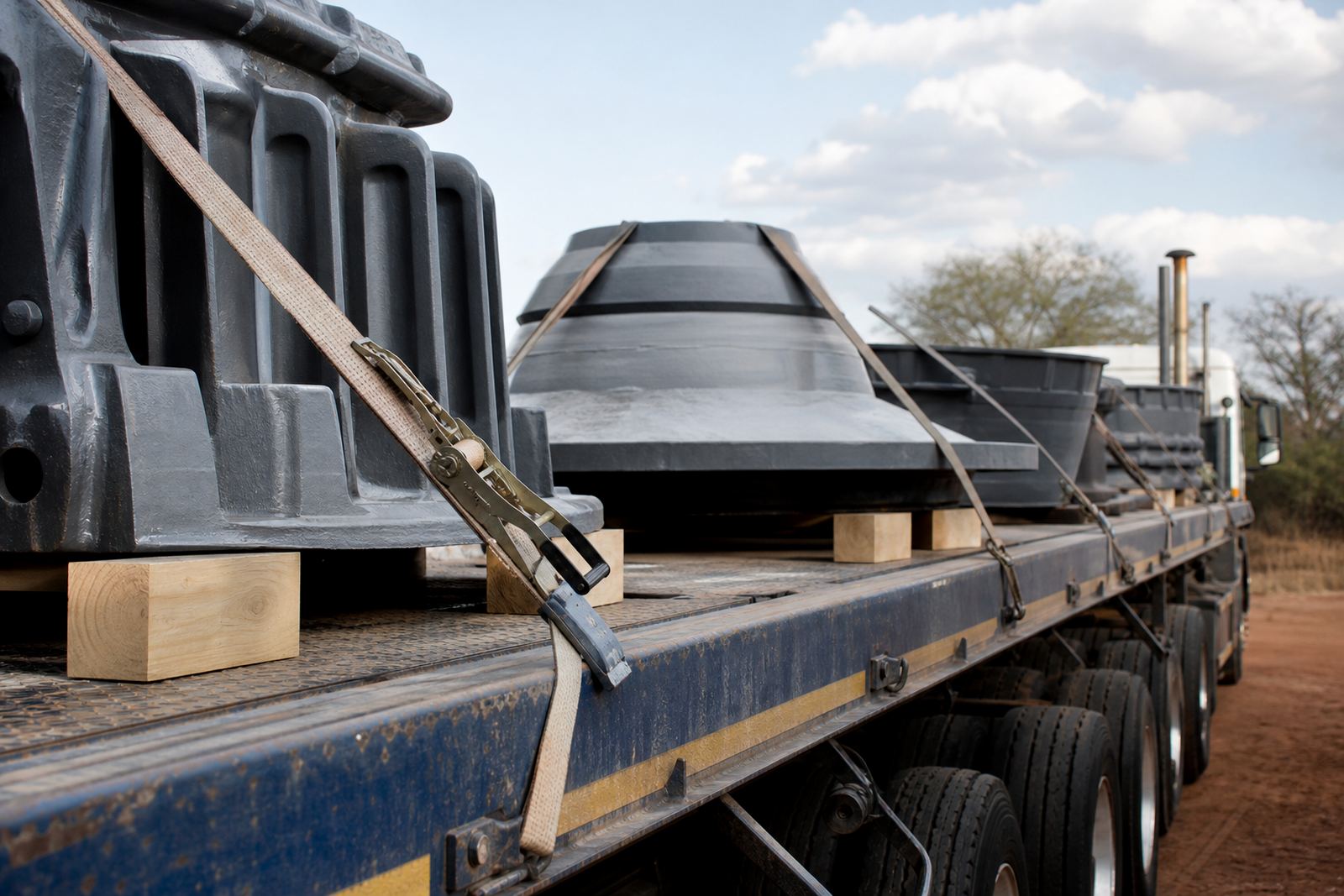
Gravel Road Deliveries

Gravel Road Deliveries

Transport considerations for long runs to sites reached by rough gravel access roads.

Managing Mixed Orders

Managing Mixed Orders

How mixed wear part orders can be grouped for easier handling and dispatch.

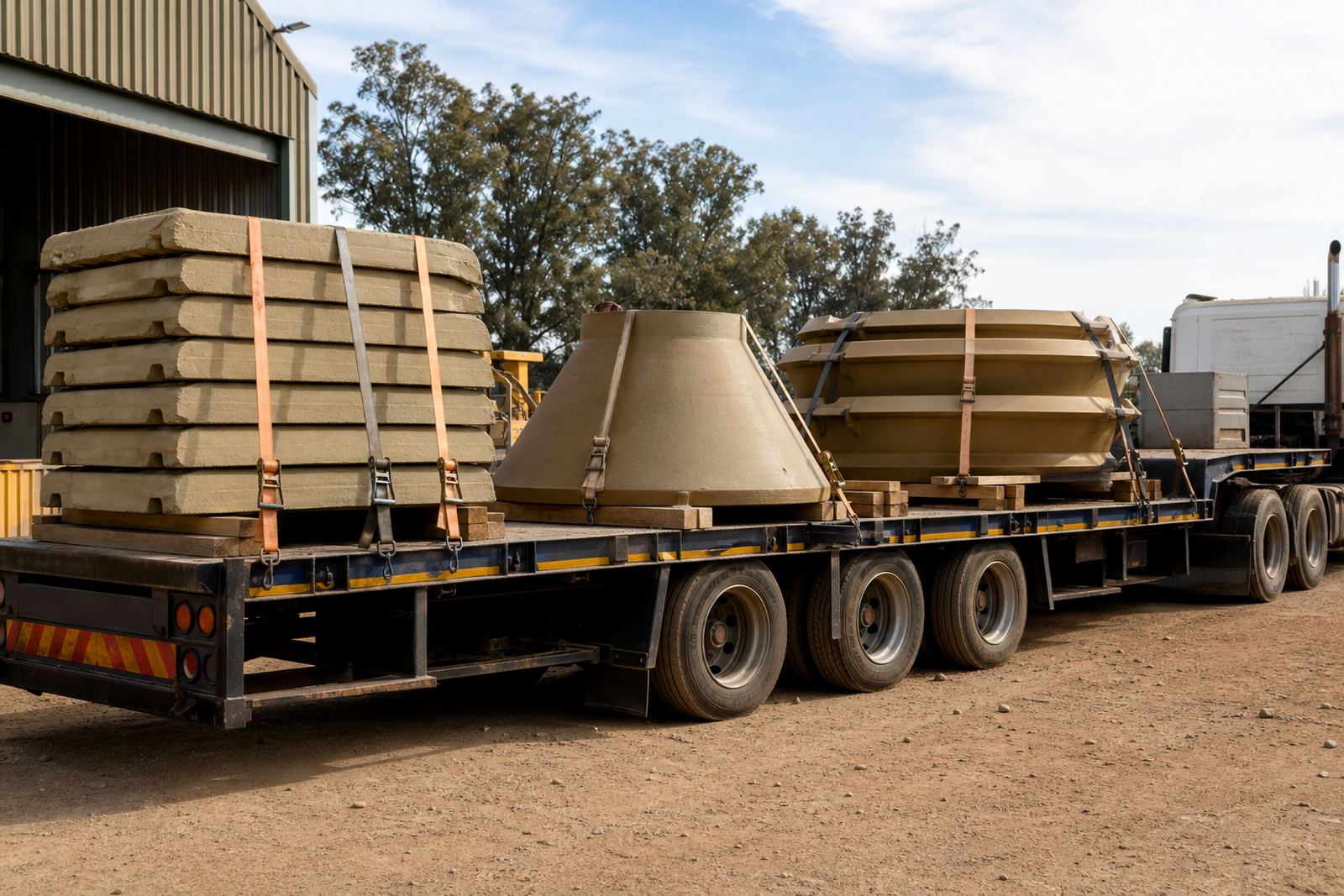
Transit Protection

Transit Protection

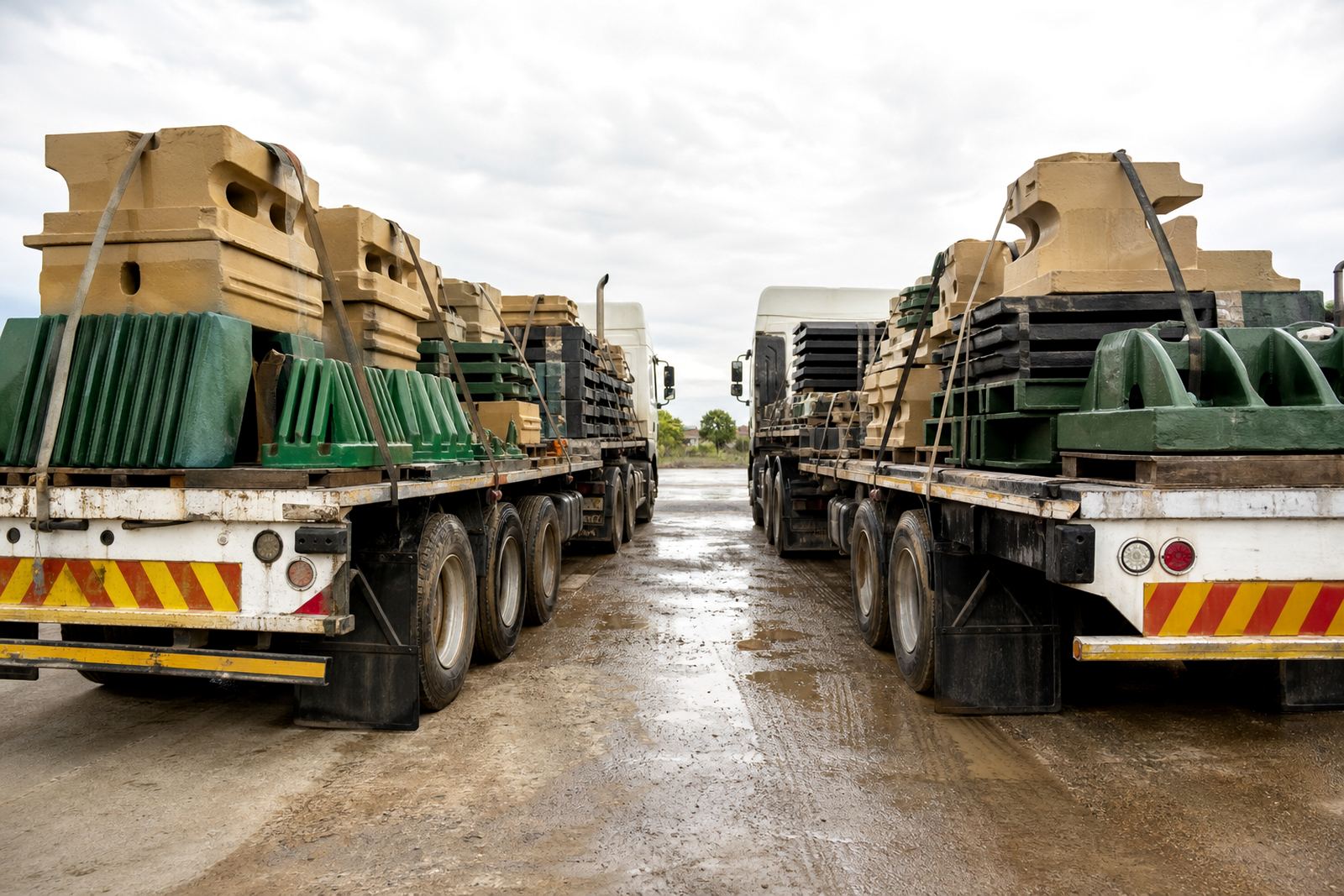
Ways heavy wear parts are protected from movement and damage during transport.

Warehouse Picking Process

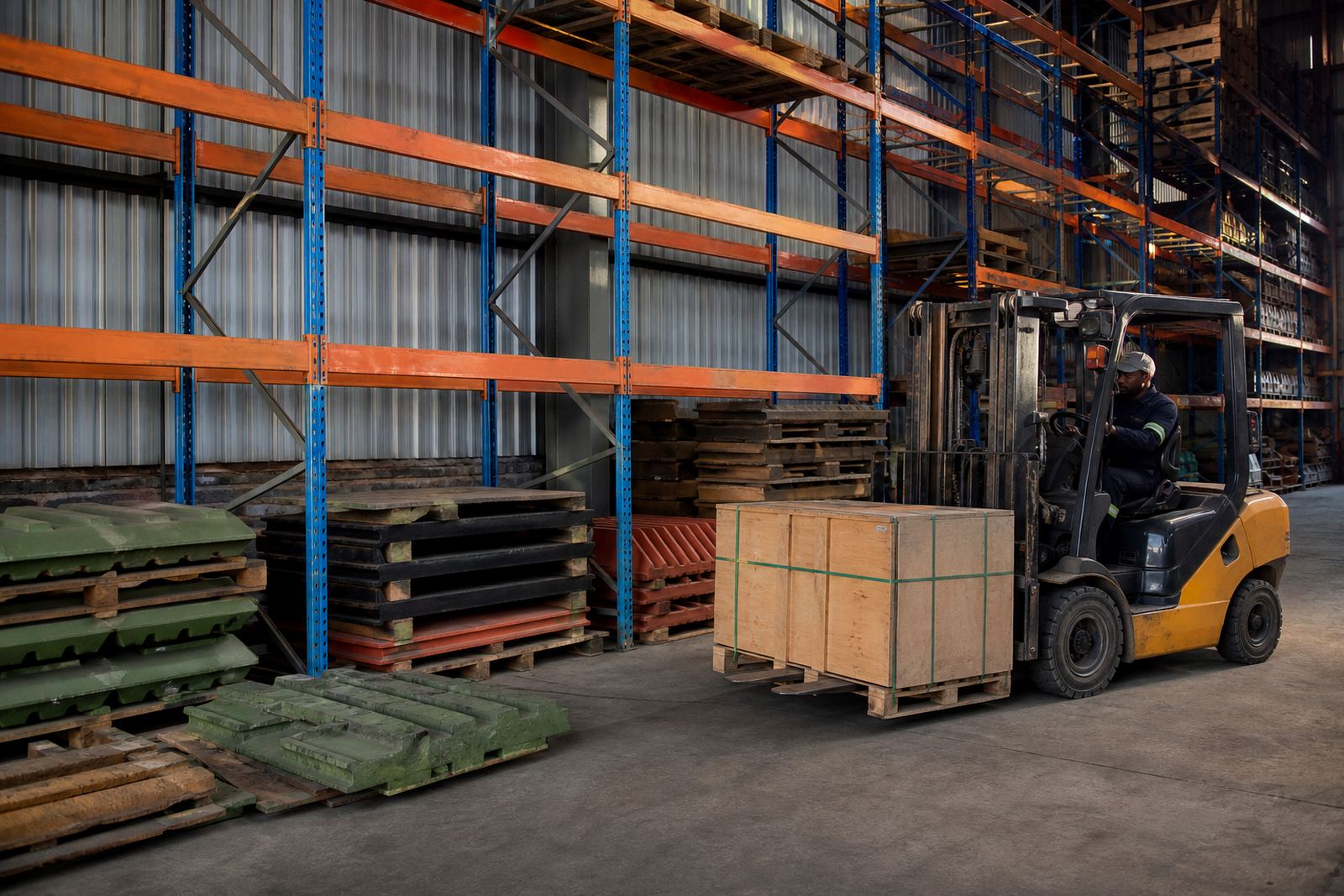
Warehouse Picking Process

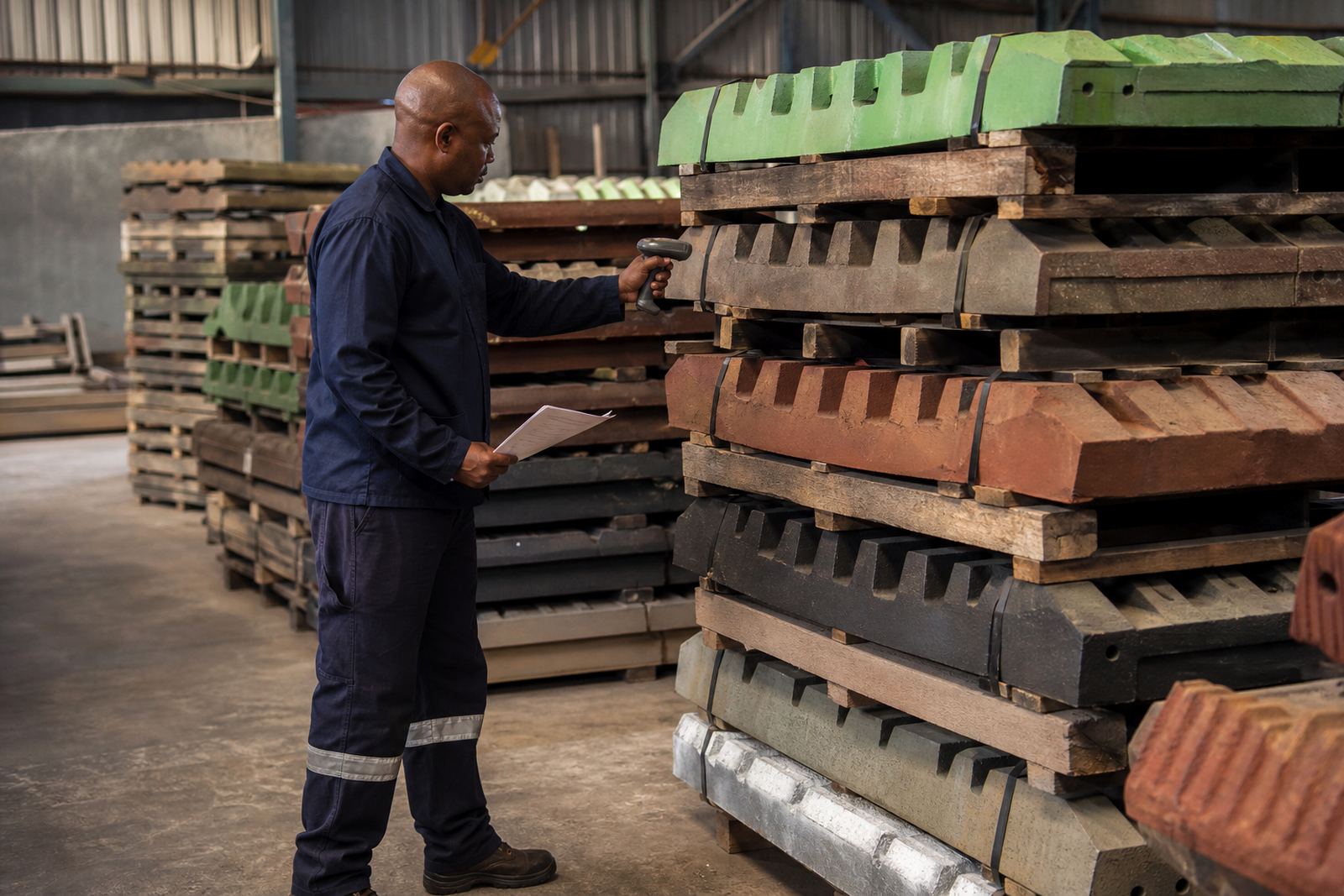
A look at how organised picking supports accurate crusher consumable deliveries.

Staged Delivery Benefits

Staged Delivery Benefits

Why some remote operations choose staged freight for large or complex part orders.

Jaw Vs Cone Wear

Jaw Vs Cone Wear

Comparing typical wear part focus areas between jaw and cone crushing stages.

Practical reading for crusher wear parts and site planning

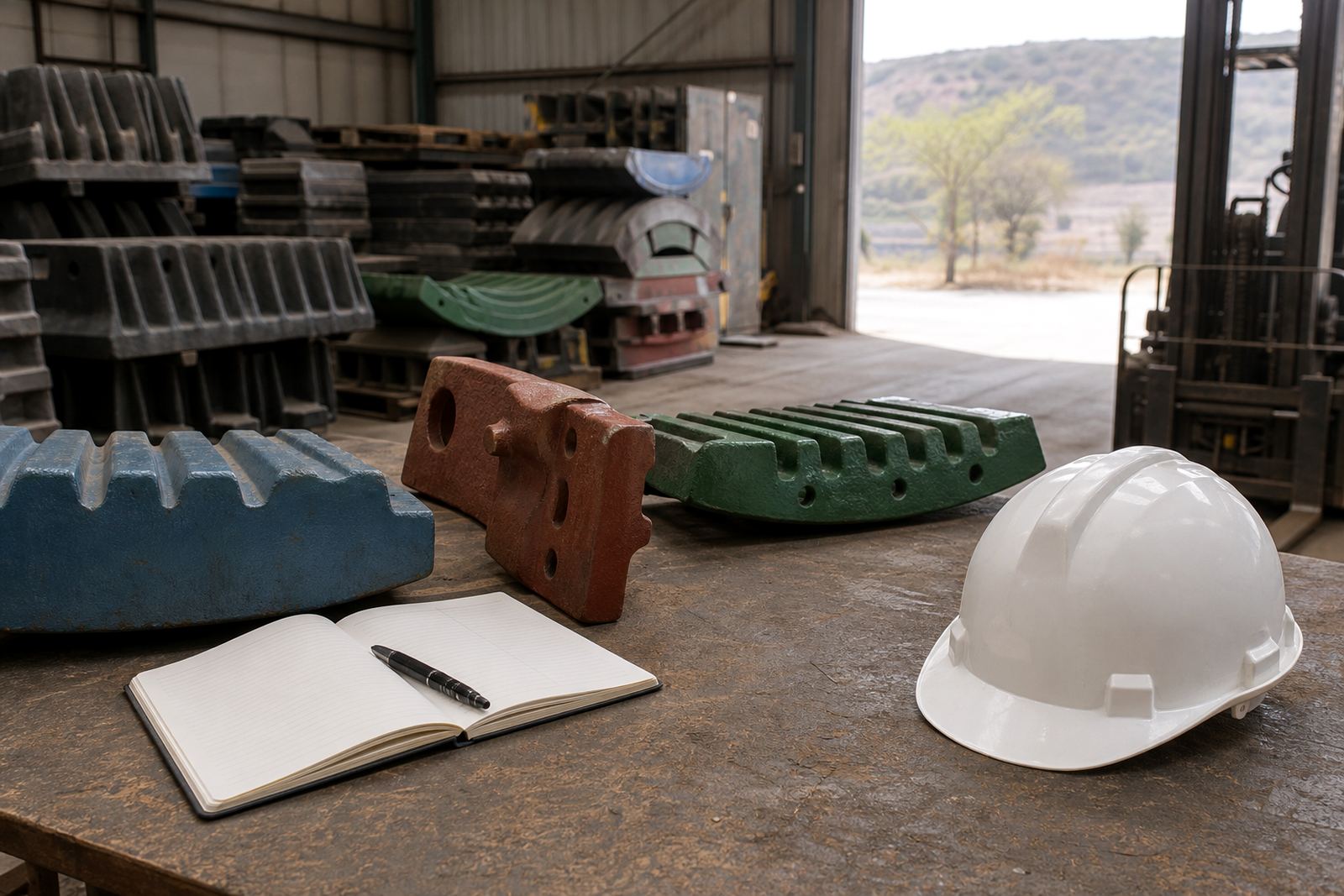
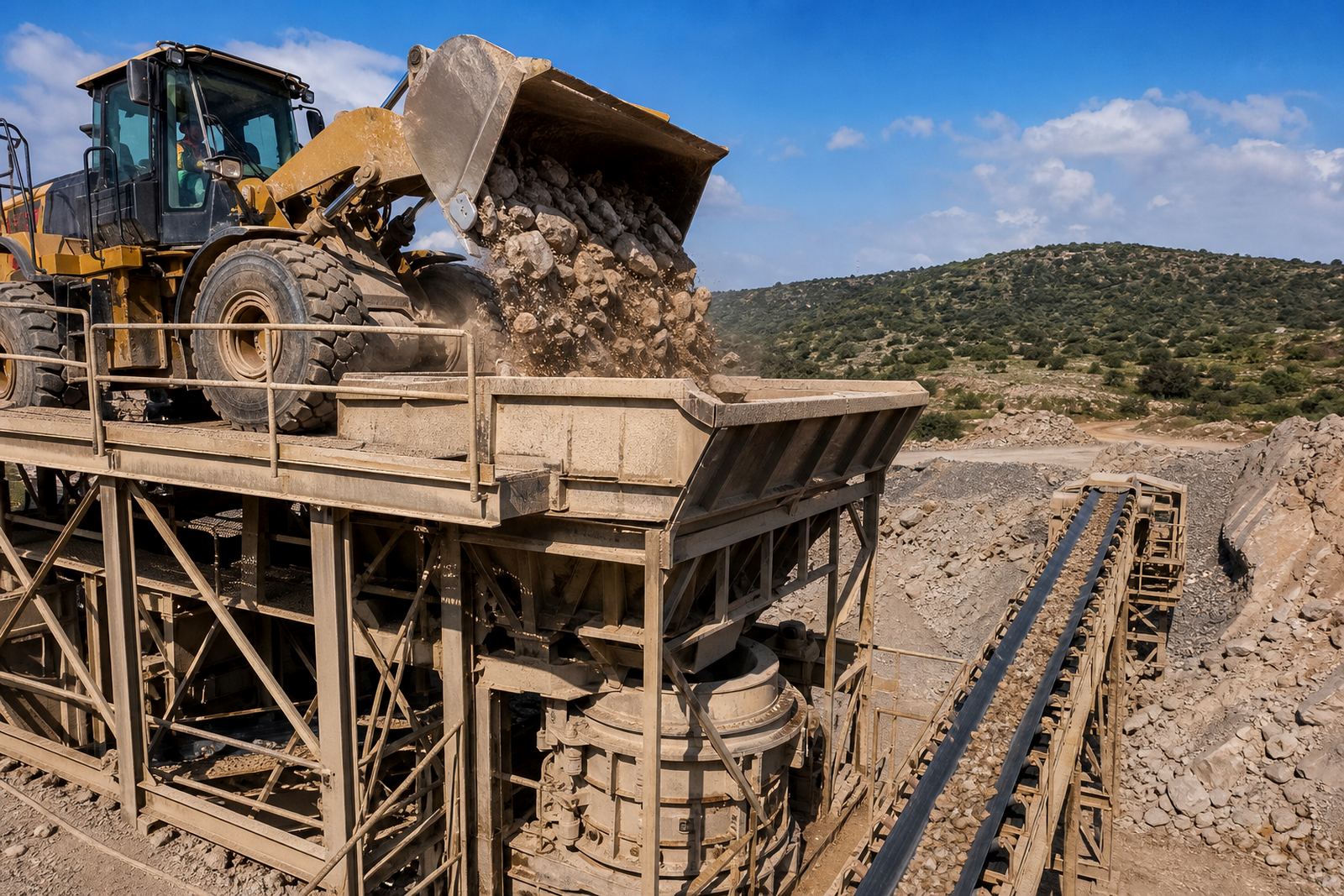
Crusher Journal brings together articles that help teams make better calls on wear parts, freight timing and stock holding. The focus is on day to day issues at mines and quarries, from choosing the right jaw plates or mantles to understanding how a delivery has to move when a site sits far off the main roads.

We write for people who work with crushers every week. That means clear language, useful checks and advice that reflects real conditions in South Africa, including long haul routes, dusty loading areas, wet season access and tight shutdown windows.

How to use the journal to compare parts and planning needs

If you are deciding which article to read first, start with the problem you need to solve. Some pages focus on wear part selection, while others look at stock levels, bundling orders or getting urgent freight into remote areas without upsetting the rest of the schedule.

  • Read wear part articles if you are dealing with fitment, wear life or changeout planning.
  • Read stock planning articles if you want fewer delays when a part is already on the shelf.
  • Read freight articles if your mine or quarry is in a remote area with limited access, or if delivery timing affects a shutdown.
  • Read site coordination articles if you need help with receiving, unloading and return freight planning.

Wear part topics we cover in plain language

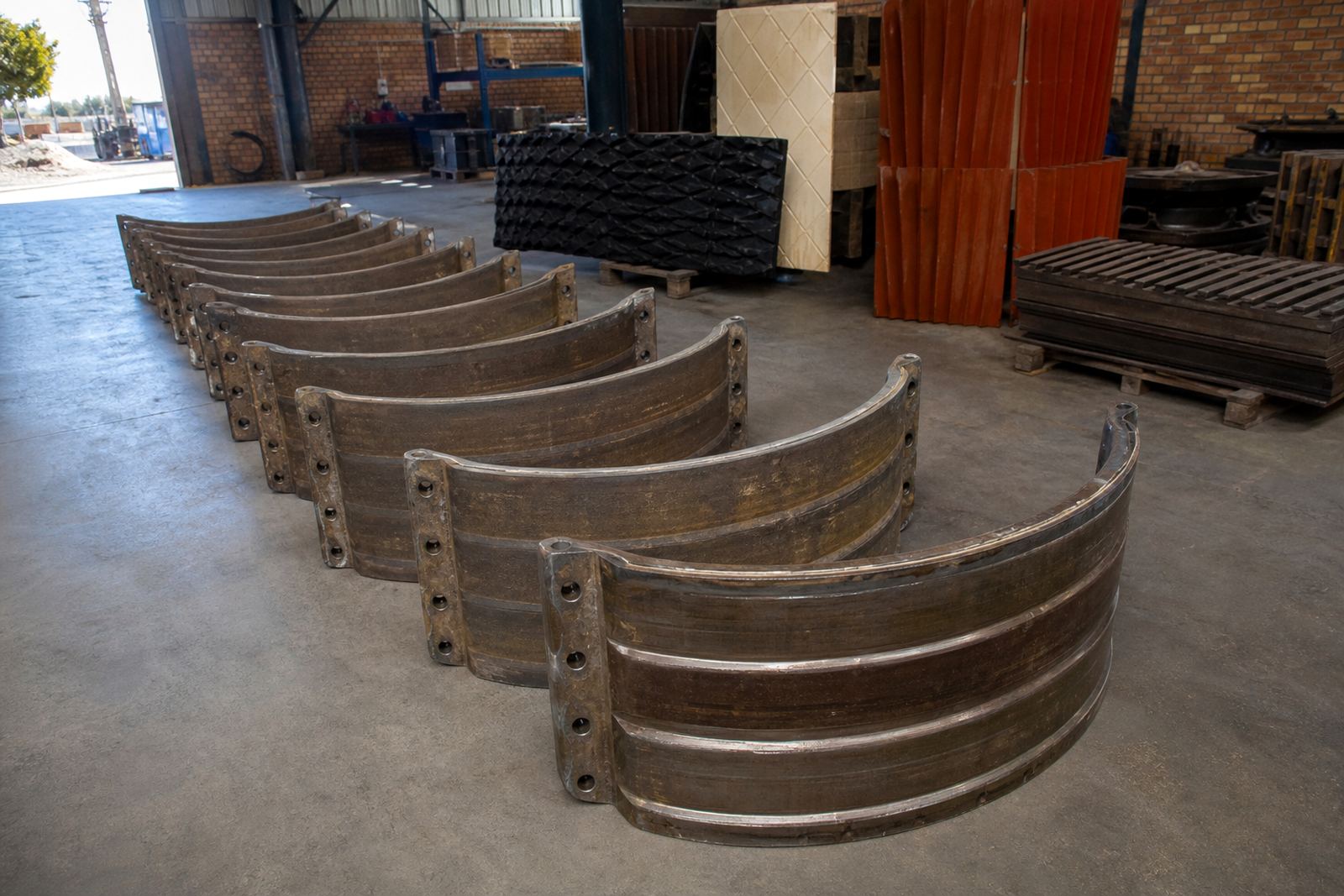
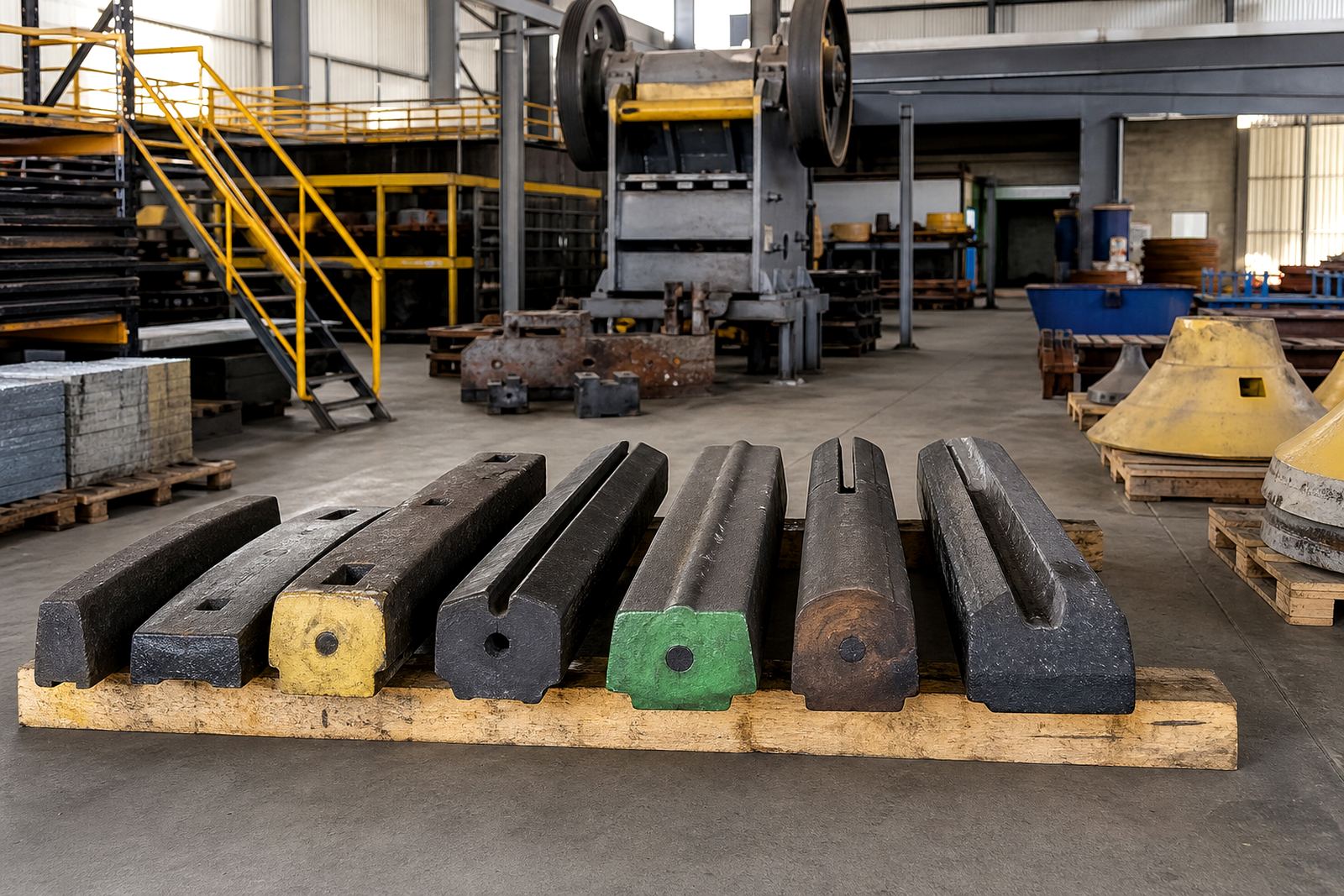
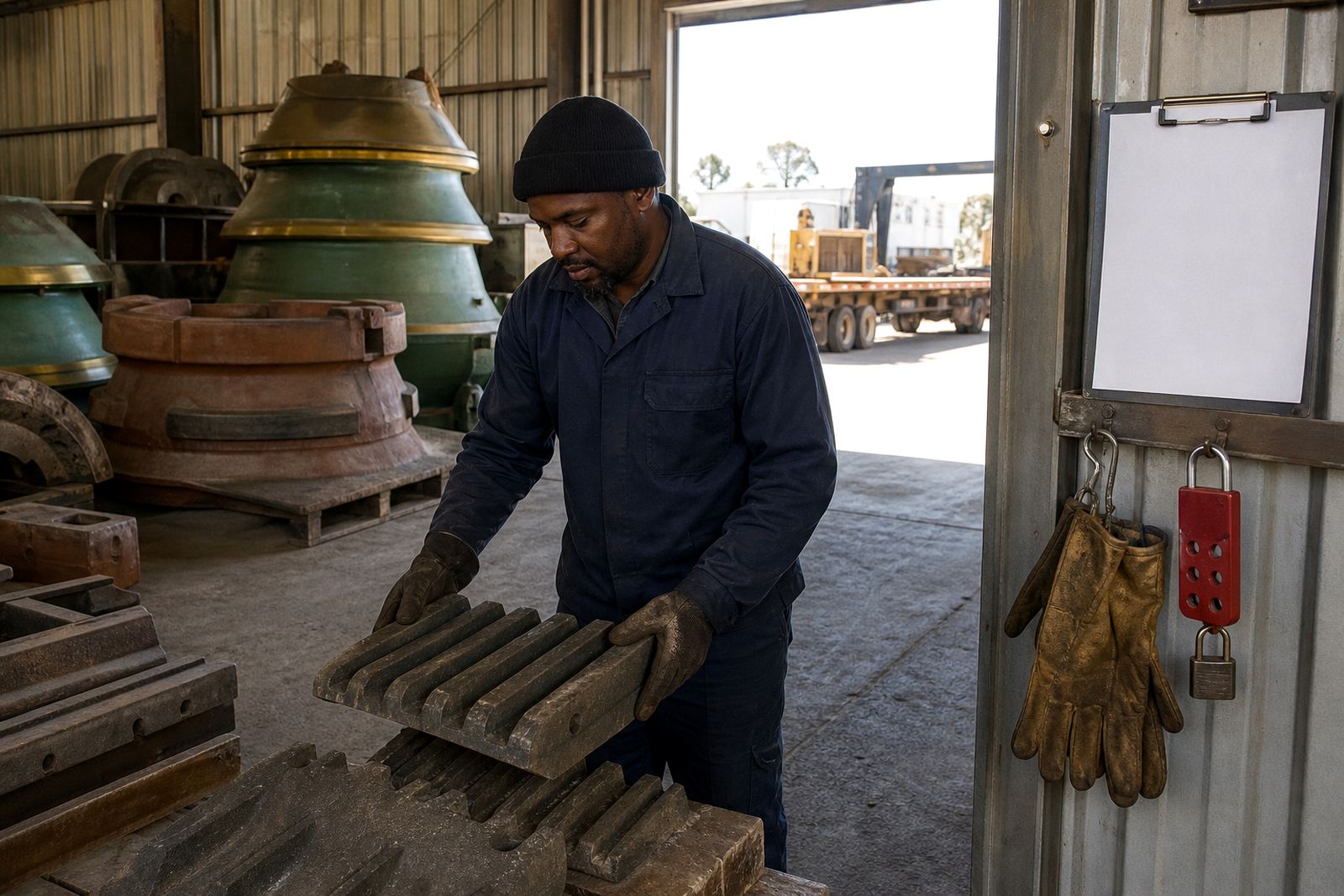
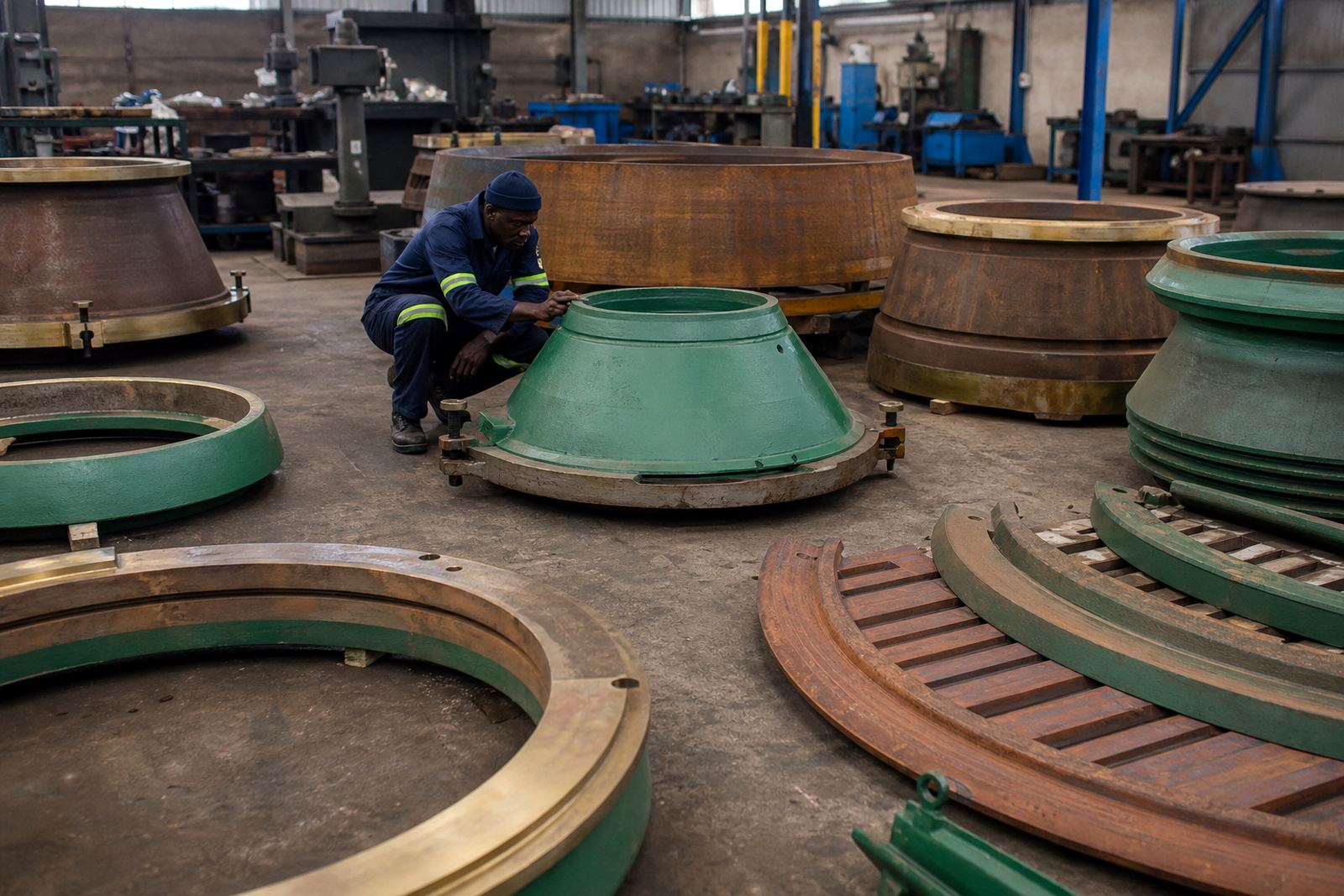
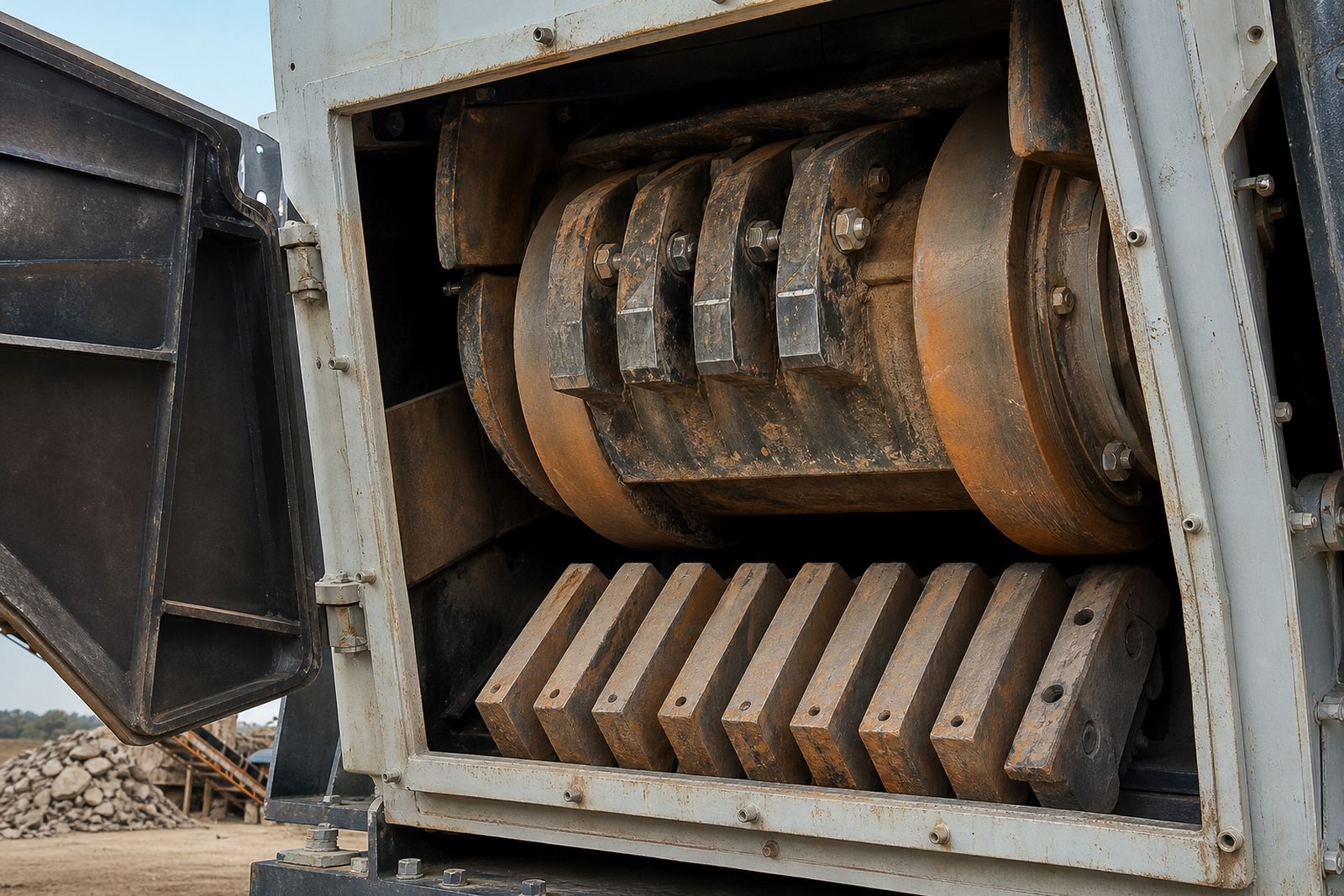
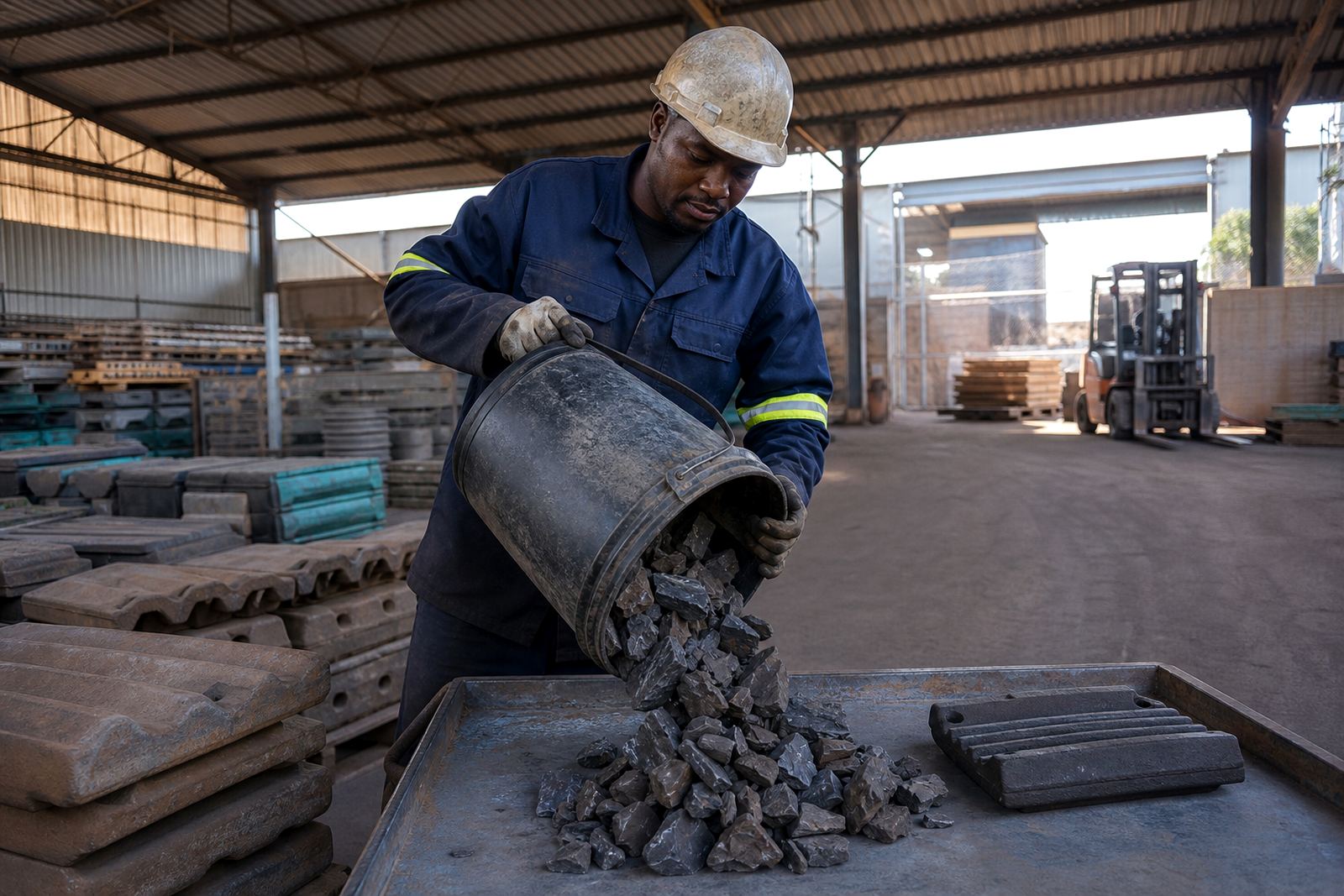
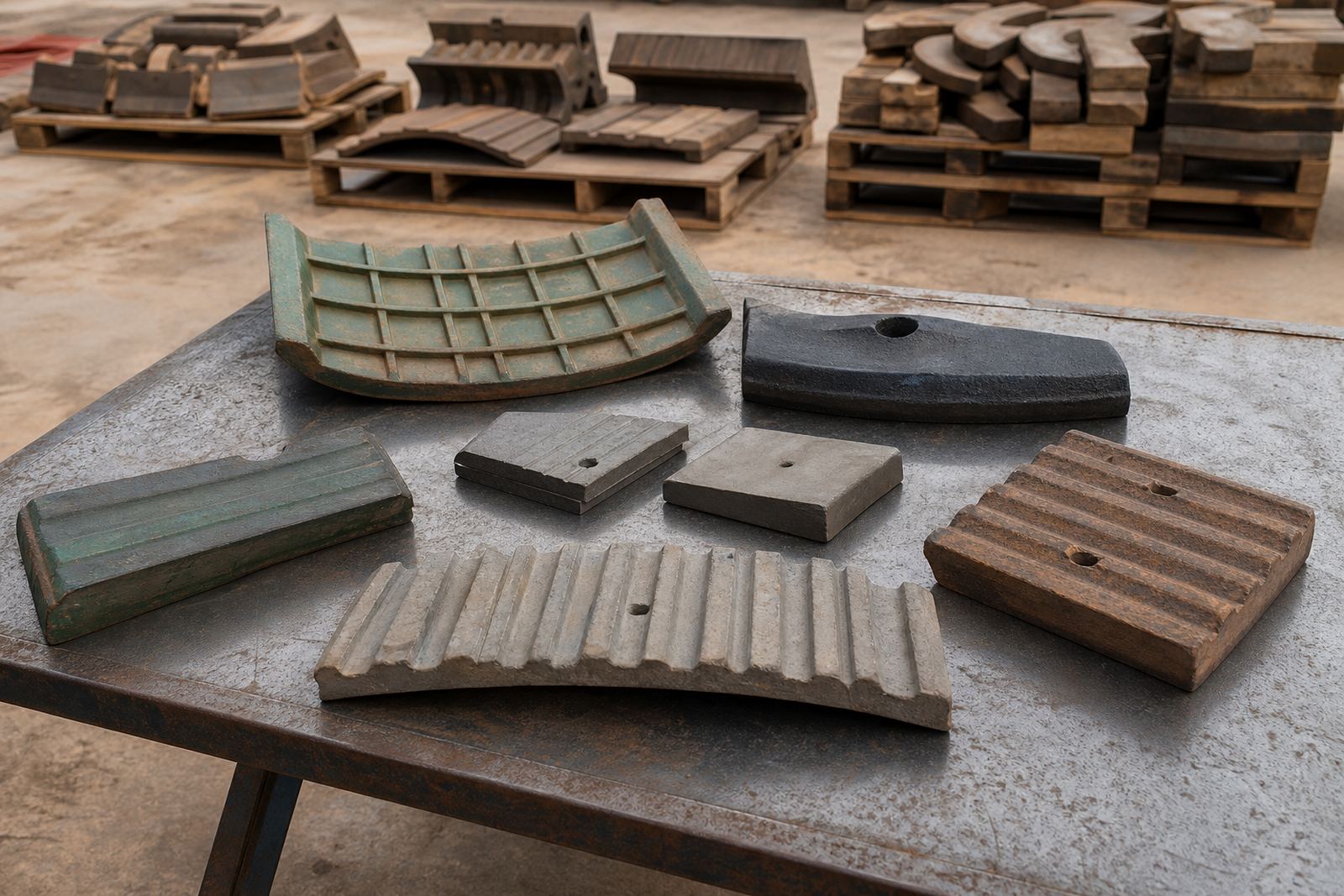
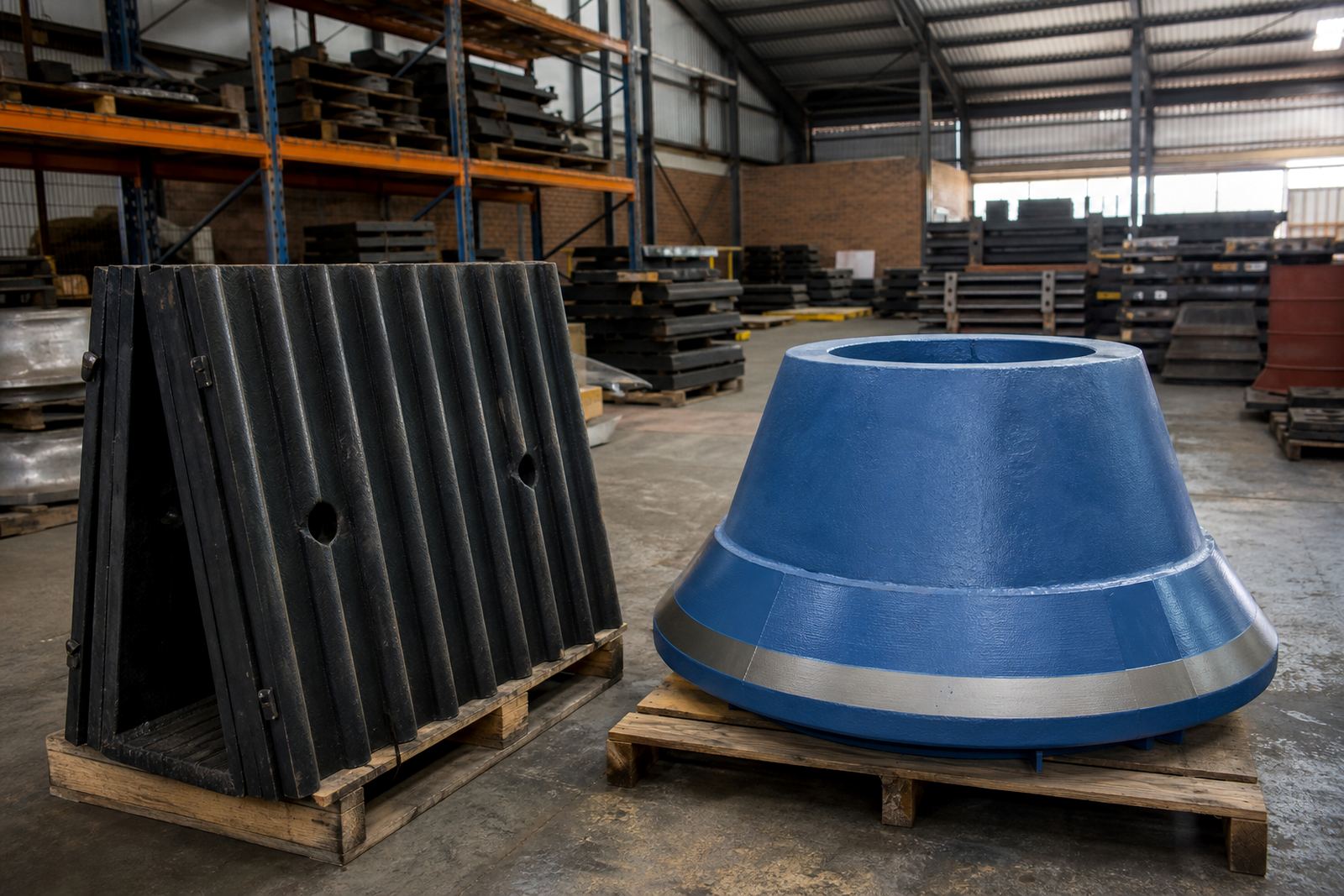
Our journal looks at generic crusher wear parts used across different crushing applications, including jaw plates, mantles, concaves, blow bars and liners. We do not overcomplicate the subject. The aim is to help site teams understand where each part fits into the process and what to watch during ordering, storage and replacement.

We also cover practical points like checking the condition of old parts before reordering, keeping the right sizes noted in the stock file, and avoiding mix ups when several machines are down at the same time. A missing liner can cost a shift, so the planning around it matters just as much as the part itself.

Freight realities for remote mines and quarries

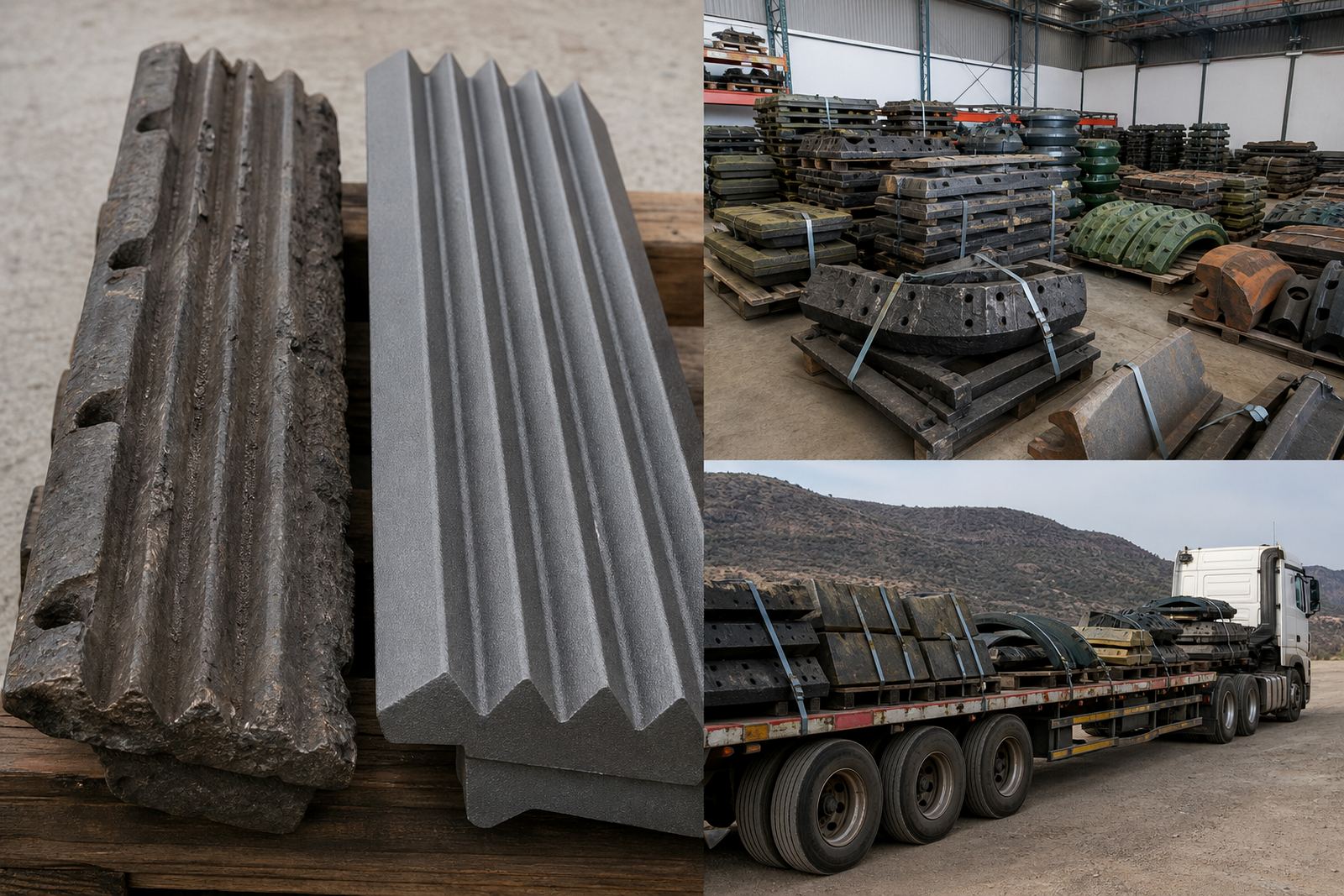
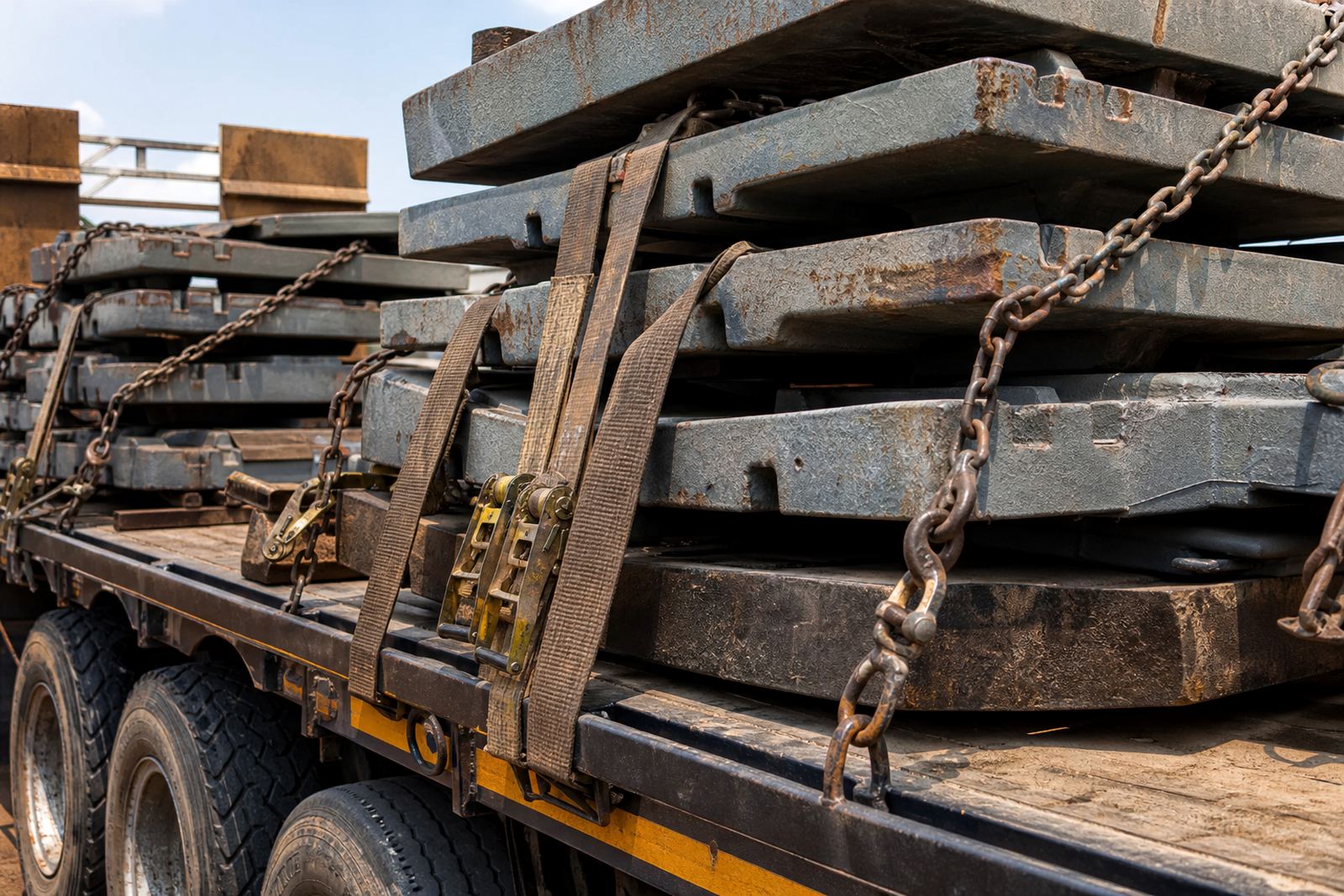
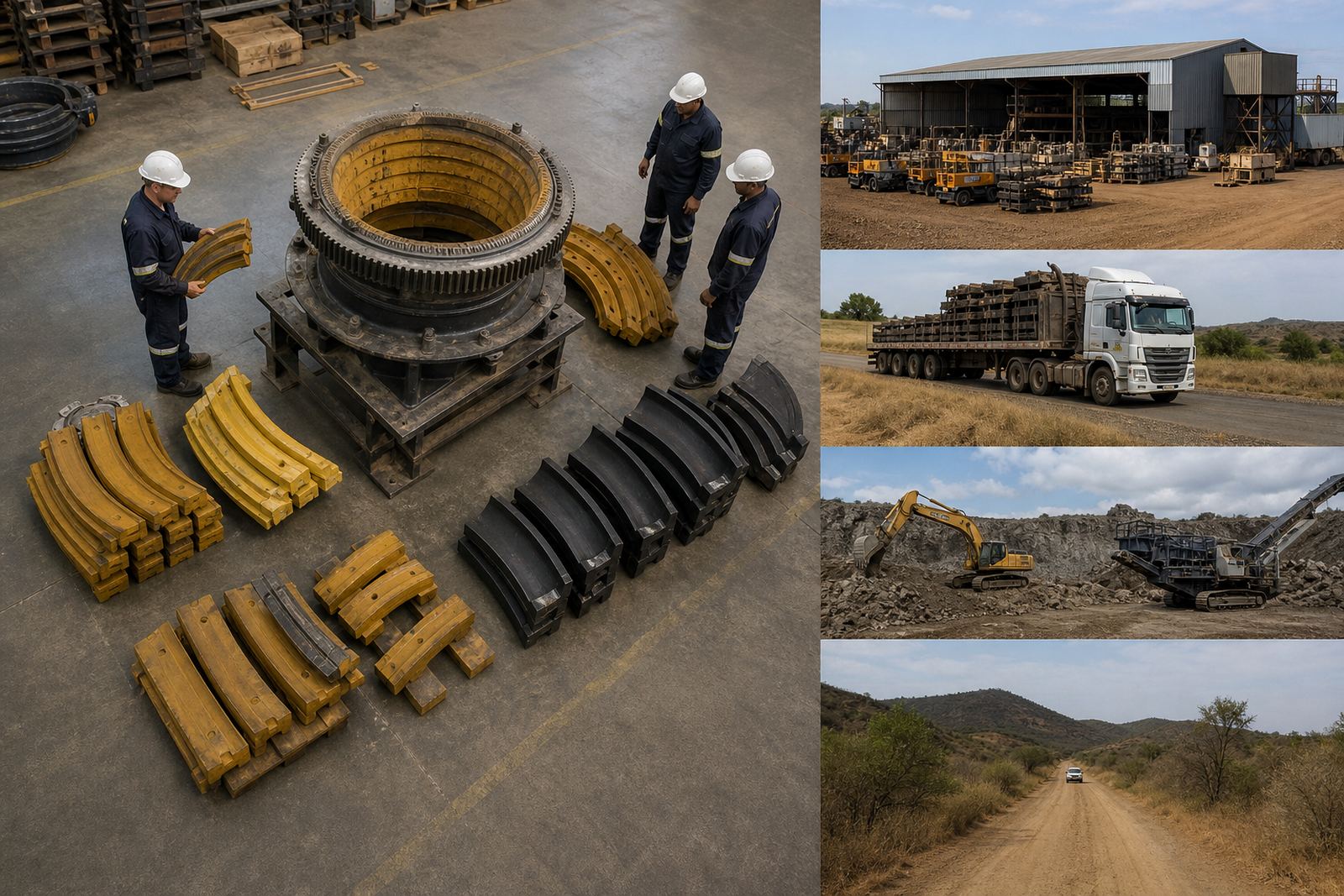
Getting crusher wear parts to a remote site is not the same as sending stock to an urban warehouse. Access roads, weighbridge rules, site induction times and weather all affect how freight moves. In Mpumalanga, Limpopo, the Northern Cape, North West and Gauteng, the route can change the whole delivery plan.

That is why some journal articles focus on load securing, route timing and site delivery coordination. They are written to help buyers and supervisors think ahead, especially when there is one delivery window and no room for a missed drop. A good plan also helps with return freight and keeps old parts moving back off site in an orderly way.

  • Allow for road conditions and long transit times to outlying sites.
  • Check site receiving hours before parts are dispatched.
  • Keep spares grouped by machine and shift plan.
  • Plan around shutdowns, public holidays and load-shedding where storage access or loading equipment may be affected.

Stock holding advice for busy procurement teams

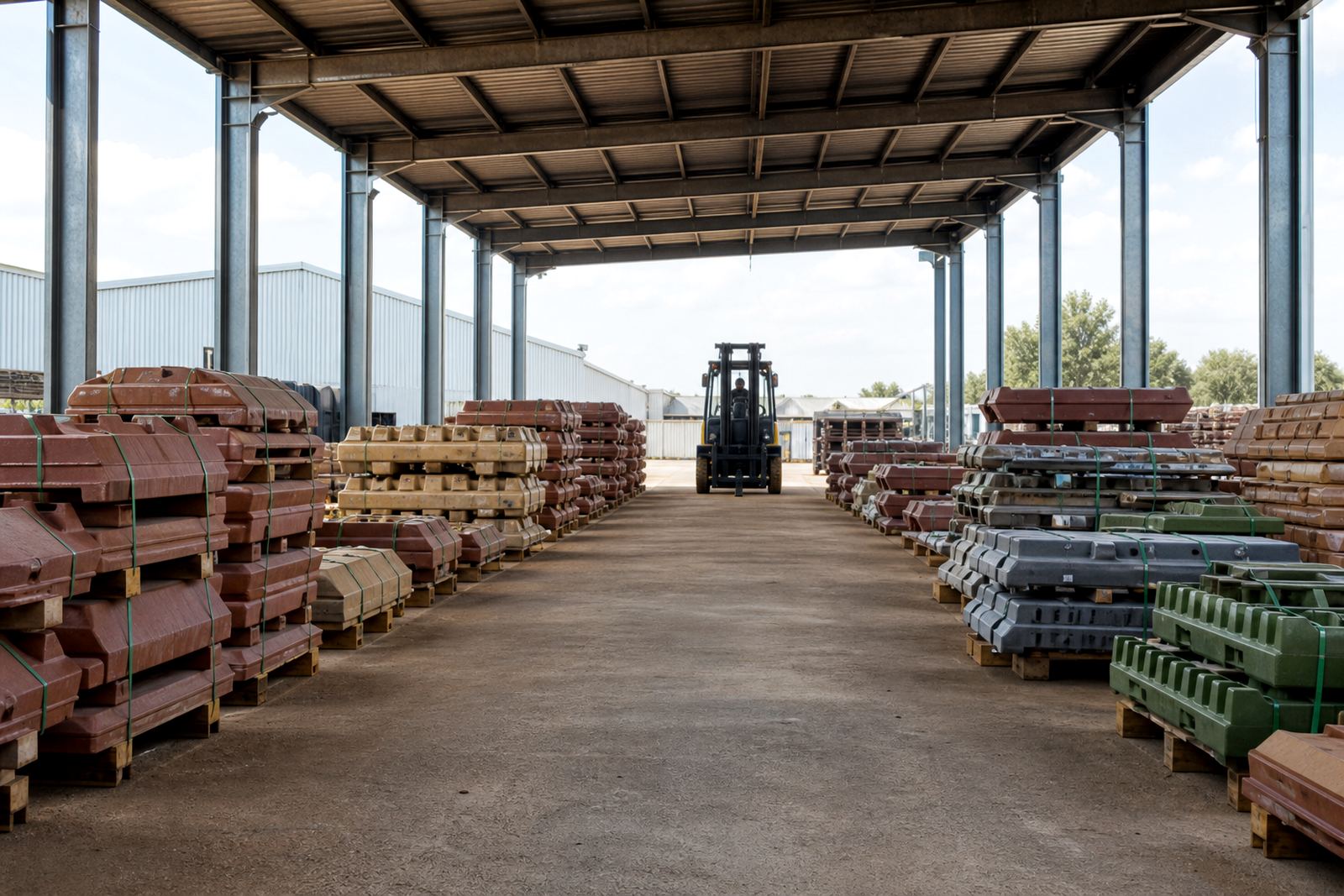
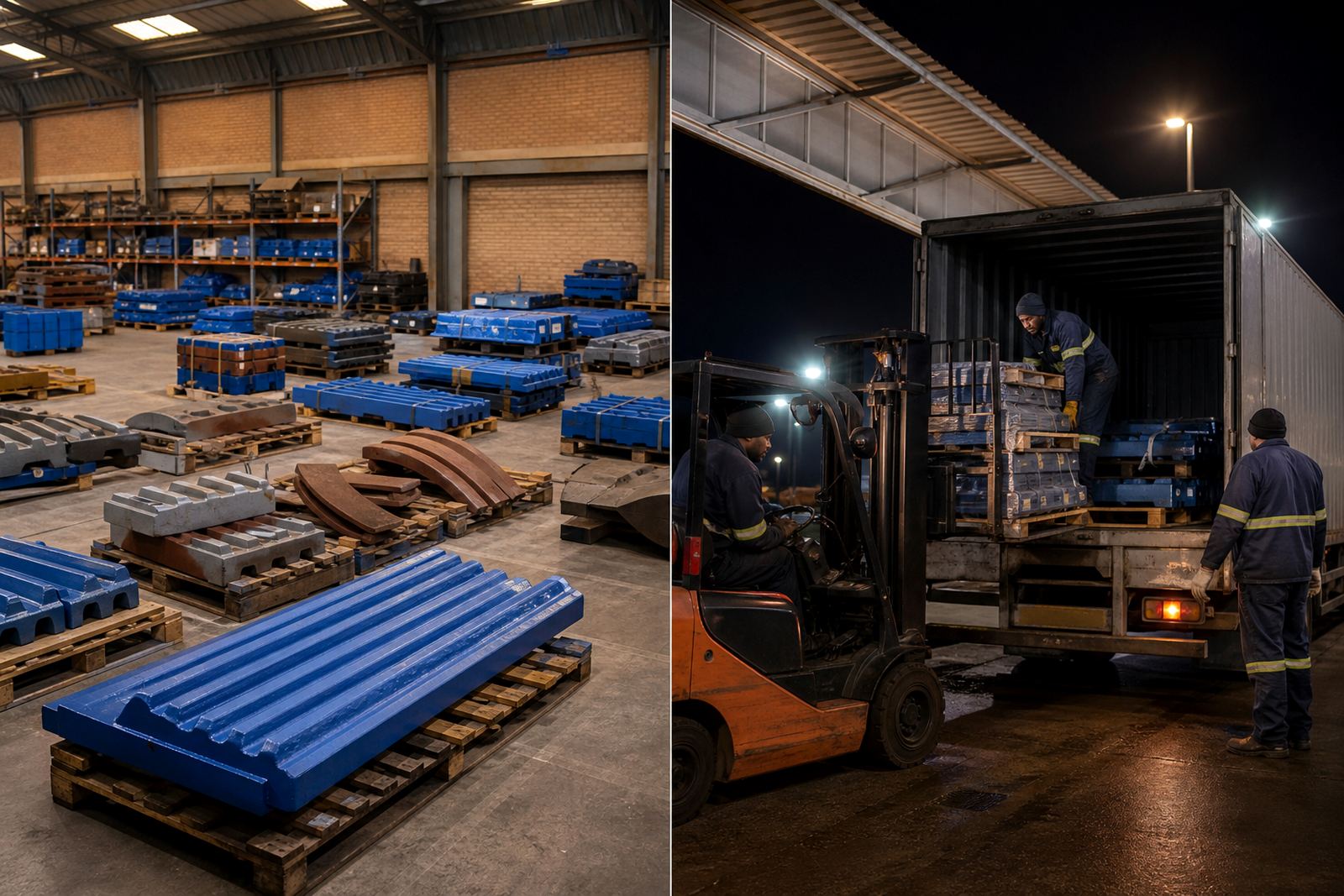
Many of our articles deal with stock holding because it is often the easiest way to reduce pressure on a mine or quarry. When parts are kept ready in Middelburg, the team can respond faster to planned work and unexpected changeouts. That matters when freight to site is long and the machine cannot wait.

We look at practical questions like how much stock to hold, when to bundle related items, and how to keep order records clear enough for procurement and warehouse teams to work from the same page. It may sound simple, but a clear stock file saves a lot of back and forth later on.

What local readers can expect from each article

Every article in Crusher Journal is meant to be useful, not fluffy. Some posts explain part types and wear patterns, while others deal with freight planning, order consolidation, or how to prepare for shutdown work in remote areas. Where needed, we refer to the kind of conditions many South African sites deal with every day, from dusty quarries to coastal humidity and rough access roads.

Our base in Middelburg, Mpumalanga supports freight and stock holding for operations across the country, and the journal reflects that practical footing. If you work in production, procurement or site supervision, these articles are meant to help you plan better and keep the plant moving.

Browse the journal by problem, not by guesswork

The listing cards below are added separately, so this page is here to help you choose the right topic before you click through. Start with the issue in front of you: a wear part question, a delivery delay, a shutdown deadline or a stock level that is too low for comfort.

That is the easiest way to use the journal. It keeps the reading focused and helps the right article reach the right person on site, whether that is the buyer, the warehouse team or the supervisor who needs the part on the ground by morning.

  • Choose wear part articles for fitment and replacement planning.
  • Choose freight articles for remote site deliveries and route timing.
  • Choose stock articles for holding levels and order support.

Questions we get asked

Who is Crusher Journal written for?

It is written for plant teams, buyers and site supervisors who need practical information on crusher wear parts, stock planning and freight to remote mining and quarry sites.

What kind of topics does the journal cover?

The journal covers wear parts such as jaw plates, mantles, concaves, blow bars and liners, plus stock holding, urgent dispatch, shutdown planning and delivery coordination.

How should I choose which article to read first?

Start with the issue you need to solve. If you need a part, read wear part articles. If the delay is on site delivery or transport, read freight and planning articles first.

Planning something? Send the team a message.

Contact form