
How to choose the right wear part for your crusher
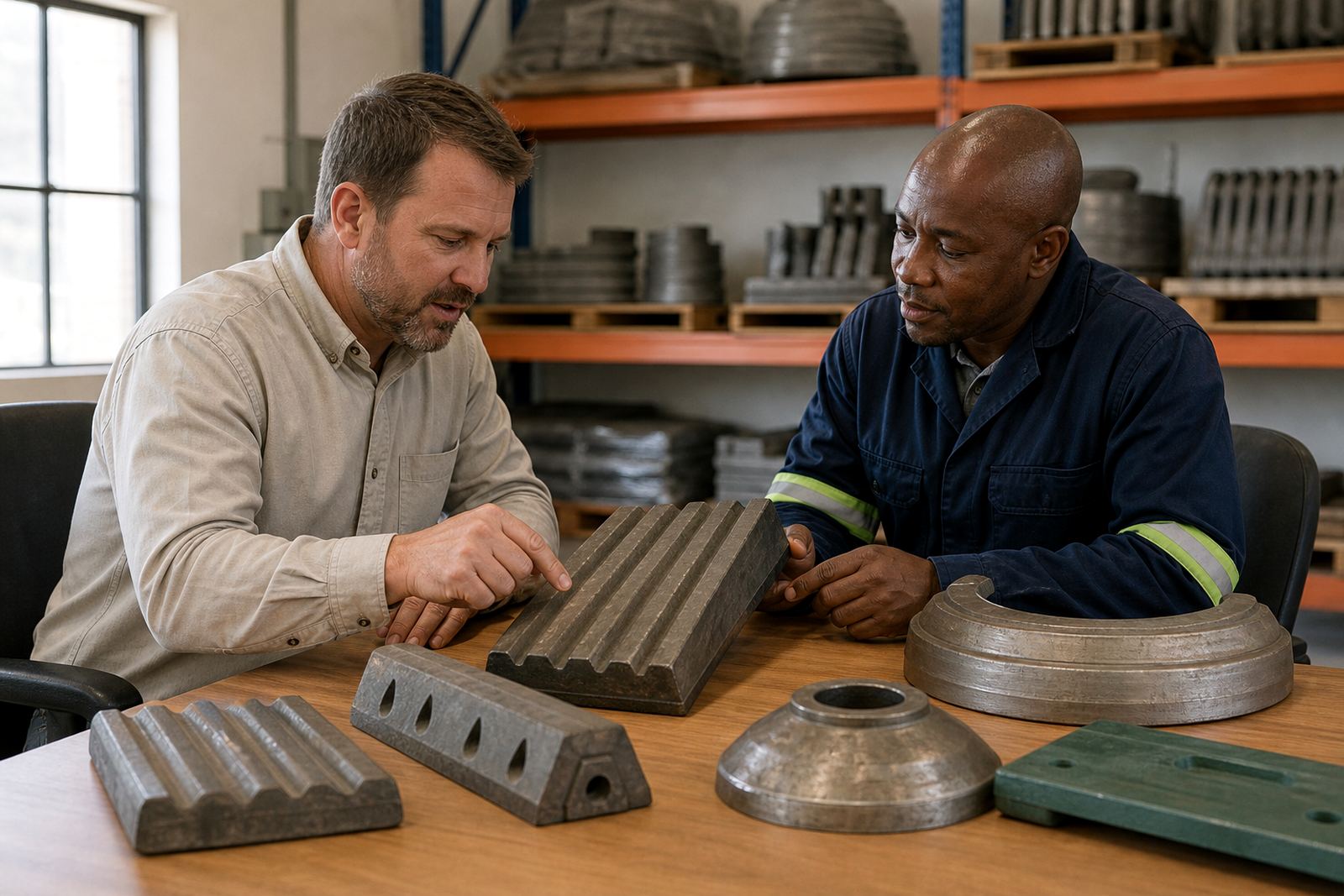
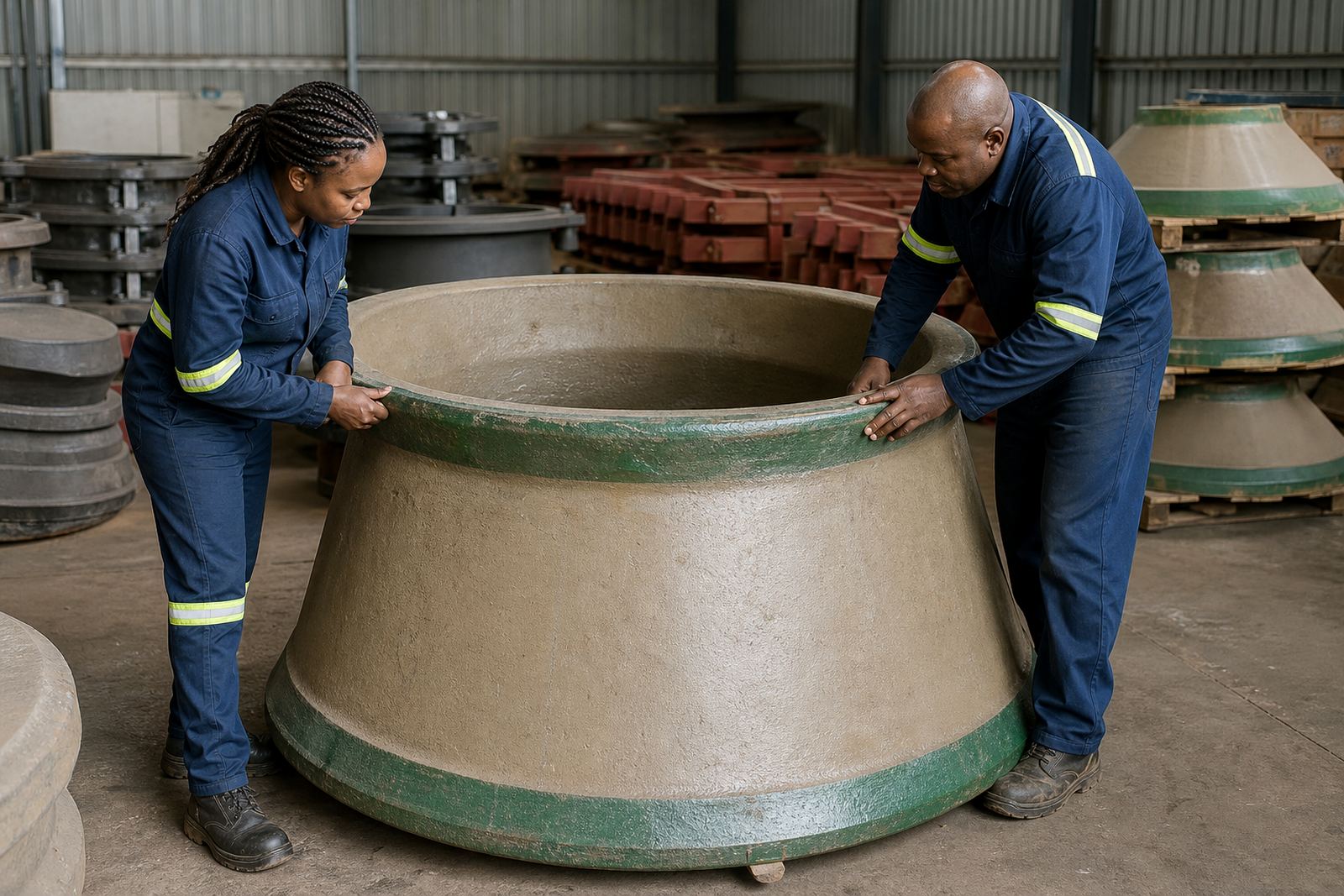
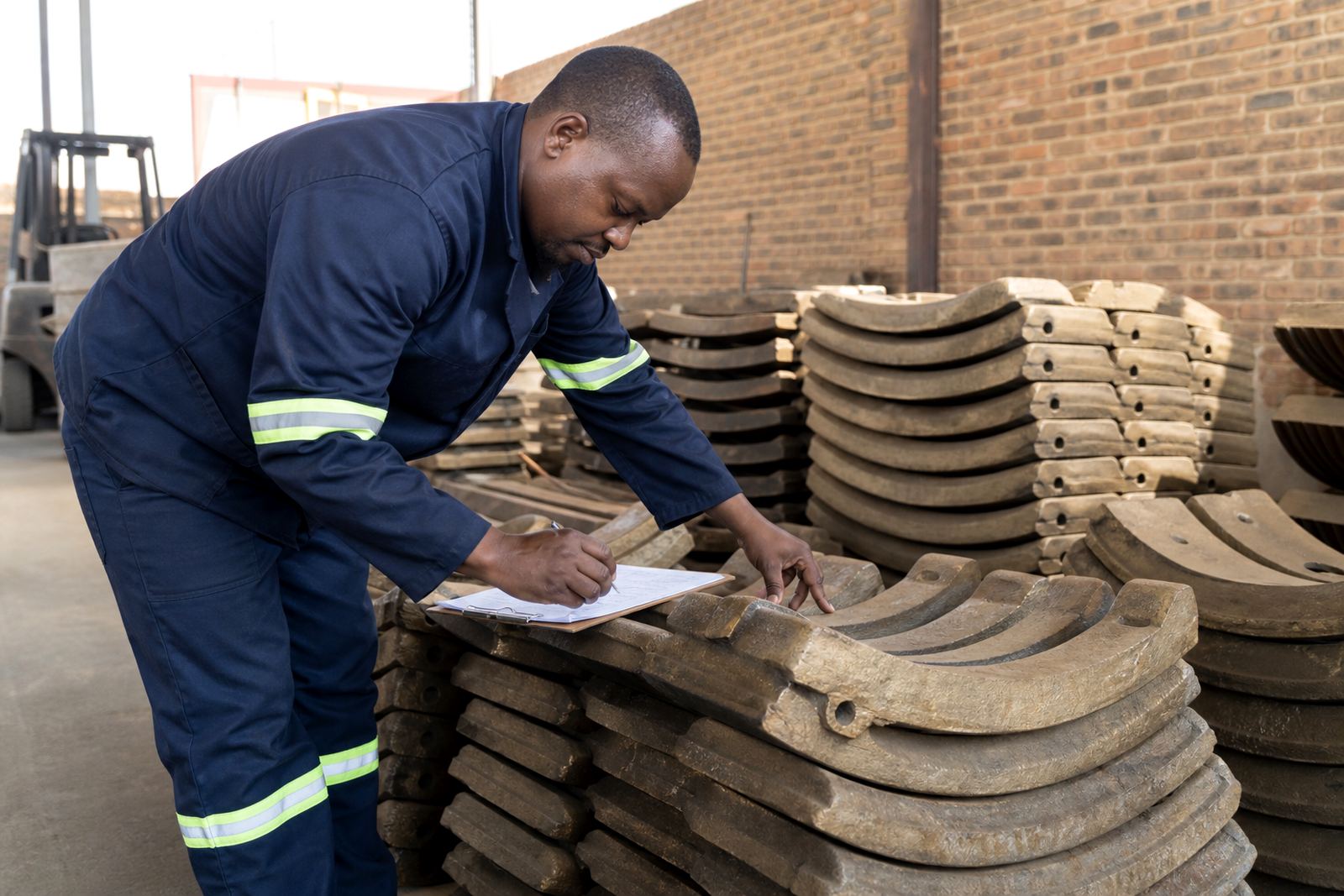
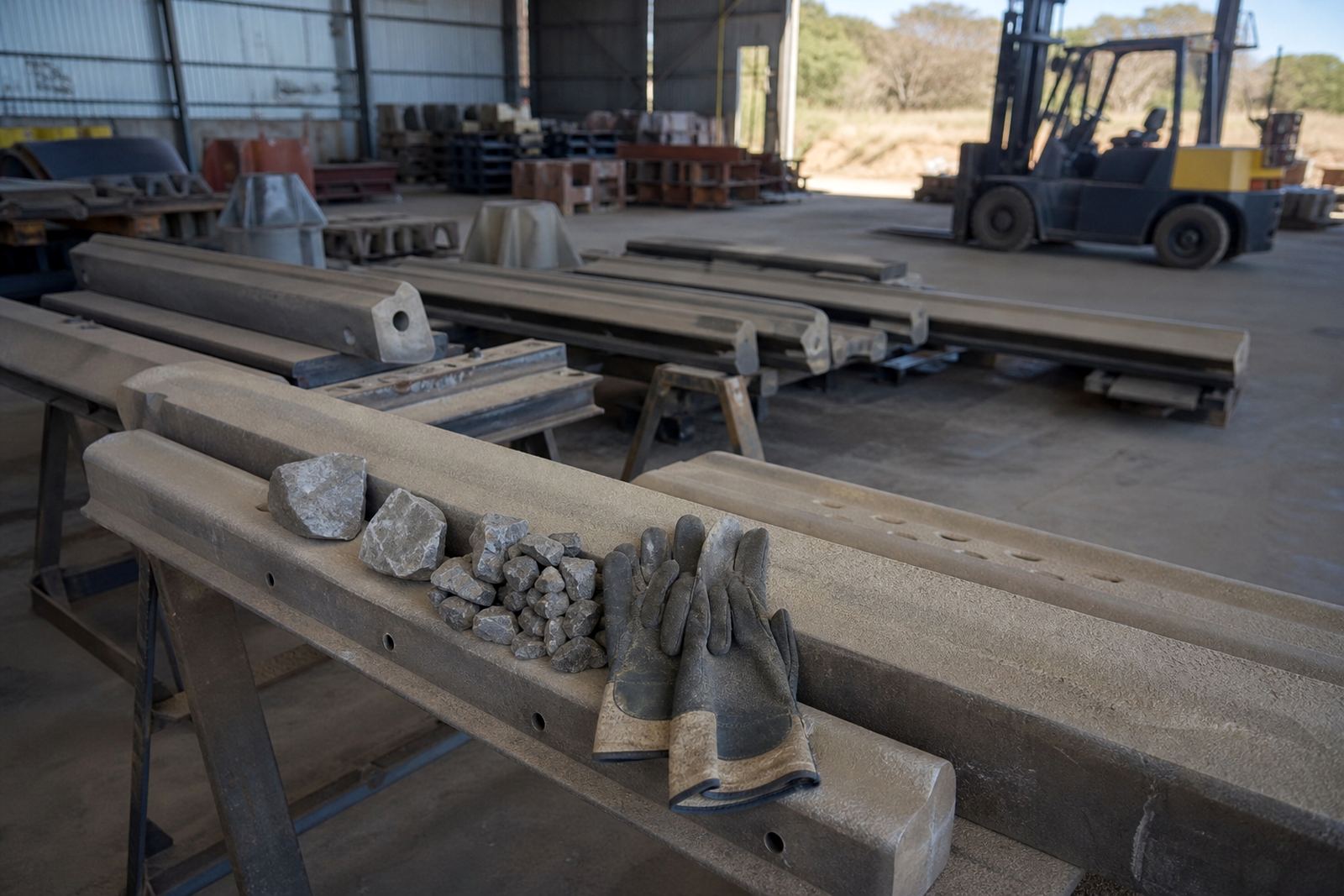
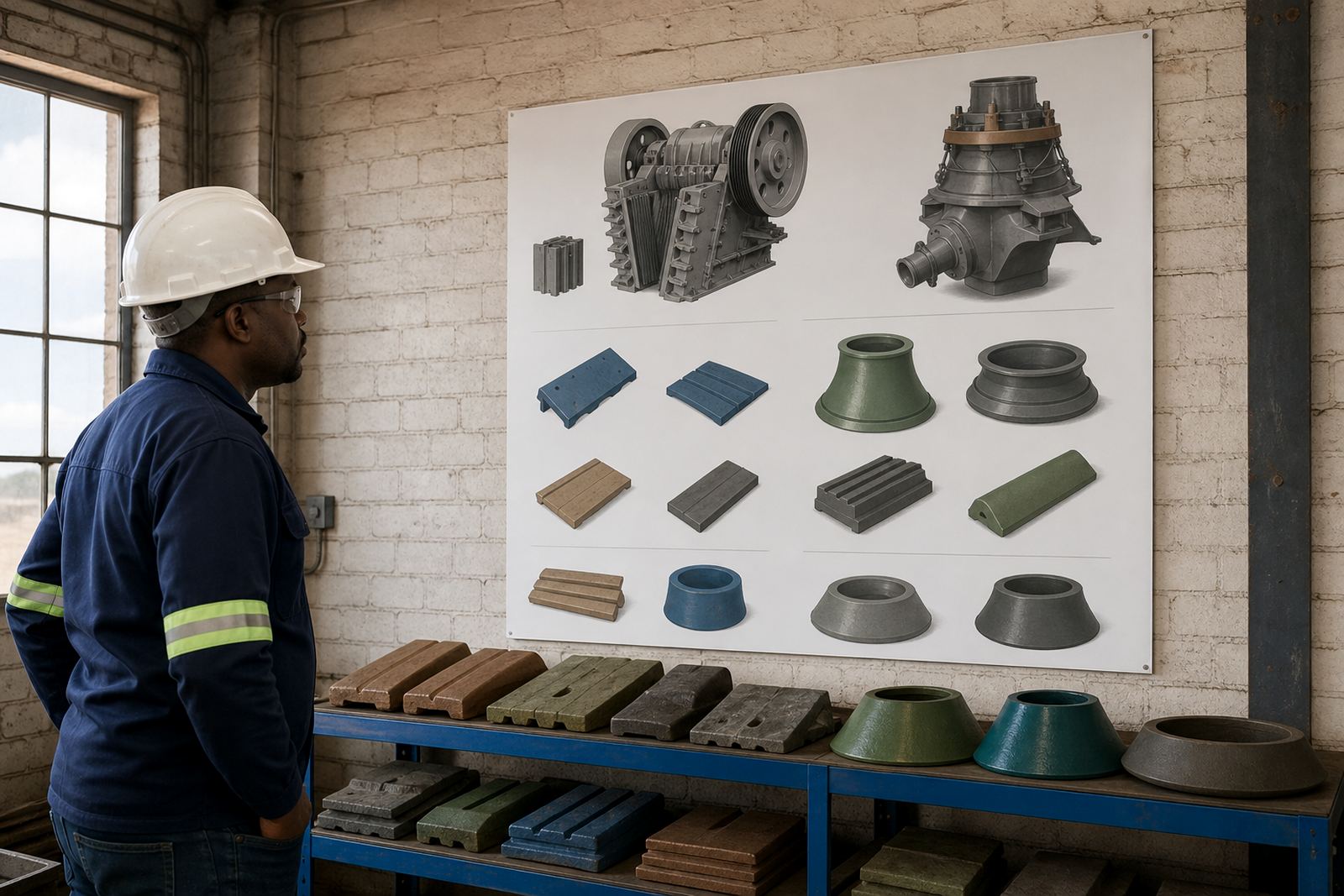
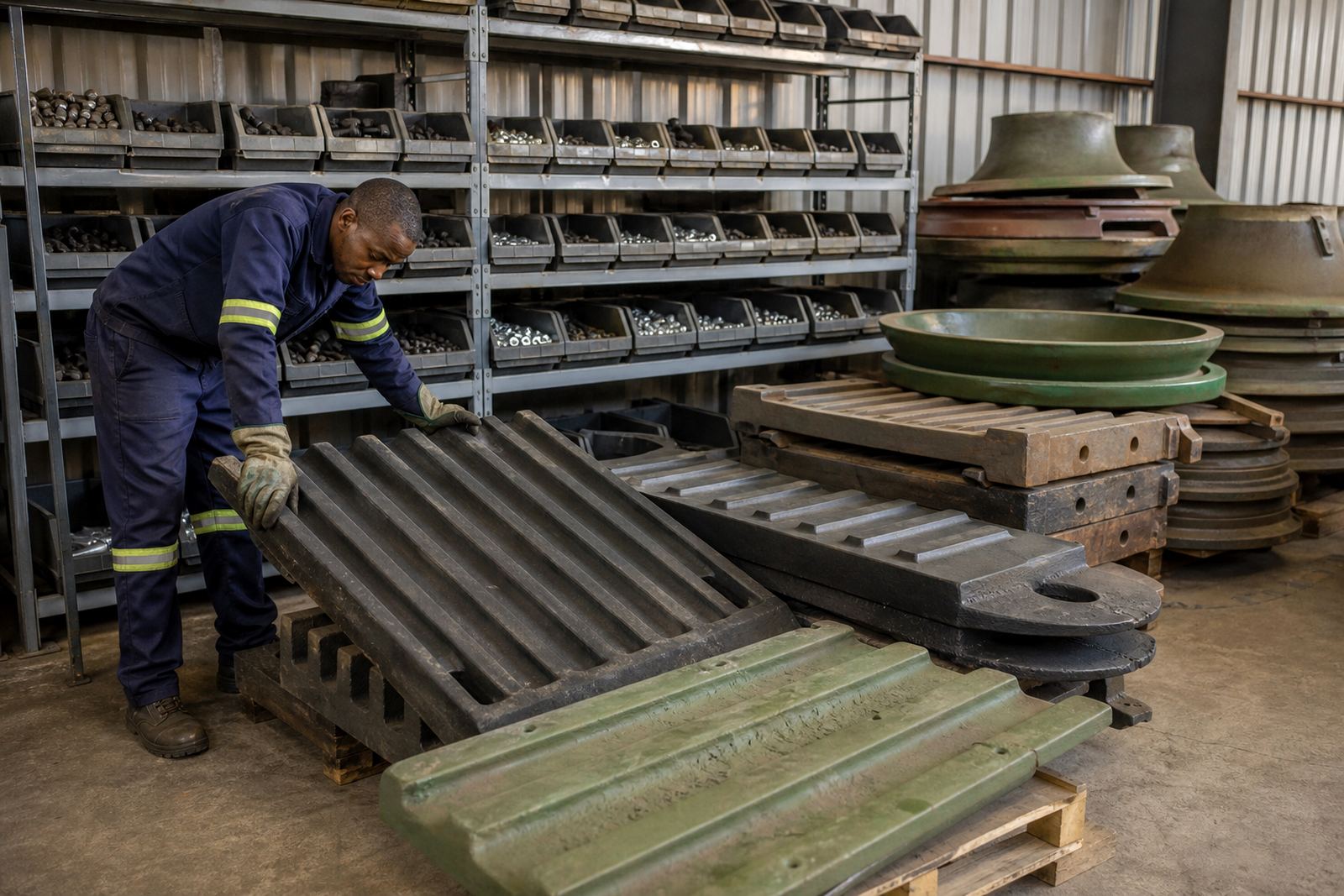
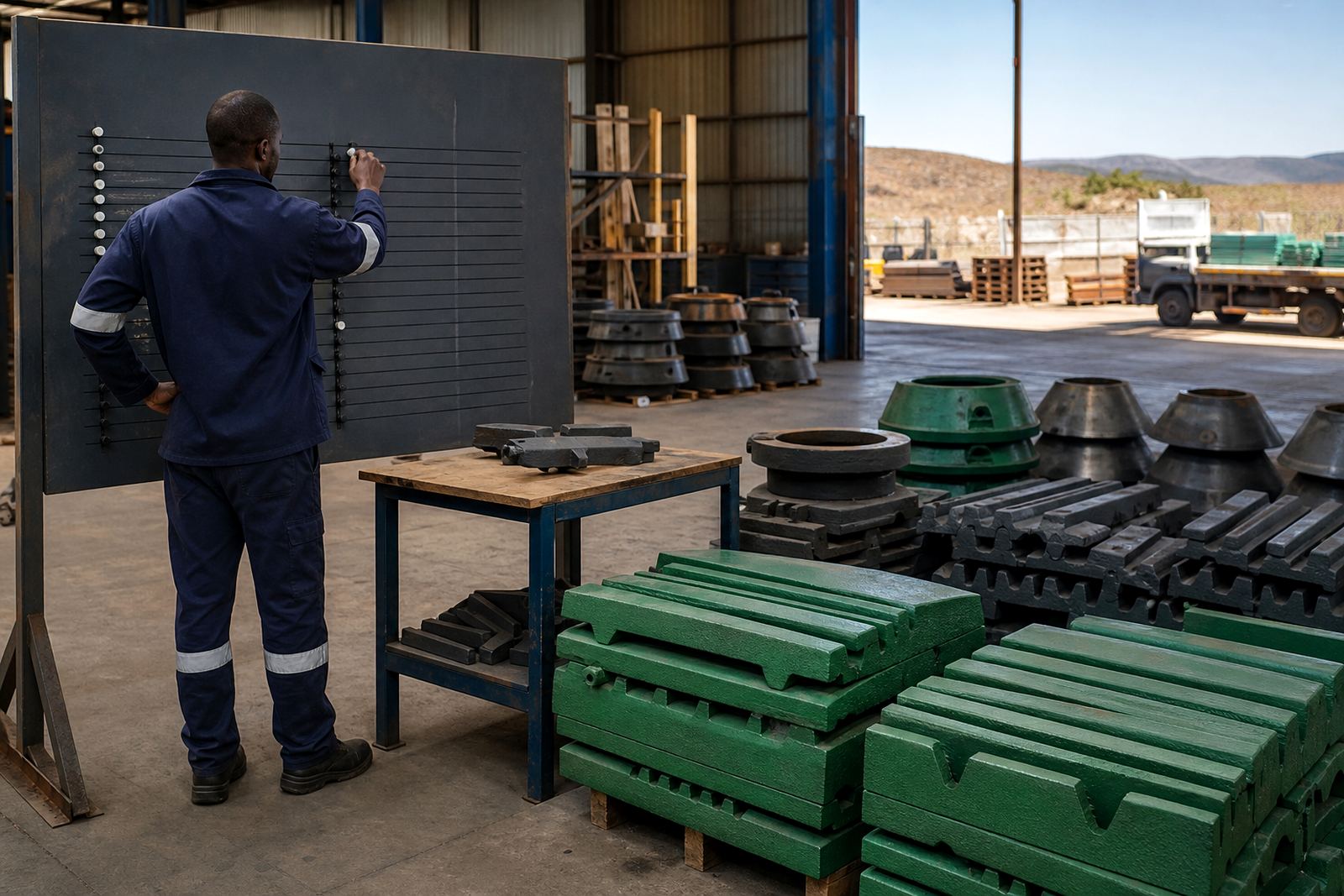
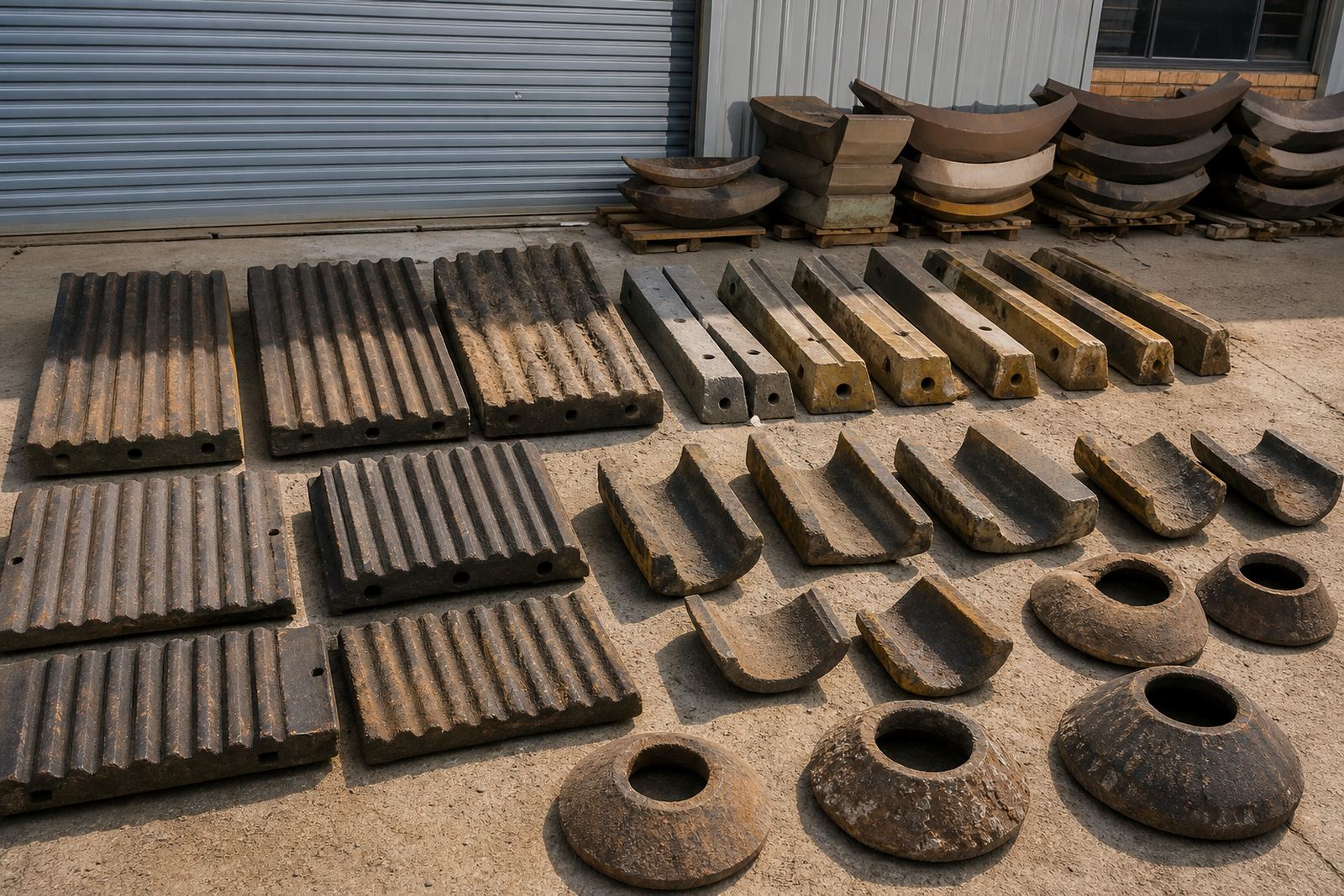
Choosing crusher wear parts starts with knowing the machine setup, the rock type and the wear pattern on site. Jaw plates, mantles, concaves, blow bars and liners all wear differently, so the best choice is the one that matches feed size, hardness and moisture levels. In dusty inland conditions or coastal humidity, the same part can behave very differently if the plant is not set up and inspected properly.
As a general rule, buyers should look at the part profile, thickness, fit and expected service life before placing an order. If a site runs long shifts and cannot afford delay, it helps to plan the next change-out before the current set is down to the last usable edge.
- Check the crusher model and cavity setup before ordering
- Match the part to the rock being crushed, not only the machine type
- Keep a record of wear rates by site and by season
- Ask for support if the current wear pattern is uneven or premature
When to replace jaw plates, mantles, concaves and blow bars
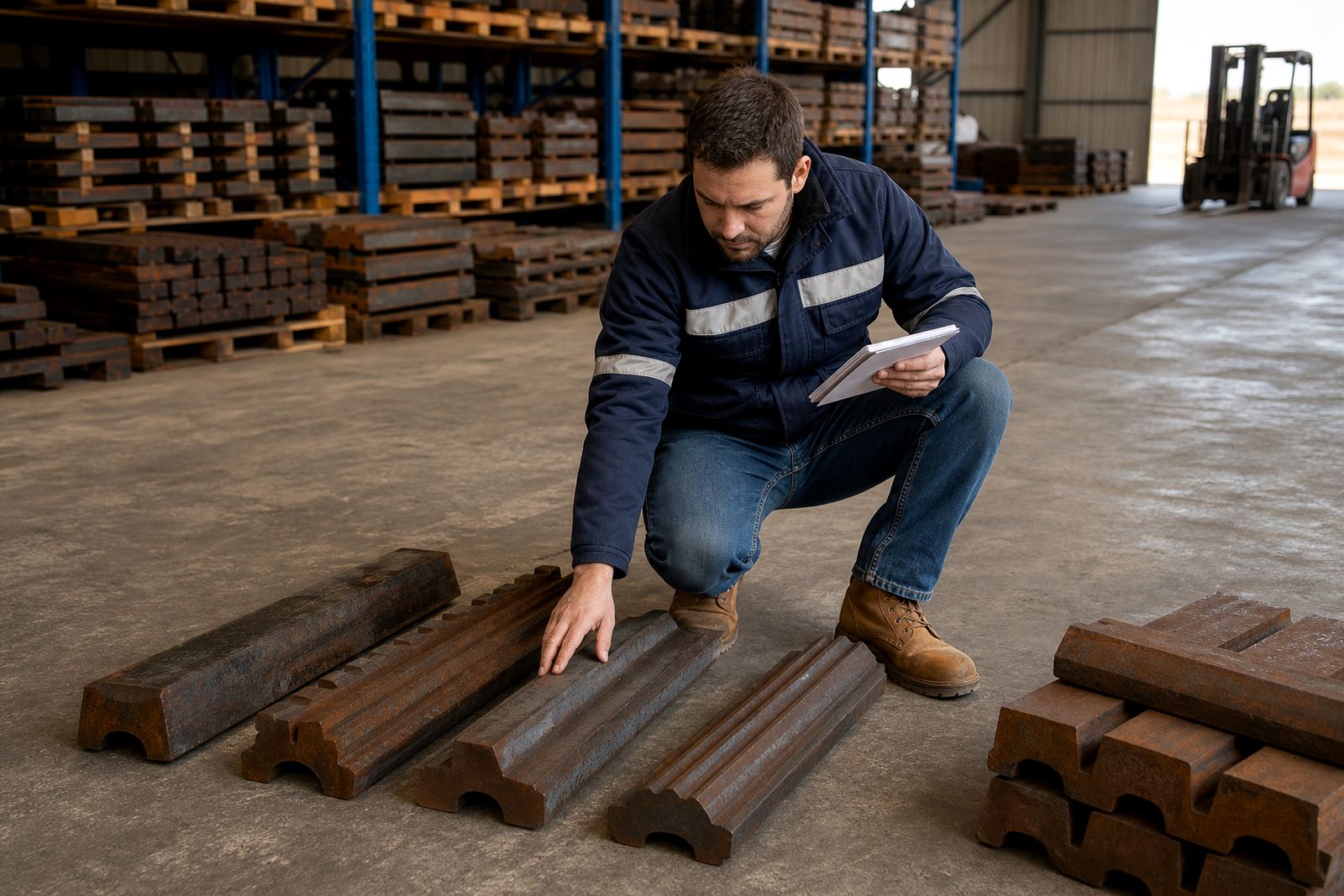
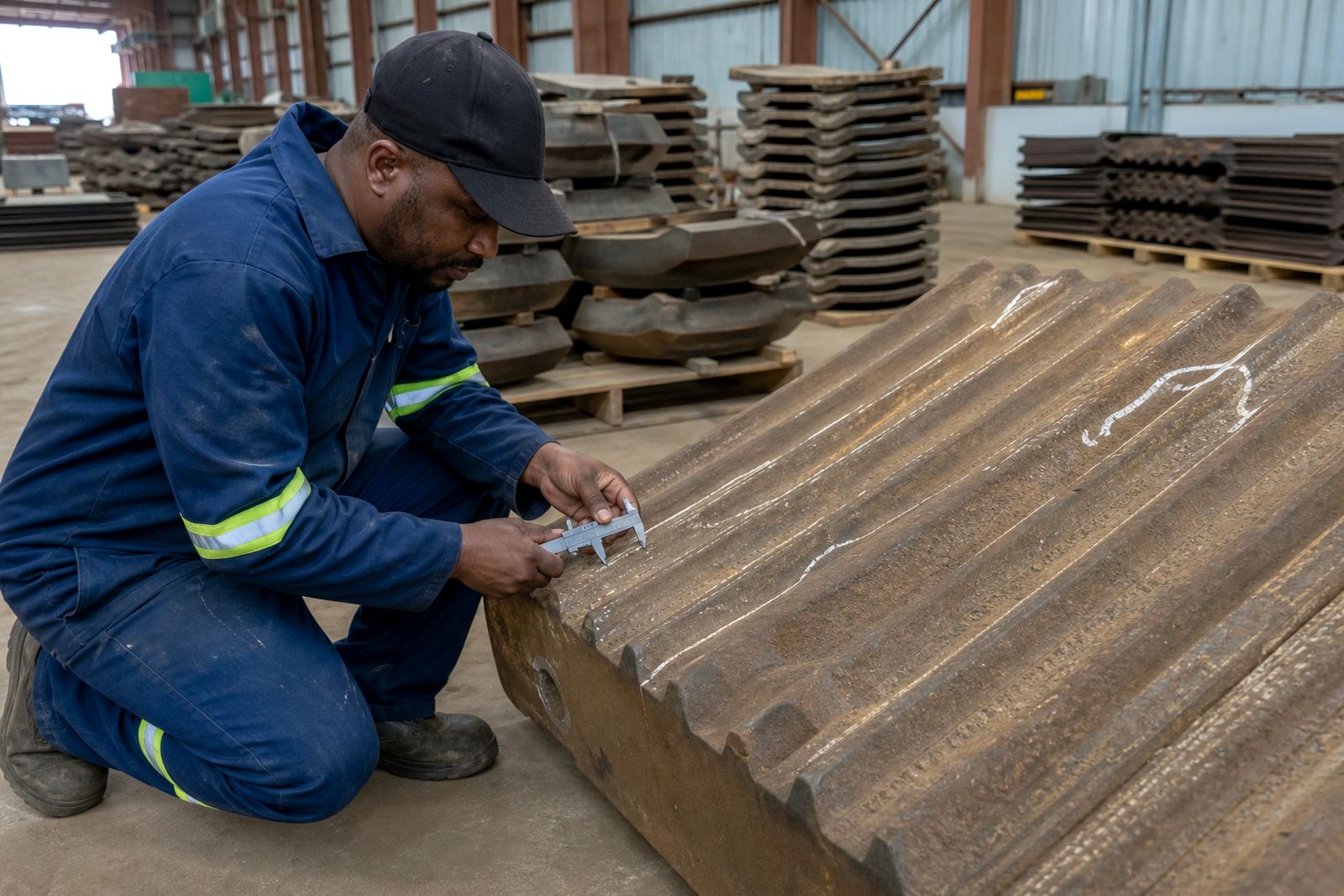
Replacement timing is usually driven by output drop, product shape and visible wear on the working faces. If the crusher starts drawing more power, producing more fines or struggling to hold setting, the wear parts may already be close to the end of their useful life. Waiting too long can damage other components and force an unplanned stop.
For remote mines in Mpumalanga, Limpopo, the Northern Cape, North West and Gauteng, planned replacement is often easier than emergency recovery. A good shutdown plan gives the warehouse time to pick the right set, secure the load and send it on the right route without rushing at the last minute.
- Watch for thinning edges, cracking and uneven wear
- Plan change-outs around scheduled maintenance windows
- Keep spare sets for high-risk crushers on critical production lines
- Confirm the next delivery point before the old set is removed
Ordering guides for mines far from major supply centres
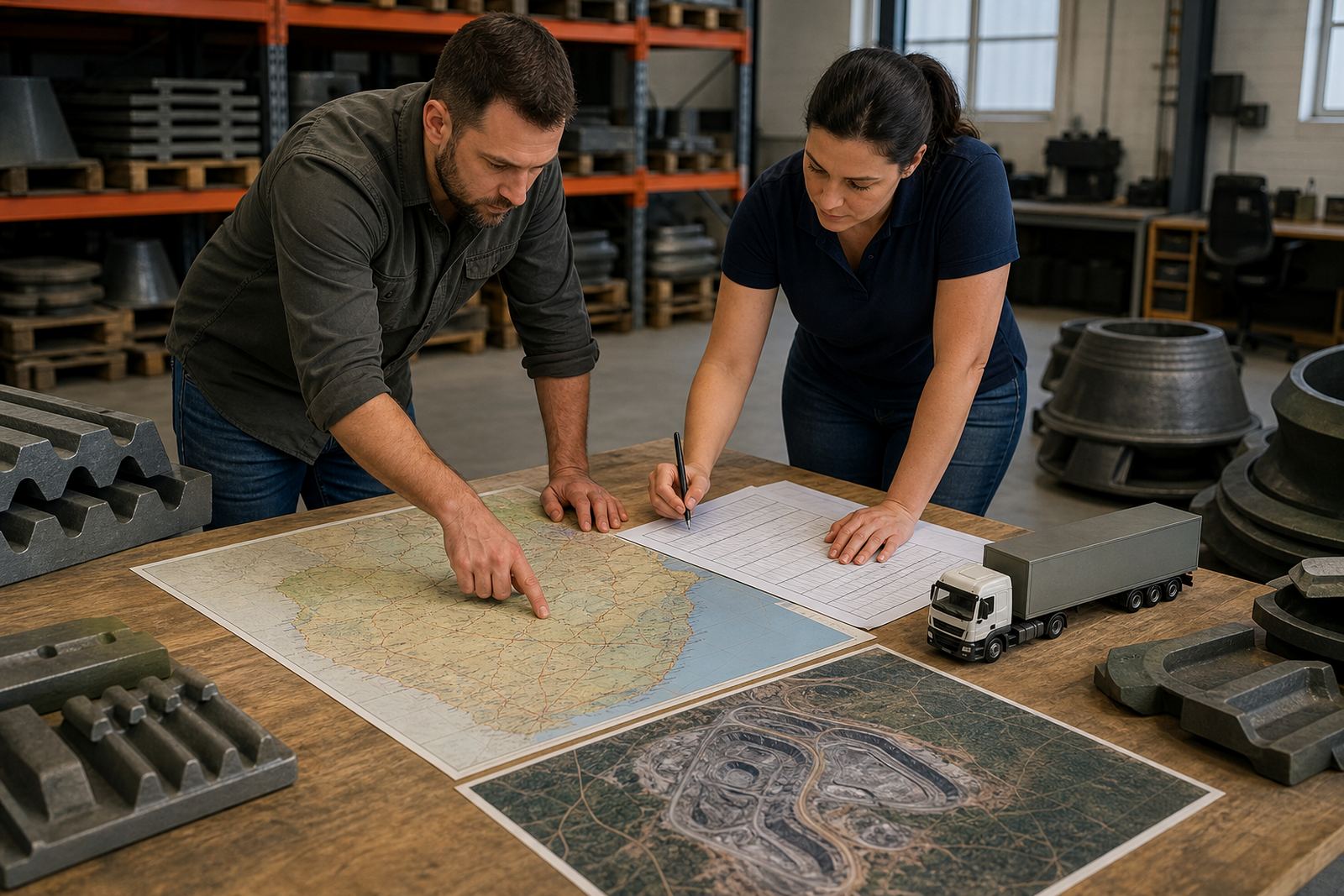
Remote sites need a different ordering rhythm from plants close to a city. Freight time, road access, weighbridge delays and security at site gates can all affect when parts arrive and how they are received. That is why order support, route planning and order consolidation matter just as much as the part itself.
From Middelburg, we hold stock and move freight to mines and quarries across the region, including Witbank, Steelpoort, Burgersfort, Phalaborwa, Rustenburg, Kathu and Johannesburg East. Buyers can reduce delays by sending full part lists early, confirming delivery instructions and grouping related items into bundled kits where possible.
- Send part details early to allow picking and load planning
- Group related wear parts into one shipment where practical
- Confirm site access rules, delivery hours and contact points
- Allow for road conditions and load securing on long routes
Why stock holding matters for shutdowns and urgent dispatch
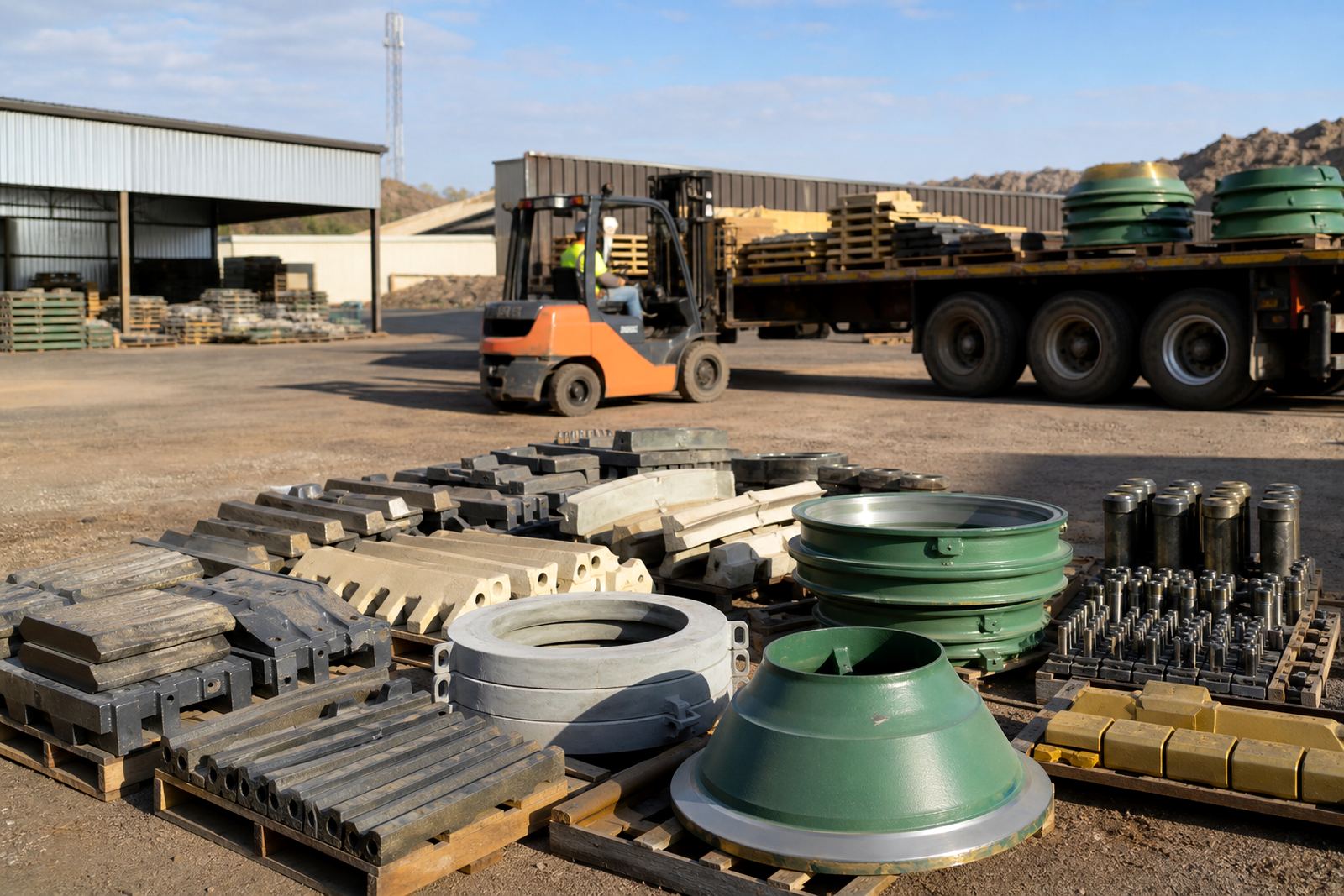
When a crusher stops, every hour counts. Stock holding reduces the pressure on shutdown teams because common wear parts can be picked without waiting for outside supply. It also helps when a part is needed for a partial repair, a planned shutdown or a fast swap after unexpected wear.
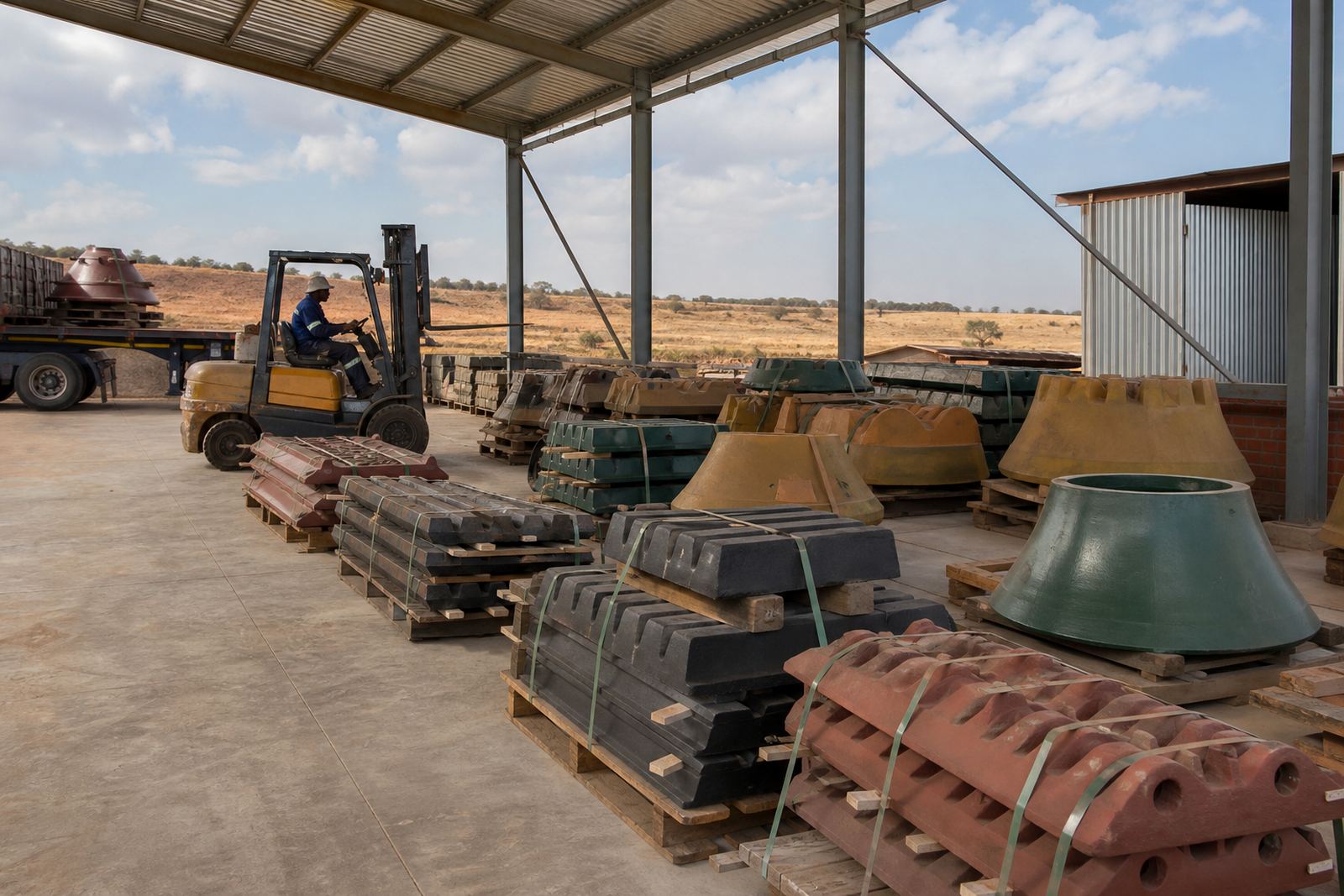
Our Middelburg base supports urgent part dispatch, return freight planning and load securing for long-distance moves. That is useful for mines working in areas where transport is limited, roads are rough or weather can affect access. A practical stock plan can keep production moving when the local market is quiet and the site still needs parts now.
- Keep fast-moving items in stock for critical crushers
- Use shutdown planning to reduce rushed freight costs
- Ask for consolidated loads when several parts are due at once
- Plan return freight where damaged or worn parts must come back
What site teams should check before a delivery reaches the gate
Good freight work does not end when the truck leaves Middelburg. Site teams should be ready to receive the load, offload safely and confirm the right items are handed over. On busy mine roads, a missed instruction or a closed gate can delay a delivery and affect the next shift.
Before delivery, make sure the receiving area is clear, the offload method is agreed and the paperwork matches the order. In some areas, especially where municipal access roads are used, trucks may also need extra time for entry control or load restrictions. A few simple checks can save a lot of back and forth, and the driver arrives with less stress.
- Confirm the delivery point and site contact before dispatch
- Prepare lifting equipment if the load is heavy or bulky
- Check that the order paperwork matches the part list
- Allow space for safe offloading and short-term storage
Guide to using these pages when planning your next order
These guides are meant to help buyers make sensible decisions, not to overcomplicate the process. If you know the crusher type, the wear pattern and the site location, you are already most of the way there. The rest is about timing, freight and choosing the right mix of parts for the job.
Use the guides to compare options, prepare a clearer enquiry and reduce costly mistakes. If you are managing crushers across different towns or remote sites, keeping one simple process for ordering will make life easier for operations and procurement alike.
- Start with the machine, then confirm the wear part type
- Use the guides to plan ahead for shutdowns and reorder points
- Keep one standard ordering process for all sites
- Send enquiries through the contact form so the team can respond with the right support