


Choosing crusher parts for the duty, not just the machine
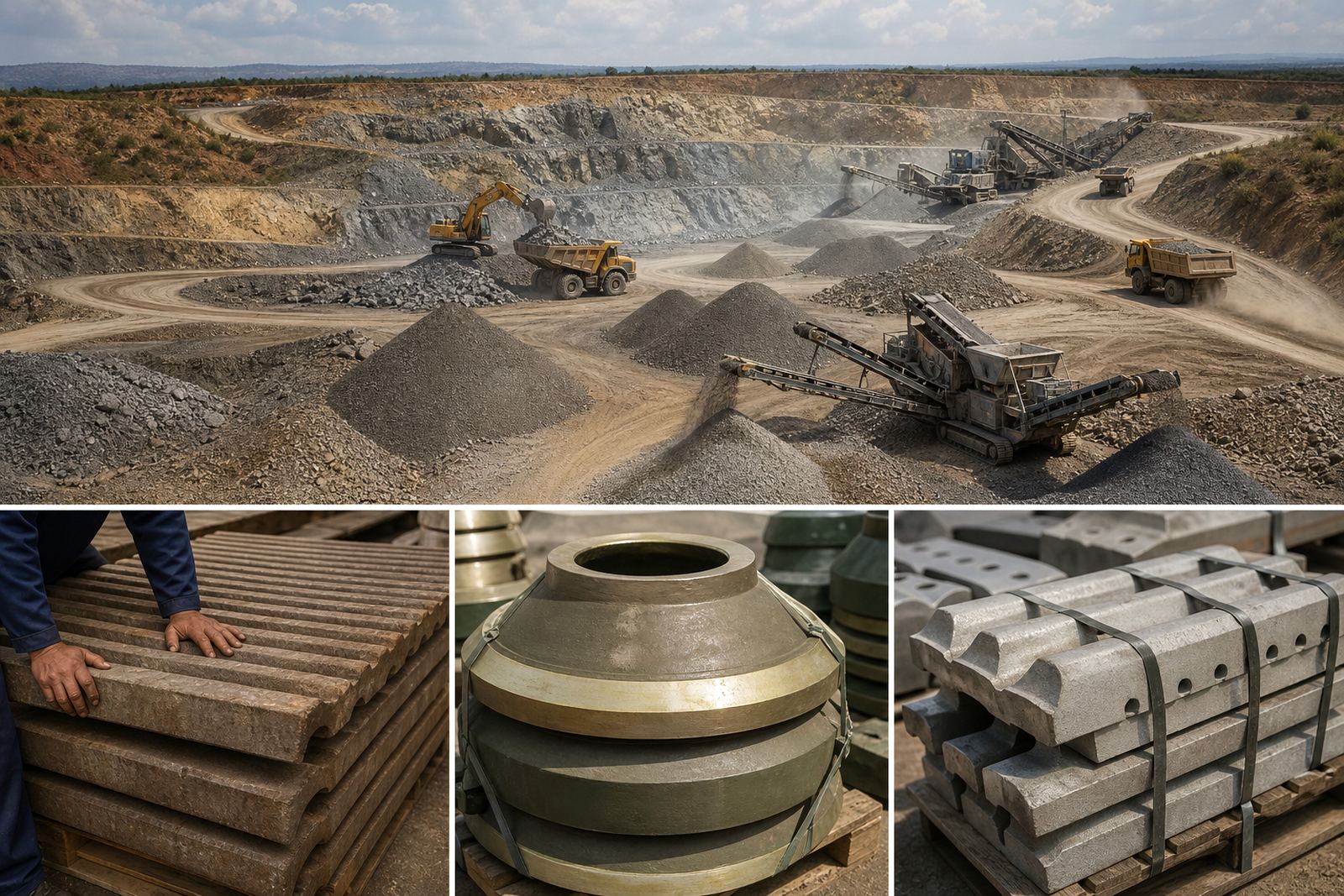
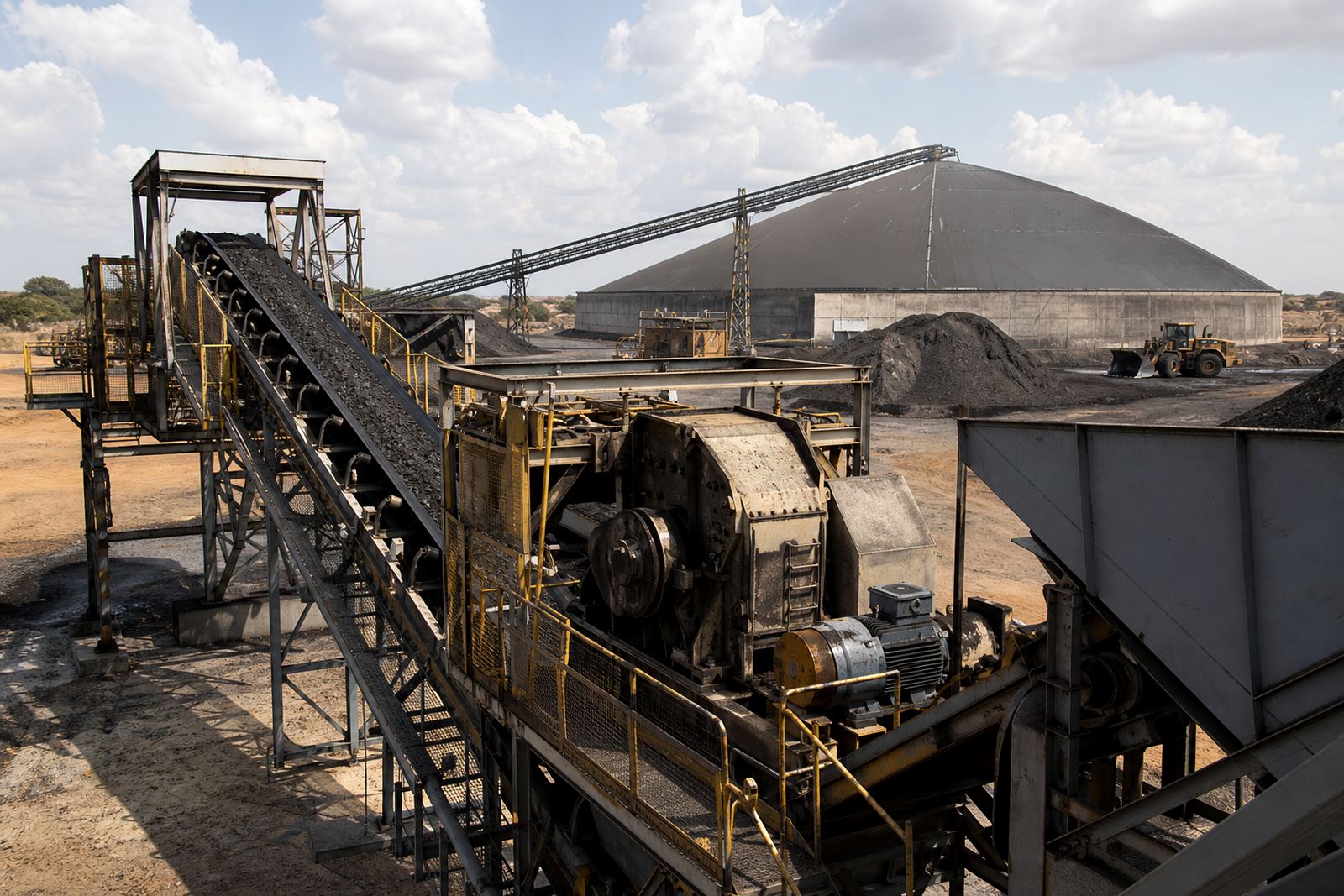
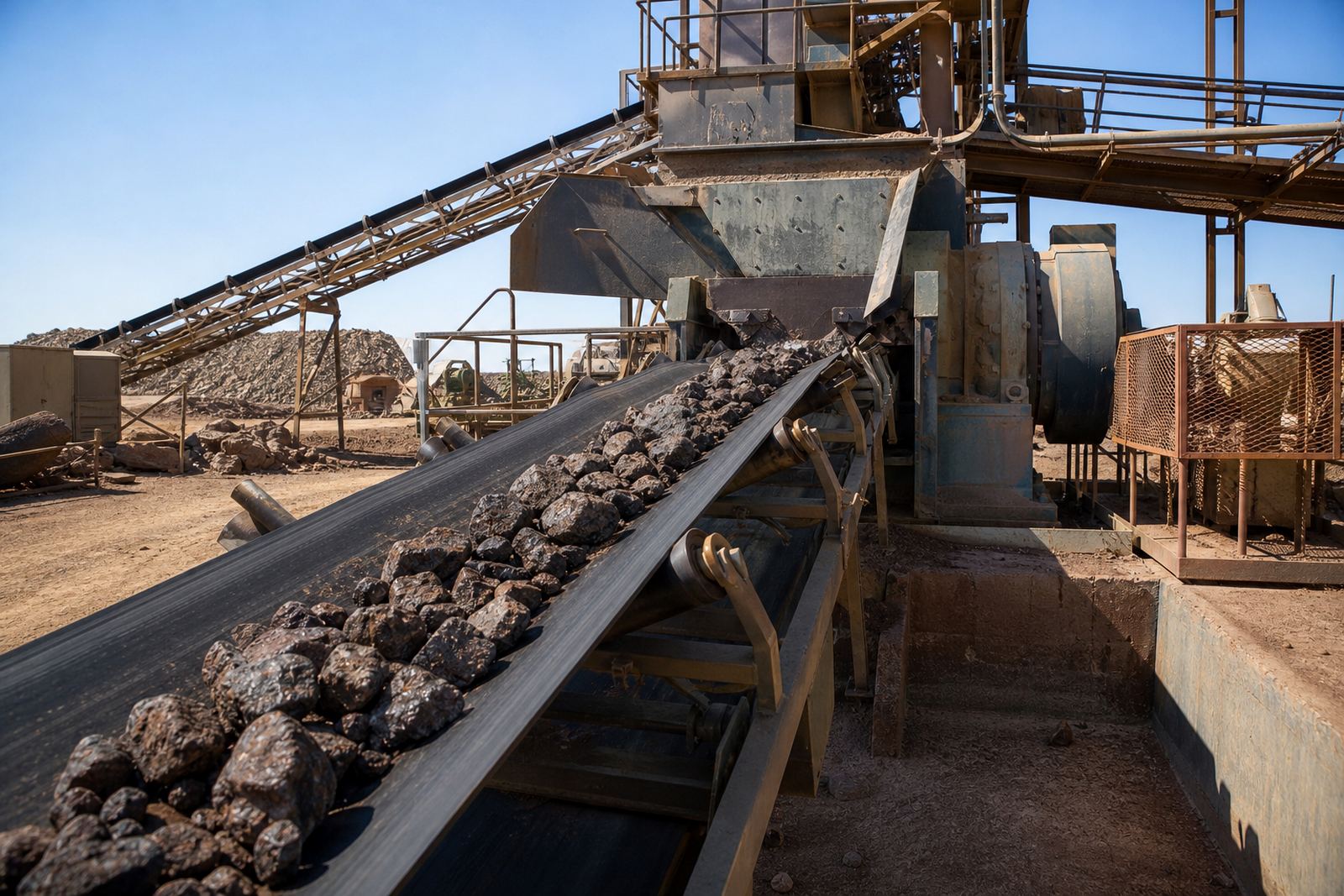
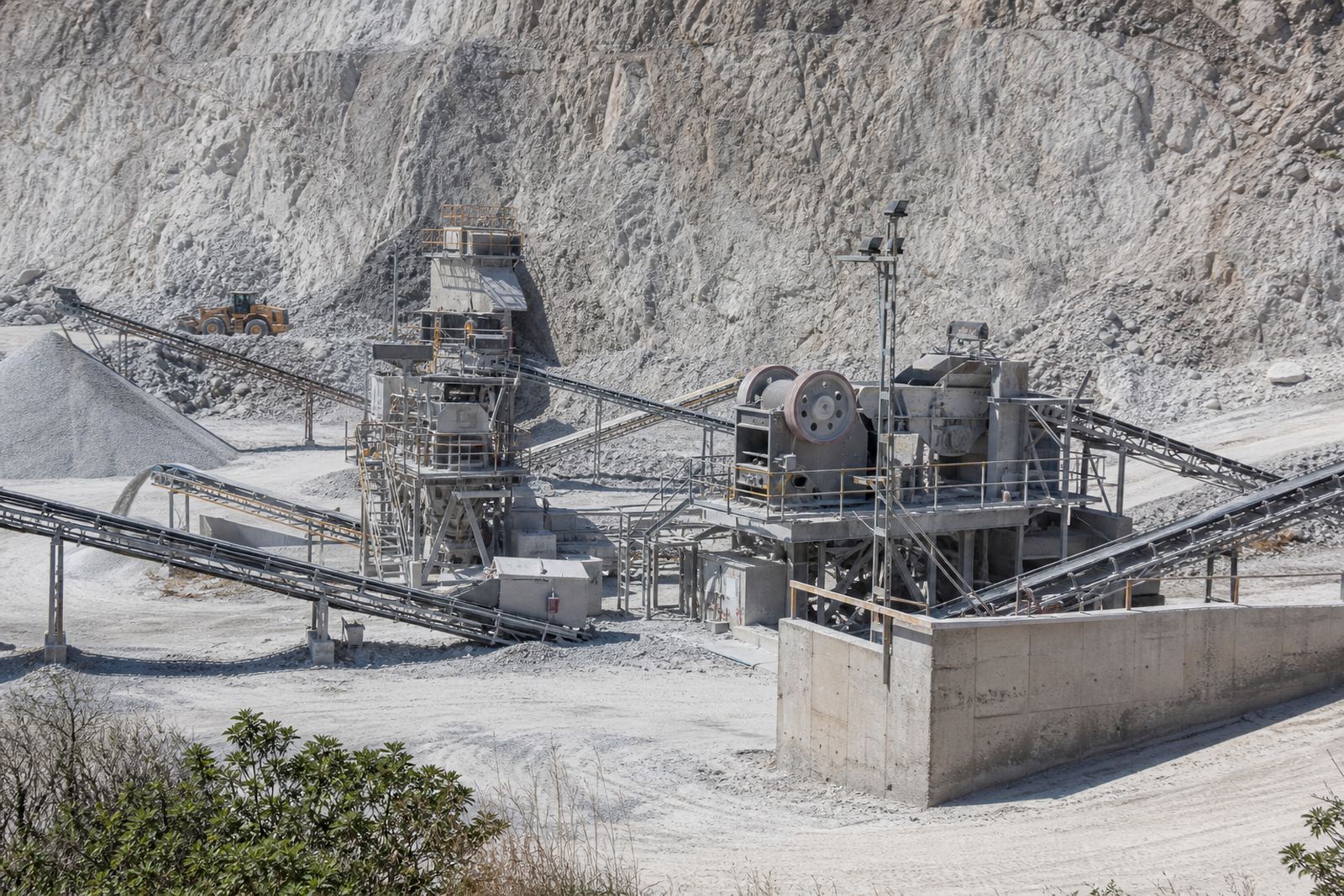
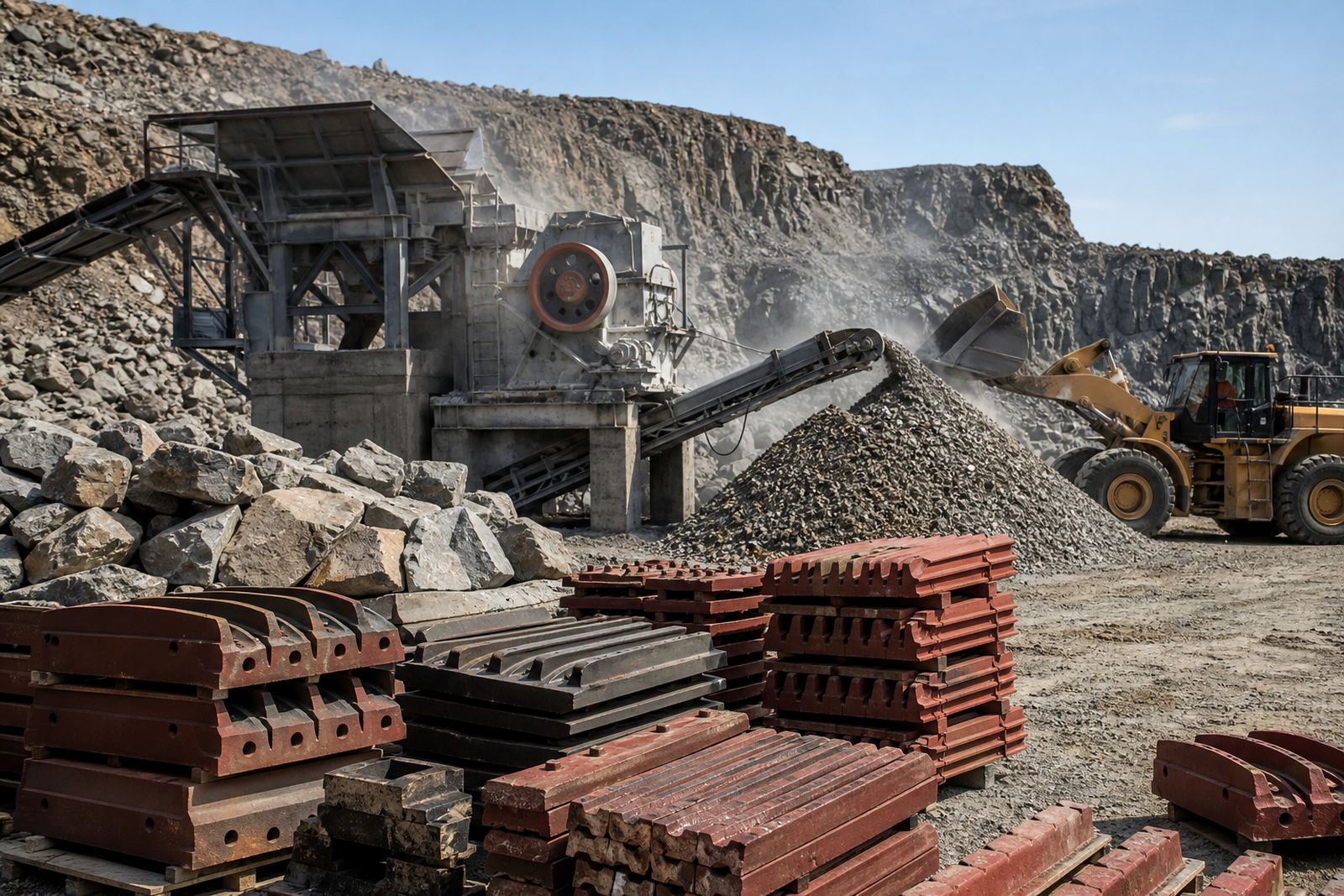
Crusher wear parts work differently depending on the material, feed size, moisture and the way the plant is run. A jaw in hard rock may need a different wear pattern to a machine working in mixed ore, while a quarry processing angular stone will put different pressure on liners than a mine handling fines and oversize. The right choice is not only about fit, it is about how long the part lasts and how often you want to stop for changeouts.
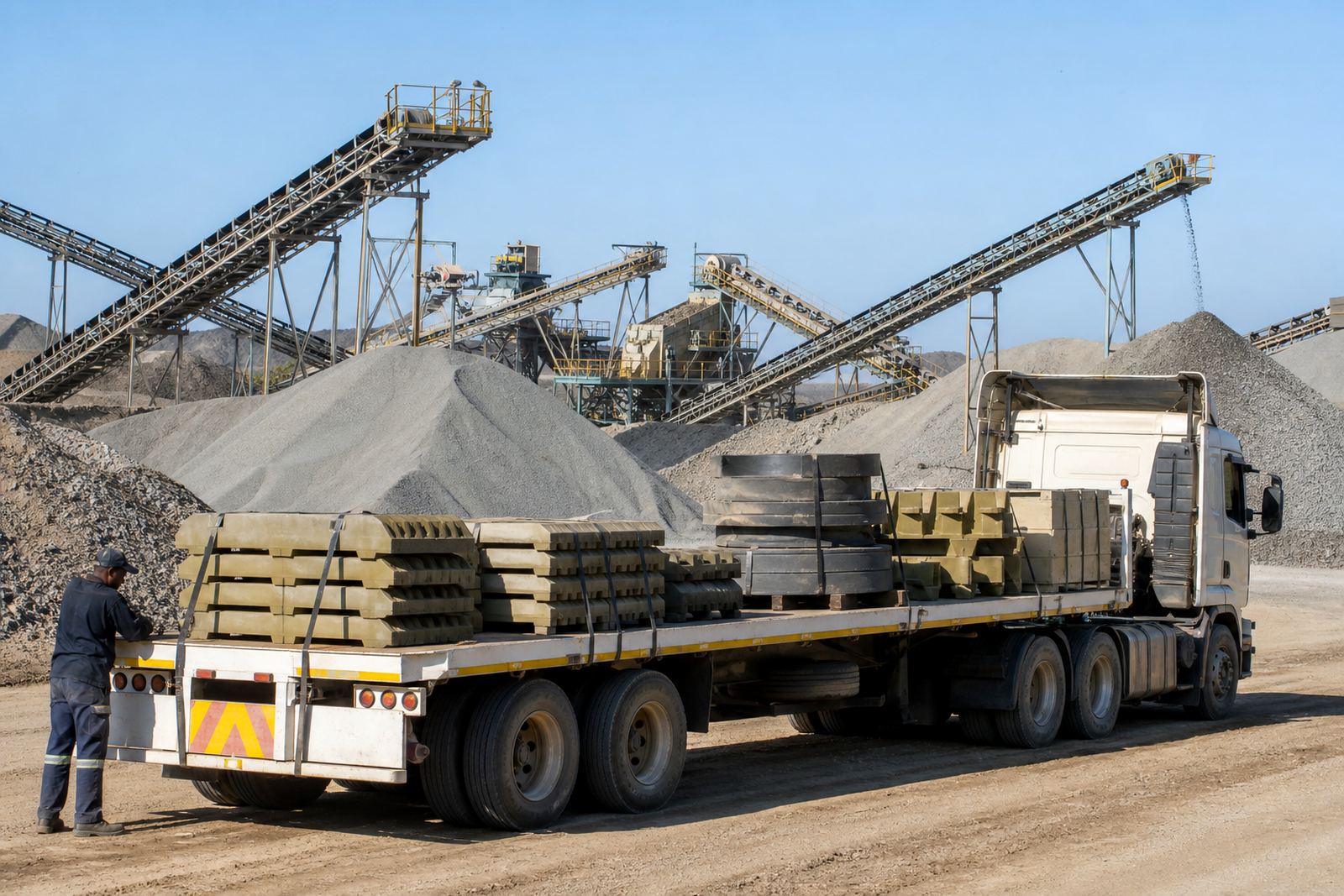
At our Middelburg base we hold stock for crusher wear parts and arrange freight to remote mines and quarries across Mpumalanga, Limpopo, the Northern Cape, North West and Gauteng. That includes common wear items such as jaw plates, mantles, concaves, blow bars and liners, supplied in a way that suits shutdowns, urgent replacement jobs and planned maintenance.
Jaw crushers for primary reduction and rough feed
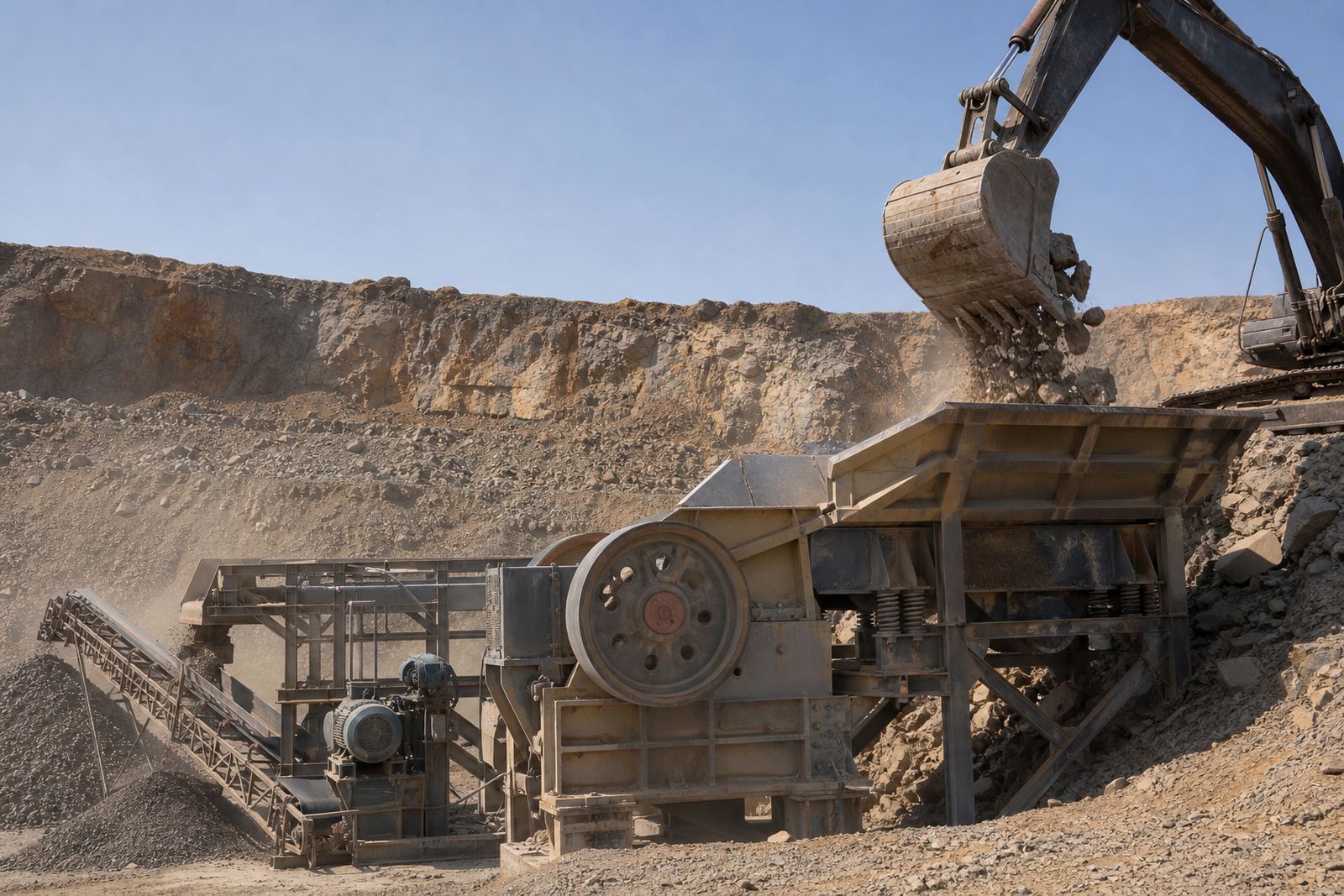
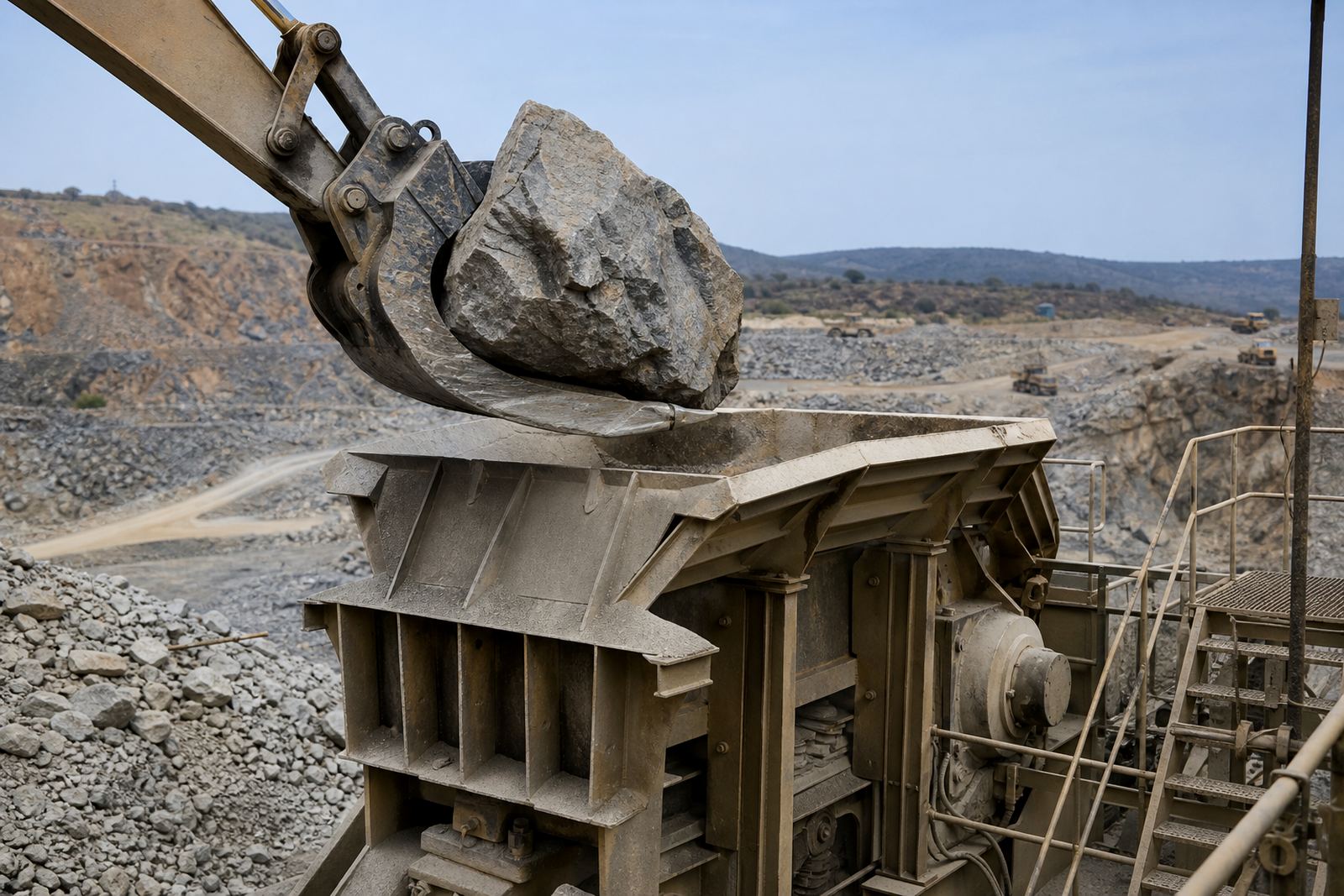
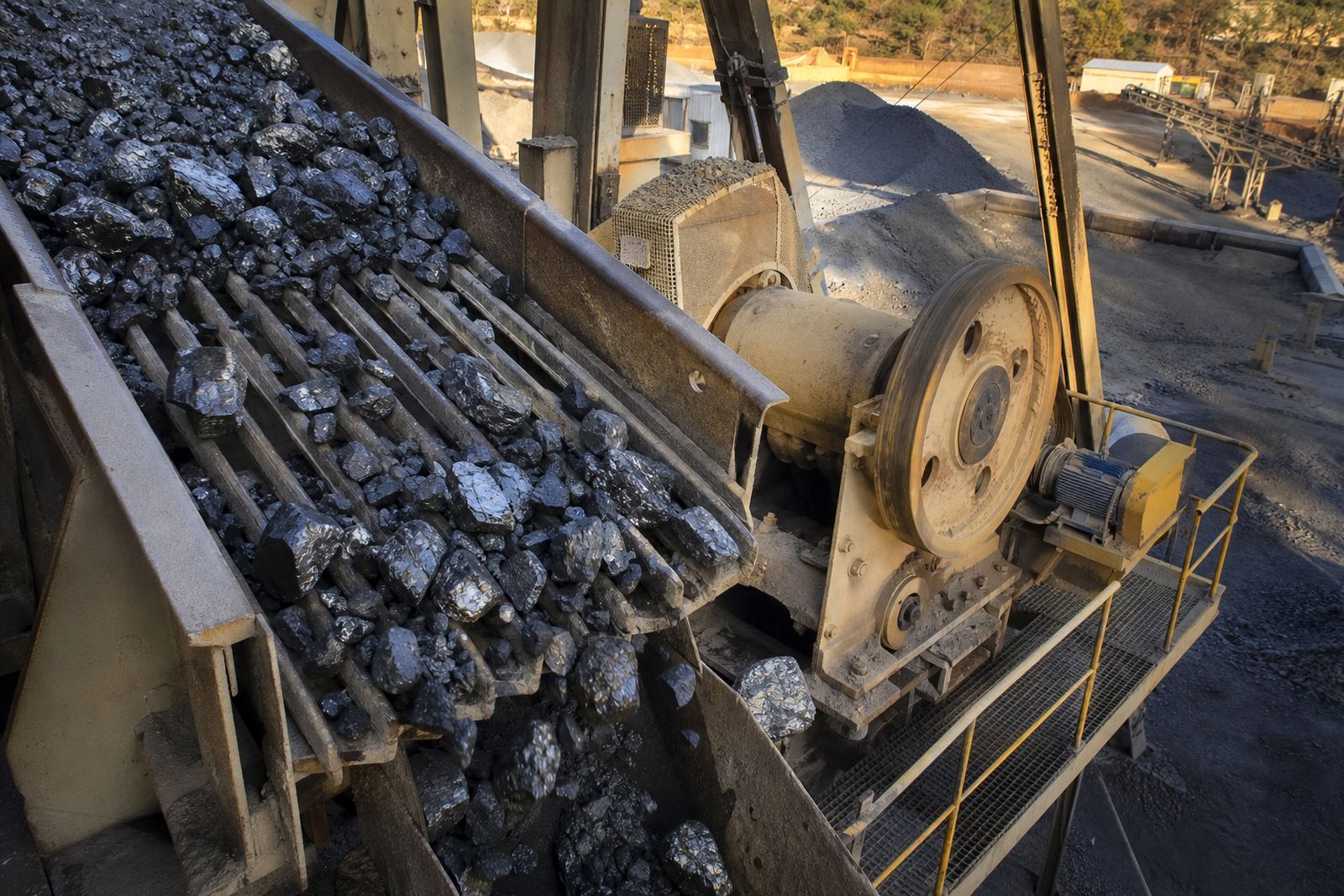
Jaw crushers are often used at the front of the circuit where large, uneven feed is accepted and reduced before secondary crushing. They need the right jaw plates for the application, because the wrong profile can cause poor grip, uneven wear or unnecessary power draw. In dusty inland sites and humid coastal conditions alike, regular checks help spot wear before it starts affecting output.
For mines and quarries in remote areas, jaw crusher support often comes down to timing. If a set of plates is on site before the next shutdown, the plant can keep moving instead of waiting for a truck from a distant depot. That is why we look at stock holding, route planning and load securing together. It saves time when roads are long, access is limited and weather can change fast.
Cone crushers and the wear pattern that keeps production steady
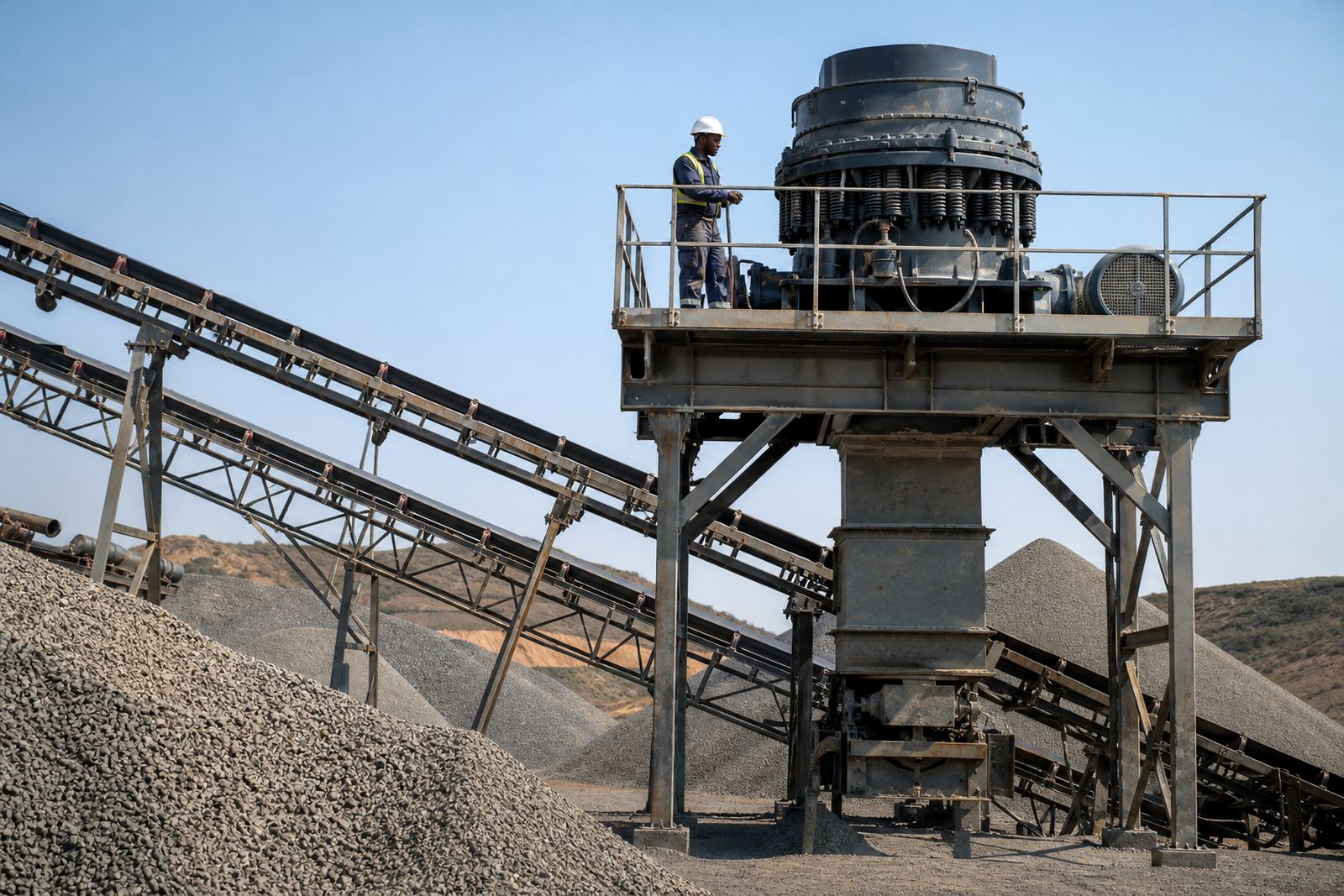
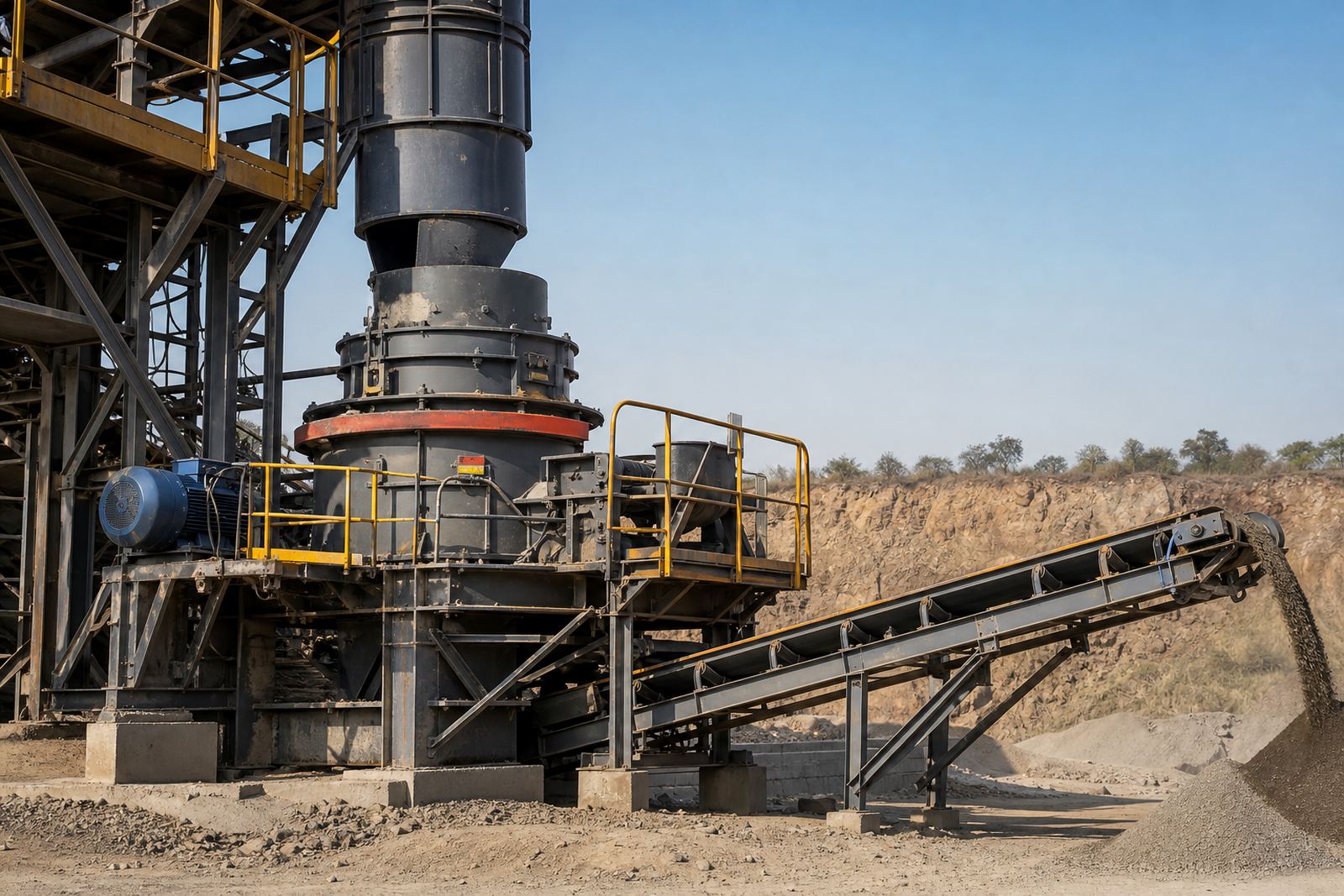
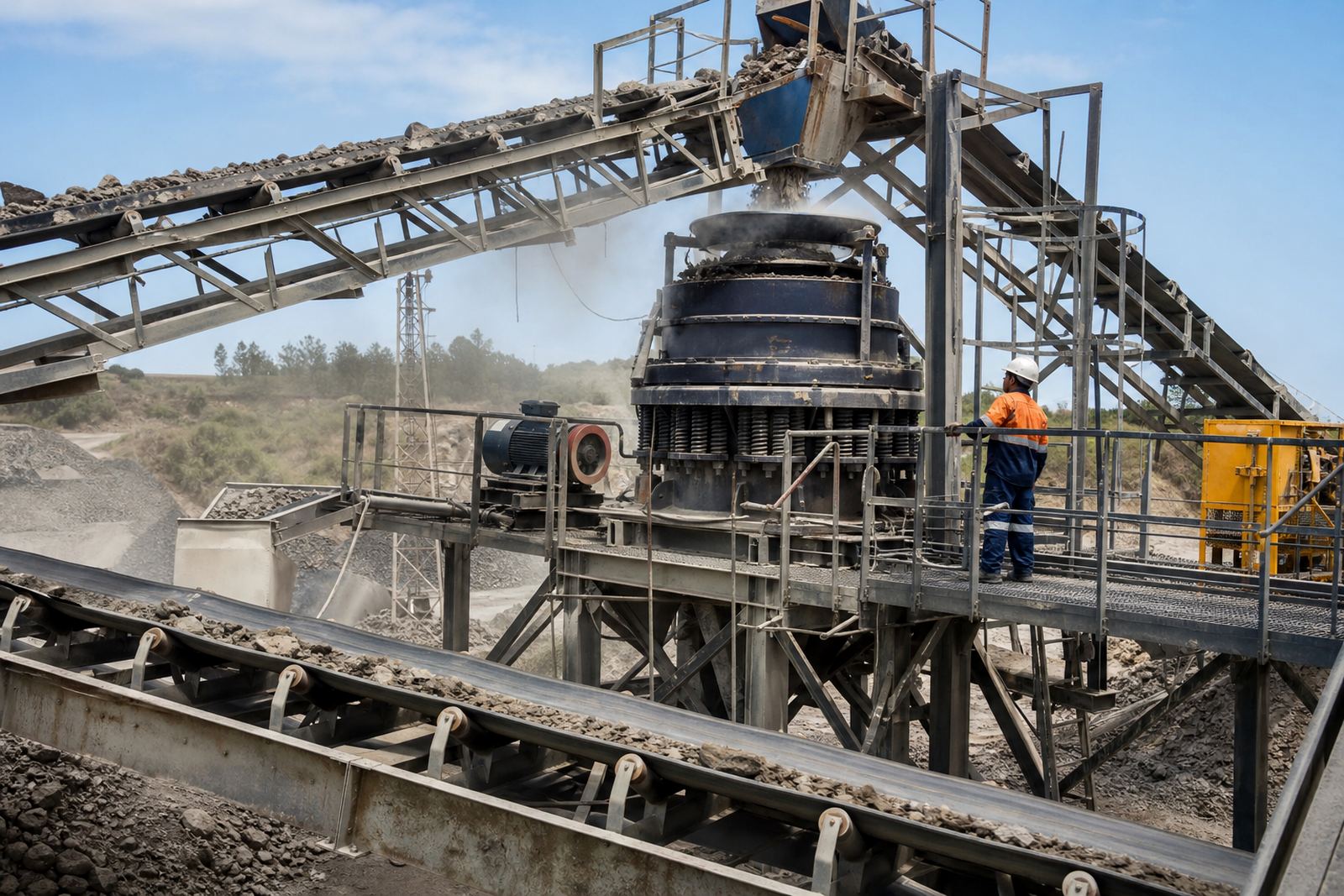
Cone crushers are widely used where a more controlled product size is needed after primary crushing. Their mantles and concaves need to be chosen with the feed mix in mind, especially where the plant sees variable rock, recycled oversize or tough mineralised material. If the chamber is not matched to the duty, operators can end up with poor shape, excess fines or parts wearing too quickly.
We keep crusher wear parts on hand for planned work and order consolidation, which is useful for sites managing shutdowns across several units at once. A mine in Steelpoort or Burgersfort may need more than one set ready at the same time, and that calls for proper stock planning, not last minute scrambling. Load-shedding and road delays can both push a schedule off track, so freight arrangements need a bit of slack built in.
Impact crushers where blow bars take the knock
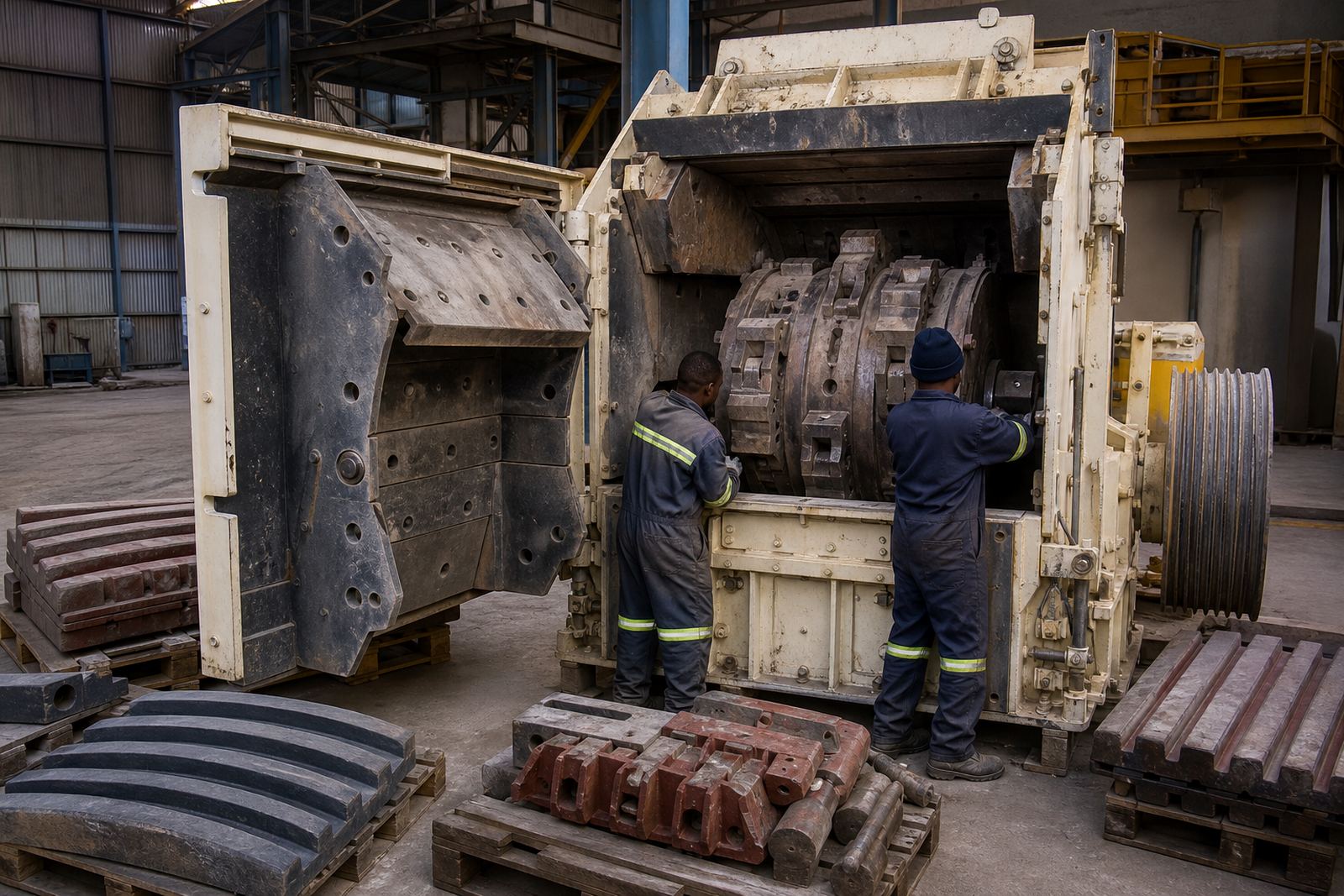
Impact crushers are common where shape and reduction are important and the material is not as abrasive as some hard rock duties. Blow bars take the main impact load and should be selected with the feed and operating conditions in mind. When feed is too coarse, too wet or badly sorted the wear rate can climb quickly and the whole circuit feels it.
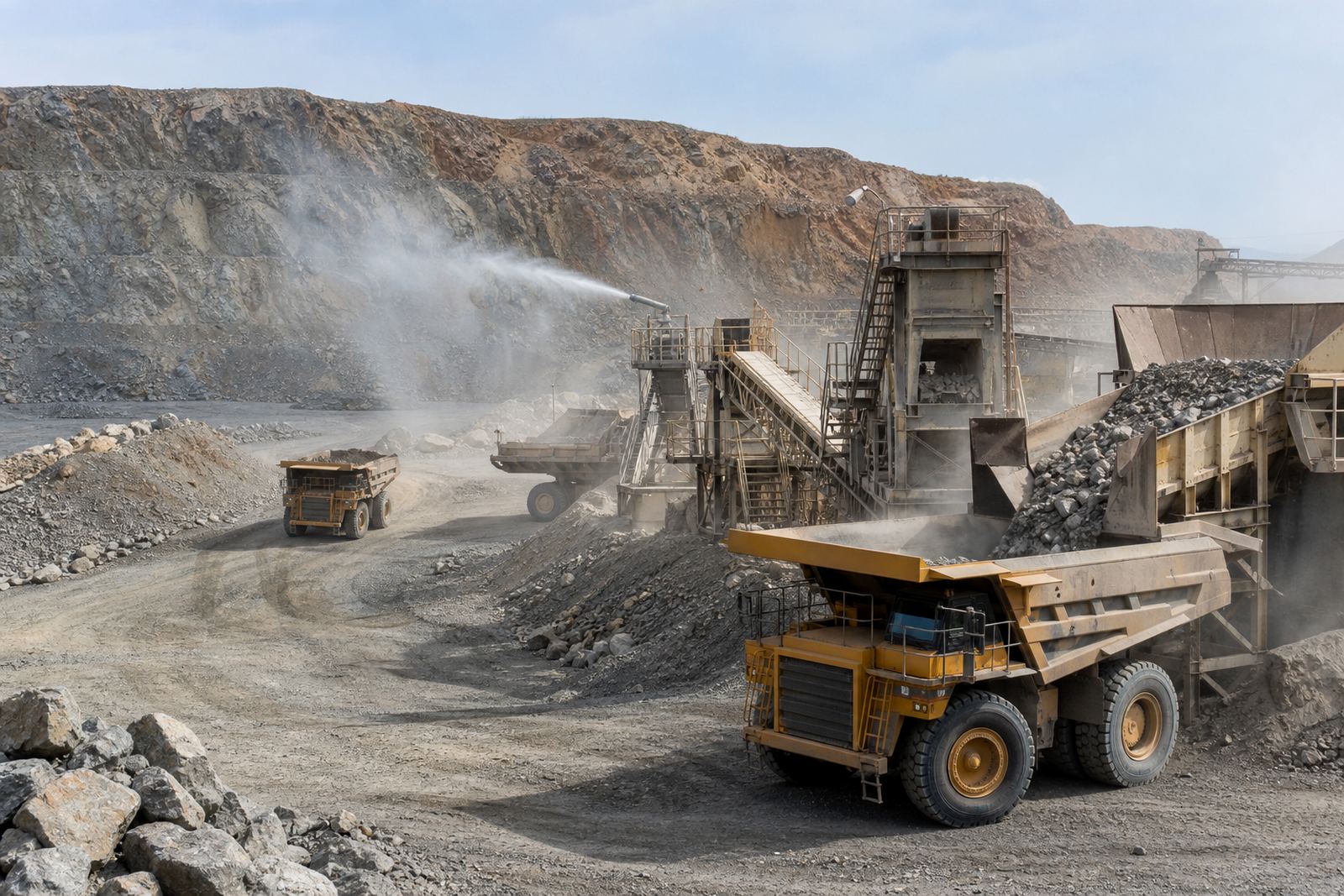
For quarry deliveries and remote mine freight, we often build the supply around urgent part dispatch and site delivery coordination. That matters when a plant has a narrow maintenance window and cannot wait for parts to arrive in separate loads. Our team in Middelburg works with customers to consolidate orders, secure the load properly and get the right items moving to the right site.
Liners, chutes and the smaller parts that keep the circuit protected
Many plants focus on the main crusher parts, but liners and related wear components often decide how much downtime a site really has. Chutes, transfer points, feed bins and discharge areas all need protection where material flow is harsh or uneven. In dusty areas such as Kathu or the Northern Cape more generally, wear can be aggravated by abrasion and poor material flow, so the small parts matter just as much.
We support quarry and mine customers with liners, bundled part kits and order support from the Middelburg depot, with service into Johannesburg East and the surrounding industrial routes too. Megan in procurement and Sibusiso in the warehouse keep an eye on what should be available for repeat jobs, while Lerato and Johan handle movement and freight planning. That practical coordination helps when a plant needs more than one part and the work has to happen in sequence.
How to choose the right crusher type page for your site
Use the individual crusher type pages as a practical guide, then match the wear part choice to your own plant conditions. Start with the crusher type, then look at feed hardness, moisture, product size and how far the site sits from the nearest supply route. A shutdown in Middelburg is one thing; a changeout at a remote site in Limpopo or the Northern Cape needs a very different level of planning.
If you are unsure what to order, send the details through the enquiry form on our contact page. Thabo Mokoena and the team will help with order support, freight planning and stock availability so the right wear parts are ready when the site needs them, not after the machine has already stopped.