Manganese ore puts a sharp edge on wear costs
In manganese ore crushing, the wear pattern is usually harsher than many teams expect. The ore can be abrasive, blocky and variable in grade, which means jaw plates, mantles, concaves, blow bars and liners work hard from the first shift. If the feed is wet, clay bound or mixed with oversize rock, the wear rate climbs again and the liner profile can change faster than the planned maintenance window.
For operations in Mpumalanga, Limpopo, the Northern Cape, North West and Gauteng, the main issue is not just wear, its timing. Remote mines and quarries cannot afford to wait on a single part while the plant sits open. That is where stock holding and planned freight make a real difference, especially when access roads are rough or the site sits far from town and your next delivery only moves in with proper notice.
Typical crusher set-ups used on manganese ore
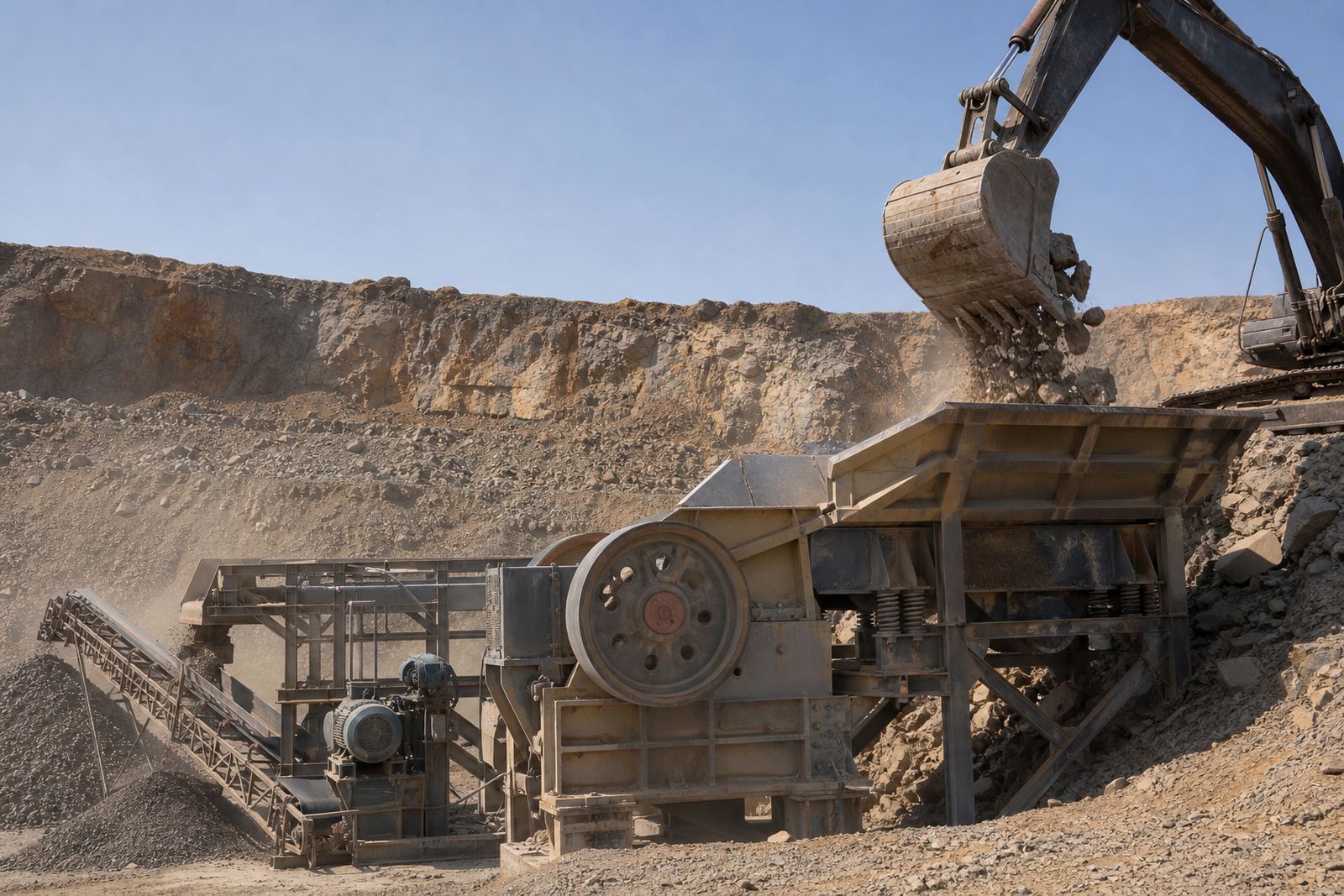
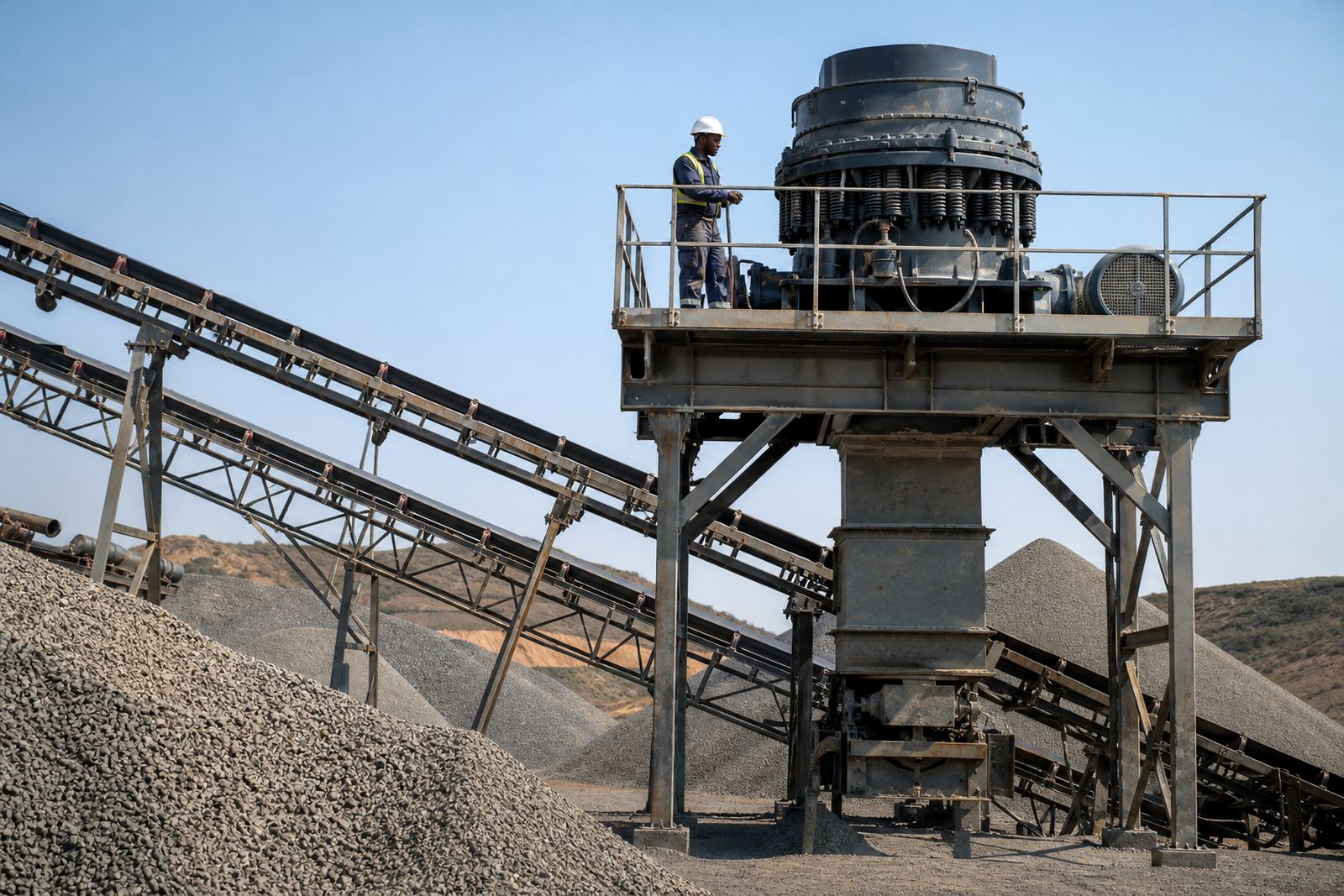
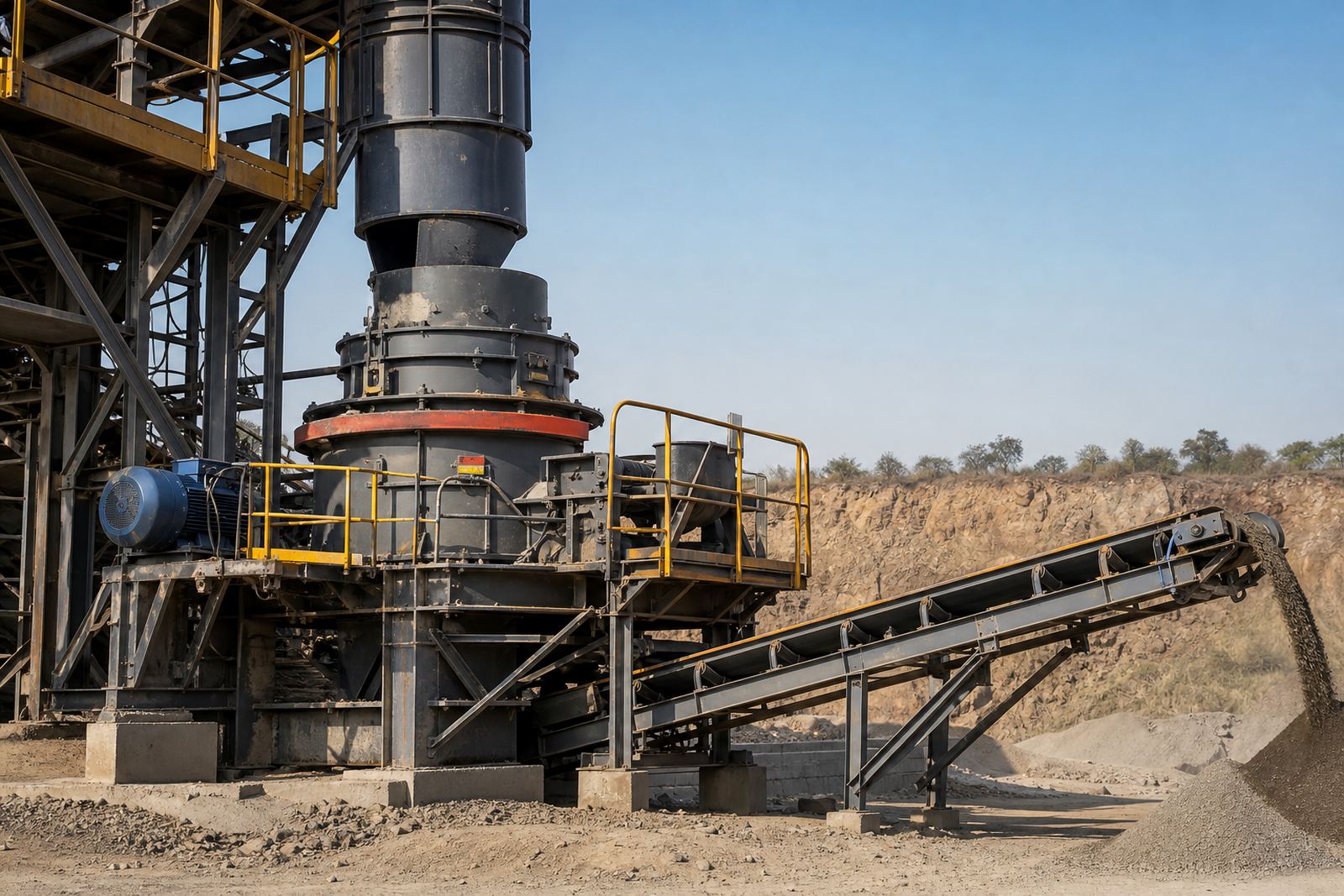
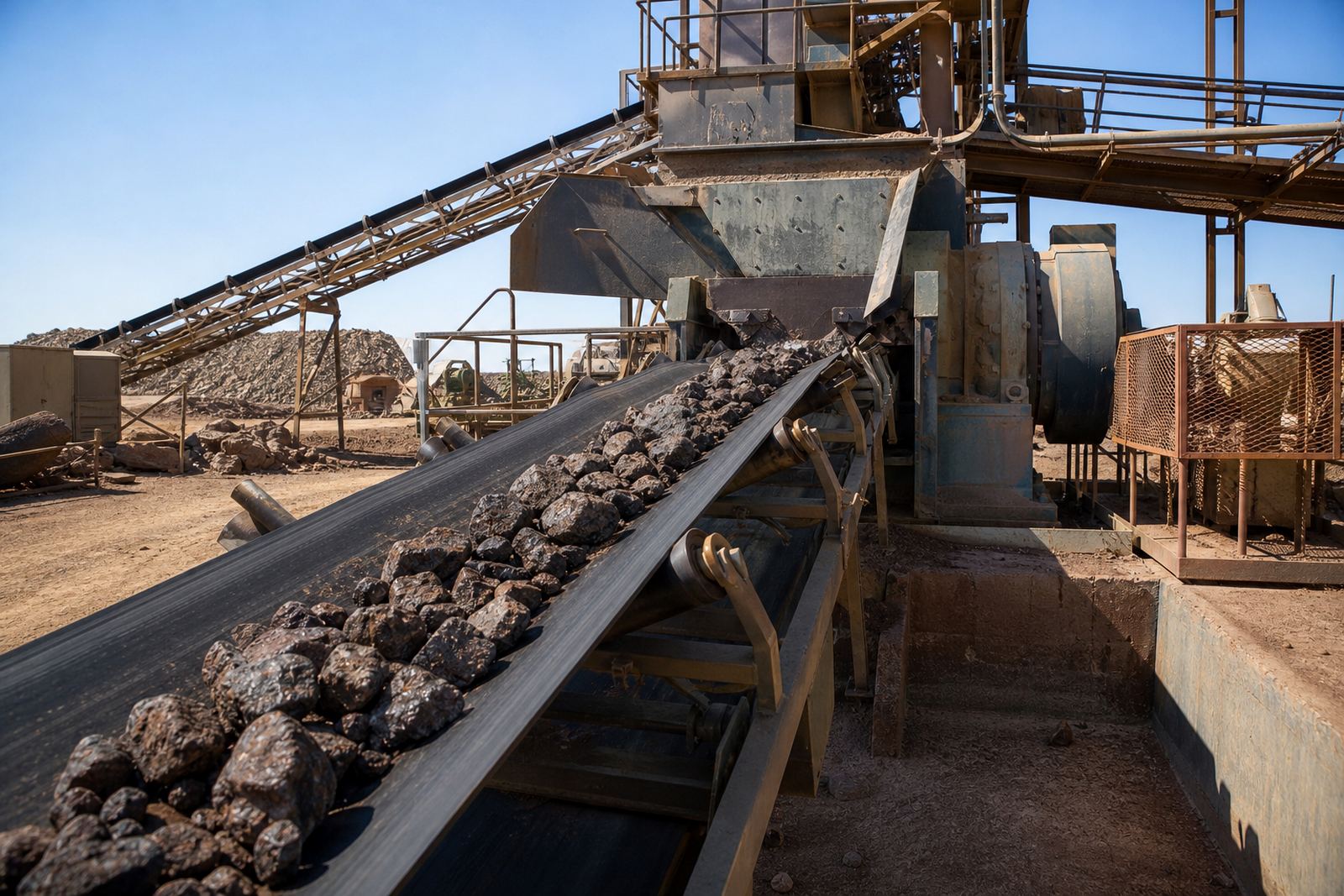
Manganese ore may pass through a primary stage and then a secondary or tertiary stage, depending on the size of the run-of-mine feed and the final product required. In practice, many plants use a jaw crusher for the first break and then a cone or impact stage for reduction. Screen layout, chute angles and bin capacity all affect how long the wear parts last and how often you need to stop for changeouts.
- Jaw plates for the primary crusher, especially where feed size is uneven
- Mantles and concaves for cone crushing where reduction and shape control matter
- Blow bars for impact crushing when the duty calls for frequent replacement
- Liners for chutes, hoppers and transfer points that see constant abrasion
- Bundled part kits for scheduled shutdowns so bolts, fixings and wear items arrive together
We regularly see better results when the whole circuit is looked at together, not just the part that failed first. A plant that is well set up on paper can still suffer from poor feed control, poor stock rotation or a mismatch between throughput and wear life.
Layout and planning advice for remote sites
Manganese ore plants in remote areas need a simple plan that matches the site reality. If the mine is far from Middelburg or sits outside a major freight route, the ordering pattern needs to be built around lead times, load securing and the days when site access is restricted. Wind, rain and road conditions can slow a delivery, so it helps to keep critical wear items on hand before the risk window opens.
Good planning also means checking the plant layout. If the crusher is difficult to reach, if lifting gear is limited, or if there is no clean laydown area, a part change can take twice as long as expected. That adds labour cost and can extend the shutdown into the next shift. We advise clients to keep a practical spare list, not a wish list, and to match it to real consumption over the last few months.
- Keep fast-moving wear items in site stock, even when cash flow is tight
- Bundle related parts for one delivery instead of splitting orders into small loads
- Check access for forklift, crane or telehandler before the truck arrives
- Plan for load-shedding and night work if a shutdown is scheduled after hours
Common mistakes we see on manganese ore jobs
One common mistake is waiting until the wear profile is already too thin before re-ordering. Another is using a part that fits but does not suit the application, which can shorten life and upset the product size. Some sites also under-prepare for the freight side, then lose time while trying to arrange offloading at short notice. It is a small thing on paper, but in the field it can throw off the whole week.
We also see teams underestimating how much vibration and dust affect fixings and liners. If the crusher area is not checked regularly, fasteners can loosen and the wear part can shift before the actual wear limit is reached. That means you spend money twice, first on the part and then on the damage around it. A proper inspection routine with clear measurements saves a lot of trouble, and usually fewer surprises at shutdown.
Budget ranges that make sense in Rand
For manganese ore crushing, budgets should be set around the whole wear cycle, not just the first invoice. Small operations may start with a few critical wear parts and a basic reserve, while larger plants often carry a broader stock range for the primary and secondary stages. The right budget depends on crusher size, feed hardness, site access and how often the plant runs.
As a working guide, many teams look at a monthly wear-part and freight allowance that covers regular replacements, emergency dispatch and at least one planned shutdown. For some sites that means a modest stock reserve, while for others it means a larger holding value tied to production targets. We help clients build a practical order plan so they are not overbuying, but also not caught short when a liner set goes early.
- Lower-intensity plants may budget for a lean reserve and one emergency delivery path
- High-wear manganese ore circuits usually need a larger on-site stock holding
- Shutdown projects should include freight, load securing and order consolidation
- Remote sites often save money by grouping orders instead of chasing parts one by one
How we support manganese ore operations from Middelburg
Crusher Consumables Direct is based in Middelburg, Mpumalanga and supports remote mines and quarries across South Africa through stock holding, freight planning and order support. Our team includes Thabo Mokoena, Lerato Nkosi, Johan van der Merwe, Ayanda Dlamini, Sibusiso Mahlangu and Megan Naidoo, working together to keep parts moving to sites in Mpumalanga, Limpopo, the Northern Cape, North West and Gauteng. Founded in 2011, the focus has stayed practical: hold the right stock, move it safely, and get it to site when it is needed.
Clients can reach us through the enquiry form on our contact page for site needs, shutdown dates or part matching support. Whether the job is a single urgent dispatch or a full bundled kit for a planned changeout, the aim is the same: keep the crusher turning and avoid needless downtime.