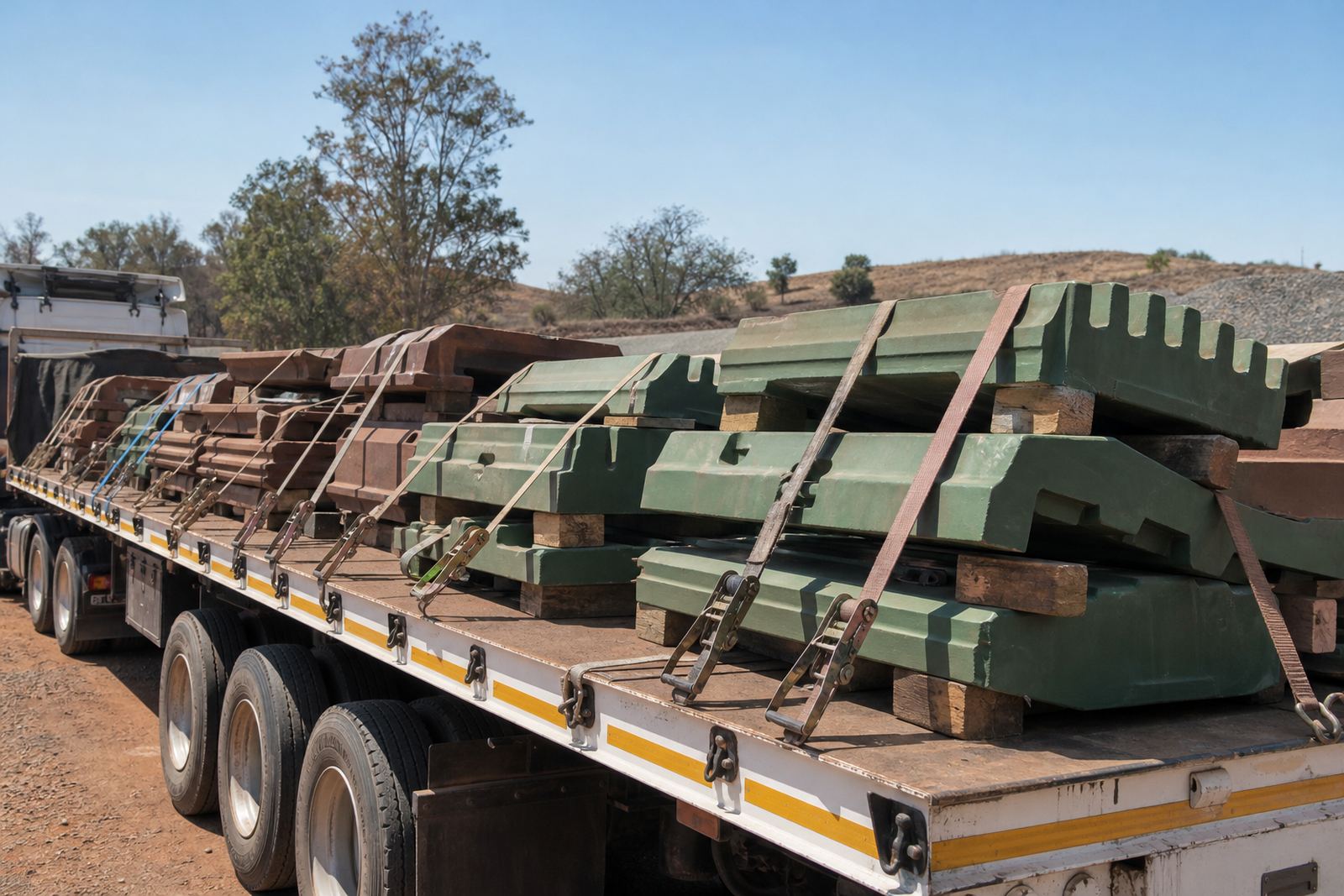
What Load Securing Covers on Heavy Crusher Parts
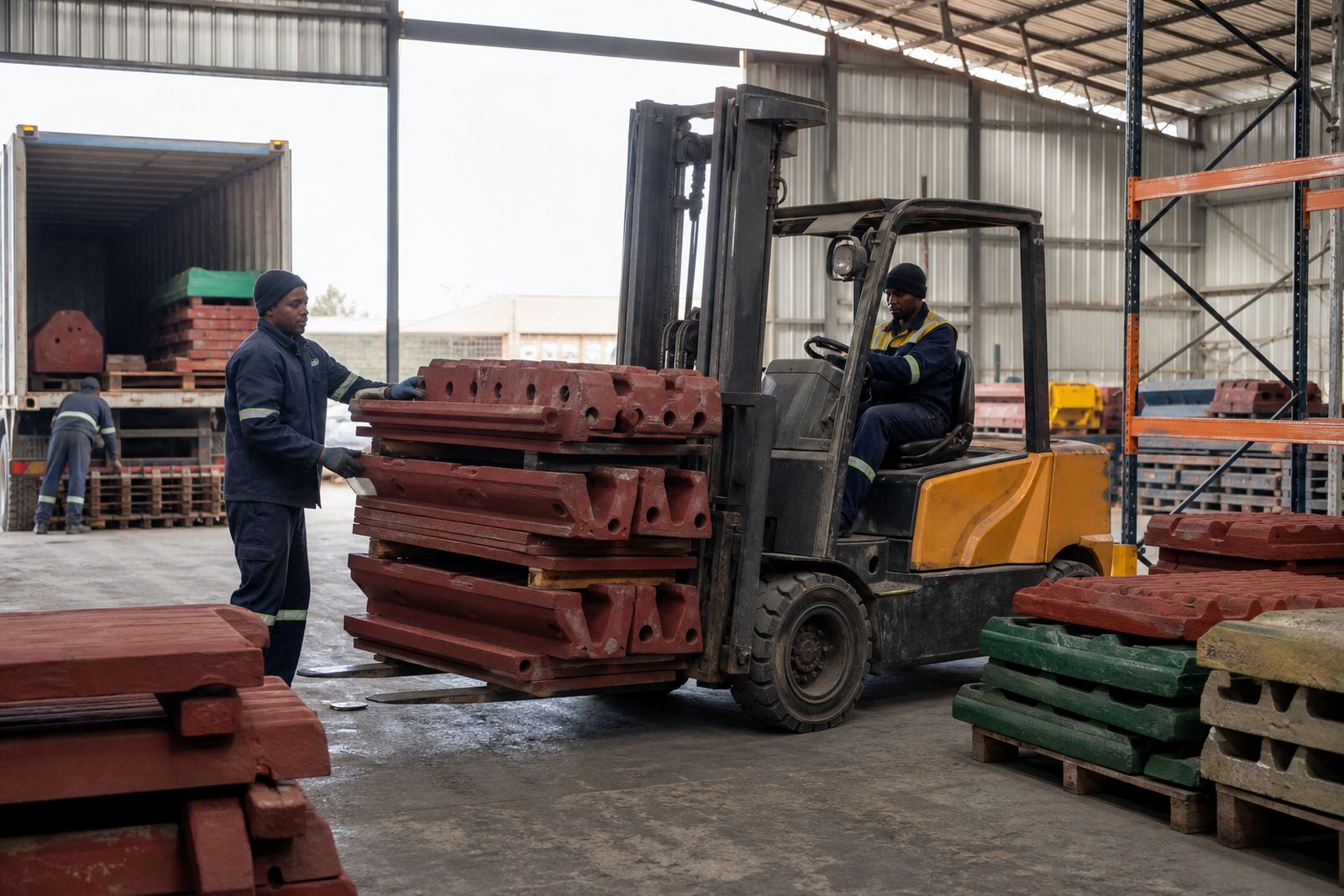
Load securing is the part of freight work that keeps crusher wear parts stable from collection to final offload. Jaw plates, mantles, concaves, blow bars and liners are heavy, irregular in shape and often awkward to stack, so the method has to match the part not just the pallet. We prepare each load to reduce movement, edge damage and contact between machined faces during transit.
For remote mine runs and quarry deliveries, that means suitable pallets, timber dunnage, steel strapping, wrap where needed and restraint points that suit the weight of the consignment. We also look at road conditions, whether the route is long haul through the Karoo or a shorter run to a site outside Middelburg, and plan for braking, vibration and handling at loading bays. A load that shifts once can damage more than the transport fare, so we keep the arrangement simple and secure.
- Load separation for mixed part types
- Protection for machined faces and wear edges
- Strapping and bracing for long distance travel
- Identification for faster receiving on site
We also take into account municipal and site rules where delivery access is controlled, especially on mines with gate checks, weighbridge procedures and strict offload windows. That planning saves time at the receiving end and helps the load arrive in the same condition it left the warehouse.
Packing Methods We Use Before Freight Leaves Middelburg
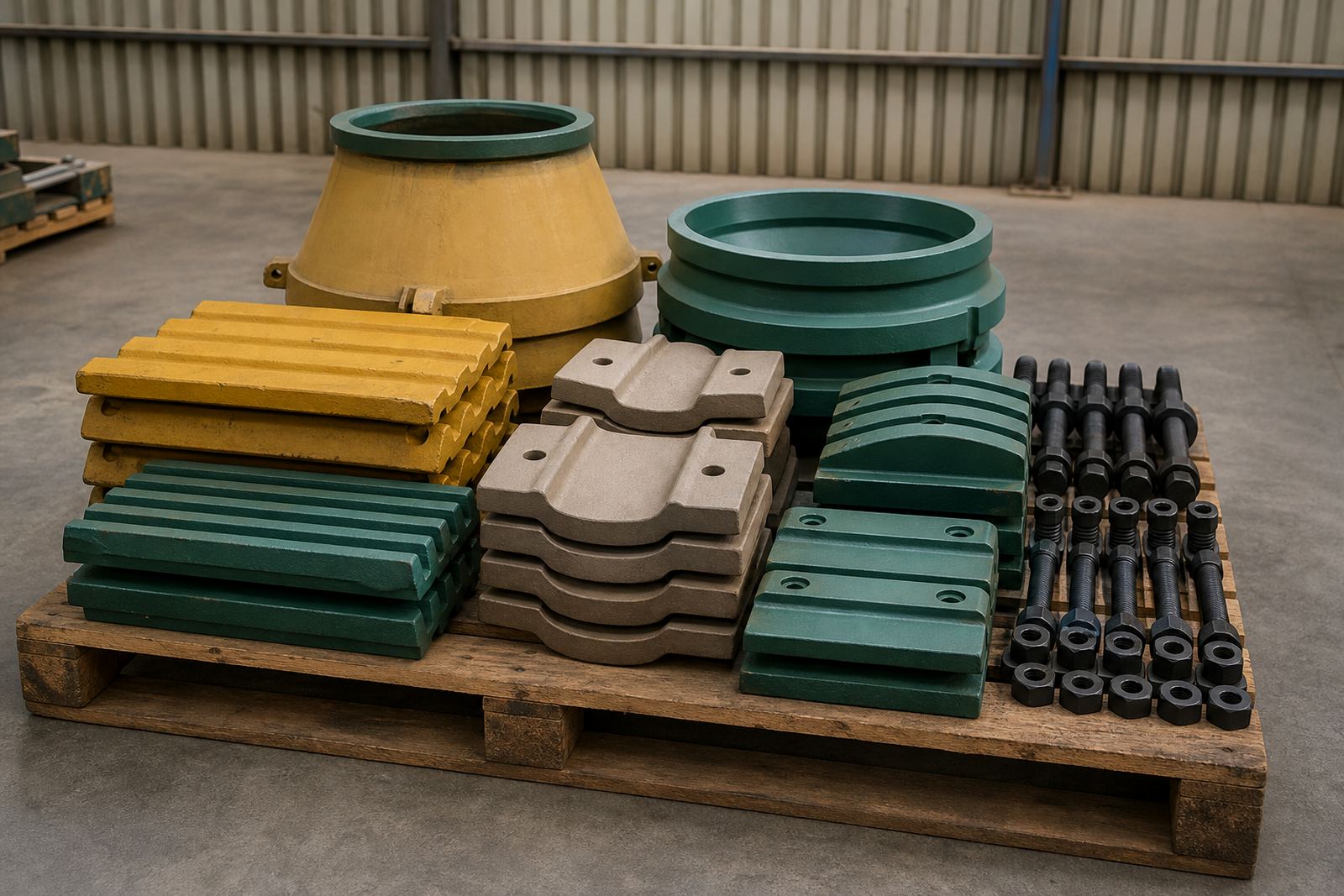
Our packing method depends on the part size, weight and how it must be handled at site. Large items such as mantles and concaves are normally packed on stable bases with timber supports that stop rolling or tipping. Smaller wear parts may be grouped into bundled kits, then separated with spacing so they do not bang against each other during transport.
Where parts have sharp edges or surfaces that can chip, we add protective layering and keep the load from rubbing against the vehicle floor or side walls. If a consignment includes mixed crusher wear items, we consolidate by fitment group so the right items stay together and the receiving team can offload quicker. That is especially useful when a shutdown is already under pressure and parts must be found fast.
- Timber blocking and base support for heavy cast items
- Steel strapping rated for the load size
- Shrink wrap or protective covering where suitable
- Clear load labelling for order control and site handover
In the warehouse we also check for loose movement after packing. If something can slide, settle or chafe, it gets reworked before release. It sounds basic, but on long routes to places like Kathu, Phalaborwa or Rustenburg that extra check matters.
How We Secure a Load From Order to Offload
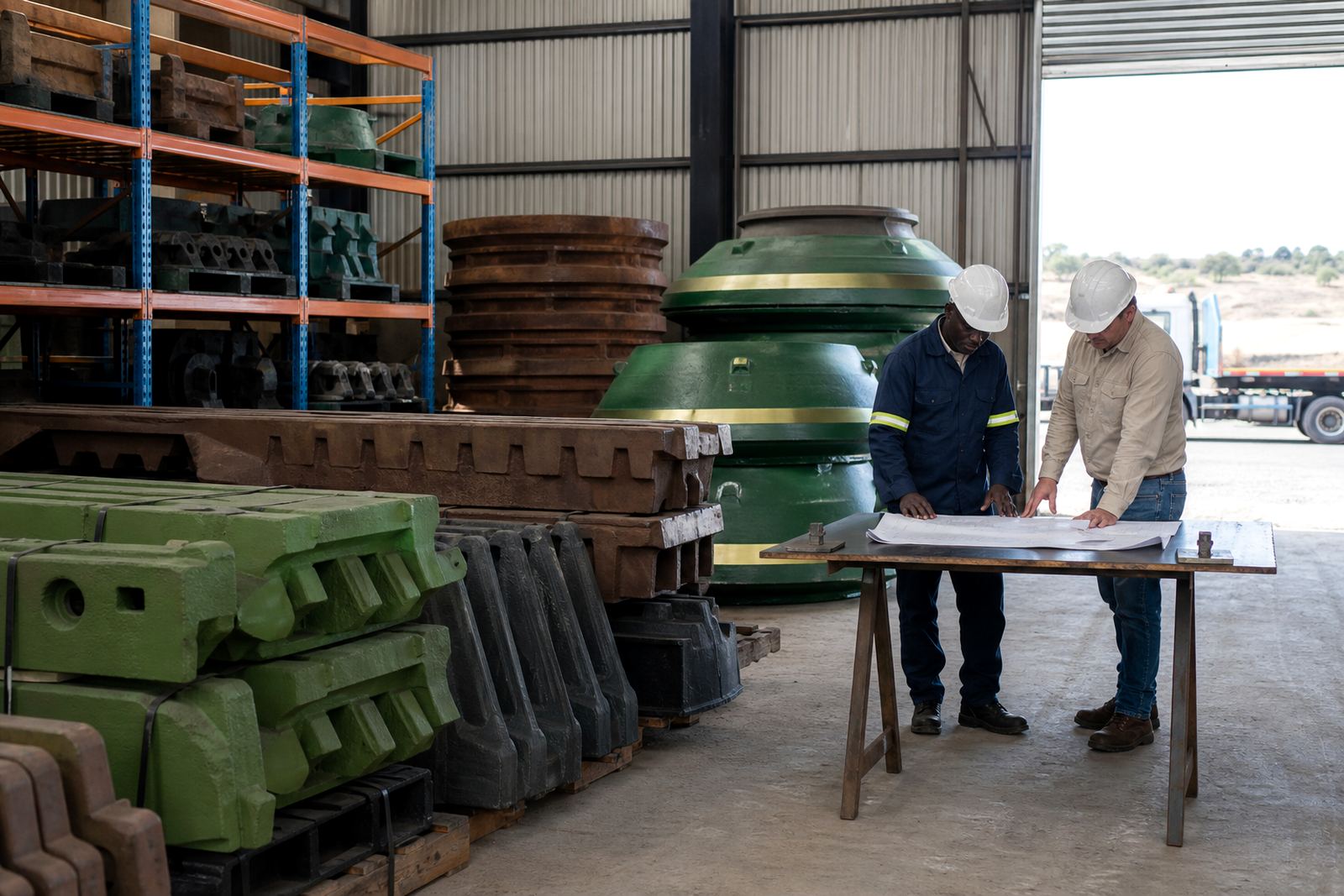
Our process starts with the order details and the final destination. We confirm what parts are travelling, the total weight, whether the site needs split delivery and what offload gear is available. From there, the freight plan is matched to the load so the restraints, vehicle type and route suit the cargo.
The steps are straightforward. First, procurement or stock holding confirms the items. Next, the warehouse prepares the parts for loading and the freight coordinator assigns the route. Then the load is checked before dispatch and again on arrival if the receiving team needs a handover note. This keeps everyone aligned and avoids confusion when several orders are moving at once.
- Order check and item grouping
- Weight and size review for vehicle selection
- Packing, bracing and final restraint
- Dispatch, route tracking and delivery handover
Because many of our customers operate in remote areas, we keep communication practical and direct. If a site changes the receiving time or the access road is affected by weather, we adjust the plan where possible. That kind of flexibility matters when a mine is working around shift changes, roadworks or rain damaged access tracks.
Turnaround for Urgent Dispatch and Shutdown Work
Some loads can wait for the normal freight cycle, while others need to move fast. Urgent part dispatch and shutdown planning often depend on how quickly the load can be secured without taking shortcuts. We keep stocked items in Middelburg ready for release, so when a crusher line is waiting on replacement wear parts we can pack and despatch without delay.
For planned shutdowns, we work backwards from the maintenance window and build the securing process into the schedule. That gives time for order consolidation, route planning and any special handling needed for oversized pieces. If the order is going into the Northern Cape or further afield, the load securing is designed around a longer transit time and more handling stops.
Turnaround varies by part availability and the destination, but the aim is always the same: get the load out properly secured and on the road without creating rework at site. A rushed load often takes longer in the end, so we keep the sequence tight and practical.
Pricing Approach for Securing and Freight Preparation
Load securing is priced as part of the freight preparation, with the final cost depending on the size of the consignment, the packing materials used and the route. A single heavy item needs a different approach from a mixed pallet set or a bundled shutdown order. That is why we quote according to the actual load and delivery requirement rather than forcing every job into the same rate.
When a customer orders multiple crusher wear parts together, bundling often reduces the overall handling time and helps with freight efficiency. If a route includes several stops or a remote offload point, we factor in the extra coordination from the start. Clear pricing is important because mining budgets are planned in advance and no one wants surprises after the load has left the depot.
- Cost based on weight, size and packing method
- Route and delivery point considered in the quote
- Bundled orders priced more efficiently than split loads
- Special handling added only where the load needs it
We keep the pricing conversation simple and upfront. If a load needs extra bracing, transfer handling or return freight planning, we say so before dispatch. That helps the customer decide what should go on the same truck and what should move separately.
Maintenance Intervals and Recheck Points in Transit
Load securing is not only about the first strap on the pallet. On longer routes, there should be recheck points where the driver or freight team inspects restraints, especially after the first leg of travel or after rough road sections. Vibrations, sudden stops and temperature changes can all affect how a load settles. If a load settles unevenly, the securing method should be checked again before it continues.
For heavy crusher wear parts, we recommend a practical inspection rhythm that matches the journey length. Short local deliveries may only need a final pre-dispatch check. Long distance freight to remote mines or quarries may need a loading bay check before departure and a further inspection at the next safe stop. Where site rules require it, the receiving team can also check the load before offload.
- Pre-dispatch check before the vehicle leaves Middelburg
- First transit inspection after initial movement
- Recheck after rough roads, rain or delays
- Final handover check at site before offload
We also advise customers to keep their internal maintenance timing aligned with the freight schedule. If a crusher is due for liner change or component replacement, the load should arrive before the shutdown window starts not after. That timing keeps the maintenance crew working and avoids wasted downtime.
Key facts
| Base location | Middelburg, Mpumalanga |
|---|---|
| Core freight area | Mpumalanga, Limpopo, Northern Cape, North West and Gauteng |
| Load types | Jaw plates, mantles, concaves, blow bars and liners |
| Service focus | Safe packing, restraint and route-ready load securing |
| Delivery profile | Remote mines, quarries and shutdown supply |
| Enquiry method | Via the contact page enquiry form only |