What our Middelburg stock holding covers
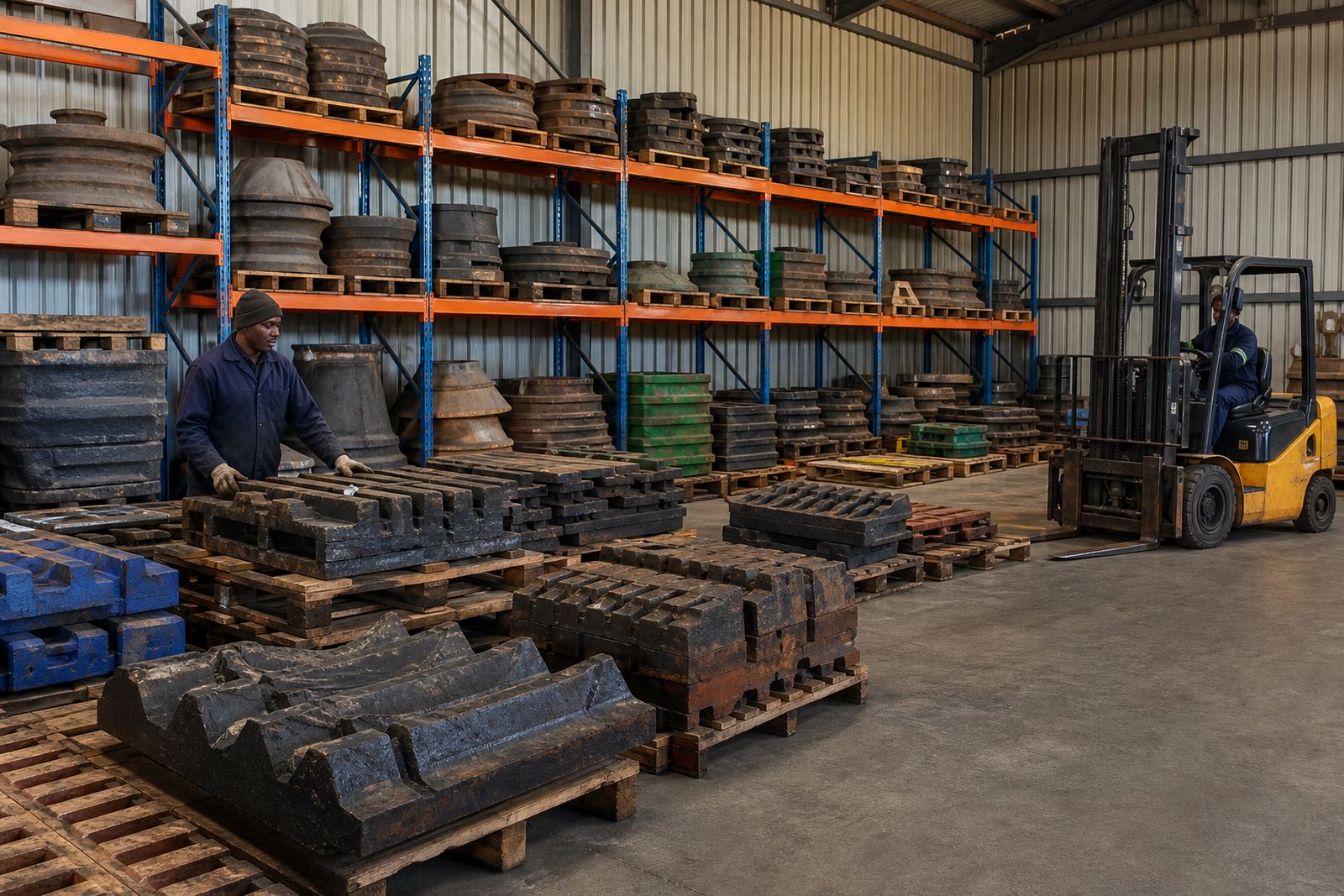
Our stock holding service is set up for crusher wear parts that are used regularly and need to move quickly when wear starts to show. We hold selected items in Middelburg for jaw, cone and impact crushing equipment, with sizes and profiles matched to common operating conditions in South Africa. That includes jaw plates, mantles, concaves, blow bars and liners in wear-resistant material grades suited to hard rock, abrasive ore and mixed feed. For many clients, this means the part they need is already on hand instead of being ordered after a shutdown has started.
Stock is organised for practical use, not for display. We keep parts identified by type, size, profile and weight so the right item can be picked and released without delay. Our team also helps with bundled part kits for planned shutdowns, which can include a mix of wear parts, fast-moving consumables and support items needed for one job. That reduces the risk of missing a critical component when teams are working against a tight change-over window.
- Jaw plates for primary crushing duties
- Mantles and concaves for cone crusher wear cycles
- Blow bars for impact crushing applications
- Liners for protected wear areas and feed routes
- Bundled kits for shutdown work and repeat replacements
How the stock holding process works
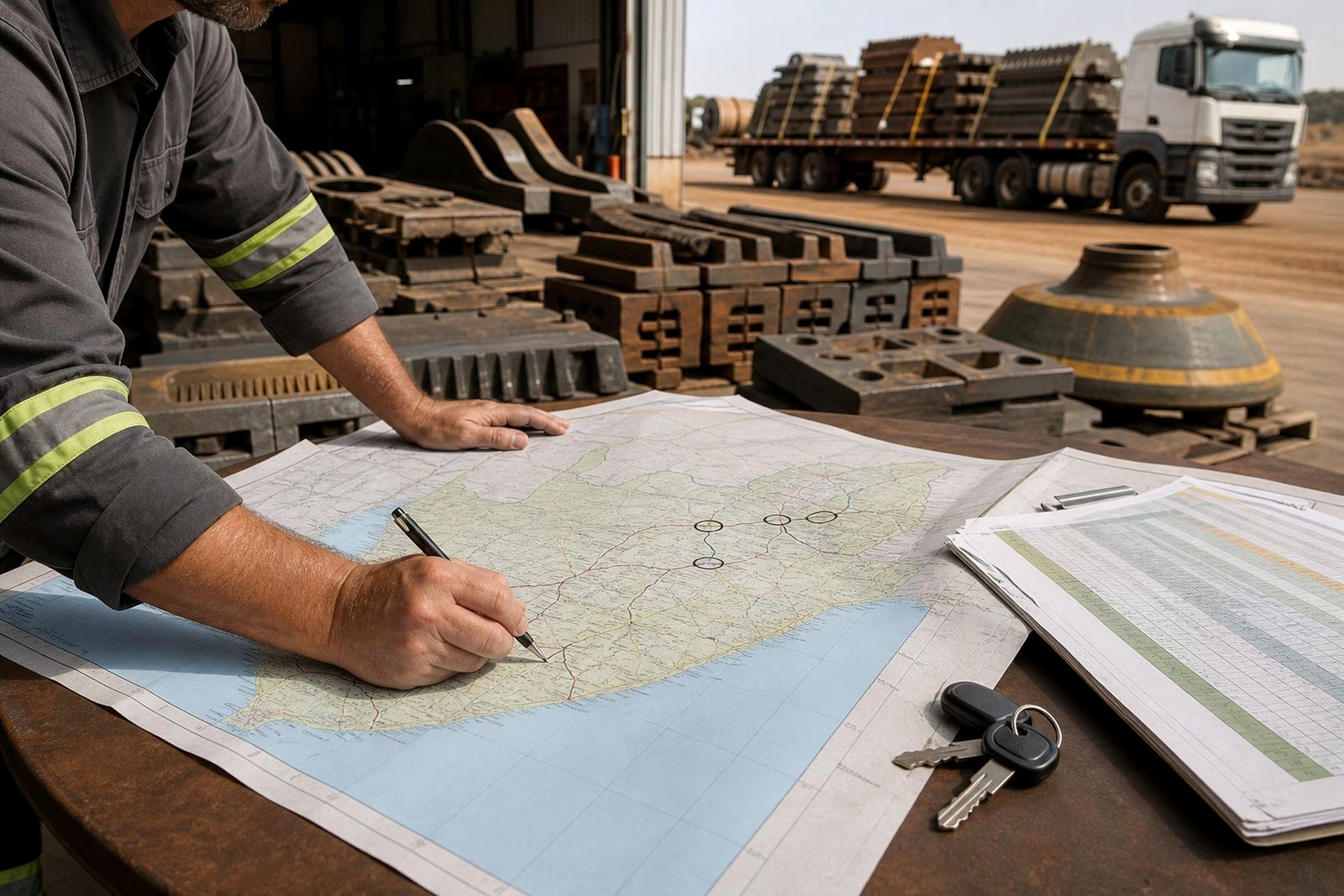
The process starts with the crusher make, wear pattern and the parts that fail most often on site. From there, we align the stock plan with the client’s maintenance rhythm and the route the freight needs to take. A mine in Steelpoort or Burgersfort may need a different holding pattern from a quarry near Gauteng, especially where access roads, gate times and weather can affect collection or delivery.
Once we have the requirement, we confirm the part spec, check current availability and set aside the required quantity. If the requirement is linked to a planned shutdown, we can stage the stock so it is ready for dispatch in order of use. Our warehouse team then prepares the release, checks load securing needs, and passes the consignment to freight planning. This makes the handover smoother and reduces the chance of delays caused by missing paperwork or mixed-up items.
- Confirm the crusher type, part profile and expected wear life
- Agree the stock quantity and minimum holding level
- Set the release plan for urgent or scheduled dispatch
- Prepare freight notes and site delivery instructions
- Track the order through to handover at site or depot
Why local holding shortens lead time
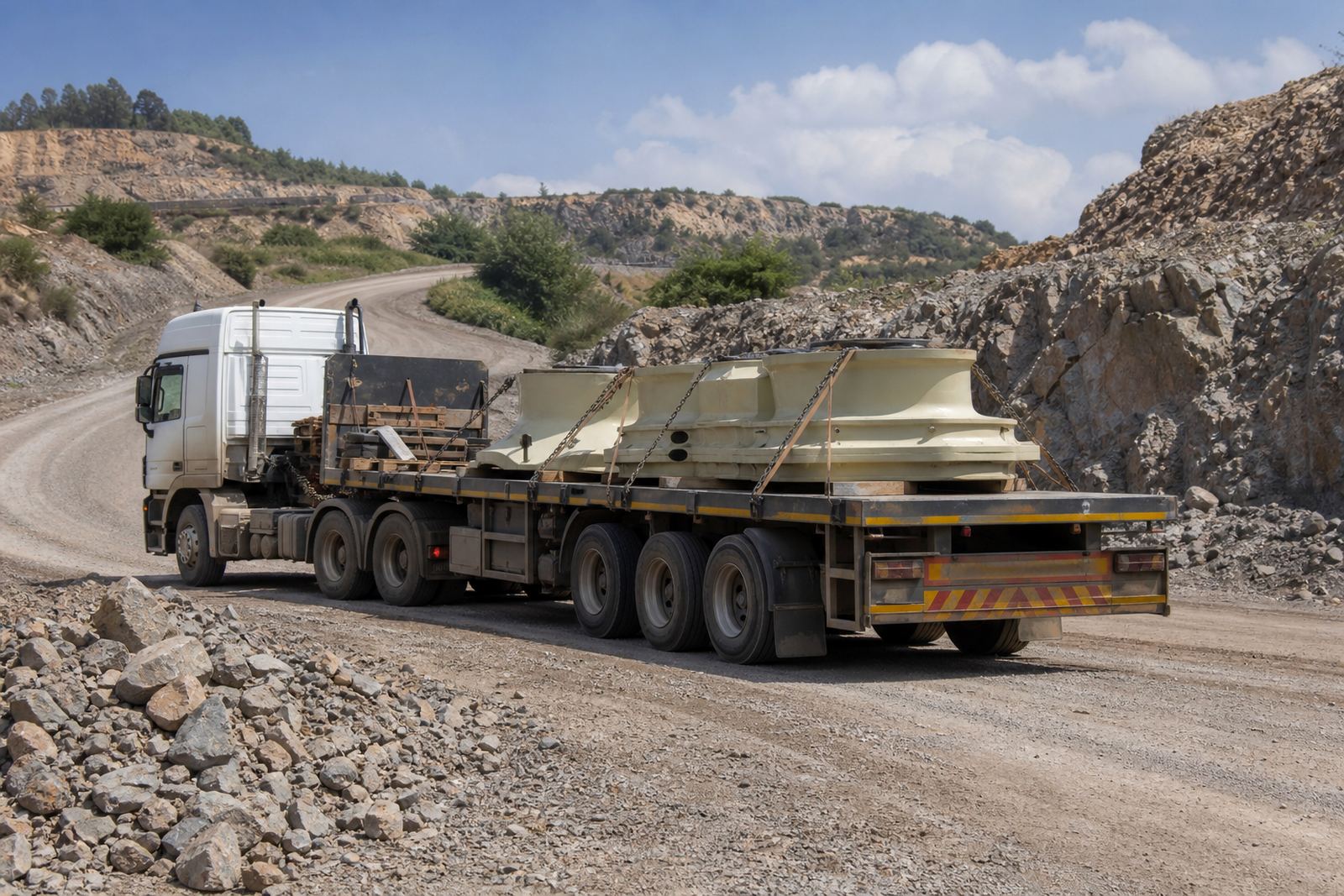
Stock held in Middelburg gives clients a practical buffer when transport routes are long or weather is unsettled. It helps during load-shedding, when some sites and workshops slow down and maintenance windows shift by a day or two. It also helps remote mines that depend on scheduled freight into areas of Limpopo, the Northern Cape, North West and Mpumalanga, where a missed delivery can hold up a crusher for far longer than expected.
We keep common wear items close to the main mining corridors so orders do not have to move from a distant warehouse before they can even be packed. That makes a difference when a client is replacing worn jaw plates or a set of blow bars and needs the parts on site before the next run. It also supports smaller quarries that may not want to carry large volumes themselves but still need reliable access to the right part when wear advances faster than planned. The aim is simple: less waiting, fewer stoppages and better control over the change-out schedule.
Specs we work to when holding crusher wear parts
We match stock to the practical requirements of the machine, the feed and the worksite. That means checking the opening size, chamber profile, thickness, fastening method and material grade before anything is put aside. For example, jaw plates must fit the correct crushing chamber and wear pattern, while mantles and concaves need the right profile to maintain reduction and shape control. Blow bars and liners are handled with the same care, because a small mismatch can affect wear life and output.
Common stock considerations include part weight for safe handling, packaging for coastal humidity, and protection during road freight. We also look at whether parts are meant for abrasive rock, softer material or mixed feed. Where needed, we advise on holding enough stock for one shutdown plus a small back-up margin, rather than under-ordering and scrambling later. That approach works well for sites in Rustenburg, Kathu and the Middelburg corridor where turnaround time and road conditions can vary quite a bit.
- Part type: jaw plate, mantle, concave, blow bar or liner
- Fitment: machine chamber, profile and fastening pattern
- Material grade: selected for abrasion, impact or mixed wear
- Handling: weight, palletising and safe lifting requirements
- Protection: wrap, packing and moisture control for storage
Pricing approach for held stock
Our pricing approach is based on the parts held, the quantity reserved and the movement required to get them to site. Clients do not pay for a one-size-fits-all package, because a steady monthly requirement is very different from an urgent replacement into a remote mine in the Northern Cape. We quote according to the item, stock level and freight plan, with clear separation between part supply, storage arrangement and transport costs where those apply.
For planned operations, stock holding can help smooth purchasing and reduce the pressure of last-minute buying. For urgent work, the value is in the time saved when the part is already in Middelburg and ready to go. If a client wants recurring holding for fast-moving items, we can also set a replenishment pattern that keeps minimum levels in place. That helps maintenance teams avoid emergency buying at the worst possible time, especially when shutdowns are packed close together.
- Quoted by part type and holding requirement
- Freight priced by route, weight and site access
- Options for recurring stock levels or once-off reserve
- Clear distinction between supply, storage and dispatch
Maintenance intervals and stock planning
Wear parts are usually planned around operating hours, feed hardness and crusher loading, but actual intervals can change quickly when the feed becomes more abrasive or the plant is pushed harder than usual. That is why we work with clients to map likely replacement intervals and build stock around real use, not just a textbook schedule. A jaw plate set may last longer on one ore body than another, while mantles and concaves can wear unevenly if feed size is not controlled well.
For clients running remote mines or quarries, we suggest reviewing stock levels before each scheduled maintenance stop and again after any change in production rate. This keeps the holding plan aligned with the machine instead of leaving parts sitting idle or arriving too late. If a site has limited storage or difficult access, we can adjust the stock mix to match the most urgent items first and keep slower-moving parts in a smaller reserve. It is a practical way to stay ready without overloading the workshop.
- Review wear rates before each shutdown window
- Adjust stock after changes in feed size or production
- Keep fast-moving parts at higher minimum levels
- Recheck stored items for packaging and moisture protection
How to start stock holding with us
To set up stock holding, clients contact us through the enquiry form on our contact page with the crusher part requirement, location and expected schedule. From there, our team confirms the part details, checks what can be held in Middelburg and works out the best release and freight plan. We support mines and quarries across Mpumalanga, Limpopo, the Northern Cape, North West and Gauteng, including remote sites where timing matters more than anything else.
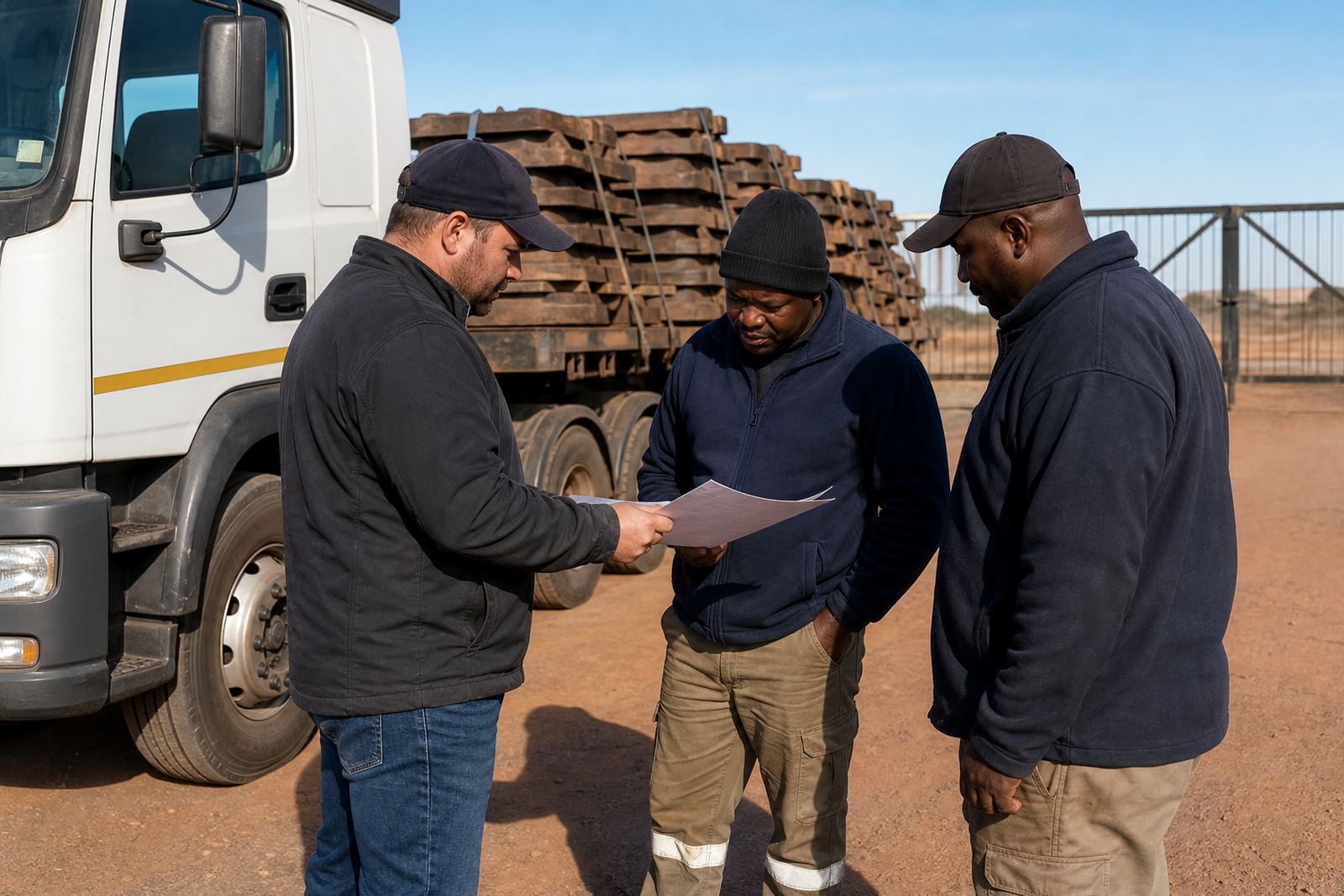
Our team at Middelburg, including operations, freight, warehouse and customer support, keeps the process moving from first query to final delivery. Whether the need is for a single urgent replacement or a regular holding arrangement, we focus on keeping common parts available and ready for dispatch. That way the maintenance team spends less time waiting and more time running the plant. It’s a simple setup, but it saves a lot of pressure when the crusher is down and every hour counts.
- Send the crusher part requirement through the enquiry form
- Confirm the site location and preferred turnaround
- Agree the holding level and dispatch plan
- Receive support from order to delivery
Key facts
| Base | Middelburg, Mpumalanga |
|---|---|
| Founded | 2011 |
| Service area | Mpumalanga, Limpopo, the Northern Cape, North West and Gauteng |
| Core stock | Jaw plates, mantles, concaves, blow bars and liners |
| Typical use | Remote mines, quarries and scheduled shutdowns |
| Access | Enquiry form on our contact page |