Shutdown brief from a Bethal quarry
The quarry team in Bethal had a narrow window to complete a planned shutdown on a fixed plant crushing line. Their brief was straightforward: get the right jaw wedges, wear plates and protection liners into the yard before the outage started, then keep the load moving so there was no last-minute scramble for parts or transport.
They were working in Mpumalanga conditions that are common on rural sites, with early morning mist, dust during the day and limited tolerance for delays once the plant is stopped. The team needed parts that matched the machine dimensions already on site, plus freight planning that would reach Bethal without leaving pallets sitting at the wrong depot. We built the dispatch around that schedule and kept the order grouped for one delivery. A small issue at shutdown can hold up an entire crew, so the timing mattered as much as the parts list.
What the quarry needed on site
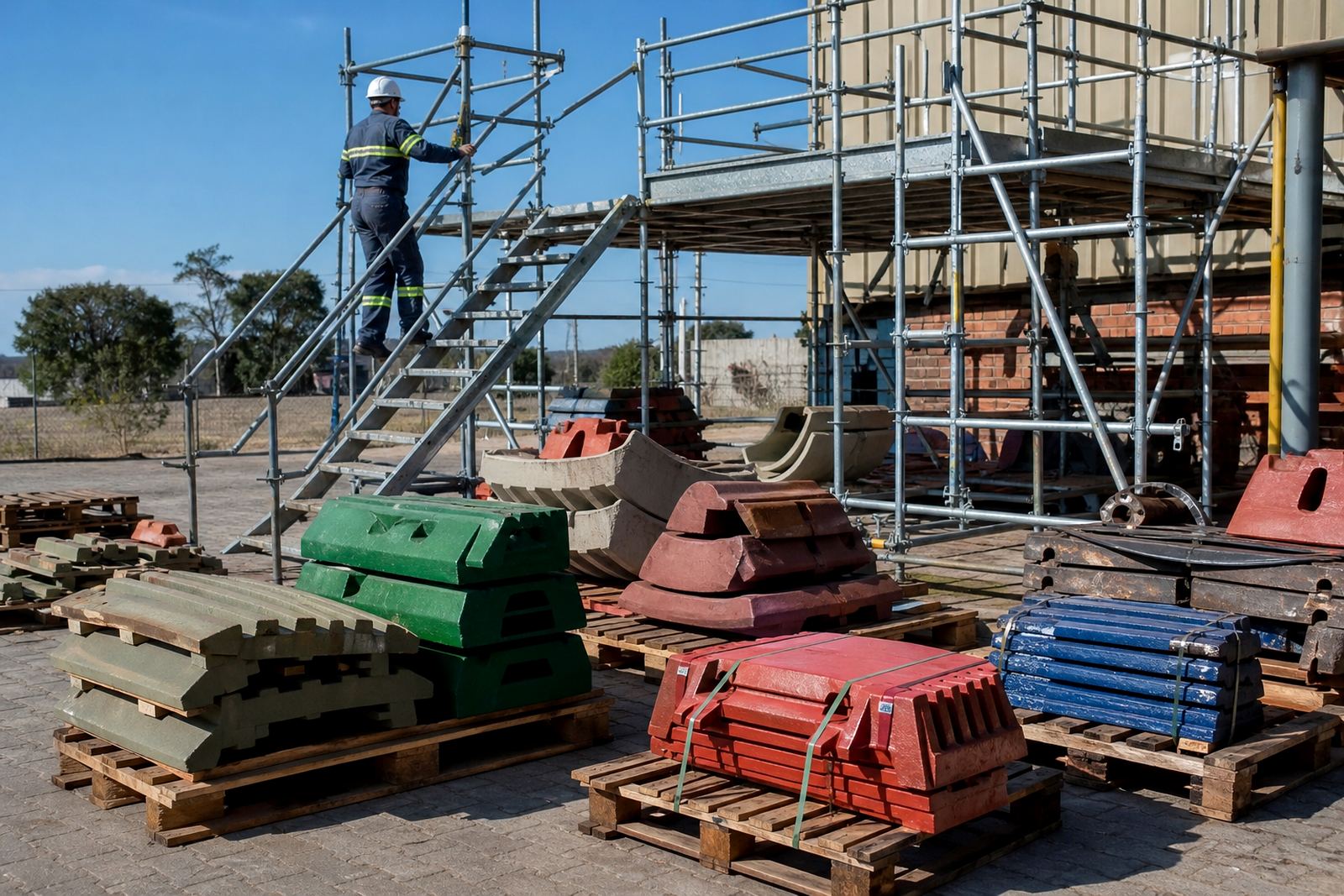
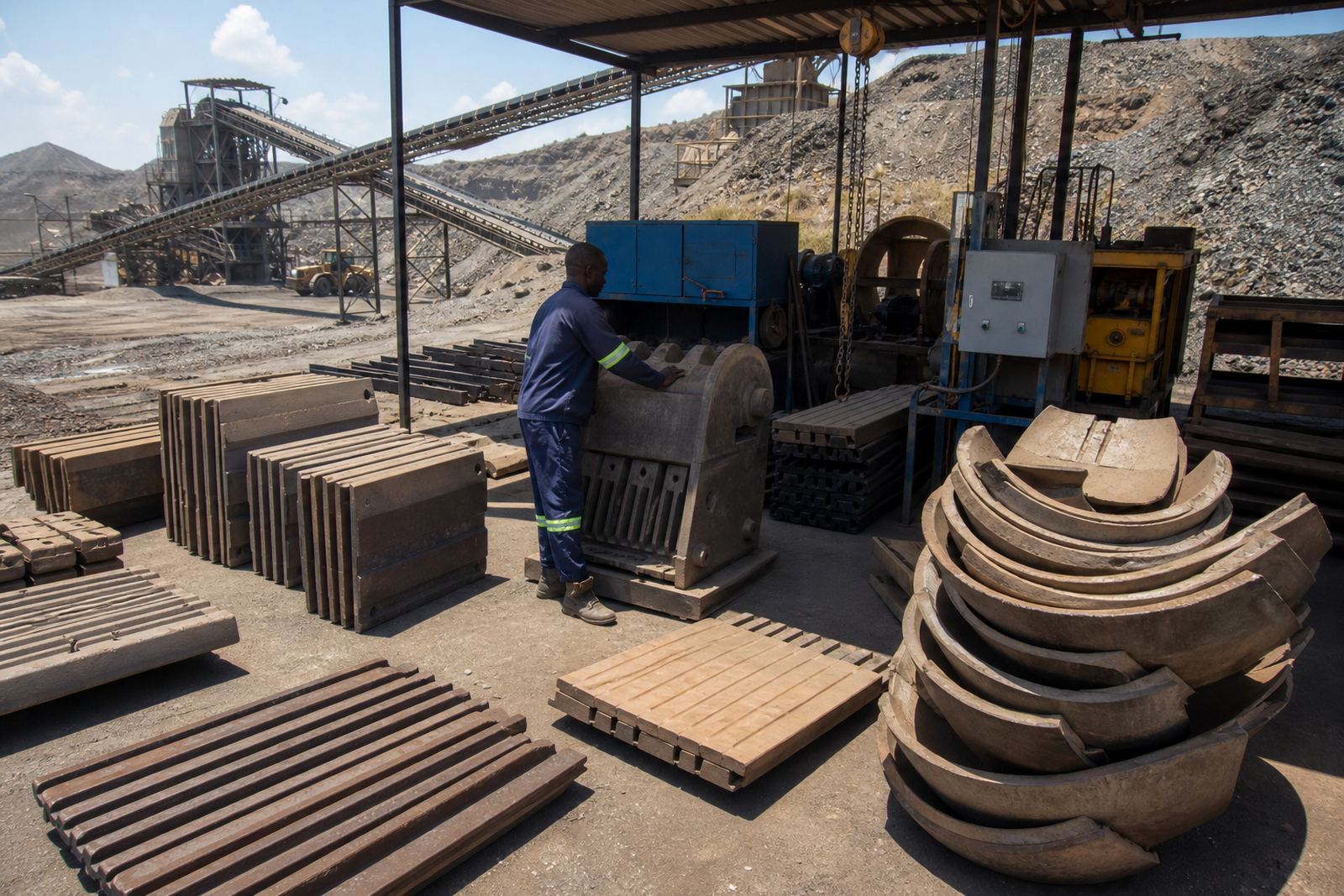
The order was for standard crusher wear components used during maintenance on a quarry crushing circuit. The main items were jaw wedges, jaw plates and protection liners, with each item selected to suit the wear profile and the planned inspection work. The quarry also wanted the parts packed in a way that made counting, lifting and storage simple once the truck arrived.
- Jaw plates for the primary jaw crusher section
- Jaw wedges for secure fitting and removal during the shutdown
- Protection liners for high-wear contact areas
- Bundled delivery so all items arrived together
- Clear labelling for quick checking on receipt
Because quarry shutdowns usually involve several trades working at once, the order needed to stay organised from warehouse to site gate. That meant consolidating the pieces before despatch and checking that each pallet was stable enough for mixed freight handling. It sounds simple, but a loose load in transit can waste time on arrival and nobody wants that on a shutdown morning.
Stock holding and dispatch from Middelburg
Crusher Consumables Direct held the required wear parts in Middelburg, Mpumalanga and used that base to prepare the Bethal order for dispatch. The team checked the order against the shutdown schedule, confirmed the packing list, and arranged freight so the load would move before the site went offline. That local stock position is important for mines and quarries that cannot wait on uncertain lead times.
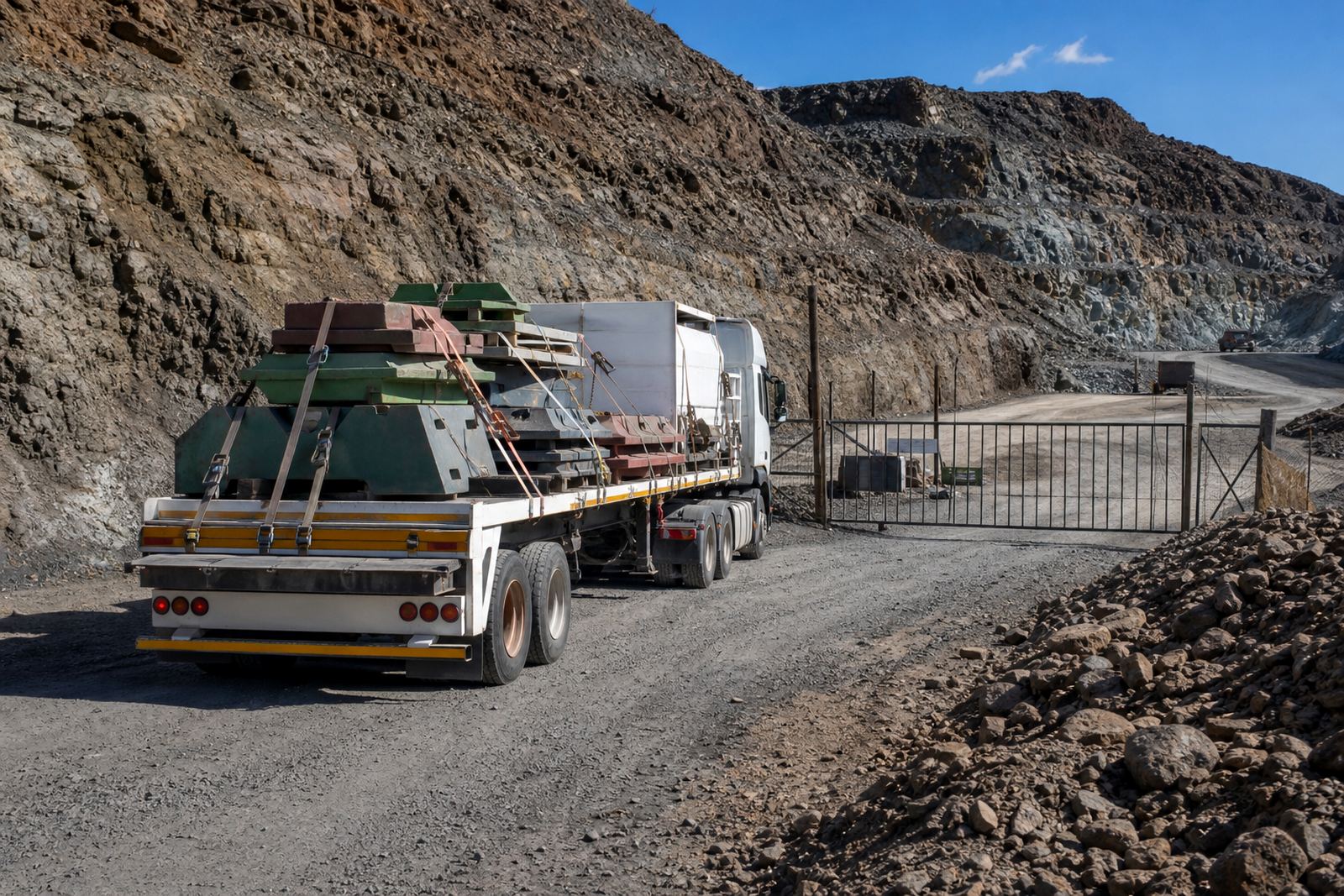
Our warehouse team prepared the goods for safe transport, and the freight coordinator planned the route with the delivery point in mind. Bethal is not far from our base, but quarry access can still be tricky if you miss the receiving window or arrive while the gate is busy. We kept the handover tight, then provided order support right through to delivery so the site could receive the parts in one go. Thabo Mokoena and the team also made sure the job stayed aligned with the client’s shutdown sequence, not the other way round.
- Pre-shutdown stock allocation from Middelburg
- Load securing for mixed pallet freight
- Route planning for a direct site run
- Order consolidation to reduce handling at delivery
Timeline and delivery sequence
The shutdown job was handled over a short planning period of two weeks. In week one, the quarry confirmed the wear part list and the expected stop date. We matched the parts to the order, set the pick list, and reserved freight space for the delivery window. In week two, the goods were packed, checked and dispatched in time for site receipt before the maintenance crew started stripping down the crusher.
That timing gave the quarry enough breathing room to inspect the old components and replace worn items without pushing work into the next shift. The client did not need to chase for status updates because the freight and stock plan was clear from the start. Good shutdown work is often about removing uncertainty, not just moving parts. We kept the handover practical, with no unnecessary steps or back and forth.
Results at the Bethal plant
The parts arrived together and were ready for fitment during the shutdown. The quarry crew could start removal work on schedule, carry out the replacement, and put the plant back into service without waiting for missing wear parts. That helped reduce downtime pressure and kept the shutdown within the planned maintenance window.
For the site team, the main result was control. They had the right components in hand before the stop began, plus a clear delivery record for the receiving bay. The order also gave them a cleaner way to manage spares, since the supplied items were grouped for the task instead of arriving in separate drops. On a busy quarry site, that saves time and cuts the chance of mix-ups during reassembly.
What we would repeat on the next shutdown
If we were handling the Bethal shutdown again, we would keep the same approach: confirm the wear profile early, set the freight date around the outage, and bundle the parts so the quarry can receive everything in one controlled handover. That method works well for planned maintenance because it avoids last-minute substitutions and keeps the receiving process simple.
We would also keep the same checks on access, offload space and the site contact list before dispatch. Quarry shutdowns can be affected by roadworks, weather and shift changes, especially when the plant is in a town like Bethal where site routines may shift around municipal traffic and local transport patterns. With the right lead time, the process stays tidy and the crew can focus on the crusher instead of chasing logistics.
Key facts
| Project type | Planned quarry shutdown support |
|---|---|
| Location | Bethal, Mpumalanga |
| Wear parts supplied | Jaw wedges, jaw plates and protection liners |
| Supply model | Stock held in Middelburg with direct freight to site |
| Planning window | 2 weeks from brief to delivery |
| Business founded | 2011 |