Chute liners for hard-wearing transfer points
Chute liners are fitted inside chutes, hoppers and transfer boxes where rock, ore and other abrasive materials move from one stage to the next. They take the impact and wear, so the steel behind them lasts longer and the material path stays open. At Crusher Consumables Direct, we supply chute liners for crusher feed points, discharge chutes and transfer sections where material handling and crusher feed meet.
These liners are used where material drops, slides or changes direction, especially on sites running jaw, cone or impact crushing circuits. In the South African mining and quarry environment that means dust, vibration, long operating hours and sudden stoppages can all shorten service life if the liner choice is wrong. Good lining reduces hang-ups, protects the chute structure and helps keep flow steady during normal production and shutdowns alike.
Typical sizes, thicknesses and liner options
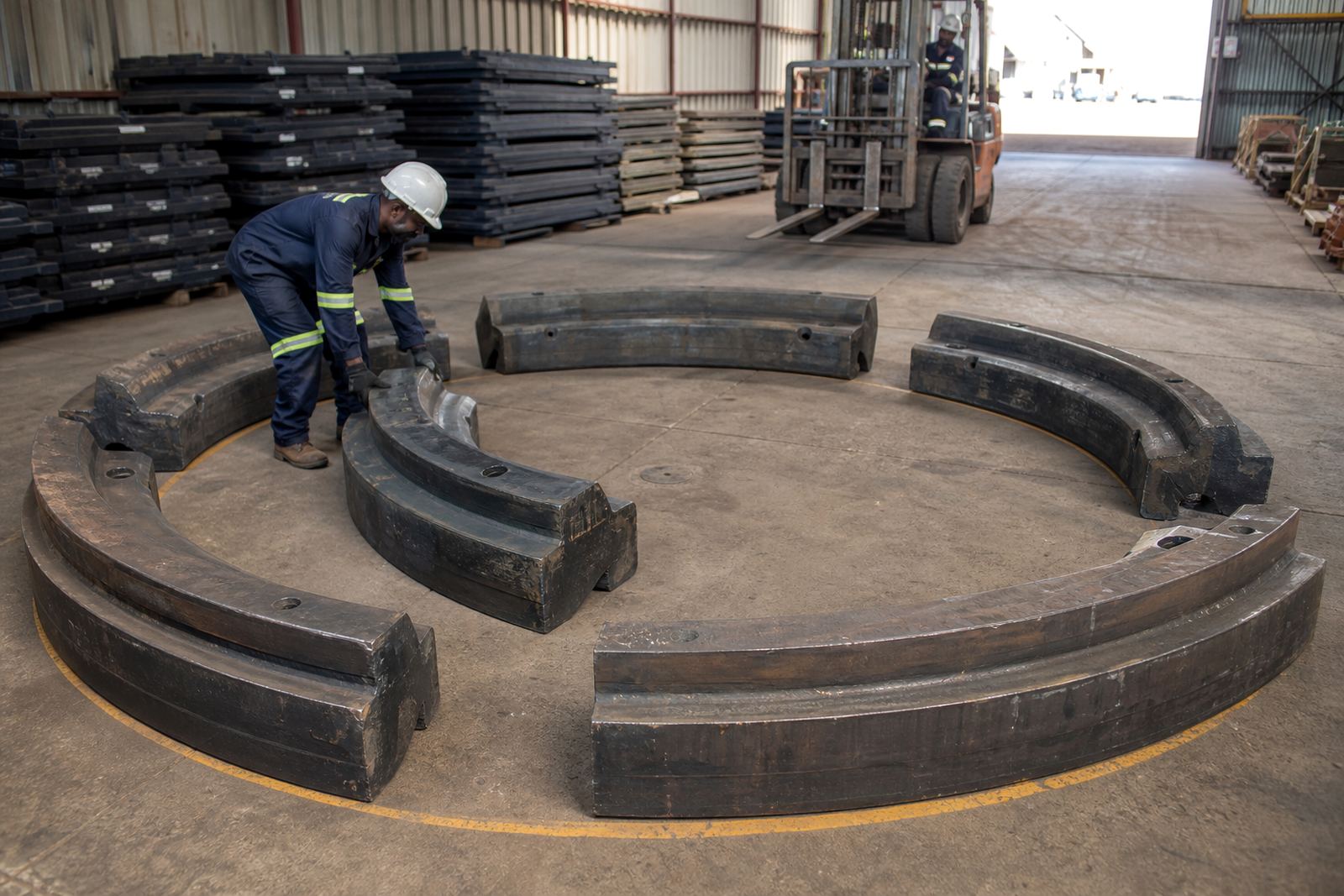
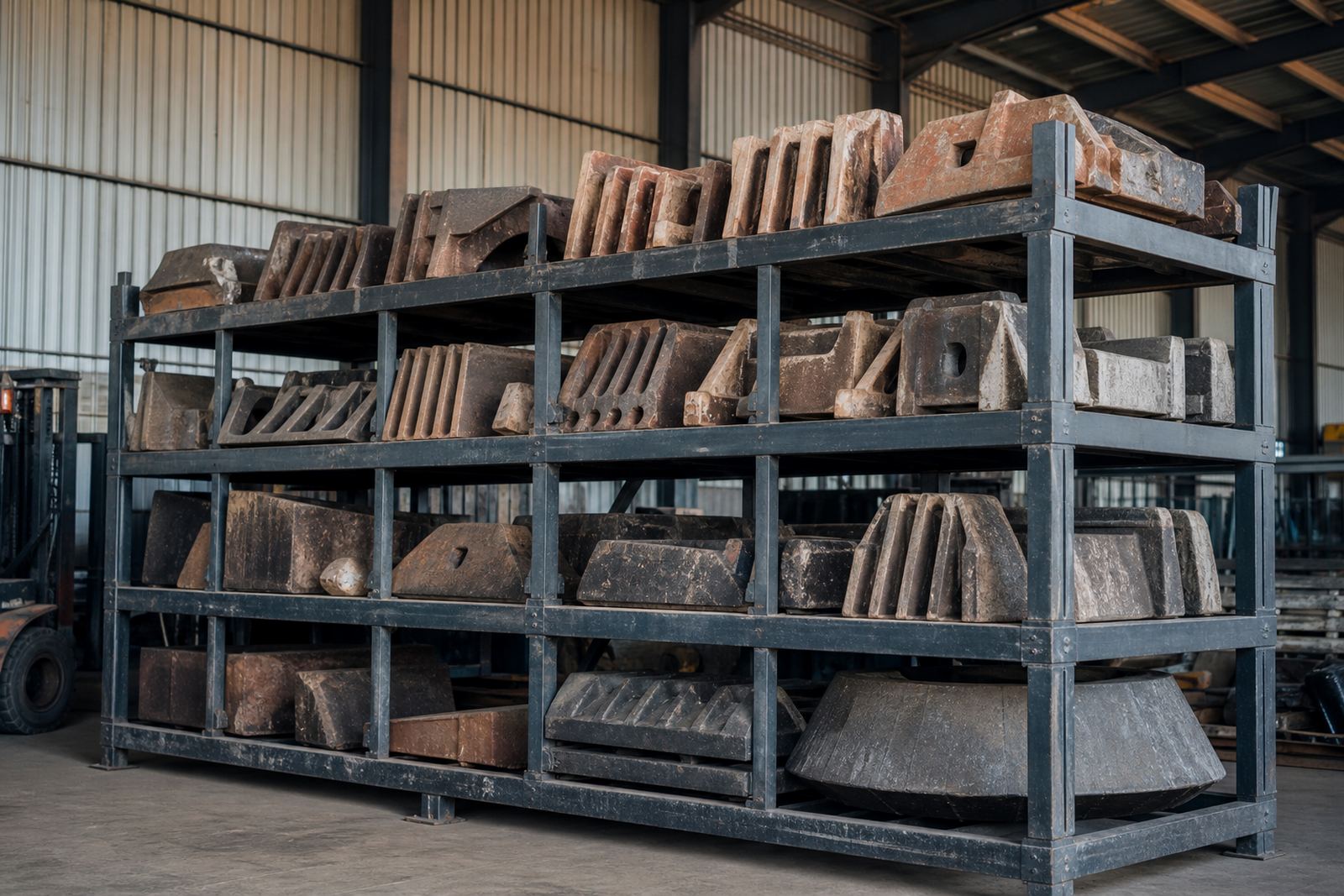
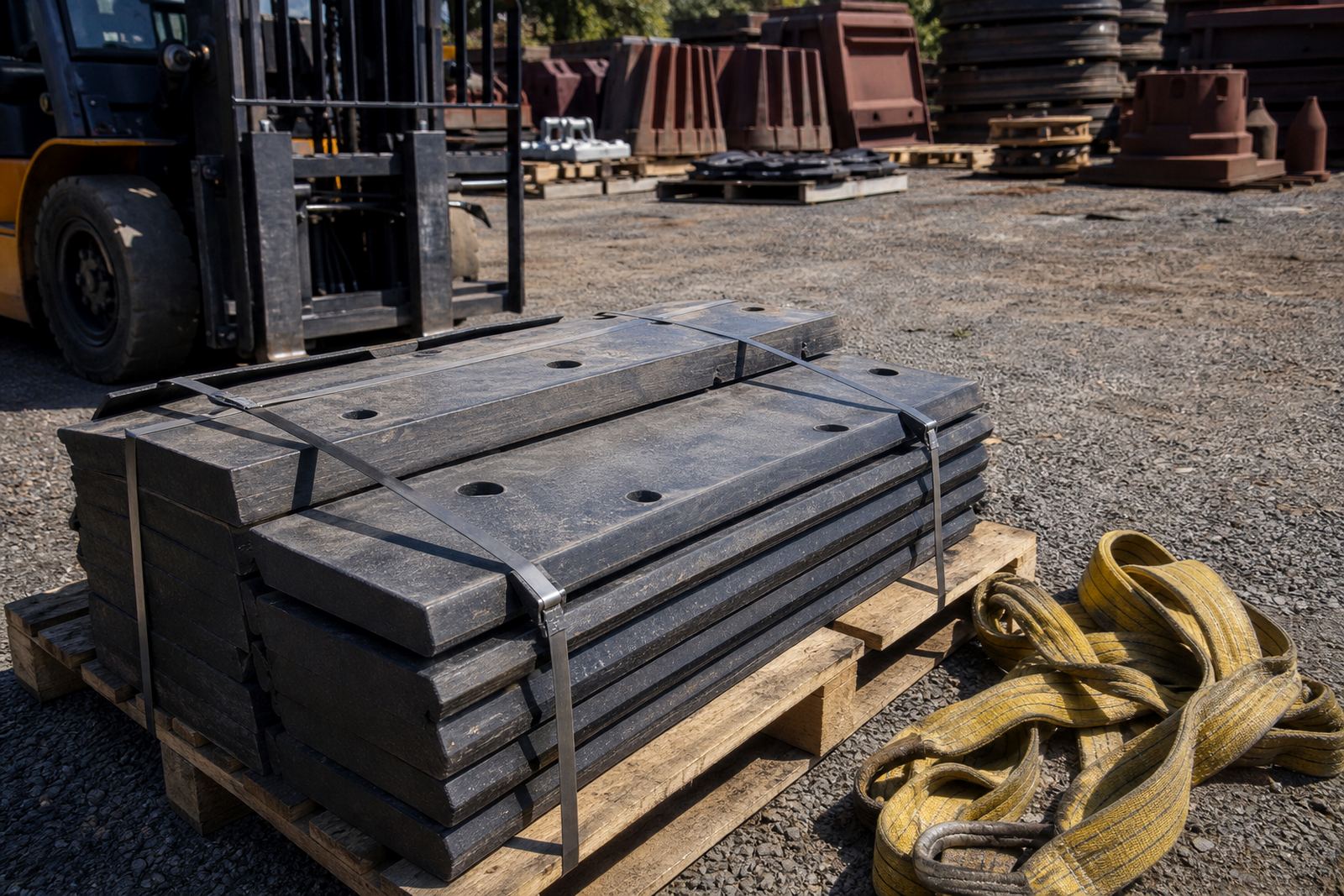
Chute liners are supplied to suit the shape and duty of each transfer point. Some sites need flat panels, others need curved sections, wear strips or fully lined boxes. We can help with standard wear plate options and cut-to-size sections for new builds, replacement work or shutdown change-outs. Material selection will depend on the type of rock, drop height, moisture and how often the chute is opened for cleaning.
- Common thicknesses: 6 mm, 8 mm, 10 mm, 12 mm and heavier duty options where needed
- Typical panel forms: flat, formed, angled, curved and sectioned liners
- Fixing methods: bolted, clamped or welded-in backing arrangements
- Common applications: feed chutes, transfer chutes, discharge chutes, hoppers and flow boxes
- Cut-to-size supply: panels matched to measured drawings or site dimensions
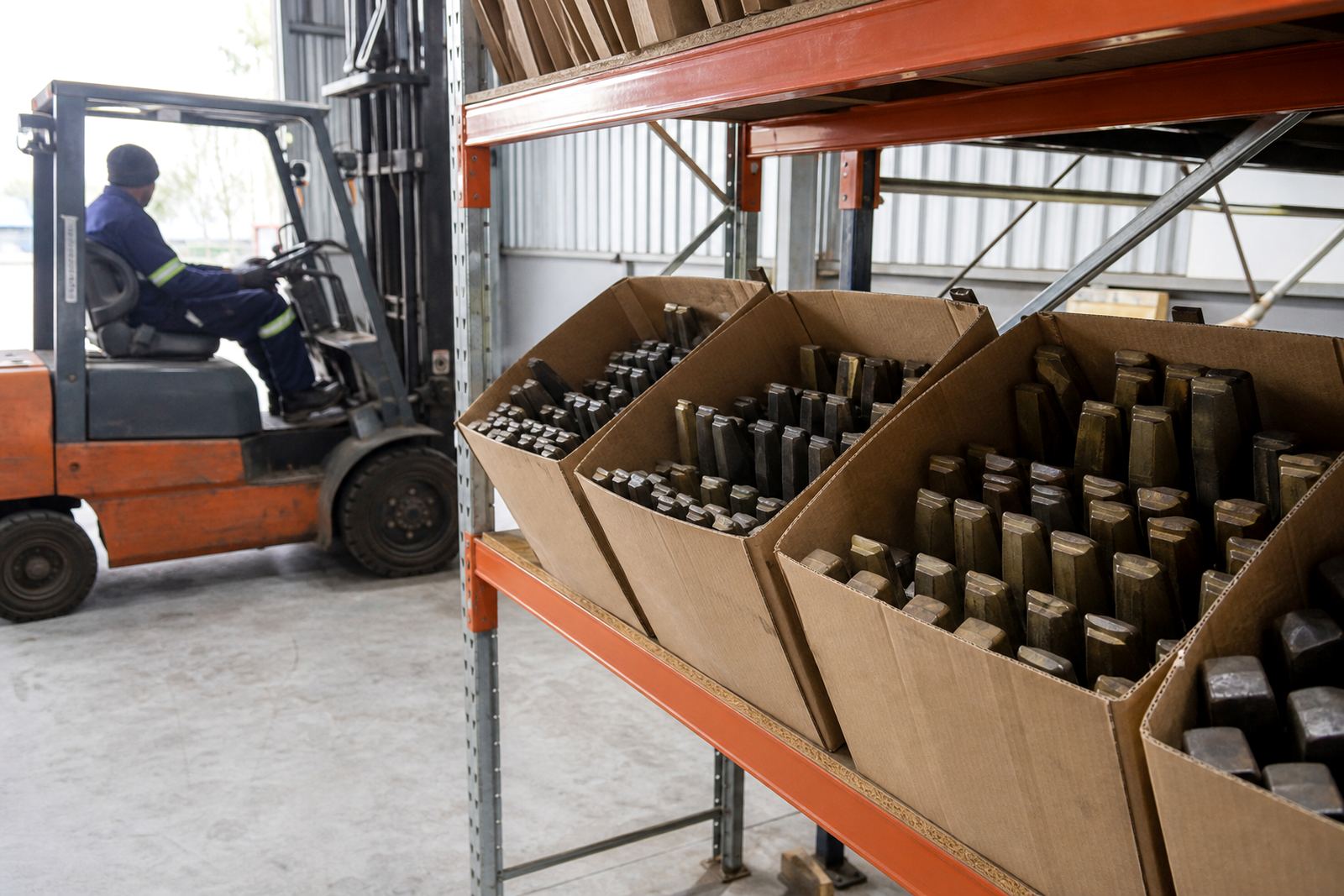
On some plants a simpler liner is enough, while on others a layered solution works better with replaceable wear sections in the highest impact zone. That approach can make future maintenance quicker and keeps spares easier to hold on site. We also help with bundled part kits when a chute change-out is part of a bigger shutdown plan.
Where chute liners suit South African operations
Chute liners are used across mines, quarries, crushing plants and materials handling systems in Mpumalanga, Limpopo, the Northern Cape, North West and Gauteng. They are especially useful where abrasive feed is dropping from conveyors into crushers, screens or stockpiles, and where moisture can cause sticking during the rainy season or on coastal freight routes. Remote sites often need liners delivered in one consignment with related wear parts, so the fitter team can complete the job without waiting on follow-up deliveries.
They suit hard rock, manganese, iron ore, chrome, aggregates and other high-wear product streams. If the transfer point has a history of blocking, bridging or fast-through wear on one side, a properly sized liner can help correct the flow path and protect the chute walls. In some plants the issue is not only wear but also noise and vibration, and a thicker liner with the right support can reduce both.
- Transfer points with a steep drop or sharp angle change
- Crusher feed areas where impact is concentrated in one zone
- Wet or sticky material handling systems
- Sites needing serviceable liners during scheduled shutdowns
- Quarries and remote mine plants with limited on-site stock
Installation requirements and site preparation
Most chute liners do not need special power or gas to operate because they are passive wear components. The real requirement is a sound installation surface, the correct fixing method and access for the team doing the change-out. Before fitting, the chute body should be cleaned, inspected for distortion and checked for cracks, loose bolts or worn support bars. If the backing structure is damaged, a new liner alone will not solve the problem.
Installation is usually carried out during a planned shutdown. On some sites the work can be done with hand tools and lifting gear only, while larger panels may need chain blocks, forklifts or a crane. Safe access matters, especially where the chute sits above conveyors, in a confined transfer tower or near moving plant. We recommend checking bolt spacing, overlap, edges and clearance around inspection doors before the liner is handed to the fitters. If the site is in a dusty or humid area, sealing and corrosion protection should be part of the plan.
- No operating power required once installed
- No gas connection needed for normal service
- Access equipment may be needed for safe fitting
- Backing steel should be checked before installation
- Fasteners, seals and support bars should match the liner layout
Care, inspection and service life
Chute liners should be inspected regularly, especially after heavy tonnage runs or when there has been a change in feed size. Wear does not always show evenly. One corner may go first, or the impact zone may thin out long before the rest of the panel. Early checks help prevent a liner failure that could damage the chute shell or cause a spillage onto belts, pulleys or walkways. That kind of stoppage costs time and creates housekeeping work that nobody needs.
A simple inspection routine can extend service life and make planning easier. Look for cracking, fastener loosening, buckling, scalloping on the wear face and signs that material is cutting under the edges. If material starts building up behind the liner or flow slows down, the profile may no longer be doing its job. In many cases the team can turn a replacement into a quick routine task if the right spares are already on hand.
- Inspect after shutdowns and after any abnormal blockage
- Check for edge wear, cracking and loose fixings
- Keep the chute clear of built-up fines and wet material
- Replace liners before the shell is exposed
- Use the same wear profile where repeat wear patterns exist
What to check when ordering chute liners
To supply the correct chute liners, we need accurate measurements and a clear picture of the transfer point. That includes the chute opening, panel shape, thickness requirement, hole pattern and whether the liner needs to follow a curve, angle or stepped section. If a drawing is available, that helps. If not, good site dimensions and a few photos can still guide the order. The more exact the information, the less chance of delays during fitting. A small measurement error can cause a lot of wasted time on site.
It also helps to know the material being handled, the drop height and whether the chute runs dry or with moisture. If the site wants spares held for future shutdowns, we can consolidate the order with other crusher wear parts and arrange freight from our Middelburg base to remote mines and quarries across South Africa. Our team works with stock holding, route planning, site delivery coordination and urgent part dispatch, so replacement items arrive in the right sequence and not in a scatter of boxes.
- Transfer point dimensions and panel shape
- Liner thickness and wear duty required
- Fixing style, bolt holes and support details
- Material type, moisture level and feed size
- Whether the order is for one chute or a full shutdown set
Founded in 2011, Crusher Consumables Direct is based in Middelburg, Mpumalanga and led by Thabo Mokoena with support from Lerato Nkosi, Johan van der Merwe, Ayanda Dlamini, Sibusiso Mahlangu and Megan Naidoo. Clients reach us through the enquiry form on our contact page, and we assist with order support from first measurement to final delivery.
Key facts
| Product type | Chute liners for transfer points and crusher feed areas |
|---|---|
| Common thicknesses | 6 mm to 12 mm, with heavier duty options available |
| Panel forms | Flat, curved, angled, sectioned and cut-to-size |
| Fixing styles | Bolted, clamped or welded-in backing arrangements |
| Typical use areas | Feed chutes, discharge chutes, transfer boxes, hoppers and flow points |
| Service area | Middelburg, Mpumalanga with freight to mines and quarries nationwide |