What shell liners do in a working crusher
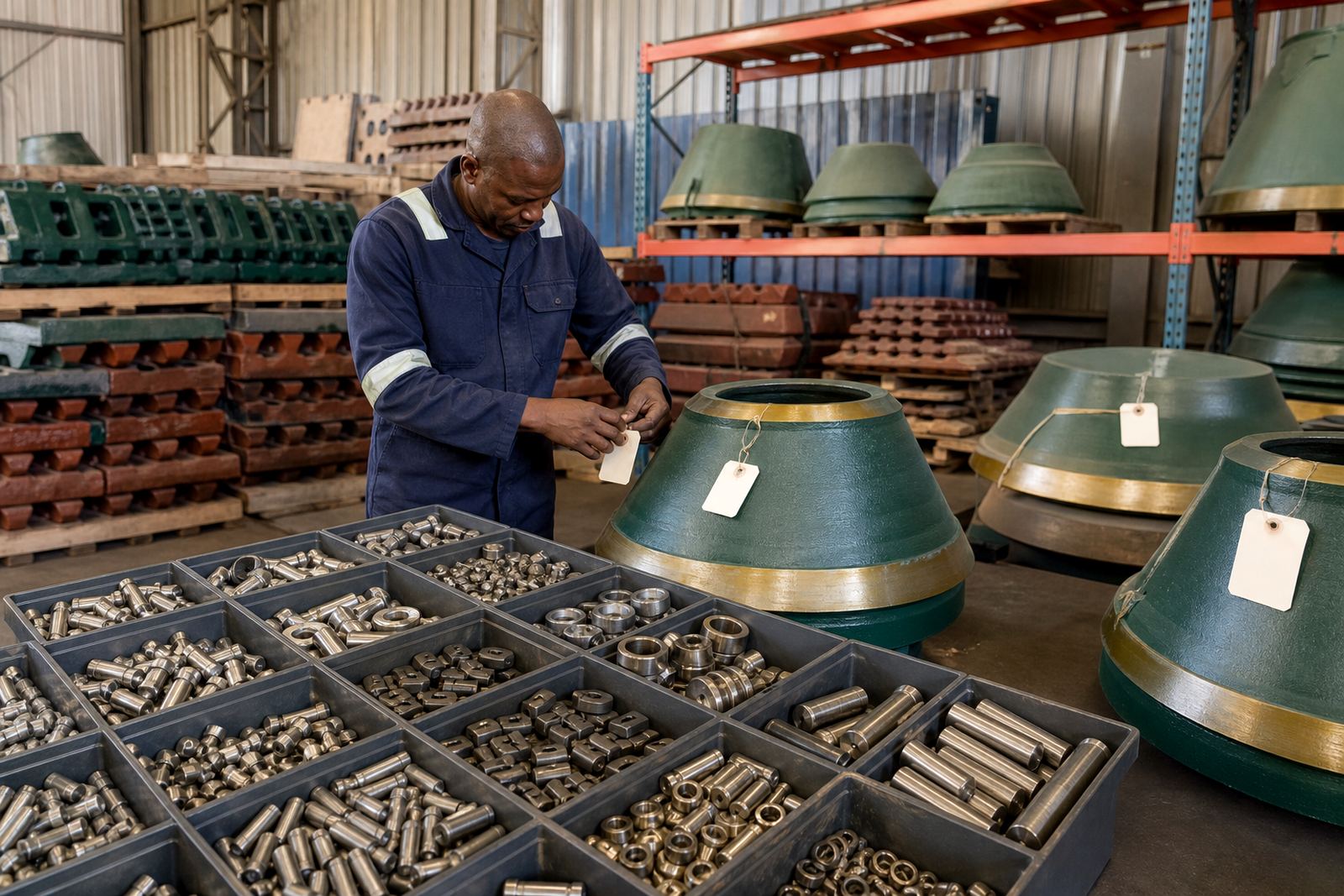
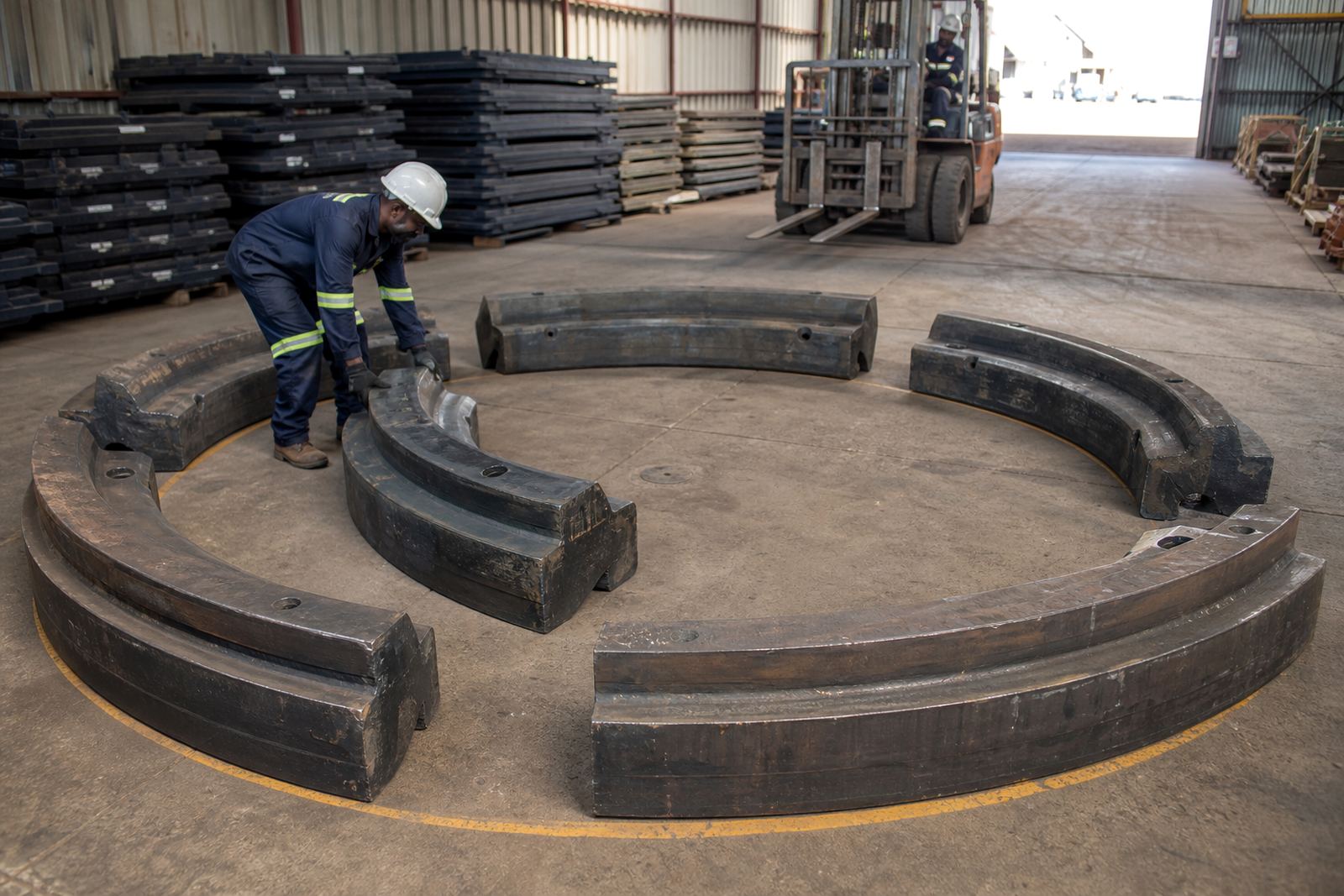
Shell liners are fitted to protect crusher body sections that would otherwise wear from repeated contact with material moving through the machine. They help reduce direct abrasion on the main shell, which supports longer service intervals and steadier running between planned maintenance stops. In many plants they are used alongside jaw plates, mantles, concaves, blow bars and other liner sets, depending on the crusher type and duty.
On hard rock, iron ore, chrome, coal and general quarry feed, shell liners help manage the daily impact of rock strike, vibration and sliding wear. They are particularly useful where feed is uneven, where the plant runs for long shifts, or where access to site is difficult and parts must last through a full production window. For remote mines, that matters because a missed delivery can mean lost tonnes and extra freight cost later.
We supply shell liners as a practical wear part, not as a one-size-fits-all item. The right choice depends on the crusher model, the mounting points, the thickness required and the material being processed. If you are planning a shutdown or trying to match existing wear patterns, our team can help with order support and bundled part kits so the right pieces arrive together.
Sizes, profiles and fitment options available
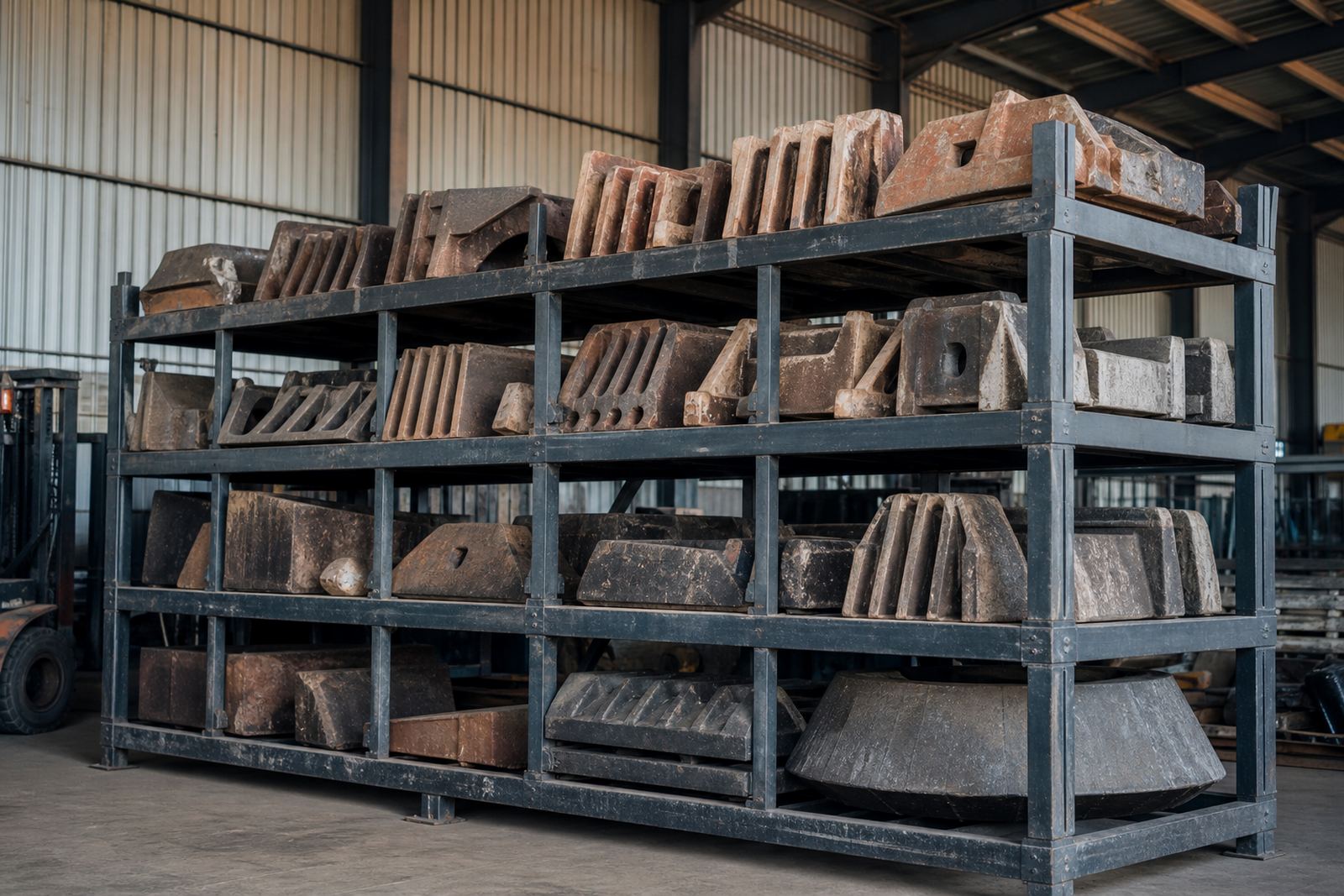
Shell liners are supplied in different sizes, thicknesses and profiles to suit a wide range of crusher body designs. Some applications need a straight plate with a clean edge, while others need a shaped profile to follow the liner seat closely. Material grade and thickness also vary, especially where the plant handles abrasive stone or runs long hours with limited downtime for service. A careful match to the machine is essential, because a liner that sits poorly can loosen, crack or wear unevenly.
We work with commonly requested options for primary and secondary crushing duties. If you are replacing a worn set, it helps to send the old part number, a sample photo, measurements or the crusher make and model details. That makes it easier to confirm the correct fit before freight leaves Middelburg.
- Thickness options suited to light, medium and heavy wear duty
- Standard and shaped profiles for different shell sections
- Single liners or full matched sets for shutdown work
- Custom packing for remote mine freight and quary delivery schedules
- Bundled supply with other crusher wear parts when needed
Where shell liners suit best on site
Shell liners suit operations that want to protect high-contact crusher body areas from steady wear. They are common in mine plants, fixed quarries, mobile crushing setups and contractor fleets that move between sites. In Mpumalanga and Limpopo, they are often used where feed is abrasive and stock access can be affected by weather, road conditions or long haul distances. In the Northern Cape and North West, they are also useful where service teams must plan carefully around heat, dust and travel time.
These liners are a good fit where the crusher must keep producing through load shedding, after-hours shifts or weekend shutdowns. For sites that work far from major towns, having the liner stock in Middelburg helps shorten lead times and gives more control over planning. We also support deliveries to Rustenburg, Kathu, Phalaborwa, Steelpoort, Burgersfort, Witbank and Johannesburg East.
- Fixed crushing plants with scheduled shutdowns
- Remote mines with limited on-site storage
- Quarries needing regular wear part replacement
- Plants running in dusty or humid conditions
- Operations wanting lower emergency freight exposure
Installation, power needs and practical handling
Shell liners do not need power or gas to operate, but correct installation is important. They should be fitted during a planned shutdown with the crusher safely isolated, locked out and cleaned before work begins. Good lifting practice, correct torque settings and proper seating on the mounting surface all matter. If the liner is not installed squarely, it can move under load and wear faster than expected.
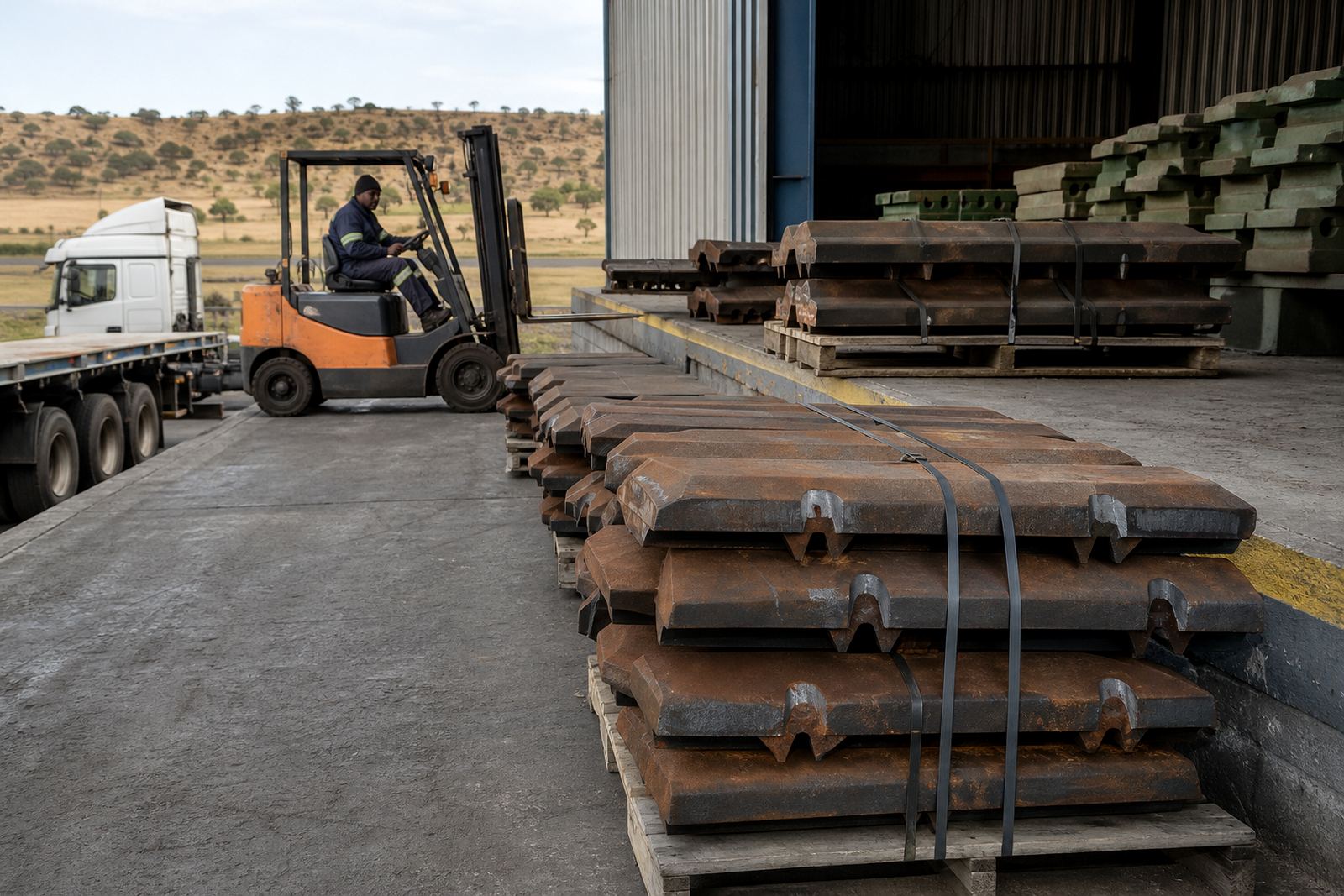
For plants managing tight maintenance windows, it helps to prepare the bolts, tools and lifting gear before the machine stops. Our freight planning team can help time dispatch so parts arrive with enough buffer for fitment, even when the site is far from town or road conditions are difficult. Load securing is also important, especially on long routes where vibration and rough roads can shift an unsecured pallet.
Power cuts and generator schedules can affect service timing on many sites, so it is worth building the liner change into the broader shutdown plan. That way the maintenance crew is not waiting around for parts while the plant is already isolated. On coastal routes and humid storage areas, keep the liners dry and off the ground to reduce surface rust and make handling easier at fitment.
Care, servicing and signs of wear
Shell liners should be checked regularly as part of the crusher inspection routine. The aim is to spot thinning, cracking, loose fasteners and uneven wear before the body itself is exposed. In practice, a quick visual check during greasing or housekeeping can save a larger repair later. If the wear is uneven from side to side, it may point to feed issues, poor alignment or a liner that no longer matches the duty.
Good servicing also means keeping the area around the liners clear of packed dust and fines. In wet weather, material build-up can trap moisture against the steel and make inspections harder. In dry dusty sites, the opposite problem is hidden wear, so a proper measurement check is useful before ordering the next set. Small notes from the maintenance team help a lot when planning repeat orders.
- Check liner thickness at every shutdown or service interval
- Look for cracking around bolt holes and corners
- Confirm there is no movement or fretting at the seat
- Keep spare fasteners and fitting hardware on hand
- Record wear patterns so the next order can be matched better
What to send when ordering shell liners
To make sure the correct shell liners are supplied, please send the crusher model, the machine serial number if available, and clear details of the existing liner. A photo of the worn part, the overall length and width, hole spacing, thickness and any curved sections will help the team verify fitment. If the liner is part of a full changeout, let us know whether you need a single item, a matched pair or a bundled kit with related wear parts.
It also helps to tell us where the stock must go. A delivery to Middelburg is different from a freight run to a remote site near Kathu or Phalaborwa, and the transport plan may change depending on access roads, gate times and whether the plant accepts after-hours drop off. We can plan around those details and coordinate with your receiving team.
For shutdown planning, send your required date early. That gives us time to confirm stock, consolidate the order and arrange the correct route. If you are replacing shell liners together with jaw plates, mantles, concaves or blow bars, we can combine the order to reduce repeat freight and keep the site better prepared for the next service window.
Key facts
| Product type | Crusher wear part for shell protection |
|---|---|
| Common supply format | Single liners, matched pairs or full sets |
| Typical material duty | Abrasive rock, ore, coal and quarry feed |
| Fitment | Model-specific with bolt hole and profile match |
| Storage | Dry storage on pallet, off the ground |
| Dispatch area | Middelburg to mines and quarries across South Africa |