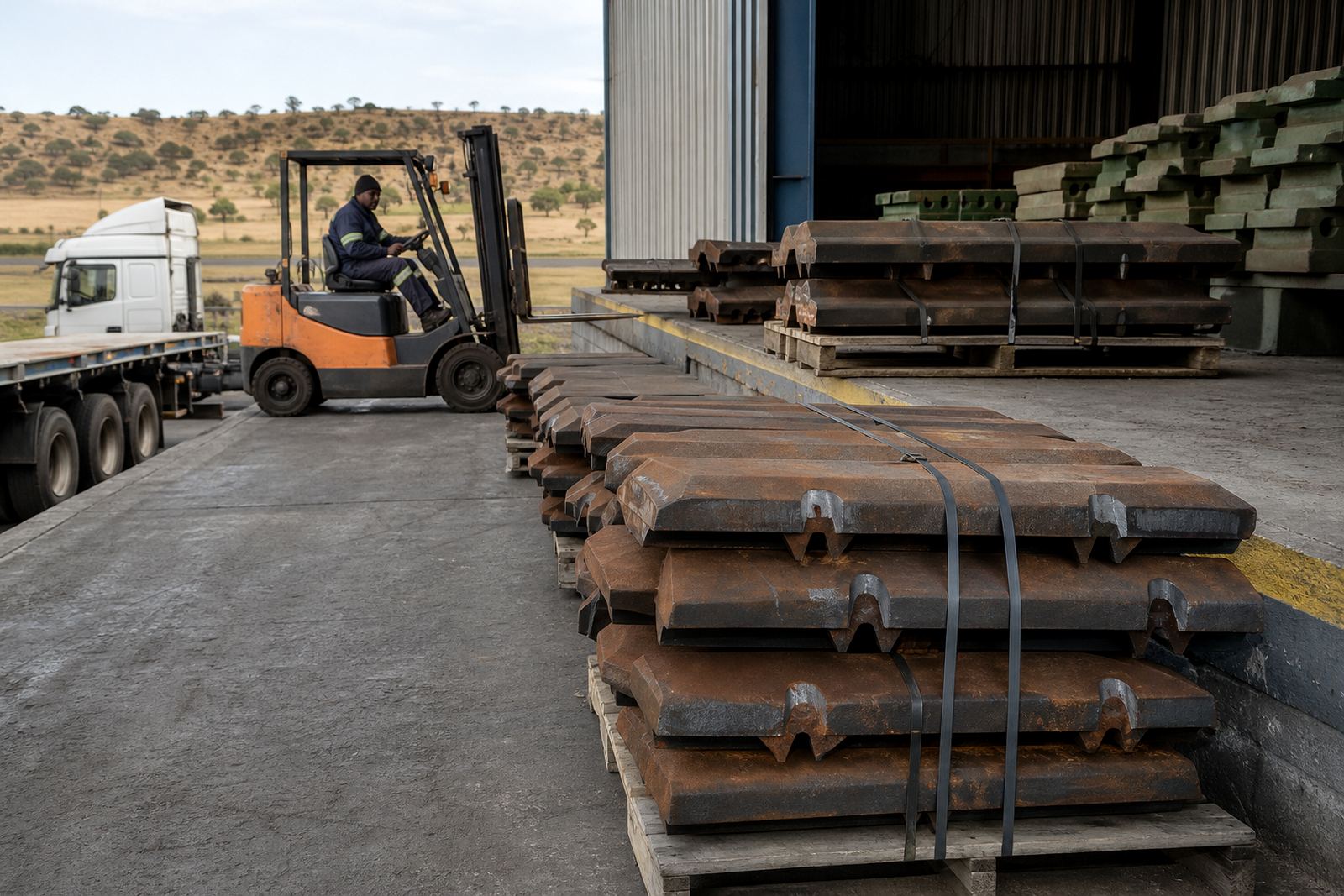
What heavy duty jaw plates do in a crushing circuit
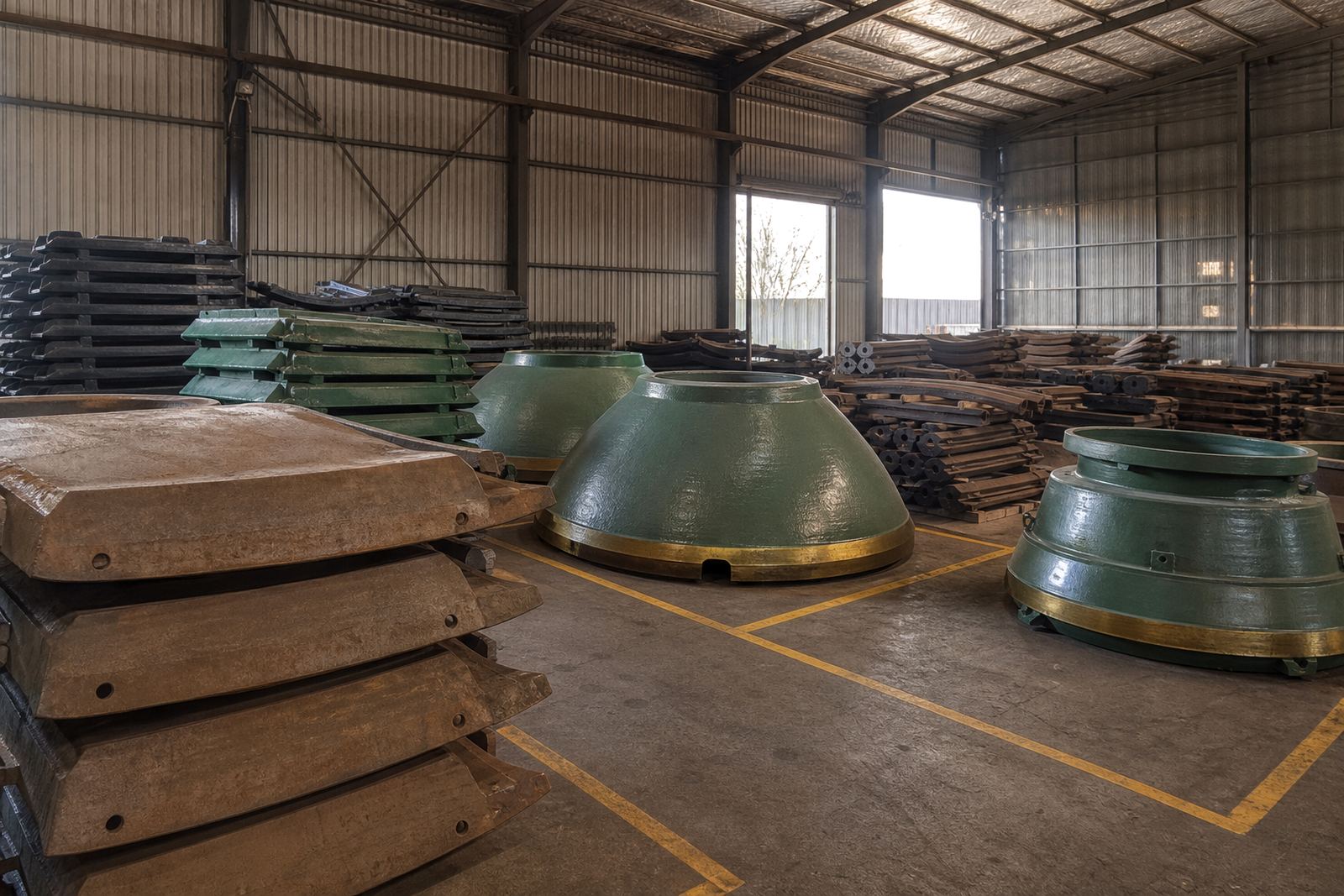
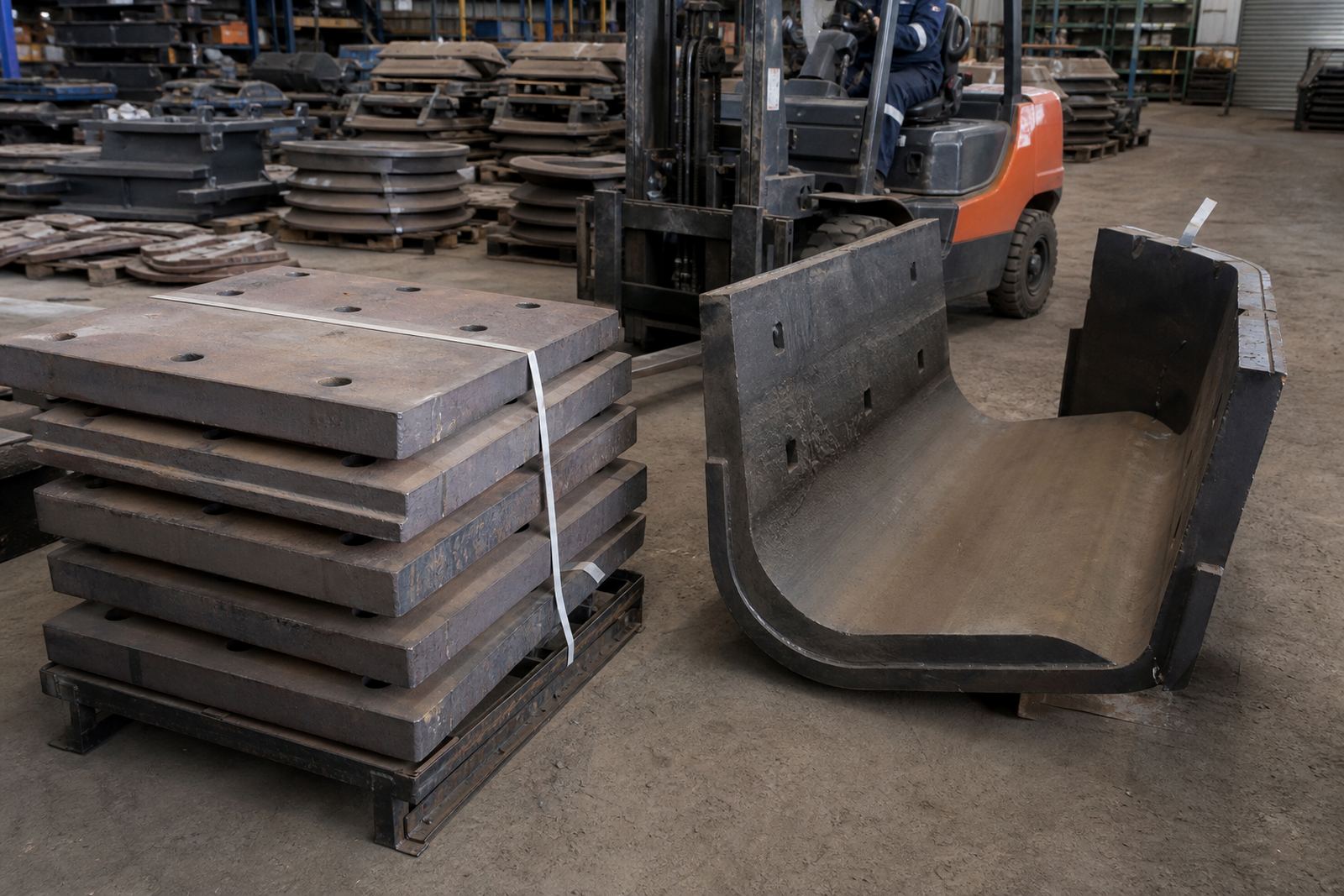
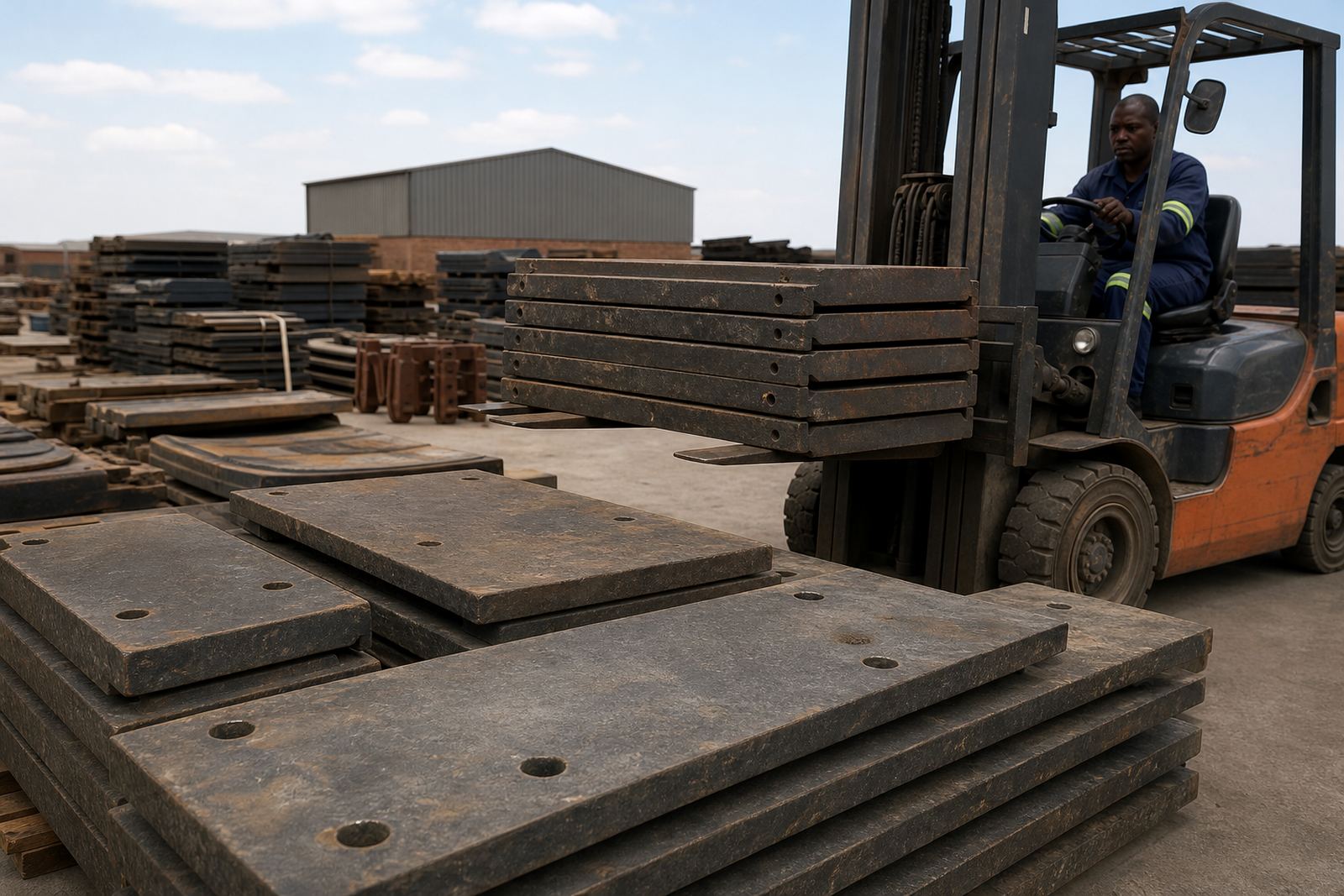
Heavy duty jaw plates are the fixed and moving wear parts inside a jaw crusher that take the direct impact and pressure from blasted rock, river stone, slag, and other hard feed. They grip, crush, and break the material down to a workable size before it moves on to the next stage. On sites where the feed is uneven or abrasive, the right jaw plate profile can make a real difference to throughput and wear life.
These parts are selected for mines, quarries, and contract crushing operations that need dependable crushing between planned shutdowns. They are used where the machine is running long hours, the feed can be coarse, and every lost hour costs money. In that setting, the plate pattern, alloy choice, and fitment details matter as much as the crusher itself.
Sizes, profiles, and fitment options
We supply heavy duty jaw plates in common sizes and profile styles to suit different jaw crusher frames and applications. Some sites need a standard tooth pattern for general rock breaking, while others want a coarser or more aggressive profile for larger feed or sticky material. The right option depends on the machine setup and the material being processed.
- Standard jaw plate profiles for general hard rock duty
- Coarse tooth options for larger feed and high impact zones
- Matched fixed and swing plate sets
- Left and right hand orientation where the crusher design requires it
- Wear parts suited to single toggle and double toggle jaw crushers
Sizes are supplied to match the crusher model or drawing supplied by the customer. If you have the existing plate dimensions, bolt pattern, and crusher make details, we can help check the fit before dispatch. That saves time on site and avoids a mismatch that can hold up a shutdown or a planned changeover.
Where these plates suit local mining and quarry work
These jaw plates suit hard working sites across Mpumalanga, Limpopo, the Northern Cape, North West and Gauteng, especially where haul roads are rough and the crusher is feeding from mobile plant or bins with mixed material. They are commonly used in iron ore, chrome, quarry stone, aggregate, and recycled material applications where wear life planning is part of the daily routine.
For remote mines, the value is in having the right part ready when access roads are slow, weather turns bad, or a shutdown window is short. In places like Steelpoort, Phalaborwa, Rustenburg, Kathu and remote areas further out, freight timing and order accuracy matter just as much as the wear part itself. Our Middelburg base helps us keep stock moving into those regions without unnecessary delay.
- Suitable for remote mine crushing stations and quarry plants
- Useful for primary crushing where feed is abrasive and irregular
- Works well in operations planning shutdowns around maintenance crews
- Helps reduce unplanned stoppages caused by worn or cracked plates
Installation, power needs, and site requirements
Jaw plates do not need gas supply or any special utility connection. What matters is correct installation, safe lifting, and proper torque on the fasteners or wedges used by the crusher design. Most changeouts are done during a scheduled stoppage with lifting gear, hand tools, and a competent maintenance crew on site.
Before fitting, the crusher should be isolated and locked out, with the chamber cleaned out and the seating surfaces checked for damage. If the backs of the plates or the support surfaces are worn or cracked, the new part may not sit correctly and wear will start unevenly. In dusty plant areas or where load shedding affects stop-start routines, it helps to have lighting, lifting support, and all spares ready before the team opens the machine.
- No power or gas requirement from the part itself
- Needs correct isolation and lock-out before installation
- Requires lifting equipment suited to the crusher size
- Should be fitted with clean seating faces and correct fixings
Care, servicing, and wear life planning
To get the best life out of jaw plates, regular checks should be built into the plant routine. Look for uneven wear, cracking near the mounting points, loose fasteners, and a change in product size that can point to profile loss. If the crusher is taking more fines than usual, or the motor load is shifting for no clear reason, the plates may be nearing changeout.
Good wear life planning means tracking feed type, tonnage, and the condition of the jaw profile over time. That information helps decide whether a standard plate is enough or whether a more aggressive or heavier duty option is needed for the next run. It also helps avoid running plates too far and damaging the machine body or support parts. A small check during routine servicing can save a far bigger bill later, so its worth keeping records even on busy sites.
- Inspect for thinning at the lower working face
- Check for broken corners or stress cracks
- Confirm even wear across both sides of the chamber
- Replace before the plate wears into the backing area
What to check when ordering jaw plates
When ordering, the safest starting point is the crusher make and model, followed by the plate type, dimensions, and fixing method. If possible, send the old plate measurements, a photo of the crusher chamber, and details of the feed material. That helps avoid back-and-forth and gets the right part moving from our Middelburg stock faster.
It also helps to note whether you need a single plate or a matched set, whether the crusher is used for primary or secondary work, and whether the site wants a longer wear life or a more aggressive bite. If the plant operates in remote areas with limited transport access, it is worth adding your delivery timing and site access notes early. That lets us plan freight, order consolidation, and return freight arrangements where needed.
- Crusher make, model, and chamber size
- Fixed or moving plate requirement
- Dimensions, bolt pattern, and fixing type
- Material being crushed and expected wear rate
- Delivery site, access notes, and preferred timing
Key facts
| Product | Heavy duty jaw plates |
|---|---|
| Use | Primary crushing wear part for demanding feed conditions |
| Material | Wear resistant alloy steel, supplied to match application |
| Options | Standard profile, coarse tooth, matched sets, left or right hand fitment |
| Typical fitment | Jaw crushers used in mines, quarries, and contract crushing plants |
| Supply base | Middelburg, Mpumalanga with freight across South Africa |