Why liner bolt checks should come before the lift
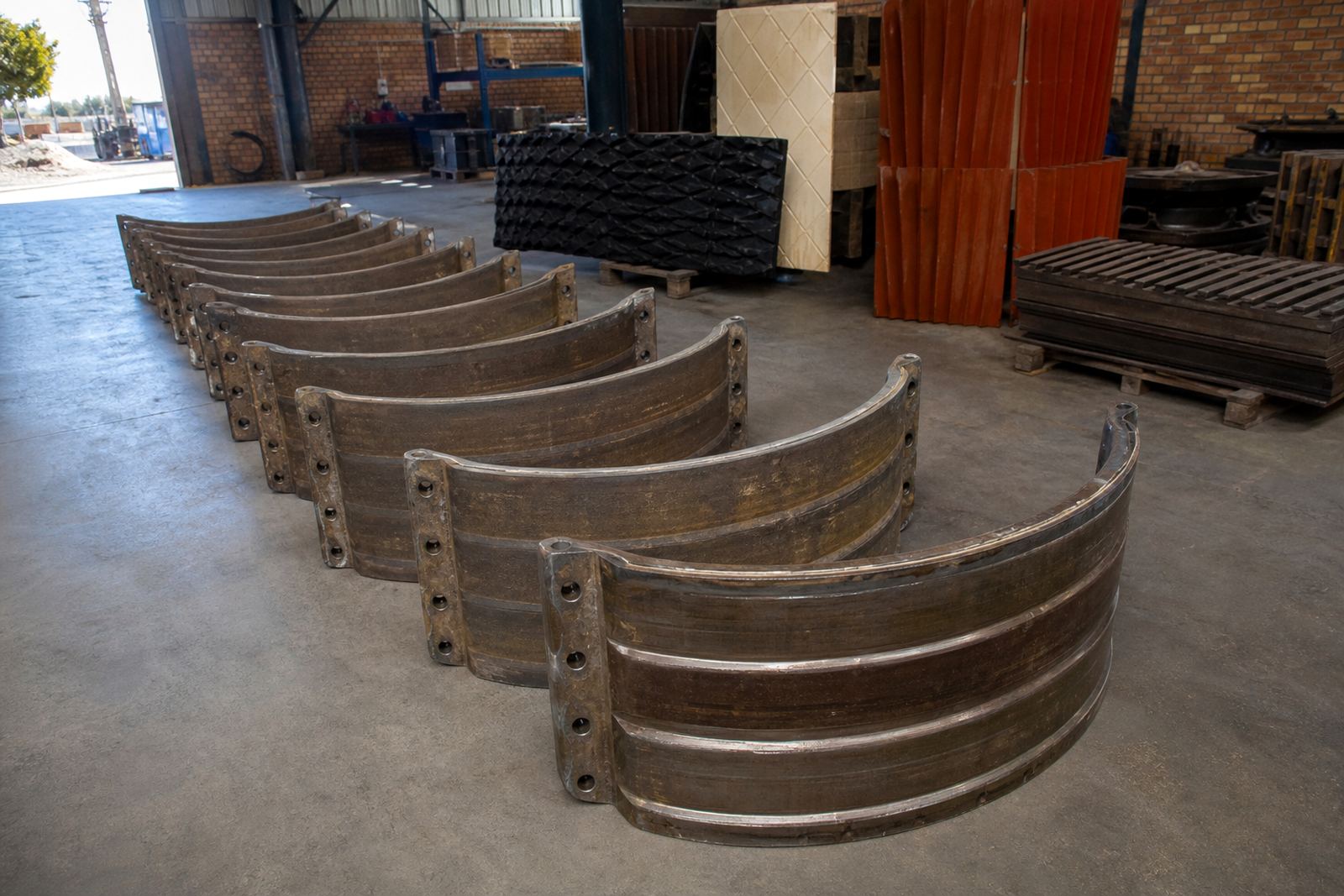
Liner bolts do more than hold wear parts in place. They keep jaw plates, mantles, concaves, blow bars and liners seated correctly so the crusher can work under heavy impact and vibration. If bolts are stretched, corroded or seized, the whole liner change can slow down before the first plate is removed.
On remote sites, a missed bolt issue often turns into a longer shutdown than planned. A crew may arrive with the correct liners and tooling, only to find damaged threads, uneven wear on the fixing faces or bolts that snap during removal. That is why bolt checks belong in the planning stage, not only during the actual shutdown. In Middelburg and out on mine roads toward Phalaborwa or Kathu, that difference can mean one shift or three.
What to inspect on the existing fixing points
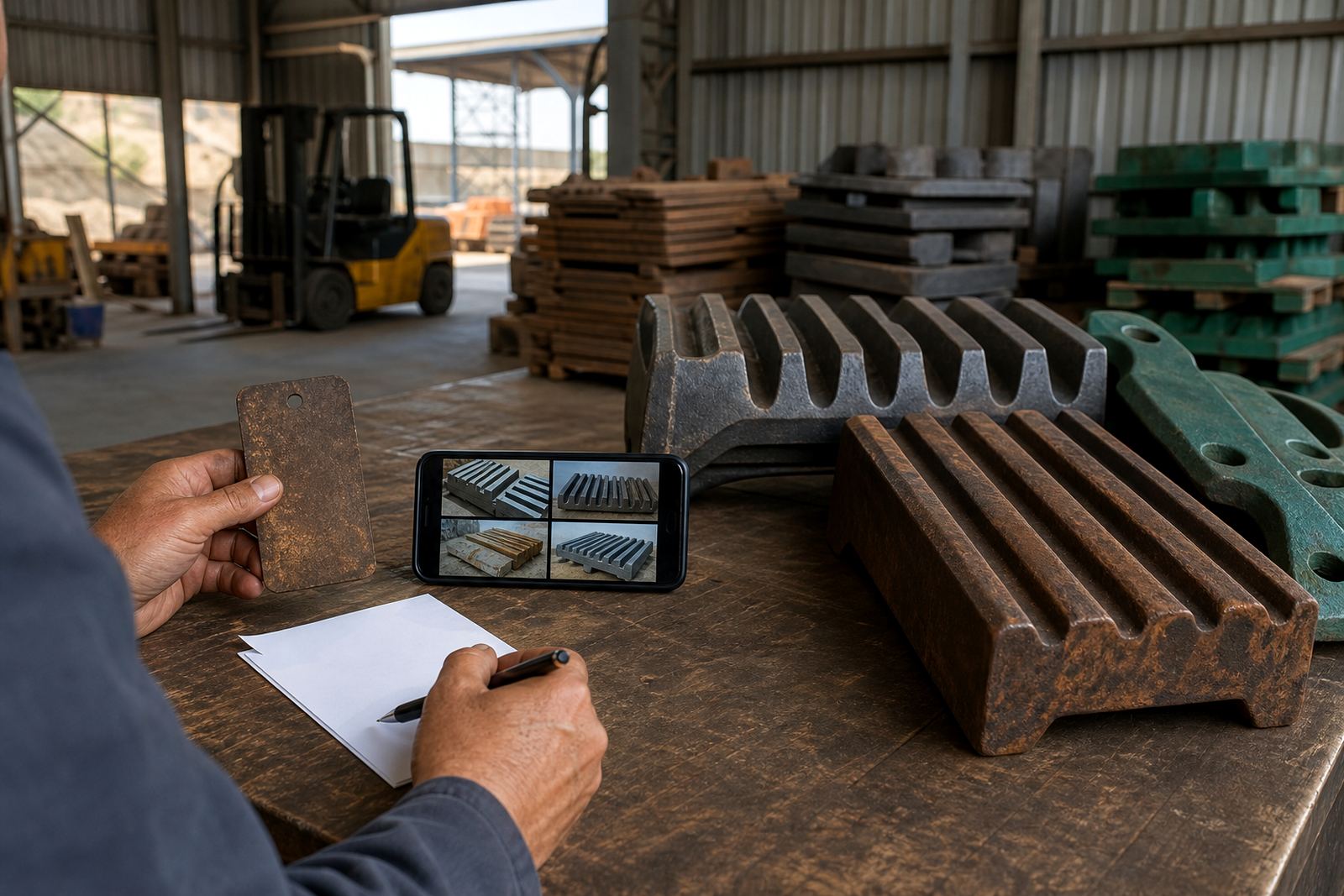
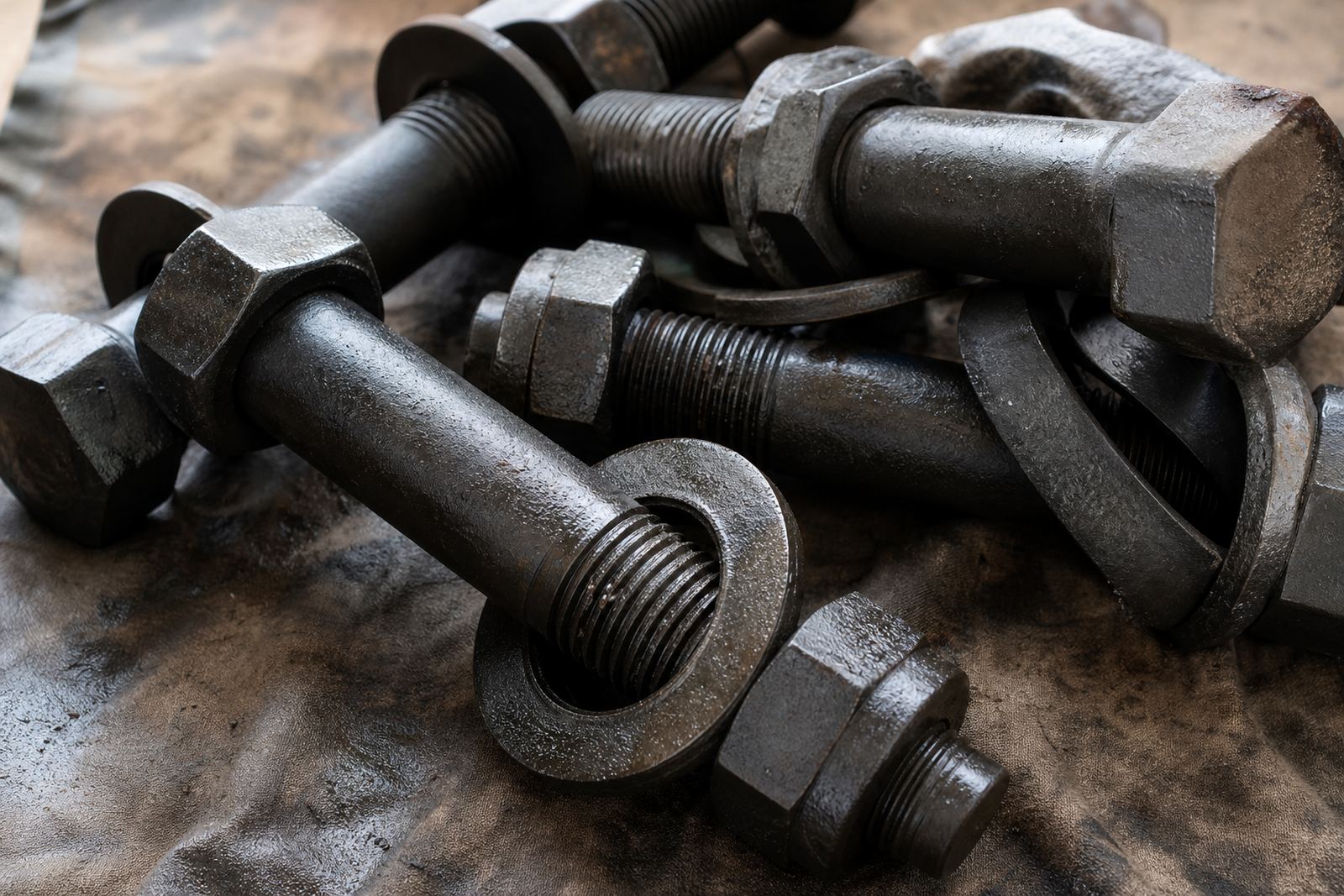
The first step is to inspect the bolt heads, nuts, washers and exposed threads. Look for corrosion, thread damage, signs of movement and any fixings that have been overtightened in the past. If a bolt is bent or the nut will not back off cleanly, note it early and plan for replacement rather than forcing it in the pit.
Also check the seating area where the liner sits. If the contact face is worn, pitted or packed with fines, the new liner may not clamp evenly. That can lead to movement under load, which shortens the life of the wear part and puts extra stress on the next service. It is worth cleaning the area properly before reassembly, even when the schedule is tight.
- Check for rusted, stretched or rounded bolt heads
- Inspect threads for galling, cracks and cross-threading
- Confirm the seating face is clean and level
- Look for signs of liner movement between shutdowns
How bolt condition affects the replacement plan
Good liner planning is not only about the wear part count. It also includes the condition of the fixings, the availability of spares and the likely time needed for stripping and refitting. If a site is waiting on a full set of replacement bolts, washers and nuts, the job can stop halfway through and the crusher stays offline while someone sources parts from another town.
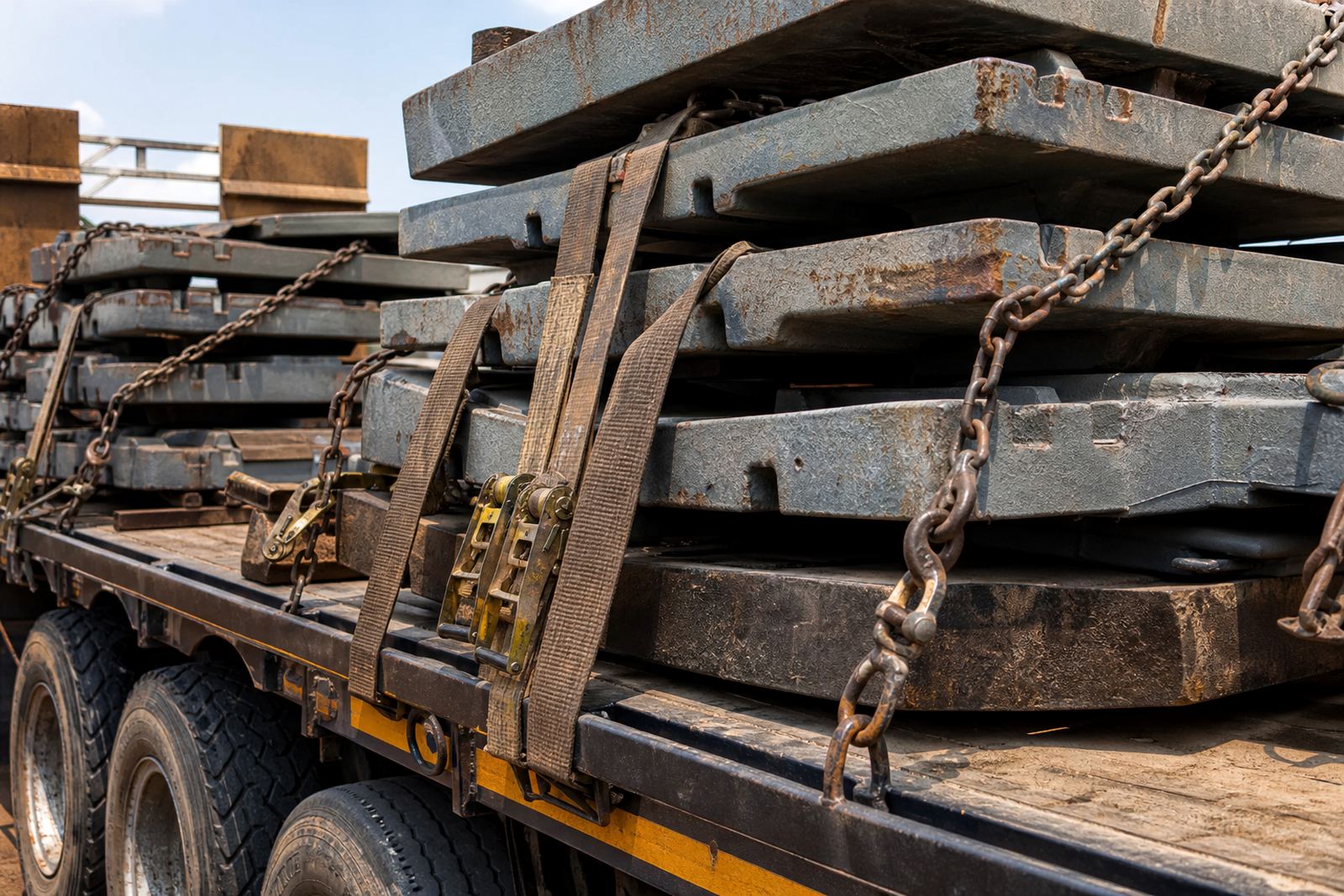
This matters even more on mines that work far from the main centres. A quarry near Rustenburg may be able to receive a same-day delivery if the order is cut off early, but a site in the Northern Cape may need the bolt kit sent with the liners and any backup items in the same load. That is why order consolidation helps. It reduces the risk of having the liner on site but no safe way to fit it.
- Match the liner set with the correct bolt kit before dispatch
- Include spare fasteners where the shutdown window is short
- Keep lifting and fitment tools aligned with the fixing pattern
- Allow extra time if old bolts may need cutting out
Common problems seen on South African sites
Load-shedding, wet weather and dusty conditions all affect liner bolt life. In dry areas, dust can settle into the threads and make removal difficult. Near the coast, humidity can speed up corrosion on fixings that are already past their best. On certain sites, repeated start-stop running during power interruptions also puts extra strain on the crusher and its fasteners.
We often see problems that start small and then spread through the shutdown plan. A single seized bolt can delay the first liner removal, which holds up the rest of the maintenance sequence. If the team is working with night shift pressure or a short maintenance window, that delay becomes expensive very quickly.
- Seized bolts from corrosion or packed fines
- Missing washers or mixed fastener sizes
- Damage caused by previous over-tightening
- Uneven wear that shows the liner was moving in service
A practical example from a Mpumalanga shutdown
A coal operation outside Middelburg planned a liner change during a short weekend stoppage. The crew had the new liners, but the old bolt set showed uneven wear and two fasteners were already damaged on the threads. Instead of pushing ahead and risking a delay underground or on the stockpile side, the maintenance lead held the changeover, confirmed the fixing sizes and arranged a replacement bolt pack with the liner order.
Because the parts were consolidated and the freight was planned properly, the site avoided a half-complete strip down. The crusher went back into service on the next available shift with the correct fixing set in place. It was a simple decision, but it saved time, avoided rework and kept the maintenance team from working against the clock. That is the kind of planning that pays off at remote mines where backup stock is not always close by.
How to build bolt checks into shutdown planning
The best time to check liner bolts is before the order is finalised. Once the wear part condition is known, the fixing hardware can be reviewed, counted and packed with the rest of the load. For mines in Limpopo, North West, Gauteng and the Northern Cape, that also helps with route planning and delivery timing, especially when site access is controlled or the road surface is rough.
Good shutdown planning should include a clear list of what is needed on site, who signs for it and how any removed material will be returned if required. It should also allow for return freight planning where old fixings or damaged components need to come back for inspection. That keeps the maintenance record tidy and gives the site a better picture of what failed and why.
- Review fastener condition when the liner order is raised
- Confirm sizes, quantities and replacement hardware before dispatch
- Plan delivery around site access times and offloading limits
- Keep a record of damaged bolts for future shutdowns
Why bolt checks protect both safety and uptime
Liner bolt checks are a small part of the job, but they affect safety, timing and crusher availability. A sound fixing set helps the liner seat properly, reduces the chance of movement and makes the changeover cleaner for the crew. It also lowers the risk of last-minute calls for extra parts while the machine is already open.
At Crusher Consumables Direct, we support mines and quarries from Middelburg to remote sites across Mpumalanga, Limpopo, the Northern Cape, North West and Gauteng with stock holding, freight and order support. When the bolt condition is checked early, the liner replacement plan is easier to manage and the shutdown is less likely to run long. That is the value of doing the small things properly, before the pressure starts.