Why storage matters before the first lift
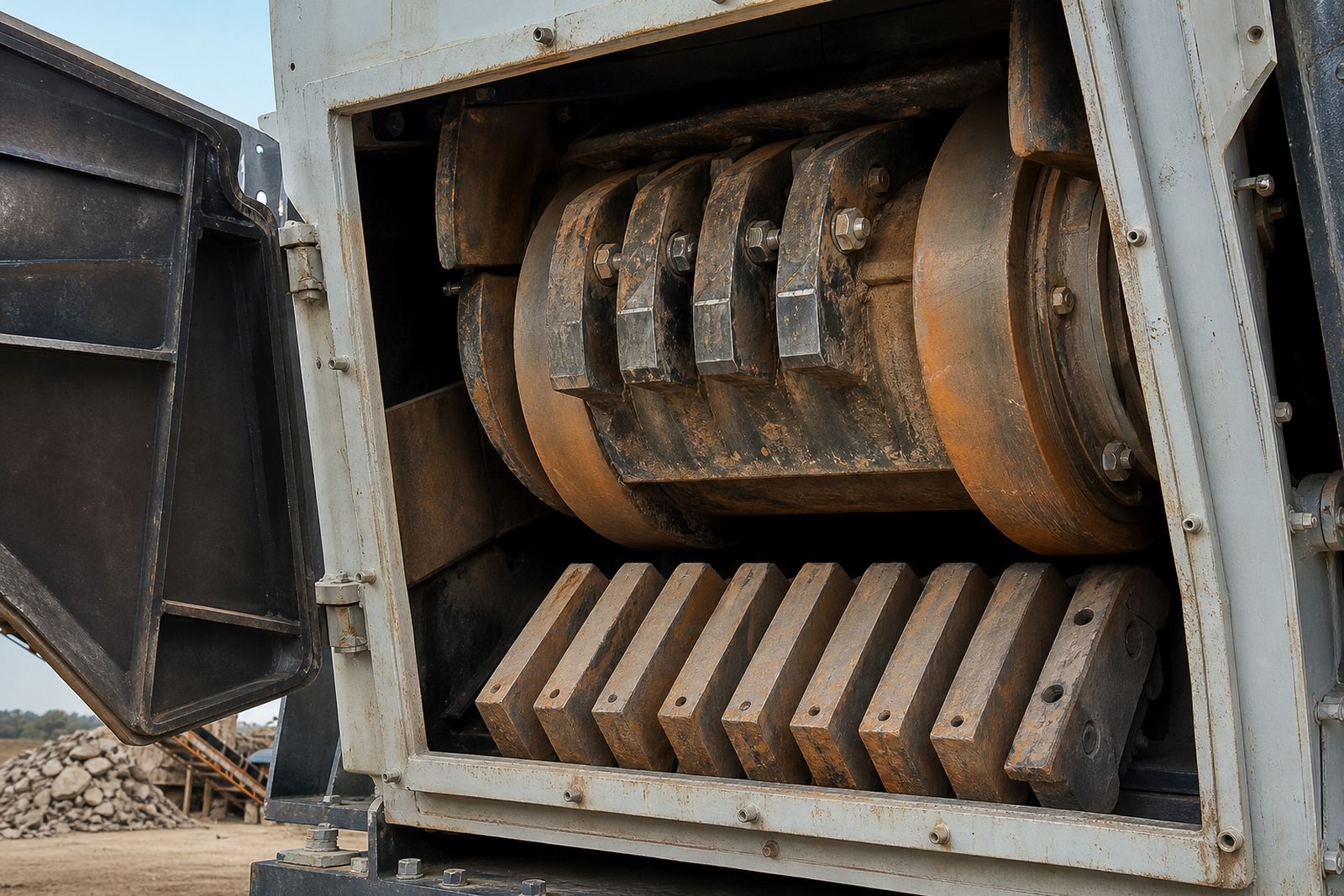
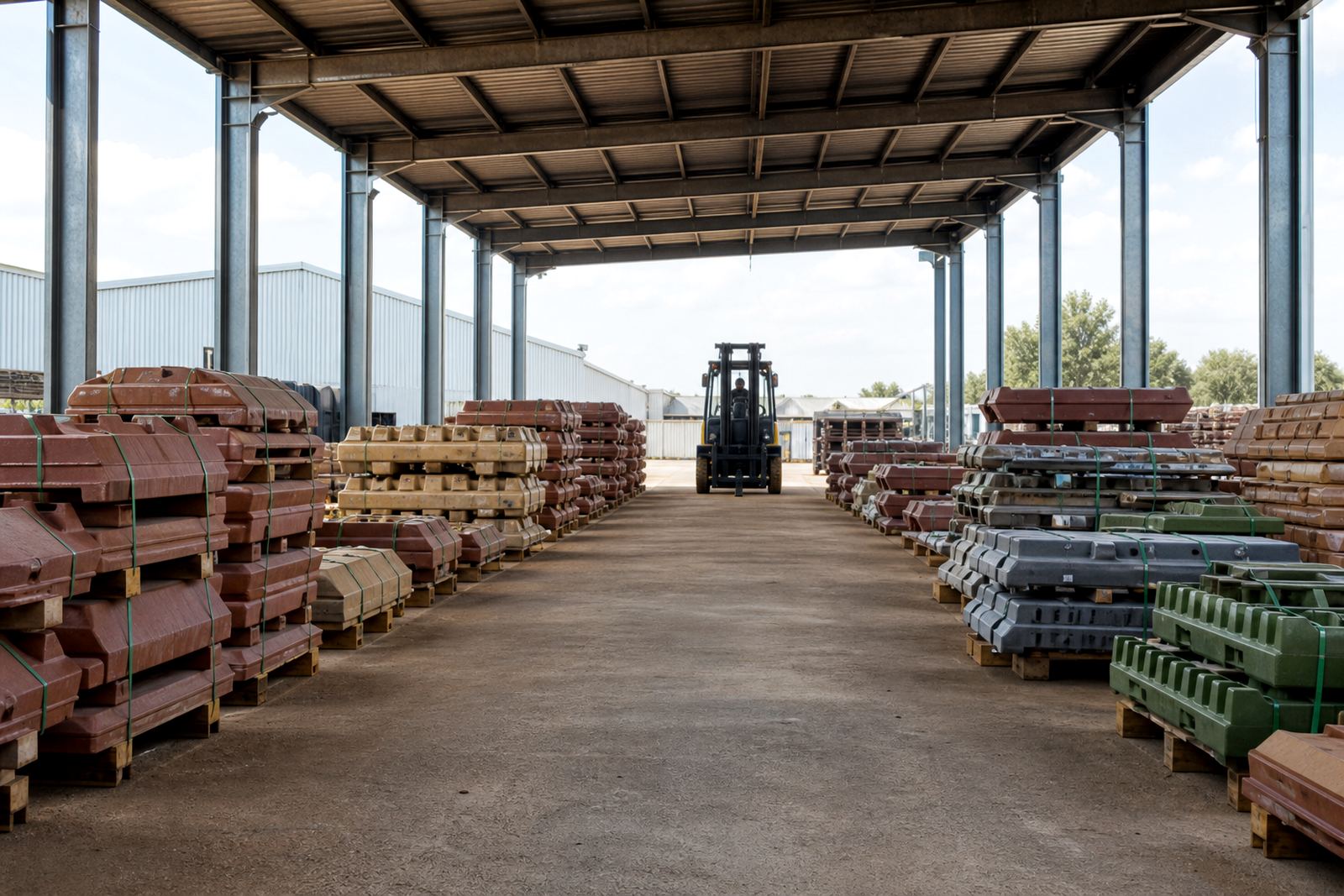
Wear parts for crushers are heavy, awkward to handle and often expensive to replace at short notice. If jaw plates, mantles, concaves, blow bars and liners are left sitting in the wrong place, they can pick up rust, suffer edge damage or get mixed with the wrong order before dispatch.
At our Middelburg base, storage is managed with the next delivery in mind. Parts may be held for a shutdown, a planned changeout, or a remote mine that needs freight timed around shift changes and site access. The aim is simple: when the truck leaves, the correct part should be clean, identified and ready to fit.
How to store heavy wear parts without damage
The first rule is keeping parts off bare ground. Steel pallets, timber sleepers or racking with proper load ratings help prevent moisture transfer and make fork access easier. In areas like eMalahleni and Steelpoort, where dust and damp can both be a problem, stored parts need to be wrapped or covered without trapping condensation underneath.
- Keep each part type separated by size and profile.
- Store machined faces and contact surfaces away from hard knocks.
- Use clear labels on bundles, crates and loose items.
- Stack heavier items on lower levels and do not overhang pallets.
- Check tiedown points before moving anything by forklift or crane.
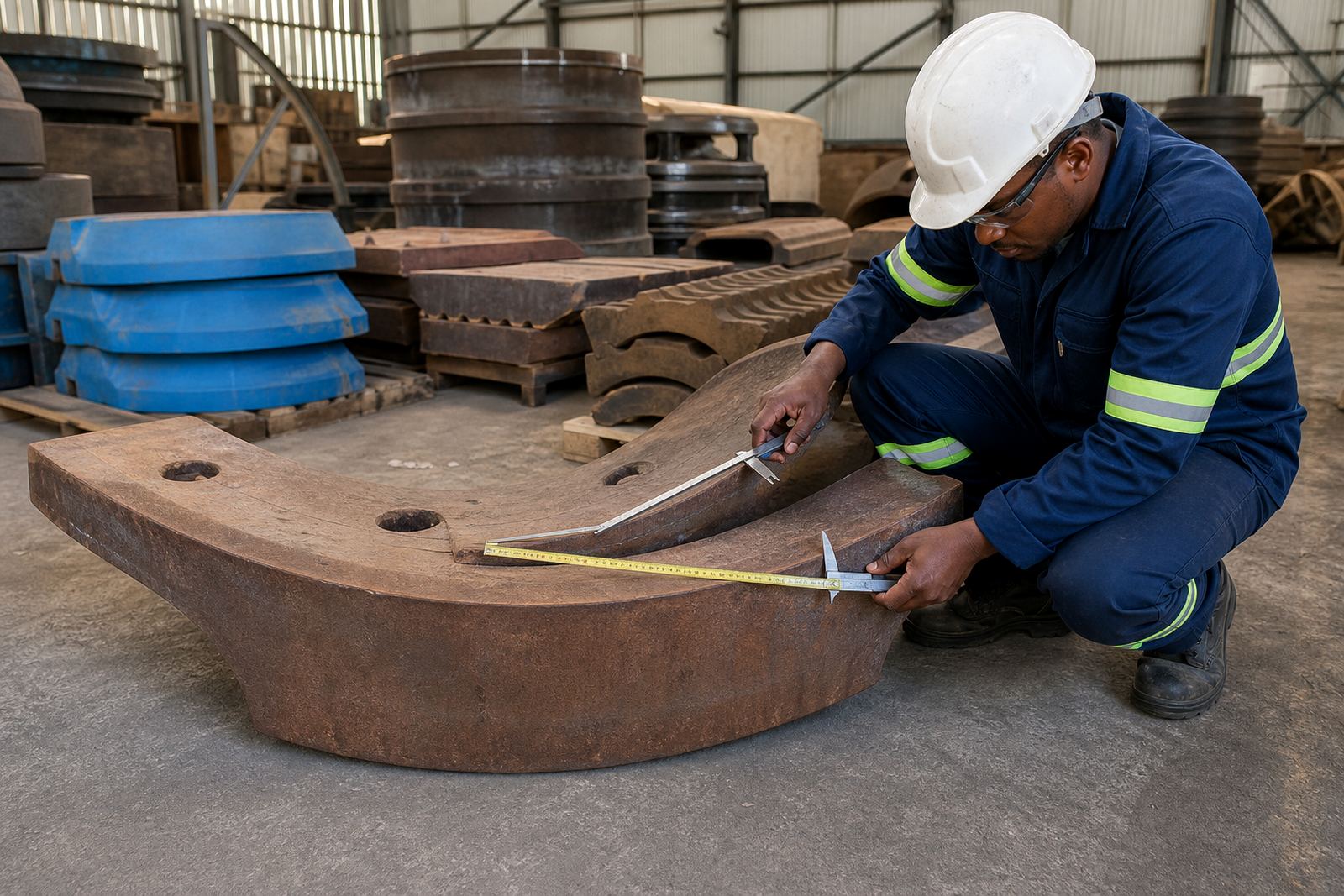
Even a small chip on a liner or a bent edge on a blow bar can cause trouble during fitting, so the store room should be treated as part of the maintenance plan, not just a holding bay.
Packing stock for shutdowns and urgent dispatch
Shutdown work calls for order. When the shutdown team arrives, they need the right pieces in the right sequence, not a pile of mixed stock. Bundled part kits help here because the installer can see what belongs together and what still needs to be checked before loading. That saves time in the yard and on site.
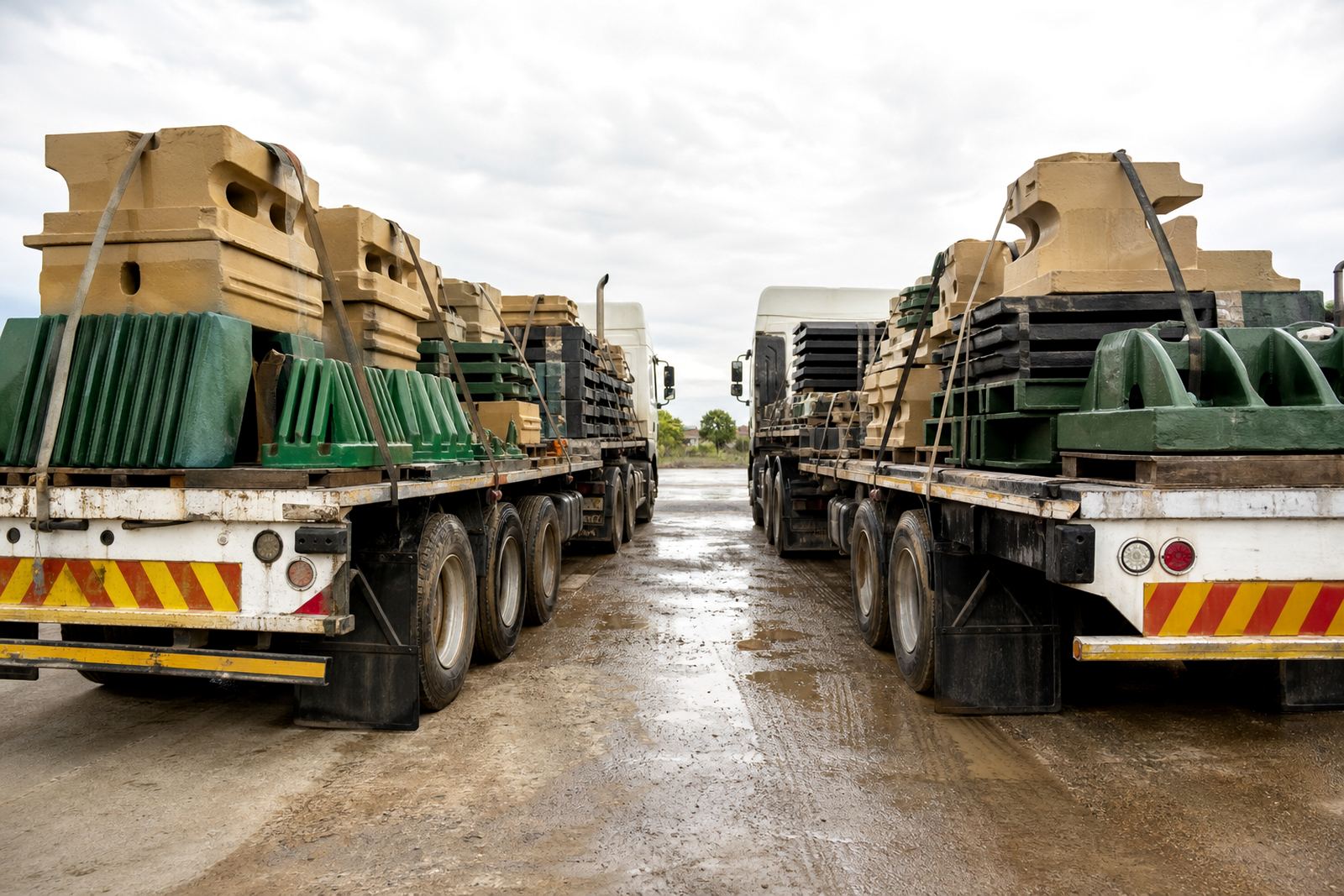
For urgent dispatch, the packing method must suit the route. A delivery to a quarry outside Rustenburg is very different from a load going up to Phalaborwa or across to Kathu. Long-distance freight needs load securing that copes with braking, rough roads and the heat that builds up on tar in the afternoon. One loose item can damage another, so we always separate contact faces and secure each stack properly.
- Mark each kit with the site name and the planned install date.
- Keep small fixings and accessories sealed in labelled containers.
- Confirm total mass before loading to avoid vehicle overloading.
- Allow space for inspection so items can be checked without unpacking everything.
Moisture, dust and coastal air all leave a mark
South African storage conditions change from one route to the next. Inland sites may fight dust and heat, while some northern routes see high humidity and long travel times. If wear parts are stored near open roller doors, dust can settle into protective grease and packaging. If the store area is too damp, rust can start before the part ever leaves Middelburg.
Good storage means dry flooring, regular housekeeping and enough airflow to stop condensation. It also means checking packaging after load-shedding if cooling or lighting was interrupted. The rule is basic: if a part would be unhappy sitting in a puddle or under a dusty tarp, it should be moved and protected properly.
Order control keeps the right parts together
A clean store only works if the paperwork and labels match what is on the shelf. That is where order consolidation helps. When several wear parts are being sent to the same mine or quarry, the order should be grouped by machine, by delivery window and by priority. A jaw plate for one crusher should never be packed with a similar looking plate from another order unless the marking is clear and verified.
Our team in Middelburg manages stock holding with that practical detail in mind. Thabo Mokoena oversees the operation, while Lerato Nkosi and the support team keep the flow between procurement, freight and customer updates moving. It is the small checks that prevent a missed item, a delayed fitment, or a second truck later in the week.
- Use one reference number for each bundle or crate.
- Record what has been received, stored, picked and loaded.
- Double check against the install list before dispatch.
- Keep return freight separate so used parts do not mix with new stock.
A Middelburg example for remote mine supply
Take a remote site in Limpopo planning a weekend shutdown. The mine needs liners, jaw plates and a set of blow bars on site by Friday afternoon, with no room for error. If those parts have been stored properly in Middelburg, they can be picked in order, loaded once and sent up the route with the correct tiedowns and documents. The site team then gets parts that are clean, identified and ready for the fitter's bench.
That is the value of proper wear part storage. It protects the stock, supports freight planning and keeps operations moving when access is tight and every hour counts. For mines and quarries across Mpumalanga, Limpopo, North West, Gauteng and the Northern Cape, the storage stage is often what makes the rest of the delivery possible.
If you need help with storage, order support or dispatch planning, use the enquiry form on our contact page and our team will take it from there.