What an impact crusher is doing every shift
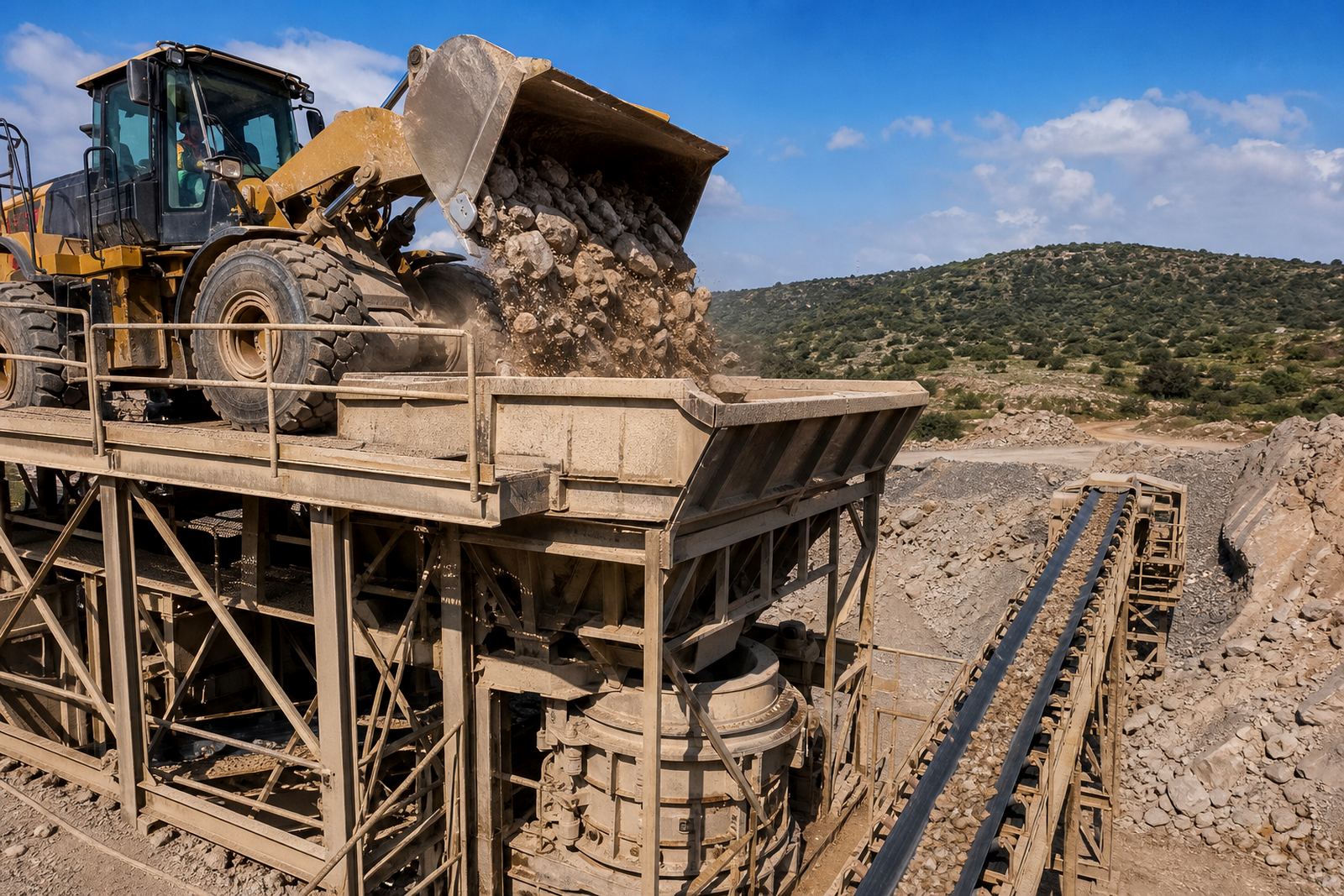
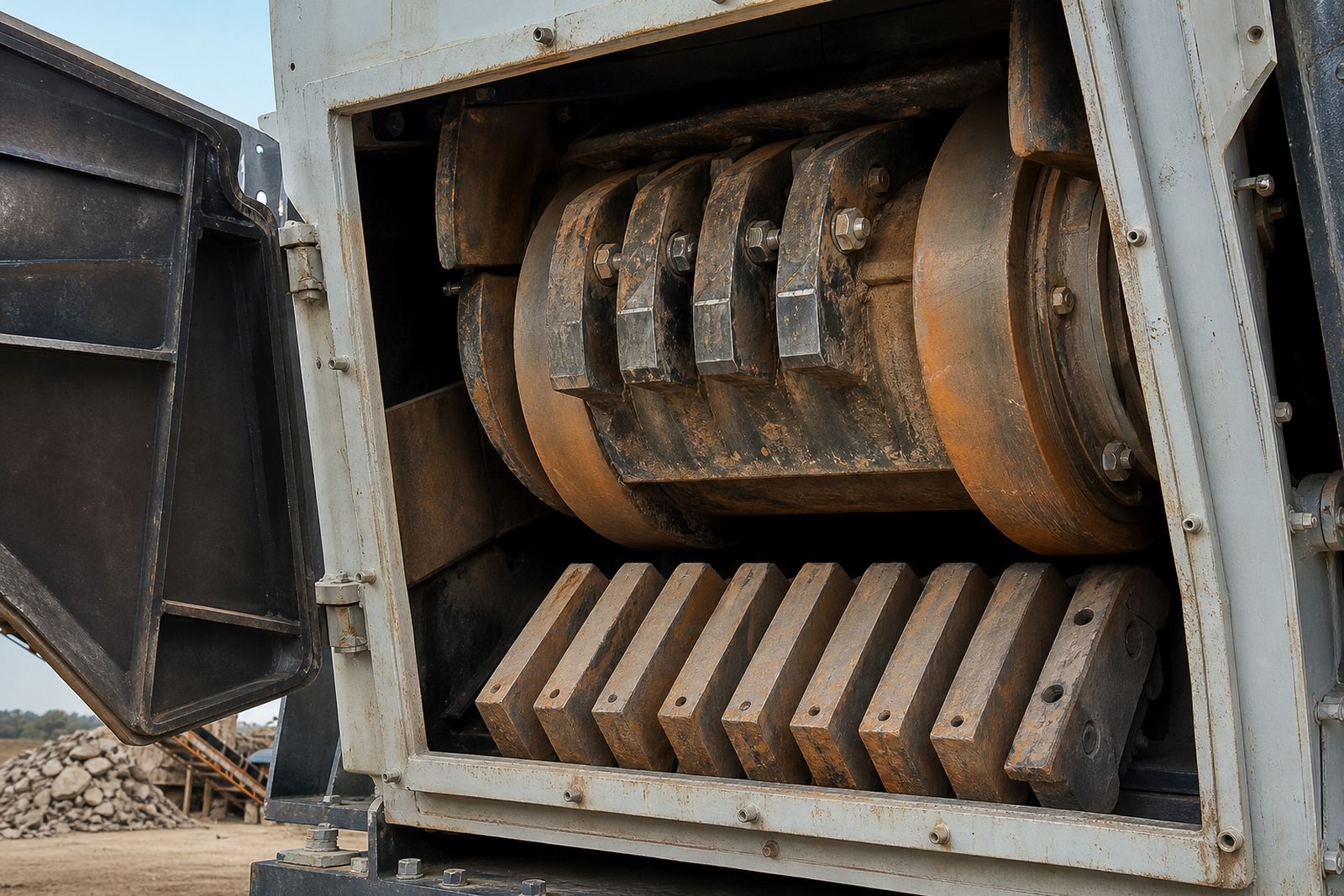
An impact crusher breaks feed by striking it at speed, then throwing it against wear surfaces until the material is reduced to size. That means the machine depends on a few key wear items taking the punishment instead of the frame and moving parts. On hard rock, recycled material, or dusty quarry feed, those items can wear faster than a crew expects, especially when the plant is pushed to keep up with a backlog.
The practical point is simple: if you know what each part does, it becomes easier to spot trouble before it turns into poor product shape, more fines, or a full stop for repairs. In many South African operations, especially remote sites, the cost of waiting for spares can be more than the part itself. It can mean idling labour, delayed haulage, and a plant that falls behind for days.
The wear items that usually need the closest eye
Most checks start with the parts that meet the feed first or take the repeated impact inside the chamber. These are the items that change shape, lose thickness, or crack under load. If they are not monitored, the crusher can begin to make uneven product and draw more power for the same output.
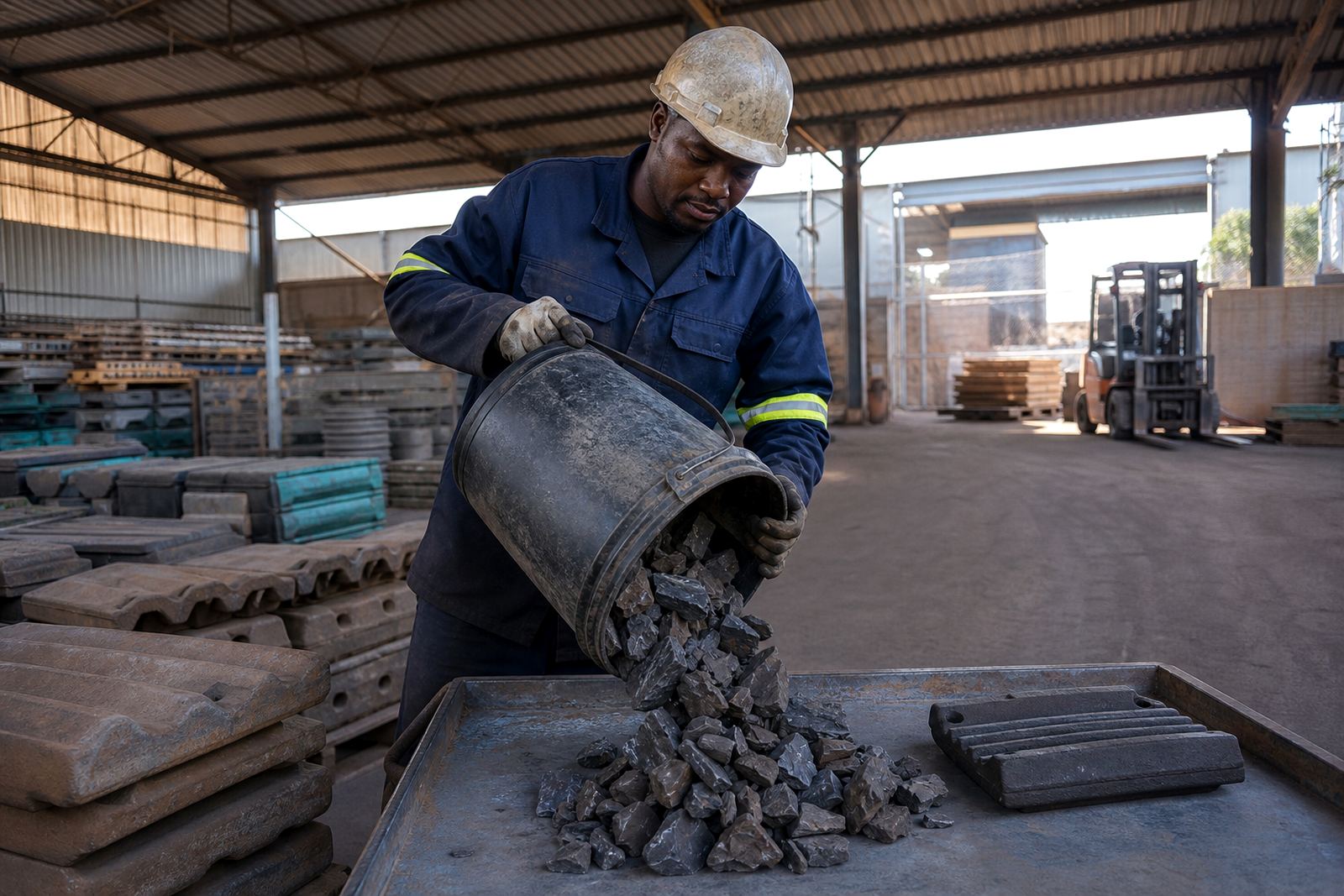
- Blow bars take the first impact and usually show heavy wear on the leading edge.
- Liners protect internal surfaces from abrasion and can wear unevenly if feed is not consistent.
- Mantles and concaves are common in related crushing duties and should be checked where the circuit includes more than one stage.
- Jaw plates are not part of every impact setup, but they are often monitored at the same time in plants with mixed crushing lines.
A quick visual check is not enough on its own. Measure wear against the maker’s dimensions that apply to the machine on site, and compare the left and right sides if the pattern looks uneven. A part that still looks serviceable from a distance may already be thin enough to fail under load.
Signs the crusher is asking for attention
Operators usually notice the first signs before maintenance does. The sound changes, the product shape drifts, and the machine starts drawing attention for the wrong reasons. If the feed has been steady but output has dropped, the wear parts are often part of the problem.
Watch for these signs during daily rounds:
- More fines than normal in the finished material
- Visible rounding or cracking on impact surfaces
- Uneven wear from one side of the chamber to the other
- Longer running time for the same tonnage
- Fresh vibration, rattling, or a change in the crusher note
It also helps to keep a short record of feed type, shift length, and any stoppages. That note book in the workshop may seem basic, but it makes shutdown planning much easier when the same wear pattern appears again after a change in feed or moisture. On a wet week in Mpumalanga, for example, sticky feed can change how the chamber fills and how the wear develops.
Why stock holding matters in remote mining
Remote mines do not get the luxury of a quick run to replace a missing part. A single delay can spread across the whole site, especially where roads are long, weather is changing, or the nearest depot is hours away. That is why holding crusher wear parts in Middelburg helps reduce pressure when a plant needs something quickly.
Well planned stock holding gives a mine room to breathe. It also helps when a shutdown has been booked and the crew needs the right items on site, not just whatever happened to be available that morning. In practice, that means carrying the right mix of common wear parts, keeping an eye on order lead times, and matching freight to the route the site can actually receive safely.
For a site outside Steelpoort, for instance, a planned delivery can save a second trip if access roads are affected by rain or if the receiving window is short. That sort of planning is ordinary work, but it makes a big difference when the plant is under pressure.
How to plan for shutdowns without overbuying
Shutdown planning works best when maintenance, procurement, and freight are treated as one process. If the crusher is already opening for inspection, it is worth checking the full wear set, not only the part that failed first. That avoids a second stop for a forgotten liner or backing item.
- Confirm the crusher model and chamber setup before ordering
- Check what is already on hand at the depot and on site
- Match the order to the planned shutdown date, not the ideal date
- Allow time for route planning and load securing on rough access roads
- Keep a backup plan for weather, weighbridge delays, or late access approval
Overbuying ties up cash and storage space, but underbuying creates stress when a machine is down. The middle ground is a sensible stock list built around actual wear history. In Gauteng and North West, where some sites can still receive freight more quickly than remote pits, order consolidation can help reduce wasted trips and keep the right items together in one load.
A practical local example from Middelburg to the bush
A quarry or mine working from Middelburg into Limpopo or the Northern Cape may need parts to move through more than one hand before they reach site. That is normal, but it means the packing has to be right and the paperwork must be clear. A loose pallet, poor strapping, or a missed delivery note can slow the whole job down before the truck even leaves the yard.
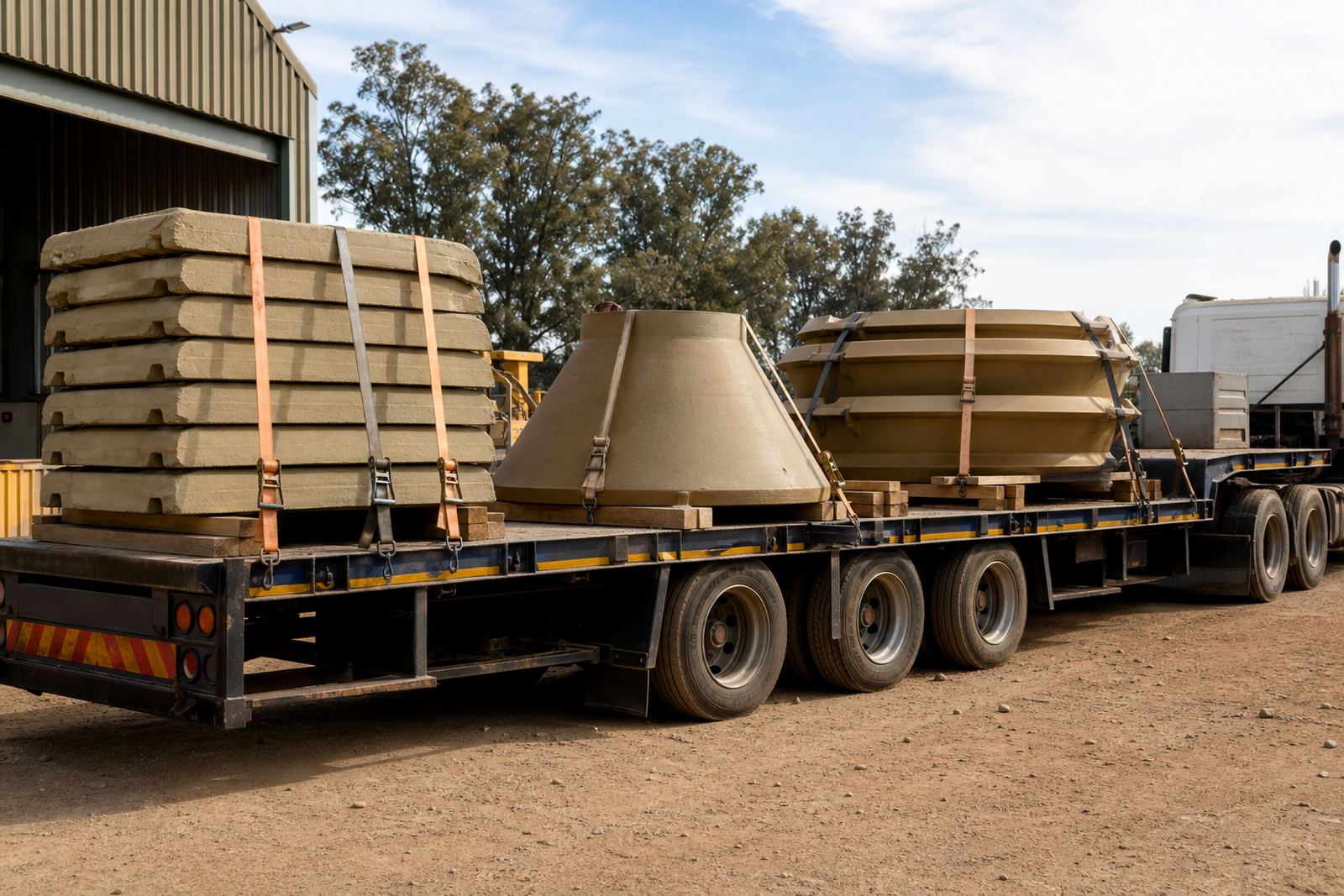
When crusher wear parts are loaded for remote delivery, the goal is not only speed. It is also protecting the parts from damage, keeping them grouped by machine, and making sure the receiving team can identify each item quickly. That matters during shutdowns where the crew has limited daylight or where access gates and site rules restrict delivery times. Load securing and site delivery coordination are just as important as the freight itself.
For mines and quarries across Mpumalanga, Limpopo, the Northern Cape, North West and Gauteng, the right support means fewer surprises. It keeps the wear parts moving, the plant prepared, and the maintenance team in control of the next stop instead of reacting to the last one.