Why staged freight suits remote crusher operations
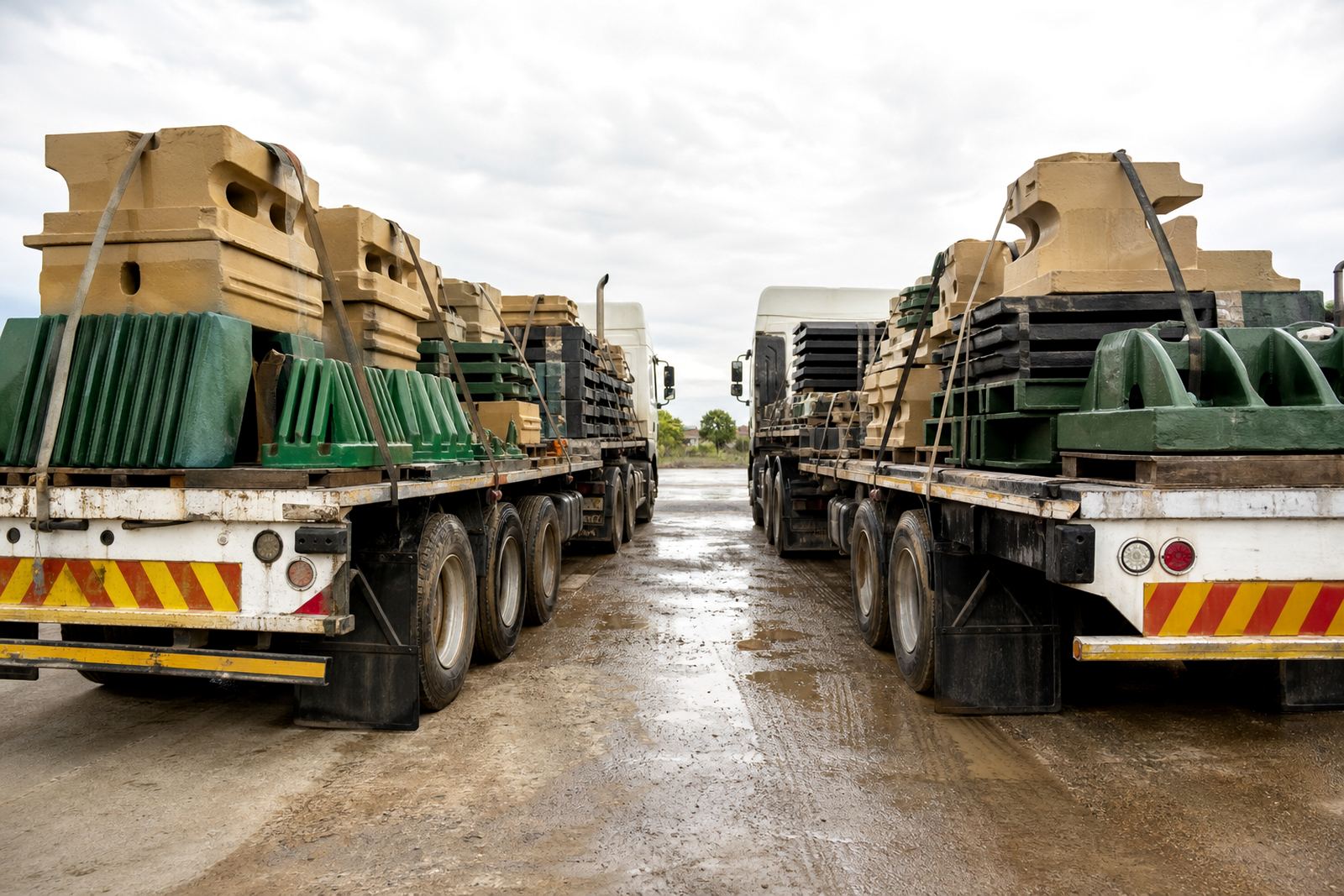
When a mine in Mpumalanga or a quarry in the Northern Cape needs crusher wear parts, the order is often more complicated than a simple stock refill. Jaw plates, mantles, concaves, blow bars and liners may all be required, but not every part is needed at the same time. Staged delivery gives operations a way to split one order into practical loads that match site space, crew availability and the actual change-out schedule.
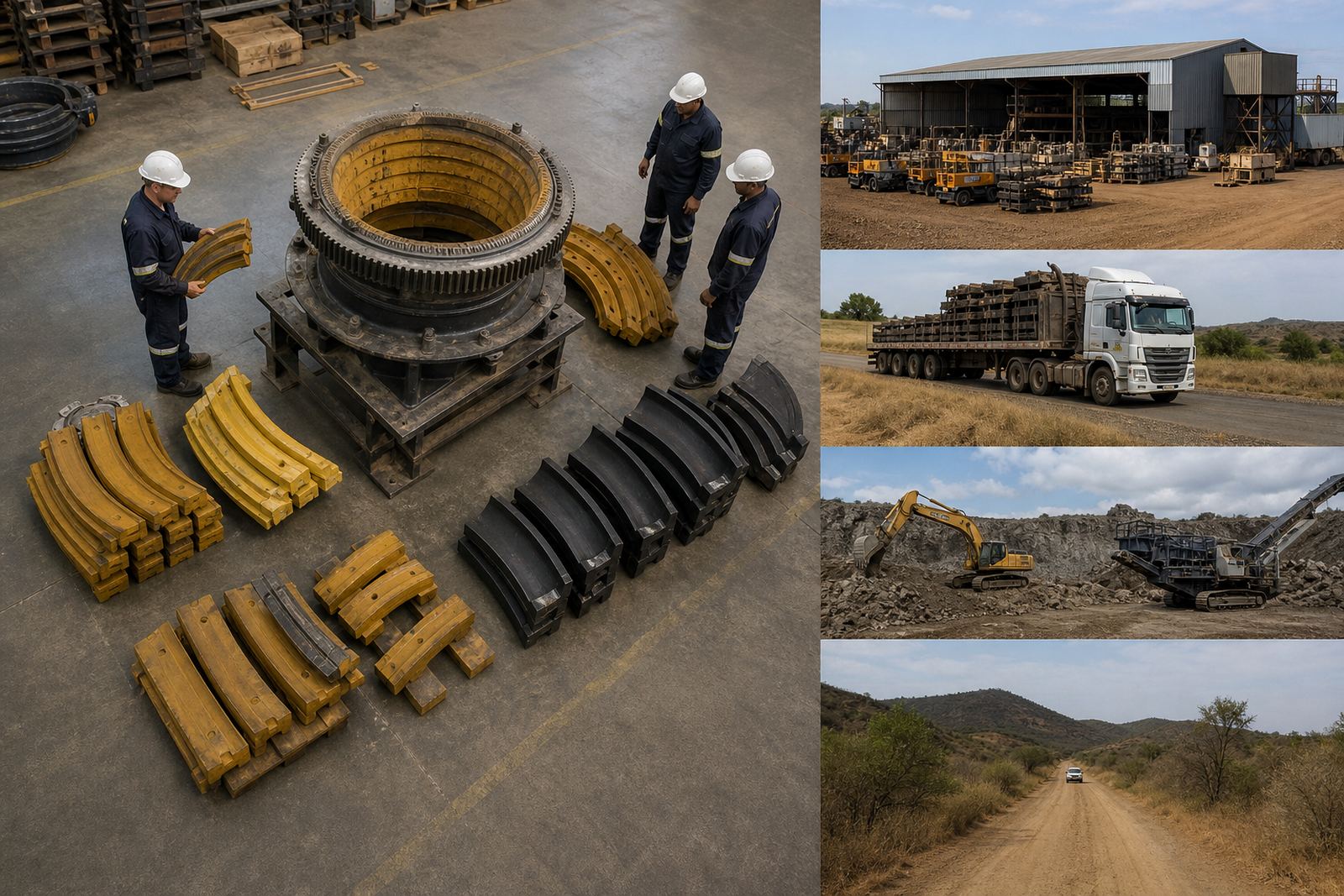
This matters most where roads are long, weather can interrupt travel, and receiving space is tight. A single oversized load can clog a small yard, create handling risks and leave parts exposed to dust or moisture. By breaking the freight into stages, the site keeps control of what arrives first, what stays in reserve, and what must be signed off before the next run leaves Middelburg.
For many remote sites, the benefit is not only convenience. It is timing, order and fewer surprises when the plant is already under pressure. That kind of planning makes a real difference during shutdowns and after a failure that has already put production behind.
How staged delivery protects stock, handling and storage space
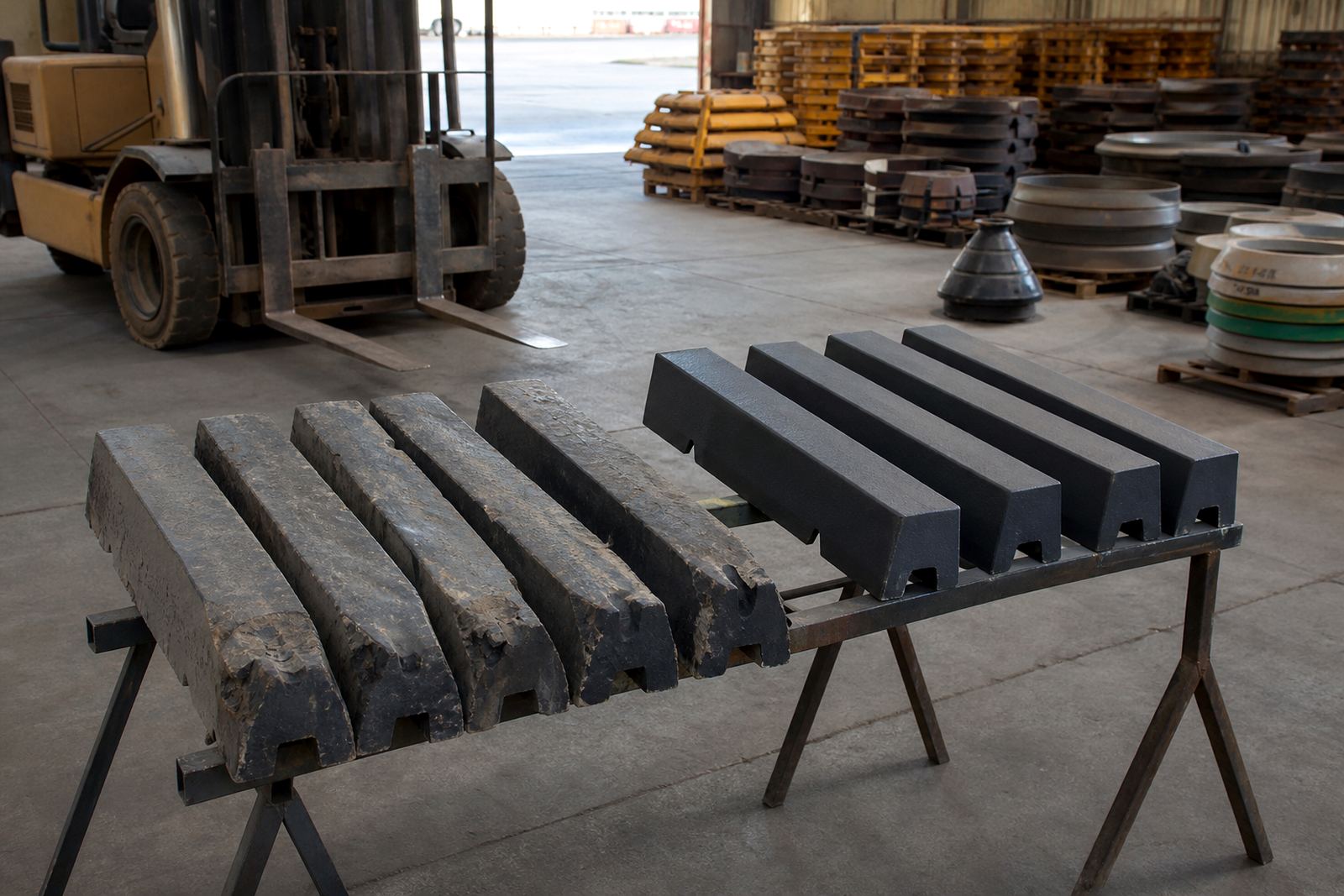
Crusher wear parts are heavy, irregular and not easy to store anywhere on site. A set of jaw plates or a full liner package needs dry, secure space, plus the correct equipment to offload it without damage. If parts sit too long in an open yard, moisture, red dust and rough handling can make the job harder before fitting even starts.
Staged delivery helps by keeping the first load close to the job it supports. The rest can remain in controlled stock holding at the Middelburg base until the site is ready. That means fewer parts sitting in the sun or on a muddy apron while a shutdown date changes. It also reduces the chance of misplacing the wrong item in a busy stores area.
- Less congestion at the receiving point
- Lower risk of damage during offloading and rehandling
- Better control over dry storage in humid or dusty conditions
- Cleaner sign-off between stores, maintenance and production teams
For mines in places like Steelpoort, Burgersfort and Phalaborwa, where access can be affected by rain, community traffic or shift timing, this kind of control is practical rather than optional.
Planning the order around shutdowns and machine changes
Some crusher jobs need one set of parts for immediate repair and another set for the next maintenance window. Staged freight allows the order to follow that plan instead of forcing everything onto one truck. This is useful where the plant team wants to complete a quick fix first, then replace the larger wear items after more inspection or measurement.
It also helps when a site has more than one machine or feed line. A bundled part kit can be split so the urgent items go first, while the balance is held for the next delivery. Thabo Mokoena and the team often work with maintenance managers who need a realistic freight plan, not just a promise that everything will arrive at once.
A good plan should answer a few simple questions before the truck leaves:
- Which parts are needed now, and which can wait
- What can be stored safely at site without overloading the stores area
- Whether a return freight leg is needed for removed components
- What route, road condition and access point suit the delivery best
- Who signs off each stage on arrival
Once those details are clear, the freight moves with less confusion and fewer last-minute calls.
A local example from Middelburg to the mine gate
Take a mine operating between Middelburg and the Limpopo border. The plant needs a mix of crusher wear parts for a scheduled repair, but the site storage is already full and the maintenance crew will only be ready for the heavier items later in the week. Sending the whole order in one go would mean double handling, tight parking and extra pressure on the receiving team.
Instead, the first stage leaves the Middelburg depot with the urgent items and the next stage is timed for the shutdown window. That gives the site room to work and keeps the remaining stock secure until it is actually needed. If road conditions change near Groblersdal, Marble Hall or the N4 corridor, the freight can be adjusted without disrupting the entire order.
This is where local knowledge helps. A staged plan from Middelburg is not just about distance. It is about knowing which routes suit a time-critical load, which sites need after-hours coordination, and how to keep a part order moving when access rules or weighbridge checks slow everything down.
What makes staged delivery safer for freight and site teams
Handling crusher wear parts is a manual job, so safe loading and unloading matters at every step. Staged delivery reduces the amount of weight moved in one receiving session, which can help site teams avoid rushed offloading and poor stacking. It is easier to check each item, compare it to the order, and store it properly before the next load arrives.
Load securing is just as important. If the freight is split sensibly, each stage can be packed and tied down according to the shape and mass of the parts, rather than forcing too much into one trip. This is especially useful on long hauls to Rustenburg, Kathu or remote North West sites where potholes, braking and vibration can cause damage if the load is not set correctly.
- Fewer heavy lifts in one shift
- Better inspection of each delivery against the order
- Lower chance of mixed or missed items
- More controlled offloading around plant traffic
Teams also appreciate the calmer pace. There is less pressure on the receiving crew and less chance of a missed signature or a part being put in the wrong area.
When staged delivery is the better choice than one large drop
Not every order needs to be broken up. Simple replenishment can move as a single shipment if the site has space and the parts are needed together. But staged delivery usually makes sense when the order is large, the site is remote, the shutdown is split across more than one day, or the receiving area has limited storage.
It is also useful where a mine needs order consolidation. Instead of sending several separate deliveries, the order can be grouped and released in stages so the right items arrive in the right sequence. That is often the cleaner option for operations in Gauteng and Mpumalanga that support more than one crusher or mobile plant. Ayanda Dlamini and Sibusiso Mahlangu regularly help sites line up the paperwork and the warehouse release so the flow stays tidy, not rushed.
The main idea is simple: freight should support the plant, not interrupt it. When staged delivery is planned properly, the site gets the parts it needs, when it needs them, with less waste in time, space and handling. That is practical support for mines and quarries that cannot afford unnecessary downtime.