What backing compound does in crusher fitment
Backing compound is a two part material used behind crusher wear parts where a firm, well seated fill is needed. It helps remove small voids between the wear part and its support surface, which is important on jaw plates, mantles, concaves, blow bars and liners. When fitted correctly, it supports load transfer and helps reduce movement during operation.
For remote sites, the benefit is practical. If a part change happens during a short shutdown, the fitting crew needs material that mixes predictably and sets as expected. That makes planning easier for mines in Mpumalanga, Limpopo, the Northern Cape, North West and Gauteng, especially where access is limited and delays cost time. It is not a cure for poor maintenance or bad fitment though, so the surface prep still matters.
Sizes, pack types and mixing options
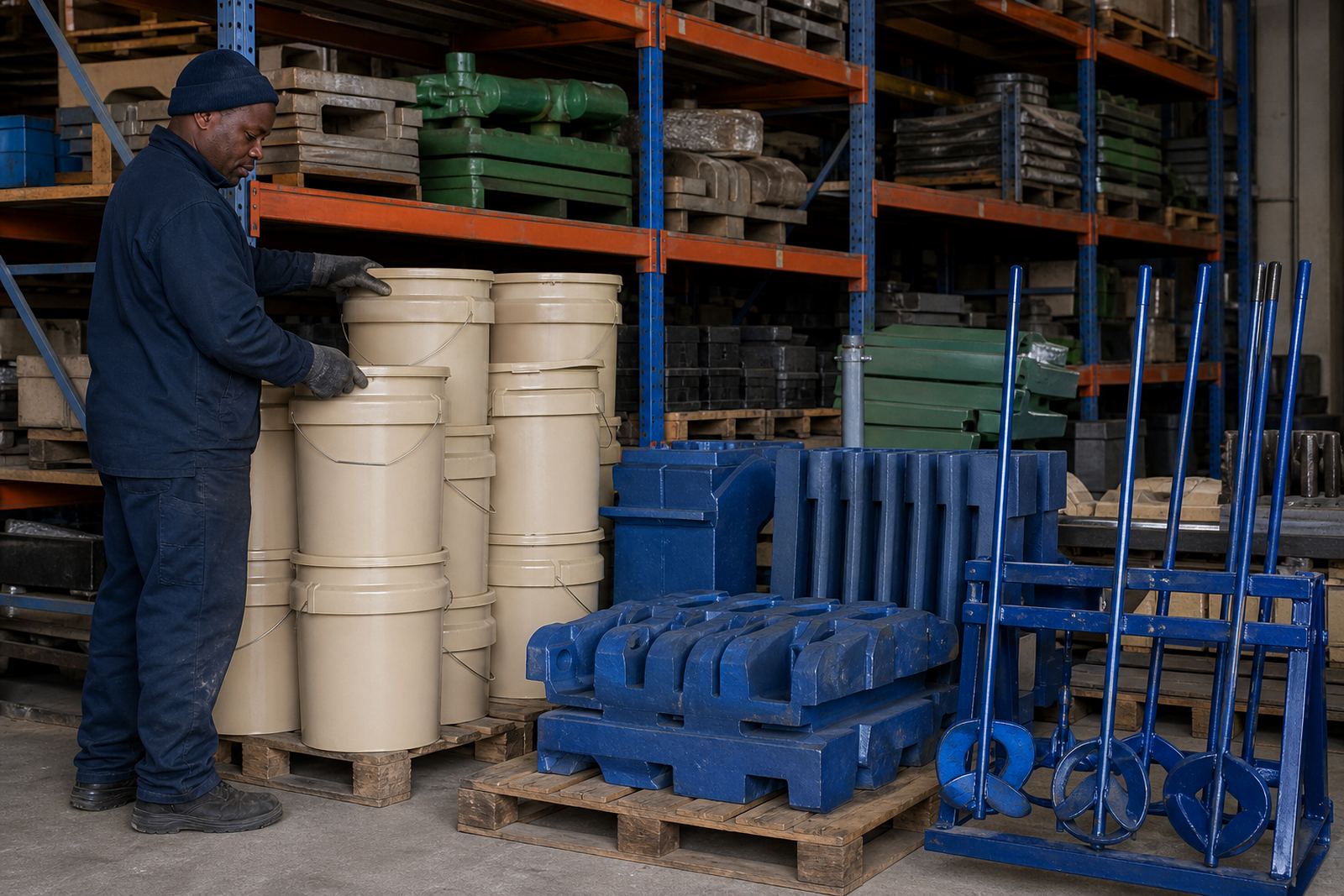
We supply backing compound in formats suited to site use and stock control. The right pack size depends on the crusher size, the number of wear parts being installed and how much material is needed for one job. For busy operations, it is common to keep enough on hand for a full changeout rather than waiting for a single unit at a time.
- Small job packs for isolated repairs or single component fitment
- Bulk packs for shutdown work and planned changeovers
- Two part sets for controlled mixing on site
- Options suited to crusher chambers, feed arrangements and liner fits
If you are ordering for a quarry in Rustenburg or a mine near Kathu, it helps to match the pack count to the planned maintenance window. That avoids opening more material than needed and keeps the remainder in good condition for the next job.
Where it suits on site
Backing compound is used wherever crusher wear parts need a solid seated fit and regular inspection. It is commonly used in primary, secondary and tertiary crushing equipment where liners, cones and impact wear parts are changed as part of normal maintenance. It also suits remote plant rooms and mobile crushing spreads where holding stock is limited and part changes must be quick.
Typical applications include:
- Jaw crusher fixed and moving wear parts
- Cone crusher mantles and concaves
- Impact crusher blow bars and liners
- Side liners, cheek plates and support faces
Sites in steel and aggregate work often keep a small safety stock because freight to remote areas can take time, especially when roads, weather or gate access slow the run. Having compound ready on site helps keep the maintenance crew moving when the machine is down and there is pressure to get back into production.
Installation conditions, power and gas needs
Most backing compounds are mixed and poured or pumped into place during the install process. The exact method depends on the product type and the crusher layout. In practical terms, you need a clean, dry surface, the correct mixing ratio and enough time for the compound to settle before the machine is returned to service. If the site is dealing with dust, oil or moisture, surface prep becomes even more important.
No gas supply is required for the compound itself. Power needs are minimal and usually limited to hand tools or mixing equipment used by the maintenance team. On sites with load shedding, this is useful because the work can still proceed with basic preparation, provided the shutdown plan and curing time are respected. Keep the area ventilated and follow the site safety procedure, especially where enclosed spaces or hot plant conditions are involved.
Care, storage and service life on remote sites
Backing compound should be stored in a cool dry place, away from direct sun and standing water. Coastal humidity is less of an issue around Middelburg than it is on some coastal routes, but moisture control still matters if stock is kept in a container or warehouse for long periods. Always check the pack condition before use and rotate older stock first.
Good stock handling helps protect the product and the maintenance schedule:
- Keep packs sealed until the job starts
- Store off the floor on pallets or shelving
- Record batch or lot details with the maintenance file
- Do not mix partial packs unless the instructions allow it
For mines running shutdowns in stages, it is worth keeping compound together with the related wear parts and fixings. That reduces searching on the day and makes the fitment team faster when the crane, fitter and supervisor are all on site at once.
What to check before you order
Before placing an order, confirm the crusher type, the wear part being fitted and the amount of compound needed for the job. A clear parts list saves time and helps us prepare freight for the right depot, whether the consignment is going to Steelpoort, Phalaborwa, Johannesburg East or a more remote mining area. If you are planning a full shutdown, tell us what else is being changed so we can consolidate the order.
Have these details ready:
- Crusher make and model where available
- Wear part type such as jaw plates, mantles, concaves, blow bars or liners
- Number of machines or changeouts
- Site location and delivery constraints
- Required delivery date and shutdown window
Our team in Middelburg can assist with order support, route planning and return freight planning where needed. That helps reduce delays when parts need to move between depot, workshop and mine site. If you are unsure on pack count, rather ask before the truck leaves because the wrong quantity can slow the whole job down.
Key facts
| Product type | Two part backing compound for crusher wear part fitment |
|---|---|
| Primary use | Filling support gaps behind crusher wear parts during installation |
| Typical applications | Jaw plates, mantles, concaves, blow bars, liners and related wear parts |
| Pack options | Small job packs and bulk packs for shutdown work |
| Site requirement | Clean, dry surfaces and correct mixing before fitment |
| Service area | Middelburg base with freight to mines and quarries across South Africa |