Chrome blow bars for abrasive impact crushing
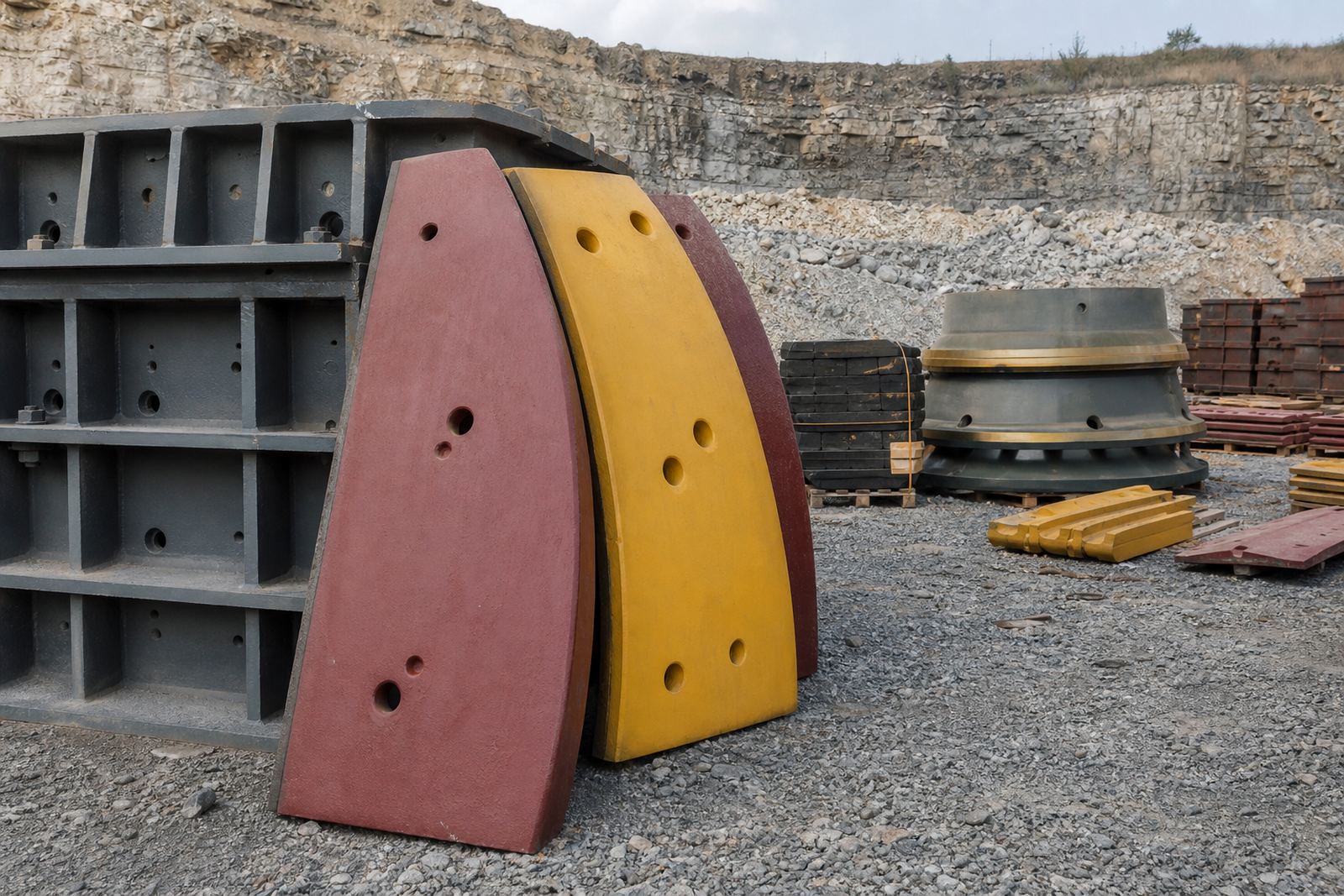
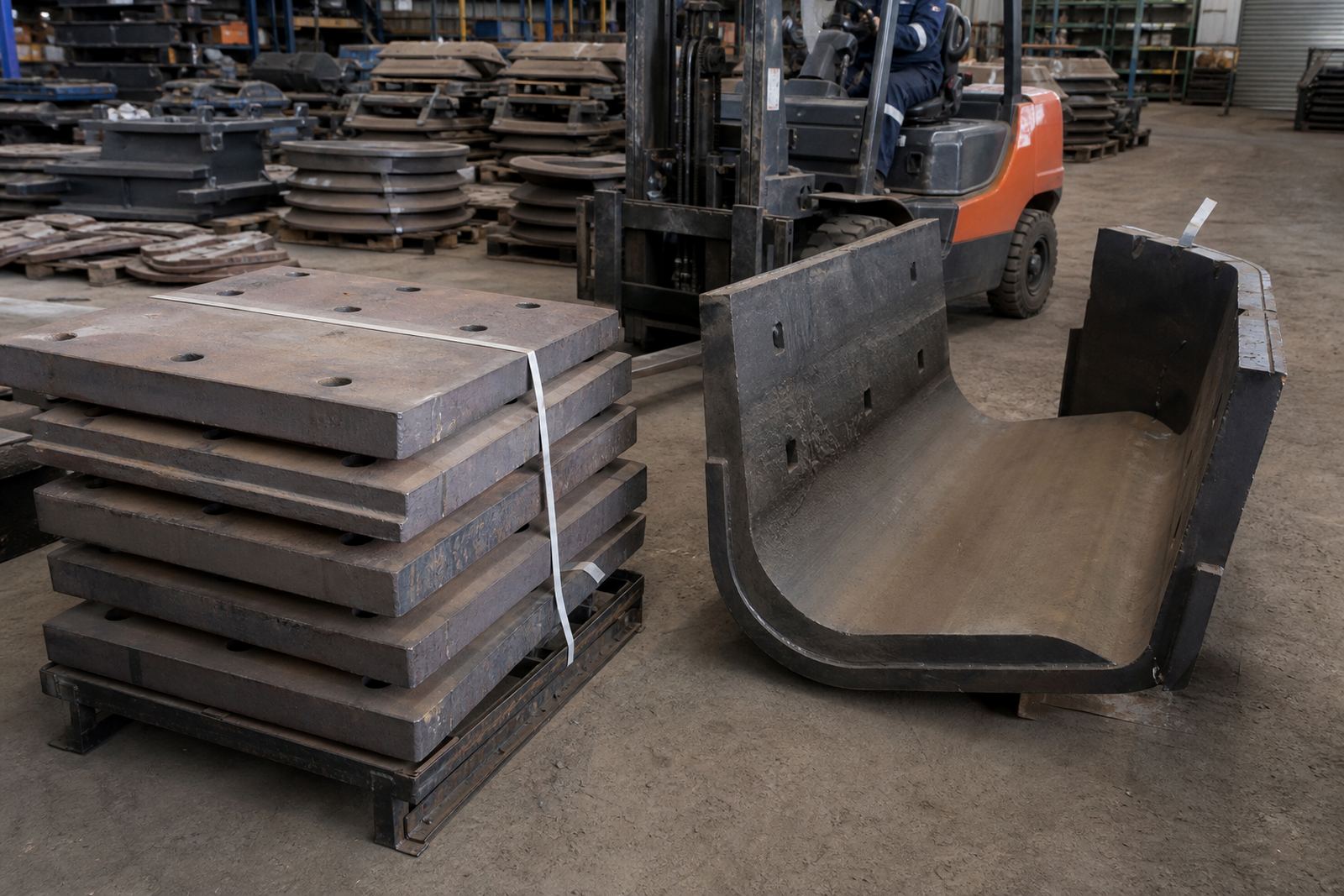
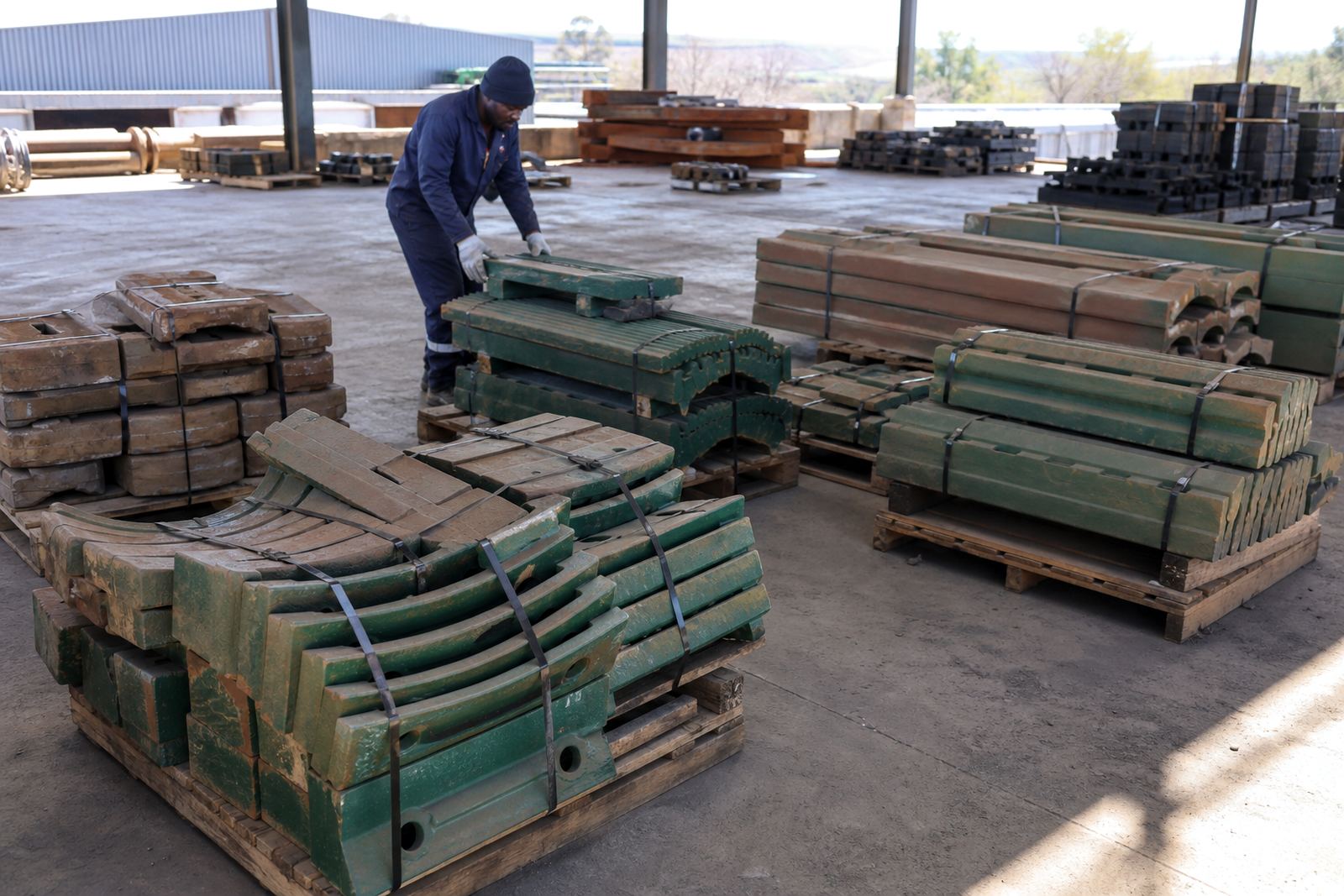
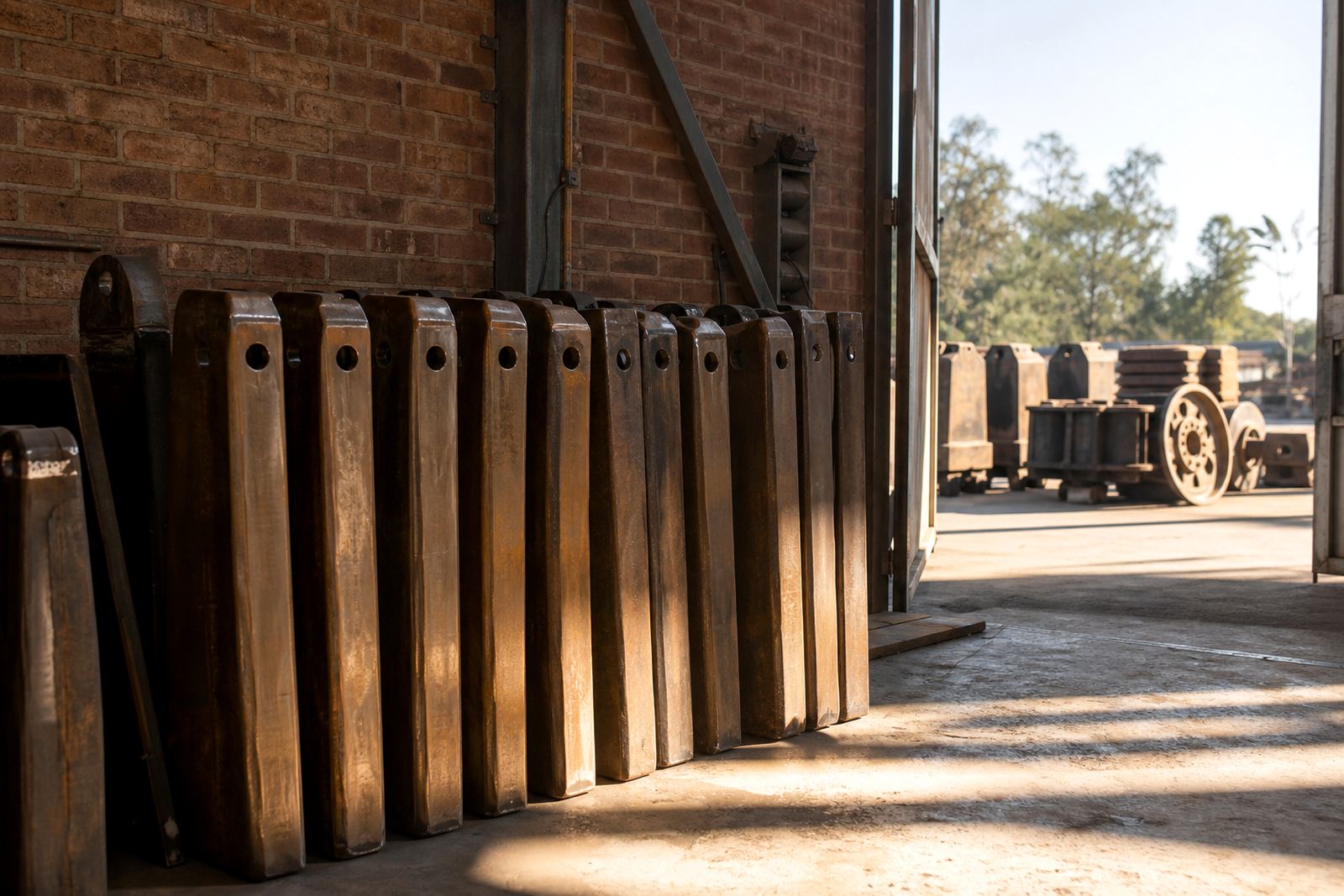
Chrome blow bars are impact crusher wear parts used where the feed is hard, abrasive, and monitored closely for wear pattern changes. They are fitted to crusher rotor systems and take the direct hit from material entering the chamber, helping break stone while protecting the main machine components. For sites that work with hard rock, recycled aggregates, or mixed quarry feed, the right blow bar choice can make a real difference to maintenance timing and parts usage. Some sites prefer higher chrome content for abrasive material, while others need a balanced option where impact resistance and wear life must be matched carefully.
We supply chrome blow bars as generic wear parts for quarry and mining use, with stock managed from Middelburg for freight into Mpumalanga, Limpopo, the Northern Cape, North West and Gauteng. That matters when shutdown windows are short and the road distance to site is long. Our team can help with order consolidation, load securing, and delivery planning for remote operations, including sites that need parts sent out with other consumables in the same trip.
Typical sizes, profiles, and fitment details
Blow bar size and profile must match the crusher chamber and rotor layout. A bar that is too short, too tall, or the wrong profile can cause poor seating, uneven wear, or damage during fitment. We work with standard dimensions and application-based options, so the enquiry process should always include the machine make model, rotor width, and the number of bars required per set. Where the crusher is working with smaller feed or where wear is being tracked across a fixed change-out cycle, a matched set is usually the cleanest way to keep wear even.
- Common options include straight, profiled, and reversible blow bars
- Lengths, widths, and thicknesses depend on rotor design and chamber size
- Some applications need individual bars, others use full set change-outs
- Fitment checks should confirm keyways, fixing points, and seating faces
When wear is being monitored closely, it is worth checking the remaining rotor condition and the condition of the fixing hardware as well. A set of bars will only perform properly if the seating surfaces are sound and the installation is clean. We also suggest keeping the old bar as a sample when ordering replacements, especially if the site has had a previous supplier change or the machine has been running mixed feed.
Where chrome blow bars suit best
Chrome blow bars suit abrasive materials where the wear surface is expected to work hard and the feed is fairly consistent. They are often selected for quarry operations, hard rock crushing, and sites where product shape matters and the crusher is set up for controlled impact work. They can also be used where the crew needs predictable wear readings and clear change-out planning, rather than chasing frequent mid-shift replacements. In dusty inland conditions, and on sites near Rustenburg, Kathu or Phalaborwa, the ability to plan wear around the actual feed is often more useful than simply choosing the heaviest part.
They are less suited to very trampy feed or highly shock-loaded material where breakage risk is higher, so the feed conditions must be understood before ordering. If the crusher sees mixed demolition waste, uncrushed oversize, or material with a lot of hidden contamination, another wear grade may be more practical. That is why we ask what the plant is handling, not just which crusher is on site.
Installation, power supply, and site readiness
Chrome blow bars do not need power or gas to function, but the crusher installation and site setup still matter. Before fitment, the machine should be isolated, locked out, and allowed to cool, with the rotor secured properly and all lifting methods checked. On remote mine sites, the biggest delays usually come from access and lifting preparation, not the part itself. If the machine is set down in a tight bay or the site has limited crane access, the delivery and fitment plan should be arranged in advance.
- Confirm rotor condition before fitting new bars
- Check lifting points, pins, wedges, and fasteners before shutdown day
- Make sure the correct tools and lifting gear are on site
- Allow enough time for cleaning seating faces and checking alignment
On some sites, load-shedding and generator changeovers can affect workshop timing, so it helps to schedule fitment when power and plant access are both available. If a crusher is being reopened after a planned shut, the crew should confirm that the chamber is clear and that no loose material is sitting behind the bars. Careful preparation avoids rework and keeps the machine safe to bring back online.
Care, servicing, and wear monitoring
Chrome blow bars work best when wear is tracked from the first shift after installation. Inspect the leading edge, the fixing face, and the bar profile at regular intervals so you can see whether the wear is even or if one side is taking more impact than the other. In dusty conditions, and especially where feed consistency changes during the week, a visual check alone may not be enough. Measure wear against the same points each time and keep the readings in the maintenance log.
If wear is uneven, the cause may be feed bias, chamber imbalance, or a seating issue rather than the bar material itself. A bar that starts to move or wears in a wedge shape should be removed and checked before the next run. It is also sensible to inspect surrounding liners and the rotor area during every planned service. Small chips, loose material, and uneven seating can shorten the life of the next set. Carefull handling during removal and storage also helps prevent cracks and edge damage before the next installation.
What to check before you place an order
To avoid delays on a remote delivery, please include as much machine detail as possible with your enquiry. The right blow bar is not chosen by size alone. Rotor design, chamber clearance, fixing method, and the material being crushed all need to be matched properly. If you are ordering for a shutdown, send the request early enough for order consolidation and route planning, especially where freight is going to Limpopo, the Northern Cape or a mine road with restricted access.
- Crusher make and model
- Rotor width and number of bars required
- Current bar dimensions or a sample if available
- Material being crushed and expected wear rate
- Delivery site, access notes, and preferred delivery window
Our Middelburg team supports stock holding, urgent part dispatch, and return freight planning where old parts need to come back with the next load. If your site needs bundled parts kits with liners, jaw plates, mantles, or concaves, we can help consolidate the order so the right parts arrive together. That makes planning easier for quarries and mines working under tight maintenance windows.
Key facts
| Product type | Chrome blow bars for impact crushers |
|---|---|
| Material focus | High wear resistance for abrasive feed |
| Typical supply | Single bars or matched sets |
| Fitment | Rotor-specific, application matched |
| Service areas | Mpumalanga, Limpopo, Northern Cape, North West, Gauteng |
| Base | Middelburg, Mpumalanga |