What blow bars do in an impact crusher
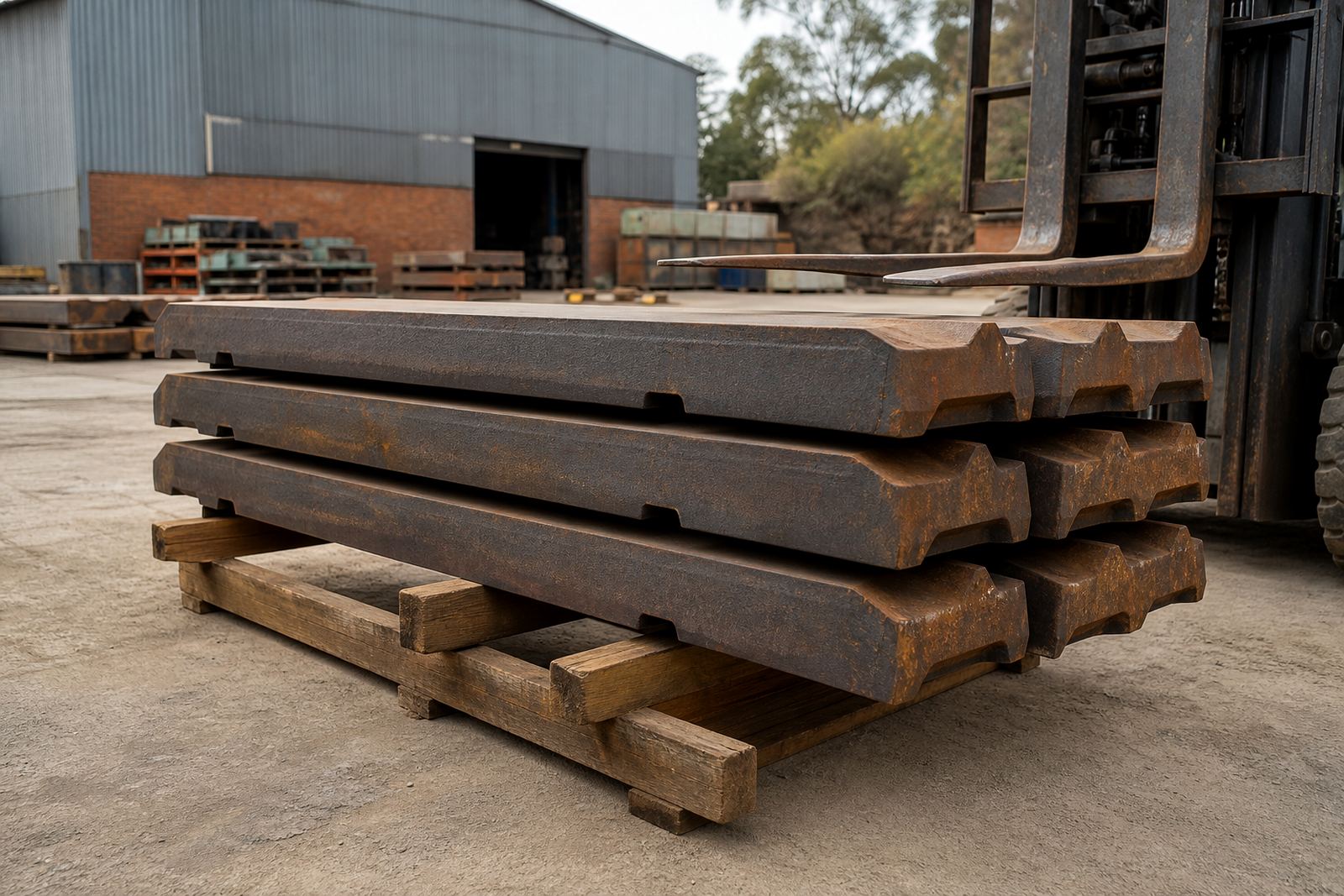
Blow bars are fitted to the rotor in impact crushers and are designed to take the main удар, so to speak, when rock enters the crushing chamber. Their job is to absorb impact and help break material against the breaker plates and liners, which is why wear rate depends heavily on feed size, hardness and how well the crusher is set up.
We supply blow bars for general impact crushing duties where consistent sizing, dependable wear life and sensible freight timing matter. The right bar choice can make a real difference to uptime, especially on remote sites where a missed delivery can stop a plant for a full shift or longer.
For mines and quarries in Mpumalanga, Limpopo, the Northern Cape, North West and Gauteng, we focus on having the part ready when you need it. That includes stock holding in Middelburg and planning loads for sites that are far from main centres, where road access, weighbridges and site booking times must all line up.
Sizes, profiles and material options
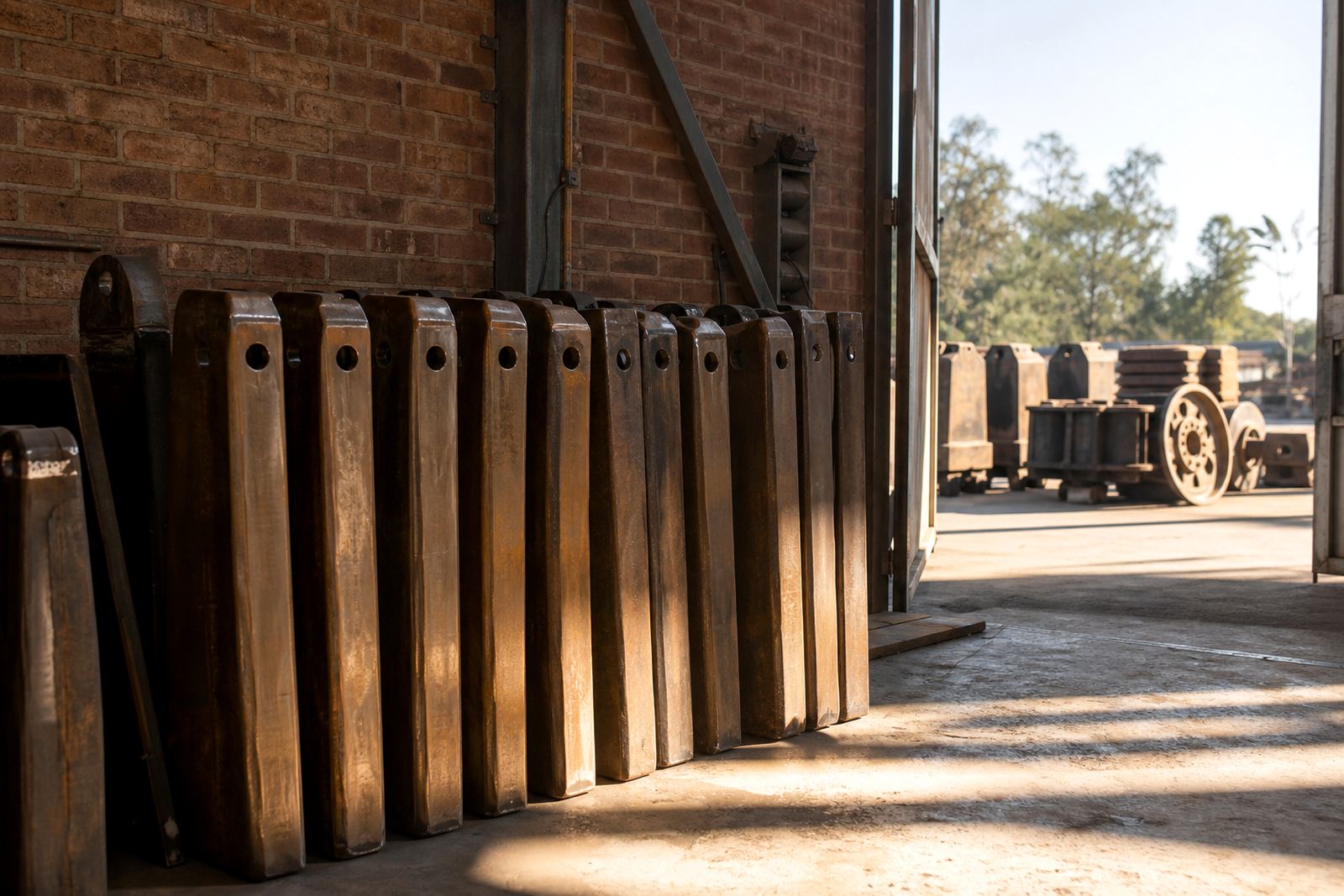
Blow bars are not a one-size-fits-all part. They differ in length, height, thickness, fixing style and profile, and the correct match depends on the crusher model and the rotor arrangement. Some bars suit primary impact duties, while others are better for secondary or tertiary reduction where product shape and wear pattern are different.
Common options include high chrome, martensitic and manganese based wear materials. Each has its place, depending on the feed and the balance you need between impact resistance and wear life. For abrasive material, one option may last longer, while for highly impact-heavy feed another may handle shock better. There is no single best answer for every site.
- Length, height and thickness matched to the rotor pocket
- Fixing style and key arrangement checked before dispatch
- Wear material selected for impact, abrasion or mixed feed
- Profile and edge shape chosen for the target product size
- Set supplied as single bars or a full replacement set
Where blow bars suit best on South African sites
These parts are used where impact crushing is the main reduction method, including quarry plant, mobile crushing units and fixed installations feeding aggregate, roadstone and certain mining applications. They suit sites processing competent rock, recycled material and mixed feed, provided the crusher is set up correctly and the wear parts are changed before they run too far down.
Remote operations in places like Steelpoort, Phalaborwa, Kathu and Rustenburg often need a supplier who can send parts with proper route planning and load securing. That matters when the site is off the main highway, or where access restrictions mean deliveries must be timed around shift changes, blasting windows or wet weather. In the dry season road dust can be a nuisance, while coastal humidity is not the issue inland but dust ingress still affects storage and handling.
We also support quarry deliveries and bundled part kits, which helps when more than one wearing part needs replacement at the same time. It saves handling, reduces missed items and gives the maintenance team a cleaner handover on site.
Installation, setup and power considerations
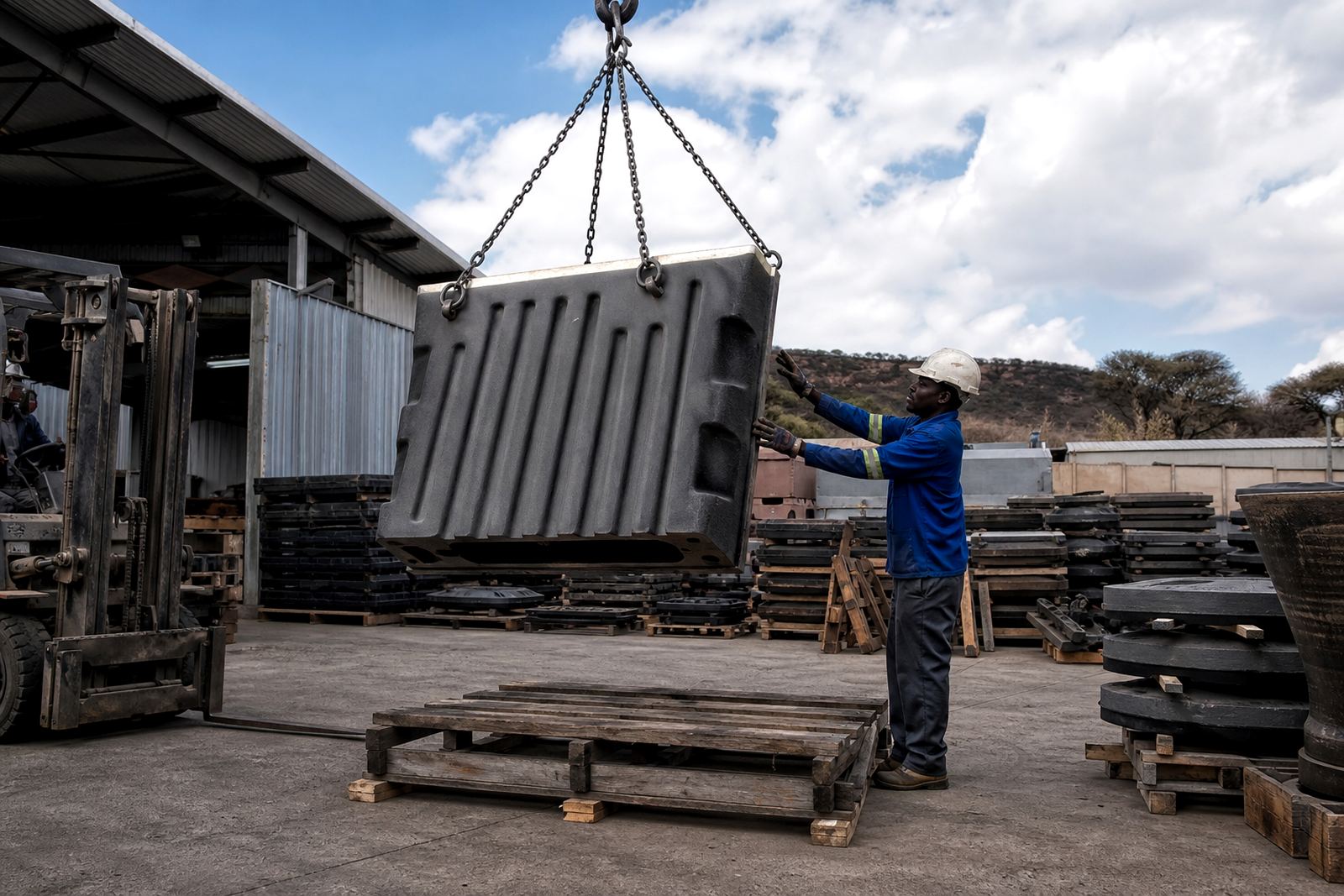
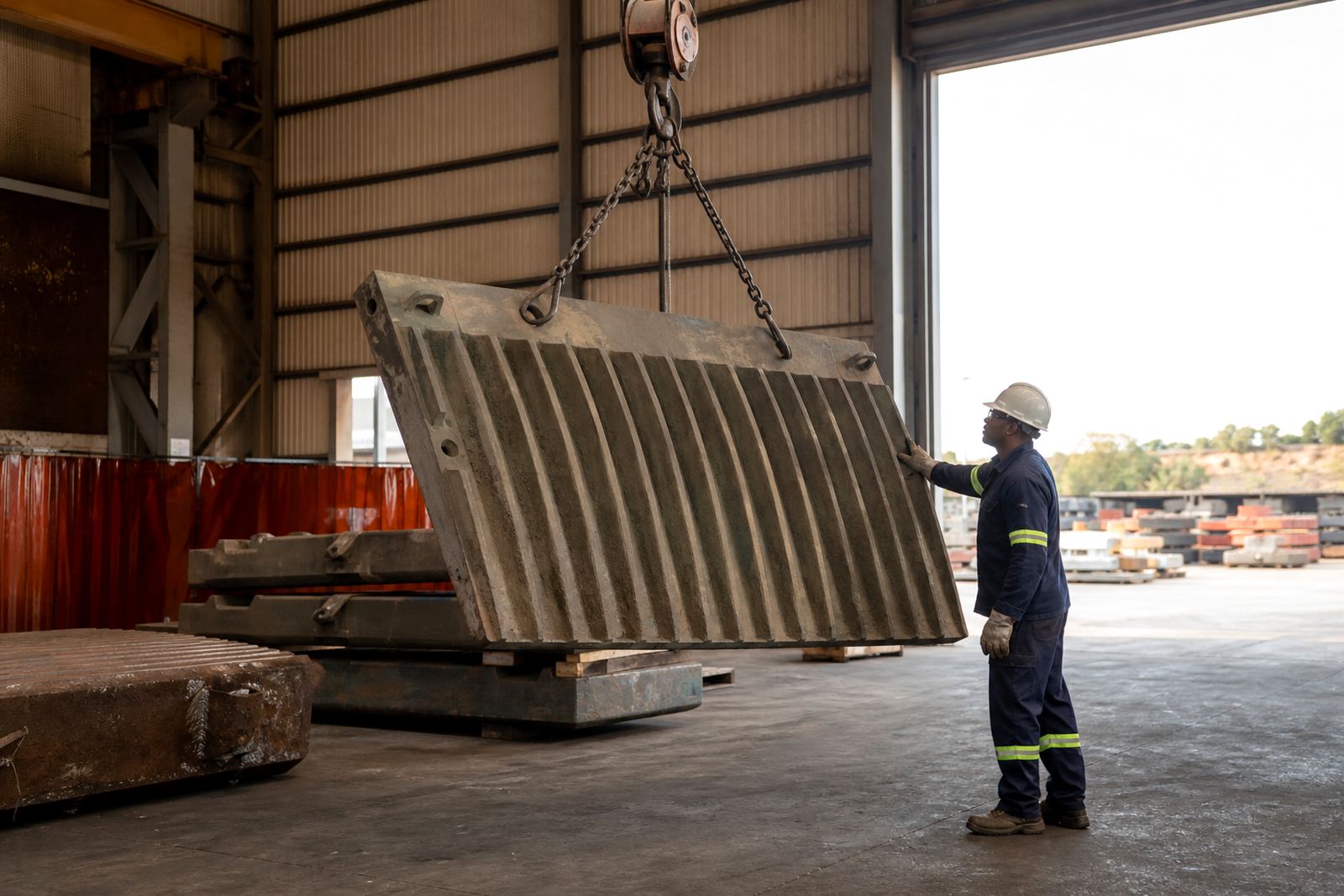
Blow bar replacement should always be done with the crusher locked out, isolated and secured according to site safety procedures. The rotor must be fully at rest, and lifting gear should be checked before any old bar is removed. These components are heavy, so the job is usually done with suitable lifting points, rigging and a clear change-out plan.
No gas supply is needed for the part itself. Installation depends on mechanical fitment only, but the crusher should be checked for correct clearances, fasteners and rotor balance before it goes back into service. If the bar profile is wrong or the fixing arrangement is not correct, you can end up with early wear or vibration that affects the whole plant.
- Confirm crusher model and rotor dimensions before ordering
- Check whether the site uses single, double or segmented bars
- Inspect the rotor seat, wedges and clamping faces during change-out
- Verify breaker plate gaps after fitment and before restart
Care, servicing and wear checks
Good servicing starts with regular inspection. Look for uneven wear, cracking, rounding of the leading edge and damage around the fixing points. If one bar is wearing faster than the rest, the problem may be feed distribution, rotor balance or a setting issue rather than the bar alone. Small checks done early can prevent a more expensive stoppage later on.
Keep spare bars in a dry, clean area and off the ground where possible. In Middelburg and other inland centres, dust and temperature swings can still affect storage. Wrap or rack the parts properly, and avoid unnecessary knocks from forklifts or loose chains. A bar with damaged corners can be harder to fit and may not seat correctly.
Our stock holding service helps mines avoid last minute sourcing. Where required, we can plan return freight for used parts and consolidate orders so the warehouse team receives only what is needed for the shutdown. That makes it easier to keep records straight and reduce missed items.
What to check when ordering blow bars
Before placing an order, have the crusher make, model and rotor details ready. If possible, send the old part number, a photo of the worn bar and the measurements from the current set. Even a small difference in the locking face or profile can affect the fit, so it helps to compare carefully before dispatch.
Also confirm the feed type, expected throughput and whether the crusher is working in a primary or secondary position. That gives a better starting point for material selection and wear expectations. If the site has had recent changes to feed size or blasting pattern, mention that as well because it can change how the bars wear.
- Crusher model and serial details
- Rotor type and bar dimensions
- Wear material preference, if already known
- Number of bars needed and whether a full set is required
- Delivery site, access notes and preferred delivery window
Stock holding and freight from Middelburg
Crusher Consumables Direct is based in Middelburg, Mpumalanga and supports remote mines and quarries across South Africa with stock holding, urgent part dispatch and freight coordination. Our team handles the practical side of the order, from consolidation and load securing through to site delivery coordination and order support. That helps when the nearest repair team is a few hours away or the road conditions change after rain.
With service areas including Middelburg, Witbank, Steelpoort, Burgersfort, Phalaborwa, Rustenburg, Kathu and Johannesburg East, we are set up for inland freight routes where time and access matter. If your maintenance shutdown is fixed for a narrow window, we can work around that and keep the part movement clear and traceable. For enquiries, clients use the enquiry form on our contact page.
Our aim is simple: keep the right blow bars moving to the right site at the right time, and keep the crusher running with less delay. Its practical work, but in mining that is what counts.
Key facts
| Product type | Crusher blow bars for impact crushing duties |
|---|---|
| Typical materials | High chrome, martensitic and manganese based wear materials |
| Fitment | Rotor-mounted wear part with model-specific fixing arrangement |
| Supply format | Single bars or full replacement sets, subject to crusher type |
| Use cases | Primary, secondary and tertiary impact crushing on mine and quarry sites |
| Base and delivery | Stock held in Middelburg, with freight across South Africa to remote sites |