Breaker plates made for steady impact crushing
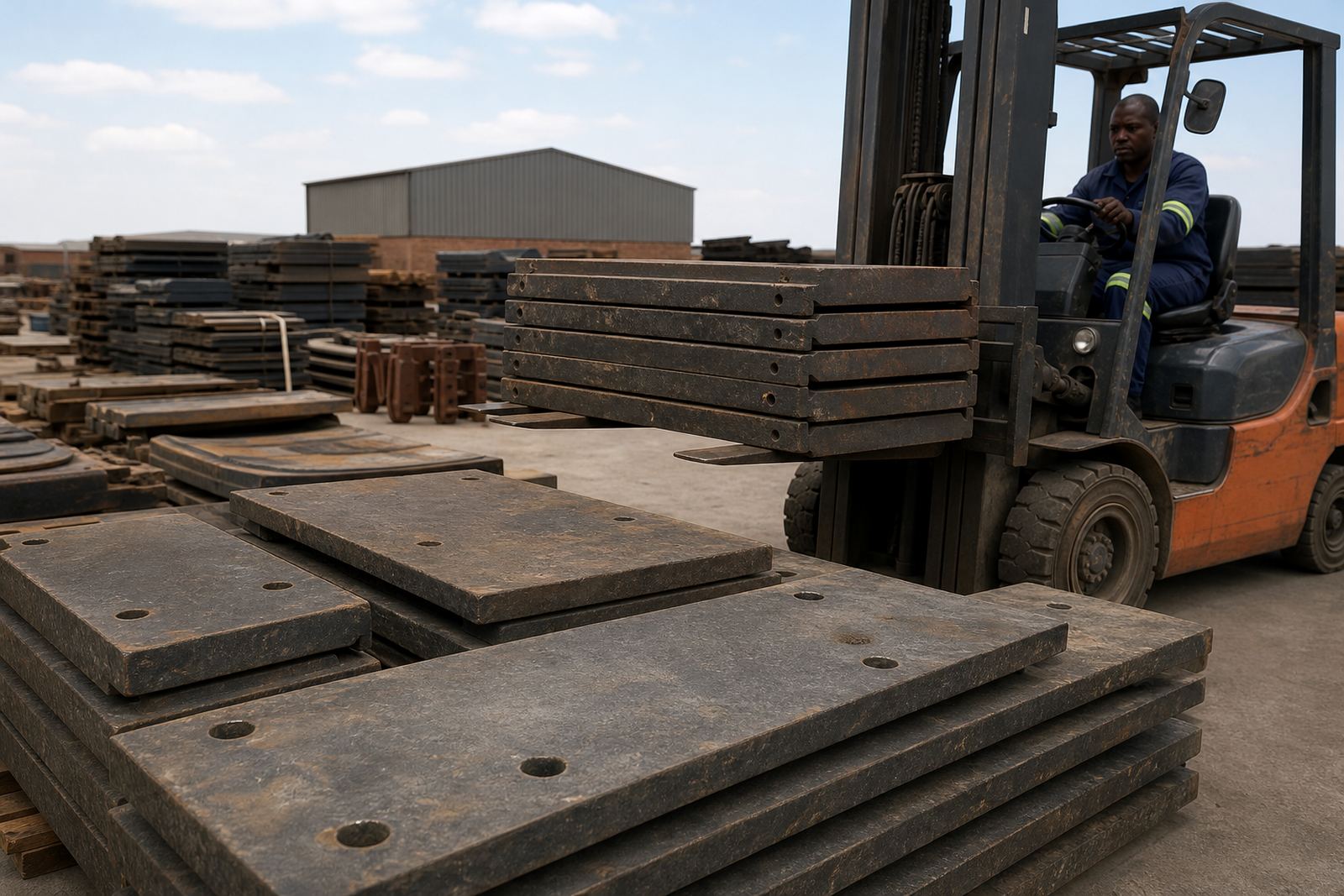
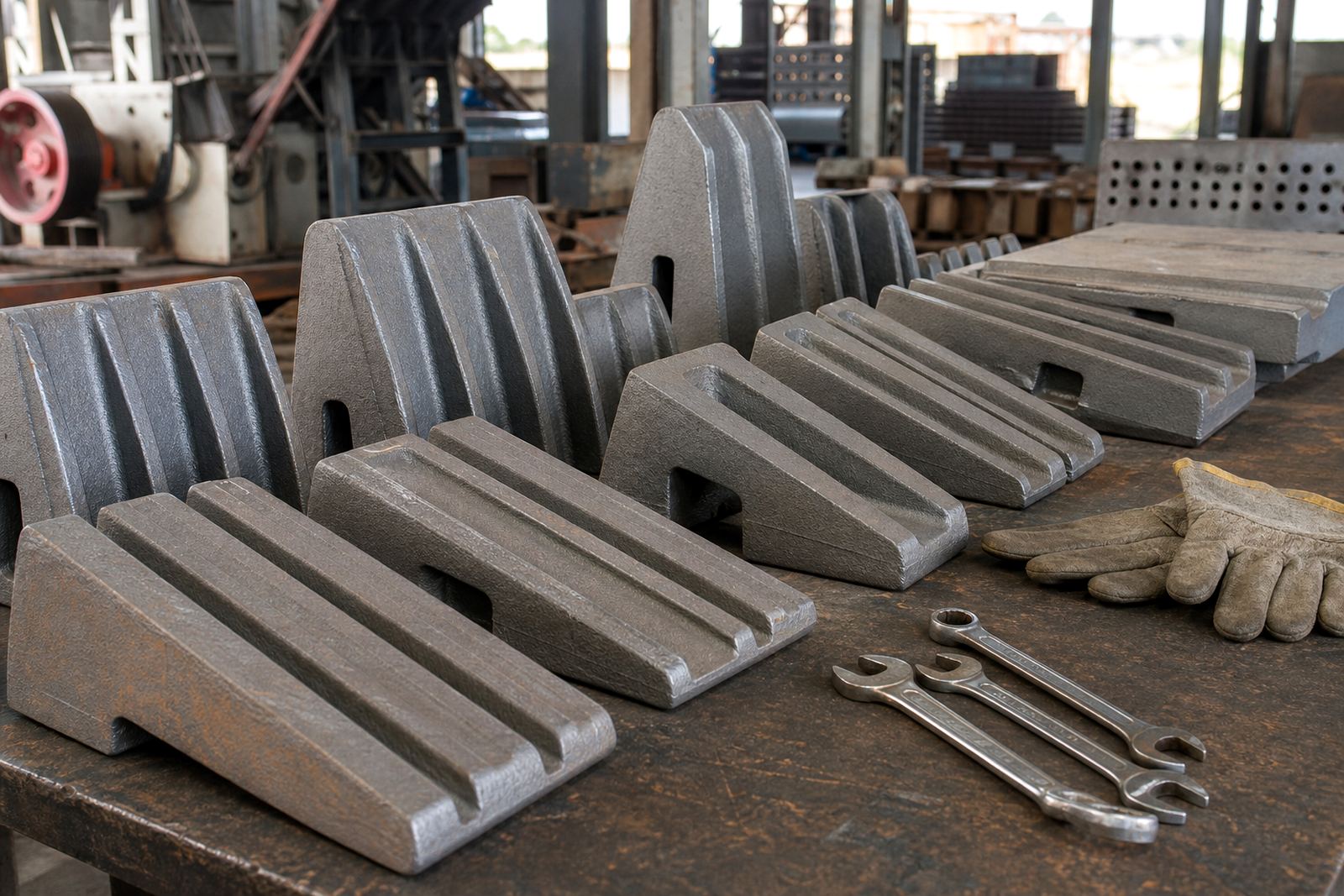
Breaker plates are the wear parts fitted inside an impact crushing chamber to control how material breaks and how long the chamber keeps its shape under load. They help manage the hit, redirect material and support more even reduction when the feed is hard, abrasive or mixed. In practice that means less wandering in product size and fewer interruptions when the crusher is under pressure.
We supply breaker plates for sites that need dependable wear control in day-to-day production and during shutdown work. The parts are supplied generically for crusher applications, with profiles and fixing points selected to suit the machine setup and the material being processed. If the chamber is running with uneven wear or poor discharge, breaker plates are often one of the first parts to check.
Sizes, profiles and fitment options
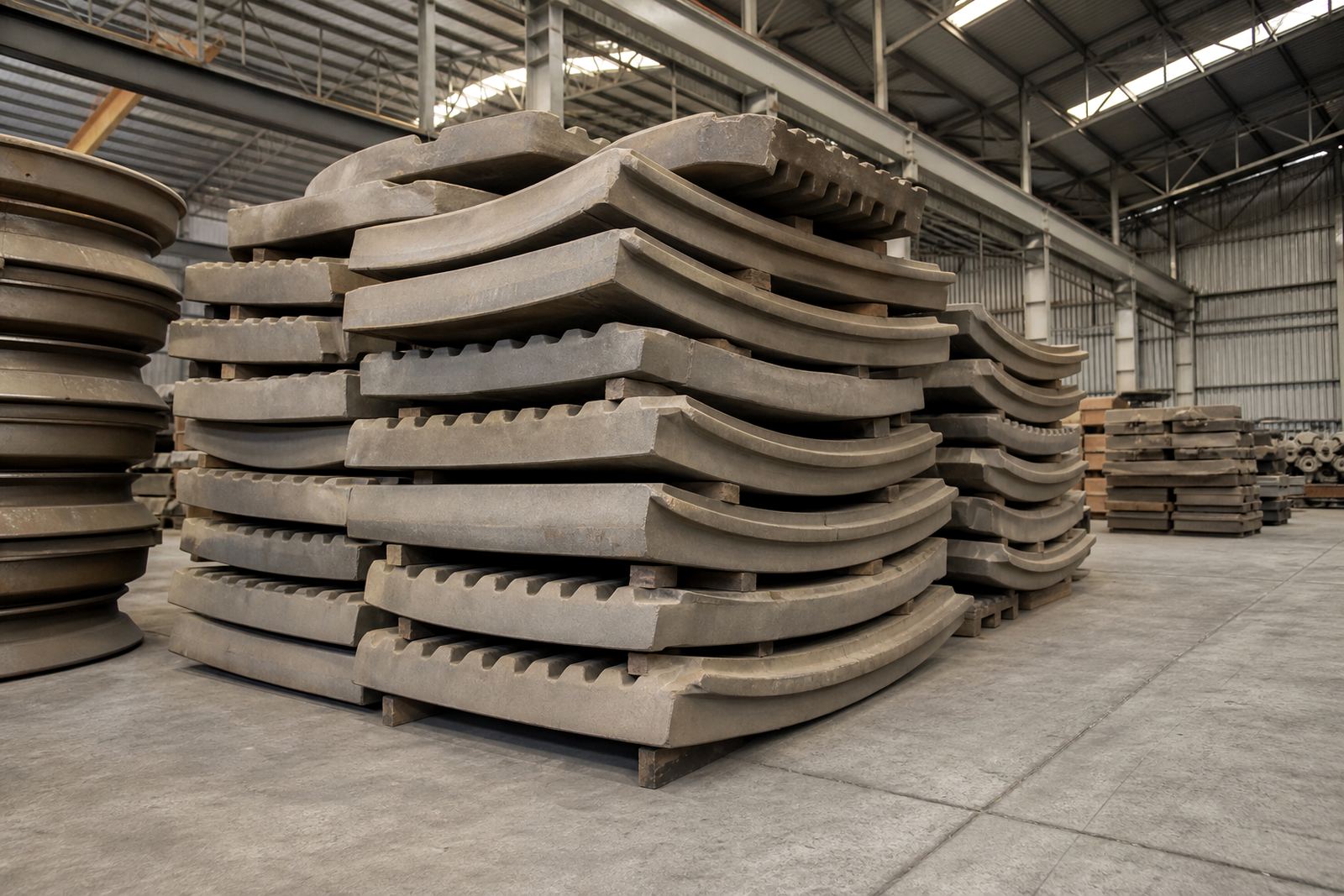
Breaker plates are not a one-size item. The right set depends on the crusher opening, chamber style, rotor arrangement and the level of impact being handled. Some sites need plates with a heavier section for abrasive rock, while others need a profile that supports a more controlled break pattern on mixed feed. When ordering, it helps to have measurements from the old plate or the crusher drawings if they are available.
- Custom lengths and widths to suit chamber layout
- Different thicknesses for light, medium or heavy wear conditions
- Profiled surfaces for more even material flow
- Left and right hand sets where the chamber design requires it
- Options for standard replacement fitment or shutdown change-outs
For many mine and quarry teams, the important part is making sure the new plate matches the existing fixing pattern and working clearance. A plate that is close but not correct can cause poor seating, loose fasteners or early edge wear.
Where breaker plates suit best on site
These parts suit impact crushers working in hard-rock and quarry environments, especially where feed varies through the day. They are commonly used where the plant is producing aggregate, base material or crusher feed that needs consistent sizing. On remote sites in Limpopo, the Northern Cape, North West, Mpumalanga and Gauteng, breakage, dust and long hauling distances can all put extra strain on wear parts, so chamber protection matters.
Breaker plates are also useful where the site cannot afford frequent stoppages for small adjustments. In load-shedding conditions or at isolated plants with limited standby support, a worn plate can quickly affect output and create downstream problems at screens, conveyors and stockpiles. The right plate helps keep the chamber stable so the rest of the plant can keep working.
They are often ordered alongside jaw plates, mantles, concaves, blow bars and liners as part of a planned wear package. That approach makes shutdown work easier and helps avoid partial orders that leave one section of the chamber underprotected.
Installation, power needs and site preparation
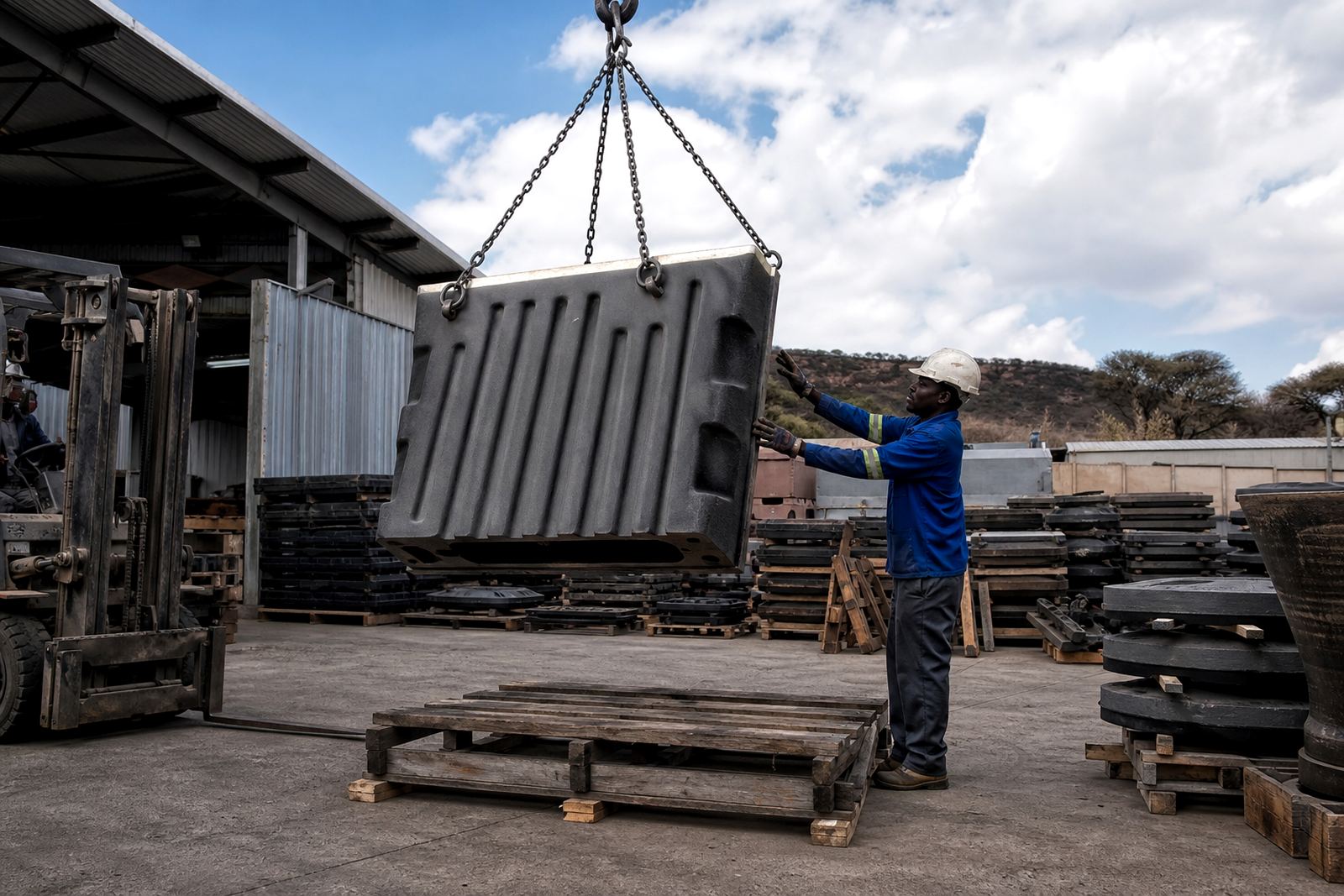
Breaker plates do not need power or gas to operate, but the installation work needs proper lifting equipment, safe access and a clean chamber. Before fitting, the crusher should be isolated and locked out, with all material cleared from the housing. It is also worth checking that the mounting faces are clean and that the fasteners are in good condition. If the old plate was damaged by a foreign object, inspect the surrounding area for cracks or distortion too.
On remote mines and quarries, installation planning should include the lift method, access route and whether the site has enough lighting and tool support after dark. Where crane access is limited, smaller handling equipment may be needed. If the weather is hot and dusty, the team should allow time for cleaning the seating faces properly before tightening the new plate down.
- Confirm the crusher is isolated and safe to enter
- Check fixing holes, clamps and seating faces before fitment
- Use the correct torque sequence for the fasteners
- Make sure the plate sits square with no rocking
- Carry out a short test run and recheck after start-up
Care, wear checks and replacement timing
Breaker plates wear gradually, but once the face becomes uneven the crusher can start to lose consistency. Regular checks should look for thinning edges, cracking, loose fixings and any section where the impact line has moved too far back. If the plate is wearing faster on one side, that may point to poor feed distribution, a chamber alignment issue or material size that is too large for the current setup.
For plants running in dusty or coastal conditions, washing down the outside of the machine and checking the chamber at planned intervals helps prevent surprises. Keep an eye on the wear pattern after a change in feed type, especially if the quarry moves from softer material to harder stone. A part that looks acceptable from the outside can still be close to its limit on the working face.
We recommend keeping spare breaker plates in stock for sites with limited access, long freight times or planned shutdowns. That gives the maintenance team room to change parts before wear becomes a production issue. It also reduces the pressure of trying to source the right plate at short notice when freight routes are already full.
What to check before you place an order
To make sure the correct breaker plates are supplied, check the following details before you send through an enquiry. Even small differences in chamber design can affect the fit and working life of the part. If you are unsure, a photo of the old plate, the crusher model details and the fixing layout usually help a lot.
- Crusher make and model, if available
- Current plate dimensions and thickness
- Fixing hole pattern and spacing
- Whether you need a left, right or matched set
- Material being crushed and expected wear conditions
- Any previous fitment changes made on site
Once we have the details, we can check stock from Middelburg or arrange freight to site. We work with quarry and mine teams that need practical support, clear order handling and delivery planning that matches shutdown dates. If your operation is in Steelpoort, Burgersfort, Phalaborwa, Rustenburg, Kathu, Witbank or Johannesburg East, we can plan around the route and the receiving times that suit your site.
Stock holding and freight support from Middelburg
Our base in Middelburg, Mpumalanga allows us to hold stock for fast movement into the field. That matters when a crusher is down and the site needs a part without waiting on a distant supplier. We coordinate order consolidation, route planning, load securing and return freight planning so the delivery fits the realities of remote work, not just a standard courier run.
Breaker plates are one part of a wider wear parts plan, and we support that with shutdown planning, bundled part kits and urgent dispatch where needed. For mines and quarries across Mpumalanga, Limpopo, the Northern Cape, North West and Gauteng, the aim is simple: get the right part to site, keep it safe in transit and make sure the maintenance crew can get on with the job.
If you need breaker plates for an impact crusher, send the part details through the enquiry form on our contact page and we will take it from there. We work with teams that need direct answers, proper stock control and freight that reaches remote sites on time, even when the road is long and the weather is not helping.
Key facts
| Product type | Breaker plates for impact crushing chambers |
|---|---|
| Common use | Wear control and impact management in crushers |
| Material support | For abrasive rock, mixed feed and quarry stone |
| Size options | Custom lengths, widths, thicknesses and profiles |
| Fitment | Left, right or matched sets depending on chamber design |
| Supply area | Middelburg base with freight across South Africa |