What cheek plates do in a jaw crusher
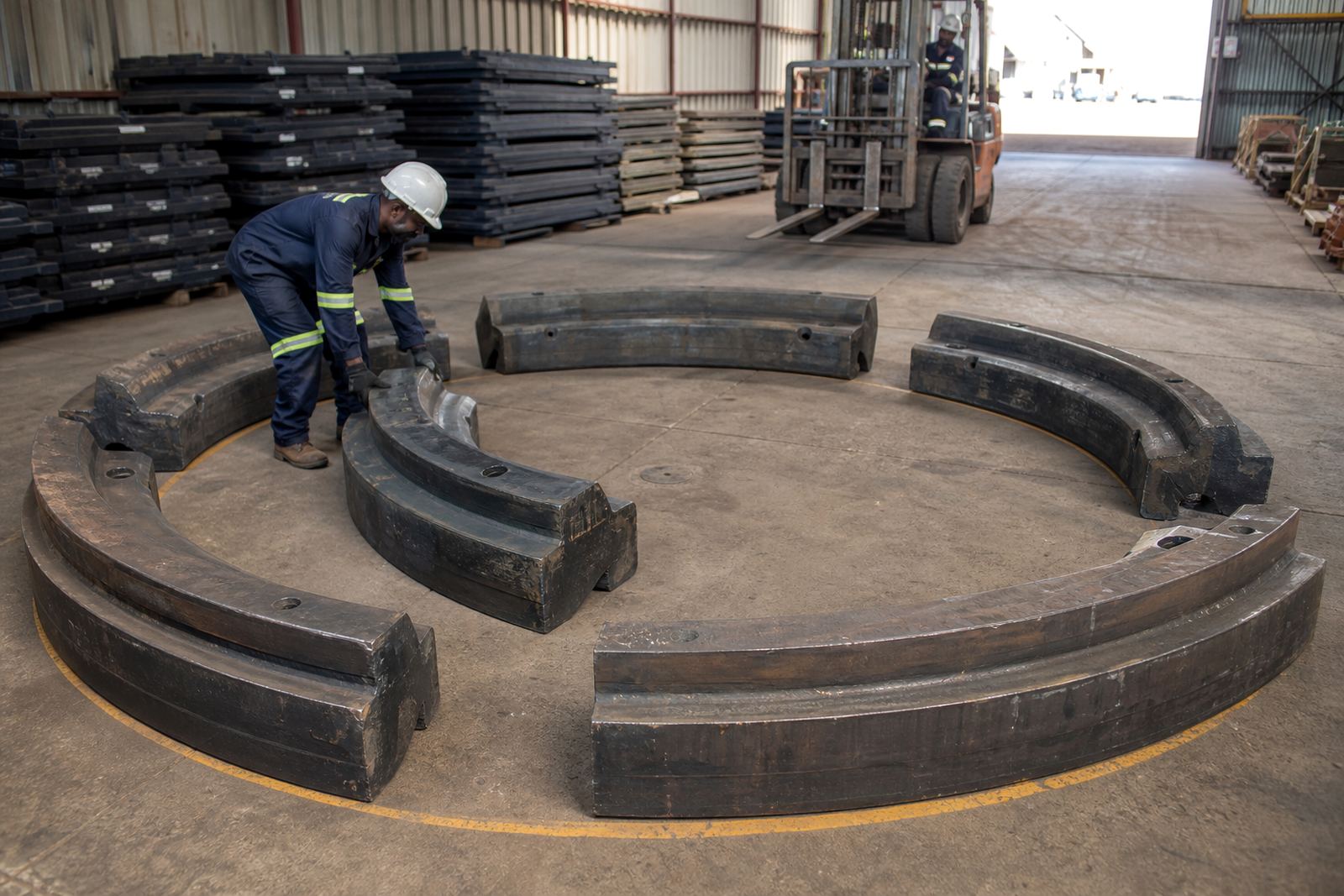
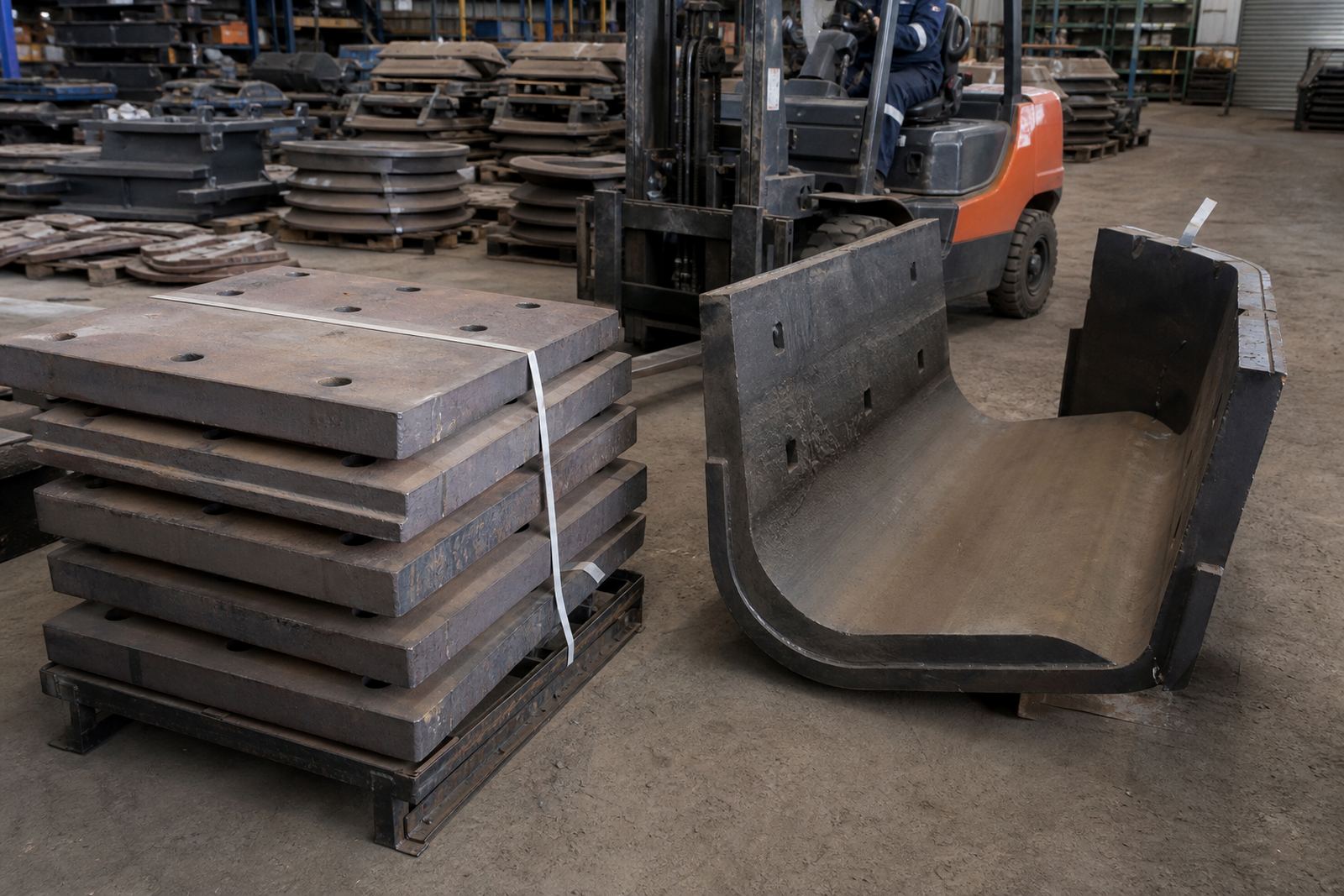
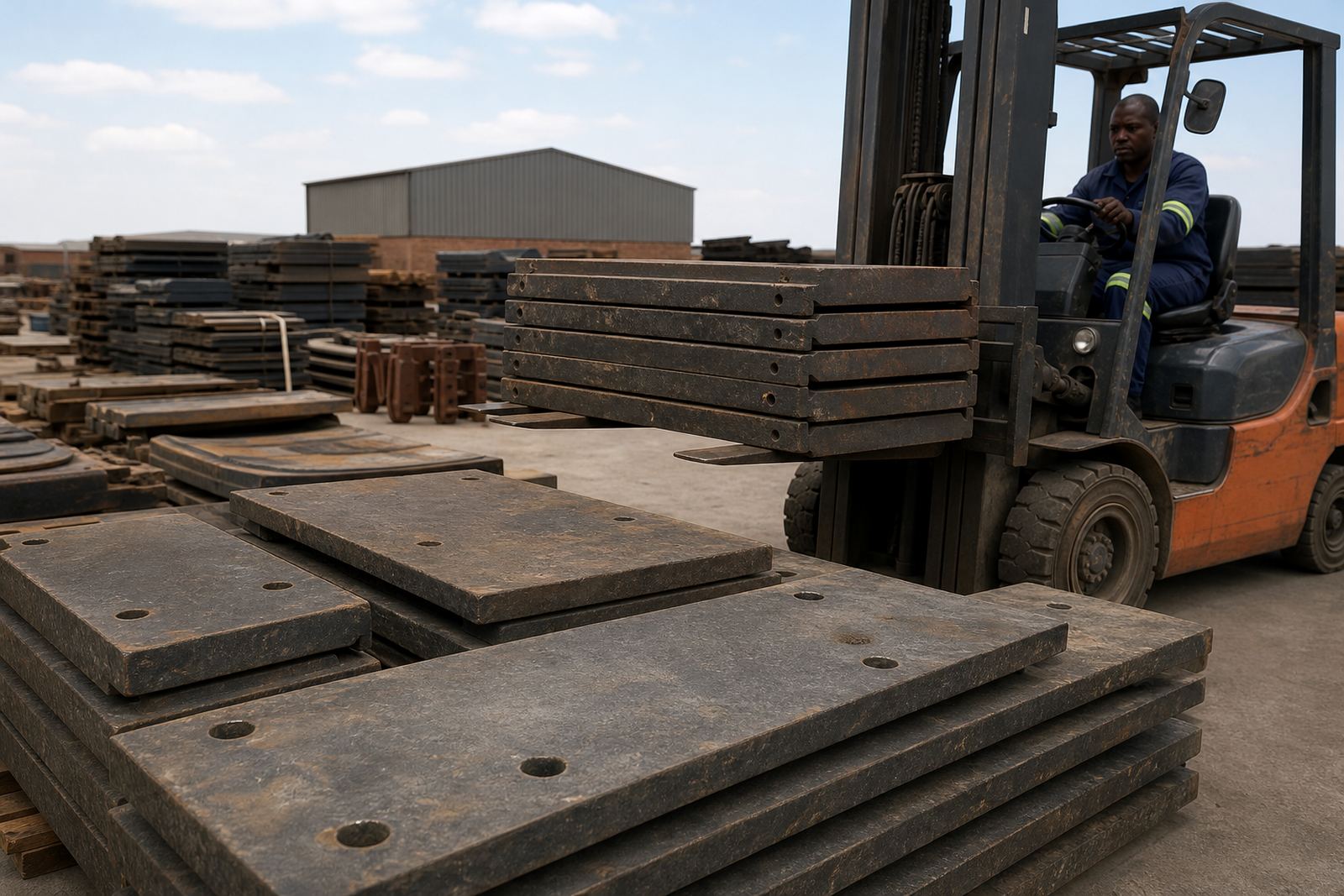
Cheek plates are the wear parts fitted along the sides of the jaw crusher chamber. Their job is to take abrasion from the feed material before it damages the main body of the machine. They also help support full jaw crusher wear part change-outs, so the chamber stays in better shape over time. In hard rock, highly abrasive ore, and recycled aggregate work, they are often one of the parts that need regular checking.
When a cheek plate wears through, the chamber side is exposed to direct wear and the cost of the next shutdown can rise quickly. Good fitting plates help keep the crushing cavity square, protect the frame, and make maintenance cleaner when the time comes to change jaw plates and other related wear parts. For sites running load after load, that support is important because one small wear item can affect the whole shift.
We supply cheek plates as crusher wear parts for operations that need practical stock on hand, especially where deliveries to site are not simple. Our base in Middelburg lets us support Mpumalanga and the wider mining belt with better route planning and quicker order movement.
Sizes, profiles and fitment options
Cheek plates are not one size fits all. The right set depends on the crusher model, chamber profile, feed opening and the wear pattern on the machine. Some sets are cut to suit standard chamber layouts, while others are made to match a specific side profile and bolt pattern. For change-outs, the important thing is proper fit, clean seating and enough coverage to protect the side wall without fouling the moving jaw.
We can assist with cheek plates for jaw crushers used in quarry and mine duty. If you are replacing jaw plates at the same time, it is usually worth checking whether the cheek plates should be changed as part of the same shutdown. That saves labour and avoids opening the chamber again too soon.
- Left and right hand cheek plates
- Standard or heavy duty wear profiles
- Cast or fabricated wear plate options depending on the machine setup
- Matched sets for full chamber change-outs
- Single replacement plates for localised wear
Where cheek plates suit best
Cheek plates are used in jaw crushers working in mining, quarrying, demolition and crushing plants that handle abrasive material. They are especially useful where the feed has sharp stone edges, fines, or irregular lumps that can rub hard against the chamber sides. That includes limestone, granite, dolerite, chrome ore and similar materials common across South Africa.
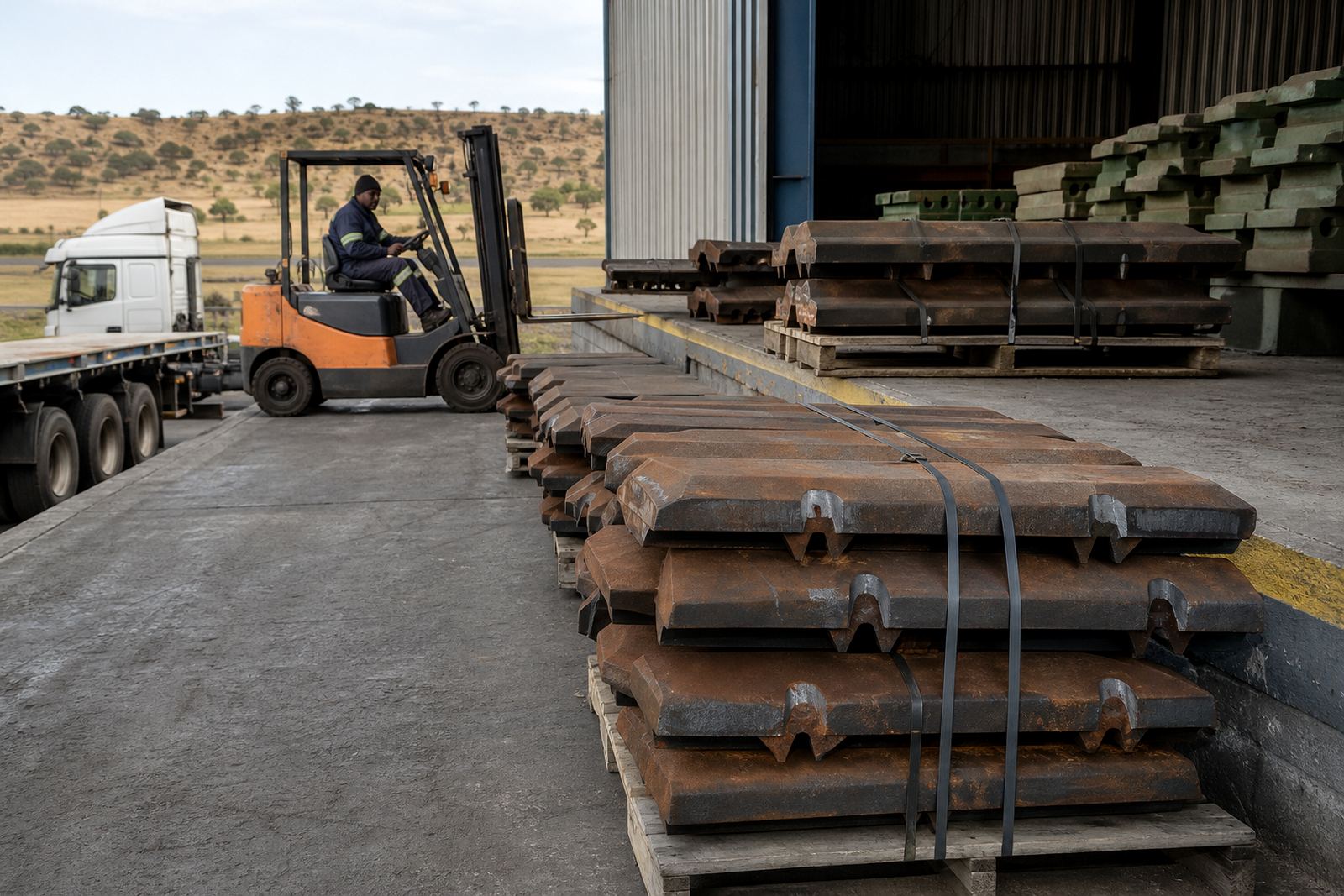
Sites in remote areas often keep extra wear parts in store because a missed delivery can stop a crusher and hold back the rest of the plant. We support mines and quarries in Mpumalanga, Limpopo, the Northern Cape, North West and Gauteng, with freight arrangements that suit long distances, rough access roads and site receiving rules. It helps where the nearest service town is still a few hours away.
Our stock holding service is useful for planned shutdowns and for unexpected wear. If your operation runs through winter dust, summer rain, or coastal humidity elsewhere in the country, the condition of the plate face and bolt holes should be checked before the machine goes back into service.
Installation, power needs and shutdown planning
Cheek plates do not need power or gas to function, but they do need correct handling during installation. The machine must be isolated, locked out and made safe before any work starts. Change-outs are usually done during a planned maintenance window with lifting equipment, hand tools and the correct fasteners on site. If the chamber is tight, the crew may also need cleaning time before the new plates go in.
Good shutdown planning matters because cheek plates are often changed together with jaw plates, wedges or other chamber wear parts. That reduces repeat labour and helps keep the crusher offline for the shortest practical time. On remote sites, we can bundle the order and arrange freight so the parts arrive together, which is important when road access is limited or weather has delayed another load.
- Isolate and lock out the crusher before work begins
- Inspect bolt holes, seating faces and backing surfaces
- Fit the plates in the correct left and right positions
- Check clearances before returning the machine to service
- Confirm all fasteners are torqued to the site procedure
Care and servicing between change-outs
Cheek plates last longer when they are checked often enough to catch uneven wear early. A damaged plate can show cracking, thinning at the lower edge, loose bolts or a polished area where the feed is rubbing harder than normal. If the side wall starts to show wear, do not wait until the next major shutdown if the machine is already open for another reason.
For plants working through load-shedding, short starts and stops can affect the way material moves through the chamber. That makes regular visual checks more useful, because wear can shift from one side to the other when feed stops and starts repeatedly. At dusty inland sites, clean seating faces and bolt heads help prevent problems when the plate is removed later on. In humid areas, any stored spare should be kept dry and off the floor.
We also advise keeping an eye on the matching jaw plates and liners, because side wear can become more expensive when the chamber is no longer wearing evenly. Simple checks save time, and sometimes a minor detail catches a bigger fault before it grows.
What to check when ordering cheek plates
To supply the correct cheek plates, we need a few details from the crusher and the wear condition on site. The more accurate the information, the easier it is to get the right part on the first dispatch. If the crusher has already been opened, photos help a lot because they show the plate shape, bolt line and current wear pattern.
Please have the following ready when sending an enquiry through our contact page:
- Crusher make and model
- Serial number or chamber identification if available
- Left hand or right hand plate required
- Current jaw plate size and chamber setup
- Whether you need a single plate or a full set
- Site location and receiving instructions for freight
- Target shutdown date or urgent dispatch need
Our team in Middelburg handles order support, consolidation and route planning for mine and quarry deliveries. If you are in Steelpoort, Burgersfort, Phalaborwa, Rustenburg, Kathu, Witbank or Johannesburg East, we can plan the freight around your site conditions and delivery window.
Stock held in Middelburg for mine and quarry supply
Crusher Consumables Direct supplies cheek plates as part of a practical crusher wear parts range for operations that need dependable stock and straight forward freight. From our Middelburg depot we support shutdown planning, urgent part dispatch and bundled part kits for remote sites across South Africa. That includes mines and quarries where delivery timing matters as much as the part itself.
Our team includes Thabo Mokoena, Lerato Nkosi, Johan van der Merwe, Ayanda Dlamini, Sibusiso Mahlangu and Megan Naidoo, each focused on making sure the right part is checked, packed and sent with the correct paperwork. When a site needs cheek plates along with jaw plates, mantles, concaves, blow bars or liners, we can consolidate the order and arrange freight with load securing and site delivery coordination.
If your crusher chamber is due for a change-out, send your request through the enquiry form on our contact page and we will help confirm the correct cheek plates for your machine and site. A well matched plate is a small part, but it protects a big machine.
Key facts
| Product type | Cheek plates for jaw crushers |
|---|---|
| Function | Protect chamber sides and support full wear part change-outs |
| Typical fitment | Left and right hand side chamber protection |
| Materials handled | Abrasive rock, ore and quarry feed |
| Supply area | Middelburg base with freight across South Africa |
| Ordering details | Crusher model, plate side, quantity and site location |