What jaw plates do in a primary crusher
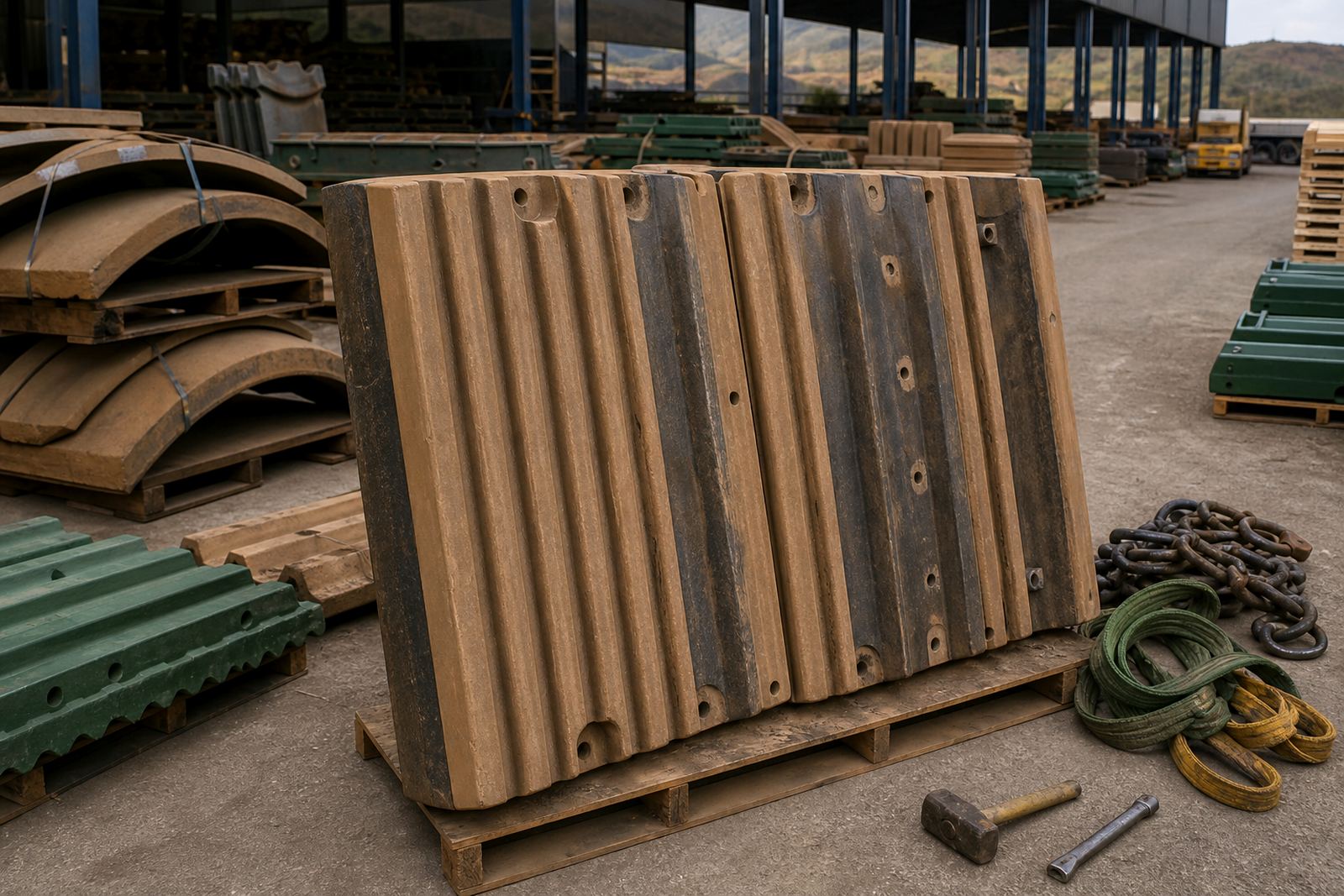
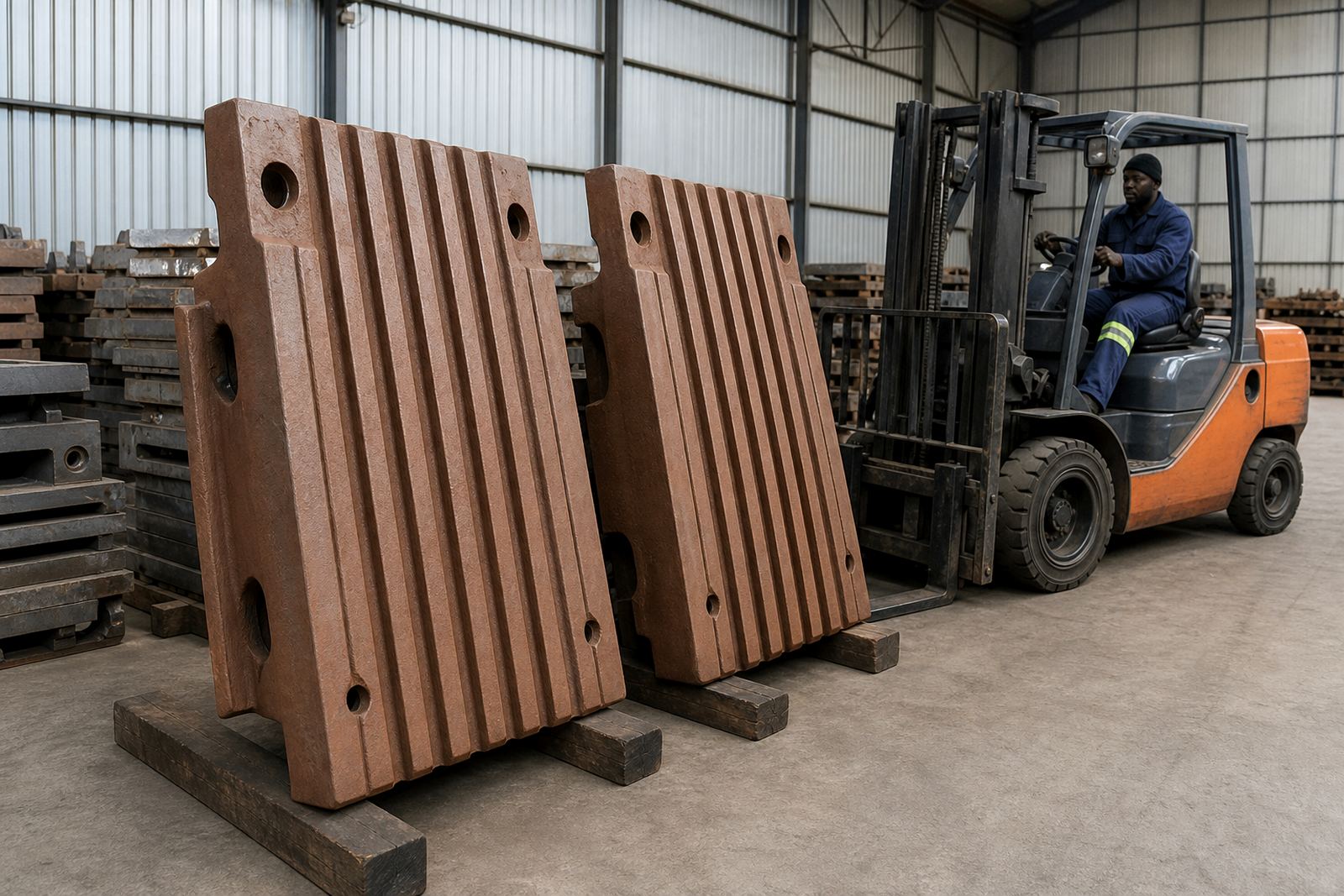
Jaw plates form the working face inside the crushing chamber. One fixed plate and one moving plate grip the rock, then break it down as the crusher cycles. In primary crushing, the plates have to take repeated impact and pressure from hard feed, so the right profile and material choice matter as much as the physical size.
For mine and quarry teams, the main job is simple: keep the machine taking feed without unnecessary stoppages. Worn plates can affect product size, increase power draw and cause uneven loading on the crusher. That is why scheduled changeouts and proper stock holding are part of normal planning, not a last minute fix.
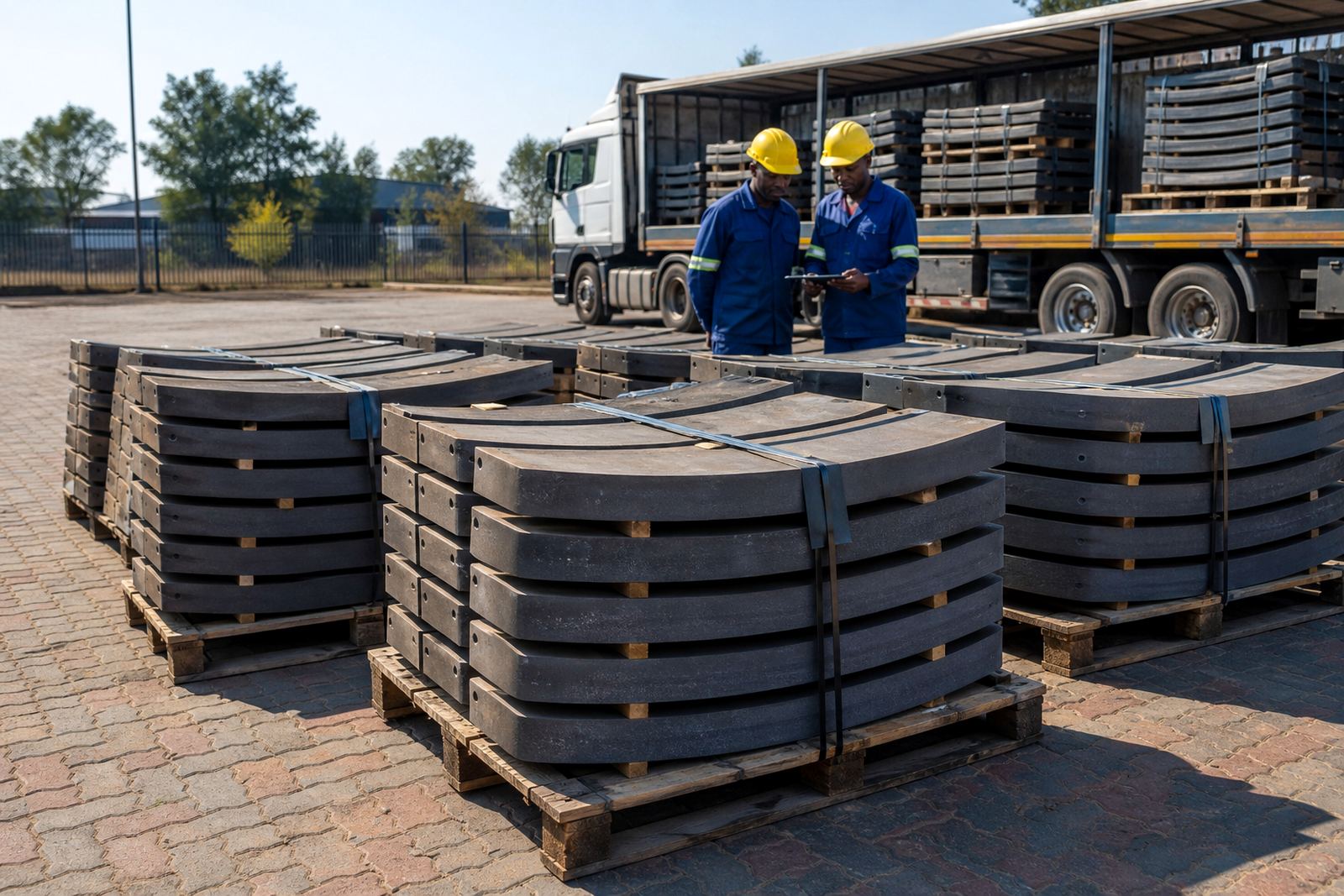
We supply generic jaw plates for primary crushing applications where dependable fit and planned replacement are needed. The focus is on practical availability, freight to site, and keeping operations moving even when the mine is far from town.
Sizes, profiles and material options to match the machine
Jaw plates are not one size fits all. Length, height, thickness, bolt pattern and the crushing profile all have to suit the machine and the work it is doing. Some sites need a coarser profile for larger feed, while others need a finer pattern to help with consistent reduction. The wrong plate can sit badly, wear too quickly, or make the chamber work unevenly.
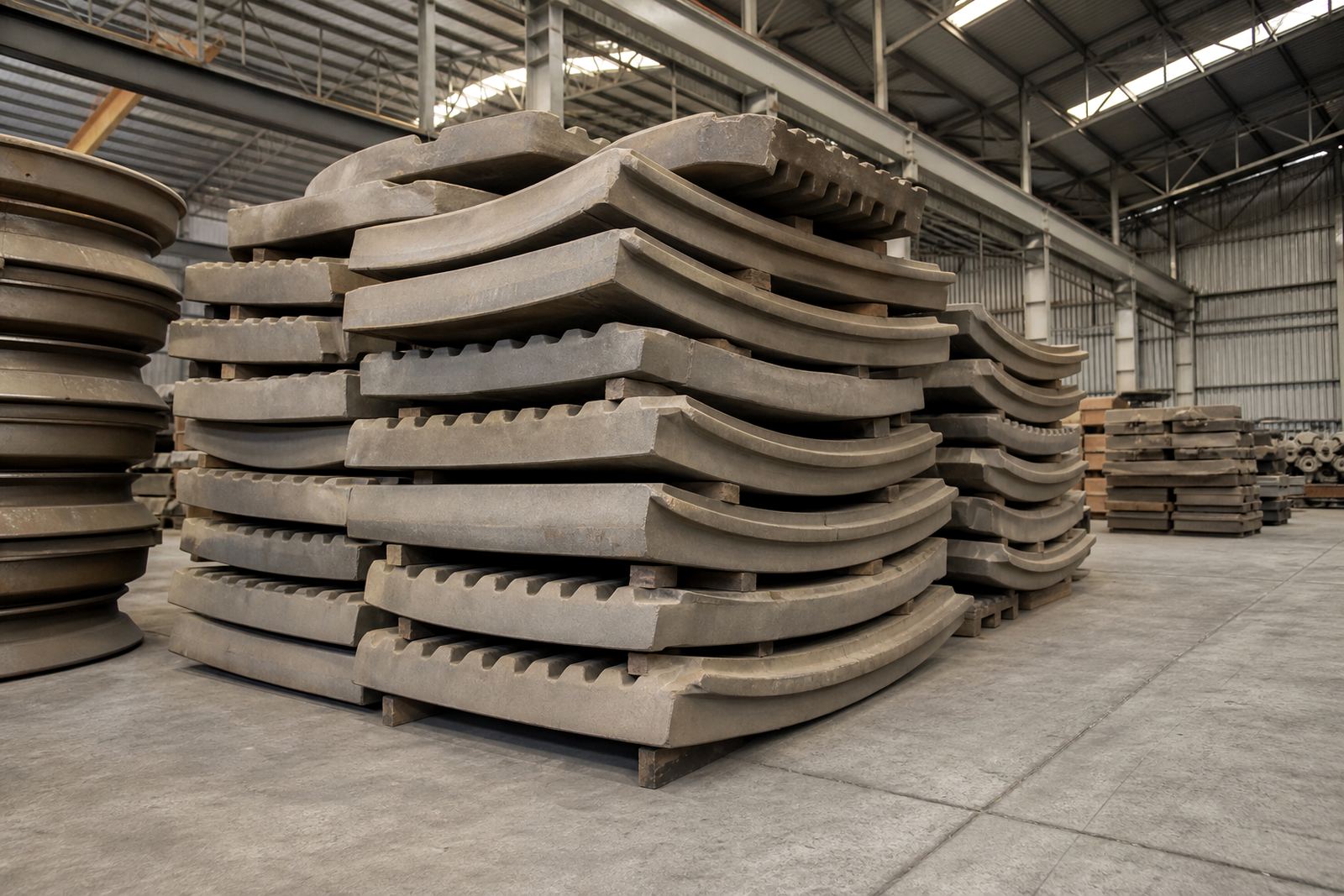
We stock and source jaw plates in a range of common sizes and wear configurations for primary jaw crushers. Options are matched to the crusher type, feed hardness, moisture content and the way the plant is run. On hard rock, a heavier wear profile may be preferred. On abrasive ore or where fines are high, the plate choice may shift to reduce premature wear and bridging.
- Common lengths and heights to suit standard jaw chambers
- Different thicknesses for wear life and machine fit
- Tooth and corrugation styles for varying feed conditions
- Plain and stepped profiles, depending on the crushing duty
Where jaw plates suit in the field
Jaw plates are suited to mines, quarries and contractor operations that run primary crushing at steady volumes. They are commonly used where ROM material, blasted stone or run of quarry feed is introduced before further sizing. In places like Steelpoort, Phalaborwa, Kathu and Rustenburg, access roads and long haul distances mean a missed delivery can affect the full production line.
They are especially useful where the plant depends on reliable replacement intervals. If the crusher is in a remote area with no local spares counter, stock holding becomes part of production planning. That is why we keep parts in Middelburg and move them out by route to service areas and site locations as required.
- Primary crushing plants at mines and quarries
- Remote sites with limited local spares access
- Operations that need planned shutdown replacements
- Plants handling hard rock, abrasive stone or mixed feed
Installation needs, site power and shutdown planning
Jaw plates themselves do not need electrical power or gas, but changing them is usually tied to the crusher shutdown and plant isolation plan. The machine must be locked out, isolated and made safe before any removal starts. On many sites, that means planning around load-shedding, generator use and the time needed for lifting gear to be in place.
Installation normally needs a competent maintenance crew, correct lifting equipment and the right fasteners for the machine. The crusher frame, wedges, seats and backing surfaces should be checked before new plates go in. If the seating faces are worn or damaged, the new plates can loosen or wear unevenly, which shortens service life.
We work with shutdown planning and order consolidation so the jaw plates, liners and related consumables arrive together. That helps reduce repeat stoppages and keeps the maintenance team from waiting on another run just because one item was missed.
Care, wear checks and when to replace
Jaw plates should be checked regularly for wear depth, cracking, loose seating and uneven profile loss. When the top of the tooth or corrugation has worn flat, crushing efficiency usually drops. On some sites the crusher starts drawing more power, and the product size can drift. Small issues noticed early are much cheaper than a damaged chamber later on.
Routine care also includes cleaning out trapped fines and checking the feed arrangement. Oversize tramp material and uneven feeding can make one side wear faster than the other. In busy plants, it helps to keep a simple record of run hours, feed type and the date of the last changeout. That gives you a better basis for the next order and helps avoid last minute panic.
- Look for uneven wear on the fixed and moving plate
- Check for cracking around the bolt holes and seating faces
- Monitor product size and crusher power draw
- Replace before the wear limit affects chamber performance
What to check when ordering jaw plates
Before ordering, the safest approach is to confirm the crusher model, chamber dimensions and the current plate profile. If you have the old parts on hand, a photo with measurements is useful. We also need to know whether the application is rock, ore or quarry stone, because the wear pattern changes from one duty to another.
It helps to confirm the thickness, overall length, height, fixing details and whether you need a matched pair. If the crusher has had repairs or seat work done in the past, check the actual chamber size rather than relying only on the machine tag. A small difference can lead to a poor fit and a delay on site.
- Crusher make and model or machine tag details
- Measurements of the old plate, including thickness
- Fixed plate and moving plate requirements
- Feed type, hardness and moisture conditions
- Delivery location and shutdown date
From Middelburg, we support sites across South Africa with stock holding, order support, route planning and urgent part dispatch. Whether your operation is in Mpumalanga, Limpopo, the Northern Cape, North West or Gauteng, the aim is the same: get the right jaw plates to site and keep the crusher working.
Key facts
| Product type | Generic jaw plates for primary crushing |
|---|---|
| Applications | Mines, quarries and contractor crushing plants |
| Fitment | Fixed and moving jaw crusher chambers |
| Stock location | Middelburg, Mpumalanga |
| Delivery coverage | Mpumalanga, Limpopo, Northern Cape, North West and Gauteng |
| Service support | Stock holding, freight, shutdown planning and order consolidation |