Side liners and what they do inside the chamber
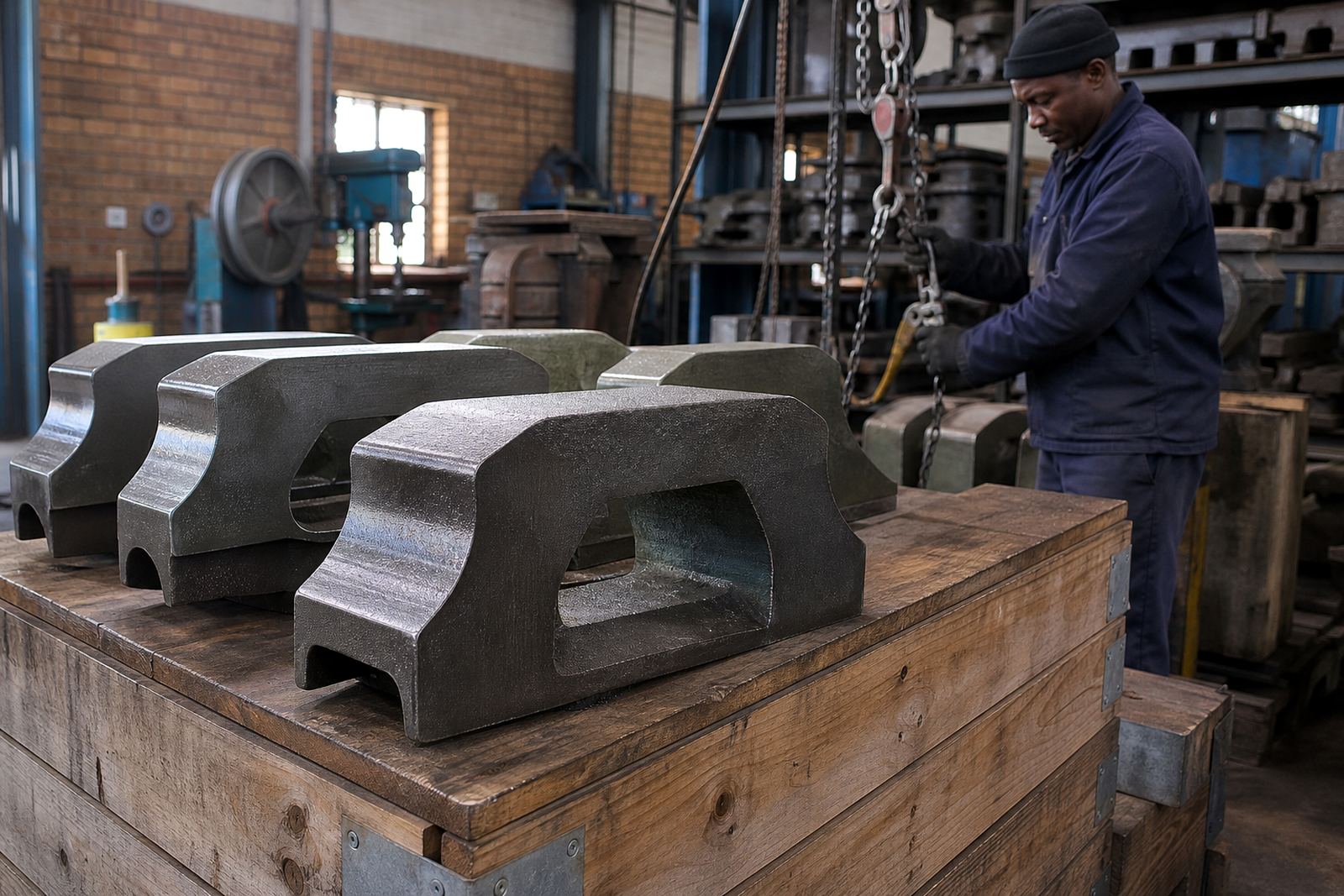
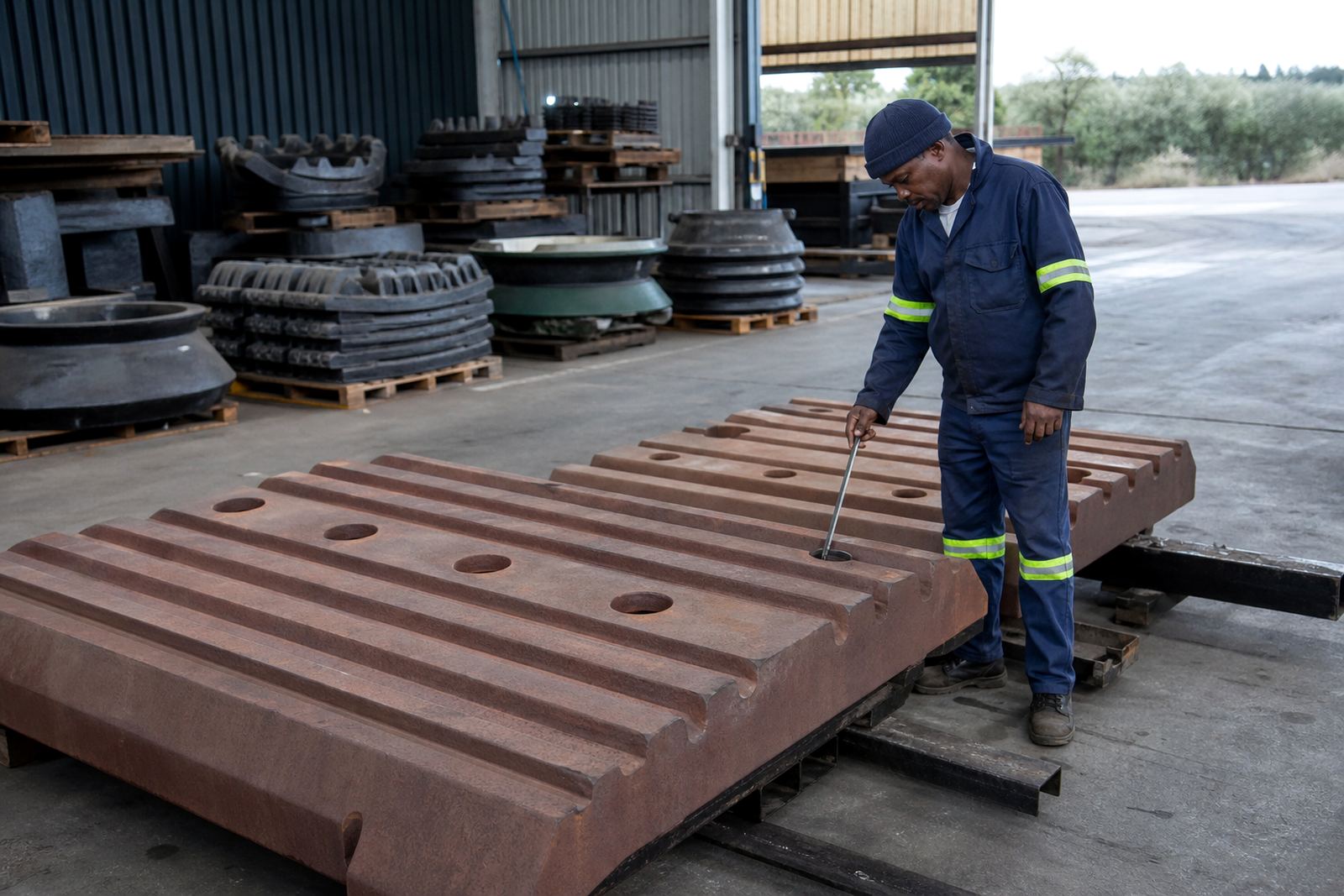
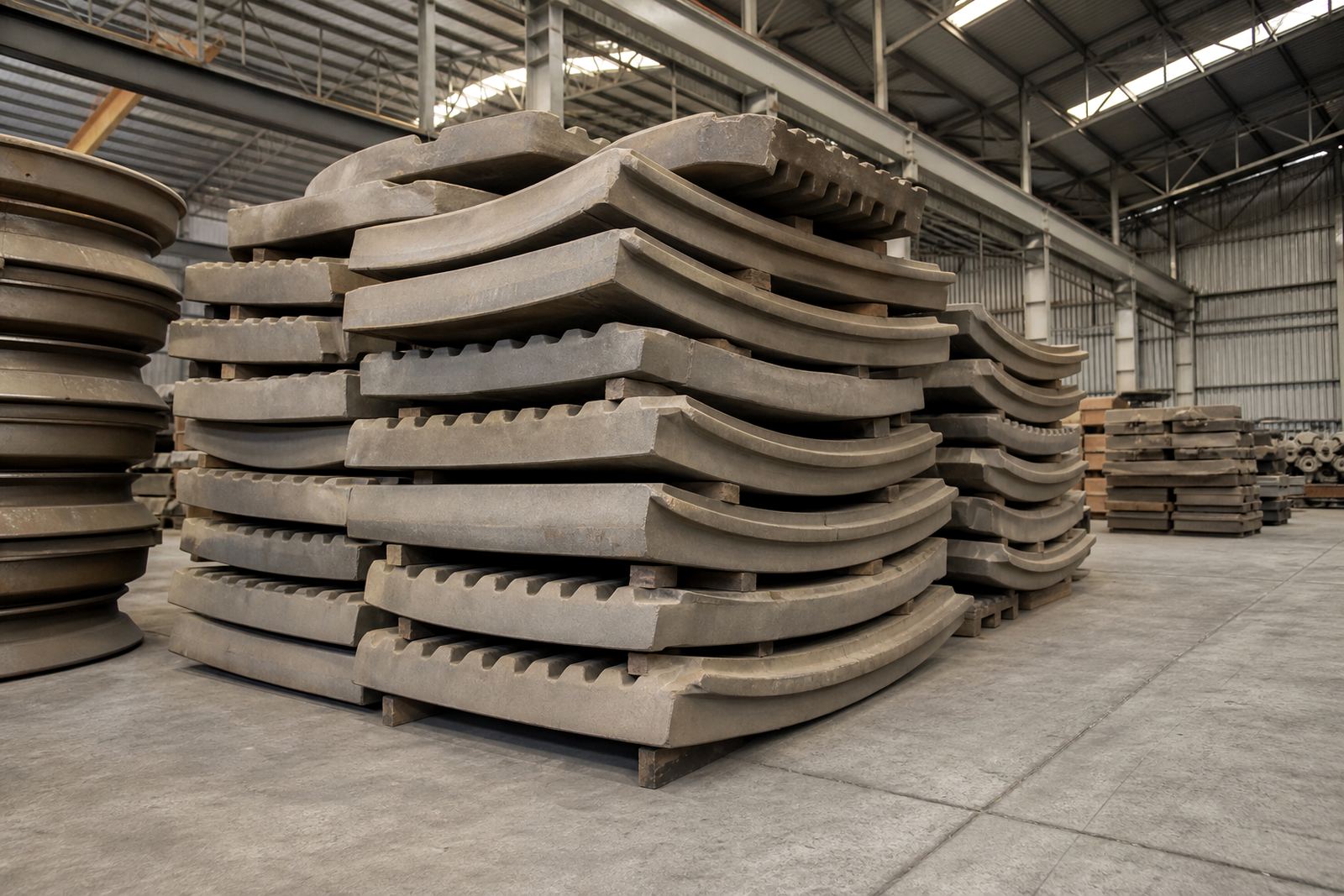
Side liners are wear parts fitted to the inside of the crusher body to protect the chamber walls from direct impact, abrasion and material build-up. They take the punishment that would otherwise go into the machine shell, which helps keep downtime under control and makes it easier to plan full wear package changes instead of patching repairs after the fact. On sites where hard rock, fines and recycled material move through the plant all day, that protection matters.
We supply side liners as part of a wider crusher wear parts programme for mines and quarries that need practical, no fuss support. These parts are commonly changed with other chamber components such as jaw plates, mantles, concaves, blow bars and liners, depending on the machine type and the duty cycle. If the chamber is working in dusty conditions, with long runs and limited access during load-shedding windows, it pays to keep the right parts ready before the shutdown starts.
- Protects chamber walls from wear and direct impact
- Supports complete wear package replacement planning
- Helps reduce unplanned repairs to the crusher shell
- Suitable for heavy-duty mining and quarry applications
Common sizes, fitment options and material choices
Side liners are supplied to suit different crusher models and chamber layouts, so the important point is the correct profile, thickness and fixing arrangement rather than a one-size answer. We work from the part details you provide, including machine type, chamber configuration, dimensions and any sample markings where available. For remote mines, getting the fit right first time avoids an extra trip to site and keeps freight costs under control.
Typical options include single pieces, matched sets and grouped kits for a full shutdown order. Thickness and section can vary according to the wear rate and the material being crushed. In some cases a heavier liner is better for abrasive ore, while a lighter option may suit shorter campaigns or specific chamber positions. When the plant is running in hot weather, in dusty Limpopo conditions or near the coast where humidity can affect stored parts, packaging and storage become part of the decision too.
- Supplied to suit specific crusher models and chamber sections
- Available as individual liners, matched pairs or full sets
- Profile and thickness selected according to duty and wear rate
- Can be bundled with other wear parts for shutdown planning
Where side liners suit best on South African sites
Side liners are used in quarries, opencast mines, processing plants and crushing stations where the chamber sees regular abrasion and impact. They are especially useful on sites that move between production cycles and maintenance windows, because the machine can be stripped, inspected and returned to service with the full wear package renewed in one planned stop. That is often the better option on remote operations where a delay can hold up trucking, stockpiles and downstream plant feed.
We supply from Middelburg, Mpumalanga into Mpumalanga, Limpopo, the Northern Cape, North West and Gauteng, with freight arranged for mines and quarries in places such as Steelpoort, Burgersfort, Phalaborwa, Rustenburg and Kathu. The same applies where access roads are rough, site entry is controlled or a delivery must land during a narrow receiving slot. Clear labelling and order consolidation help here because the site team does not want to sort through mixed parts at the gate.
- Quarries with high abrasion and repeated crushing cycles
- Remote mines with planned shutdowns and limited receiving time
- Plants that need full wear package replacement in one visit
- Sites where freight timing and secure packing matter
Installation, power use and site requirements
Side liners do not need a power source or gas supply of their own, but they must be installed correctly during a crusher shutdown with the machine isolated, locked out and cleared for maintenance. The fitment method depends on the crusher design and the fixing points provided on the chamber. It is important to check all fastening hardware, bearing access and adjacent wear parts before installation, because one damaged bolt or a misaligned liner can shorten service life fast. A tidy fit also reduces vibration and unnecessary wear on nearby parts.
For site crews, the main requirements are safe lifting access, correct tools, clean mounting surfaces and enough time to inspect the chamber before the new parts go in. In many cases the best results come from fitting side liners at the same time as other chamber items, so the whole wear package is renewed together. That makes more sense on a hard-running plant than changing one piece now and another piece next week. If power is unstable due to load-shedding, shutdown work should be scheduled around the expected outage window and backed up with site lighting or generator cover where needed.
- No direct power or gas requirement for the part itself
- Crusher must be isolated and locked out before fitment
- Clean seating surfaces and correct fasteners are essential
- Best installed together with related wear parts during shutdown
Servicing, storage and signs it is time to replace
Side liners should be checked during every planned stop for thinning, cracking, broken corners, loose fixings and uneven wear across the chamber. If one side is wearing much faster than the other, that can point to feed issues, chamber loading problems or a misalignment further upstream. In dusty areas, regular inspection is even more important because wear can hide under compacted fines. A part that looks serviceable at a glance may already be close to its limit once cleaned.
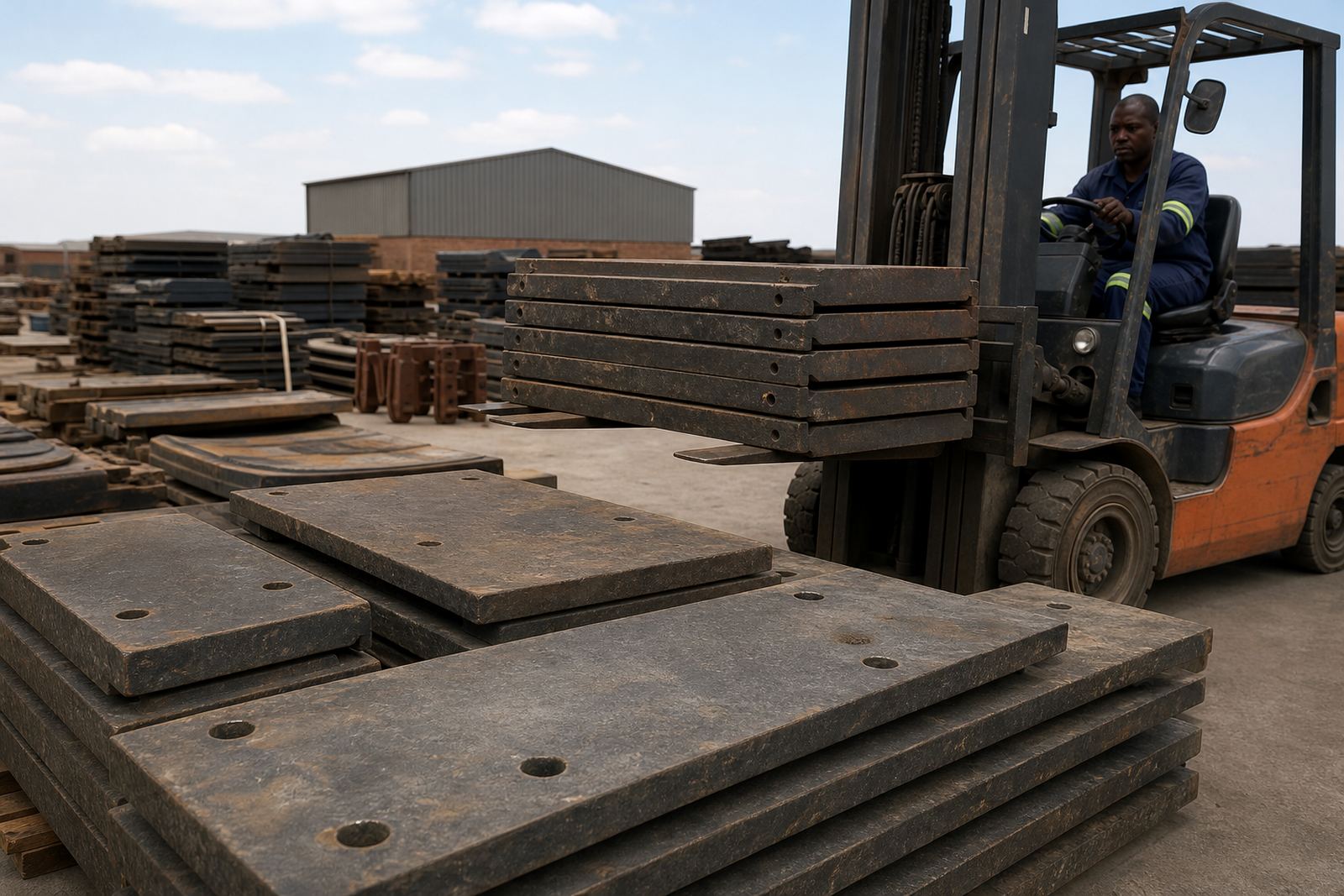
For storage, keep side liners on level pallets in a dry area with clear markings and protected edges. Coastal humidity, rain exposure and forklift damage can all shorten the usable life before the part ever reaches the machine. On the warehouse floor we treat these as stock that must be traceable and ready for urgent dispatch, especially when a customer needs a replacement during a short plant stoppage or when another ordered part has held up the whole fitment sequence. Good records help avoid the wrong liner being sent and save a lot of back and forth.
- Inspect for thinning, cracking and loose fixing points
- Check for uneven wear and chamber alignment issues
- Store dry, level and clearly labelled
- Replace before the shell or mountings are affected
What to check before ordering side liners
To supply the correct side liners, we need the crusher type, model details, chamber arrangement and any dimensions you can confirm from the existing part or the machine drawing. If you have the old liner, a clear photo of the profile and fixing holes helps. The more information we have upfront, the easier it is to match the part and arrange freight for the right delivery point. This is especially useful for remote mines where a missed spec can set back the whole shutdown plan.
It also helps to tell us whether the order is for a single replacement, a matched pair or a full kit with other wear parts. If you are building a shutdown order, we can help consolidate the side liners with jaw plates, mantles, concaves, blow bars and other liners so the site receives one clean shipment instead of several small ones. That saves handling, reduces receiving delays and keeps the store room from becoming a cluttered mess. For customers in Johannesburg East, Middelburg, Steelpoort, Rustenburg or Kathu, we can plan the route and load securing around the site’s access rules and delivery times.
- Crusher make details, model number and chamber layout
- Dimensions, thickness and fixing hole information
- Photo of the old part or drawing if available
- Quantity needed and whether it is part of a shutdown kit
Key facts
| Product type | Crusher side liners for chamber wall protection |
|---|---|
| Material options | Specified to suit application, wear rate and crusher duty |
| Fitment | Supplied to match chamber profile and fixing arrangement |
| Supply area | Middelburg base with freight across South Africa |
| Common use | Mines, quarries and processing plants |
| Ordering info | Model details, dimensions, photos and quantity required |