Jaw Wedges and Their Job in the Crusher
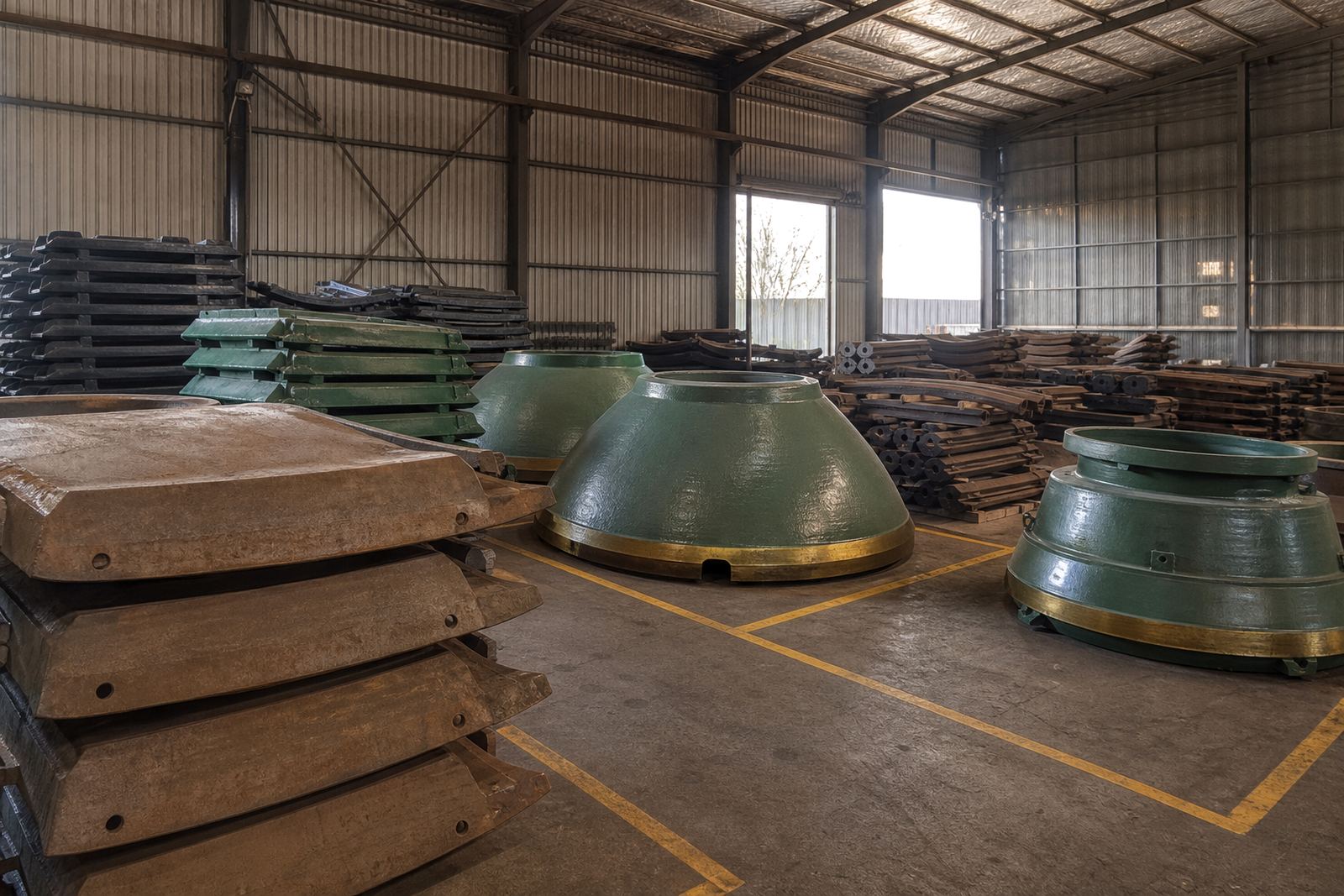
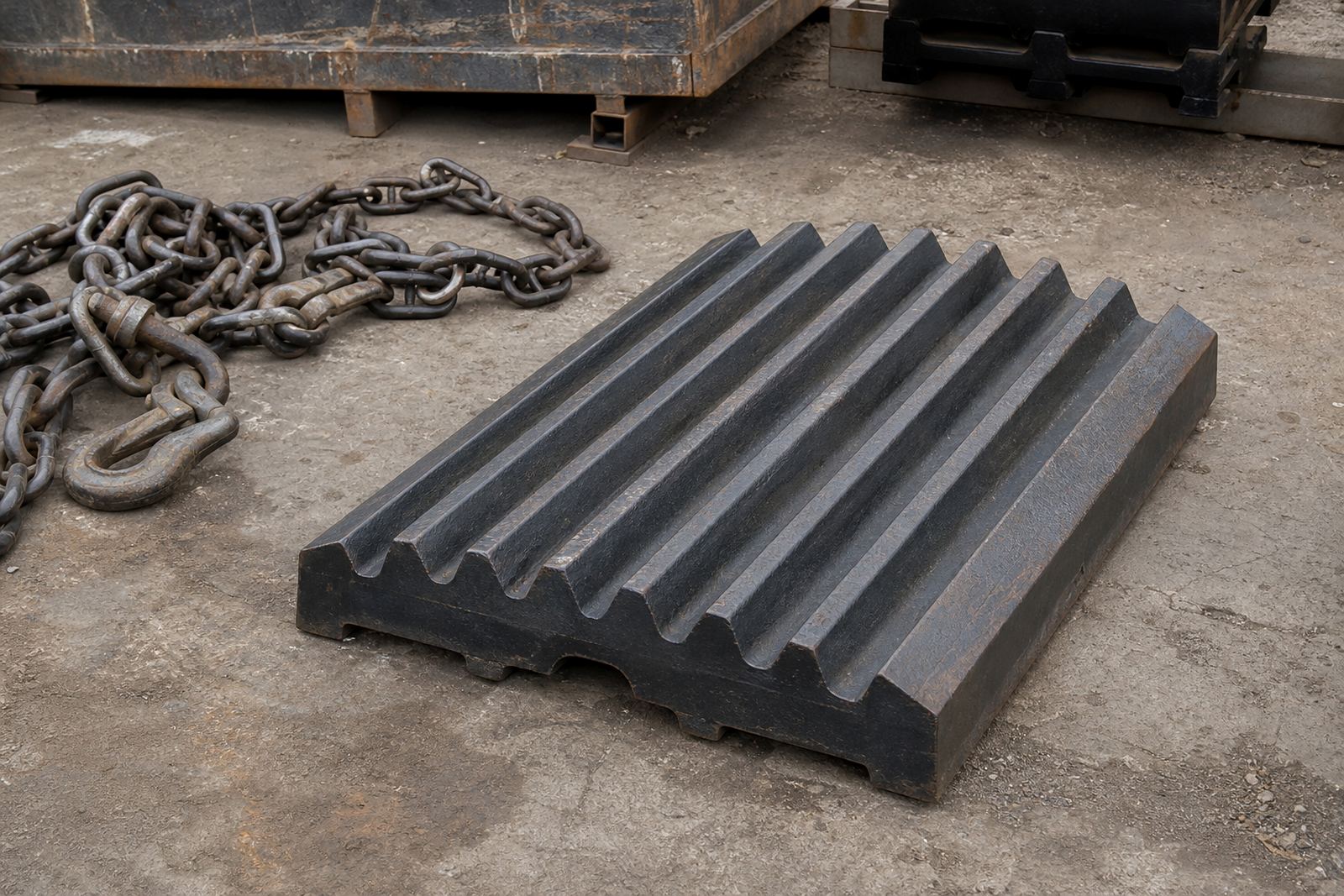
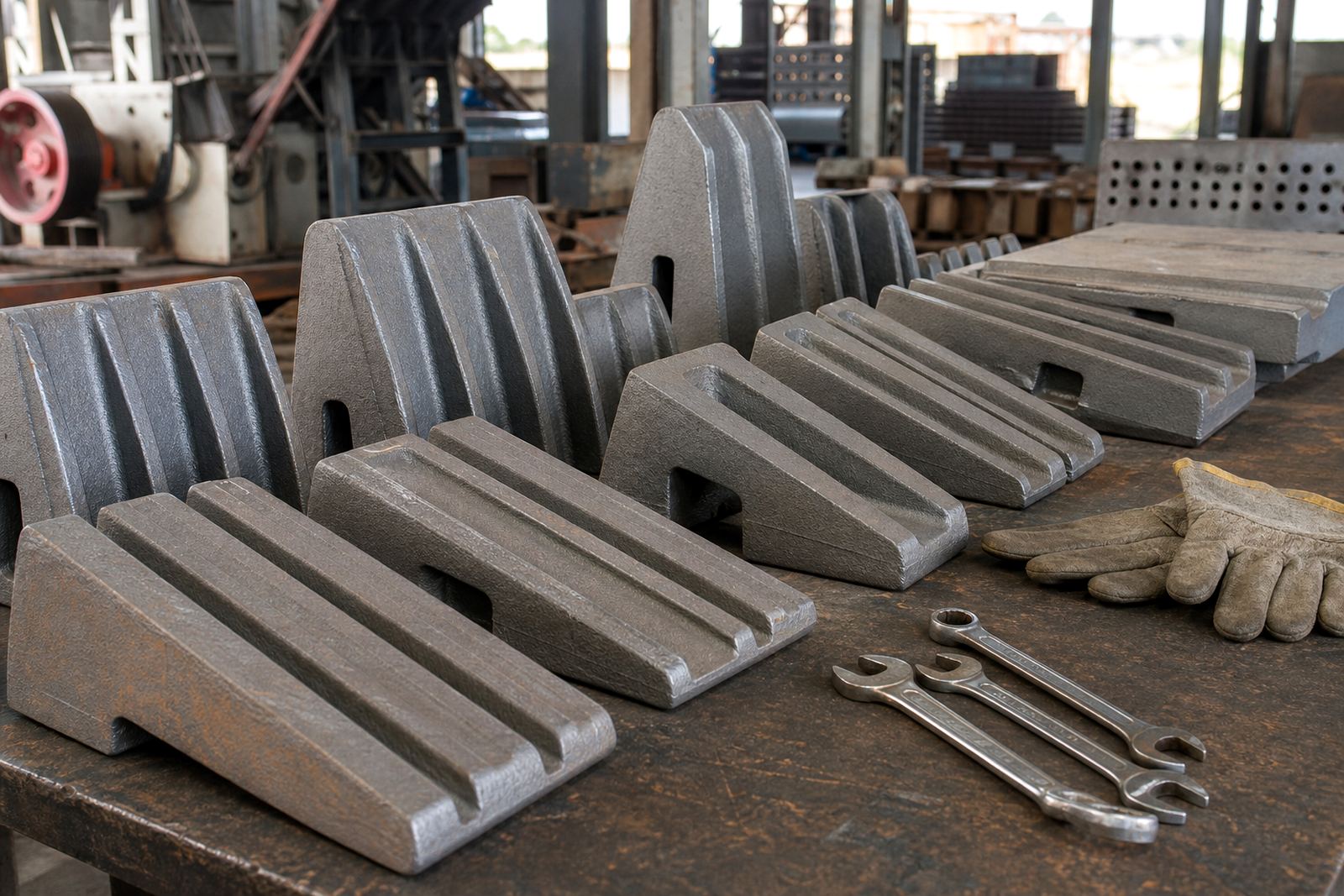
Jaw wedges are the support pieces that help lock jaw plates into position inside a crusher. They sit between the wear plate set and the machine frame or fixing surfaces, keeping the plates seated correctly while the crusher works through hard rock, gravel, ore and blasted stone. When the wedges are in good condition, the plates stay tight, wear more evenly, and the maintenance team gets a cleaner installation.
These parts are not the main crushing surface, but they matter because poor support can lead to movement, uneven wear, and extra downtime. In many plants a wedge set is swapped during a planned shutdown together with the plates, bolts, shims or other fitting items. We keep stock for sites that cannot wait for parts to be made up during a breakdown, especially where the mine is far from the main centres and every hour counts.
Typical Sizes, Profiles and Fitting Options
Jaw wedges are supplied in sizes to suit different jaw crusher models and fitting arrangements. The exact profile depends on the crusher opening, the plate thickness, the fixing method and how the wear package is arranged. Some sets are straight, some are stepped, and some are supplied as paired wedges for the top and bottom of the plate assembly.
When ordering, it helps to work from the existing wedge shape and not only the crusher name. A quick check of the old part can save a lot of back and forth.
- Single wedges and paired wedge sets
- Top, bottom or side support profiles
- Standard and heavy-duty section thicknesses
- Plain or machined contact faces
- Supplied loose or with associated fixing items where required
In South African plants, especially where spares are held for longer periods, the correct fit matters because a wedge that is only slightly off can affect plate alignment and installation time. We can match by sample, drawing, part number or measurements supplied by your maintenance team.
Where Jaw Wedges Suit Best
Jaw wedges are used on jaw crushers in mining, quarrying and material handling plants where hard, abrasive feed is processed. They suit fixed plant installations handling chrome, coal, stone, sand, aggregate and mixed ore. In Middelburg, Steelpoort, Burgersfort and Phalaborwa, they are often ordered for sites that want to keep spare wear components on hand before a shutdown window opens.
They are also useful where access is difficult and freight needs to be planned carefully. Remote mines in Limpopo, the Northern Cape and North West often need part sets loaded together so the crew on site can complete the job in one visit instead of waiting for a second delivery. That is where bundled kits and order consolidation save time and keep the workshop stocked properly.
- Jaw crushers on mining plants and quarries
- Sites with planned shutdowns and limited spare storage
- Operations that need part kits sent to remote roads and outlying depots
- Plants running in dusty, high-wear feed conditions
Installation Needs, Power and Site Conditions
Jaw wedges themselves do not need power or gas, but the installation work around them does need proper plant isolation, lifting equipment and a safe maintenance team. The crusher must be locked out before any plate or wedge removal starts. On site, crews usually need chain blocks, slings, pry bars and correct torque tools for the fixing components. Good housekeeping also helps, because fines and trapped stone can stop a wedge seating properly.
In cold mornings on the Highveld or in hot dusty conditions near Kathu, the fit can change slightly if the assembly is dirty or if the metal has sat exposed. We always suggest a dry fitting check before final tightening. If the machine is down for a shutdown, it is worth laying out the wedge set, plates and fasteners in order so the crew does not lose time hunting for the right piece. A little planning goes a long way here, especially when the site is under load-shedding pressure or working to a narrow stoppage window.
Care, Servicing and Signs the Wedges Need Attention
Wedges should be inspected whenever jaw plates are changed or during scheduled maintenance. Look for deformation, cracking, galling, wear ridges or marks that show the plate has moved. If the wedge surface is badly worn, the plate may not sit correctly and the crusher can start to make noise, vibrate or pull wear unevenly across the chamber.
Good care is simple: keep the parts clean, store them off the floor, and protect them from standing water and coastal humidity where applicable. Even though many mines are inland, some stock passes through wet yards or open freight points, so rust prevention matters. A light service check before fitting can avoid a lot of trouble later on.
- Inspect at every plate change
- Clean off dust, grease and packed fines before fitting
- Check for bending, cracking and uneven contact faces
- Store dry and label sets clearly by crusher or position
- Replace wedges that no longer seat firmly
What to Check Before You Order
To get the right jaw wedge first time, it helps to send as much fitment detail as possible. If the maintenance team has the old part, a photograph with measurements is often enough to start. If the wedge is being ordered for a shutdown kit, the plate set should be checked at the same time so the support pieces match the wear components properly.
Useful details include crusher type, side of fit, dimensions, material preference where known, and whether the order is for a full set or a single replacement. If the site uses a standing stock system, we can also help with reorder quantities and dispatch planning from our Middelburg base. For mines in Gauteng, Mpumalanga, Limpopo, North West and the Northern Cape, freight can be arranged to suit site access, gate times and offloading rules.
- Crusher model and chamber position
- Old part sample, drawing or clear measurements
- Whether you need one wedge or a full set
- Delivery site, access instructions and offloading method
- Related wear parts needed in the same shipment
Stock Holding and Freight from Middelburg
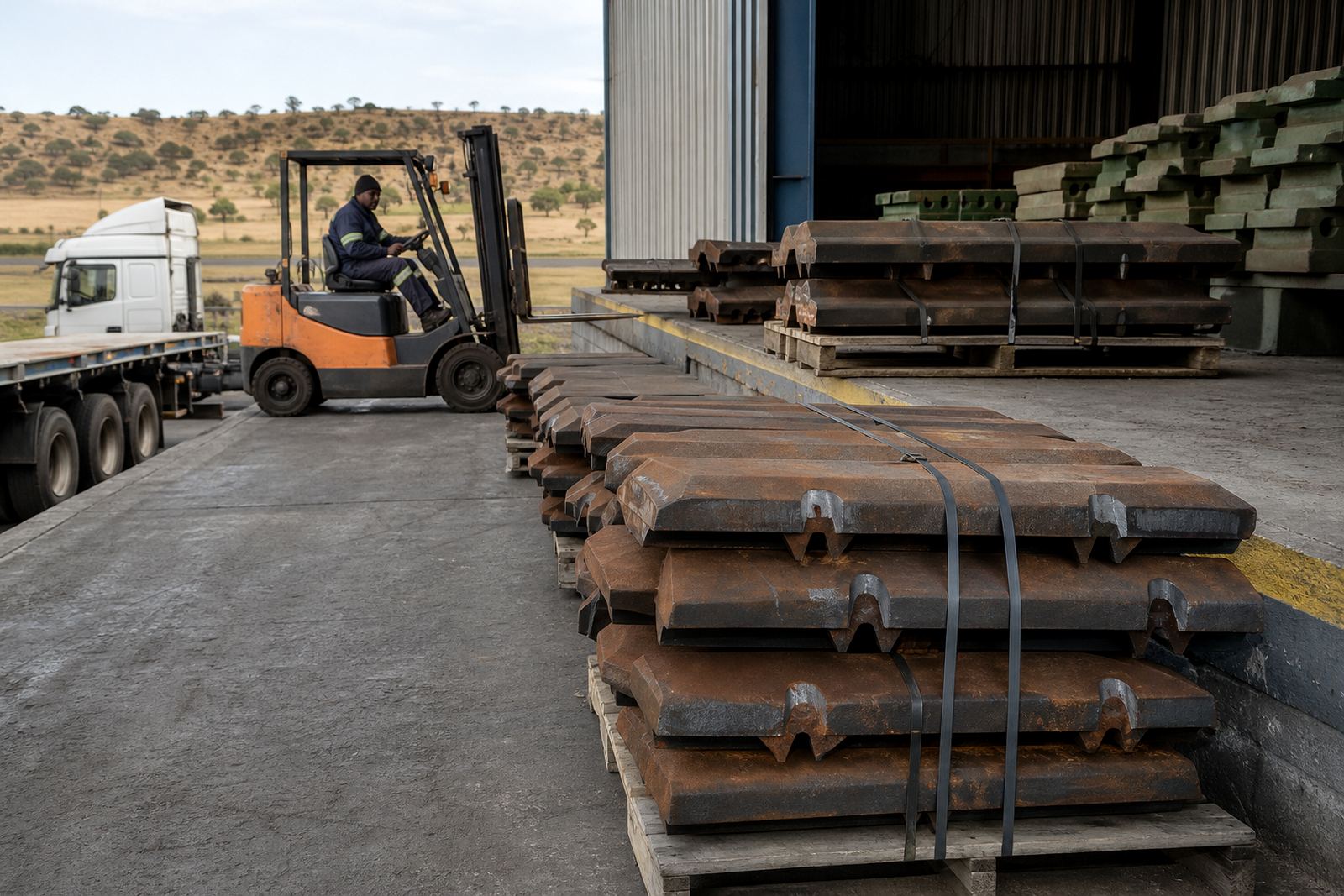
Crusher Consumables Direct keeps jaw wedges and related crusher wear parts moving from Middelburg, Mpumalanga to mines and quarries across South Africa. Our team works with stock holding, remote mine freight, urgent dispatch and shutdown planning so parts reach the site in the right order and in the right condition. That includes route planning, load securing, order consolidation and return freight planning where needed.
We support operations in Mpumalanga, Limpopo, the Northern Cape, North West and Gauteng, including Middelburg Depot, Witbank Service Area, Steelpoort Service Area, Burgersfort Service Area, Phalaborwa Service Area, Rustenburg Service Area, Kathu Service Area and Johannesburg East Support. If you need jaw wedges for a planned stop or a last-minute replacement, send the enquiry through our contact page and our team will come back with the next practical step.
Key facts
| Product type | Jaw wedges for jaw crusher wear part support |
|---|---|
| Use | Supports and helps secure jaw plates during installation and service |
| Sizes | Supplied to suit different crusher models and fitment profiles |
| Material | Wear-resistant metal suitable for heavy-duty industrial use |
| Supply base | Middelburg, Mpumalanga |
| Service area | South Africa, with regular freight to remote mines and quarries |