What wear segments do on the crusher
Wear segments are sectional wear parts fitted to the high-impact and high-abrasion zones of a crusher, usually where rock flow, pressure and rubbing wear are concentrated. Instead of changing one large component in full, you can replace the worn section only, which helps reduce waste and keeps maintenance costs more manageable. These parts are commonly used where access is limited or where shutdown time is tight.
In day to day plant work, wear segments help keep material movement more even across the chamber. They are used on machines processing hard rock, ore and recycled material, and they are useful where wear does not happen evenly from top to bottom. That makes them a practical option for remote sites that cannot afford long waits for a full rebuild every time a localised section has gone thin. On some jobs the difference is simple: one section out, one section in, and the crusher back to work without a major tear down.
Sizes, profiles and fitment options
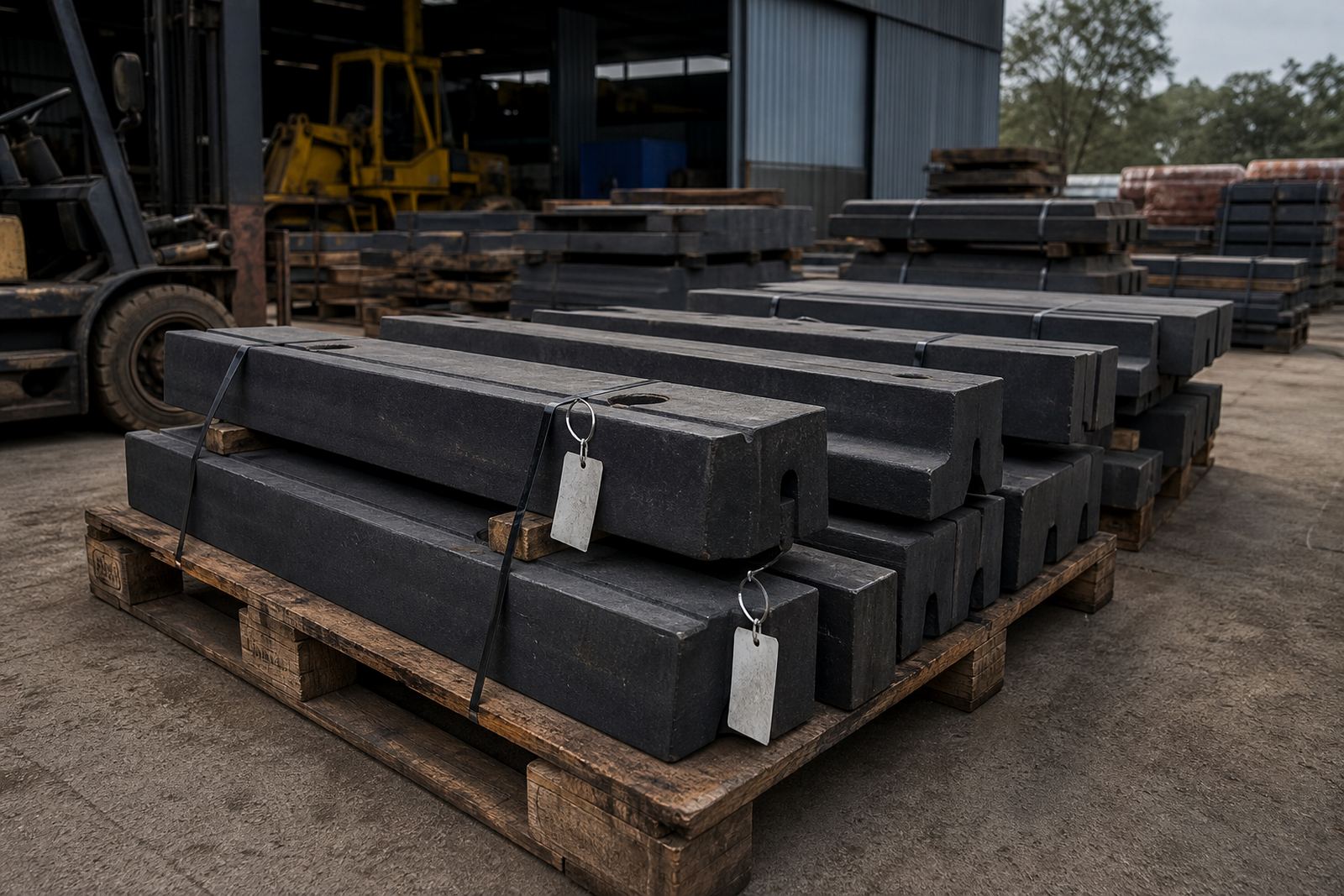
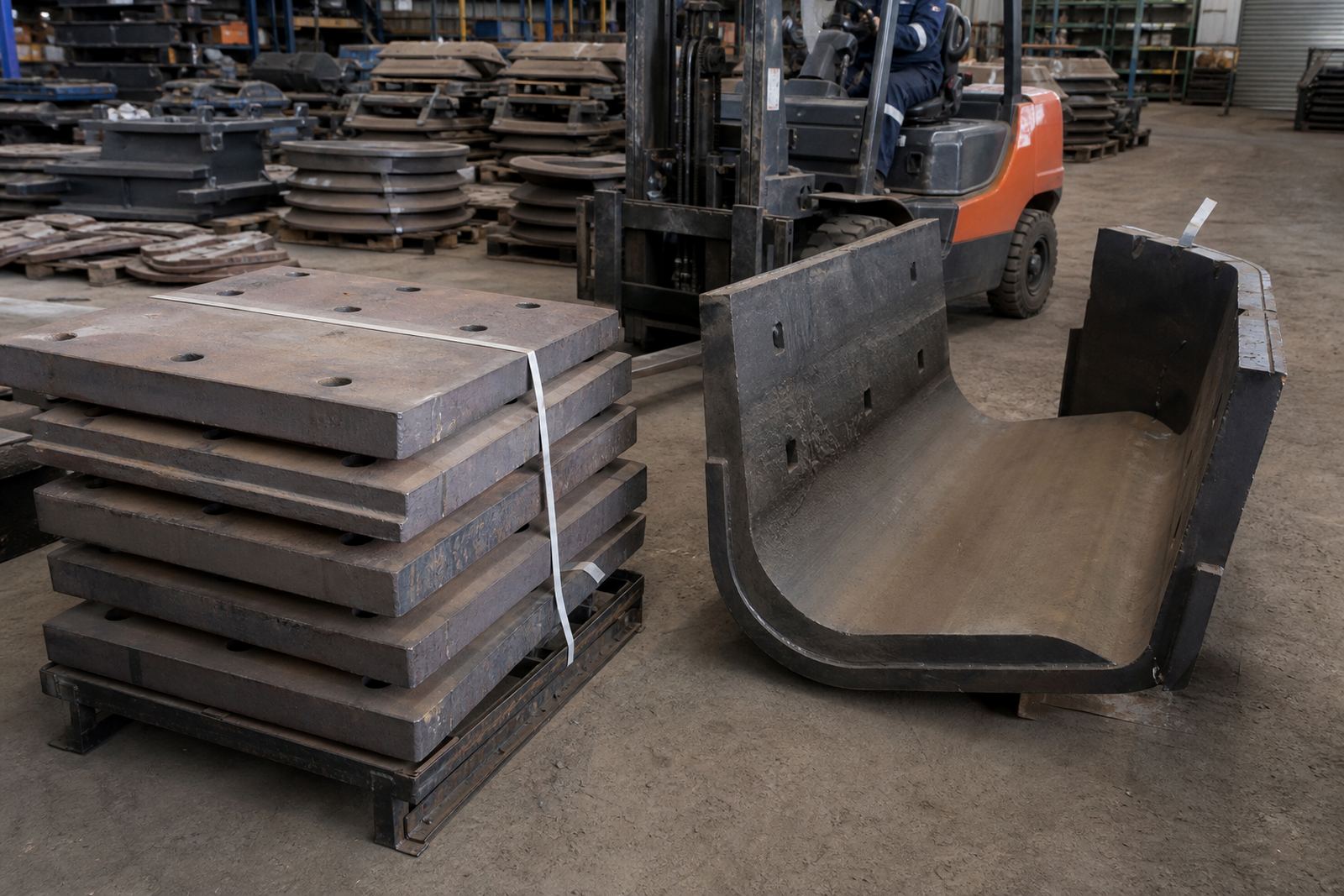
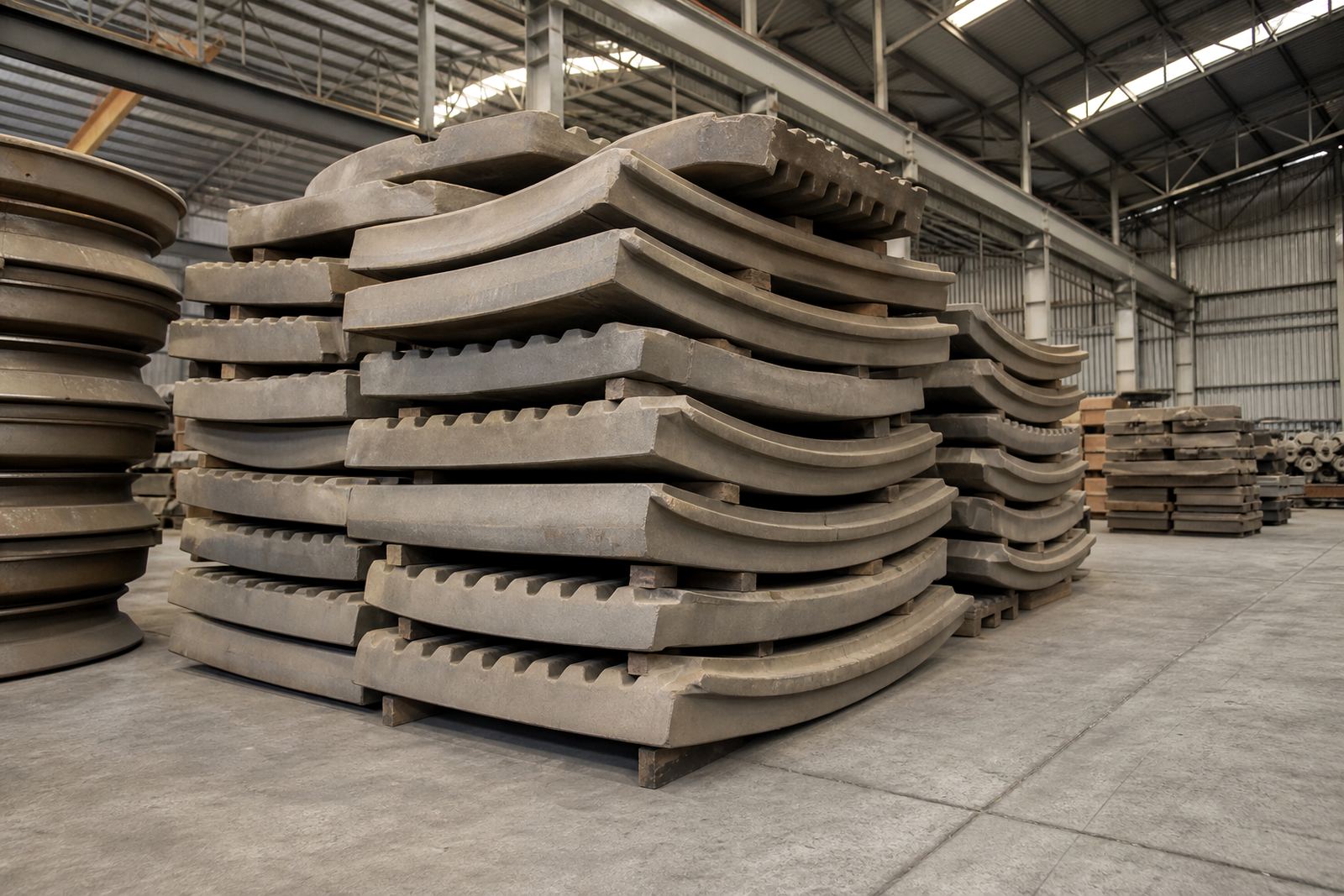
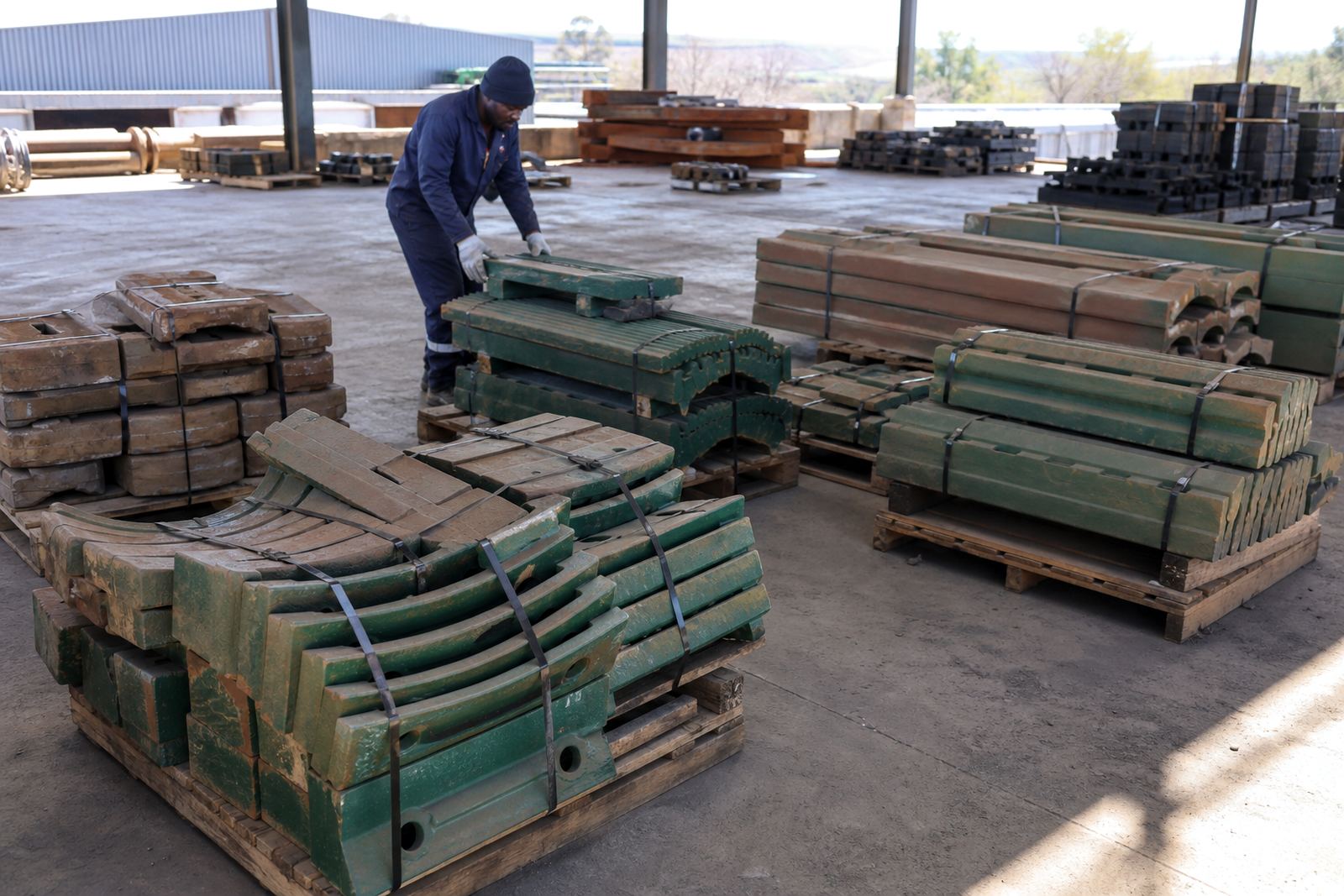
Wear segments are supplied in different profiles and thicknesses to suit the crusher zone they protect. Depending on the machine and application, they may be flat, curved or shaped to follow the chamber section they protect. Some are arranged as top, middle and bottom segments, while others are made in narrower pieces so the maintenance team can replace only the badly worn part. That flexibility is useful on sites that run mixed feed or face variable ore hardness.
When ordering, it helps to confirm the machine make, model, chamber section and the current measurements on the worn component. If you can provide the bolt pattern, overall length, height, thickness and the wear face angle, it reduces delays and avoids back and forth. For segmented liners and similar crusher wear parts, small differences in profile can affect fit and service life, so accurate details matter.
- Standard and heavy duty thickness options
- Sectional profiles for targeted wear zones
- Left and right hand pieces where the chamber design calls for it
- Bolt on or clamp style fitment, depending on the crusher setup
- Made to suit jaw, cone and impact style wear zones where segmentation is used
Where wear segments suit South African sites
These parts suit hard working plants in Middelburg, Witbank, Steelpoort, Burgersfort and Phalaborwa, as well as remote operations in Kathu, Rustenburg and the Northern Cape. They are a practical choice where access is slow, where convoy rules apply, or where a full shutdown window is hard to secure because the site is feeding stockpiles or dispatching product on a fixed schedule.
Wear segments are also useful where power interruptions and load-shedding make maintenance timing tricky. If you can only get a small crew in during a short outage window, sectional replacement can be the better option. At coastal sites or where washdown is common, it also helps to choose a profile that sheds fines and does not trap moisture against the mounting area. In humid conditions, a quick check after rain or cleaning is always worth doing.
- Mining plants with limited shutdown time
- Quarries running single or split shifts
- Remote sites with long freight lead times
- Plants that prefer sectional replacement over full liner changes
- Operations that need to keep emergency stock on hand
Installation notes and site power needs
Wear segments are mechanical parts, so they do not need gas, water, or any special utility connection. What they do need is safe lifting gear, the correct hand tools and enough room to work cleanly around the crusher. Some sites use overhead cranes, others use chain blocks or mobile lifting equipment, depending on the plant layout. If the machine is locked out properly and the chamber is clear, fitment is usually straightforward for a trained maintenance team.
Before installation, check the support surface, backing materials if used, and the condition of adjacent wear parts. If a neighbouring segment is badly rounded off or loose, replacing only one section may not solve the issue. It is also worth checking torque settings after the first run and again after the initial hours in service. A small re-tighten can prevent movement and uneven wear later on, especially where vibration is high or feed is inconsistent.
How to care for wear segments between shutdowns
Good care starts with regular inspection. Look for thinning edges, cracks around bolt holes, uneven wear on one side and any signs that fines are packing behind the segment. If wear is localised, it may point to feed segregation, an off-centre chute or a chamber that is not loading evenly. Catching that early can save you from replacing parts too soon.
Keep the area around the crusher clean enough to inspect properly, but avoid aggressive cleaning that can force dirt into joints or under the seating face. If the site works in wet ore or in damp conditions, check for corrosion under trapped material. On dusty inland sites, watch for fine build-up that can hide movement marks or loose fasteners. The aim is simple enough: keep the segment secure, keep the wear even and avoid surprise downtime.
- Inspect after the first shift in service
- Check fasteners, seating faces and any spacer plates
- Watch for uneven wear from feed misalignment
- Log wear depth so you can plan the next changeout
- Keep spare fixing hardware with the parts kit
What to confirm before you place an order
To get the right wear segments first time, send the crusher model details, the location of the part in the chamber and any measurements from the old piece. If you have the old part on hand, a clear sketch or photo with dimensions helps. For sectional parts, note whether you need a full set or only selected pieces. If the machine has been modified over time, say so upfront because that can change the fit.
It is also useful to confirm where the parts need to go. A mine in Limpopo may want stock held in Middelburg for scheduled delivery, while a quarry in Gauteng might need urgent dispatch after an unexpected failure. We support mines and quarries across Mpumalanga, Limpopo, the Northern Cape, North West and Gauteng with freight planning, bundled part kits, order consolidation and site delivery coordination. Thabo Mokoena leads the business, with support from Lerato Nkosi, Johan van der Merwe, Ayanda Dlamini, Sibusiso Mahlangu and Megan Naidoo, all focused on keeping orders moving without fuss.
- Crusher make, model and chamber section
- Dimensions, bolt spacing and thickness
- Whether you need a full set or partial replacement
- Site location and delivery timing
- Any wear pattern notes from the last shutdown
Key facts
| Product | Wear segments for sectional crusher wear protection |
|---|---|
| Typical use | Targeted replacement in high-wear zones |
| Common fitment areas | Crusher chambers, liners and localised wear sections |
| Options | Flat, curved and shaped profiles, various thicknesses |
| Installation | Mechanical fitment with standard lifting and hand tools |
| Supply base | Middelburg, Mpumalanga with freight to remote sites across South Africa |