What blow bar wear looks like before it becomes a bigger problem
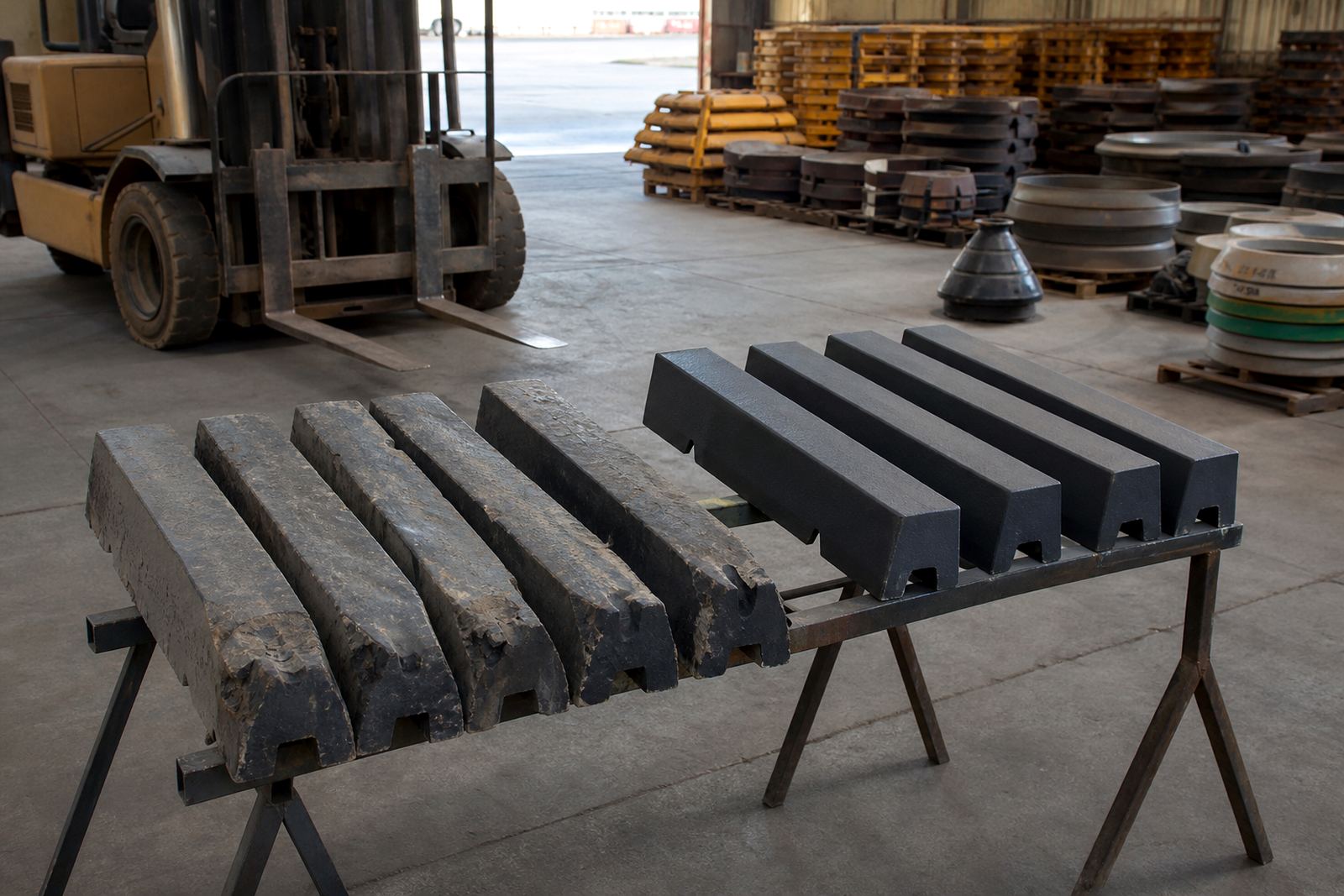
Blow bars work hard in impact crushing, so their wear pattern tells a clear story if someone is paying attention. Early in the cycle, the profile starts to round off and the striking face loses its sharp edge. Once that happens, material flow changes and the crusher has to work harder to keep up.
On site, the first signs are often practical rather than dramatic. Operators may notice a change in product shape, more oversized material in the discharge, or a finer fraction that looks uneven. The machine may also sound different, with a flatter impact note or more vibration than usual. These changes do not always mean immediate failure, but they do mean the parts should be checked before quality starts slipping.
In remote mining areas, that timing matters. When a plant is running out of Middelburg into Limpopo or the Northern Cape, waiting until output drops can cost more than the wear part itself. A planned look at the blow bars is usually cheaper than an unplanned stop.
Five signs your blow bars need attention now
The best time to inspect blow bars is before the product spec goes off target. If any of the points below are showing up, the bars may be close to their useful limit or the installation may need checking.
- Product is getting more cubical in some runs and more flaky in others
- Throughput is still acceptable, but the crusher is drawing more effort to keep pace
- There is increased vibration, banging, or a change in the normal running sound
- Wear is uneven across the bar face, with one side taking most of the impact
- More fines are appearing where the feed and discharge should be consistent
These signs can be linked to feed issues, but they often show up when blow bars are worn, loose, or no longer presenting the correct striking surface. It is worth checking the full set, not just the most visible bar.
Why output quality drops before the machine stops
Many operators expect a worn part to fail in a dramatic way, but blow bars usually affect quality first. As the striking face rounds off, impact becomes less controlled. Instead of breaking material cleanly, the machine starts to compress and skim more than it should. That can lead to poor reduction, more recirculation, and a product that takes longer to sort downstream.
When this happens, the problem may show up at the stockpile before it shows up in the workshop. Screens can start carrying an uneven load, belts may move material that needs extra handling, and the quarry team can lose time trying to chase the cause. In practice, that means a single worn set of bars can affect the full line, not only the crusher itself.
At sites around Steelpoort and Burgersfort, where haulage, dust and long operating hours all put pressure on equipment, this kind of gradual drift is common. The plant keeps running, but the quality target starts to move. That is usually the point where maintenance planning has to step in.
What to check during a routine inspection
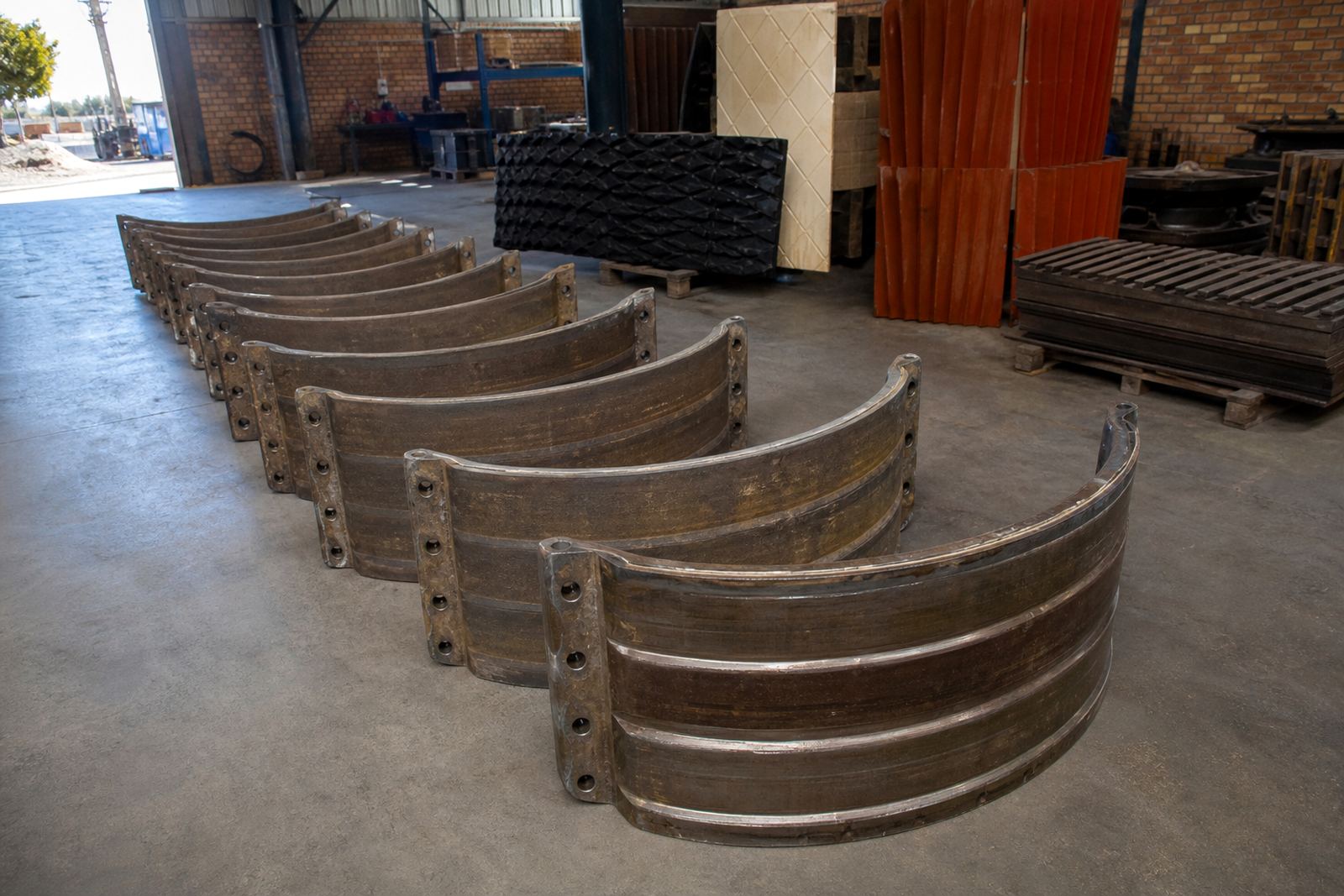
A quick inspection can tell you whether the bars still have life left or whether they need to be scheduled for change-out. The key is to look at the wear pattern and not only the remaining thickness. A bar can still measure above minimum in one spot and be well past it in another.
- Check for rounding, cracking, or chipped edges on each bar
- Look for uneven wear between the centre and outer ends
- Confirm that fasteners, wedges, and seating areas are tight and clean
- Inspect the rotor area for build-up or trapped material
- Compare the current profile to the last service note if one is available
If the machine has been running on abrasive feed, or if the site has had recent changes in feed size, the bars may need attention sooner than expected. A proper look after a shutdown is better than guessing while the plant is under load.
Local conditions around Middelburg can shorten service life
Sites across Mpumalanga often deal with dusty feed, varying moisture and long operating hours, especially when load-shedding forces recovery work into tighter time windows. That combination can put more strain on impact parts than many teams expect. In some cases, coastal humidity is not the issue, but fine dust and hot, dry conditions still change how wear progresses.
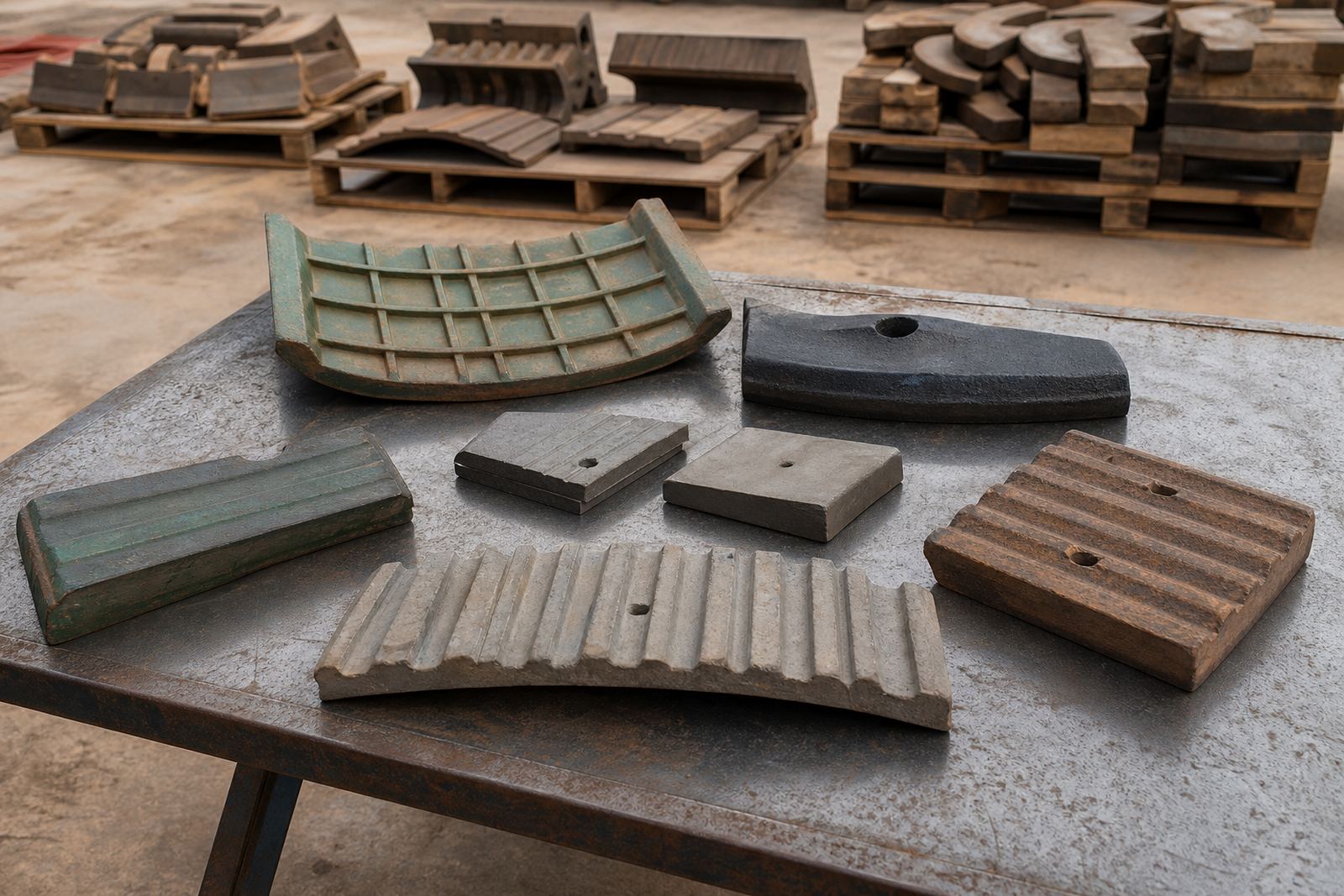
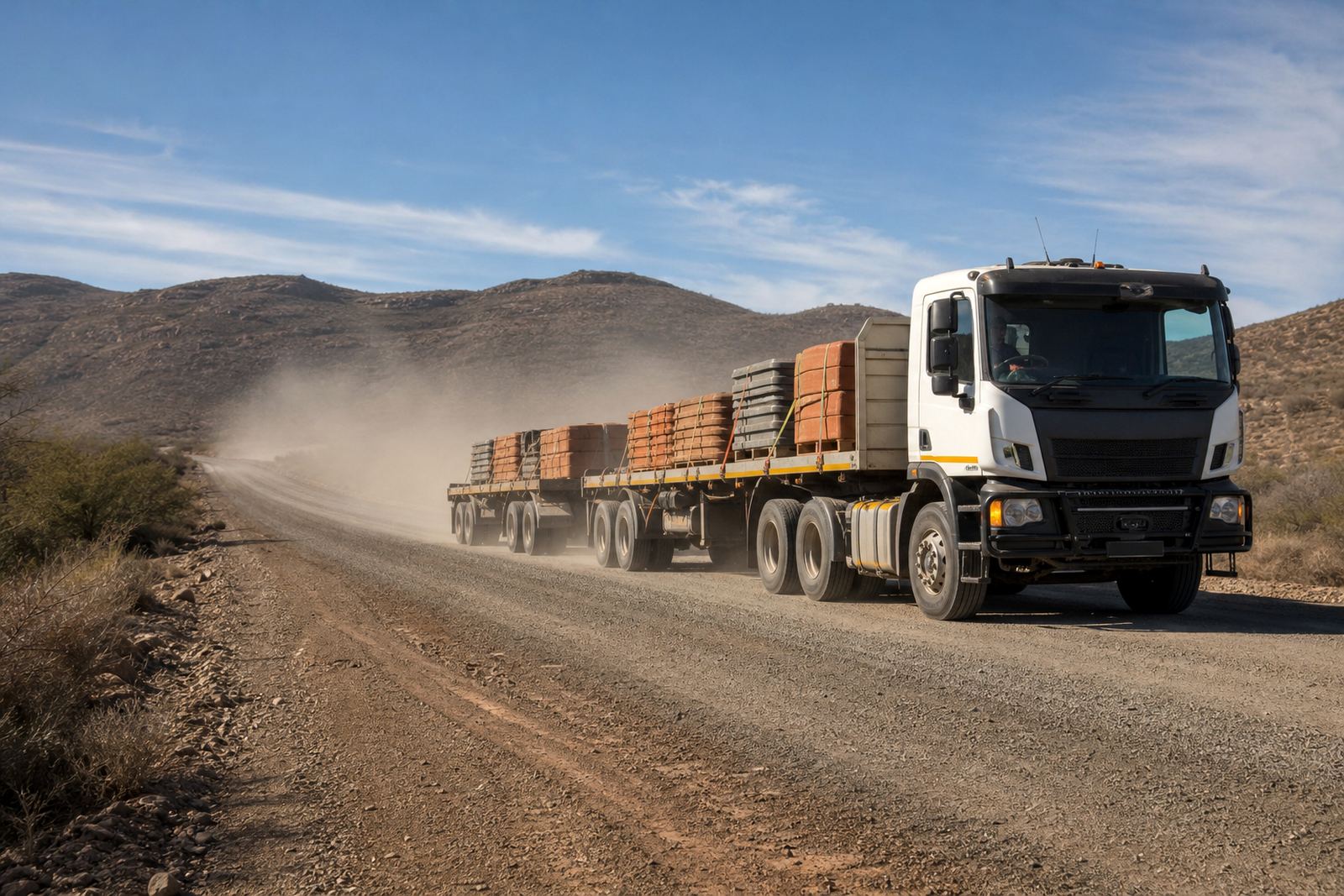
When stock is held in Middelburg, the value is not only in having parts on hand. It is also about having the right mix ready for remote movement, whether the delivery is going toward Phalaborwa, Rustenburg, Kathu, Johannesburg East, or further out to quarries in the Northern Cape. If a set of bars is needed for a shutdown, the freight plan has to match the maintenance window, not the other way around.
That is where order consolidation and route planning help. A mine does not always need one item on its own. Often it needs the bars, liners, and related crusher wear parts together so the crew can complete the job in one stop, fit for purpose, and with less handling on site.
How to plan change-outs before performance slips
Good planning starts with tracking service life against actual running conditions. Record the feed type, the date of installation, the hours run, and any change in product shape or throughput. Over time, this gives a reliable picture of when the bars are moving from normal wear into the turning point where performance starts to fall away.
For remote mines and quarries, the best approach is to line up the freight with the shutdown or maintenance shift early. That can include bundled part kits, load securing, and return freight planning for removed items. It saves time when the site is far from the nearest supply point and helps avoid split deliveries that stretch out the work.
Crusher Consumables Direct supports this from Middelburg with stock holding and freight to mines and quarries across South Africa. The practical aim is simple: keep the right wear parts moving to the right site before the crusher starts giving warning signs that are hard to ignore.