Start With What the Crusher Is Actually Crushing
The right liner material starts with the feed, not the machine plate number. A site running hard, abrasive rock needs a different wear package from one processing softer stone, recycled material or ore with moisture and fines in it. If the product is very abrasive, you usually want a liner that can take steady gouging and keep its profile for longer. If the feed is less abrasive but more impact heavy, the liner has to deal with shock and not crack early.
In practice, the decision should follow the type of feed, the reduction ratio and the amount of tramp metal risk. Jaw plates, mantles, concaves, blow bars and side liners all behave differently under wear. The same material can perform well in one chamber and fail early in another, so it helps to look at the full duty cycle instead of only the monthly tonnage. On remote sites, that kind of detail saves time when spares are coming by road and every unplanned stop has a cost.
Wear Pattern Tells You More Than the Catalogue Does
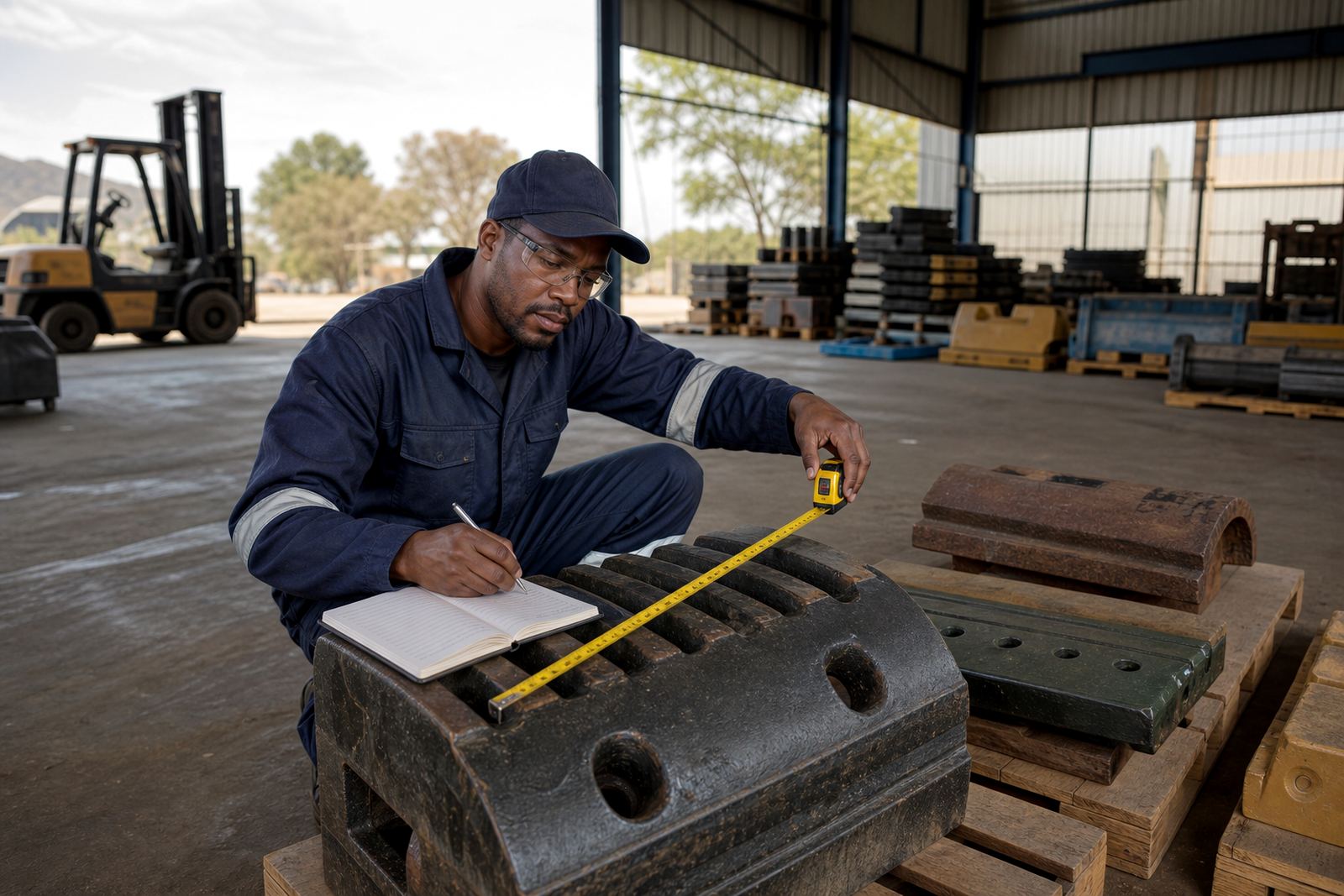
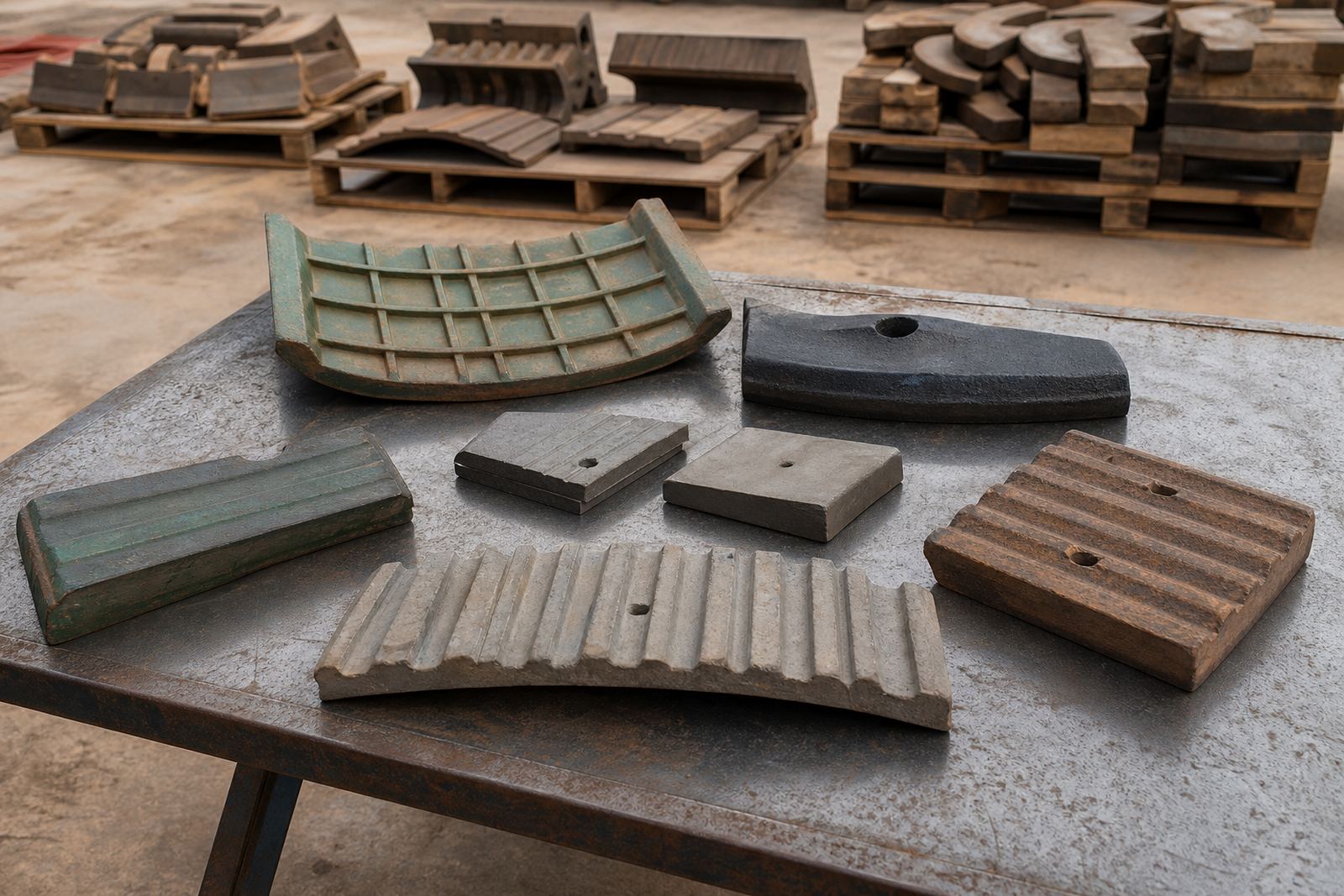
Two crushers running on similar rock can still need different liner materials because the wear pattern is different. If the liner wears evenly, the material is probably matching the application fairly well. If it wears in the centre only, or shows cracking at the edges, the issue may be feed grading, choke level, liner profile or impact loading. That is why good order support matters before the next changeout is booked.
- Flat, even wear usually points to a balanced application.
- Localised wear can show poor feed distribution or a chamber mismatch.
- Premature cracking often means too much impact or poor seating.
- Polishing without enough bite may mean the material is too hard for the feed.
It is worth keeping a simple record of hours, feed source and wear image for each set. Even a handwritten note helps. After a few cycles the pattern becomes clear, and the next selection is better informed. That is especially useful where spare delivery from Middelburg has to line up with shutdown windows and the crew cannot afford guesswork.
Hardness Is Not the Only Thing That Matters
Many buyers focus on hardness first, but liner performance is a mix of hardness, toughness and the way the material work-hardens under load. Very hard liners can resist abrasion well, but if they are too brittle for the application they may chip or crack. A tougher liner may wear a little faster on paper, yet give better real-world service because it survives the knocks from uneven feed and occasional tramp metal.
Moisture also plays a part. In damp conditions, sticky fines can build up and change how the chamber fills. On coastal or high-humidity routes this is less of a problem than at the crusher itself, but once the feed cakes in the hopper the wear pattern shifts. For quarries around Gauteng and the North West, and mine sites moving material in the wet season, liner choice should take this into account. One size does not fit every pit.
Match the Material to the Working Environment
The same crusher may need different liner decisions depending on where it is working. A remote mine in the Northern Cape, for example, may run long hauls, slow replenishment and harsher dust exposure. A quarry closer to Johannesburg East may have shorter lead times but more frequent load cycling. Those conditions affect how long a liner must last, how easy it must be to inspect, and how much changeover risk the site can accept.
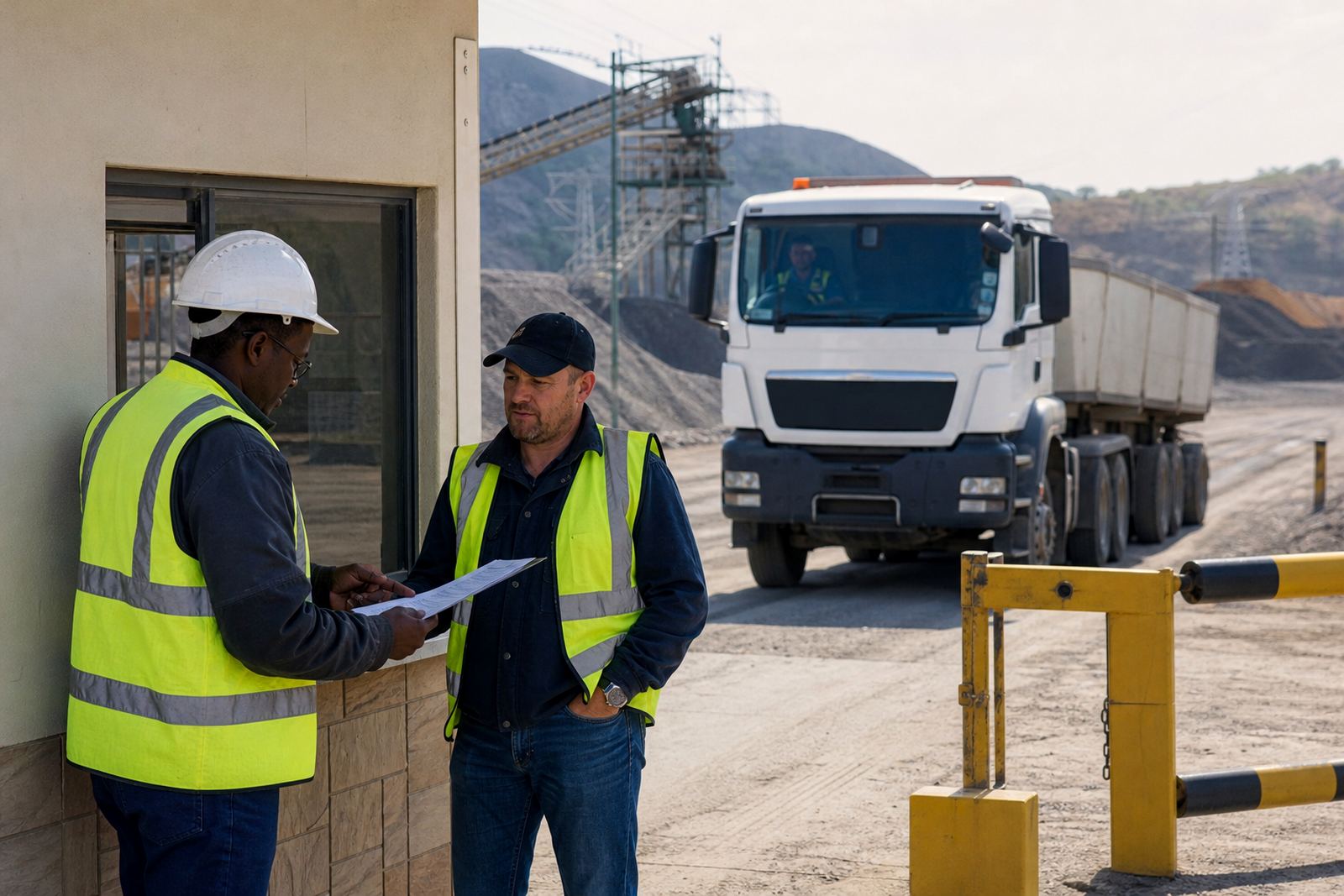
For sites in Limpopo and Mpumalanga, road access, rain, and load securing matter just as much as the wear metal itself. A liner that lasts well but arrives late still causes downtime. That is why some operations prefer to pair the material decision with shutdown planning and bundled part kits, so the correct plates, fixings and related wear items move together in one delivery.
- Remote sites often need longer-life options to stretch service intervals.
- High-impact applications may favour tougher materials over maximum hardness.
- Wet or sticky feeds need closer attention to chamber packing and discharge.
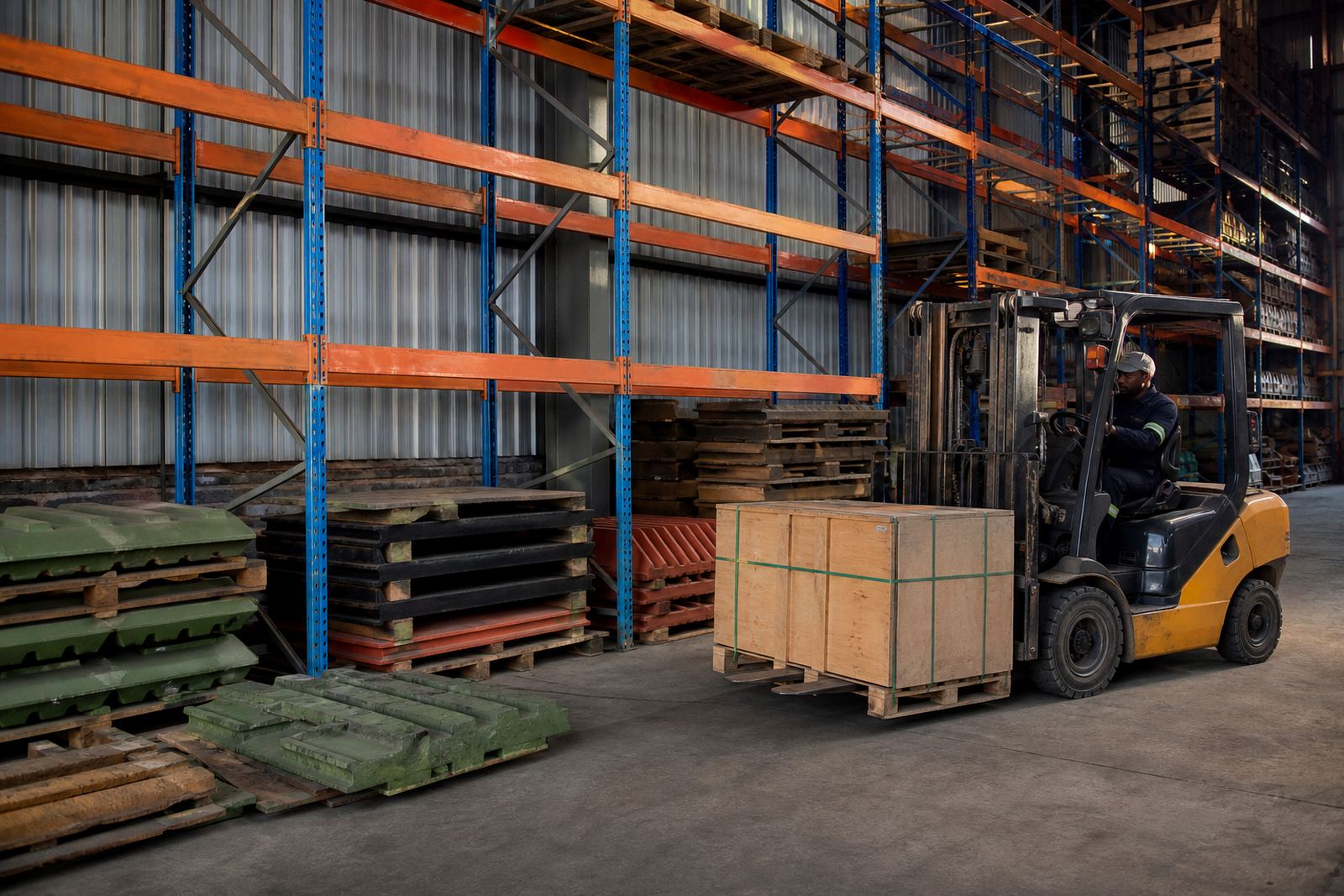
- Sites with limited storage should think about delivery timing and stock holding.
Do Not Ignore Chamber Fit and Profile
Even a well chosen material can underperform if the profile is wrong. Liner shape controls bite, throughput and the way wear is spread across the chamber. If the profile is too aggressive, the crusher may draw harder on the drive and wear fast at the top. If it is too blunt, the machine can struggle to grip feed and product shape suffers. Material and profile should be considered together, not separately.
Fit also matters at installation. Poor seating, debris under the liner or uneven torque can create early failure that looks like a material issue when it is really a fixing issue. That is why return freight planning and order consolidation are useful for sites that want old liners inspected while the next set is on the way. It gives the team a chance to compare wear, spot a pattern and adjust before the next cycle starts.
A Practical Example From a Remote Mpumalanga Site
A mine east of Middelburg running abrasive ore and long shifts needed a liner choice that would hold shape through a full shutdown cycle. The first instinct was to go for the hardest option available, but the site also had irregular feed from a mixed stockpile and the crusher saw frequent impact from larger pieces. That combination meant the toughest answer was not the best one.
After reviewing the wear marks and the source of the feed, the more suitable liner material was the one that handled both abrasion and impact with less risk of cracking. The change did not remove wear entirely, of course, but it reduced early damage and made planning for the next delivery easier. The lesson is simple: feed conditions, not just the crusher model, should drive the choice.
What Good Liner Selection Looks Like in Day-to-Day Operations
Good liner selection is visible in the rhythm of the site. The crew gets predictable change intervals, stock can be held in the right sizes, and freight can be booked before the chamber reaches the danger point. On a well-run operation, the team knows which parts are on hand, which are in transit and what the next shutdown requires. That keeps pressure down when roads are busy or weather slows access to a mine gate.
- Keep a record of wear hours and failure points.
- Inspect feed consistency before changing liner material.
- Plan freight around shutdown dates and access restrictions.
- Hold at least the critical wear parts needed for one full changeout cycle.
- Review whether the chamber profile still suits current production targets.
For mines and quarries across Mpumalanga, Limpopo, the Northern Cape, North West and Gauteng, the best liner material is the one that fits the feed, the working conditions and the delivery plan. That balance is what keeps production moving without unnecessary stops, and it is worth getting right from the start.