Why access rules can delay a simple delivery
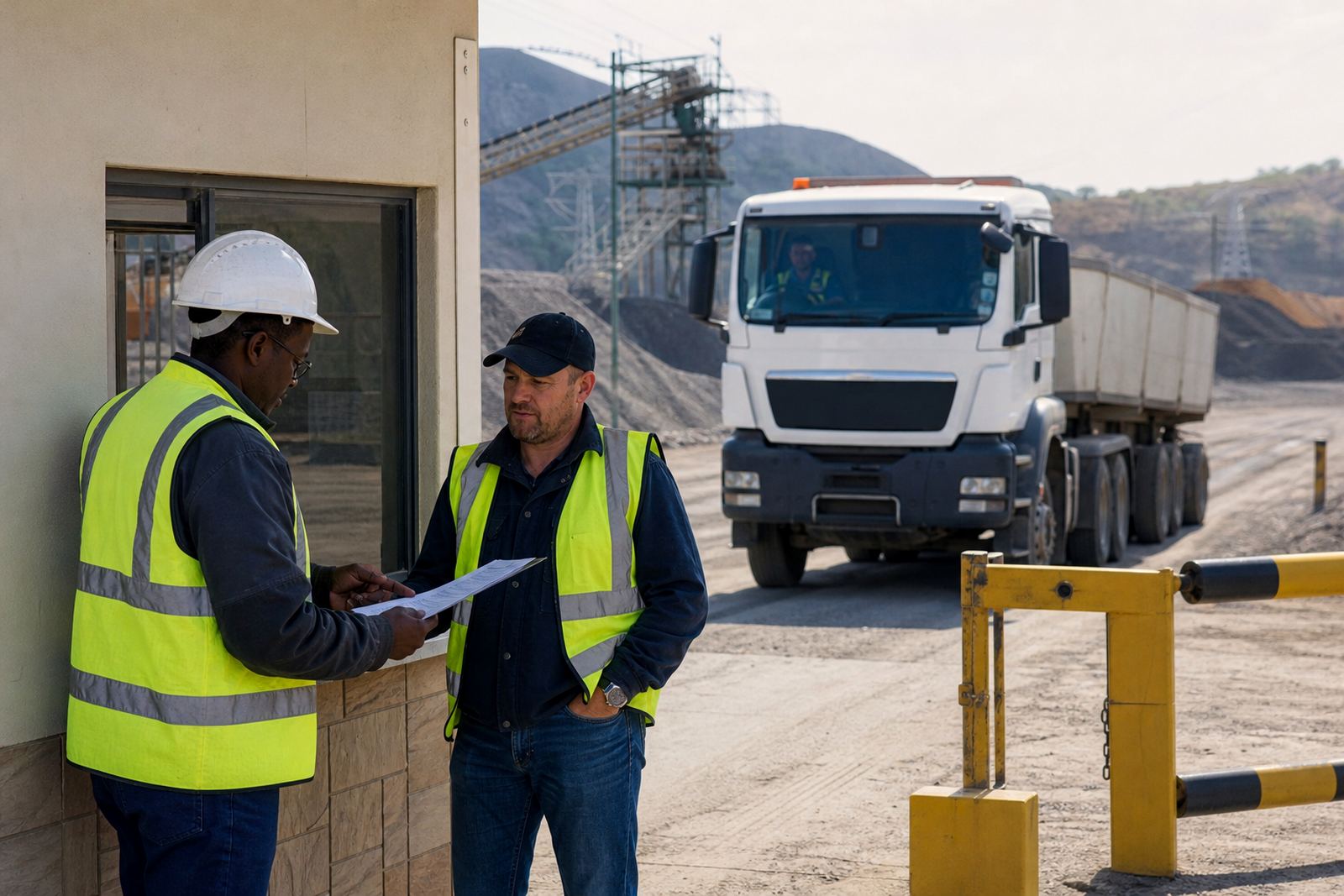
At mine and quarry level, the route into site matters as much as the route between towns. A truck may leave Middelburg with the correct crusher wear parts, but if the gate book is wrong, the driver is not cleared, or the receiving team is busy with blast control or shift handover, the delivery can lose hours. That delay affects planned maintenance, crusher uptime and the people waiting to install jaw plates, mantles, concaves, blow bars or liners.
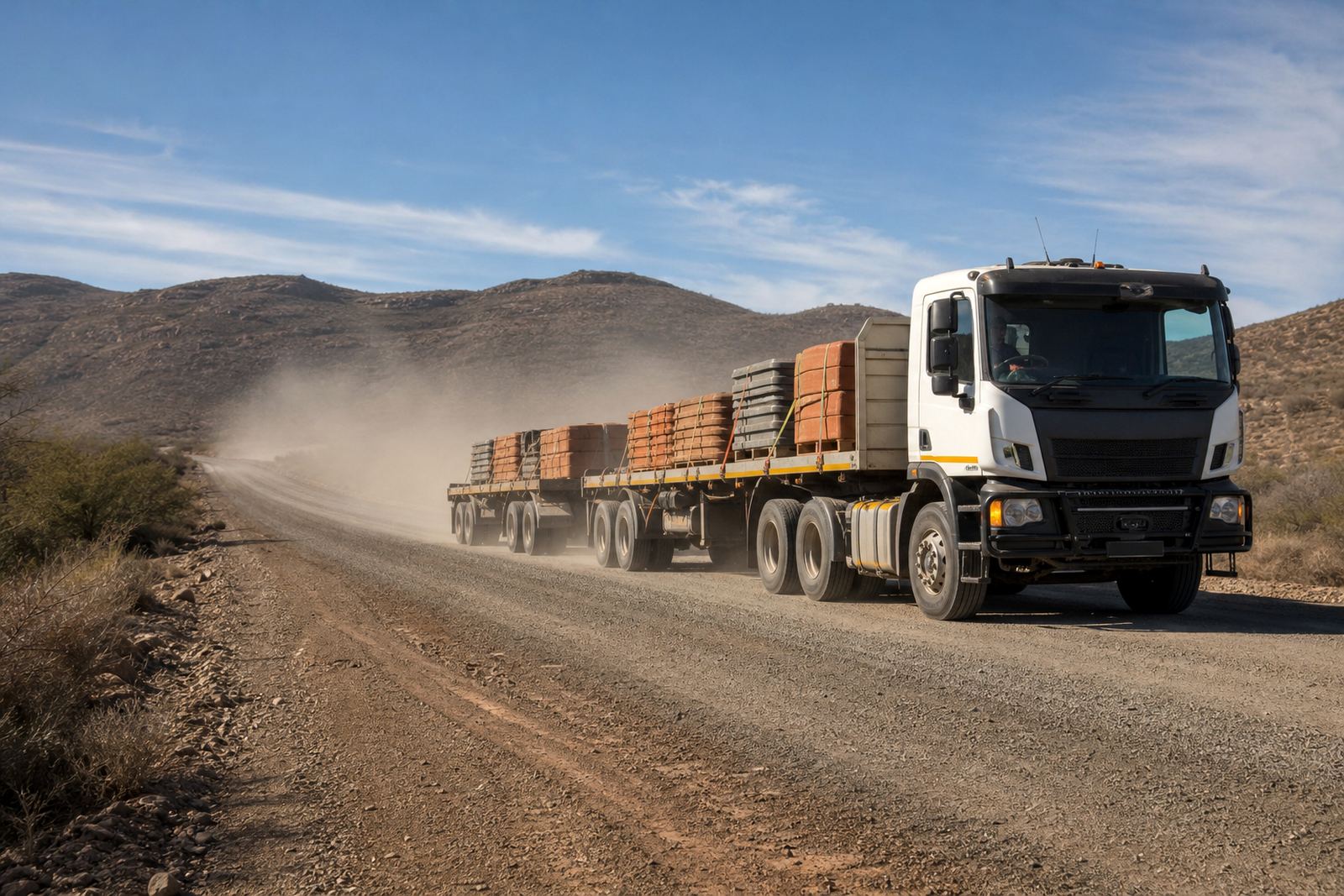
Remote sites in Mpumalanga, Limpopo, the Northern Cape, North West and Gauteng often have different access rules from one another. Some need advance vehicle registration, some only allow entry in daylight, and some require a stand-by escort from the gate to the stock area. Around heavy traffic periods, or after rain on gravel roads, even a short delay can become a missed offload. It is simple work but it needs attention, and that is where site planning helps.
What we check before a truck leaves Middelburg
Good access planning starts before loading. We confirm the receiving site, the point of entry, the name of the person taking delivery, and whether the truck must report to security, weighbridge or the stores office first. For remote mines and quarries, it also helps to know if the road is suitable for a rigid truck or if access is tighter for road trains. In some areas, especially after heavy rain or during load shedding, site traffic can move slower than expected.
- Gate opening times and cut-off times for receiving
- Vehicle restrictions, including axle limits and turning space
- Required paperwork for security and receiving teams
- Whether an escort, induction or radio check-in is needed
- Any wash bay, speed limit or PPE rules before offload
When these details are confirmed early, the freight plan is cleaner and the driver is not left waiting at the boom gate with a full load and no clear instruction.
The site details that save time at the gate
Access planning is not only for the transport team. It also protects the mine or quarry crew. If the right details are shared at the start, the load can be handled in the correct order and with the right gear ready. That matters when stock is being moved for planned shutdowns or urgent part dispatch, where a missing item can hold up an entire machine line.
These are the details we ask for on most remote deliveries:
- Full site name and nearest town or landmark
- Who signs for the parts on arrival
- Where the truck must wait if the plant is busy
- Any restricted roads, low bridges or weight-sensitive bridges
- Whether the site has mobile signal for last-mile contact
We also look at the return leg. If the site wants packaging, old wear parts or return freight moved back out, that has to be planned so the truck has the right space and the right sequence for collection. A truck that arrives with no plan for the return load often leaves with wasted space and extra handling.
A local example from the steel corridor
Consider a delivery leaving Middelburg for a quarry near Steelpoort. The road may be fine early in the morning, but the final access point could have narrow turns, a security stop and a time window around shift change. If the receiver is still underground or on another part of site, the driver may sit outside waiting while other traffic builds up behind him. That is how a simple delivery turns into an avoidable delay.
In that kind of job, we map the access in plain terms: where the truck enters, where it waits, who unlocks the receiving bay and what happens if the site is busy when the load arrives. We also check if the part shipment is bundled by machine or by maintenance crew, so the offload can happen in the right order. Small planning steps like that keep freight moving and reduce the risk of damage from repeated handling.
It also helps during power cuts. When site lighting, weighbridge systems or radios are affected by load shedding, the receiving team may need extra time to coordinate the entry. A planned arrival window gives everyone a better chance to meet the truck without rushing.
How access planning protects the wear parts themselves
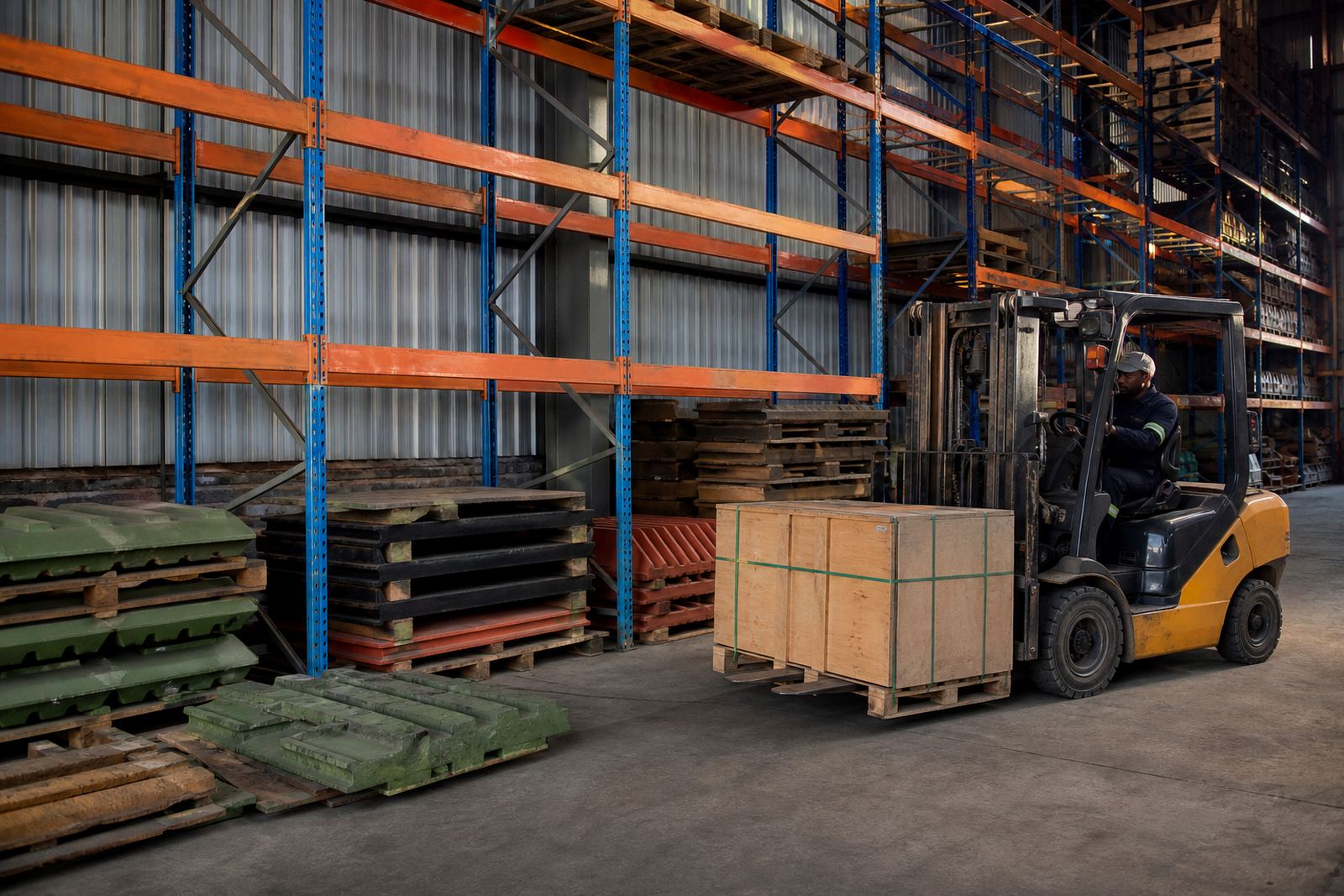
Crusher wear parts are heavy, shaped for purpose and often packed in a way that must stay stable through loading and offloading. Jaw plates, mantles, concaves, blow bars and liners can be damaged if they are dragged, dropped or shifted during a rushed handover. That is why load securing and site access go together. If the truck cannot get close to the receiving point, or if the offload area is cramped, the risk of mishandling goes up.
Planning ahead reduces that risk in practical ways. The driver knows where to stop, the site crew knows what is arriving, and the right lifting equipment can be arranged if needed. It is also easier to keep the paperwork straight when the delivery follows one clear route from the depot to the site and not a series of uncertain handovers.
Simple access checks before you confirm freight
If a mine or quarry is planning stock for the week, it helps to run through a few basic questions before confirming collection or delivery. These checks make the whole movement smoother and can prevent a missed drop on a tight maintenance schedule.
- Is the site open for receiving on the planned day?
- Does security need the truck details before arrival?
- Will the load be received at the gate, plant or stores?
- Is the access road safe in wet weather or dusty conditions?
- Is there a backup contact if the main receiver is offsite?
Answering those questions early is far easier than trying to fix an access issue at the boom gate. A good plan keeps the truck moving, keeps the crew informed, and gives the maintenance team the parts they need on time.
Keeping remote deliveries practical and on schedule
Crusher Consumables Direct works from Middelburg, Mpumalanga with stock holding and freight support for remote mines and quarries across South Africa. For access planning, the aim is simple: match the load to the site rules, the road conditions and the receiving window. That includes route planning, order consolidation, return freight planning and site delivery coordination where needed.
When the site is remote, the distance is not the only issue. Weather, security, roadworks, municipal road closures and shift patterns all play a part. Planning for those conditions in advance keeps the delivery practical instead of improvised. It also gives the client a clearer picture of when the parts will arrive, which makes shutdown planning a lot easier and a fair bit less stressful.