Why chute liners deserve the same attention as crusher wear parts
Chute liners do not always get the same attention as jaw plates, mantles, concaves, blow bars and other crusher wear parts, but they work just as hard. They protect transfer points, reduce direct steel to rock contact, and help material move where it should. When a liner wears thin, the symptoms often show up elsewhere first, with spillage, blocked chutes, noisy transfer points or a change in feed consistency.
In many plants the chute sits between stockpiles, crushers, screens and conveyors, so one worn section can affect the whole line. That is why chute liner replacement should be planned before the panel fails completely. On a remote mine in Limpopo or the Northern Cape, waiting for the last layer of wear is a costly gamble because the freight lead time can be longer than the remaining life of the liner.
What to check before you commit to a replacement
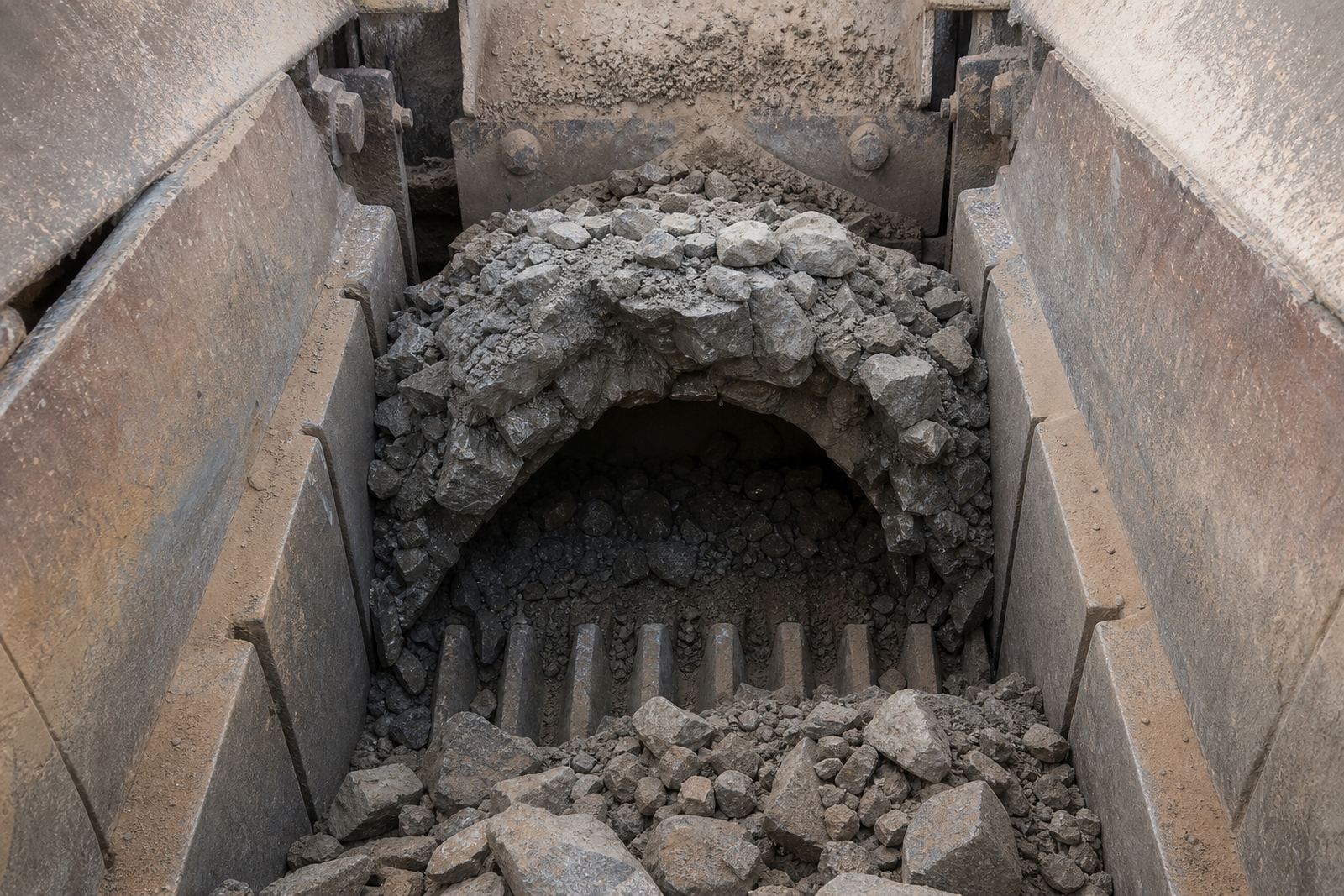
Before ordering liners, it helps to inspect the whole chute arrangement, not only the worn face. Look for impact points, dead pockets, poor angles and areas where fines build up. A liner that fails early may be telling you the issue is flow related, not only wear related. If the chute design is forcing material to hit one corner, the new plate will wear the same way.
- Measure thickness loss at several points, not just the obvious hotspot.
- Check for cracked fasteners, loose clamps and damaged backing plates.
- Look at material size, moisture and abrasiveness, especially after rain or in coastal humidity.
- Confirm the chute geometry still suits the current plant setup, as feed rates often change over time.
- Review access space for lifting gear, hand tools and safe removal.
It is also worth checking whether nearby liners are due at the same time. Bundling adjacent wear items can save a return trip and reduce labour interruptions during a shutdown.
How to plan chute liner replacement around shutdown work
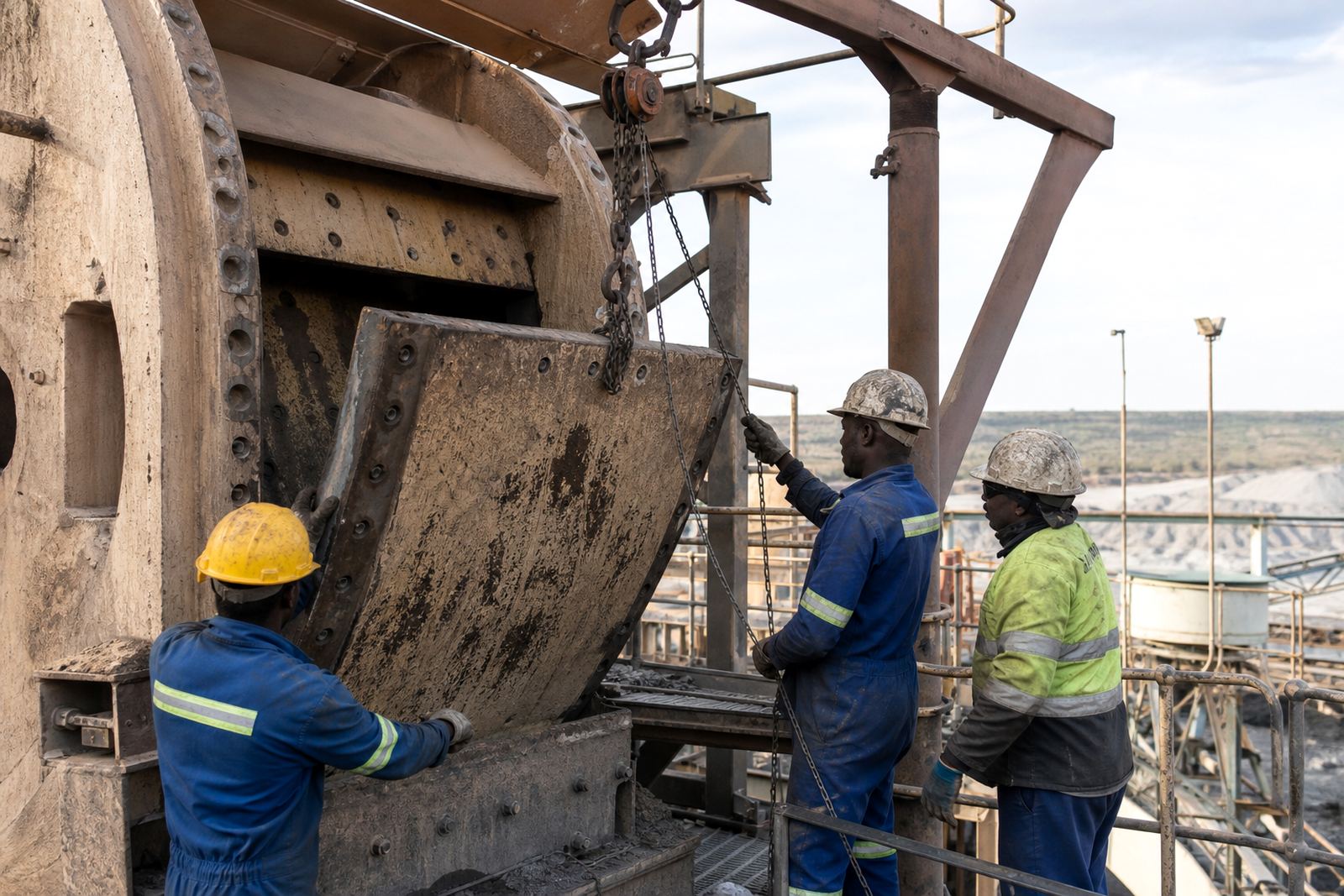
On crusher area maintenance work, timing matters as much as the part itself. If the chute liners are replaced during a planned shutdown, the team can work through inspections, weld repairs, chute cleaning and fastening checks in one pass. This reduces the chance of coming back a week later for a second stop. On sites near Middelburg, Witbank or Steelpoort, that kind of planning can make the difference between a short stoppage and a lost shift.
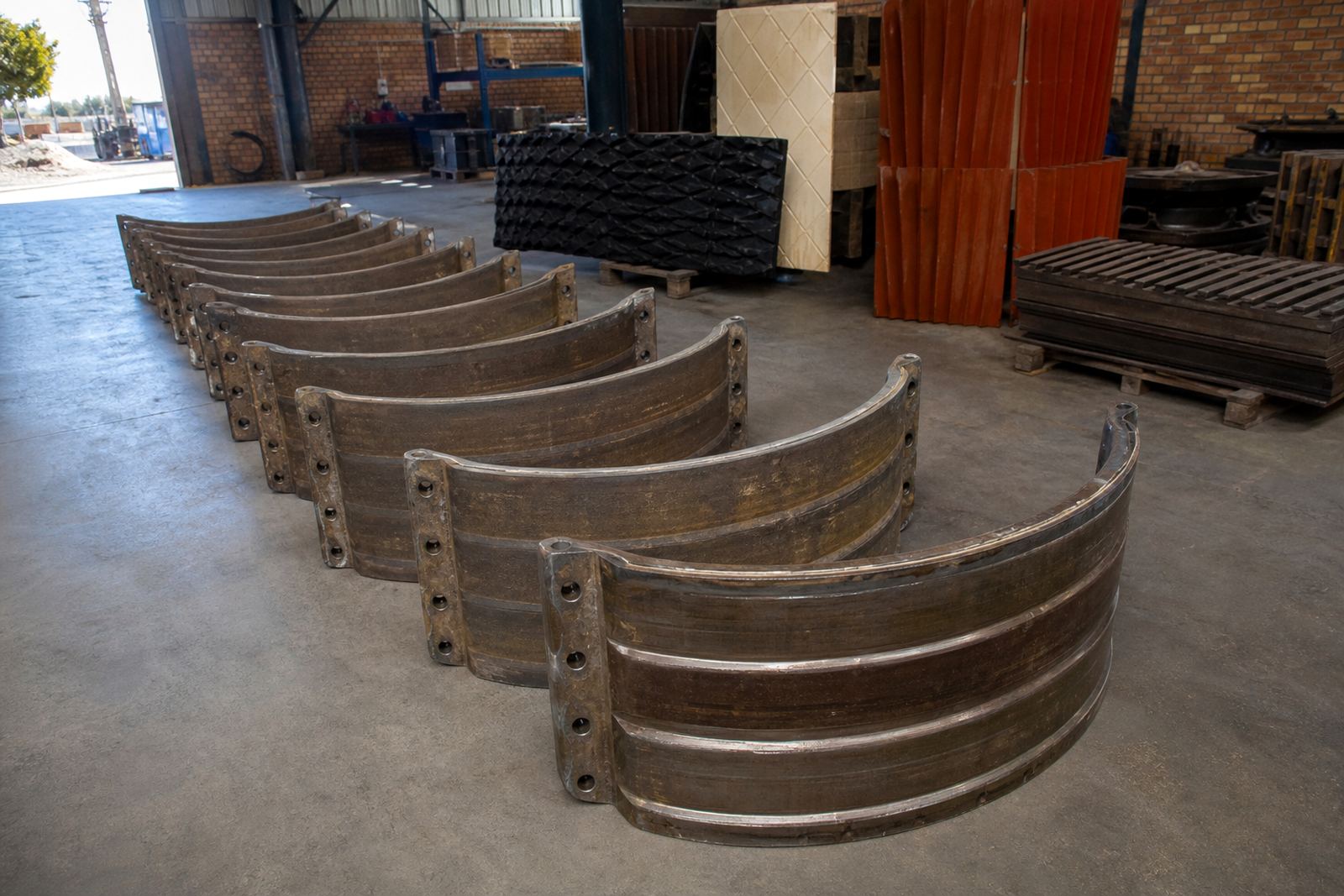
Good shutdown planning starts with a parts list, confirmed sizes and a clear loading sequence. Chute liners are not always simple flat plates, so one mistake in hole spacing or profile can hold up the job. When the mine is farther out, for example near Kathu or Phalaborwa, freight should be arranged early so the replacement set arrives with enough time for checking before the outage begins.
- Confirm the exact liner positions and quantities.
- Set aside sealants, bolts, washers and any backing material needed.
- Plan lifting points and access equipment before the shutdown starts.
- Allow for safe removal of old liners, especially where buildup has locked them in place.
- Keep a spare set for urgent part dispatch if the wear rate is higher than expected.
Freight and stock holding for remote mine and quarry sites
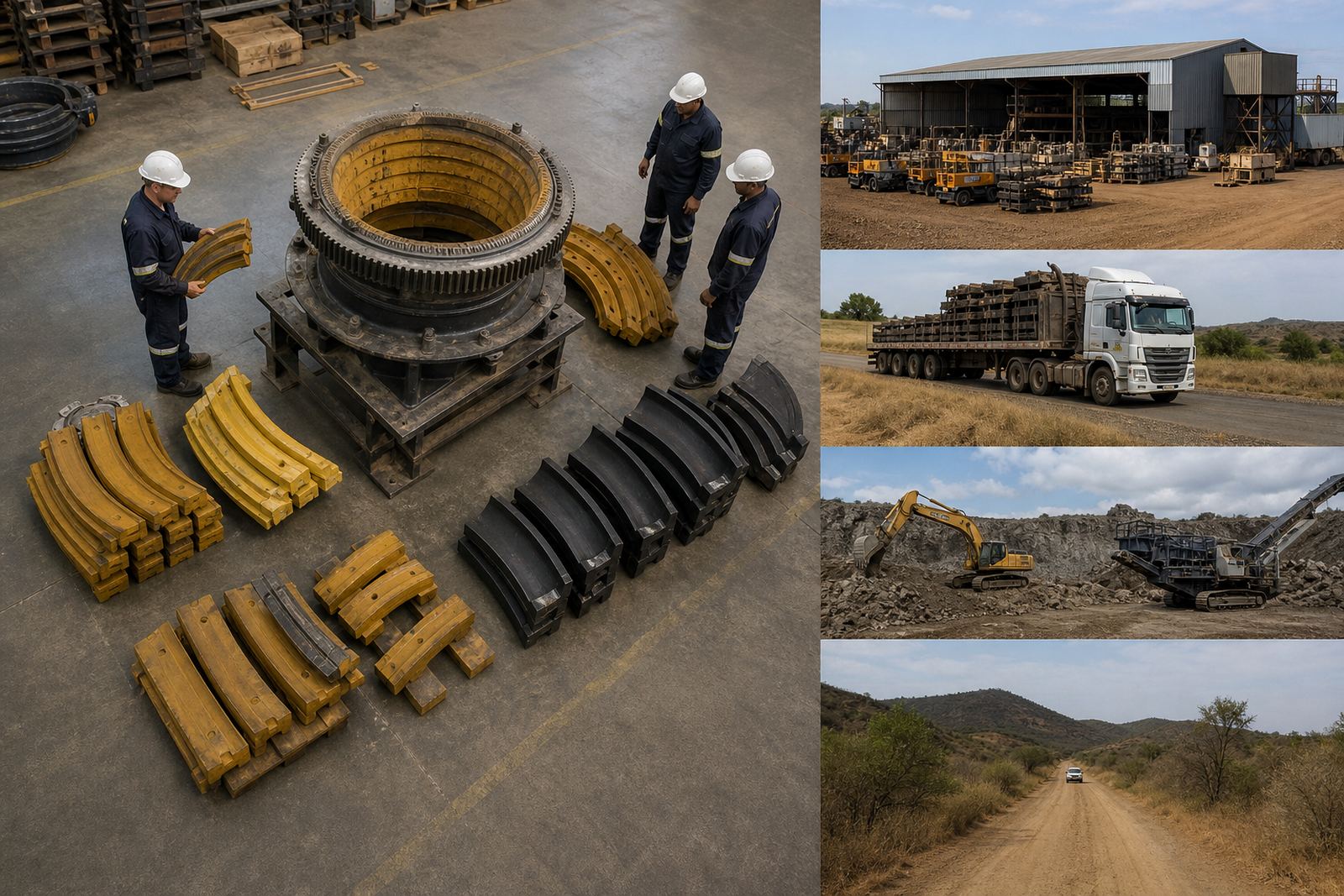
For remote mines and quarries, the biggest risk is not only wear, it is time. A chute liner can be fully specified, but if the part is not in stock or the load is not secured properly, the maintenance crew loses the window. That is where stock holding makes a practical difference. When the key wear items are held in Middelburg and freight is managed with route planning, the site can move from order to delivery with fewer delays.
Crusher Consumables Direct works with remote sites across Mpumalanga, Limpopo, the Northern Cape, North West and Gauteng, so freight needs to account for long distances, site access controls and the conditions on the road. Some quarries can receive a truck at the gate, others require timed delivery or smaller vehicle transfers. Load securing also matters, because lined steel can be awkward to handle and damage during transit wastes both time and money.
In dry areas, dust ingress is a constant issue. In wetter areas, such as parts of Mpumalanga, moisture can affect storage and handling if liners are left exposed. Good packaging and order consolidation help keep the material ready for installation when the team finally gets the crane in place.
The local practicalities that often get missed
Chute liner replacement is not only a mechanical job, it is also a site access job. Some mines require delivery booked around shift change, weighbridge rules or entry permits. Others need confirmation on the length of the trailer, offloading method or whether the chute section must be broken into smaller items for easier handling. These details sound small, but they can stop a job dead if they are missed.
At sites around Rustenburg, Johannesburg East and the Steelpoort area, traffic timing can affect the delivery run, while longer routes to the Northern Cape may need more careful consolidation to avoid split loads. If the order includes liners, bolts and other wear parts, it is usually better to keep them together rather than sending separate consignments. That way the team has everything on site when the fitter opens the chute.
There is also the matter of site storage. A liner left on uneven ground or in standing water can be harder to fit later. Keep it on level timber or pallets, cover it properly, and confirm the orientation before moving it into the work area. A small bit of preparation saves a lot of rework.
When to replace, repair or hold for the next stop
Not every worn chute liner must be replaced immediately, but a decision should be based on thickness, cracking, deformation and the condition of the fastening points. If the plate has lost most of its wear layer, or if a crack is spreading toward the fixings, replacement is usually safer than patching. Repairs can work on minor issues, but only if the base structure is still sound.
In practice, the best time to replace is when the liner is still removable without forcing the structure. If the team has to cut, heat or hammer excessively, the job is already taking too long and may damage surrounding steel. For remote operations, it helps to keep a record of wear intervals so the next order can be planned before the chute becomes critical. That record is especially useful where ore conditions change with the season, because liner life can shift quite a bit from one month to the next.
When chute liner replacement is treated as part of crusher area maintenance, rather than as an emergency call-out, the plant stays easier to manage and the crew has a clearer picture of what needs attention next.
A simple example from a busy Mpumalanga site
On a limestone and aggregate site outside Middelburg, the maintenance team noticed fine material building up under a transfer chute and a steady increase in clean-up time after each shift. The chute liners were still intact at a glance, but a closer inspection showed heavy wear at the impact zone and loosened fixings on one side. Instead of waiting for a failure, the team scheduled replacement with other crusher area work and ordered the full liner set together with the fasteners needed for reassembly.
The job was easier because the liners had been identified early, measured properly and delivered before the shutdown. The crew completed the change, cleared the chute and checked the feed path before starting up again. It was not a dramatic intervention, but it kept the line moving and avoided a surprise stop two weeks later. That is usually how good maintenance works, quite ordinary on the day, but valuable once production is back on track.