Where wear starts in the crusher path
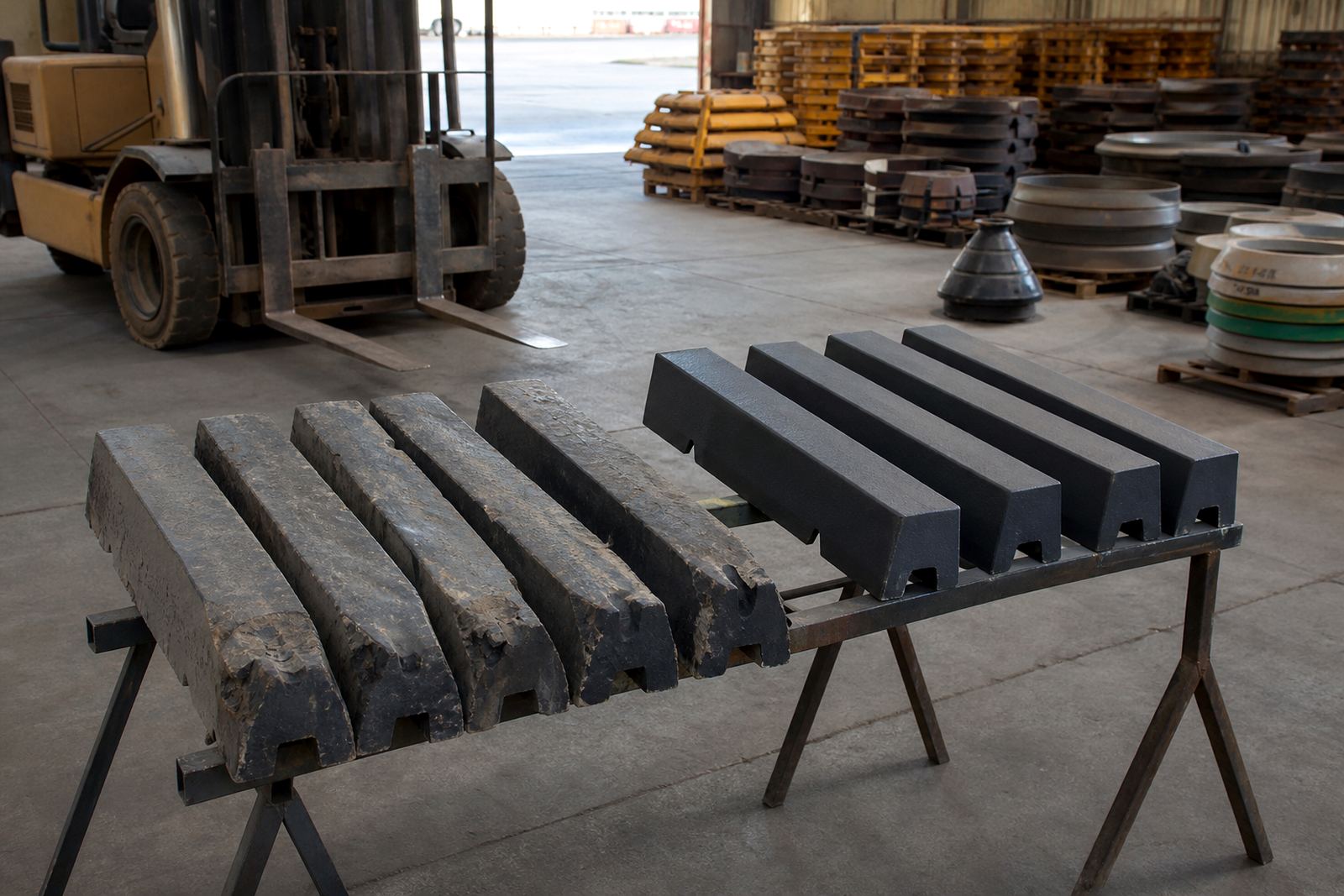
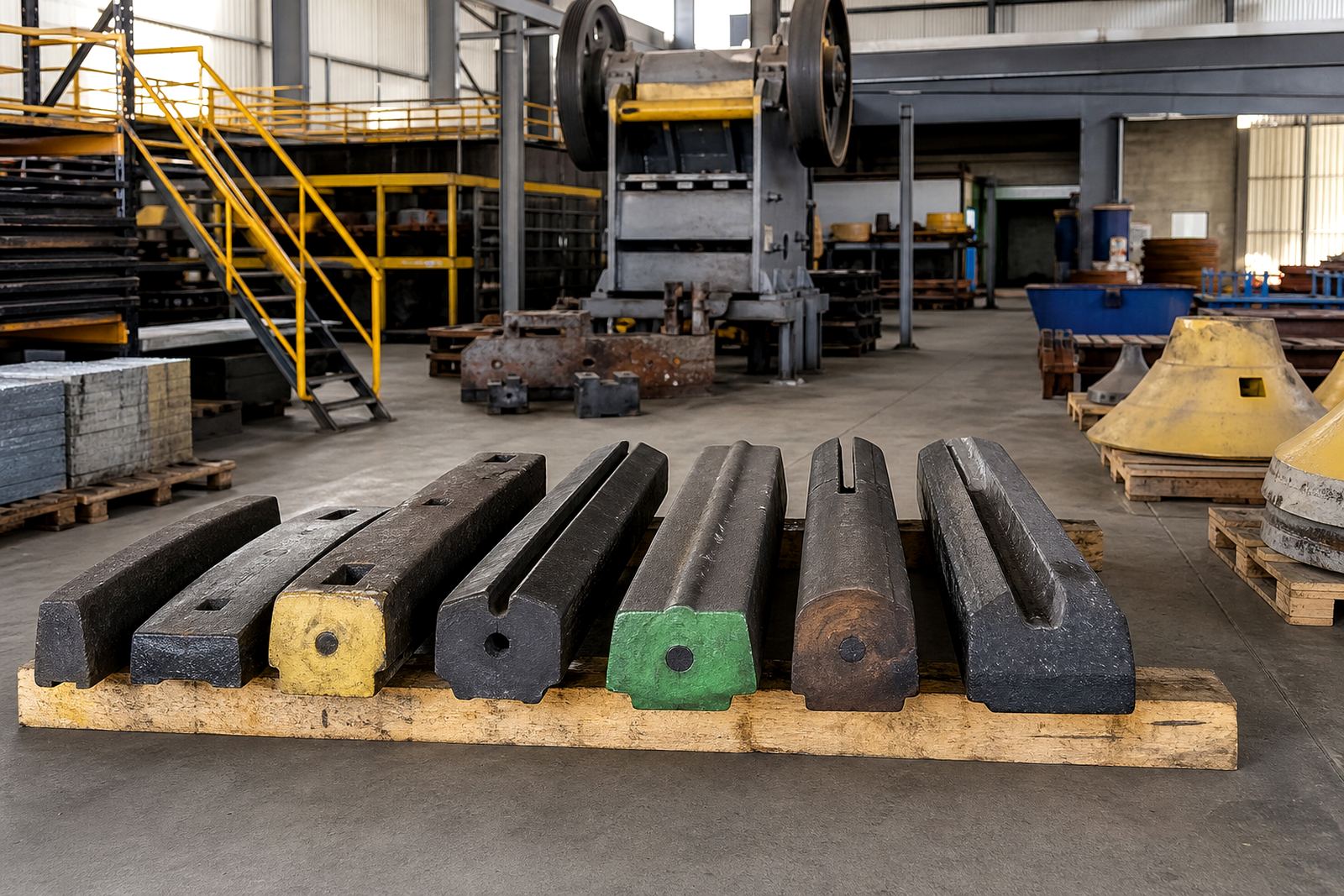
Wear usually begins where rock first meets pressure, impact or repeated rubbing. In jaw crushers that means the fixed and moving jaw plates. In cone and gyratory work it is the mantle and concaves. In impactors the blow bars take the hardest punishment, while liners and transfer points often wear from constant sliding rather than direct impact. Once you know which surface is doing the work, it becomes easier to predict what will fail first.
In many South African plants the trouble is not one single worn part, but a pattern. Hard ore, dust, moisture and irregular feed all change how the wear moves through the machine. A feed that is too fine can waste life in one section, while oversized rock can hammer another section much harder than expected. That is why a proper wear check should look at the full path, not only the crusher chamber.
The main wear zones to watch on site
Different circuits lose metal in different places, but the same basic zones keep appearing. If you map them properly, shutdown planning gets much easier and you stop ordering parts at the last minute. At our Middelburg base, we see the same issues coming through from mines and quarries across Mpumalanga, Limpopo, the Northern Cape, North West and Gauteng.
- Feed zone: impact from large, sharp rock and poor chute control
- Primary chamber: jaw plates or mantles taking the heaviest compression
- Mid chamber: uneven wear from blocked feed or poor grading
- Discharge zone: liners and transfer points worn by abrasion
- Impact section: blow bars and side liners taking repeated shock
When these zones are checked together, the site team gets a clearer picture of what must be held in stock and what can wait for a planned changeout. It also helps with load securing and bundling, because the right parts can go out in one consignment instead of in two or three rushed trips.
Why remote mines feel wear faster
Remote mines often work with longer haul routes, slower turnaround times and more pressure to keep the plant running through load shedding or limited access windows. That can lead to operators pushing worn parts too far. Once a jaw plate or liner is near the end of life, the crusher usually draws more power, produces poorer size control and starts putting stress on other components. The actual damage then spreads faster than expected.
We often see this in areas where the mine is far from the main road network, especially when weather or site conditions make access difficult. A part that should have been changed during a quiet shift ends up being pushed for another week, then the machine runs hot and the downtime is longer. Good stock holding helps, but only if the correct wear zone is identified early.
What good wear inspection looks like
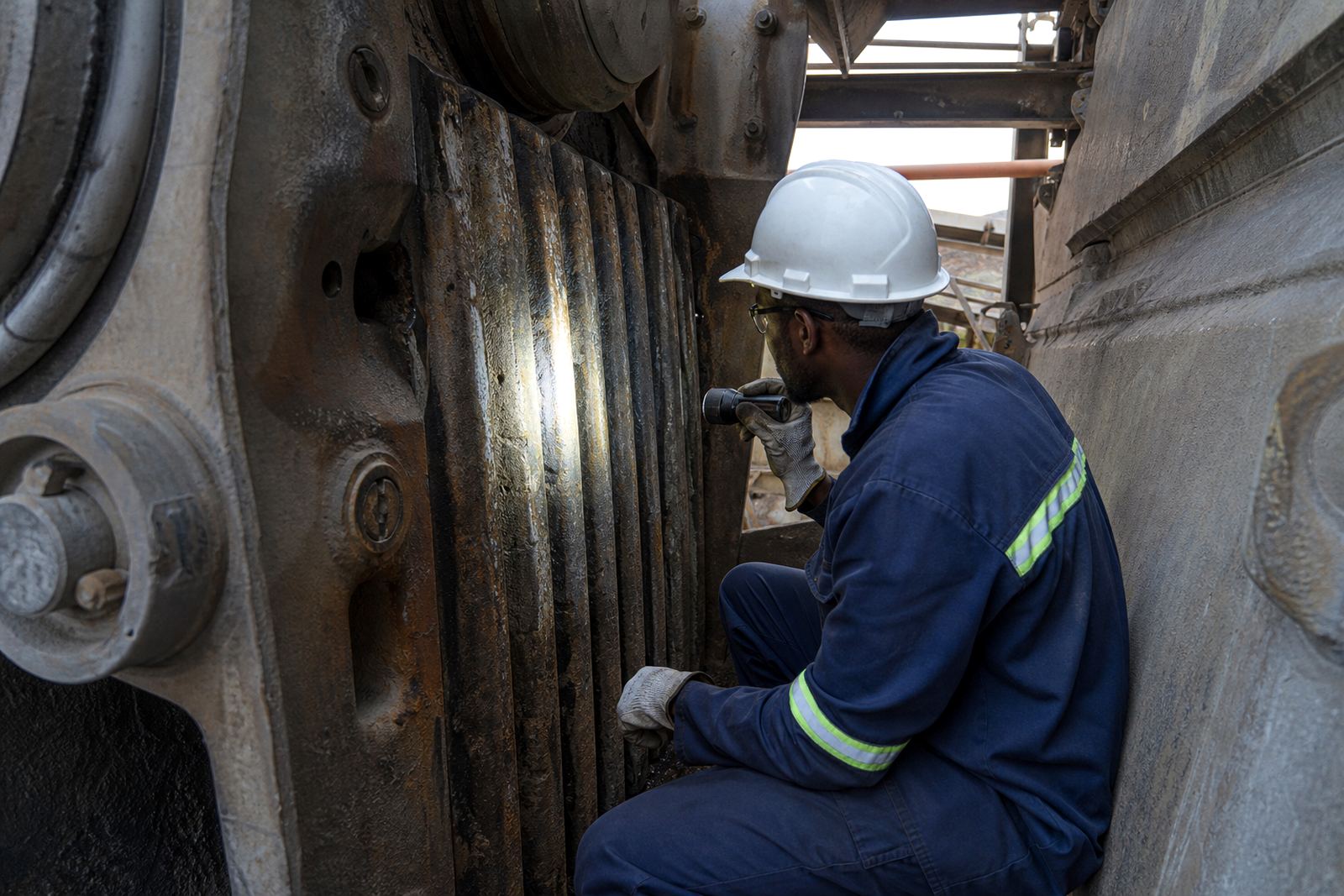
A proper inspection should not be a quick visual glance. The team should measure wear, compare both sides of the chamber and note whether the loss is even or patchy. Patchy wear usually points to feed problems, poor segregation or a feed chute issue. Even wear suggests the part is doing its job and simply reaching the end of service life.
Useful checks include:
- Thickness at the thinnest point of jaw plates, mantles or liners
- Condition of fixing points, wedges and retaining hardware
- Cracks, lifting edges or edge rounding on impact parts
- Blocked or scuffed transfer points after the crusher
- Changes in product size, power draw or vibration
A clean record of these readings makes shutdown planning far easier. It also helps the procurement team decide whether to order a full set, a partial changeout, or a bundled kit for the next delivery.
Local example: keeping a Rustenburg plant moving
A quarry near Rustenburg may run fine for most of the month, then lose time when a wear zone is missed during a tight shutdown window. If the mantle is nearing limit but the concaves still have life, the site may choose to replace only what is needed and schedule the rest later. That saves time, but only if the right freight plan is in place and the parts arrive in the correct order. Small slipups here can cost a full shift.
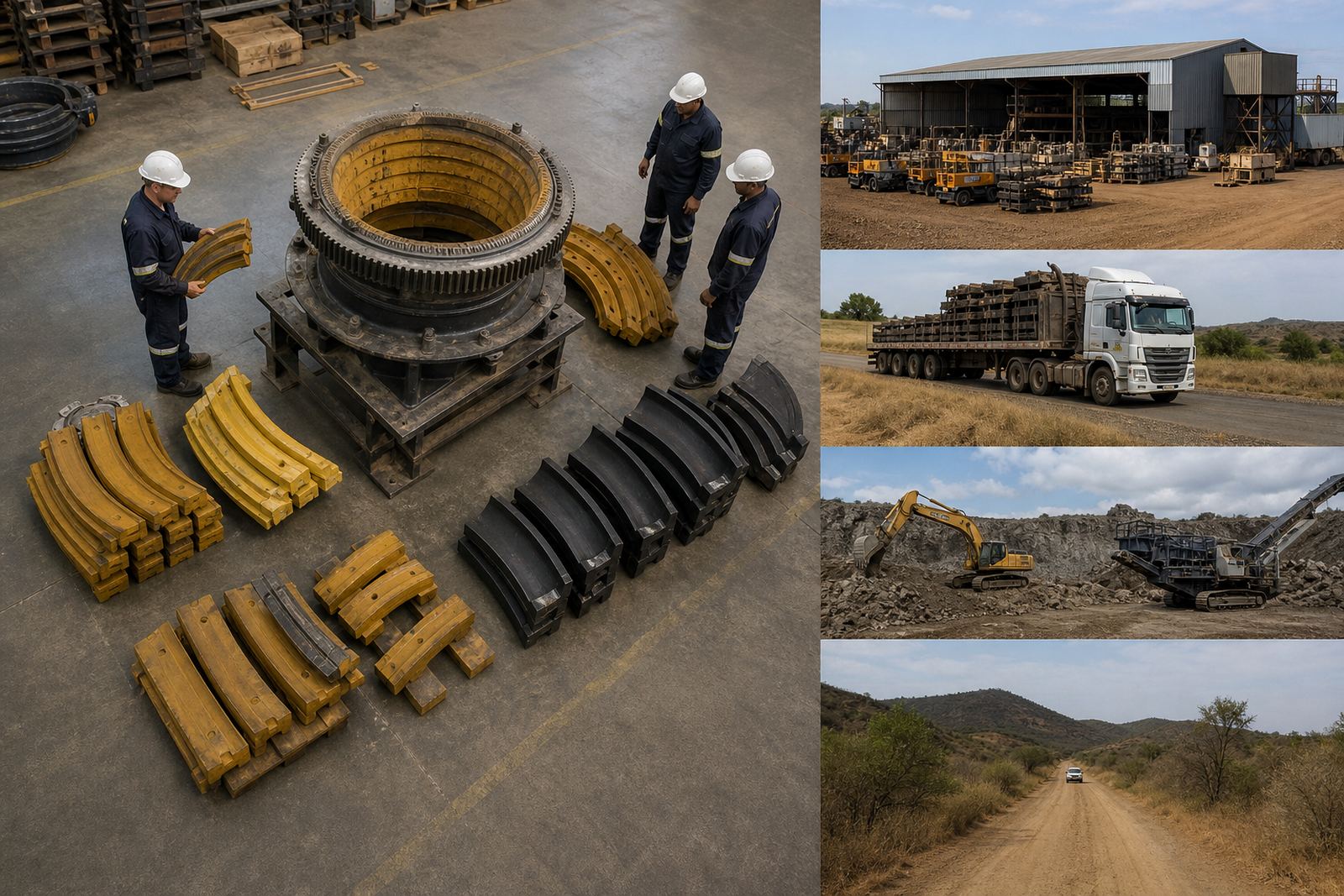
For sites in the North West and Gauteng, we often plan freight around road access, site gate times and the sequence of the maintenance crew. This is especially useful when multiple wear parts have to go out together with fixing sets and supporting items. With proper order consolidation, the team on site is not waiting around for a second truck or a missing liner.
How stock holding reduces pressure at changeout time
Keeping crusher wear parts in stock close to the work area matters most when the mine is remote or the shutdown window is short. The aim is not to hold every possible item, but to keep the high-risk parts ready for dispatch. That includes common jaw plates, mantles, concaves, blow bars and liners, plus the supporting pieces needed for a proper fit.
- Stock holding near Middelburg for quicker dispatch
- Freight to mines and quarries across remote routes
- Shutdown planning around access, labour and weather
- Return freight planning for used parts and unwanted pallets
- Order support when part sizes or quantities need checking
When stock is organised well, urgent dispatch becomes a planned move rather than a panic call. That matters in Mpumalanga and Limpopo where travel time can stretch quickly, and in the Northern Cape where long distances and road conditions can delay even a simple delivery.
Planning wear by zone, not by guesswork
The best maintenance teams do not wait for a failure to tell them what wore out. They work from wear zones, measure them regularly and match each zone to a replacement plan. That approach reduces wasted stock, improves shutdown control and keeps the crusher producing a more consistent product. It also gives the freight team a better picture of what needs to move and when.
Crusher wear is predictable when the team knows where to look. If the feed zone, chamber and discharge area are watched properly, the site can plan changes before the machine starts causing bigger problems. At Crusher Consumables Direct in Middelburg, we support that planning with stocked parts, remote mine freight and practical order support for sites across South Africa.