

Start With the Changeover Scope, Not the Truck
Before any part is ordered, the shutdown list should begin with the actual work scope. Is the team replacing jaw plates, mantles, concaves, blow bars or liners, and are there other items due at the same time? A proper scope avoids rushed calls on the day and helps the site decide whether the job can be done in one planned stop or needs a staged changeout.
On remote mines in Limpopo or the Northern Cape, this matters even more because a missed item can hold up the entire crew. If the crusher is already open, every extra hour adds pressure on labour, lighting, lifting gear and production planning. A good list should match the machine condition, the spares on hand and the access available at the site.
Match Wear Parts to the Machine and the Job
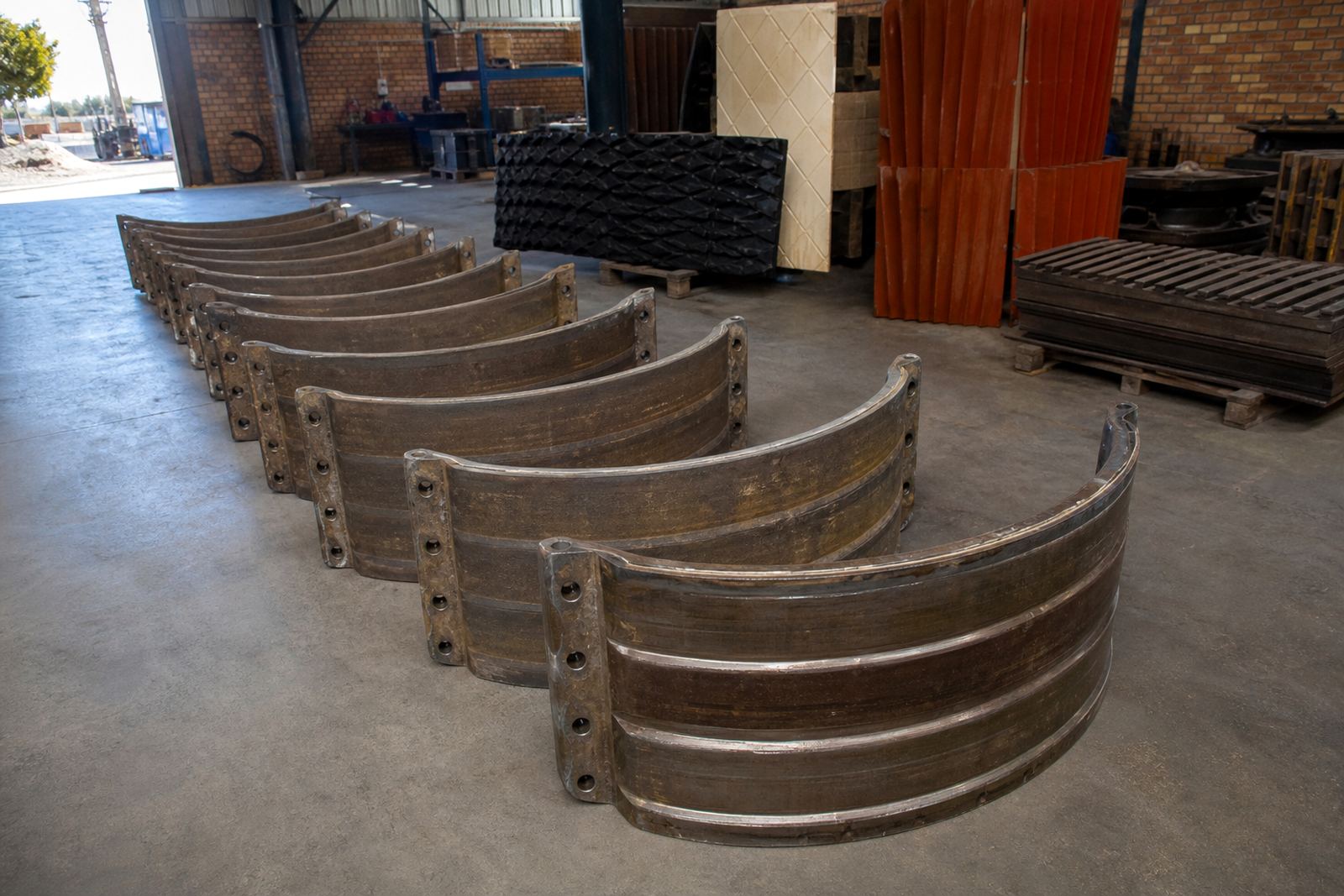
Crusher wear parts must be checked against the machine type, chamber profile and actual wear pattern. Two sites can use similar equipment and still need different jaw profiles, liner thicknesses or crushing surfaces. A shutdown list should note the part numbers where available, the side of the machine each item fits, and whether the replacement is for standard wear or a specific wear issue caused by feed size or operating conditions.
In Mpumalanga, dusty conditions and frequent start-stop operation can shorten wear life. Coastal humidity is less of a factor inland, but corrosion can still become an issue when stock sits for too long without proper packing. That is why a shutdown list should include inspection notes, storage condition and whether any fasteners, wedges or backing materials are also due for replacement. If the wrong item arrives, the whole shift slows down.
Build a Parts List That Includes the Small Items
Many shutdown delays come from the small items that were left off the order. The main wear part may be available, but the team then spends hours looking for the correct fixing items, seals or lifting accessories. A proper shutdown list should be detailed enough that the warehouse and the site team are working from the same page.
- Main wear parts for the crusher in service
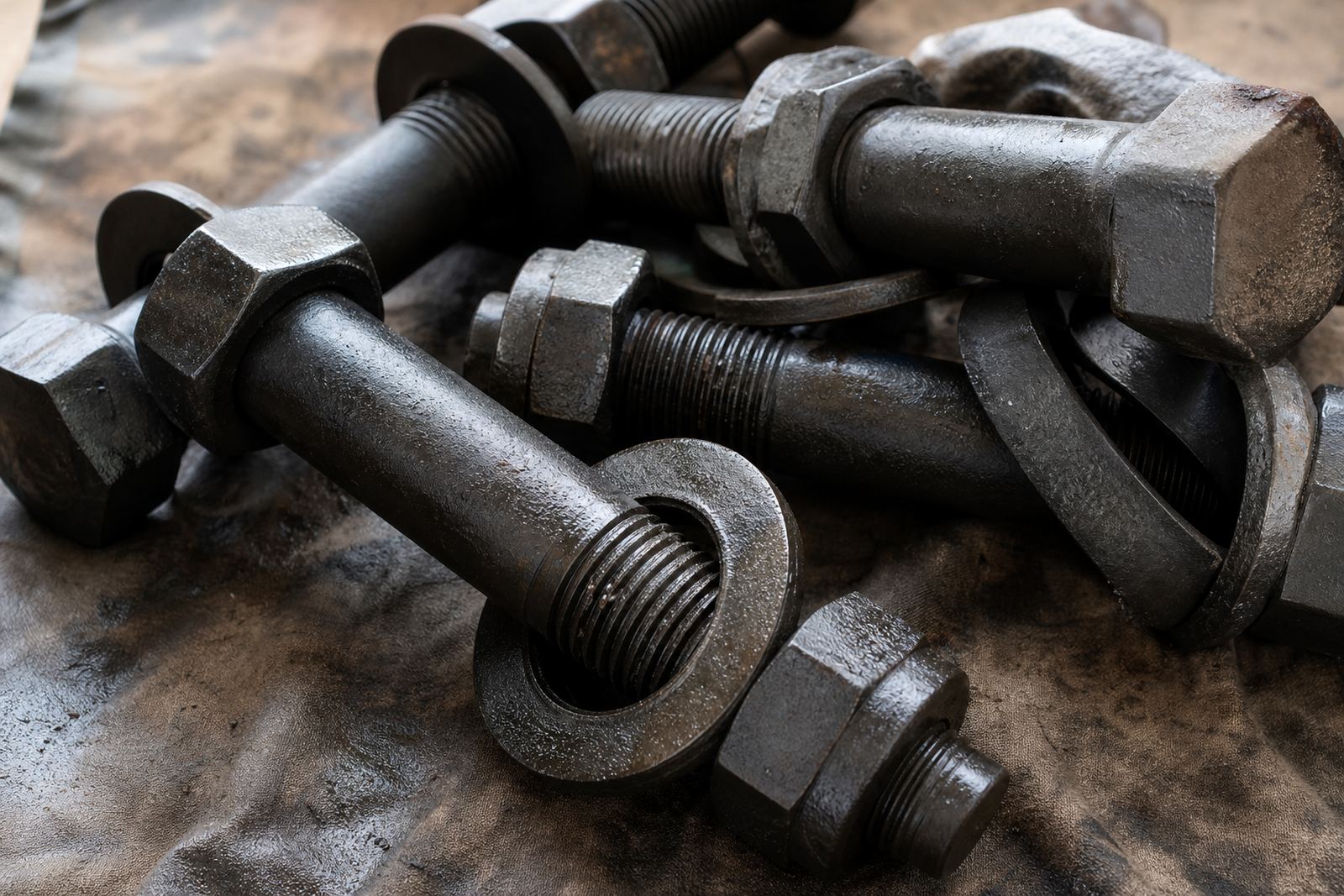
- Fixings, wedges, nuts, bolts and locking items
- Any lifting or handling gear needed for the job
- Packaging marks for each section of the machine
- Separate items for inspection, wear checks or back-up stock
At our Middelburg base, stock holding works best when the list is clear enough to be picked, checked and secured for transport without confusion. That is especially important when the freight route is headed to Steelpoort, Phalaborwa or Kathu, where the delivery window can be tight and site access rules must be followed exactly.
Plan Freight Around the Shutdown Window
Freight planning should sit on the same page as the shutdown plan. If parts arrive too early, they can sit exposed in the yard. If they arrive late, the maintenance crew is waiting and production starts slipping. The best shutdown lists include the delivery date, receiving point, site contact name and any entry requirements for the mine or quarry.
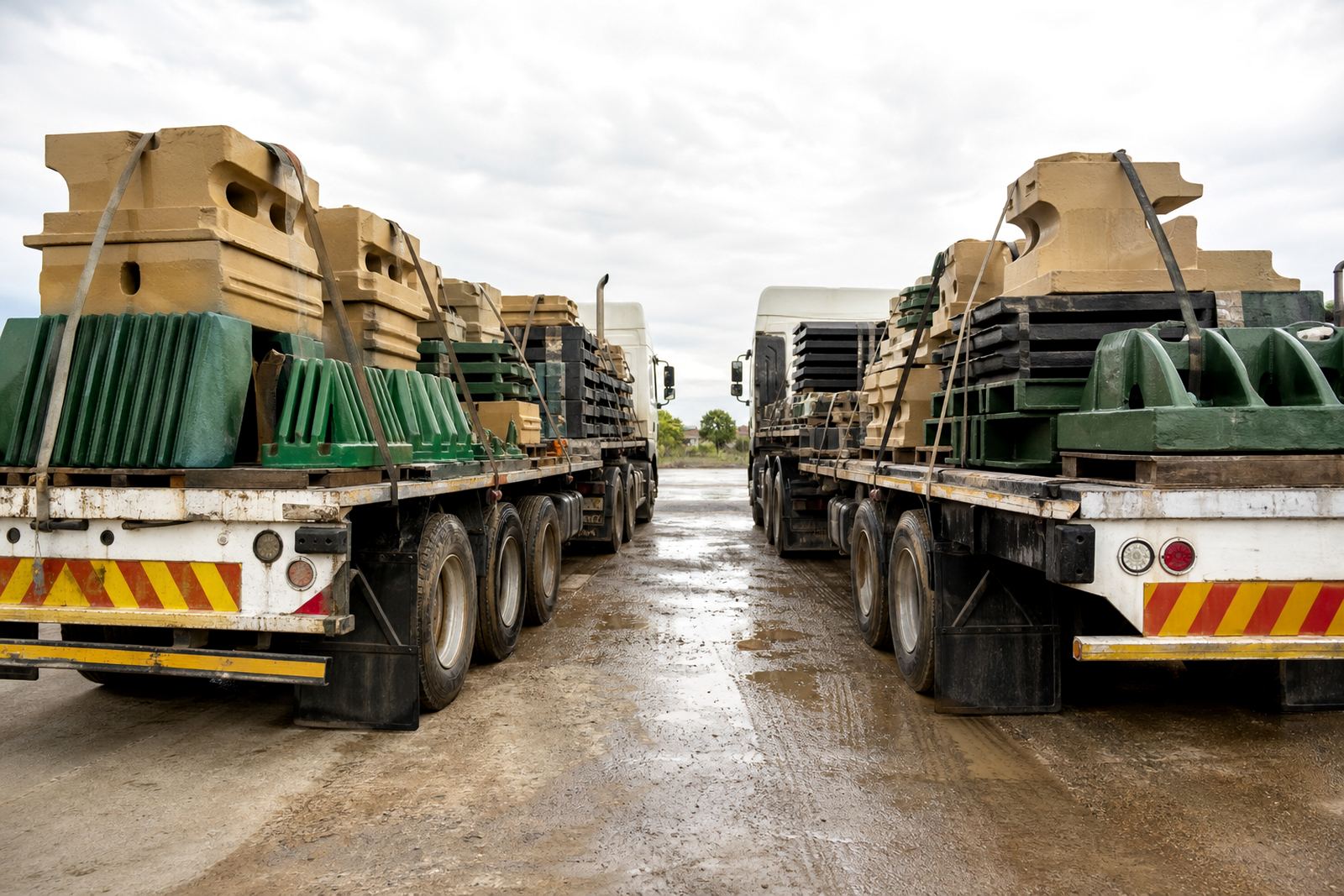
Load securing also matters. Crusher wear parts are heavy, awkward and costly to handle twice. Once the freight is booked, the load should be packed for stable transport, with the heaviest items positioned properly and anything fragile or machined protected from impact. On long routes to North West or the Northern Cape, rough road sections and loading delays can make a poor packing job turn into a problem fast.
- Confirm the shutdown date and first access time
- Check gate rules and weighbridge requirements
- Allow for road conditions, weather and traffic
- Keep the receiving contact informed of any change
- Separate urgent dispatch items from the main shipment
Use Shutdown Lists to Protect the Shift, Not Just the Order
A useful shutdown list does more than name parts. It helps the whole crew work in order. The maintenance team knows what is coming off first, the warehouse knows what must be packed, and the freight coordinator knows what needs priority handling. That is how a job stays controlled when the site is busy and the clock is running.
In practical terms, this also means planning for return freight. Used wear parts, damaged components and samples for inspection should not be left lying around after the job. If they need to come back to Middelburg for review or disposal, that should be written down before the shutdown starts. A tidy return plan keeps the yard clear and reduces the chance of mixed-up parts at the next changeover.
A Middelburg Example: One List, Fewer Delays
A quarry outside Middelburg preparing for a weekend crusher stop had the main wear parts on hand, but the team still sat down to check the full list before the job started. They confirmed the jaw plates and liners, added the fixing items, checked the lift points and set the freight timing for delivery to the site gate on the Friday afternoon. Because the order was consolidated early, the parts arrived together and the crew could start work without waiting for another runout from town.
That kind of preparation is not complicated, but it does need discipline. Whether the site is in Witbank, Burgersfort, Rustenburg or Johannesburg East, the same rule applies: if the shutdown list is clear, the work is simpler, safer and less likely to run over. One missing item can cost a shift, and on a busy site that is a costly mistake.