
Why feed size matters before the crusher even starts
Feed size control begins at the stockpile, the ROM pad and the tip point. If large lumps, flat oversize, fines and mixed debris are all sent into the chamber together, the crusher has to work harder to break material that should have been managed earlier. That puts uneven pressure on jaw plates, mantles, concaves, blow bars and liners, and it can shorten service life more quickly than many crews expect.
Good feed management is not only about making the crusher easier to run. It also helps keep a more even chamber load, steadier amperage and a cleaner product size. When the feed is too coarse for the set-up, the machine can bridge, choke or surge. When it is too fine, the chamber may not bite properly and the wear pattern becomes uneven. In practical terms, that means more changeouts, more downtime and higher freight pressure when parts must be rushed to site.
At Crusher Consumables Direct, we see this most often where mines are running long distances from Middelburg into Limpopo, the Northern Cape or North West. A well-managed feed can make a real difference to how often a site calls for urgent part dispatch or shutdown planning.
What happens when oversize reaches the chamber
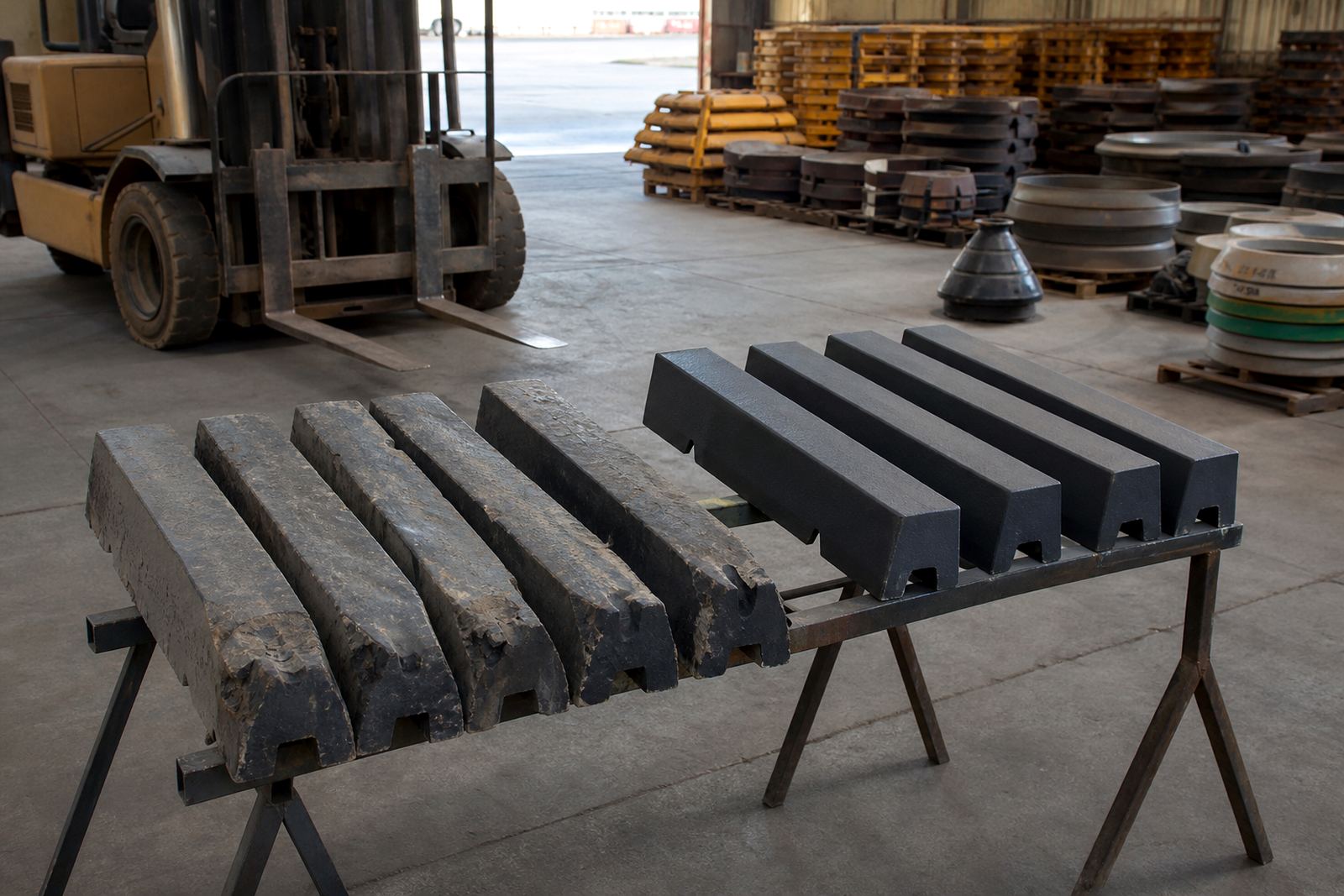
Oversize feed tends to strike the same areas again and again, especially on a chamber that is already running close to its limit. That repeated impact creates localised wear, crack risk and poor breakage. If the crusher is taking material that should have been reduced earlier, the wear profile becomes patchy and performance can drop off fast.
The issue is not always one massive boulder. More often it is a steady stream of badly screened feed, oversize that was left in the pile, or material with a lot of fines packed around bigger rock. That mix can hold a jaw from biting properly or create a poor bed in a cone chamber. Over time, operators may see:
- Higher fuel or power use for the same tonnage
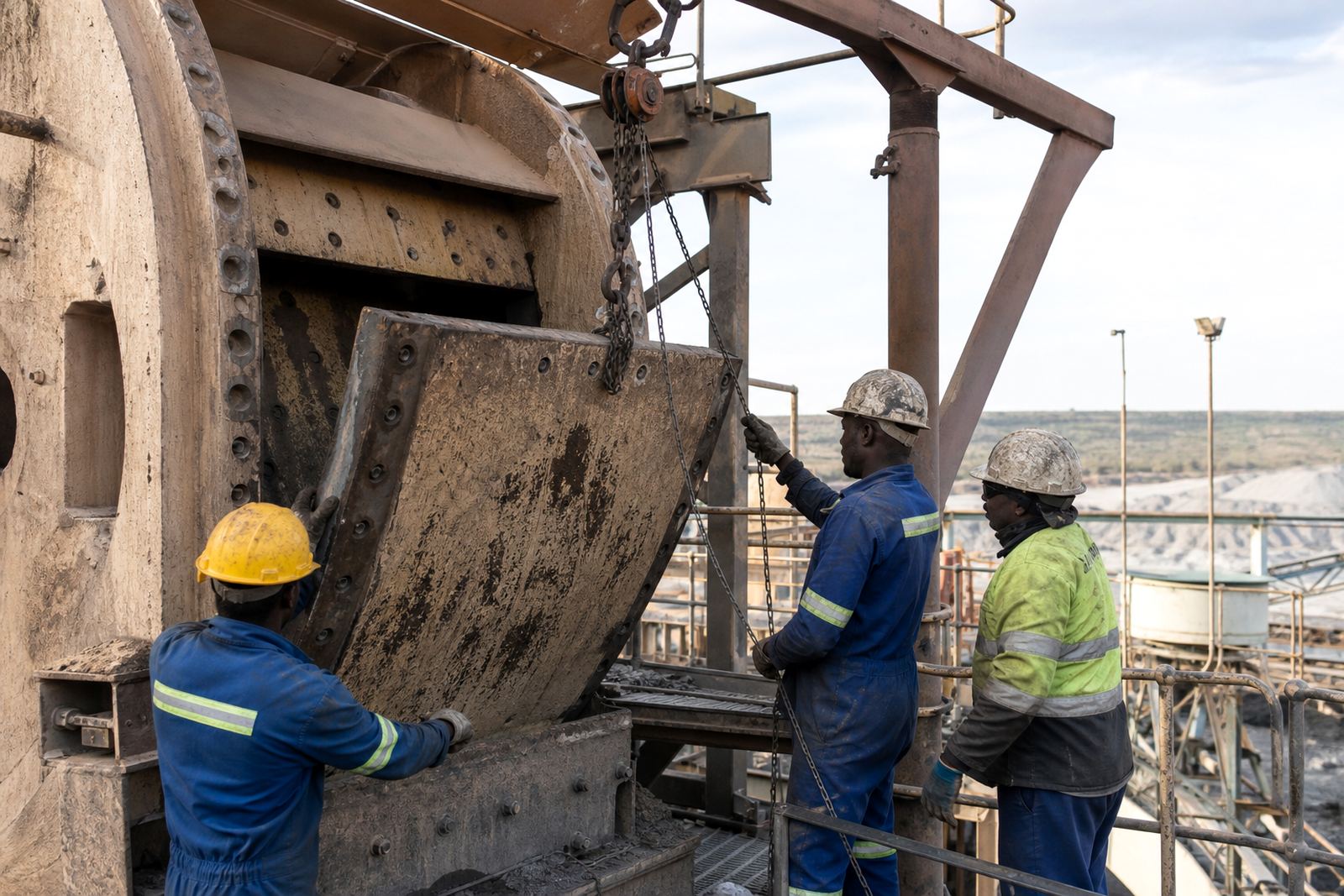
- More frequent liner changeouts
- Blocked chutes and awkward bridge points
- Product that runs too wide on size distribution
- Inconsistent chamber fill and more stoppages
On some sites, a crusher crew will blame the wear parts when the real problem is feed control. The part is doing the job it was given, but the material entering the chamber is simply too irregular.
Jaw, cone and impact crushers all want different feed habits
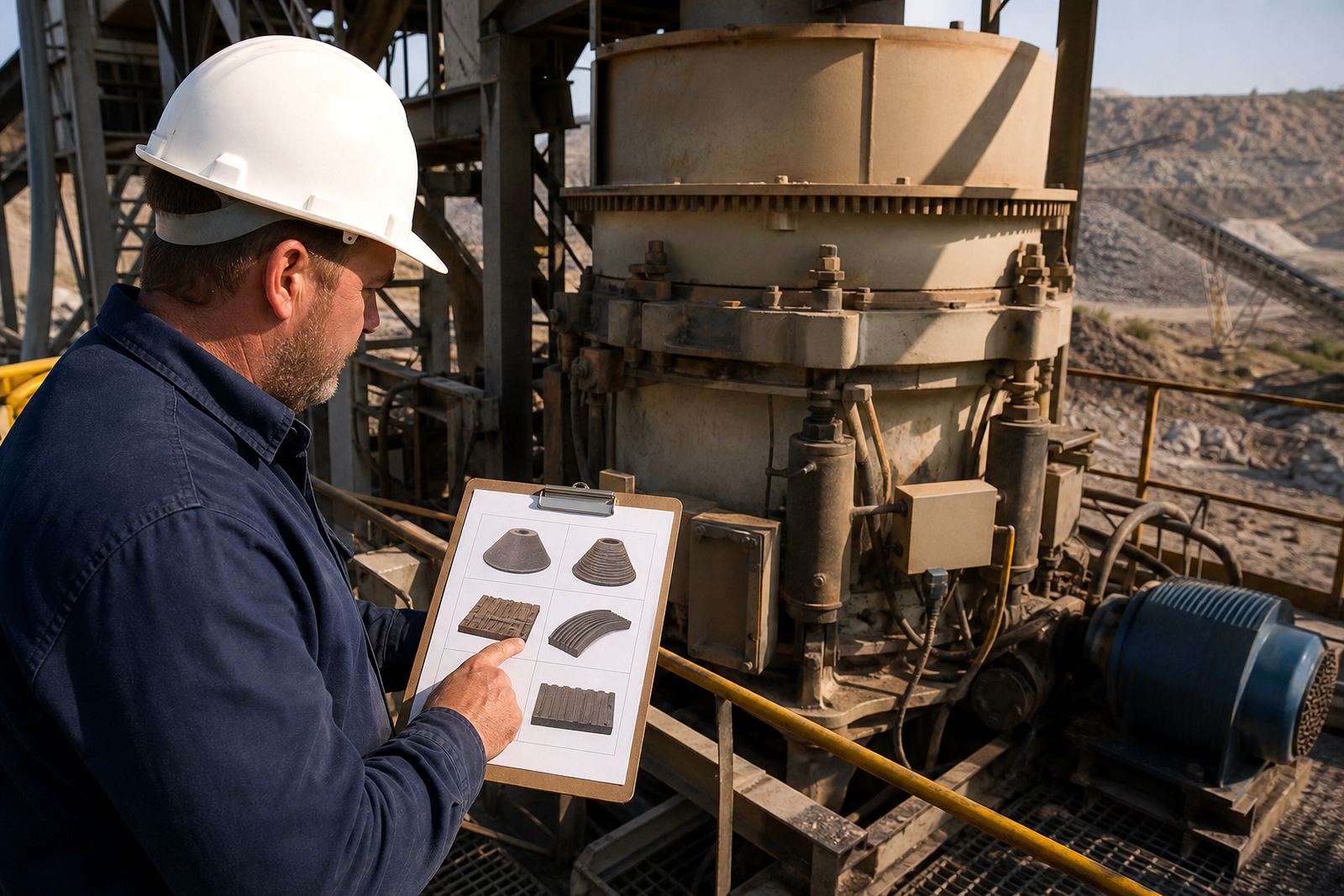
Different machines react differently to feed size, shape and hardness. A jaw crusher can take some irregularity, but it still needs material that will enter and nip properly. A cone needs a steady bed and a feed that suits the chamber profile. An impact unit depends on controlled top size and the right reduction before the material hits the blow bars.
It helps to match the feed strategy to the machine, not just the target product. The same stockpile practice will not suit every plant. A site running through hard quartzitic material in the Northern Cape may need tighter pre-screening than a softer application near Gauteng. The crusher may be one part of the process, but the feeder, grizzly and transfer points all play a role too.
Where sites keep stock of wear parts in Middelburg or use bundled part kits for scheduled maintenance, the aim should be simple: keep the chamber working within its expected range so the parts wear evenly and last as long as they should.
Simple controls that make a real difference on site
Feed size control does not always need major plant changes. Many improvements come from disciplined loading, better sorting at the face and a few clear rules for operators and contract teams. The aim is to remove the worst oversize before it reaches the crusher and to keep the material flow stable.
These are practical steps that help on remote mines and quarries:
- Keep oversize separate at the ROM pad so it can be broken before feeding
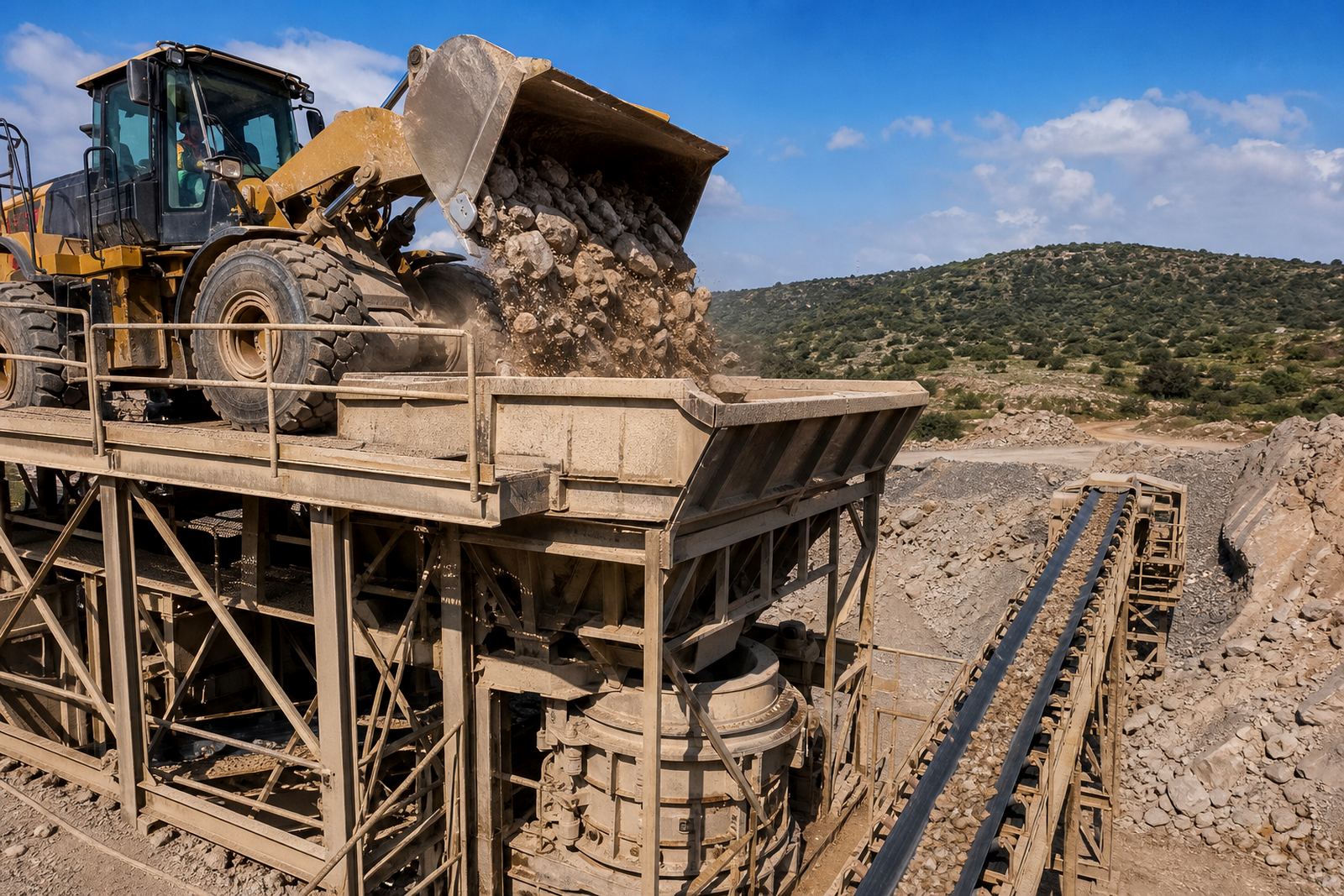
- Use a consistent loading pattern to avoid dumping one heavy surge into the hopper
- Check for tramp metal, timber and other debris before start-up
- Keep the feeder pace steady instead of chasing short-term tonnage spikes
- Set simple size limits for what may enter the plant
- Train operators to stop and report bridging before it becomes a blockage
Even small changes can protect jaw plates and liners from uneven loading. In winter, when some North West sites are dealing with dust and dry material, the feed can move faster than expected. In wet conditions near Phalaborwa or parts of Mpumalanga, sticky fines can build up and create the opposite problem. Both need attention.
Local example: a remote quarry outside Kathu
Consider a quarry outside Kathu where haul distances are long and changeout windows are tight. If the run-of-mine pile includes unbroken oversize from the face, the crusher may see a mix of hard lumps and fine carry-over. The chamber then works unevenly, and the wear pattern becomes predictable in the wrong way: one side of the lining gets hammered while the other side still looks serviceable.
By sorting the feed more carefully at the stockpile, the site can improve the chamber fill and reduce the number of stoppages. That also gives the freight plan more certainty. Instead of sending a rush order after an unexpected failure, the team can plan freight from Middelburg, consolidate the order and keep enough stock on hand for the next shutdown. It is a practical approach that suits remote opertaions where every lost shift is expensive.
The same logic applies to mines in Steelpoort, Burgersfort and Rustenburg. Feed control is not theory. It is a day-to-day habit that can protect wear life and keep the plant moving.
How stock holding and freight support feed control
Feed size control is easier when the right wear parts are already available and the freight plan is not left to chance. If a site has a predictable maintenance schedule, it can match part availability to expected wear and avoid running a chamber too long because the next set has not arrived. That matters for remote mines where road access, weather and site rules can affect delivery timing.
Our Middelburg base supports stock holding and freight to mines and quarries across Mpumalanga, Limpopo, the Northern Cape, North West and Gauteng. That includes remote mine freight, quarry deliveries, urgent part dispatch, shutdown planning, route planning, load securing and order consolidation. The aim is to keep jaw plates, mantles, concaves, blow bars and liners moving when they are needed, not after the machine has already been pushed too far.
When feed size is under control and parts are supplied on time, the crusher can run with less strain and better consistency. That is the point of the whole process.