
Why mantle timing matters before the crusher starts complaining
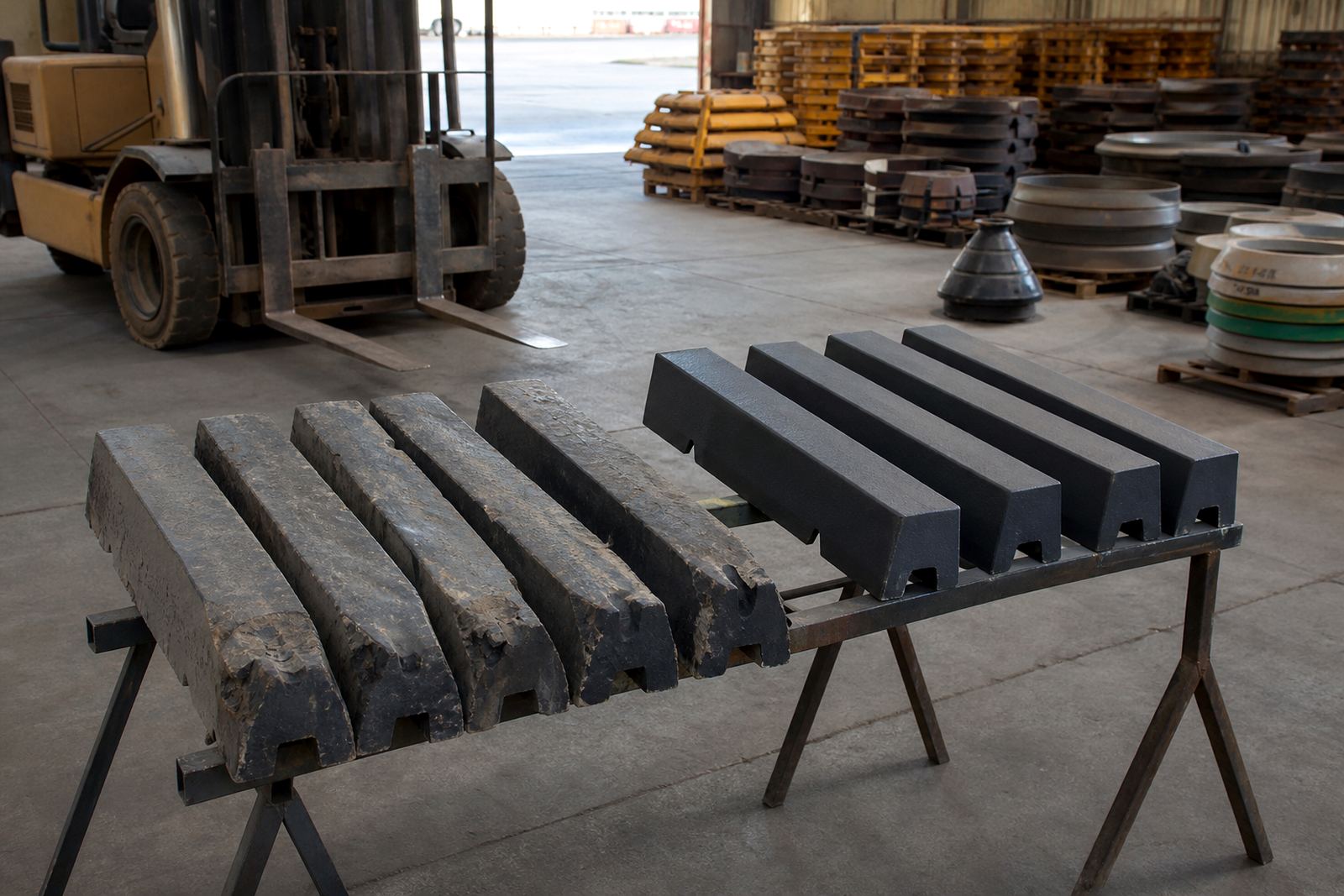
A worn mantle does more than reduce life on the part itself. It changes the chamber profile, and that can affect reduction, product size and how the crusher draws power. Operators often notice the signs in small ways first, such as slower breakage, more recirculating material, or a need to push harder to keep production moving.
When a mantle is changed too late, the plant can run hotter, use more energy and put extra stress on other wear parts. That creates avoidable pressure on the whole circuit. In our work with remote mines and quarries across South Africa, the best results usually come from planning the change while the crusher is still working within a controlled range, not after output has already slipped.
Reading the wear pattern, not just the hours
Hours alone do not tell the full story. Rock type, feed consistency, moisture and crushing settings all affect how fast a mantle wears. A hard abrasive feed in the Northern Cape will behave differently from a wetter, mixed feed in parts of Mpumalanga or Limpopo. Coastal humidity can also affect storage and handling if parts are held near the site for too long.
- Check the mantle against the liner set and look for uneven wear.
- Watch for a drop in product shape or an increase in oversize.
- Review power draw and any change in crusher sound or vibration.
- Record how the feed has changed since the last shutdown.
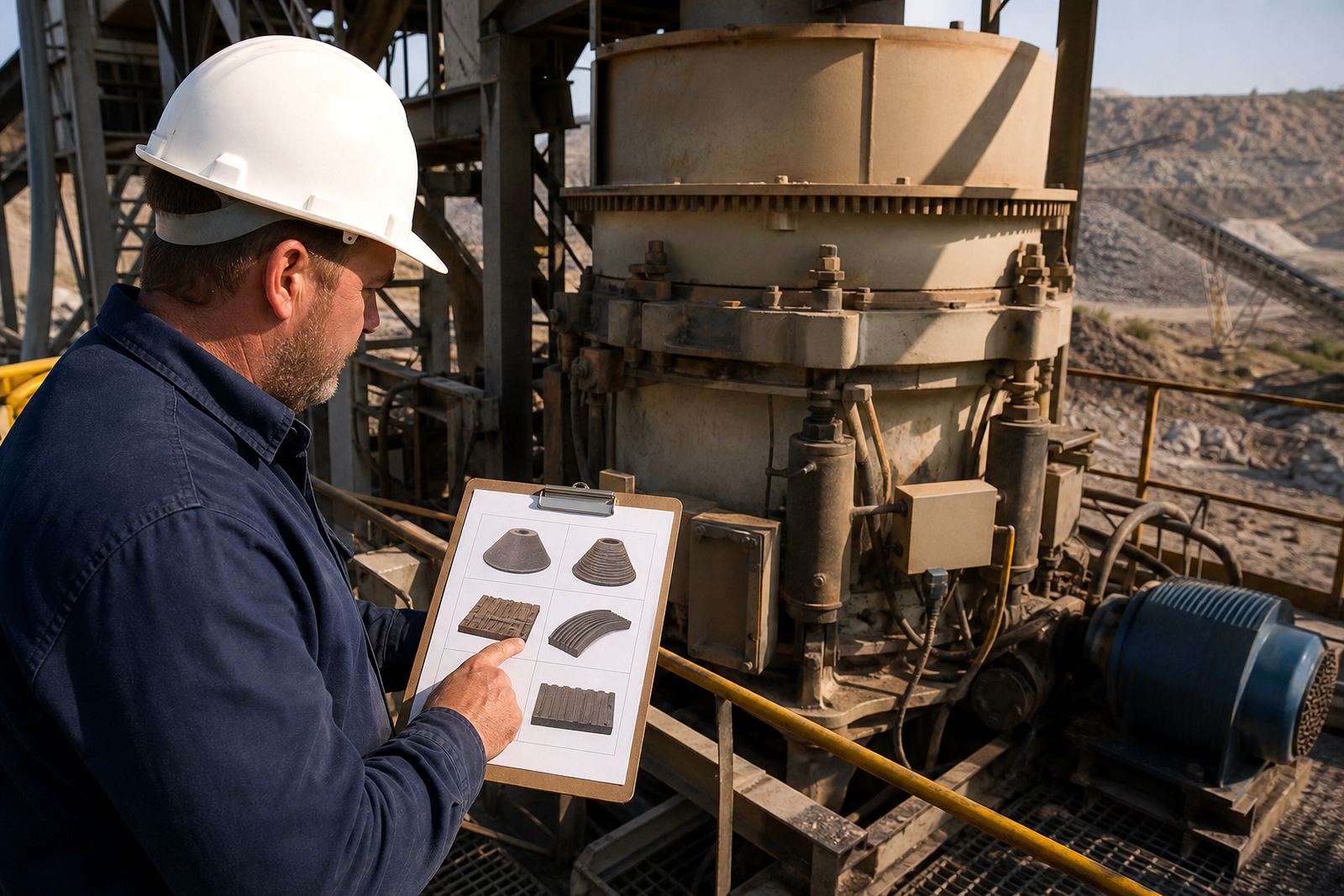
If the wear is uneven, the issue may not only be the mantle. It can point to feed segregation, incorrect setting, or a chamber that is not being loaded properly. That is why planning should start with a proper inspection and not just a date on the calendar.
Build the change into your shutdown plan early
For mines that rely on a narrow shutdown window, mantle replacement should be locked into the schedule well ahead of time. That gives room to confirm the part specification, arrange freight and prepare the labour and lifting gear needed on site. It also helps avoid the last minute scramble for securing material and loading access, which is where delays often start.
From our base in Middelburg, Mpumalanga, we support freight to remote mines and quarries across Mpumalanga, Limpopo, the Northern Cape, North West and Gauteng. For sites around Steelpoort, Burgersfort, Phalaborwa and Rustenburg, route planning matters just as much as stock availability. One missed transfer can push a changeout into the next shift, and that can affect the rest of the plant, especially when loadshedding or limited night work is already cutting into operating time.
- Confirm the mantle, matching wear parts and fasteners before the shutdown.
- Allow time for site delivery coordination and load securing.
- Keep return freight in mind for any removed parts that need inspection or disposal.
- Line up backup stock if the site is far from the main road network.
Stock holding saves time when the chamber is due
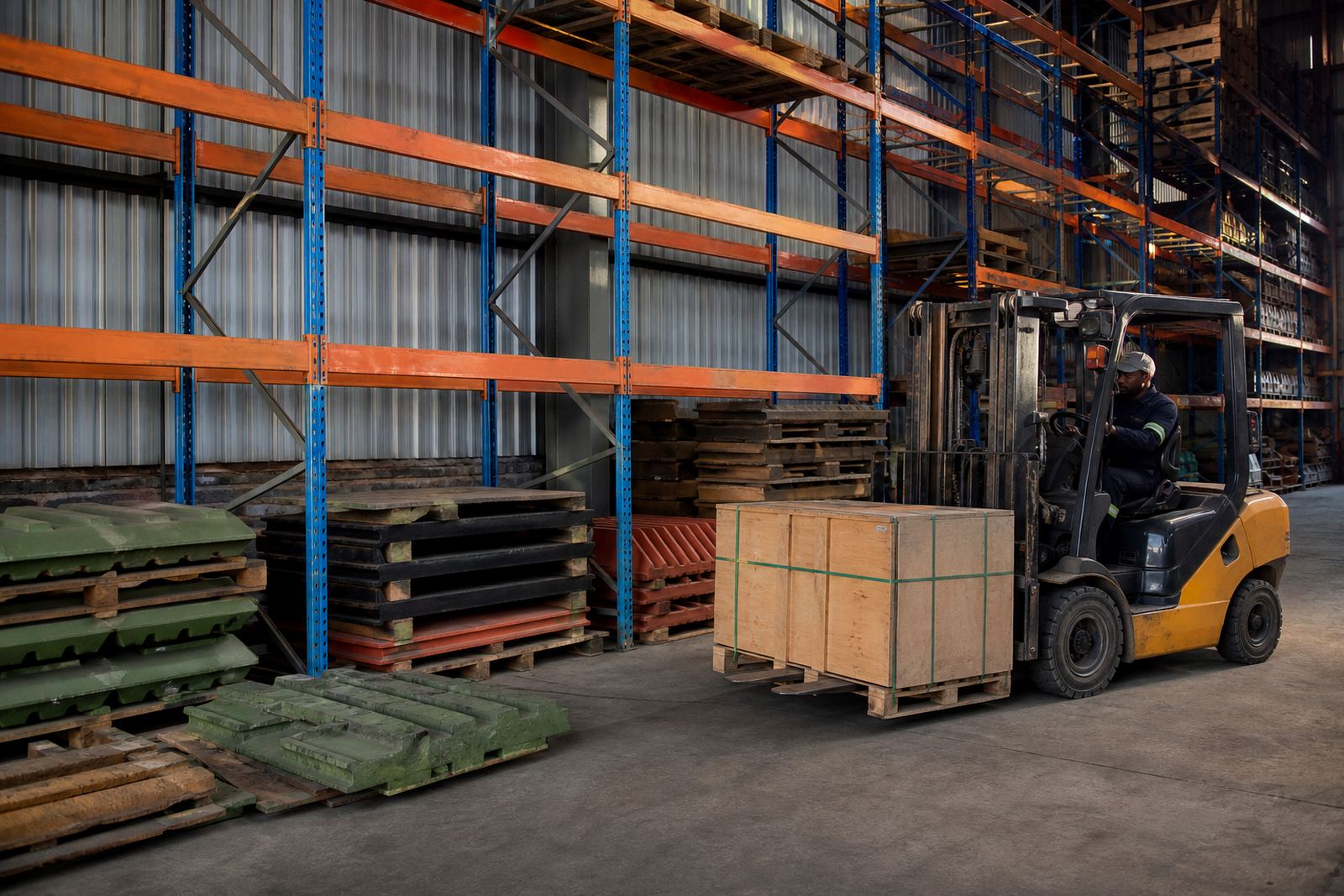
When a mantle is approaching its change point, having the replacement already on hand is usually the simplest way to protect production. Stock holding is especially useful for remote operations, where freight delays can come from road access, weather, security checks or municipal restrictions on delivery times. A part sitting in Middelburg is easier to move quickly than one that still needs to be sourced after the crusher has started to struggle.
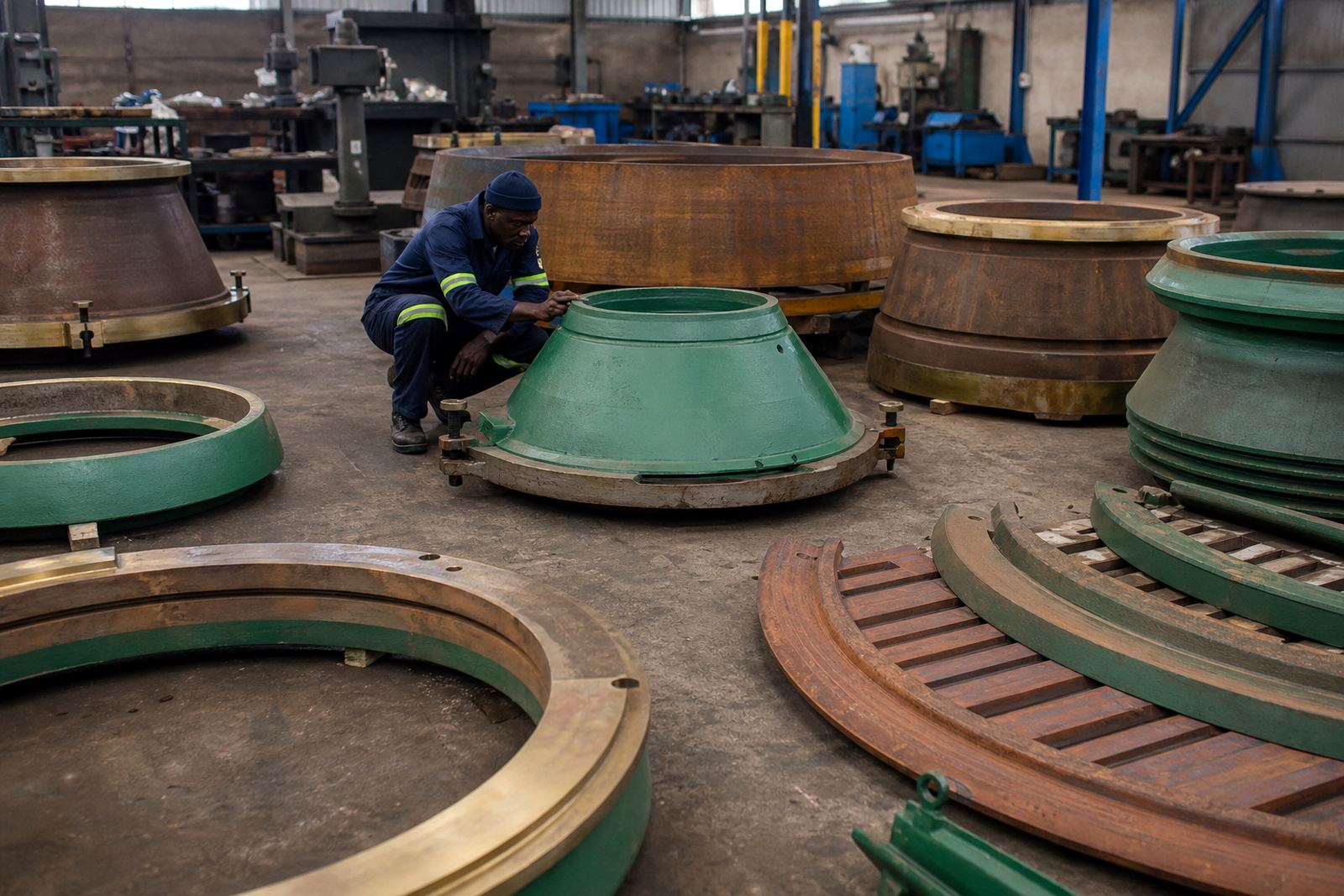
Bundled part kits also make life easier. If the mantle is due, the related liners, jaw plates, concaves or blow bars may need checking at the same time depending on the circuit. Ordering the full set together helps avoid a second freight run and keeps the shutdown neat. It also gives the team a clearer picture of what needs to be fitted, stored and signed off on site.
A practical example from a remote mine outside Phalaborwa
At a remote site north of Phalaborwa, the maintenance team had been noticing a gradual drop in product quality and a slower crusher response during peak feed periods. The mantle was still working, so the team considered leaving it for the next planned stop. The issue was that the shutdown window was already tight, and the site had limited tolerance for late deliveries.
The better move was to inspect the wear pattern early, confirm the replacement timing and get the part moved with the rest of the planned freight. That gave the crew time to prepare the lifting plan, set out the tools and secure the replacement on site before the old mantle reached a point where it could start affecting the rest of the circuit. It saved pressure later and avoided an urgent dispatch under difficult road conditions.
The lesson is simple: if the wear is visible now, the planning should start now. Waiting until performance drops usually shortens the options you still have.
What our team helps coordinate around a mantle change
Mantle replacement is rarely only about the part. It involves the timing, the route, the paperwork and the site receiving process. Our team in Middelburg handles the practical side so mine and quarry crews can focus on the shutdown itself. Thabo Mokoena oversees the operation, with Lerato Nkosi managing site flow, Johan van der Merwe coordinating freight and Ayanda Dlamini supporting order follow-up. Sibusiso Mahlangu manages warehouse control and Megan Naidoo handles procurement administration.
- Order support for the correct wear part and related items.
- Remote mine freight to outlying sites and quarry deliveries.
- Urgent part dispatch when a changeout cannot wait.
- Shutdown planning, route planning and order consolidation.
- Load securing and site delivery coordination for long-distance runs.
Whether the site is in Middelburg, Witbank, Steelpoort, Burgersfort, Rustenburg, Kathu or Johannesburg East, the aim is the same: get the right mantle there in time, with less fuss and no wasted travel.