Why mixed orders need a different handling plan
Not every order is a single part heading to one machine. In mining and quarry work, a single call often includes jaw plates, mantles, concaves, blow bars and liners in different sizes, for different sections of plant, and sometimes for more than one site. When those items are treated as one batch instead of separate line items, the whole order is easier to pick, check and send out.
For remote mines in Mpumalanga, Limpopo, the Northern Cape, North West and Gauteng, that matters. A truck leaving Middelburg cannot keep turning back because one line was packed with the wrong pair of liners or a set of wear parts was split between two pallets. Grouping the order properly from the start reduces handling, protects the parts in transit and makes receiving on site much quicker.
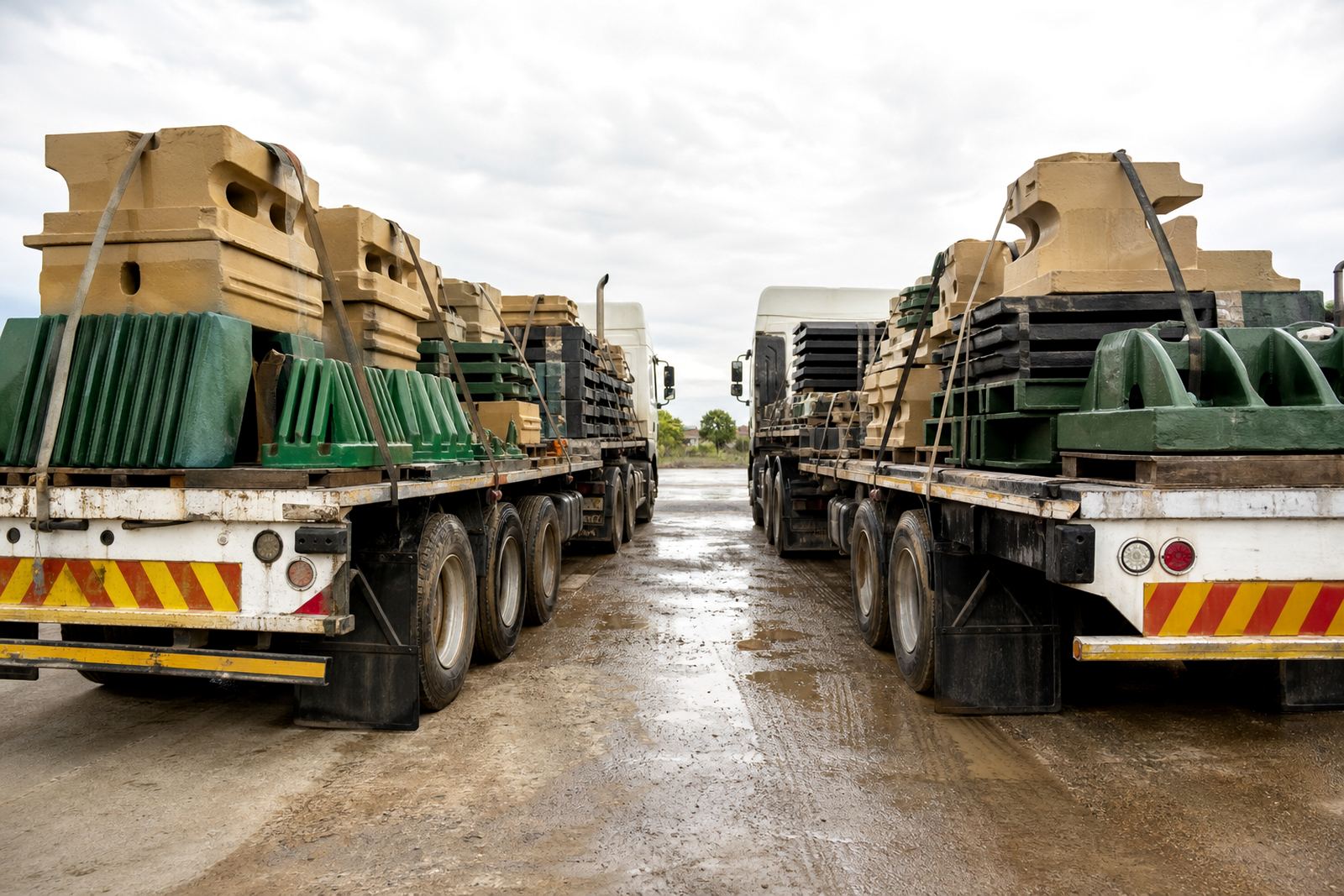
It also helps with load securing. Wear parts are heavy, awkward and often have sharp edges. If the order is mixed but not arranged by machine or by delivery point, the freight team ends up repacking it later. That takes time and adds risk, especially when a route runs through long stretches between towns where there is little room for delay.
Start with machine groupings, not just part names
The cleanest way to manage a mixed order is to sort it by machine and then by part type. For example, a primary crusher may need jaw plates and cheek liners, while a secondary stage may need concaves and mantles. If both machines are being serviced in the same shutdown, those parts should still be grouped separately for counting, marking and dispatch.
This makes a difference on site because fitment teams do not want to open one crate and find parts for three different machines inside it. They need to move quickly, especially during planned outages when every hour counts. Clear grouping also helps with order support, since any missing item can be traced faster before the truck leaves the depot.
- Group parts by machine or circuit stage first
- Keep each bundle clearly marked with quantity and part type
- Separate urgent spares from bulk stock where possible
- Use one packing list per delivery point if the order is split across sites
How we package mixed wear part orders for the road
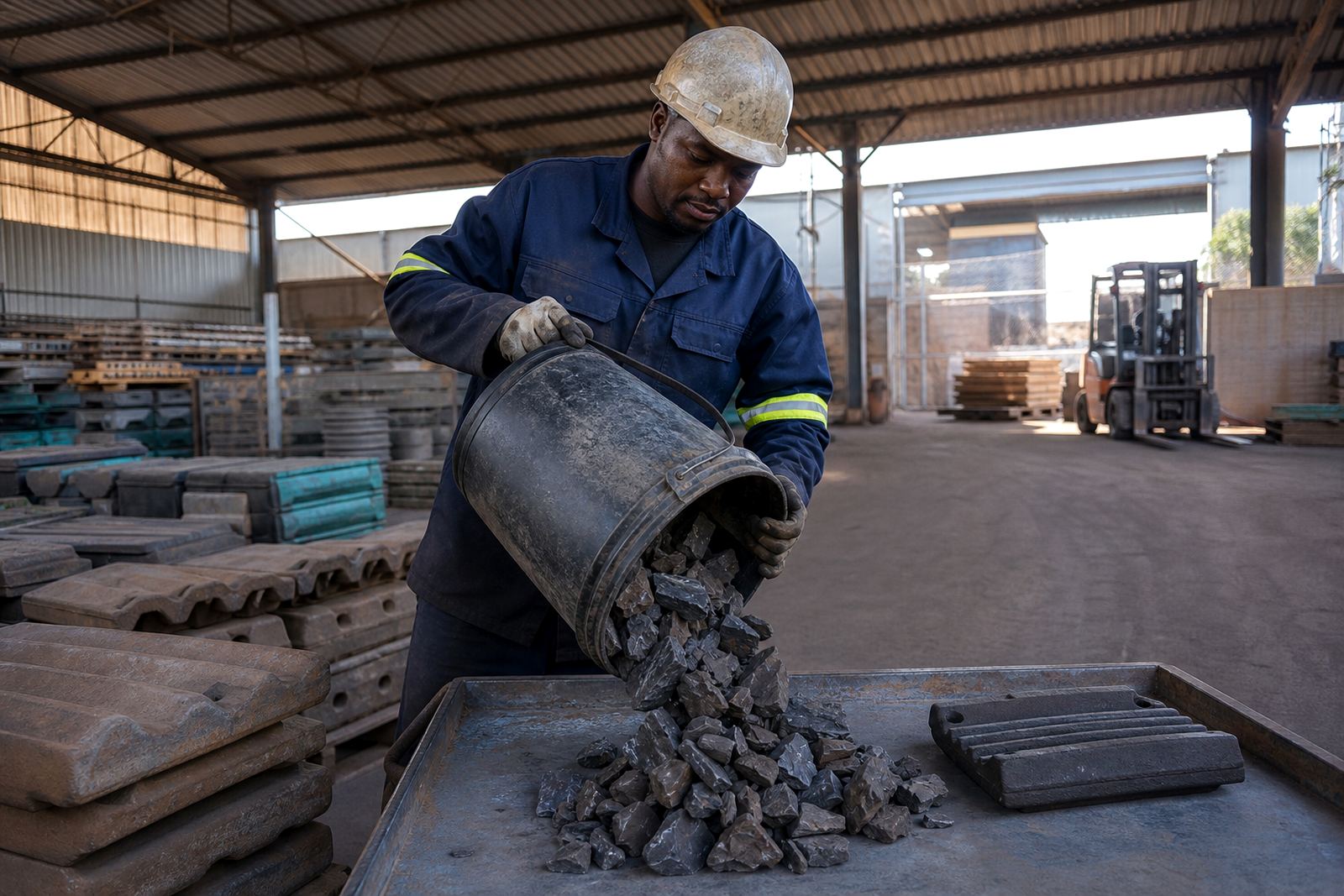
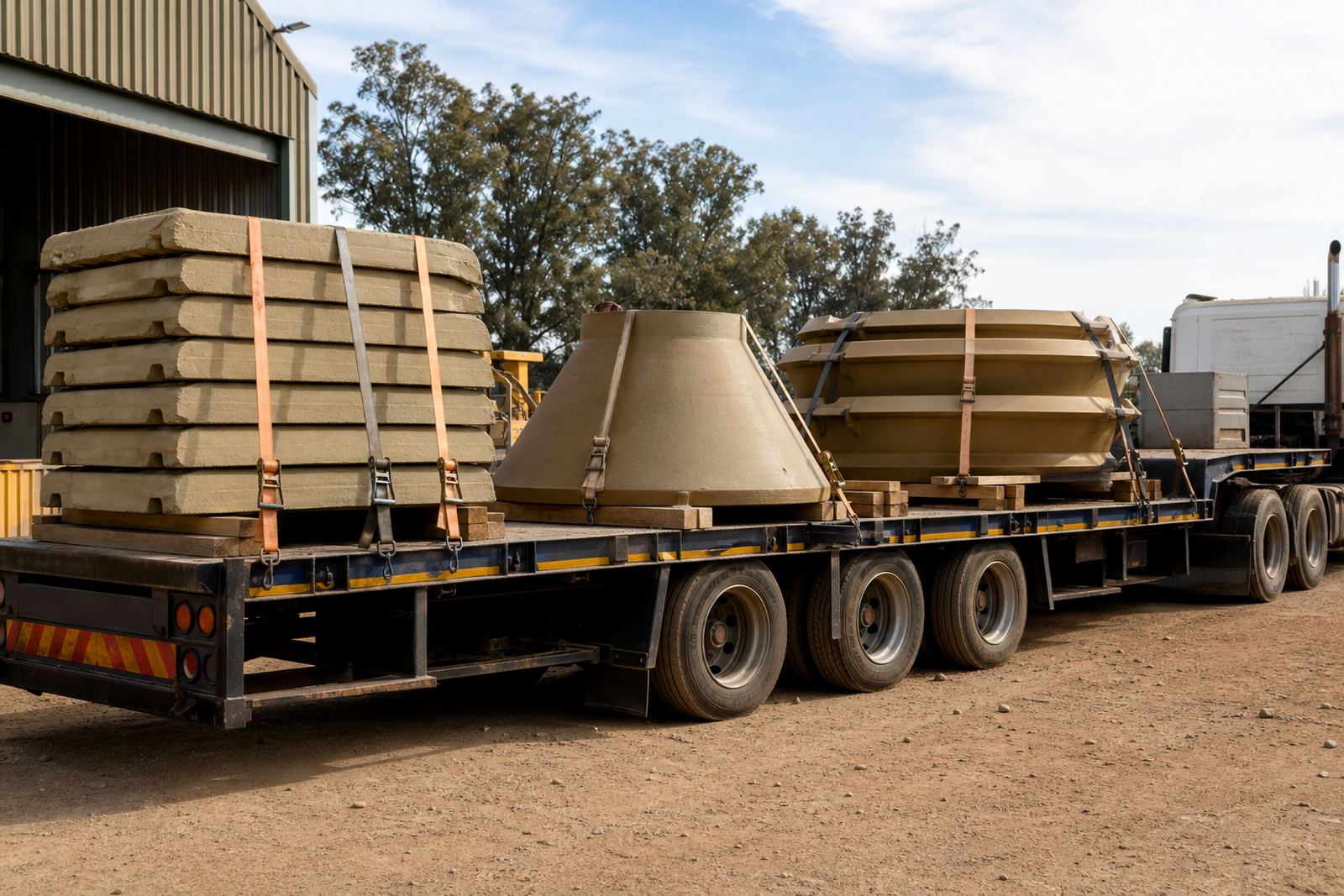
At a Middelburg base, the packing process has to work for both local runs and long-haul freight. Parts that can move or rub against each other are kept apart, and heavier items are set low for balance. Smaller items are bundled so they do not disappear inside a load of bigger steel parts. That sounds basic, but it is what keeps mixed orders practical on the road.
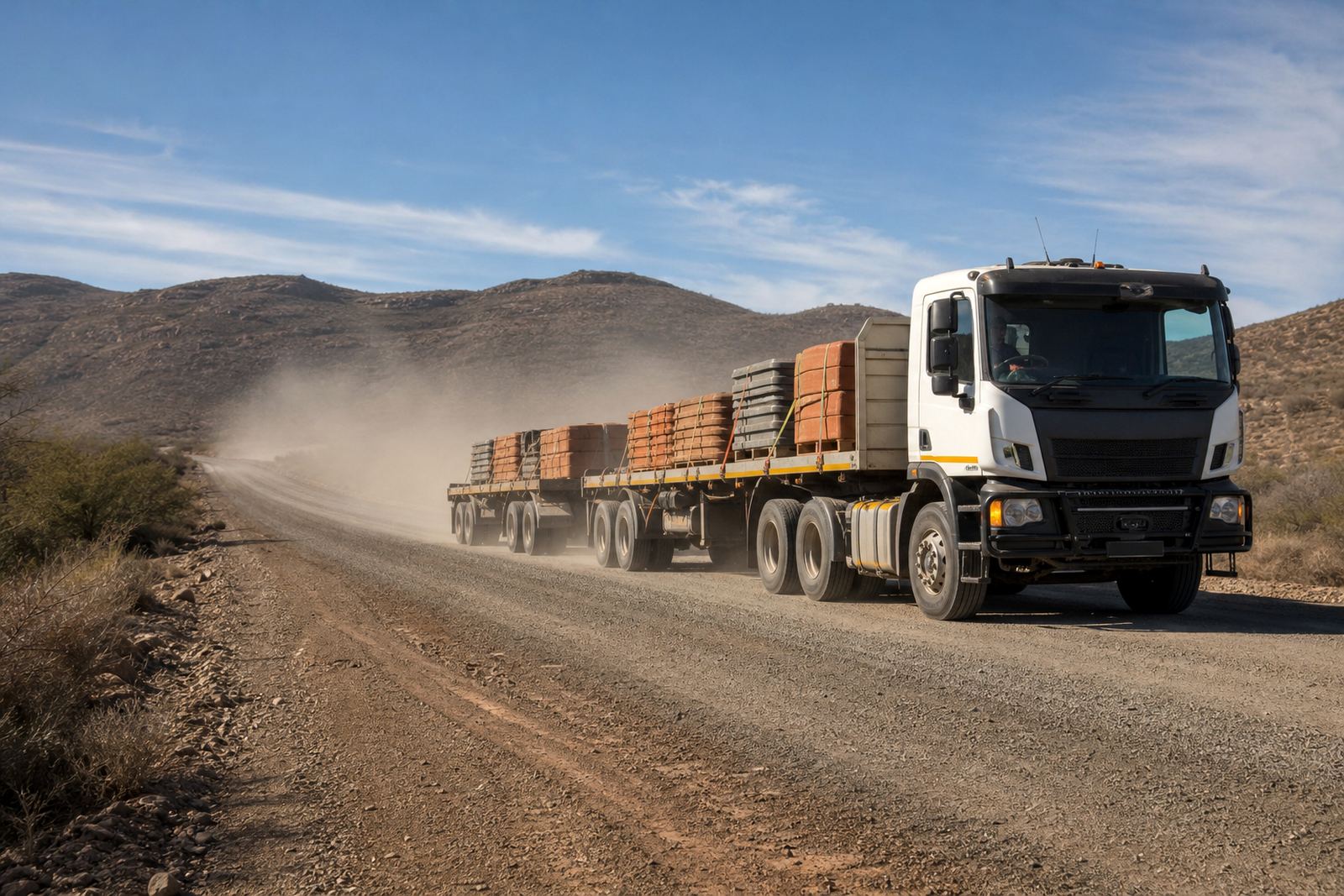
For quarry deliveries and remote mine freight, the packing also has to suit rough roads, dust and weather. Coastal humidity is not the only issue in South Africa, inland moisture and sudden rain can still affect packaging, labels and handling. Good grouping means each pallet or crate is prepared for the route it will travel, whether the destination is Steelpoort, Kathu, Rustenburg or a site outside Phalaborwa.
- Heavy parts placed low and secured against movement
- Smaller items packed separately so they are easy to count
- Labels written clearly for site, machine and order line
- Load tied down to suit long-distance freight and rough access roads
Using bundled kits to reduce shutdown pressure
When a shutdown is planned, mixed orders often work best as bundled kits. A kit can bring together the wear parts needed for one machine service, rather than sending loose pieces one by one. That makes the receiving process simpler and helps maintenance crews check what is on hand before the fitter starts work. It also reduces the chance of a missing part causing a delay after the machine is already opened.
Bundled kits are especially useful where the mine is far from town and supplier collections are not practical. If a site in Limpopo needs parts for a crusher and a screening section at the same time, the warehouse team can consolidate those items into a single dispatch plan. The result is fewer stops, clearer paperwork and less chance of confusion at the gate.
For operations that run on tight windows, the goal is not just to supply parts. It is to make sure the right parts arrive in the right order, in a condition that allows them to be put straight into use. That is why planning comes before loading.
Freight planning for remote routes and time-sensitive jobs
Remote mine freight needs route planning that accounts for distance, access roads, weighbridge stops and site receiving times. A mixed order often has more than one urgency level, so the freight coordinator has to decide what moves together and what should go on a separate run. For example, urgent part dispatch may be sent ahead of bulk stock if a machine is down and the rest of the order can wait a day or two.
This is where clear communication with the site matters. If a quarry near Middelburg needs a mixed load before a weekend shutdown, the delivery point, unloading method and gate process should be confirmed early. That avoids the truck arriving at a time when no forklift, crane or loader is available. It also prevents needless waiting, which can be expensive on long routes.
Where there are multiple branches or service areas involved, order consolidation becomes useful. A delivery to Johannesburg East may be combined with stock for Rustenburg or a route heading north, provided the sequence still supports the mine schedule. Good planning keeps fuel use, turnaround time and delays under control.
A local example from Middelburg to the northern routes
Take a mixed order leaving Middelburg for sites in the Northern Cape and North West. The order may include jaw plates for one machine, blow bars for another, and liners for a separate crushing section. If those items are packed together without grouping, the receiving team has to sort through the lot before they can even begin checking quantities. On a hot day with a tight offload window that slows everything down.
Handled properly, the same order can be split into clear bundles: one for each machine, each marked for the correct site, with the loading sequence planned around delivery order. The freight team can then secure the load, confirm the paperwork and move out without last minute reshuffling. It is a simple method, but it saves time and avoids mix ups.
For mines and quarries working across Mpumalanga, Limpopo, Gauteng and further out, that kind of order discipline is what makes stock-holding useful. A local base means the parts are there when needed, while the dispatch process keeps the mixed order manageable from the first pick to final delivery.
What customers should send with a mixed order enquiry
The more detail a site sends, the easier it is to group the order correctly. Clear information helps the team check stock, plan freight and prepare the right bundles for dispatch. It also reduces back-and-forth when a shutdown is already close.
- Machine name or section the part is for
- Part type, quantity and any measurements available
- Delivery site and preferred receiving time
- Whether the order is for stock, a shutdown or urgent replacement
- Any special handling needs, such as site access limits or offload equipment
Clients can reach us through the enquiry form on the contact page. From there, the order can be checked, grouped and planned for the route that best suits the site. Good mixed-order handling is not just about packing steel parts into a truck, it is about getting the full load to the right place in working order, with less fuss for everyone involved.