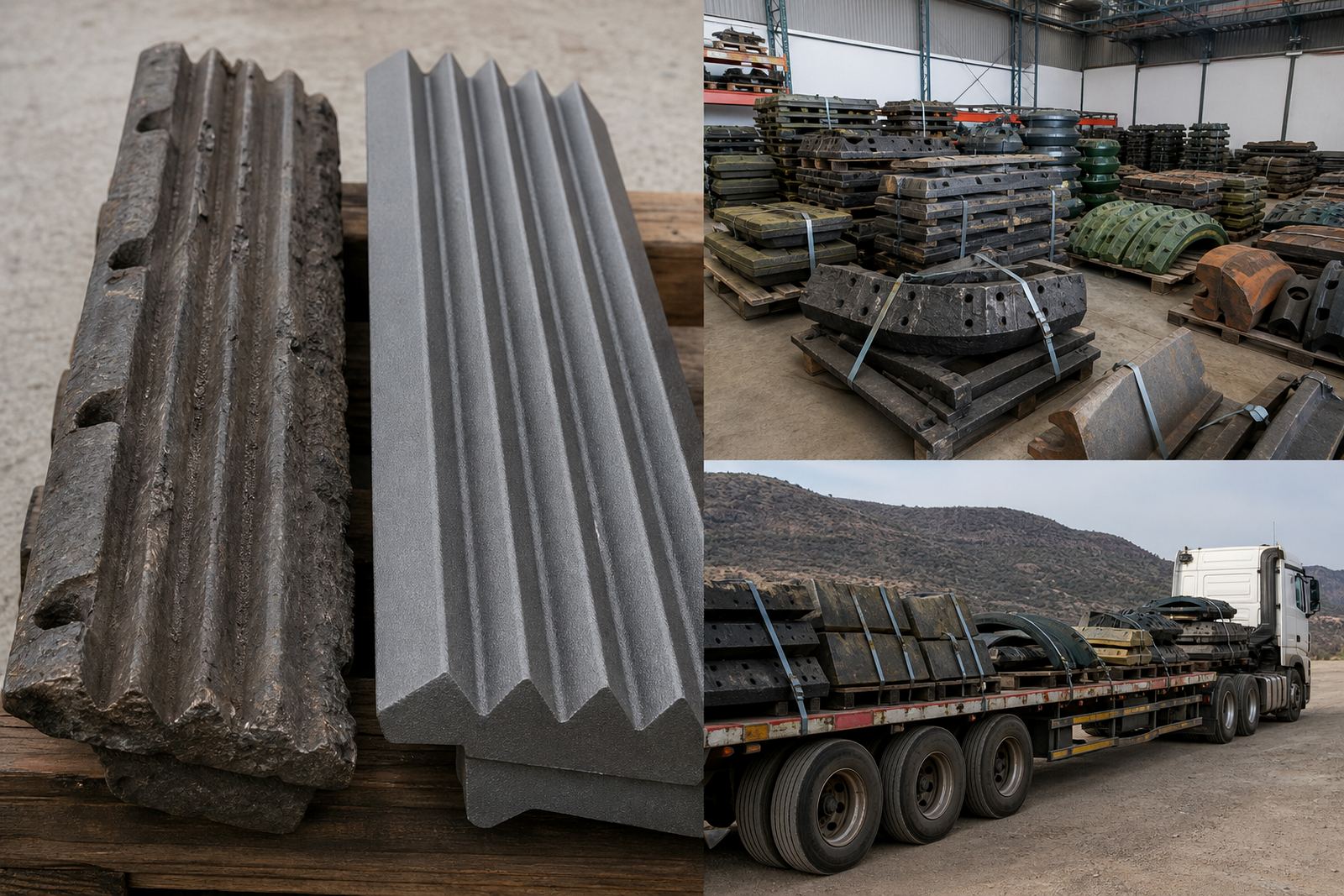
When Jaw Plate Wear Starts Showing In The Product
The first signs are often seen in the size and shape of the crushed product. When jaw plates lose their profile the crusher may still run, but the discharge starts to look less consistent. You may see more flat, slabby pieces, a wider product spread, or extra oversize coming through the screen. That usually means the crushing action is not gripping the feed properly anymore.
On many South African sites, especially where feed comes from blasted rock with fines and moisture mixed in, wear can move faster than expected. A plate that still looks acceptable at a glance may already be rounding off at the nip point. That is why operators should compare current output against the normal product size from the same setting and feed mix, not just against yesterday's load.
Visual Signs That Call For A Proper Check
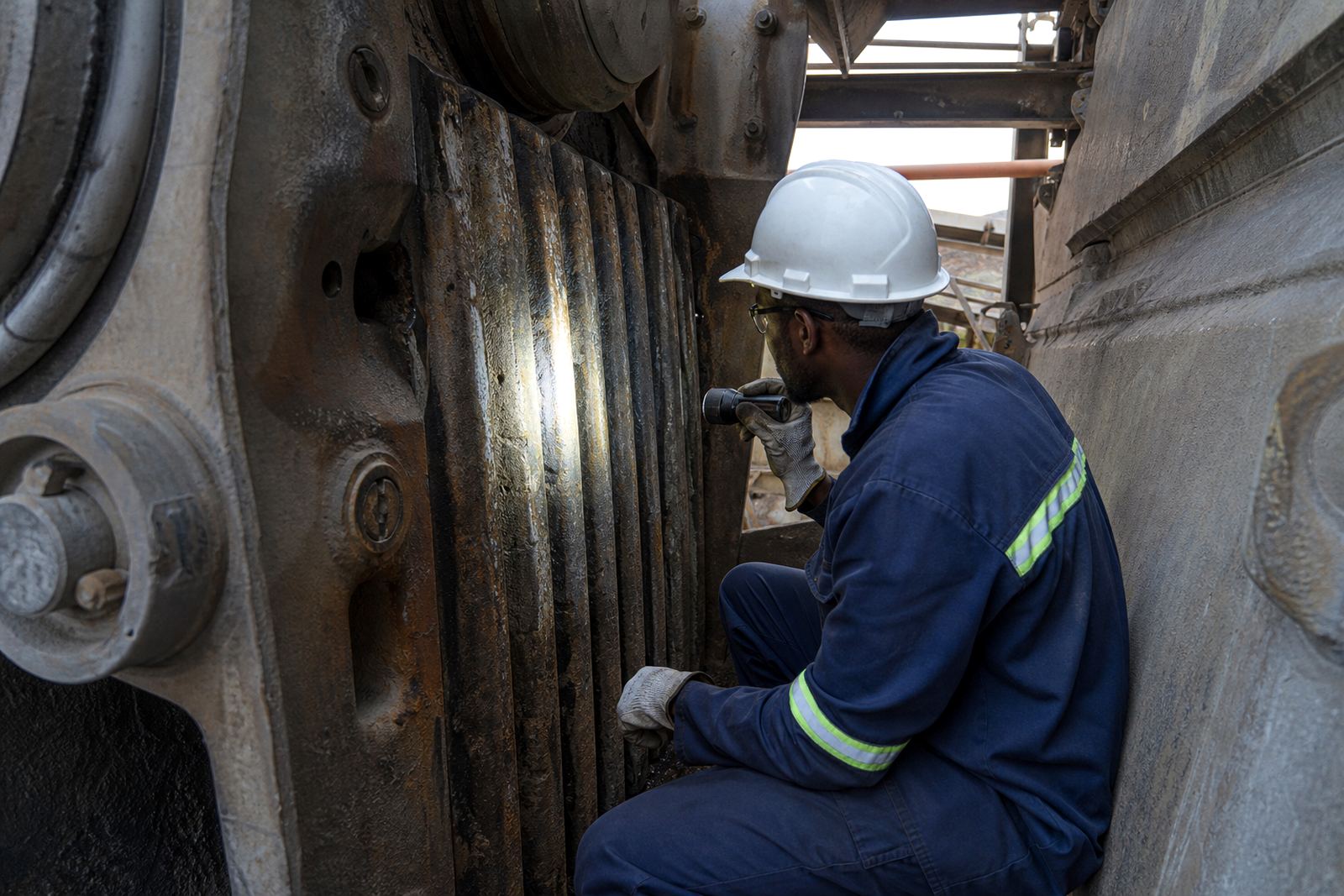
A safe inspection during a planned stop can tell you a lot. Look for thinning at the lower half of the fixed and moving jaw plates, rounded teeth, broken corners and areas where the surface pattern has worn smooth. In some crushers, wear will be uneven from side to side if the feed is off centre or if one side of the chamber is taking more impact than the other.
- Deep rounding of the tooth profile
- Reduced depth at the lower crushing zone
- Cracks near bolt holes or seating faces
- Loose hardware, movement or chatter marks
- Polished wear areas that show loss of grip
If the plate face is smooth and shiny in the work zone, that is usually a sign the jaw is no longer biting into the rock properly. At that stage the crusher can pull more power for less output, and liners may also start to wear faster because the chamber is no longer working as designed.
Changes In Power Draw, Noise And Vibration
Wear does not only show on the plates themselves. Operators often notice the machine sounding different before anyone opens the chamber. A higher pitched tone, more vibration through the frame, or uneven surging on the motor can all point to a loss of crushing efficiency. If the unit is drawing more power for the same tonnage, it is worth checking the jaw condition as part of the cause.
Some teams put these changes down to feed issues alone, but worn jaw plates are a common part of the picture. When the crushing face is no longer sharp, the rock slips instead of breaking cleanly. That can create extra heat and stress in the machine, and on long shifts it may also affect the feed hopper flow. In dusty conditions near Witbank or Middelburg, those warning signs can be easy to miss unless they are logged by shift.
Why Remote Sites Should Watch Wear Earlier
Remote mines and quarries cannot afford to wait until a jaw plate fails completely. In Limpopo, the Northern Cape or the more distant parts of North West, a missed changeout can mean several days of lost production while freight is arranged and access is cleared. Road conditions, site permits and load securing all matter when parts are travelling long distances.
That is why early planning makes a real difference. If the crusher is already showing the warning signs below, the site can line up the next set of jaw plates, confirm the freight route and make sure the shutdown crew has what it needs.
- Product sizing has started to drift
- Output is lower even though feed rate has not changed
- The machine is using more power than usual
- Wear is uneven across the plate face
- There is no comfortable margin left before the mounting face is exposed
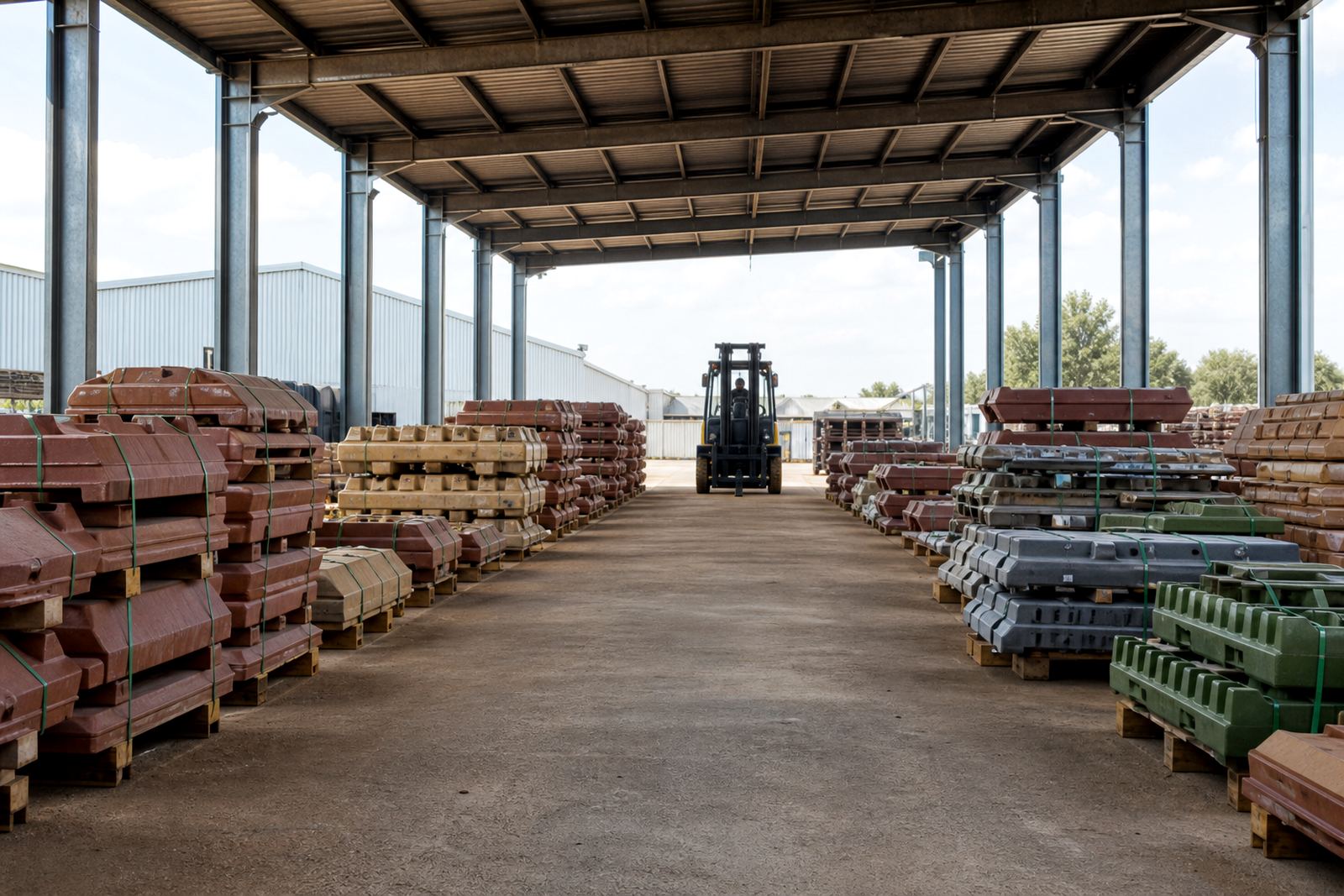
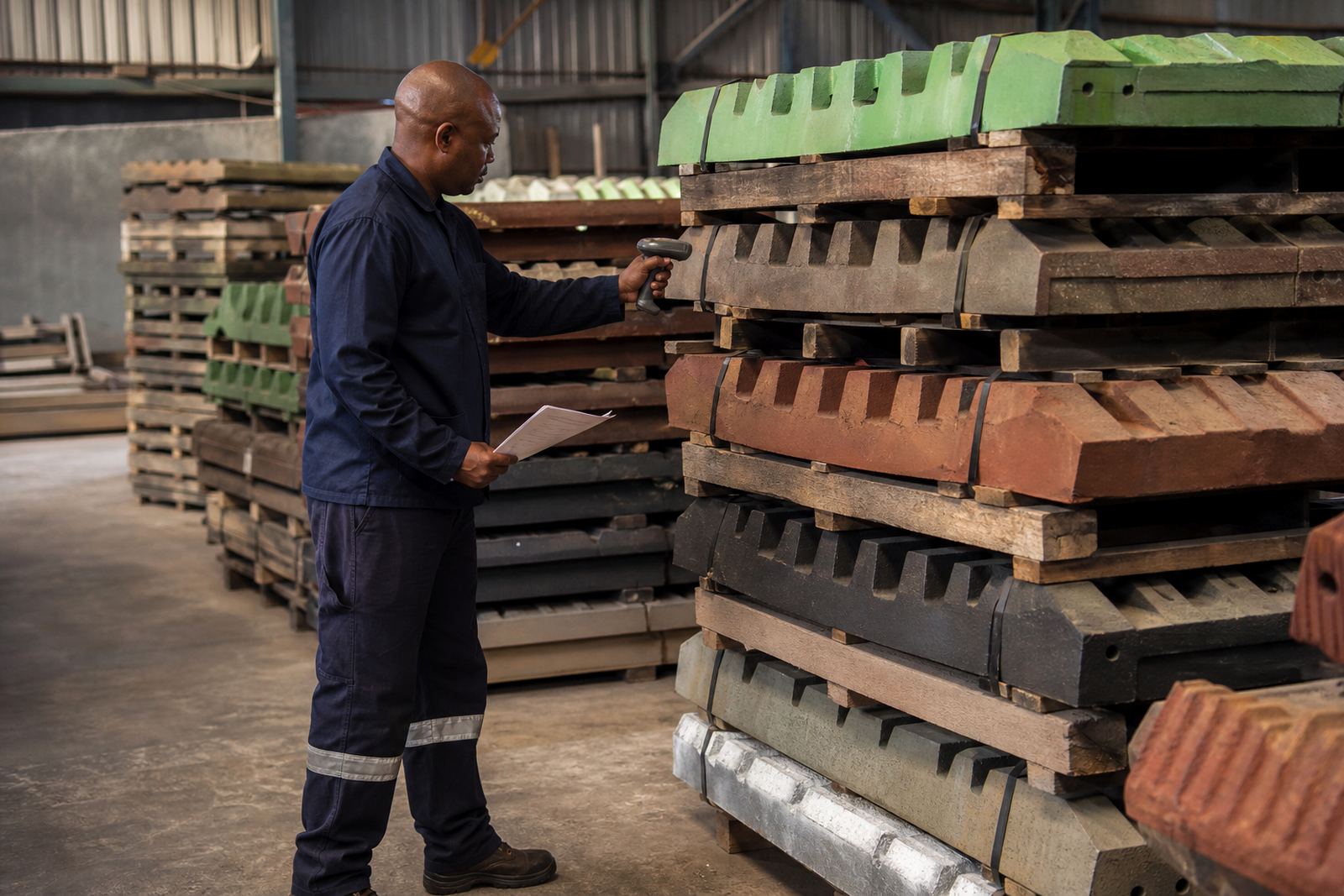
At a Middelburg base, keeping stock close to hand also helps with urgent dispatch. When a site in Phalaborwa or Kathu calls in, the time saved by having the right jaw plates on the shelf can be the difference between a short stoppage and a long one.
Feed Conditions That Speed Up Plate Wear
Jaw plate life depends heavily on feed quality. Very fine feed can pack the chamber and reduce the crushing action. Oversize feed, steel contamination or poor blasting can chip the working face and push wear into the corners. Wet clay and sticky material can also cause bridging, which makes the crusher work harder than it should.
Operators should keep an eye on the feed mix after rain, during seasonal mud build-up and after changes in the pit face. If the plant starts seeing more fines than normal, or if the rock is coming in with sharp angular pieces and mixed density, wear will not be even. The result is often premature loss of profile on one side, and that can shorten the useful life of the set.
Simple discipline helps. Keep the feed centred, avoid overloaded starts, and record any changes in hardness or moisture. Those notes are useful when deciding whether jaw plates are due for replacement or whether the problem is actually coming from the feed end.
How To Plan A Replacement Without Rushing The Shutdown
Once the signs are there, replacement should be matched to the maintenance plan rather than left until failure. A good shutdown plan includes inspection, stock confirmation, lifting access, fasteners, and any extra wear parts that should be changed at the same time. That may include liners, wedges or other related items depending on the machine setup.
For sites across South Africa, freight planning matters just as much as the parts themselves. A quarry near Rustenburg may need same week delivery, while a mine in the Northern Cape may need route checks, order consolidation and secure loading to avoid damage on the road. In both cases, the goal is the same: get the right parts to site in good condition, with no wasted trips.
Crusher Consumables Direct is based in Middelburg, Mpumalanga and supports mines and quarries with stock holding, remote mine freight and order support. The team includes Thabo Mokoena, Lerato Nkosi, Johan van der Merwe, Ayanda Dlamini, Sibusiso Mahlangu and Megan Naidoo, and the focus is on practical supply planning for sites that cannot afford delays. Clients can reach the team through the enquiry form on the contact page when they need help matching wear signs to the next order.