Why picking accuracy matters for crusher consumables
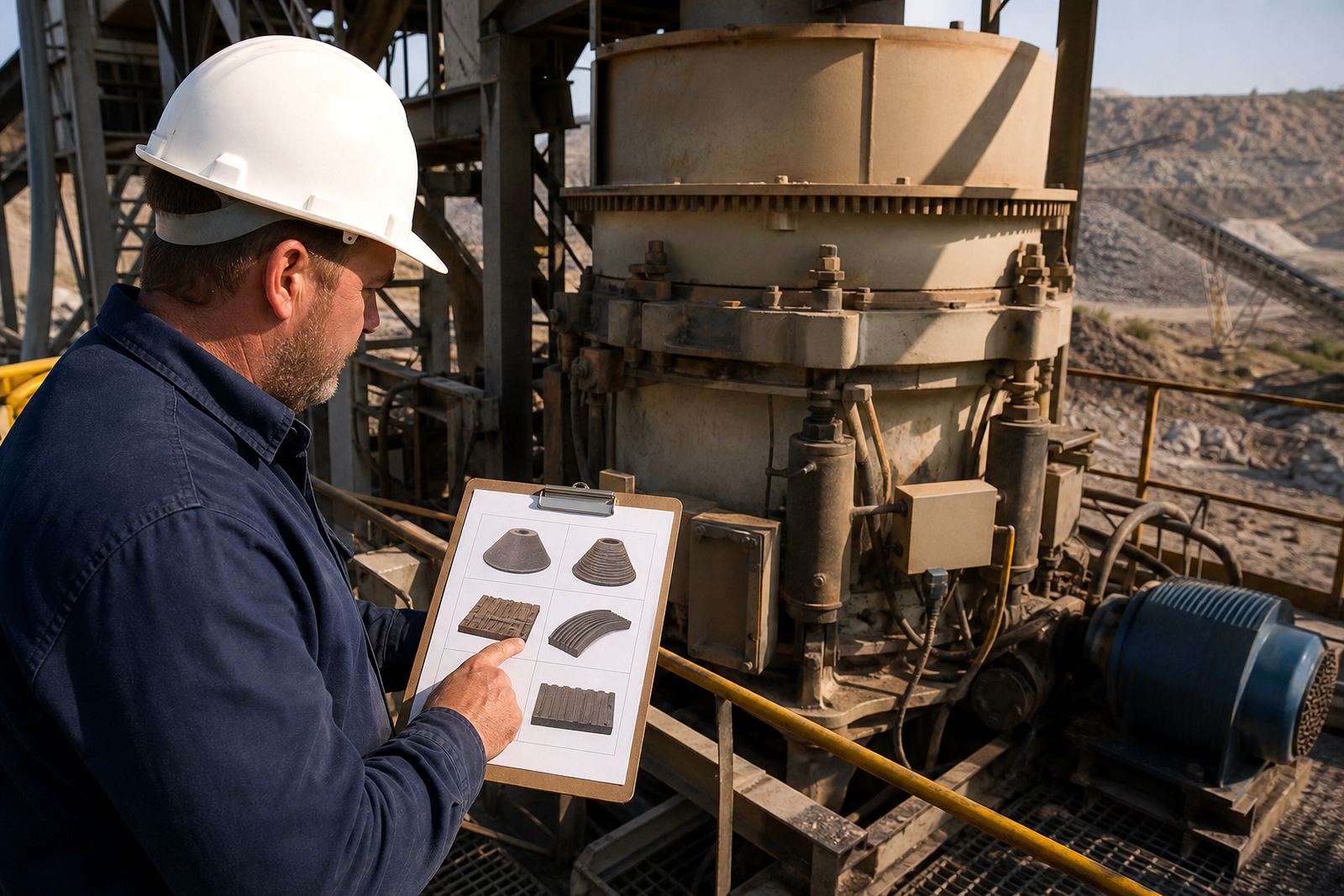
Crusher wear parts are not general cargo. A jaw plate, mantle, concave, blow bar, or liner has to match the machine, the profile, and the job on site. If the wrong item goes out, the truck may still arrive on time but the plant can still sit waiting. That is why a proper picking process starts long before a forklift reaches the pallet.
At our Middelburg base, accuracy matters because many orders are headed for remote mines and quarries in Mpumalanga, Limpopo, the Northern Cape, North West and Gauteng. Some sites are close to the main road, others need extra route planning, gate instructions and load securing. A clean picking process helps reduce call backs, avoids extra freight, and keeps shutdown work moving on schedule.
It also supports stock holding. When common wear parts are stored in the right bays, with clear counts and labels, the warehouse team can pick faster and check each order properly before it leaves. That saves time on urgent dispatches and helps avoid mix ups between similar parts.
How a warehouse pick starts with the order details
Every pick begins with the order details, not the shelf. The team checks the part description, quantity, site, collection method, and whether the order is for a planned shutdown, emergency repair, or general replenishment. For crusher wear parts, even small differences matter. The same part type can have different sizes, weights, or profiles, so the warehouse has to work from clear information.
Before picking starts, the order is checked against internal stock records and the freight plan. If the delivery is going to Burgersfort, Phalaborwa, Rustenburg or Kathu, the team considers the route, vehicle space, and how the load will be stacked for the trip. That is important for heavier parts, because poor stacking can cause movement on corrugated roads or during braking.
- Confirm the part type and quantity
- Check the site name and delivery point
- Match the order to the planned freight run
- Flag any urgent or shutdown items first
- Set aside return freight if it needs to come back
Picking by location, batch and part family
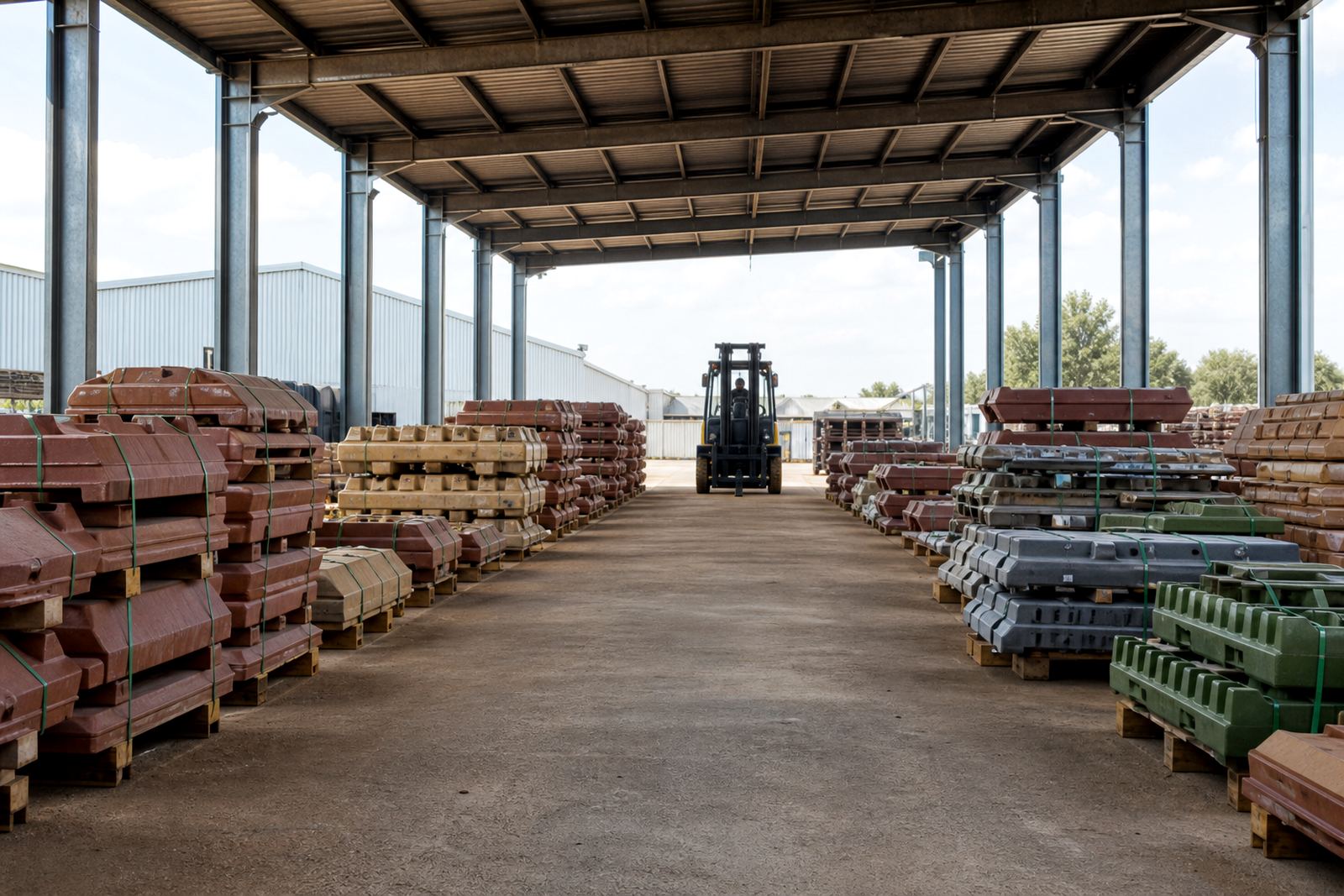
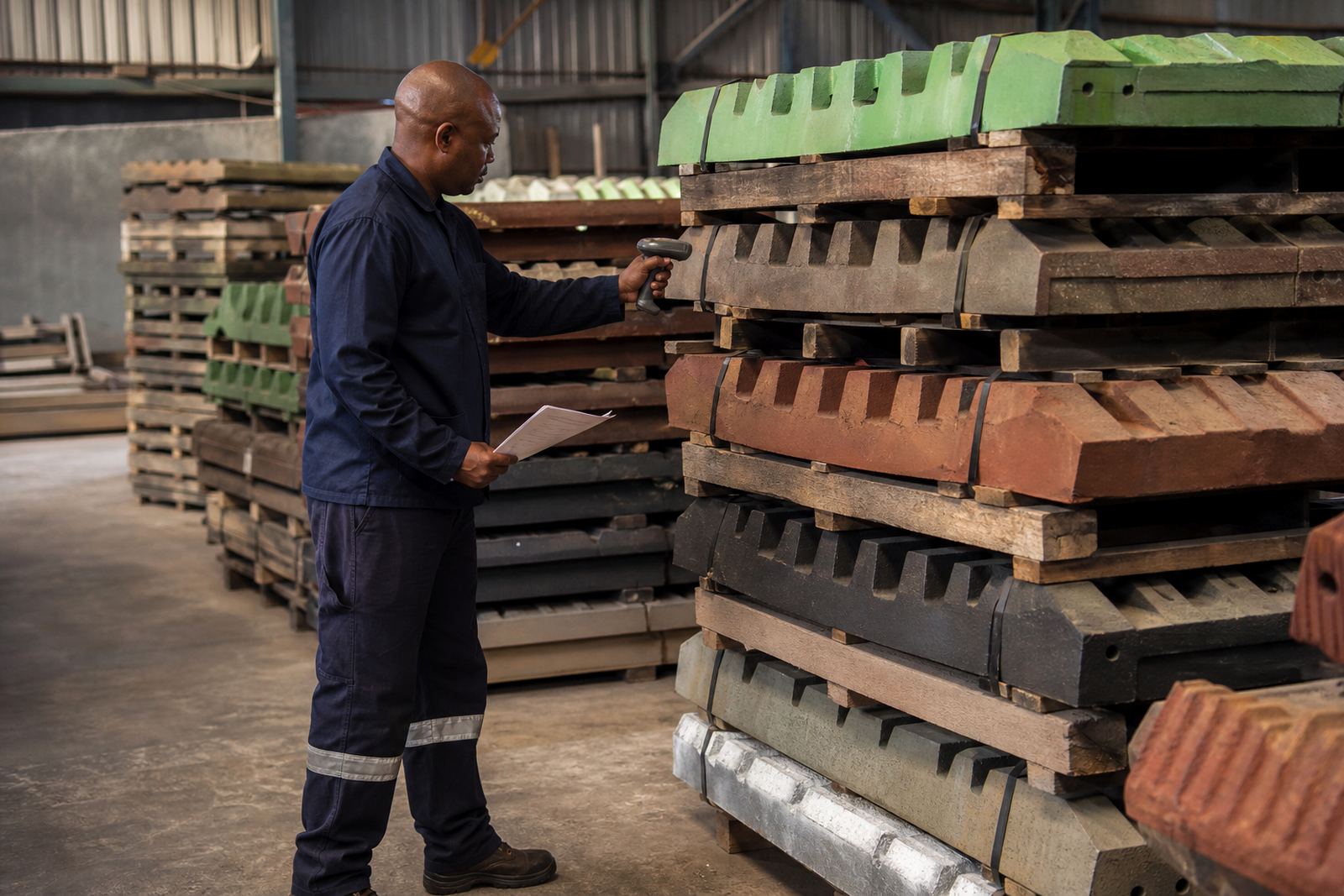
A tidy warehouse works by location. Each shelf, rack or pallet position should have a fixed place, so the picker is not hunting across the floor for one item. Common crusher wear parts are usually grouped by part family and machine application, then checked again before packing. That structure helps the team move faster without losing control of the stock count.
In practice, the picker uses the bin location, the stock label and the order note to pull the correct items. If a bundle kit has been ordered for a shutdown, the team can pick the full set together instead of sending separate pieces one by one. This makes the job easier for the site too, because the parts arrive together and are ready for issue. A clear picking route through the warehouse also cuts down on walking time, which matters when orders are going out on the same day.
Good picking also supports stock rotation. Parts that have been on the shelf longer can be moved according to the warehouse plan, so older stock is used in order and new stock stays easy to track. That helps keep records clean and reduces the chance of sending out a part that was put in the wrong place.
The checks that stop costly loading mistakes
Once the parts are picked, they are checked before packing. This is where a lot of mistakes are caught. The warehouse supervisor confirms the order line by line, checks quantity, and looks at the condition of the part before it leaves the floor. Heavy wear parts can be awkward to handle, so the team needs clear communication and proper lifting practice, especially when the load is going onto a flatbed or enclosed vehicle.
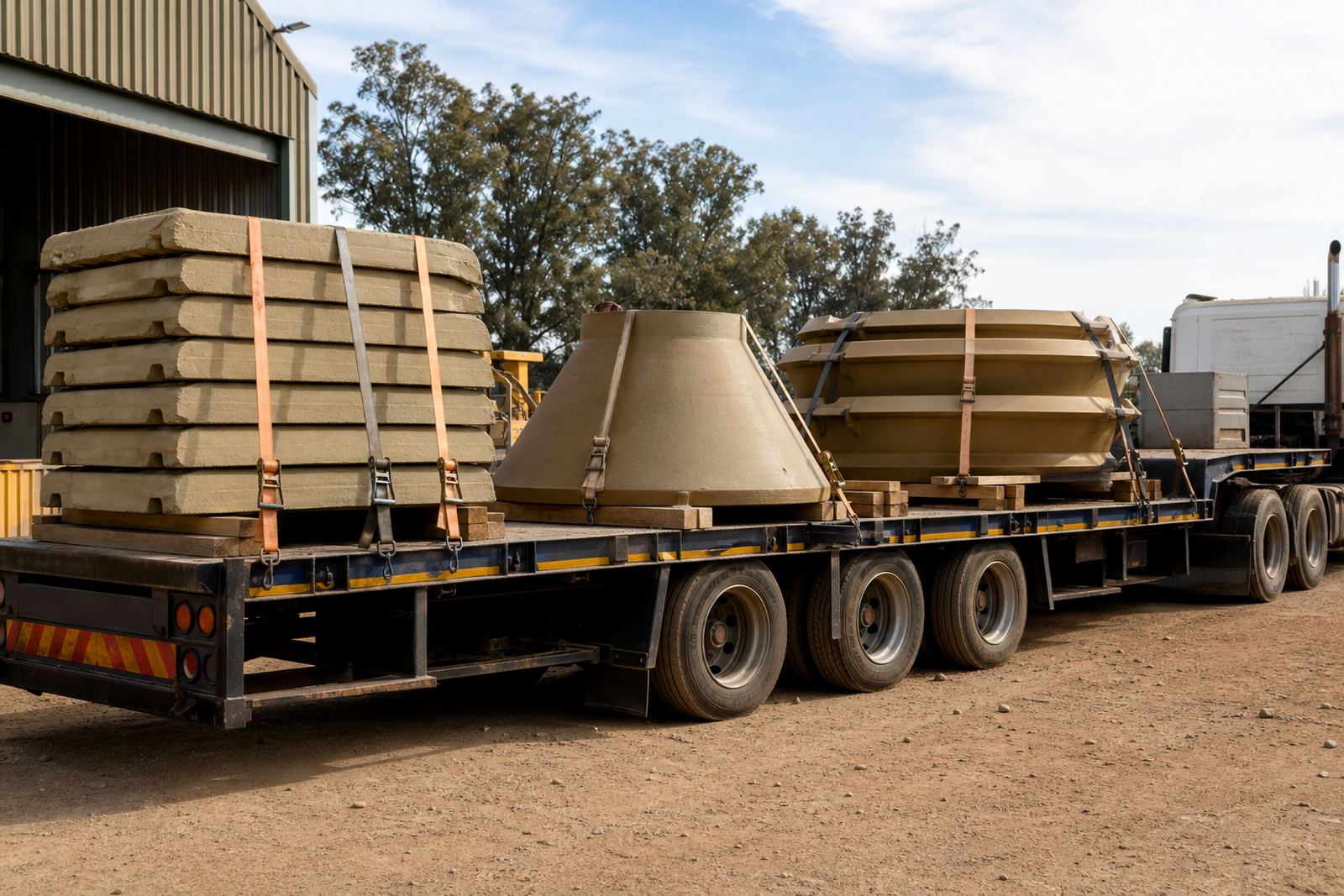
For remote mine freight, the pack and load stage is just as important as the pick itself. A loose pallet, a missing strap or a box with no label can create problems at site. In hot weather, dust and vibration can also affect packaging, so the team uses appropriate wrapping, bracing and load securing. On longer runs, the truck may pass through different municipalities and road conditions, so the load must stay stable from Middelburg to the final site.
- Count every item against the order
- Inspect for visible damage before dispatch
- Label parts clearly for site receiving
- Secure the load for road conditions and off road access
- Keep the paperwork with the freight
Planning for shutdowns and urgent dispatches
Shutdown work needs a different pace. The picking process has to support bulk orders, mixed part lists, and tight loading times. When a mine in Steelpoort or a quarry near Johannesburg East needs parts for a planned stoppage, the warehouse must work in a set sequence so that urgent items are picked first and grouped correctly. That way the site can start receiving freight as soon as the truck arrives.
Urgent dispatches need another layer of control. If a site is waiting on a single liner or a small set of blow bars, the warehouse must pick that item quickly without losing the rest of the day's order flow. Good order support means the team can talk to freight, procurement and customer support in real time, so there is no confusion about what is going out and what is still being held. It is proper practical work, not guesswork.
We also keep return freight planning in mind. If a site has old parts or packaging to send back, that need is noted before the truck leaves Middelburg. It saves time at the gate and helps the site avoid clutter at the end of the shutdown.
A local example from Middelburg to a remote site
A good example is a mixed order leaving the Middelburg depot for a remote mine in the Northern Cape. The order may include jaw plates, a set of liners, and a few smaller support items. The warehouse team picks each line from the correct location, checks the counts, then stages the freight in the right sequence for loading. Heavy items go low and secure, lighter parts are packed where they will not be crushed.
The freight coordinator then plans the route, taking into account road condition, access times and site receiving rules. If the mine only accepts deliveries during a short receiving window, that is built into the plan. When the truck reaches site, the delivery is easier to receive because the parts are labelled, counted and grouped in a way that matches the work list. That is how a simple picking process supports better productivity at the end of a long run.
For mines and quarries in Mpumalanga, Limpopo, the Northern Cape, North West and Gauteng, this kind of discipline matters every day. load delays, wrong parts and poor stacking can all be avoided when the warehouse follows a repeatable process.
What clients should expect from a well-run picking team
Clients should expect clear communication, accurate counts and freight that is ready for the road. A proper picking team will not rush past the small checks. It will confirm the order, prepare the load for the route, and hand over the right paperwork so the site can receive the goods without confusion. That is especially important when the order is tied to a crusher shutdown or a busy production window.
From our Middelburg base, that approach supports the service areas we work in, including Witbank, Steelpoort, Burgersfort, Phalaborwa, Rustenburg, Kathu and Johannesburg East. Each route has its own practical demands, but the warehouse process stays the same: pick accurately, check properly, pack securely and dispatch on time. When that happens, crusher wear parts reach site ready for use, and the team on the ground can keep the plant moving.