Start with the feed, not just the liner
The quickest way to shorten liner life is to send the crusher material it was not set up to handle. Hard stone, sticky clay, fines, oversize rock and tramp metal all wear different parts in different ways. If the feed is uneven, the chamber gets hammered in patches and the wear pattern becomes uneven too.
At a remote quarry near Middelburg, one side of a liner may wear faster simply because the feed hopper is being loaded from one angle every day. That type of pattern is common on sites that run through load-shedding, where the plant starts and stops more often and the feed rate is harder to keep steady. Good stock holding helps, but it is the feed blend and feed control that usually decide whether a liner gives steady service or gets chewed up early.
Keep an eye on moisture as well. In Limpopo and parts of Mpumalanga, damp material after rain can pack into the chamber and affect the crush. That adds heat, pressure and extra strain on the wear parts, especially when the plant is pushed to catch up after a stoppage.
Crusher settings and chamber shape matter every shift
Clearance settings, closed side setting and chamber shape have a direct effect on how the liner wears. If the setting is too tight for the feed, the crusher works harder than it should and wear speeds up. If it is too open, product size suffers and the chamber may not use the full wear surface properly.
Operators often focus on output tonnage, but liner life is more closely tied to how the machine is run hour by hour. A stable setting gives the wear parts a more even load. Frequent changes in setting can create hot spots and shorten the useful life of jaw plates, mantles, concaves and liners.
- Check the setting after each shutdown and before start-up.
- Record product size changes so wear trends can be linked to machine changes.
- Keep the feed level consistent to avoid overloading one side of the chamber.
Where a plant is running between Rustenburg and Kathu, and freight lead times are longer, it pays to plan setting changes around the stock on hand. A rushed adjustment with the wrong wear profile can cost more than a controlled run on a slightly longer cycle.
Match the wear part to the job it must do
Not every liner is working under the same conditions. Jaw plates deal with compressive crushing, mantles and concaves work in a cone chamber, while blow bars and other impact parts take a harder hit from sudden force. The material being processed, the size of the feed and the duty cycle all influence which profile will last longest.
For example, a high-impact application at a quarry outside Phalaborwa may need a different wear pattern from a steady feed job near Johannesburg East. The parts may look similar at the start, but the rate and style of wear can vary a lot. That is why it helps to keep proper records of which profile was fitted, where it ran and what the chamber looked like when it was removed.
- Use the right profile for the feed size and rock type.
- Do not mix worn and new parts without checking fit and balance.
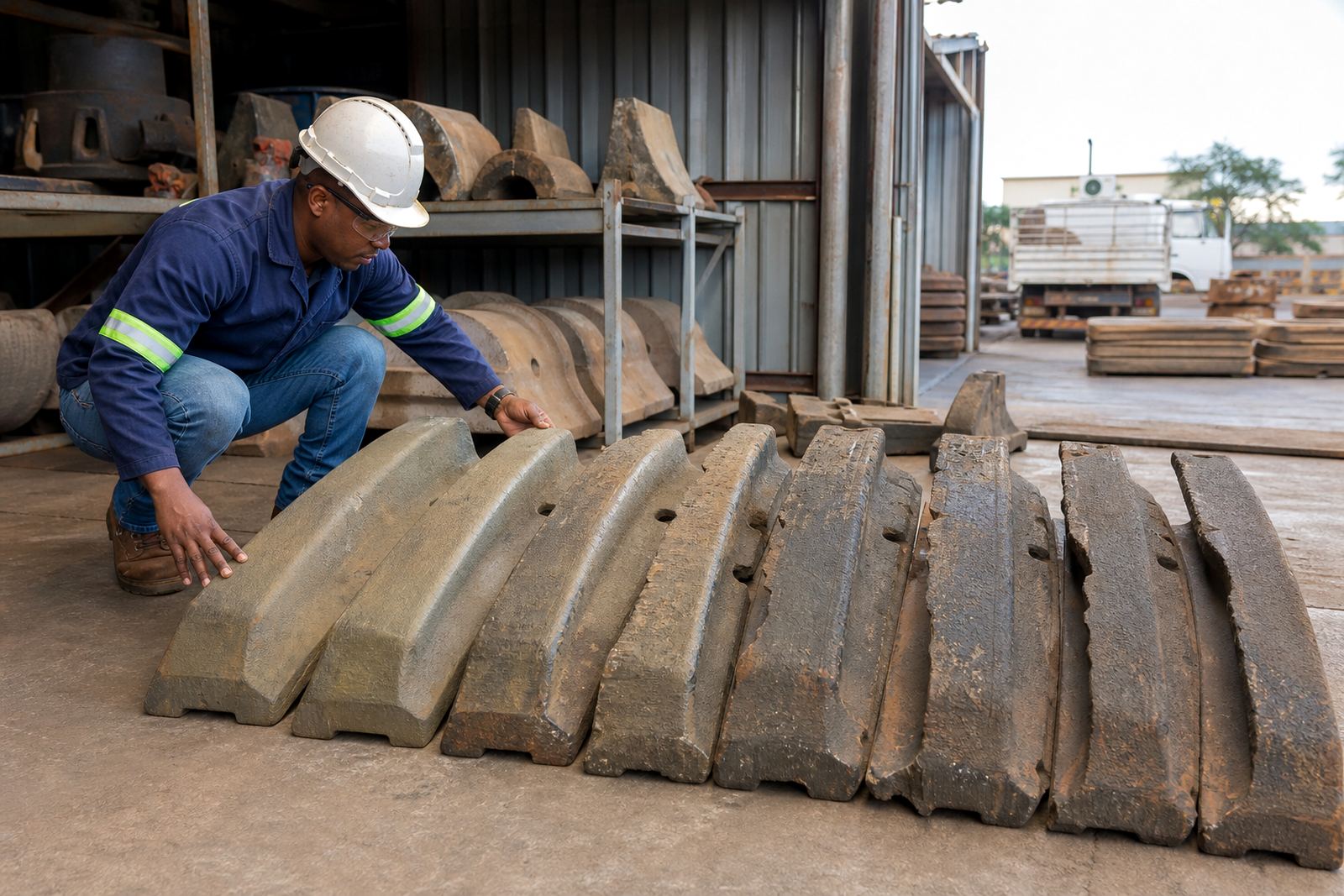
- Inspect for cracking, pitting and uneven edge wear before the next fitment.
Even a small mismatch between the part and the application can knock weeks off service life, and in some cases it will damage the support surfaces as well.
Maintenance habits decide whether wear is even or expensive
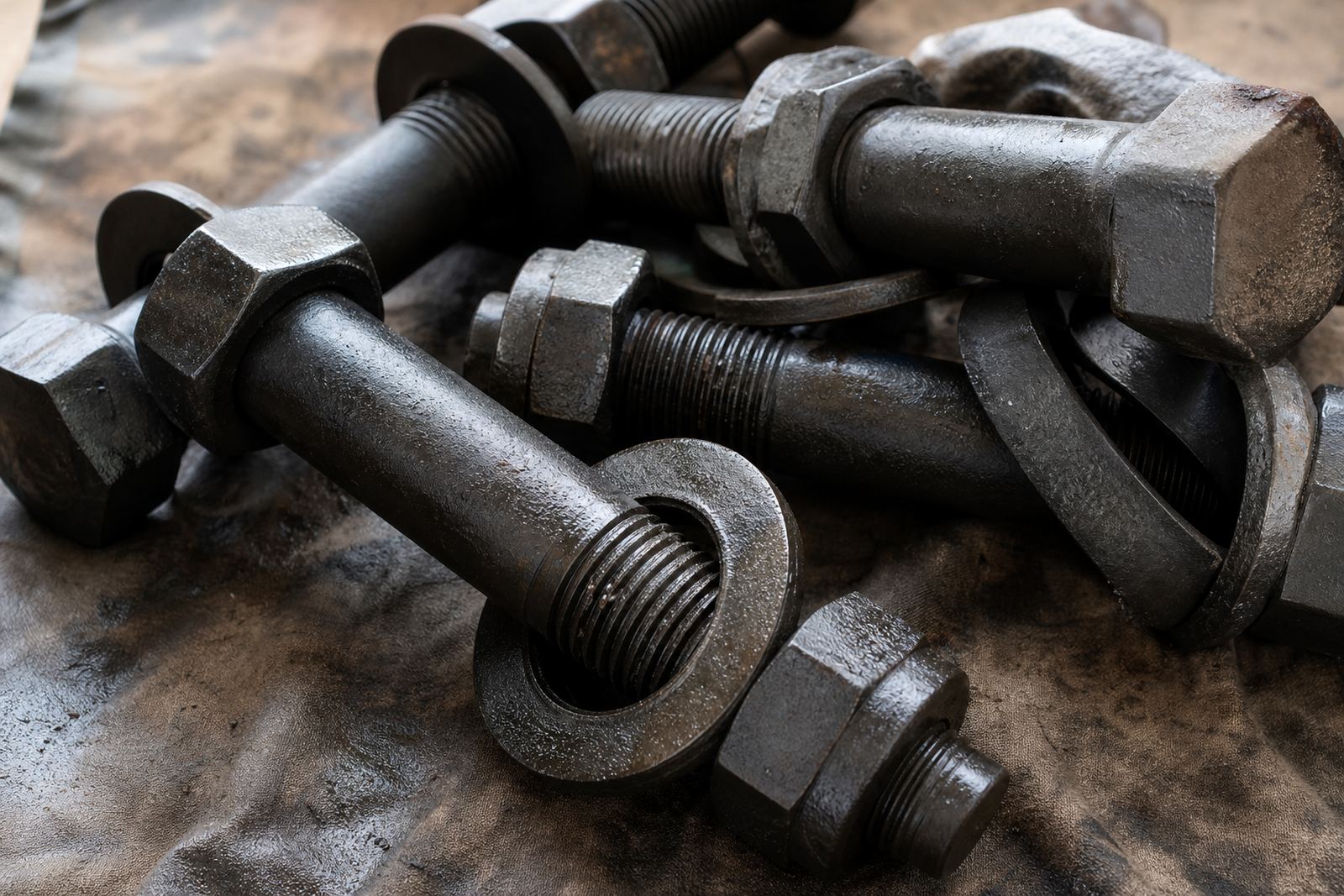
A liner can be sound on paper and still fail early because of poor maintenance practice. Loose fasteners, blocked discharge, worn support pads and poor lubrication all add stress to the crusher. If the machine is left to run with build-up in the chamber, the wear pattern changes and parts can wear through faster on one side.
Shutdowns in remote mining areas need planning. When a crew has limited access to tools or replacement stock, it is tempting to delay a minor fix. That usually ends up costing more because the worn area keeps spreading. In practical terms, a clean chamber, correct torque and proper inspection are worth more than waiting for a major breakdown.
Use a simple inspection routine and stick to it:
- Check for loose liners and worn fixings.
- Look for uneven wear across the chamber.
- Clear trapped material before restart.
- Confirm lubrication and bearings are within spec.
Good maintenance is also about timing. On sites where power supply is not always stable, a planned stop is better than a sudden shutdown that leaves the chamber half full and the wear parts under strain.
Stock holding and freight planning protect liner life in practice
Liner life is not only a workshop issue, it is a logistics issue too. If the next set is not on site in time, operations are forced to push a worn set longer than they should. That extra run can damage the crusher body, the support surfaces and the product quality.
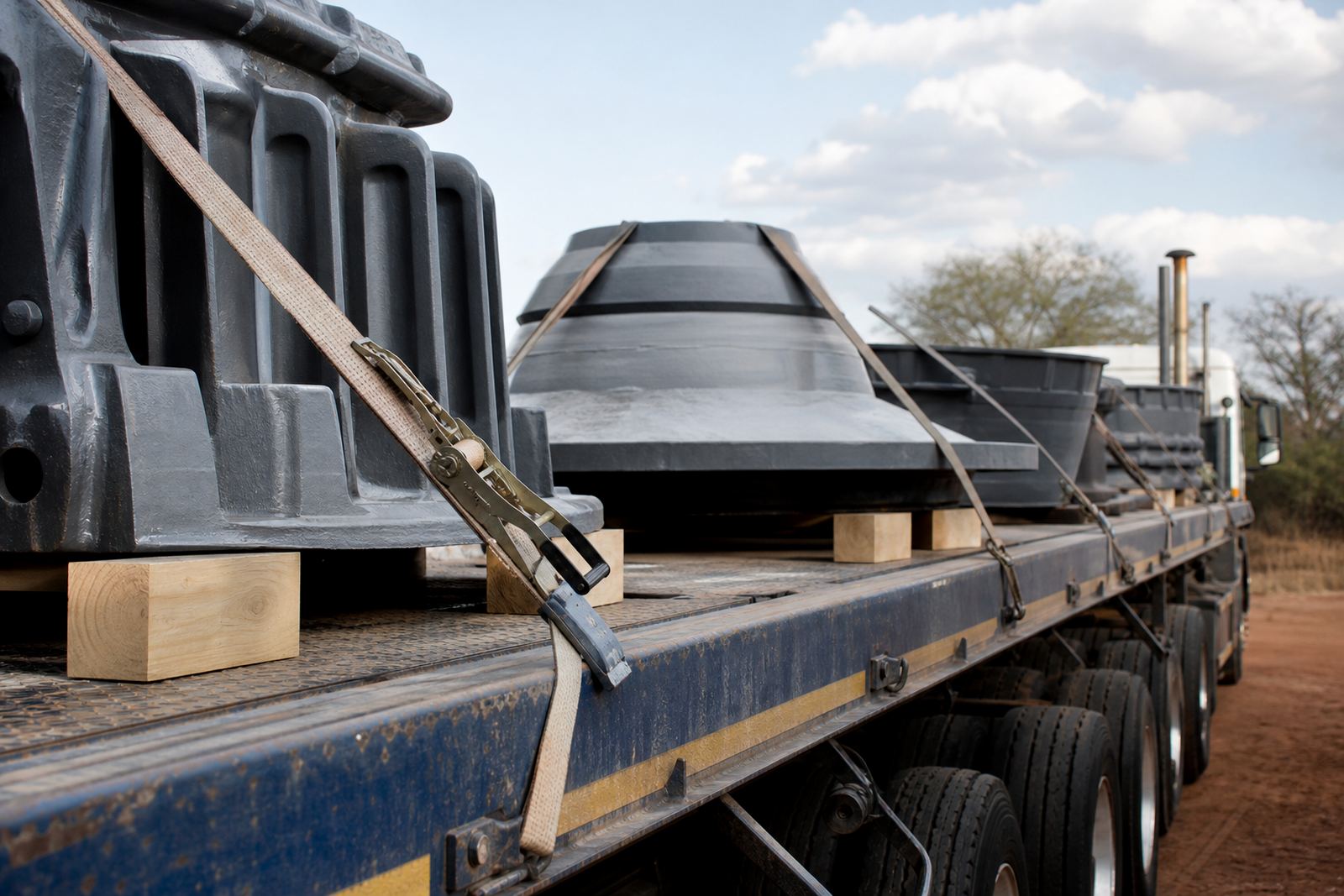
From Middelburg, we see how remote sites across Mpumalanga, Limpopo, North West, the Northern Cape and Gauteng are affected by road distance, weather and access rules. A mine road in Burgersfort is not the same as a quarry outside Kathu, and return freight planning matters just as much as the outgoing load. If old parts are not collected and new parts are not secured properly, delays can ripple through the whole maintenance plan.
- Hold critical wear parts close to the point of use.
- Bundle related items together for shutdown work.
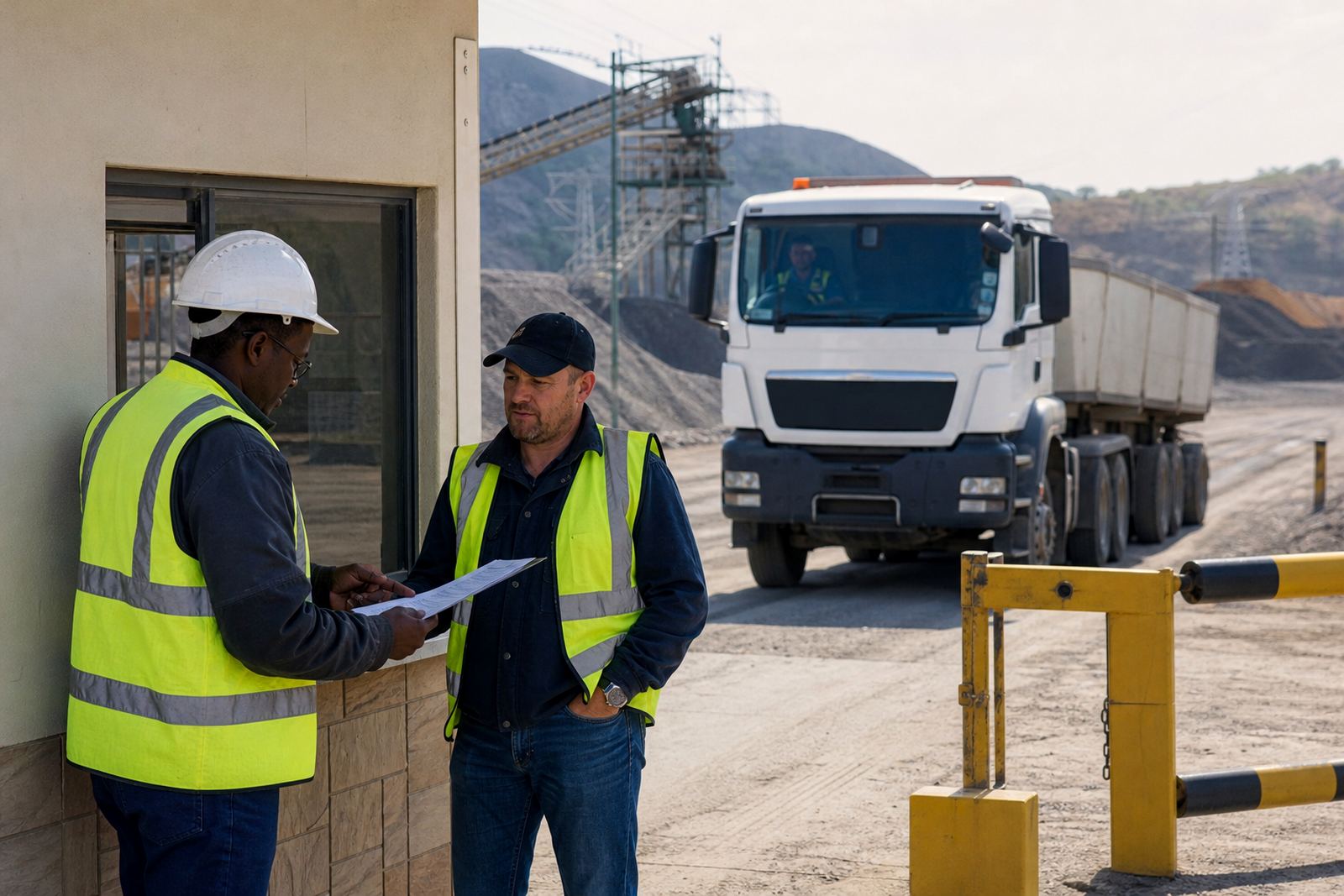
- Plan delivery windows around access control and site rules.
- Secure loads properly to prevent damage in transit.
When stock is available and freight is organised, crews can change liners at the right time rather than stretching the last bit of life out of them. That keeps the crusher in a better condition and helps avoid expensive emergency work.
A simple site example from the Middelburg side
A site running through the Middelburg and Witbank corridor may face a mix of dusty conditions, load-shedding and short maintenance windows. If the plant is feeding hard rock during the day and then stopping for power interruptions in the evening, the liners can wear unevenly unless the team keeps a close eye on feed control and shutdown checks.
In that sort of operation, the best results usually come from combining three things: the right wear profile, a disciplined inspection routine and freight that arrives before the liners are fully spent. That approach is especially important when the quarry or mine has limited storage space and cannot keep large quantities on site.
It is often the small details that make the difference. A cleaner feed, a correct setting and one planned delivery can add useful life to jaw plates or a set of cone liners, while poor planning can waste a perfectly serviceable part. The liner itself does the work, but the site conditions decide how hard that work becomes.
For support with stock holding, urgent dispatch and remote mine freight, clients can use the enquiry form on our contact page. That is usually the quickest way to line up the next delivery and avoid running a set too far.