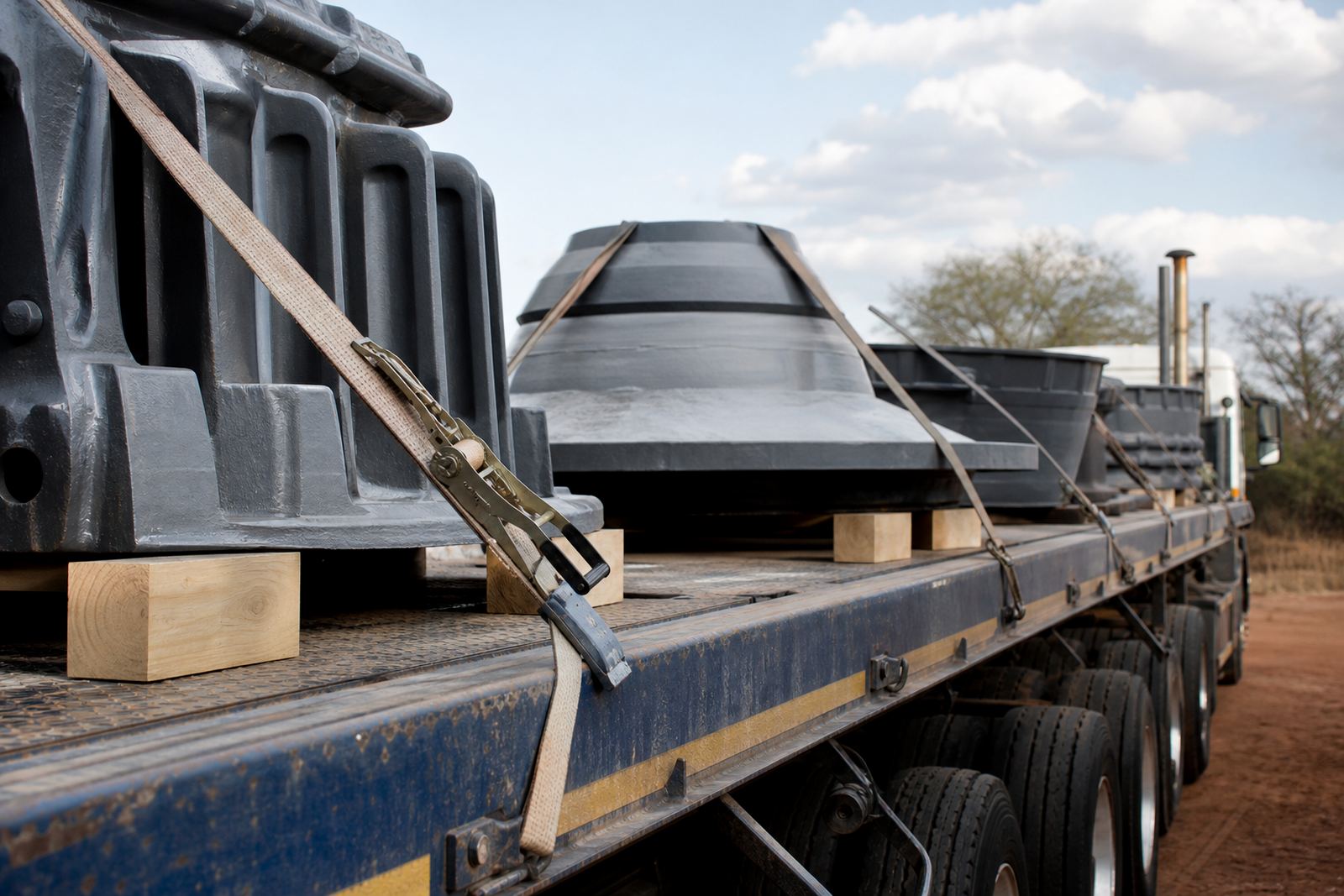
Why transit protection starts before loading
Heavy wear parts do not move safely by chance. The way they are packed, spaced and loaded decides whether they arrive with clean faces and usable edges, or with chipped corners, rubbed coatings and bent fittings. For crusher consumables, a short trip across town can cause damage if the load is loose, while a long run to the Northern Cape or Limpopo can turn small movement into real wear.
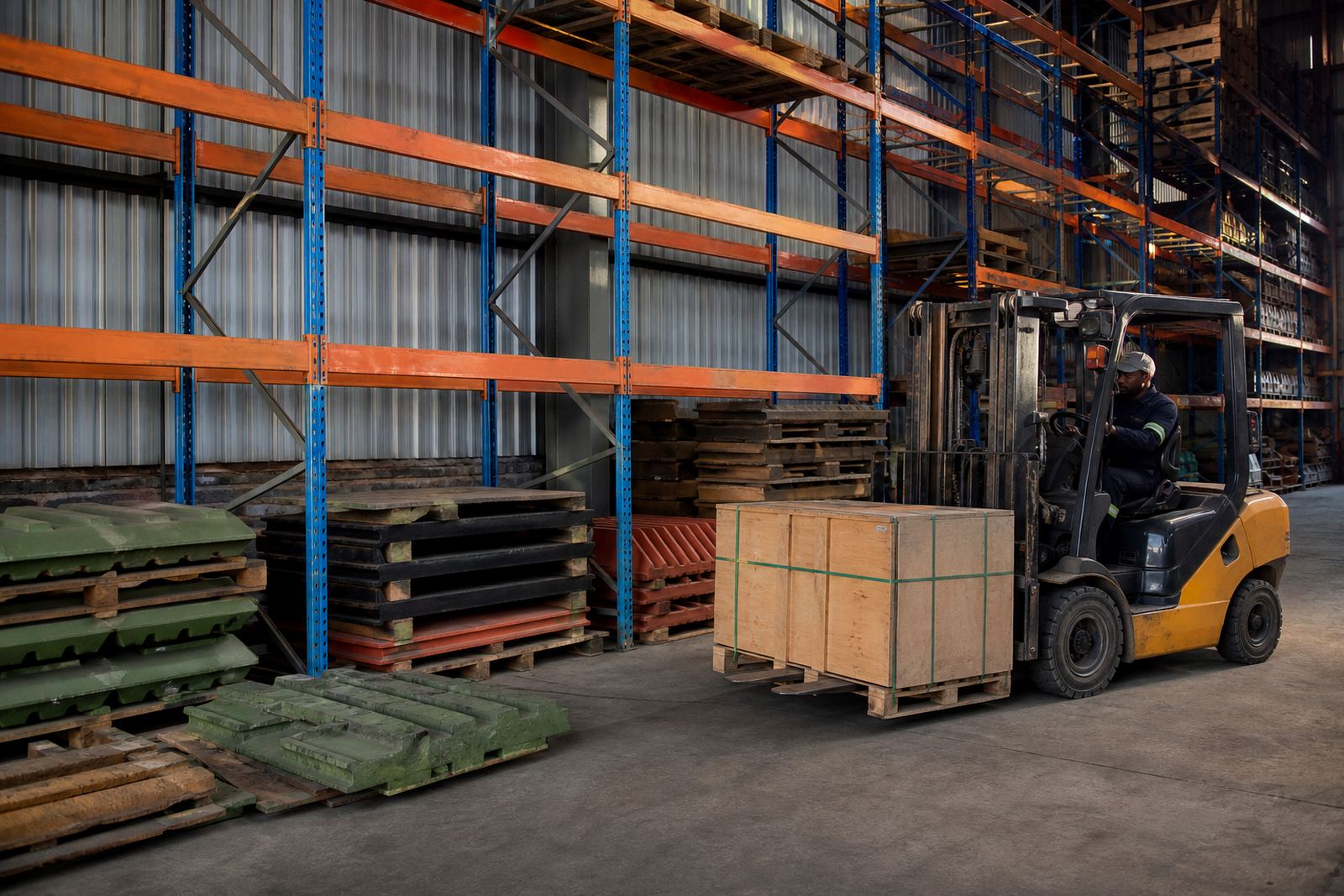
Good transit protection starts in the depot before the truck leaves Middelburg. Each item needs a place on the load plan, with the heavier pieces sitting low and the more delicate parts protected from direct contact. If the shipment includes jaw plates, mantles, concaves, blow bars and liners, they should be separated by size and weight so they do not knock against one another on rough roads.
A proper plan also considers the route. Gravel sections near a mine gate, stop-start traffic through town, and sudden braking on the N4 all put different strain on the load. The freight plan should account for that from the start, not as an afterthought.
How each type of wear part is protected in transit
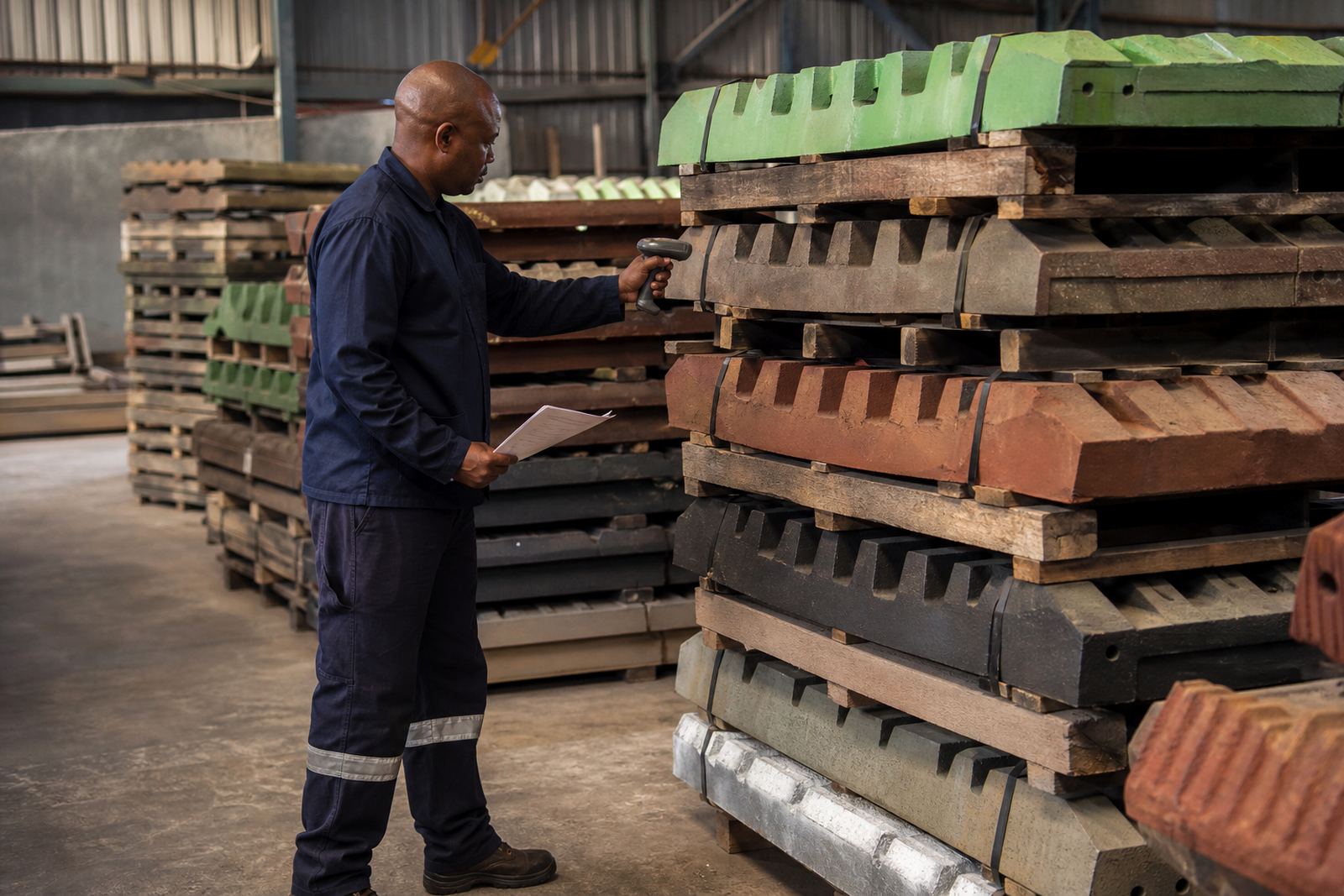
Different parts need different handling. Large jaw plates and crusher liners are often moved on timber bearers or dunnage so the load sits level and air can circulate underneath. Mantles and concaves need edge protection so the machined surfaces do not strike steel or chain points during transport. Blow bars need close restraint because their shape can allow them to twist if they are not packed properly.
Packaging should stop metal-to-metal contact. That means using spacers, wrap where needed, and secure tie-down points that keep the bundle tight without crushing it. The goal is not just to stop the part from falling over, it is to stop small movement that causes scuffing and point load damage over many kilometres.
- Separate parts by profile and weight before strapping.
- Use timber blocks or pallets to keep steel off the deck.
- Cover exposed machined faces where scratching is likely.
- Check that all restraint points are snug, not overtightened.
- Mark urgent consignments clearly so they are not mixed with slower freight.
For remote sites, this detail matters even more because there is usually no spare time for rework at the gate. If the load arrives damaged, the whole change-out can slip, and that can cost a shift.
Moisture, dust and coastal air all need to be controlled
South African freight can face dry inland dust one day and damp coastal air the next. In places like Phalaborwa, Kathu or Rustenburg, parts may travel through heat and dust, then sit at a weighbridge or staging yard before final delivery. That is where protection against moisture and grime becomes important.
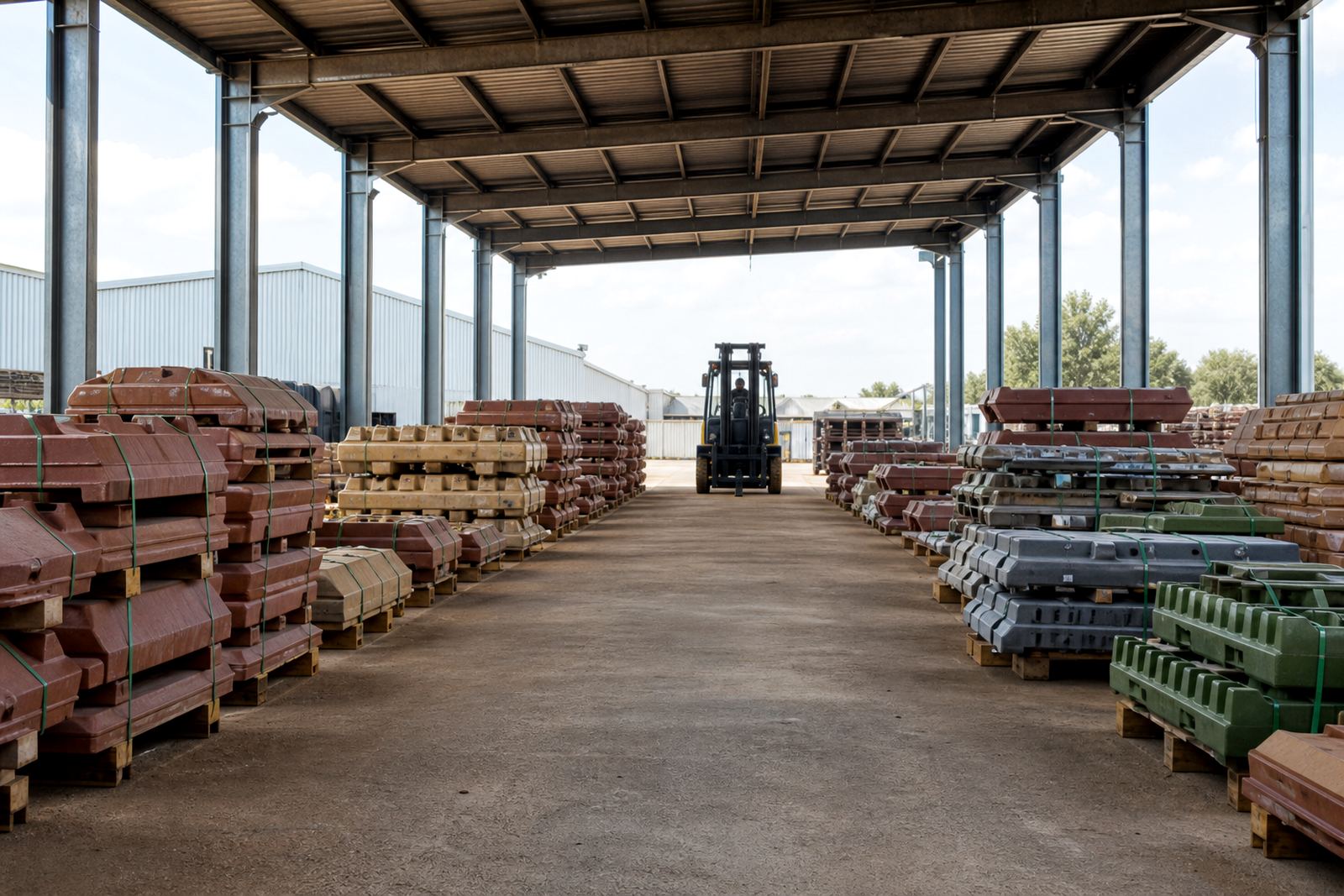
Before dispatch, parts should be kept off the ground and away from standing water. If the shipment is likely to wait overnight, it needs a cover that keeps rain and dust off without trapping too much condensation. On long routes, it helps to inspect the load at the depot and again at the last safe stop, especially after driving through wet weather or muddy access roads.
Parts stored too tightly against damp packaging can pick up surface marking. That is not always a major issue on a rough wear face, but on contact surfaces or fitting areas it can slow installation. A simple check at loading time saves a lot of hassle later.
Restraint on rough roads and mine access points
The load that looks fine on a paved road can shift badly on a rocky site road. That is why restraint has to match the real route, not only the highway section. In practice, this means planning for braking, cornering, potholes and uneven access roads outside the mine or quarry. A part that can move 5 mm on a flat road may move a lot more after a few kilometres of vibration.
Freight teams should also think about handling at the receiving side. If the mine uses a strict gate process, the load may be queued before it reaches the workshop or laydown area. That time at rest should still be safe. Secure the load as if it might sit there for an hour in the sun, not just a few minutes.
- Match restraint to road conditions, not only load weight.
- Keep the centre of gravity low for stacked parts.
- Use clear labels so receiving teams can unload in order.
- Allow access for a safe lift off the truck or trailer.
- Plan for delays at gates, weighbridges and security checks.
Order consolidation reduces handling and damage
One of the best ways to protect crusher wear parts is to handle them less often. When separate orders are packed into one load, there are fewer touch points, fewer lifts and fewer chances for chips or scratches. That is useful when a site needs a full set of liners and one urgent spare at the same time.
Order consolidation also helps with route planning. Instead of sending several smaller loads over different days, a single well-organised dispatch can move through Middelburg, Witbank, Steelpoort, Burgersfort or even further west without repeated offloading. Less handling means less risk. It also makes it easier to keep the paperwork straight when multiple branches or project teams are involved.
For shutdown work, bundled part kits are especially helpful. If the right pieces are grouped together before the truck leaves, the receiver does not have to sort through mixed freight on site. That makes a real difference when the crew is working to a short stop window and cant afford delays.
A local example from Middelburg to a remote site
Take a common run from Middelburg to a remote mine in the Northern Cape. The order may include jaw plates, a set of liners and a few smaller consumables. The depot team first checks the parts for surface condition, then lays them out by size and weight. The heaviest pieces go low and flat, the smaller items are boxed or bundled, and the whole load is strapped so nothing can slide side to side.
Because the route is long, the driver also gets clear instructions on where the load is most vulnerable. If there is a rough section near site access, the transport plan should allow for a slower approach and a final check before handover. That is where good load securing pays off: the parts arrive in the same condition they left the depot, ready for the fitment crew.
This kind of planning is not fancy, but it works. It protects stock, reduces complaints and keeps mines from losing time on missing or damaged parts. In a province with long distances and changing road conditions, that consistency is what people need.
What customers should ask for before dispatch
Anyone ordering wear parts for a remote site should ask how the load will be protected before it leaves the warehouse. The answer should cover packing method, load restraint, route conditions and the handover process at site. If the freight is going to Limpopo, North West or Gauteng, it should also take account of traffic delays and gate procedures.
A few simple questions help avoid problems:
- How will the parts be separated to prevent contact damage?
- Will the load be secured for rough road sections and site access roads?
- Are urgent items marked for first offload?
- How are wet weather and dust being managed?
- Will the receiver get clear order details for faster checking on arrival?
Transit protection is not only about packing. It is about keeping the whole delivery chain orderly from the first lift to the final handover. When that is done properly, crusher wear parts arrive ready to work, and the site team can get on with the job without rechecking damaged freight.