Start with the parts that wear first
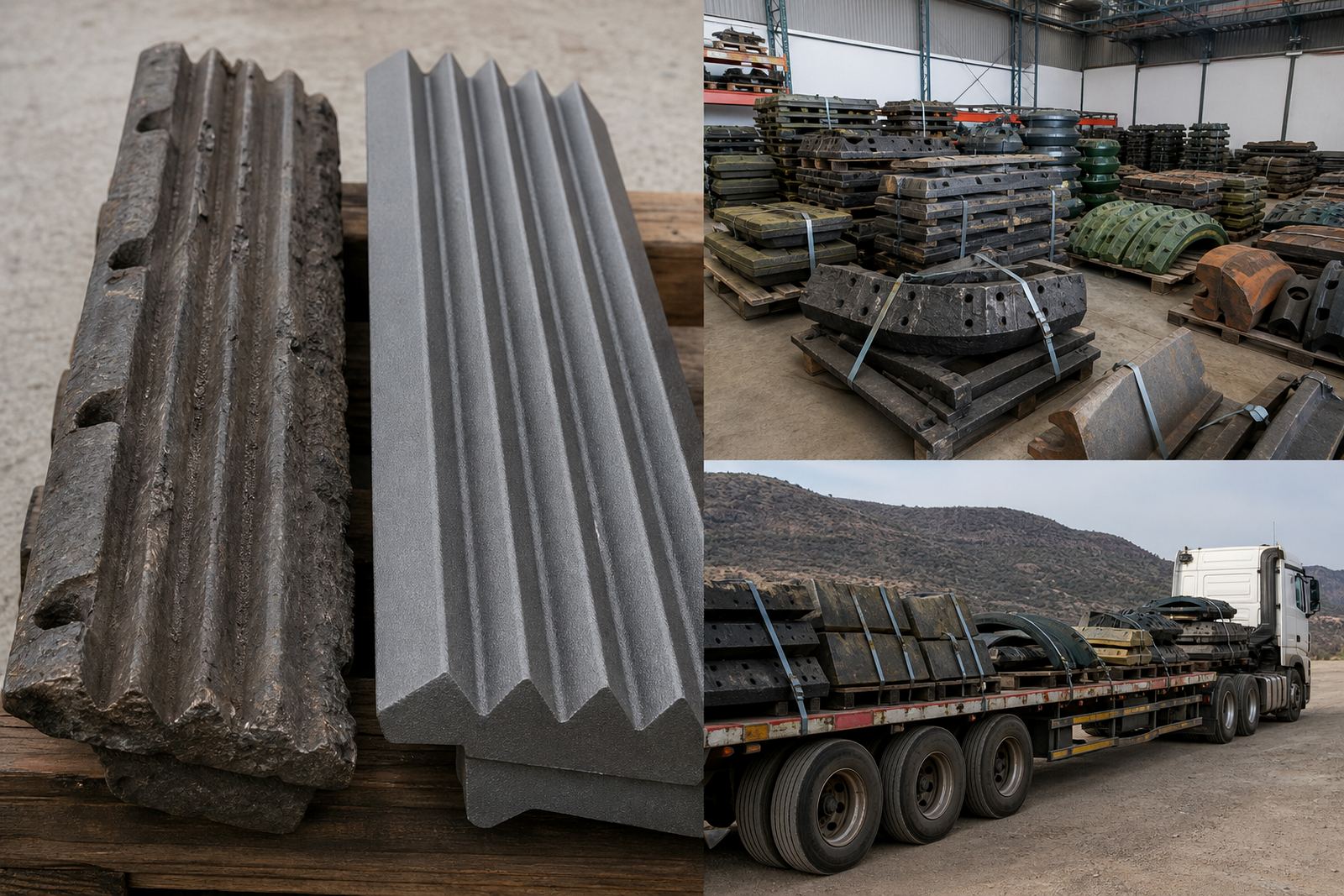
Quarry maintenance usually begins with the parts that take the hardest impact. Jaw plates, mantles, concaves, blow bars and liners all wear at different speeds depending on feed size, moisture, rock hardness and how well the feed is controlled. If a plant runs through mixed stone or dusty material, the wear pattern can change quickly and one side may take more abuse than the other.
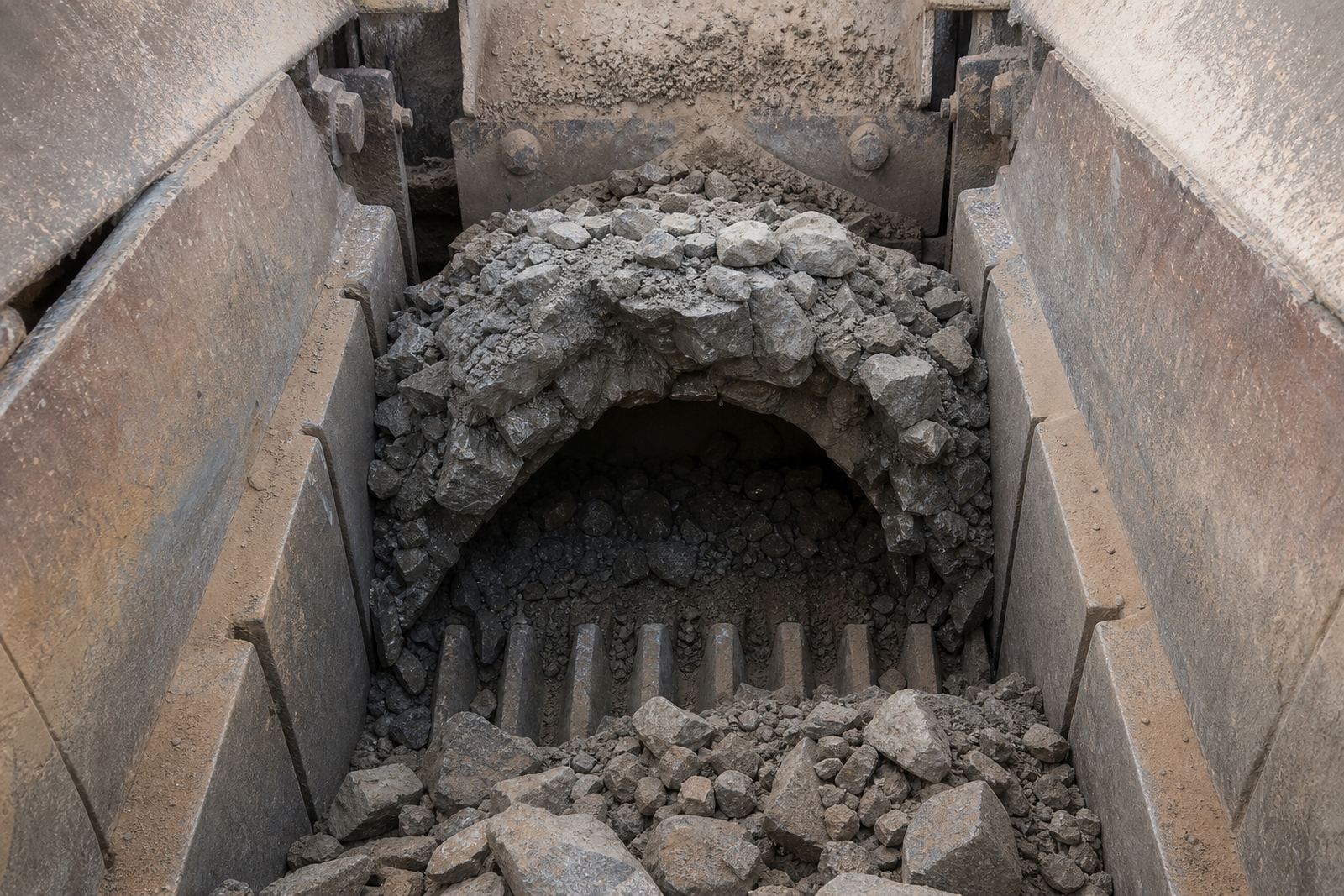
The easiest routine is to inspect these parts before the shift starts, then again after the plant has been running for a while. Look for thin sections, cracking, uneven seating, loose fasteners and signs that material is packing where it should not. A small mark can be normal, but a change in shape or sound usually means the part needs closer attention.
Build inspections into the shift routine
Good quarry maintenance does not need to be complicated. It needs to be regular. A short checklist before the first load goes through the plant can catch a lot of problems early. The person doing the check should know what normal wear looks like for that machine and should compare the left and right sides, not just glance at the visible face.
- Check wear liners for thinning, cracking and movement.
- Look at jaw plate profiles and note uneven wear.
- Inspect mantles and concaves for broken edges or loose fitment.
- Confirm blow bars are seated properly and not chipped across the full edge.
- Check for material build-up that can hide damage.
If the site is in a dusty area, a quick clean around the chamber can make inspection easier. On some quarries near Middelburg and Emalahleni, fine dust and vibration make it hard to spot early damage, so the routine has to be deliberate.
Use wear checks to guide stock planning
Routine wear checks are not only about maintenance, they also help with ordering. If a quarry knows which parts wear fastest, it can keep the right spares on hand and avoid waiting for urgent replacements. That matters when the site is far from major suppliers or when road conditions and weather can delay freight.
It helps to record wear in simple terms, such as the date of the check, the part type, the condition and whether the plant kept running without changes. Over time, that record gives a practical picture of consumption. It also supports shutdown planning because the team can see which parts should be changed together rather than one at a time. That saves labour and reduces repeated stoppages.
Plan for remote freight before the stoppage happens
For quarries in Limpopo, the Northern Cape, North West, Gauteng and across Mpumalanga, freight planning is part of the maintenance routine. A part that is ready in the warehouse is useful only if it reaches site on time and in good condition. Long distances, gravel roads and gate procedures can all add delay if transport is arranged at the last minute.
At Crusher Consumables Direct in Middelburg, the practical approach is to match stock holding with route planning so parts can move when they are needed, not days later. That includes secure packing, load securing, order consolidation and return freight planning where required. For remote mines and quarry sites, this helps reduce back-and-forth trips and keeps delivery sequences clearer.
- Confirm the delivery point and site contact before dispatch.
- Group parts for the same shutdown where possible.
- Allow time for weighbridge queues, security checks and road access.
- Keep urgent part dispatch separate from planned freight when timing matters.
Make shutdowns count
A shutdown is the best time to deal with wear, but only if the spares and labour are lined up first. If jaw plates or liners arrive late, the plant sits open and the whole programme slips. That is why shutdown planning should include expected wear parts, lifting needs and the order in which the job will be done.
For example, a quarry near Burgersfort may notice during routine checks that a set of liners and one side of the wear package are close to limit before month end. If those items are listed early, the team can prepare tools, arrange freight and avoid a rushed call when the plant is already down. It is a simple step, but it saves time and pressure on the maintenance crew.
Keep the checklist practical for site conditions
Different sites need different routines. A quarry handling wetter feed will deal with build-up and blocked discharge more often, while a dry site may see faster abrasion and more airborne dust. Coastal humidity can also affect storage conditions if parts are kept in open sheds or on unprotected pallets. The checklist should reflect those local conditions, not just a generic maintenance sheet.
A practical routine for South African aggregate sites can include the following:
- Daily visual checks on visible wear areas.
- Weekly comparisons of wear on both sides of the chamber.
- Monthly review of stock levels for critical crusher parts.
- Pre-shutdown confirmation of all replacement items.
- Storage checks to keep parts dry, clean and ready for dispatch.
When the site team works this way, maintenance becomes less reactive and the plant tends to run more predictably. That matters when production targets are tight and spare parts are not sitting around the corner.
Why routine support matters for steady output
Quarry maintenance routines work best when wear checks, spare parts and transport all line up. A team that knows what is wearing, what must be replaced soon and how the freight will move has a better chance of avoiding unplanned downtime. That is especially important on remote sites where each delay affects haulage, crushing and final stockpile output.
Crusher Consumables Direct supports quarries and mining operations from Middelburg, with stock holding and freight into Mpumalanga, Limpopo, the Northern Cape, North West and Gauteng. The aim is straightforward: keep the right parts moving to the right site, with less scrambling when a wear item reaches its limit. It is not complicated, but it does need discipline and clear timing.