Why remote mine freight needs more than a booked truck
Remote mine freight carries a different kind of pressure from a normal linehaul run. Crusher wear parts are heavy, awkward to stack, and often needed within a narrow shutdown window. If a consignment leaves Middelburg late, or it is loaded without checking the route and the offload point, the whole plan can slip by a day or more.
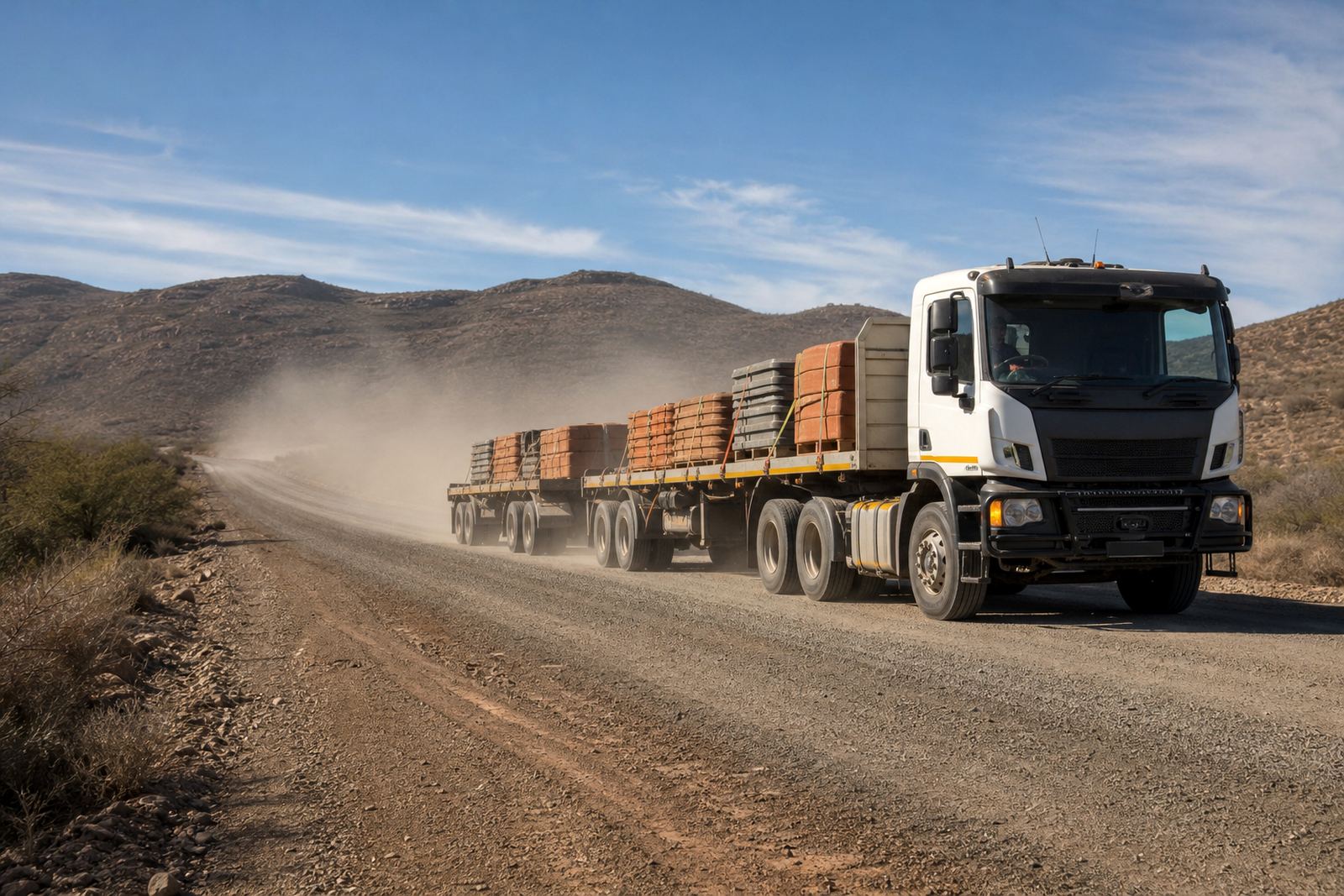
The main risk is not only distance. It is the combination of long road legs, changing site access rules, unmade roads, and the fact that many mines and quarries work around blasting times, shift changes, and strict permit controls. A truck can arrive in the area and still miss the delivery slot if security, weighbridge access or escort arrangements were not confirmed. That is why freight planning starts well before the part leaves the warehouse.
Common timing problems on South African freight routes
When parts move to places like Steelpoort, Phalaborwa, Kathu or the far side of the Northern Cape, small delays add up quickly. Load-shedding can affect gate operations, cold storage is not the issue here but weighbridge power, lighting and admin systems often are. Rain can slow gravel access roads around quarries, while roadworks on the N4, N12 or local haul roads can force a detour that was not in the original plan.
Another common issue is the mismatch between part readiness and transport readiness. A mantle may be in stock, but if the order is not consolidated with the related liners or fixings, a second delivery is needed. That means more freight cost, more handling and a bigger chance of something going missing in transit.
- Late release from site because the receiving team was not informed
- Truck arrival outside the agreed offload window
- Incorrect route choice for oversized or heavy cargo
- Split shipments that should have travelled as one load
- Missing documents for gate entry, weighbridge or delivery sign-off
The load itself can create delivery risk before the truck moves
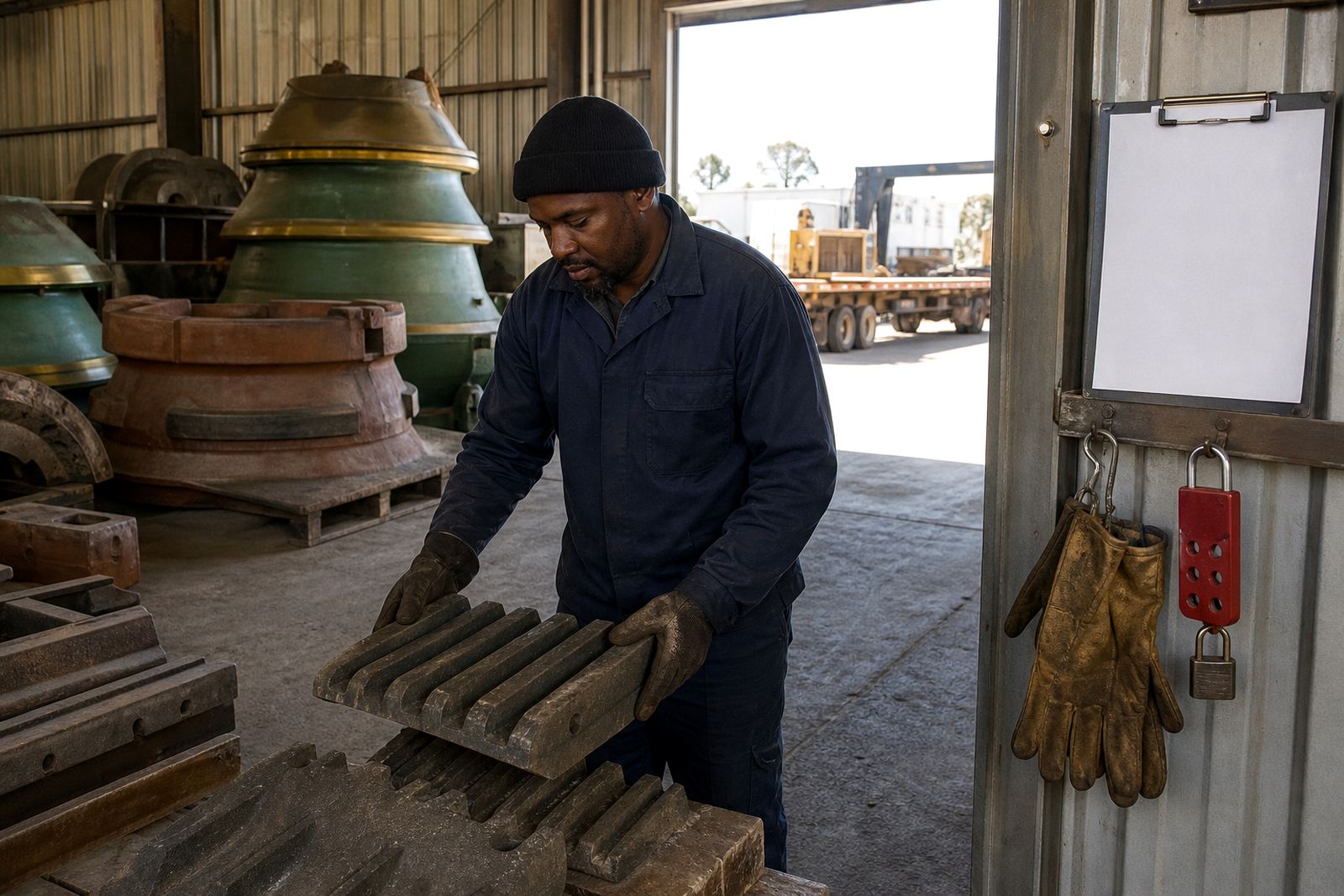
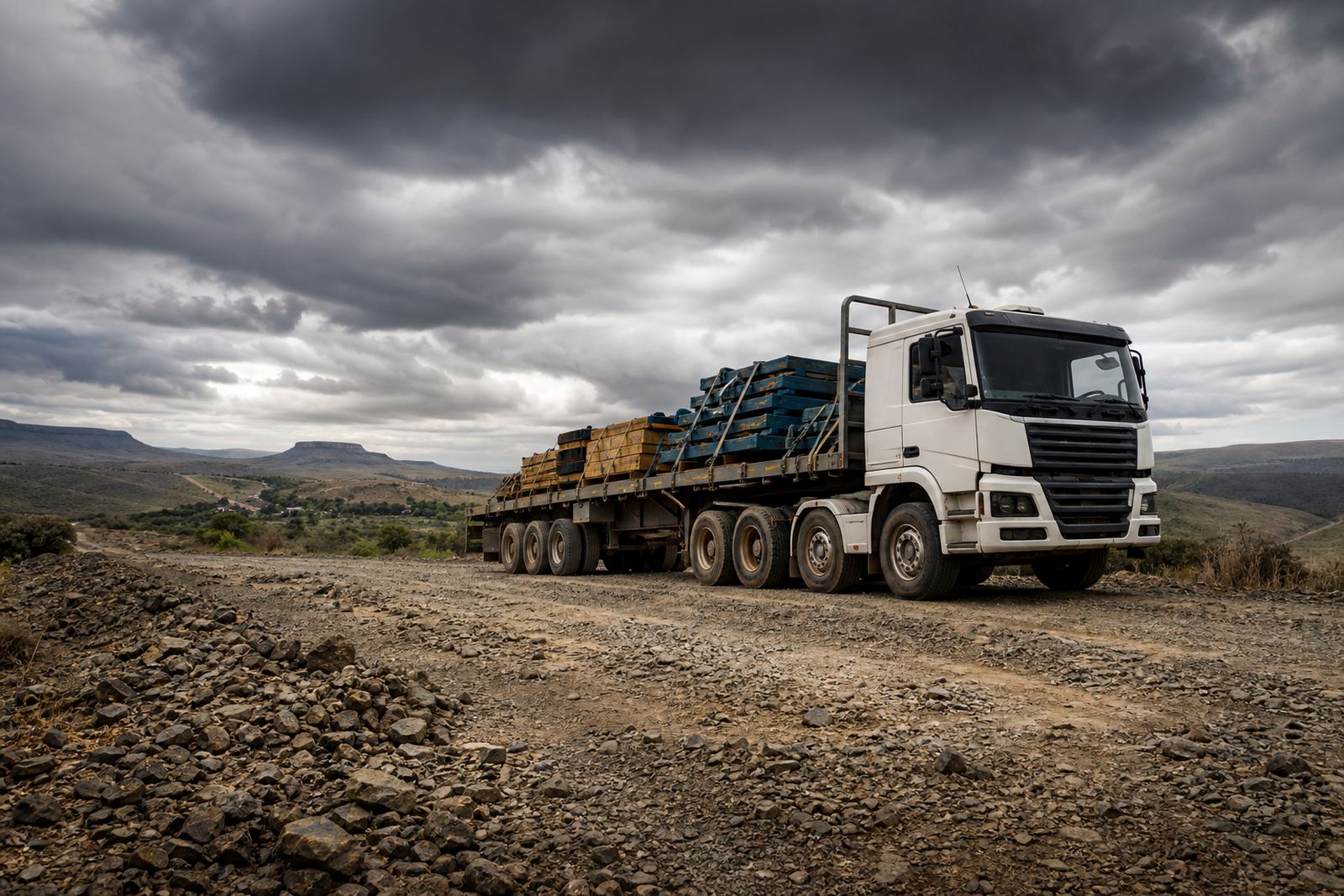
Crusher wear parts are not fragile in the usual sense, but they can be damaged by poor securing, bad packing or loose fittings. A jaw plate that shifts during braking can chip an edge. A set of blow bars packed against each other can suffer surface damage. Liners and concaves may seem solid, yet one impact in the tray can bend or deform a contact face and create problems on site.
Good load securing is about more than straps. It includes timber packing, spacing between items, stable palletising where possible, and a weight distribution check so the truck sits correctly on the road. On rough routes, especially in wetter months, any movement inside the load is a risk. A careful load is cheaper than returning a damaged item to Middelburg for replacement.
- Use correct spacing so parts do not knock together
- Keep heavier items low and centred on the load bed
- Check all straps after the first stop and again before offload
- Match packing to the road condition, not only the part size
- Mark each crate or bundle clearly for site teams
What remote sites should confirm before dispatch
Site teams can reduce delays by confirming a few practical points before the truck leaves. That includes the exact delivery point, who is receiving the load, whether a forklift or crane is available, and whether the route into site allows the vehicle type being sent. On some quarries, a delivery bay that works for general freight is not suitable for heavy crusher parts at all.
It also helps to check whether the part is needed for a shutdown, a repair after unexpected wear, or a planned changeout. The urgency affects the freight choice. If the site needs urgent part dispatch, the warehouse and freight teams need the full picture immediately, not after the vehicle is already on the road. A missed detail can cost a shift or even force an unscheduled stop.
- Confirm the part list and quantities before dispatch
- Share site access instructions and gate contacts
- Check offload equipment and lifting capacity
- Set the delivery window against the actual shutdown plan
- Ask for return freight instructions if worn parts must come back
A Middelburg example: when the window is short
Picture a planned shutdown for a quarry in Limpopo, with a small weather window and one day set aside for changeout. The order includes jaw plates, a set of liners and a few related fixings. If one item is left out of the bundle, the crew may start dismantling and then wait for the missing piece. That wait is expensive, especially when contractors are on site and production is already paused.
From a base in Middelburg, route planning needs to account for traffic through local hubs, road closures, fuel stops and the receiving pattern at the mine. If the driver arrives after the site team has moved to another task, the truck can sit at the gate while the clock keeps running. That is why order consolidation and delivery coordination matter just as much as the vehicle itself. A good plan is simple, but it is never improvised at the last minute.
How stock holding cuts avoidable delay
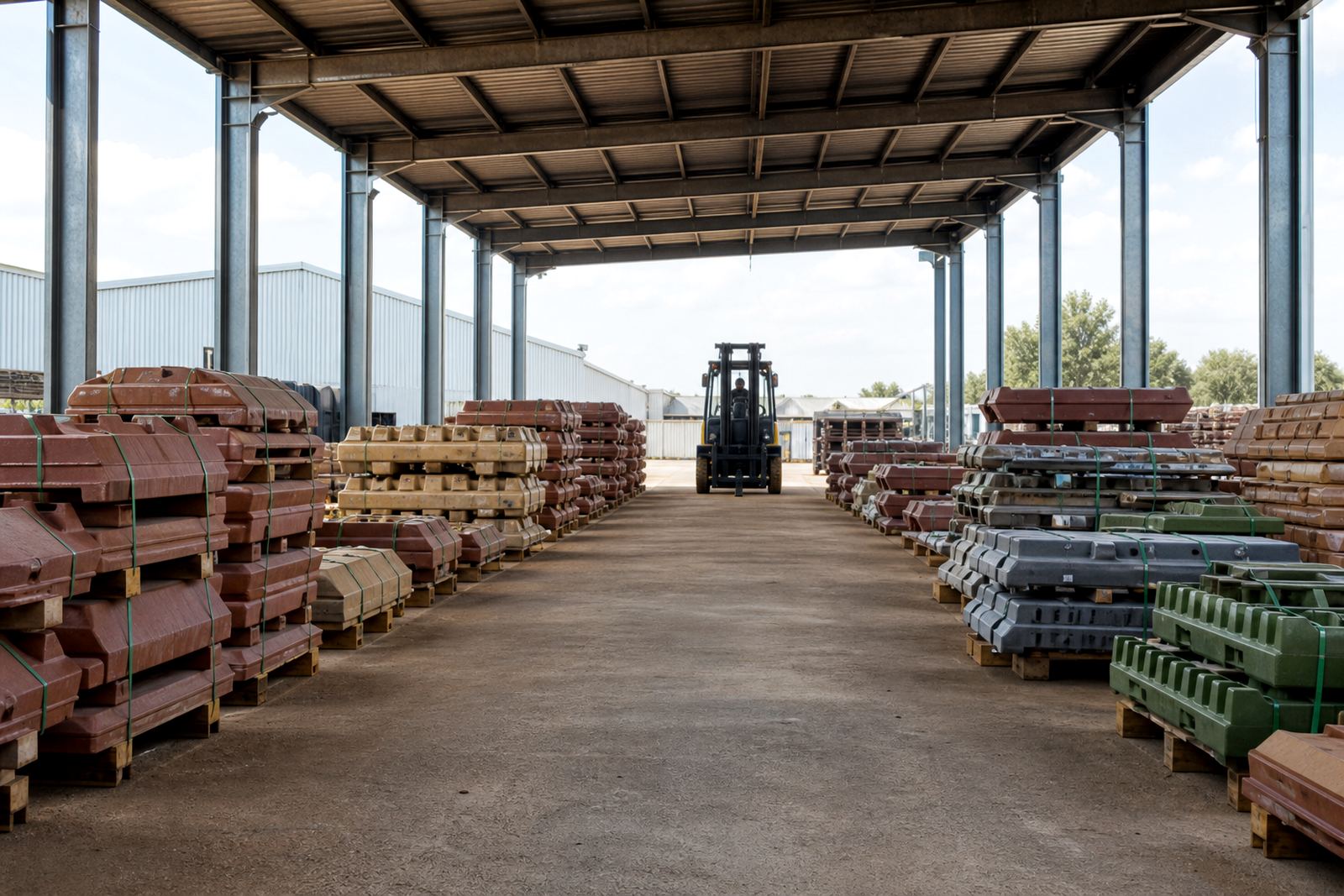
Holding stock in Middelburg gives remote mines a better chance of getting the right part fast, before a failure turns into a stoppage. It also lets the freight team combine items into one shipment instead of sending bits and pieces over several days. For crusher wear parts, that can make the difference between a planned stop and an unforseen delay. The aim is not just speed, it is getting the load right the first time.
With a proper stock holding and dispatch system, the team can support mines and quarries across Mpumalanga, Limpopo, the Northern Cape, North West and Gauteng. The practical value is in fewer handovers, clearer load plans, and better control over when the truck leaves and when it can be received. Clients can send their request through the enquiry form on the contact page, then the team takes over from there and lines up the freight, paperwork and site delivery steps.
What good remote delivery planning should include
Remote delivery planning is about managing the full chain, from part pick to final offload. For crusher wear parts, that chain must allow for road risk, access control, equipment availability and the realities of South African mining sites. When those parts are aligned, the delivery is calmer and the receiving team has less to sort out on arrival.
A practical delivery plan should include clear order support, route planning, load securing, and a backup view for return freight planning if worn components need to come back. That approach suits busy areas like Rustenburg, Phalaborwa, Burgersfort and Johannesburg East, where timing and site rules can change quickly. It is straightforward work, but it saves time, fuel and a lot of frustration on the ground.