Chrome Ore Circuits Need Parts That Last Under Abrasion
Chrome ore is unforgiving on crushing equipment. The feed is often hard, sharp and variable, which means jaw plates, mantles, concaves, blow bars and liners wear faster than many site teams expect. If the chamber is not matched to the ore body and the fines are not controlled, you can lose shape in the profile, pull through material too quickly and end up changing parts before the planned stop. That adds cost in labour, freight and lost tons.
For remote operations in Mpumalanga, Limpopo, the Northern Cape, North West and Gauteng, the main risk is not only wear. It is also waiting for the next delivery while the plant sits idle. A good stock position in Middelburg gives you a buffer when roads are slow, rain affects access roads or the site is far from a major town.
Typical Crusher Setups Seen On Chrome Ore Sites
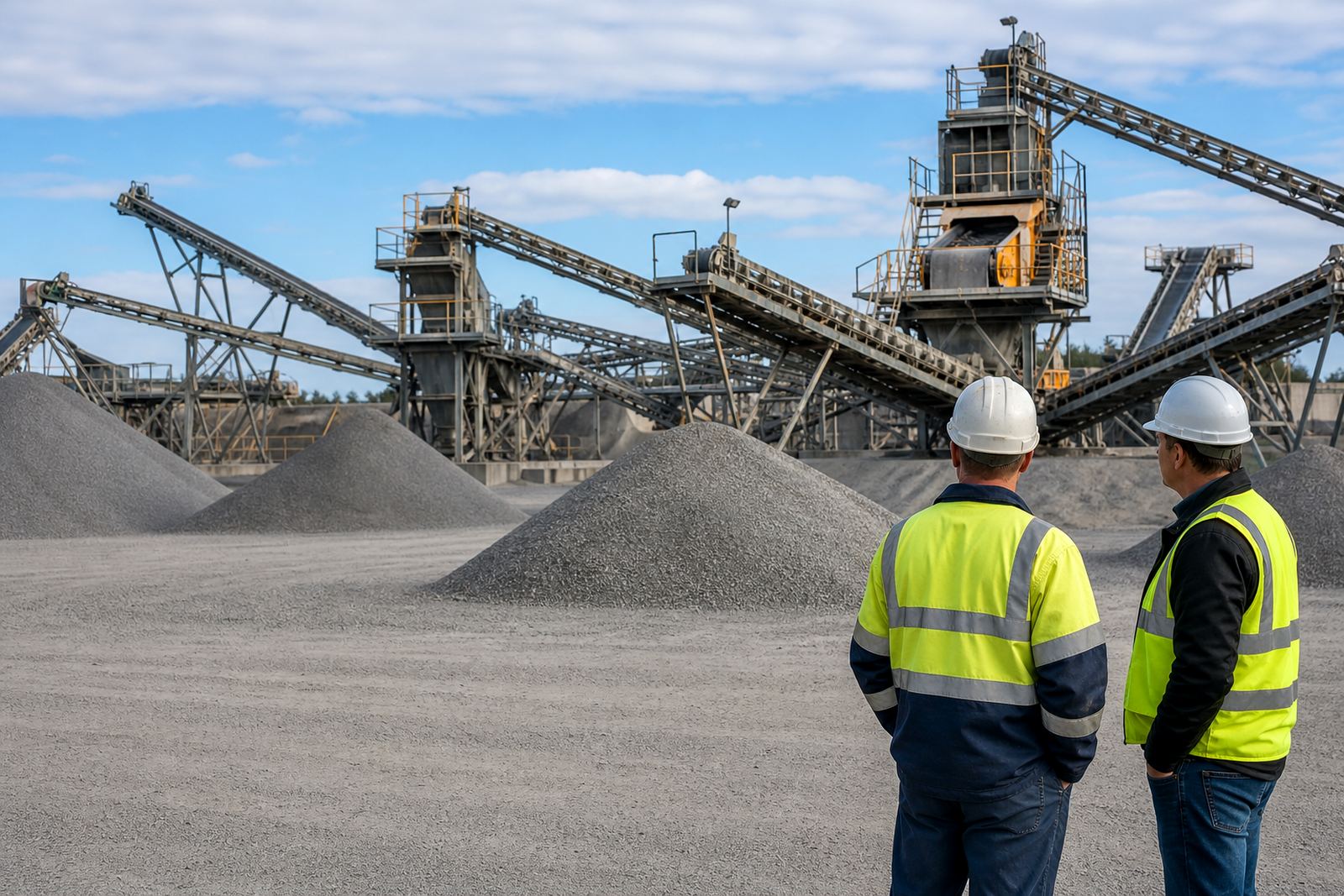
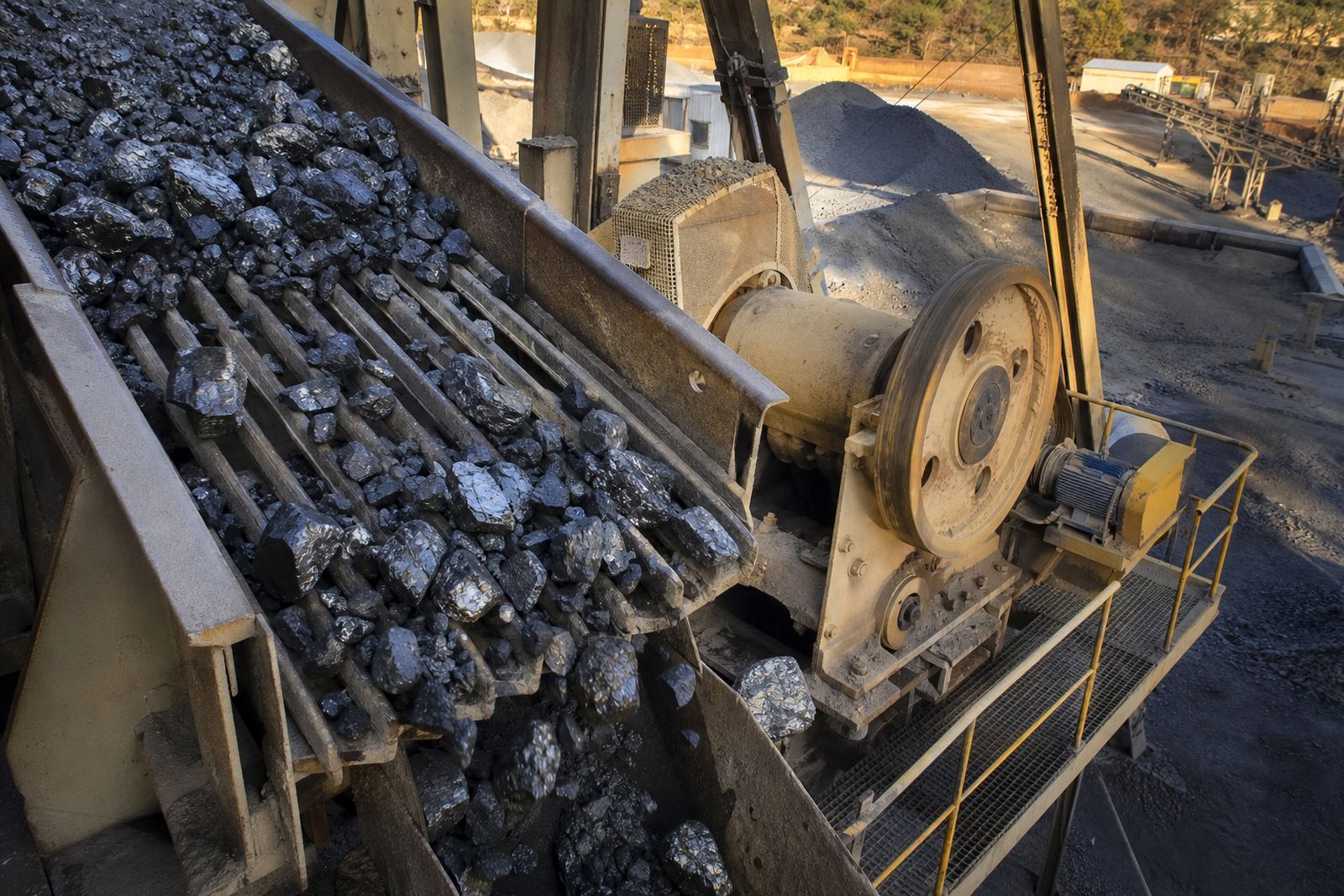
Most chrome ore plants use a staged setup with a primary jaw crusher and then secondary or tertiary reduction through a cone or impact stage, depending on the product size needed. Screen decks, chutes and transfer points also wear heavily because chrome ore carries abrasive fines. If the feed comes from pit run or ROM stockpiles, you may also see tramp metal and clay content that changes the wear pattern.
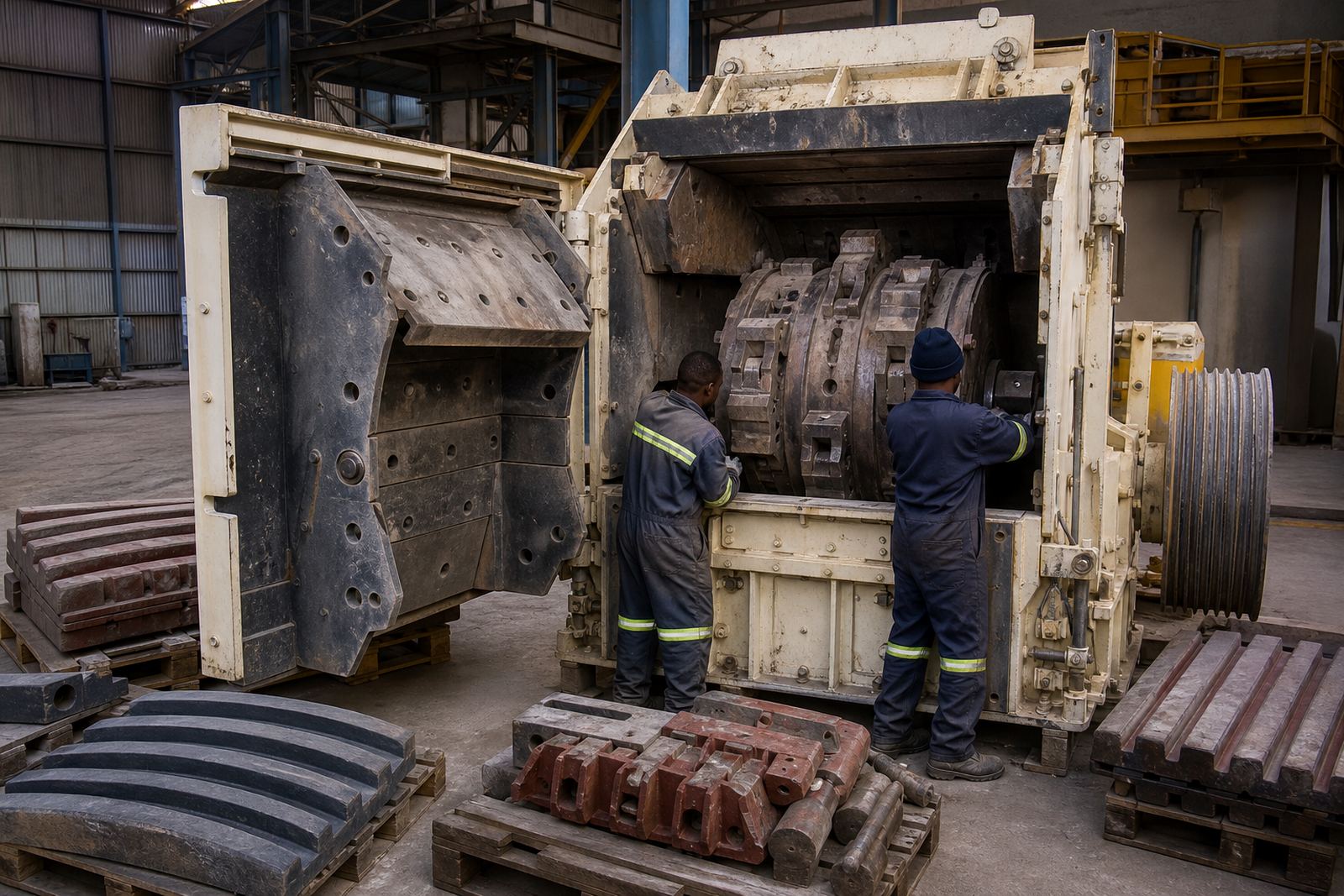
- Jaw plates for primary crushing where feed is coarse and irregular
- Cones with mantles and concaves for controlled secondary reduction
- Blow bars and impact liners where impact crushing is used
- Cheek liners, side liners and hopper liners for transfer protection
- Screen and chute liners for areas that take constant abrasion
Our team works around the machine layout first, then the freight plan. That usually means checking the crusher opening, expected feed size, wear life history and the length of the shutdown window before parts are packed and sent.
Stock Holding In Middelburg For Faster Dispatch
Middelburg is a practical base for chrome ore supply because it gives access to the east of the country and the longer routes into the Northern Cape and North West. We hold crusher wear parts in stock for planned replacements and urgent dispatch, which helps when a site has a short stoppage window or must wait for maintenance crews to arrive from another province.
The aim is simple: keep common parts ready, build bundles for the next planned stop and cut the chance of paying for last minute freight. A grouped order also helps with pallet space and load securing, especially when parts are heavy and awkward to handle. On some routes, one missing liner can delay the whole installation, so order consolidation matters.
- Hold common wear parts ready for short notice call-offs
- Pack related parts together for one shutdown delivery
- Plan freight around site access times and weighbridge hours
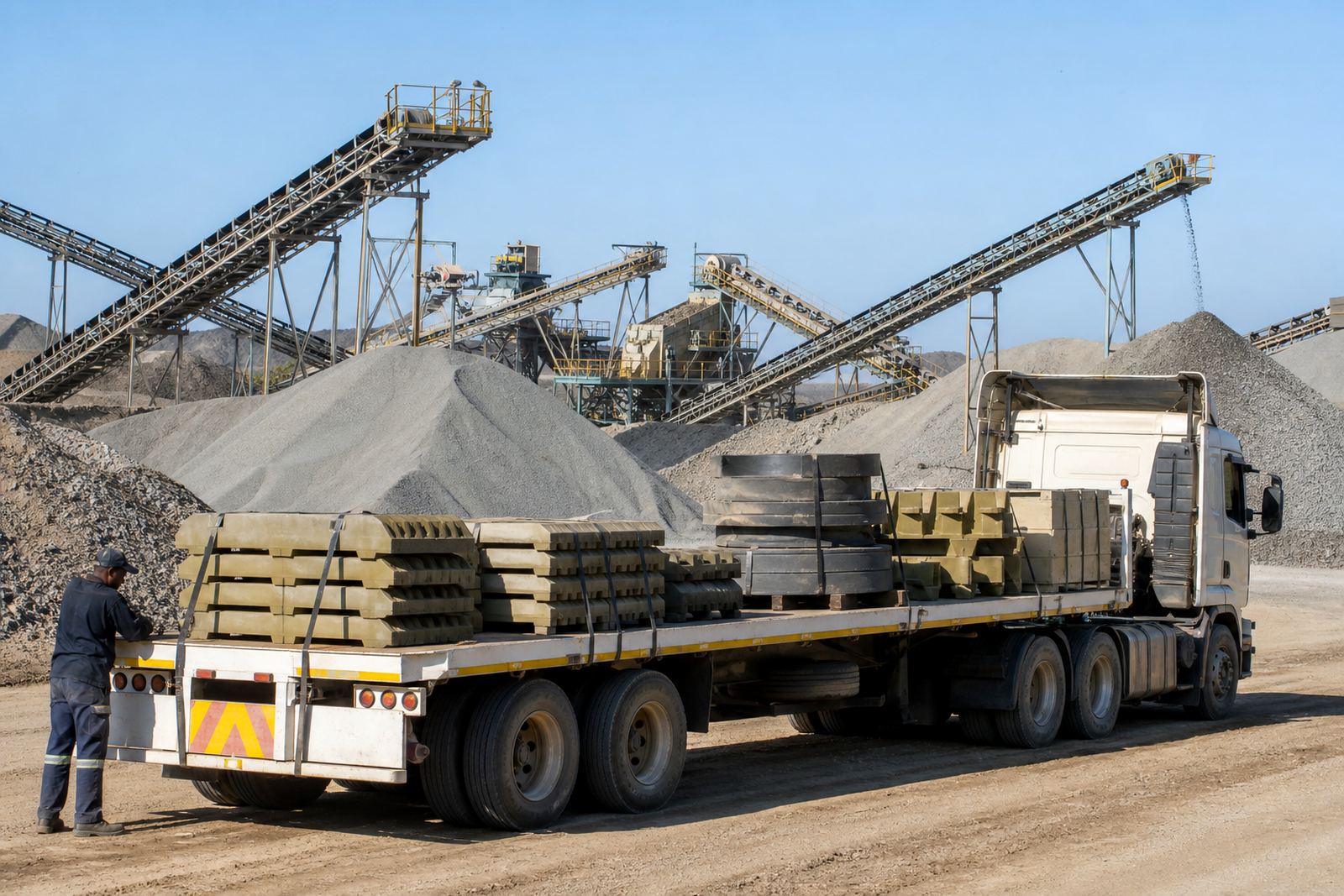
- Use secure loading for long distance runs to remote mines
Planning Around Remote Roads, Load Shedding And Shutdown Windows
Remote chrome ore sites often deal with dirt roads, gate procedures, limited daylight unloading and power cuts at the worst time. That is why the delivery plan should be tied to the maintenance plan, not the other way around. If the shutdown starts at 06:00 on a Friday, the parts should already be checked, strapped and route planned before the truck leaves Middelburg.
We also advise clients to think about the full site picture. If there is no on site crane, then part weight and lifting access must be confirmed. If the plant runs through load-shedding, then the replacement window may need extra time for isolation, cleaning and re-assembly. A small delay on paper can become a full day on the ground, so the schedule needs some breathing room.
Common Mistakes That Push Costs Up
Chrome ore wear part orders often go wrong in the same few ways. The first is ordering only the obvious part and forgetting the related liners, wedges, fasteners or wear plates needed to complete the job. The second is waiting until the last shift before the shutdown to confirm sizes and quantities. The third is sending freight without checking access road conditions, offloading equipment or the site contact who will receive the delivery.
Another mistake is chasing the cheapest option without considering the real cost of a short wear life. A part that looks cheaper upfront can cost more if it must be replaced sooner or if it does not suit the chamber profile. For chrome ore, the better question is whether the part matches the duty and the timing of your maintenance cycle.
- Do not leave out clamp sets, fixings or wear plates
- Do not assume one crusher setting suits every feed blend
- Do not book freight without confirming site access and offload plan
- Do not stretch a worn part past the point where the profile breaks down
Budget Ranges For Parts And Freight In Rand
Budgets for chrome ore crusher wear parts depend on machine size, material grade, chamber design and how much of the circuit needs replacement at once. A small order for a single set of liners may sit in the lower tens of thousands of Rand, while a full shutdown bundle for a larger plant can move into the high tens of thousands or more. Freight adds to the total, especially for remote mines with long lead routes or special offloading needs.
For planning, it helps to think in three bands. Routine top-up orders cover likely wear items and keep the store room ready. Shutdown bundles cover a planned service with several parts at once. Urgent dispatch is the most expensive route because it can involve short notice transport and tighter handling. Our team can help you shape the order so you are not paying for spare capacity you do not need.