What dolomite crushing puts on your wear parts
Dolomite is hard on crushing circuits because feed can change from dry, dusty rock to slightly damp material in the same shift. That variation affects wear rates on jaw plates, mantles, concaves, blow bars and liners, so the real cost is not only the part price but the downtime when output starts drifting. In a dolomite plant, a small gap in stock can turn into a missed truck, a delayed loadout or a full stop while operators wait for the next set of parts.
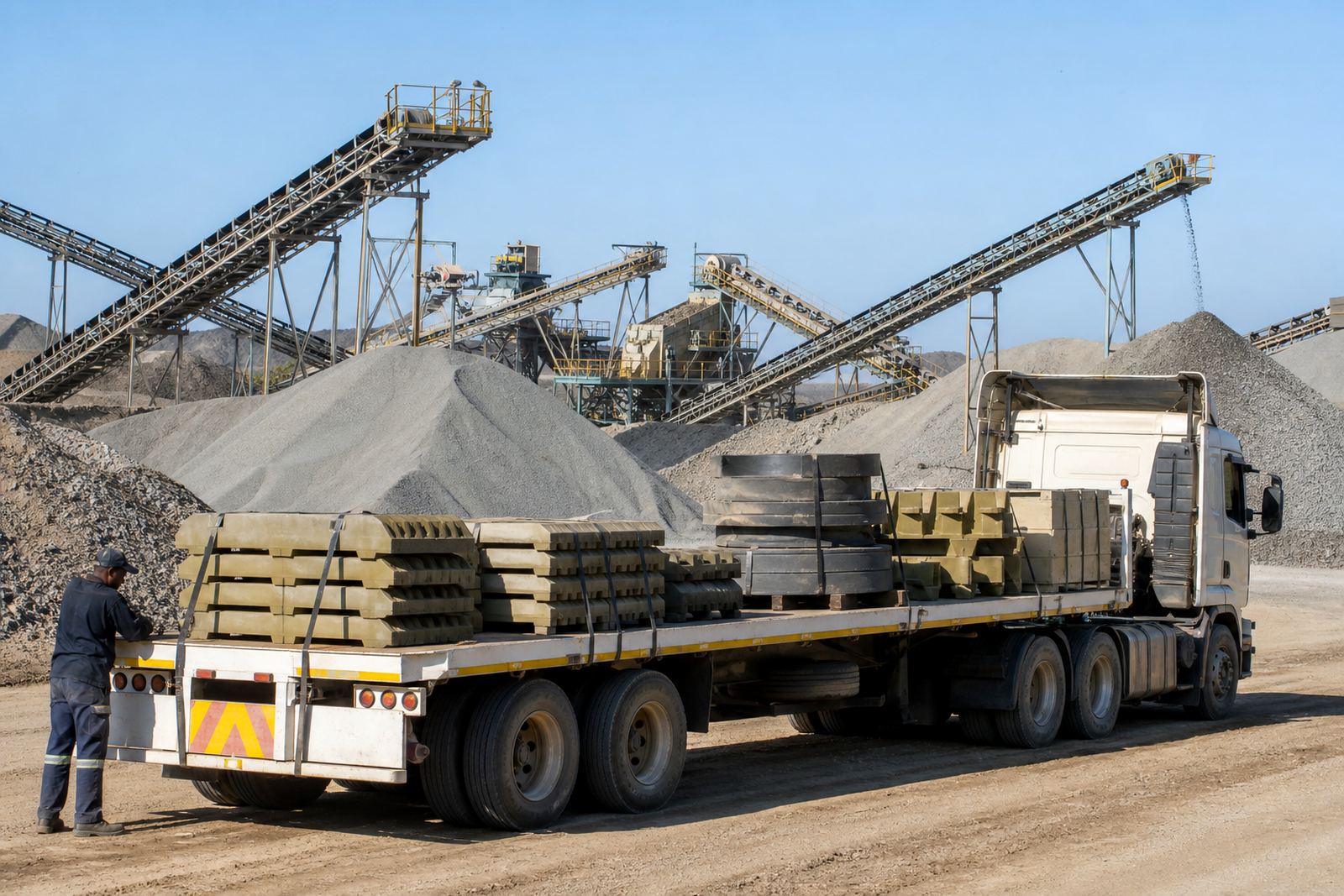
For mines and quarries running in Mpumalanga, Limpopo, the Northern Cape, North West and Gauteng, the planning problem is usually distance. Remote sites often have limited access windows, load restrictions, and long freight lead times. That is why we keep crusher wear parts in Middelburg and organise dispatch around site needs, shift timing and road conditions, not just the calendar.
Thabo Mokoena and the team work with operations crews who need practical answers, not guesses. If you are crushing dolomite for road stone, aggregate or downstream processing, the safest approach is to plan wear by tonnage, feed size and the machine set-up you are actually running.
Typical crusher set-up for dolomite feed
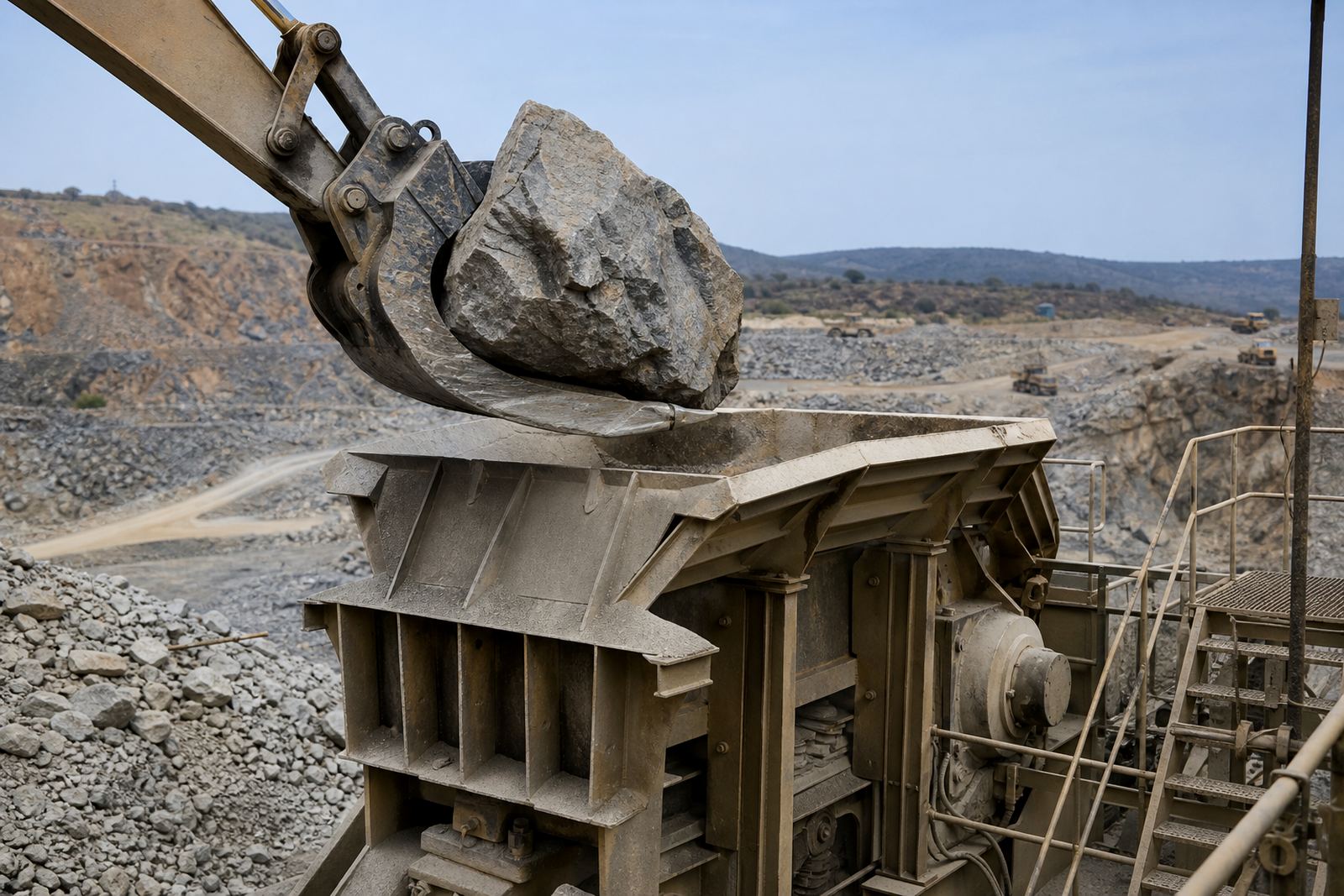
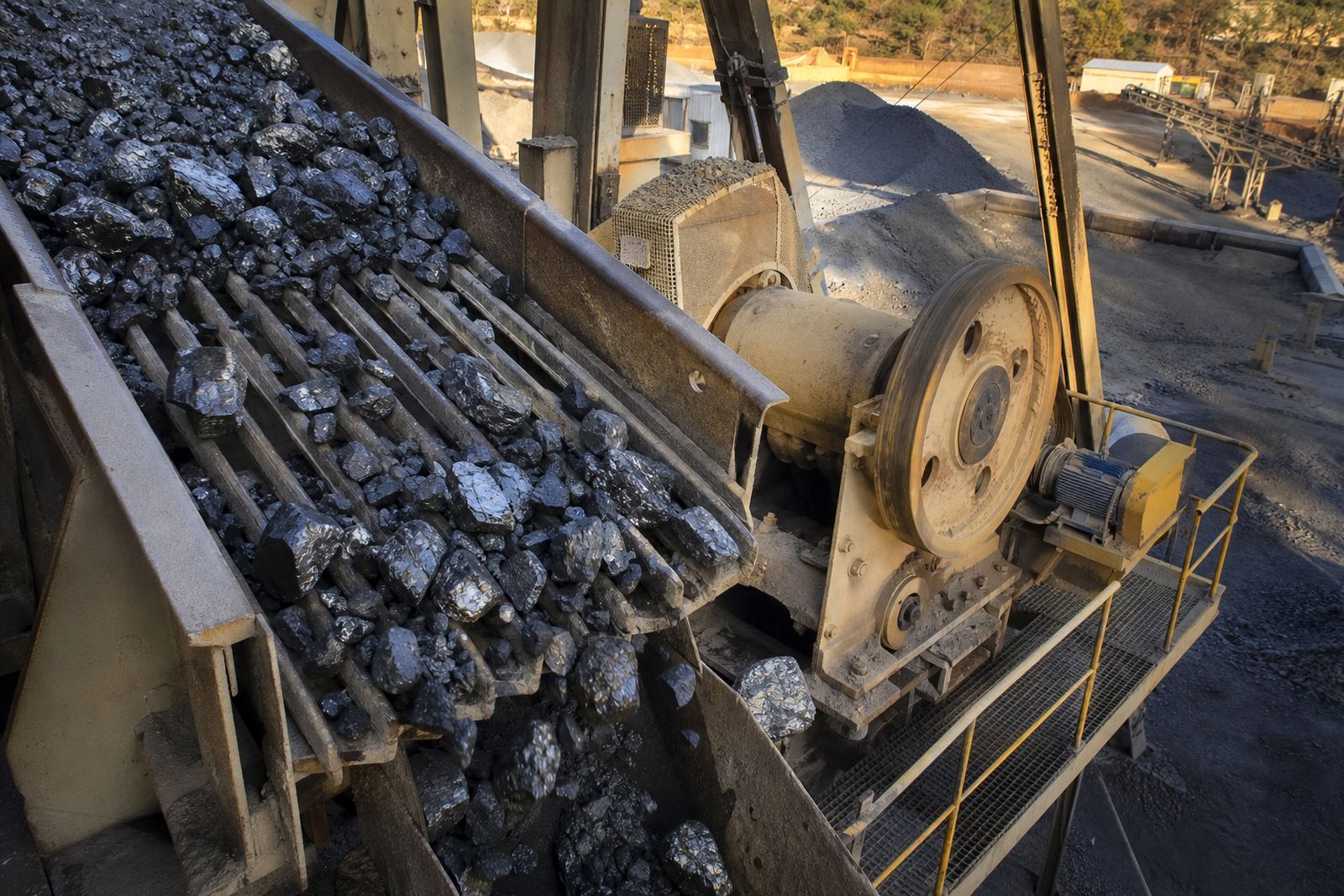
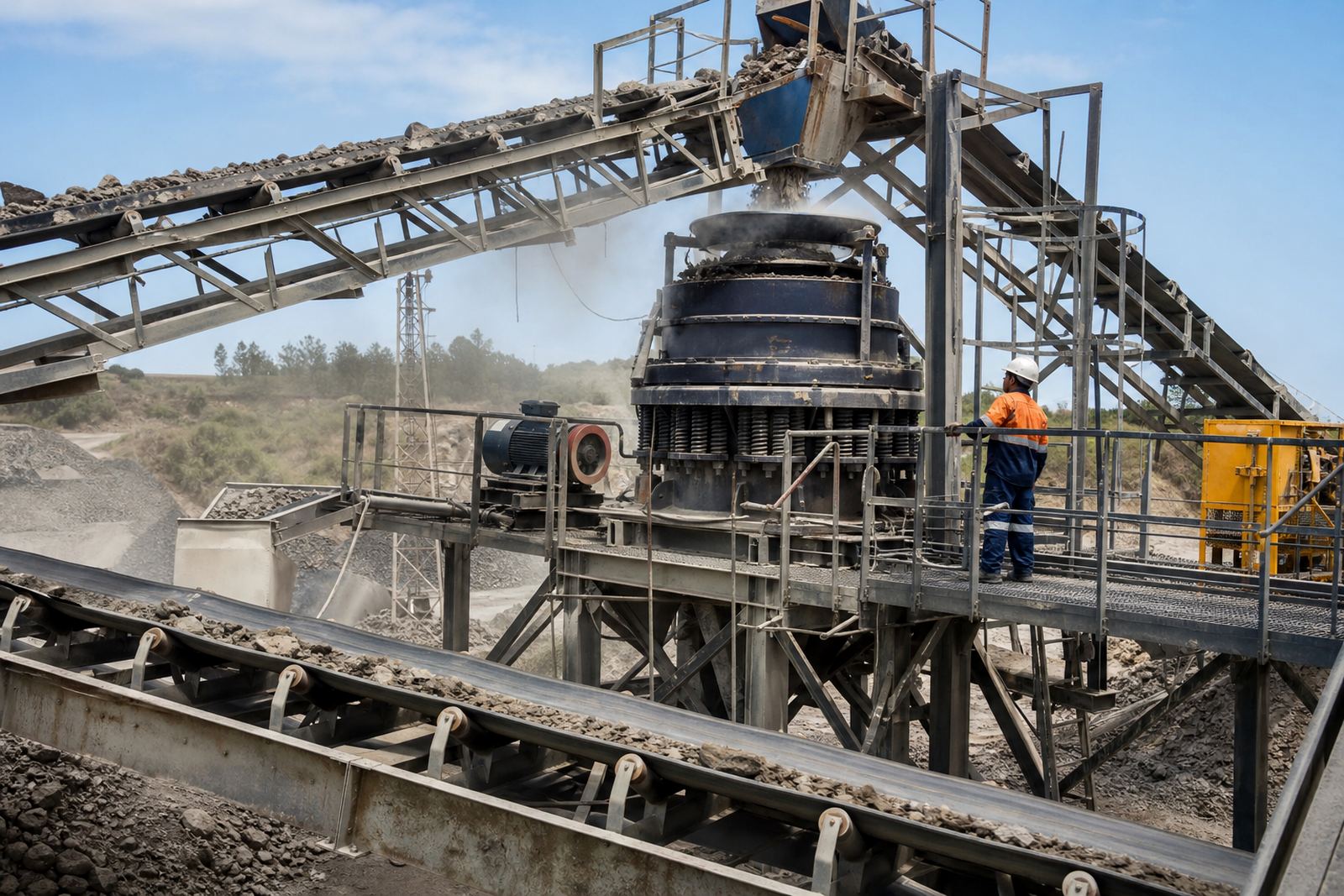
Most dolomite circuits use a primary jaw crusher followed by secondary and sometimes tertiary reduction. Depending on the product spec, the plant may run a cone crusher, impact crusher or a combination of screens and recirculation. Each stage needs its own wear part plan because the load is different at each point in the circuit.
- Jaw crusher stage: jaw plates, cheek liners and toggle-related consumables where applicable
- Cone stage: mantles, concaves and associated liners for controlled reduction
- Impact stage: blow bars, side liners and breaker wear components
- Transfer points: chute liners, hopper liners and wear plates where material drops or rubs
When the plant is set up well, operators keep a steady feed and avoid surging. That matters because uneven feed can cause one side of a chamber to wear faster, which shortens part life and changes product shape. A cleaner feed, correct closed side setting and sensible screen sizing usually give better cost control than pushing the machine too hard.
How to plan stock for uptime and product consistency
For dolomite crushing, stock holding should match the critical path of your plant. If a jaw plate set or mantle set is already near change-out, waiting until the failure point is too late. We usually advise sites to hold enough parts for the next scheduled shutdown, plus a practical buffer for freight delays, rain interruptions or access issues on gravel roads.
At our Middelburg base, we help consolidate orders so sites do not pay for separate emergency runs when a bundled shipment would do the job. That approach is useful for remote mines because freight costs can climb fast once loads are split across different dates. It also helps with shutdowns, since a site can receive the wear parts, fixings and support items together instead of piecing the order together at the last minute.
- Keep a planned change-out set on hand for high-wear components
- Match stock levels to your actual shift pattern and tonnage
- Allow extra time for long-distance freight to the Northern Cape and Limpopo
- Store parts in dry, covered space to avoid corrosion in coastal or humid conditions
Layout and handling advice for remote dolomite plants
Remote plants often lose money on handling, not only on wear. If the part store is far from the crusher, or if lifting equipment is shared across too many tasks, change-outs take longer and the machine sits idle. A better layout keeps fast-moving parts near the work area and sets out a clear path for receiving, lifting and fitment.
Sites around Rustenburg, Kathu and Burgersfort often deal with dust, heat and rough roads, while Gauteng sites may face tighter municipal access, traffic delays and restricted delivery times. In both cases, the practical answer is the same, plan the route, confirm the offload point and make sure the part kit is ready before the truck arrives. During load-shedding, a site also needs a fitment plan that does not rely on unavailable power for every step.
- Mark the receiving area so drivers know where to unload safely
- Keep the crusher spares store close to the maintenance path where possible
- Use clear labels on kits for each machine and stage of the circuit
- Check that lifting points, slings and tools are available before shutdown day
Common mistakes that drive up cost in dolomite crushing
One of the biggest mistakes is waiting for visible damage before ordering replacement parts. By then the chamber has often changed shape, product quality has dropped and the machine may be running harder than it should. Another common mistake is buying a single part and assuming the rest of the wear package will last long enough to match it. In practice, mismatched wear sets can reduce efficiency and increase the chance of uneven wear.
We also see plants under-ordering because the current wear looks acceptable, then getting caught out by a harder pocket of stone or an unexpected surge in feed. A small stock gap can become a full halt, and the repair cost grows once overtime, freight and lost production are counted together. It is better to plan with a realistic buffer than to rely on urgent dispatch every time.
If the plant is in a remote area, poor return freight planning can also create problems. Used components need to be moved out safely, and new parts need to arrive without delays or damage. Sibusiso Mahlangu in the warehouse and Johan van der Merwe on freight coordination work to keep the process simple and orderly, which matters when a site is 600 km from Middelburg and weather is not helping.
Budget ranges for dolomite crushing wear parts
Wear part budgets vary widely depending on machine size, chamber profile, feed conditions and how hard the plant is pushed. A smaller site might only need a modest monthly allowance for replacement liners and consumables, while a higher tonnage operation may carry a much larger shutdown budget. For planning purposes, many sites should allow from about R25 000 to R150 000 for a routine wear package, and substantially more when a full set of major components is due.
Emergency freight also needs its own line item. If a site needs urgent part dispatch to a remote mine, the delivery cost can rise quickly, especially where access is difficult or the delivery window is narrow. Bundled part kits and order consolidation usually help reduce that pressure. We suggest setting aside a separate contingency for last minute replacements, because waiting for the next purchase cycle often costs more than keeping a small buffer in stock.
Lerato Nkosi and Ayanda Dlamini usually help customers balance stock holding against cash flow, so the site can protect uptime without carrying unnecessary parts. The aim is simple, keep the crusher producing clean dolomite product, avoid surprise stoppages and make the monthly spend easier to manage.