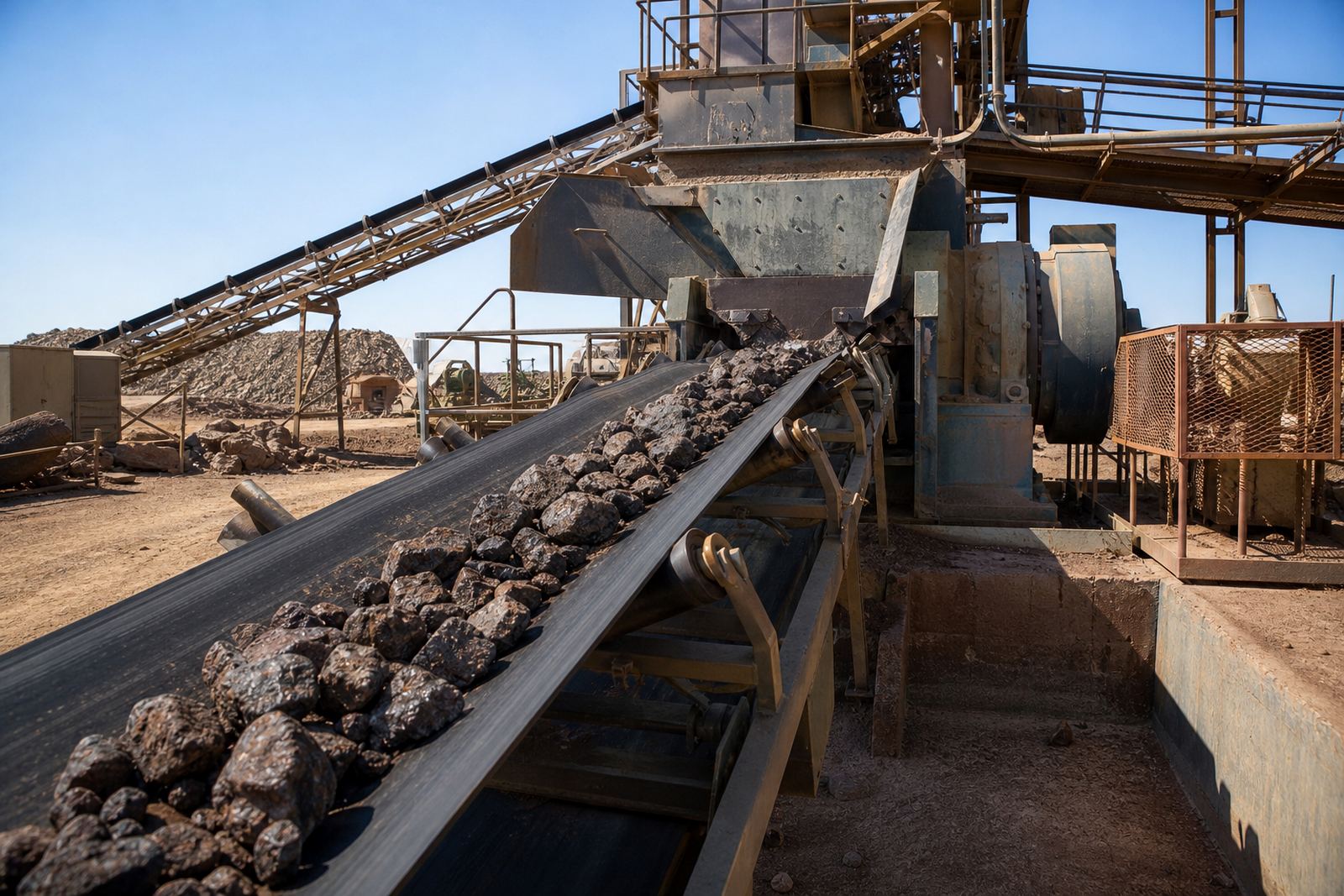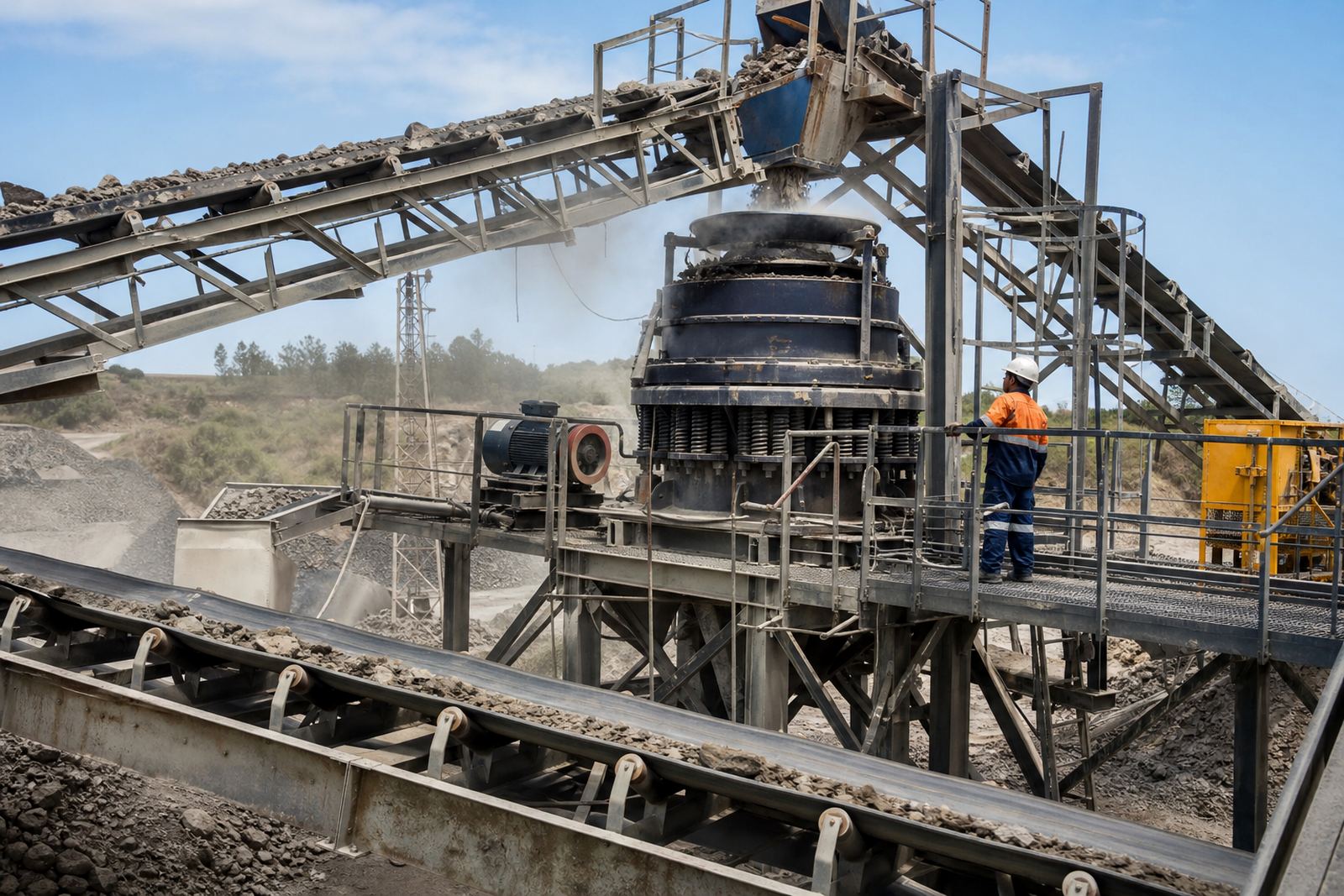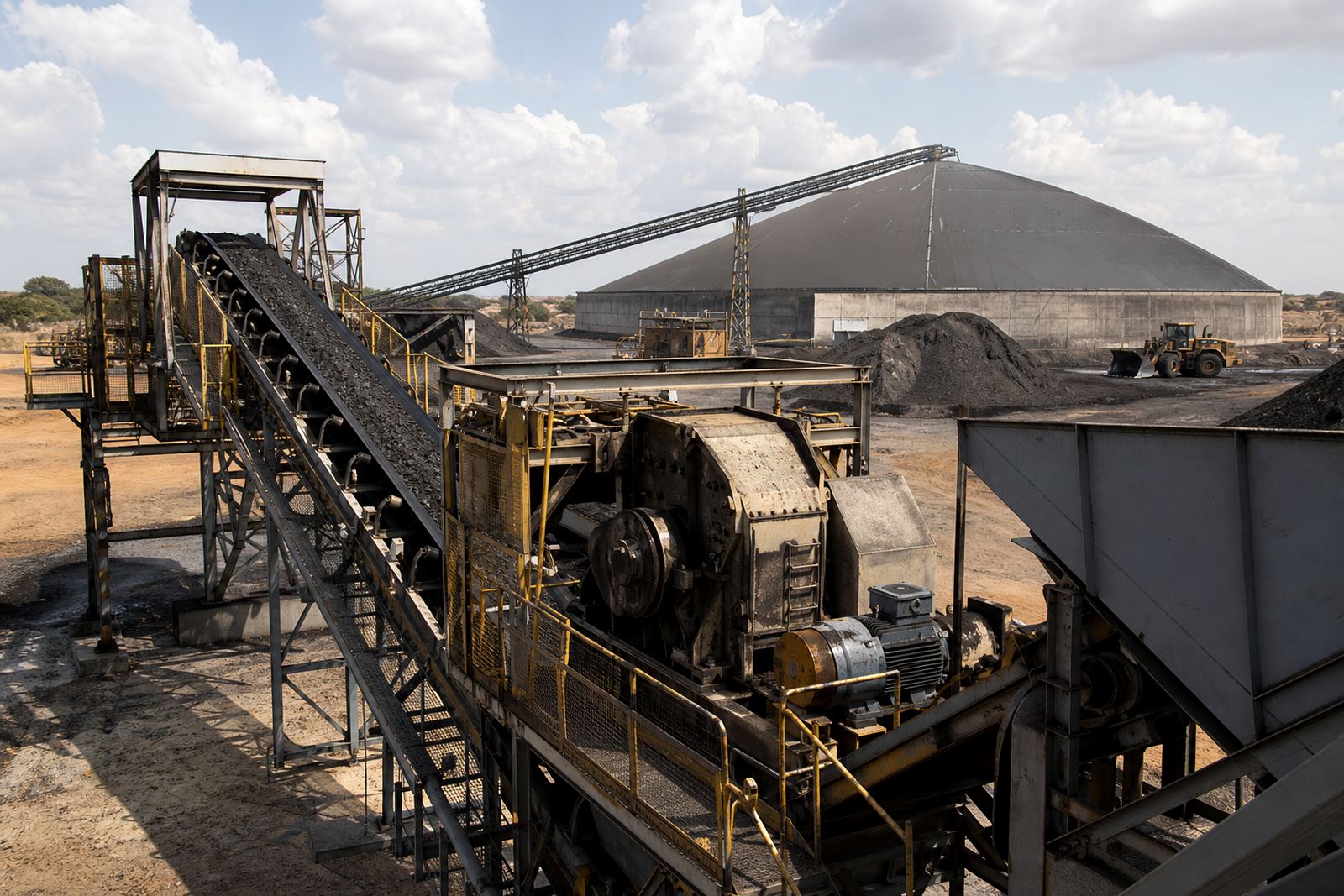
Where impact crushers earn their keep in secondary and recycling work
Impact crushers are often used where a plant needs shape, reduction and steady output after primary crushing. In secondary duties, they take oversize from jaw or cone circuits and turn it into a more usable product for stockpiling, road base or further sizing. In recycling work, they have to deal with mixed feed, concrete, brick, asphalt and the odd piece of steel, which puts real pressure on wear parts and the way the machine is set up.
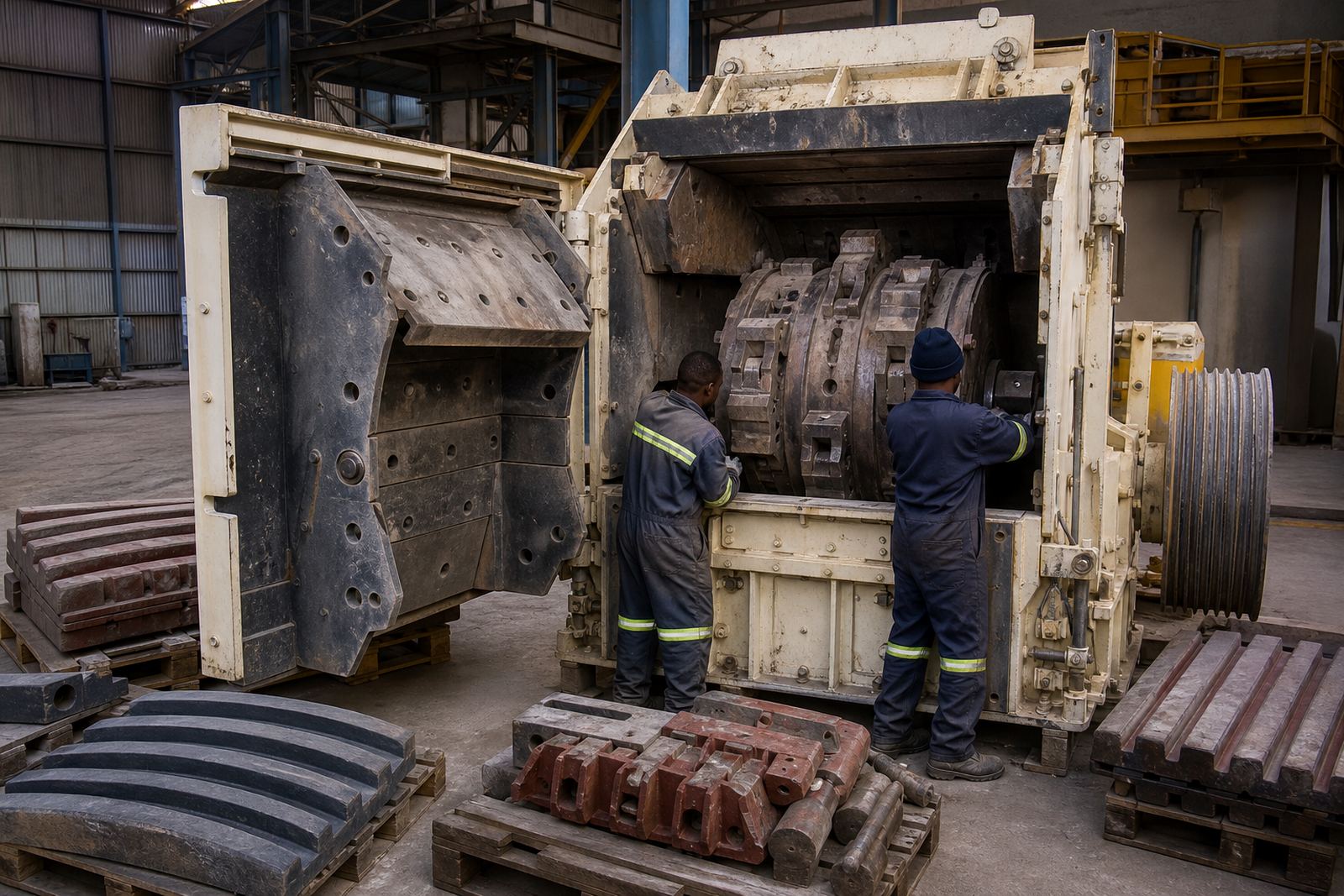
On these units, the wear profile changes fast when the feed is too wet, too coarse or too inconsistent. That is why we focus on support for blow bars, aprons and impact plates, plus the matching liners and related crusher wear parts that keep the chamber working properly. For mines and quarries in places like Phalaborwa, Kathu, Rustenburg and Steelpoort, the issue is not only finding the right part, but getting it to site in time for the next shift or shutdown.
Typical wear parts kept for impact crusher circuits
The usual wear set on an impact crusher depends on the machine size, feed type and duty cycle. A quarry running hard rock will often look at heavier wear protection, while a recycling operation may need faster replacement planning because of contamination and variable feed. We help clients match the order to the actual operating conditions, not just the machine name.
- Blow bars for the rotor, selected for the expected impact load and feed abrasiveness
- Aprons and impact plates for the chamber walls and adjustment zones
- Side liners and related wear liners for housing protection
- Fasteners and support items needed for strip out and fitment
- Bundled part kits for planned shutdowns and service work
For remote sites in Limpopo or the Northern Cape, it helps to keep a sensible spare set on hand rather than waiting for a breakdown. A missed delivery can leave a crusher standing while conveyors, screens and loaders keep costing money. That is why stock holding in Middelburg and route planning for long-distance freight matter just as much as the part itself.
Planning the chamber, feed and stock on hand before a shutdown
Good planning starts with the way the crusher is actually fed. If the upstream jaw is producing a wider top size than expected, or if the feed contains fines and dirt, the blow bars and impact surfaces will wear unevenly. We advise clients to look at feed gradation, tonnages, moisture and the percentage of recycled material before they place a replacement order. It saves time and avoids buying the wrong wear pattern.
For shutdown planning, the biggest mistake is leaving freight to the last minute. A mine outside Middelburg may be easy enough to reach, but a site in the Northern Cape can need route timing, load securing and delivery windows that fit mine access rules. Some sites want parts booked in with the gate office and delivered during a specific shift change, so the order needs to be consolidated early and checked against the work list.
- Confirm the machine model, chamber size and current wear profile before ordering
- Check whether the duty is hard rock, recycled concrete, or mixed quarry feed
- Set aside the lifting gear and the crew needed for strip out and fitment
- Book the freight before the shutdown date, not after the first part fails
Freight to remote mines and quarries without losing a day on the road
Remote freight is part of the service, not an add-on. Our Middelburg depot supports deliveries to Mpumalanga, Limpopo, Gauteng, North West and the Northern Cape, with local coordination for areas such as Witbank, Burgersfort, Phalaborwa, Rustenburg, Kathu and Johannesburg East. The job is to get the parts there in a condition that is ready for fitment, with proper packing and load securing for long road runs.
Wet weather, dust and rough access roads can all affect timing. At some mines, there is limited access after hours, and on other sites the gate process is strict because of contractor control and municipal road limits near the plant. We plan around those details so the customer is not left with a truck waiting outside while the plant is down. If the job calls for urgent part dispatch, we try to keep the process tight and practical, with clear order confirmation and one point of contact.
Common mistakes with impact crusher wear parts
One common mistake is running the machine too long on worn blow bars because the team wants to finish the week before changing them. That usually costs more in product shape, power draw and chamber stress. Another issue is mixing worn parts with fresh parts in the same chamber, which can create uneven impact and poor wear life.
We also see orders placed without enough detail on the application. A part that suits one secondary crushing duty may not last in recycling or in abrasive aggregate. The same is true for liner choices and apron settings. If a site in Gauteng changes feed source from blasted rock to recycled material, the wear pattern can shift quickly and the old order history may no longer suit the job.
- Do not order by size alone, always confirm the duty and feed type
- Do not wait for total failure before arranging a replacement set
- Do not overlook the setting of the aprons and impact surfaces after installation
- Do not ignore uneven wear on one side of the chamber, it usually points to a setup issue
Budget ranges for impact crusher support in Rand
Budgeting for impact crusher wear parts depends on the chamber size, the material being crushed and how often the plant runs. Smaller sites may be able to plan around a modest spares basket for routine changeouts, while larger quarries and mine operations usually need a broader holding plan with more than one wear set. We do not give one price for every job because the wear rate changes with feed, tonnage and service intervals.
As a working guide, many customers plan for separate budget lines for routine wear parts, shutdown stock and urgent freight. That helps when a site needs a quick replacement in the middle of a run, or when a planned shutdown on a remote mine needs both parts and transport lined up together. For support in Middelburg, the Witbank service area or the long-haul routes north and west, it is often better to keep the budget flexible rather than waiting for a breakdown and paying under pressure.
Ayanda and Megan handle order support and procurement detail, while Johan coordinates freight and Sibusiso checks warehouse readiness before dispatch. With Thabo and Lerato overseeing operations, the focus stays on keeping the right parts available and moving them in a way that suits the site, the road and the shutdown schedule.