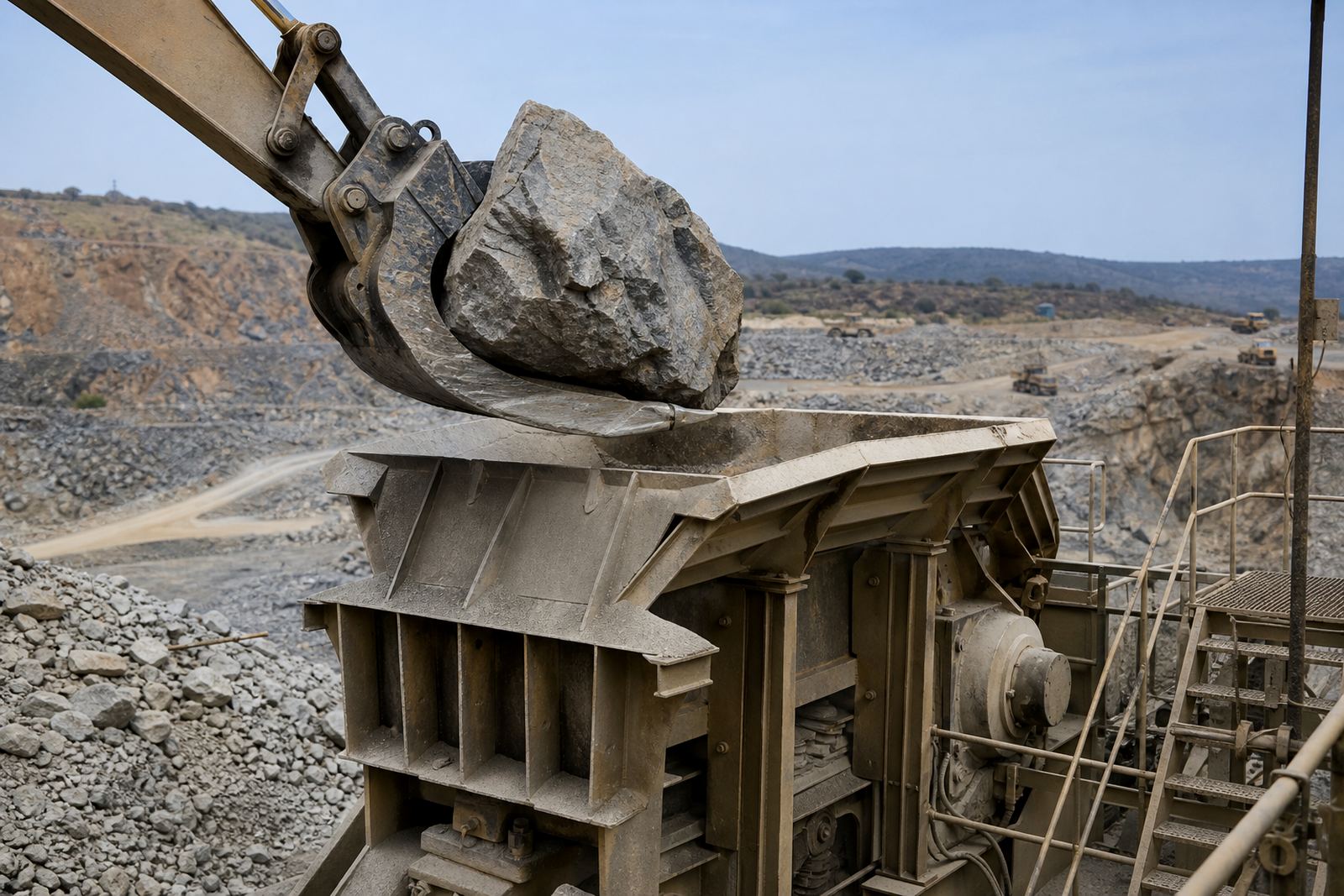
When the first stage starts slowing the whole plant
Primary crusher sites need a clear parts plan, especially when the plant sits far from town and courier options are limited. We support freight and stock holding from our Middelburg base so mines and quarries can keep critical wear parts on hand without overbuying every item at once.
- Jaw crushers: jaw plates, cheek liners, wedges and fixings
- Gyratory and cone type primaries: mantles, concaves and support liners
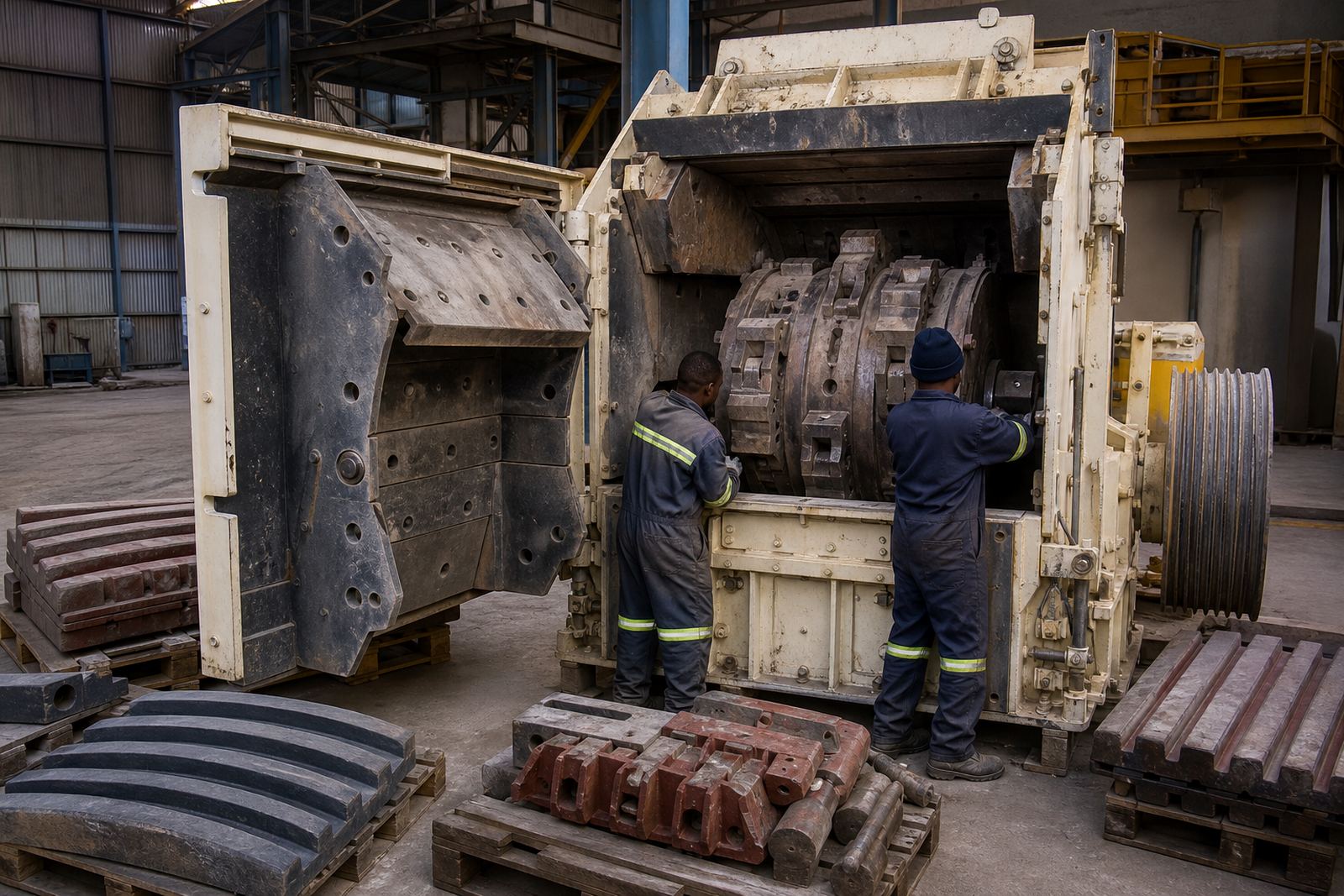
- Impact units used in the first reduction stage: blow bars and side liners
- General support: order consolidation, load securing, return freight planning and urgent part dispatch
For remote sites in places like Kathu, Phalaborwa or Steelpoort, part availability can matter just as much as part price. A machine can sit idle for want of one liner or a damaged fastening set, and that often costs more than the part itself.
Layout and planning that suits the real site
Good wear part planning starts with the layout around the crusher and how the rock gets there. A steep haul road, a dusty ROM pad, wet feed during summer rain or coastal humidity on certain supply routes can all change how quickly parts wear. We often see better results when sites keep a clean record of feed size, tonnage, hour metre readings and the timing of previous changeouts.
It also helps to separate everyday consumables from shutdown items. Some parts are needed at short notice, while others can be ordered as part of a monthly or quarterly plan. That approach reduces panic buying and helps the operations team work around municipal access rules, site entry checks and loading times at remote depots.
- Keep one full set of primary wear parts recorded against each machine
- Hold fast moving items separately from long lead items
- Plan freight around road conditions and site receiving times
- Use bundled part kits for shutdowns to avoid missing one small item
Common mistakes that cost time and money
The most common problem is waiting until the old parts are already failing. Once a jaw plate is too thin or a liner is cracking, the crusher can start working outside its intended profile and that can damage other components. Another mistake is mixing part planning with day-to-day stock buying, which makes it difficult to see what is actually being used and what is sitting on the shelf.
We also see sites ordering too little for remote delivery. If a mine in the Northern Cape or North West needs an urgent dispatch and the load is not packed properly, the whole job can slip by a day or more. That is why load securing, order consolidation and return freight planning matter, even for something as simple as a set of liners.
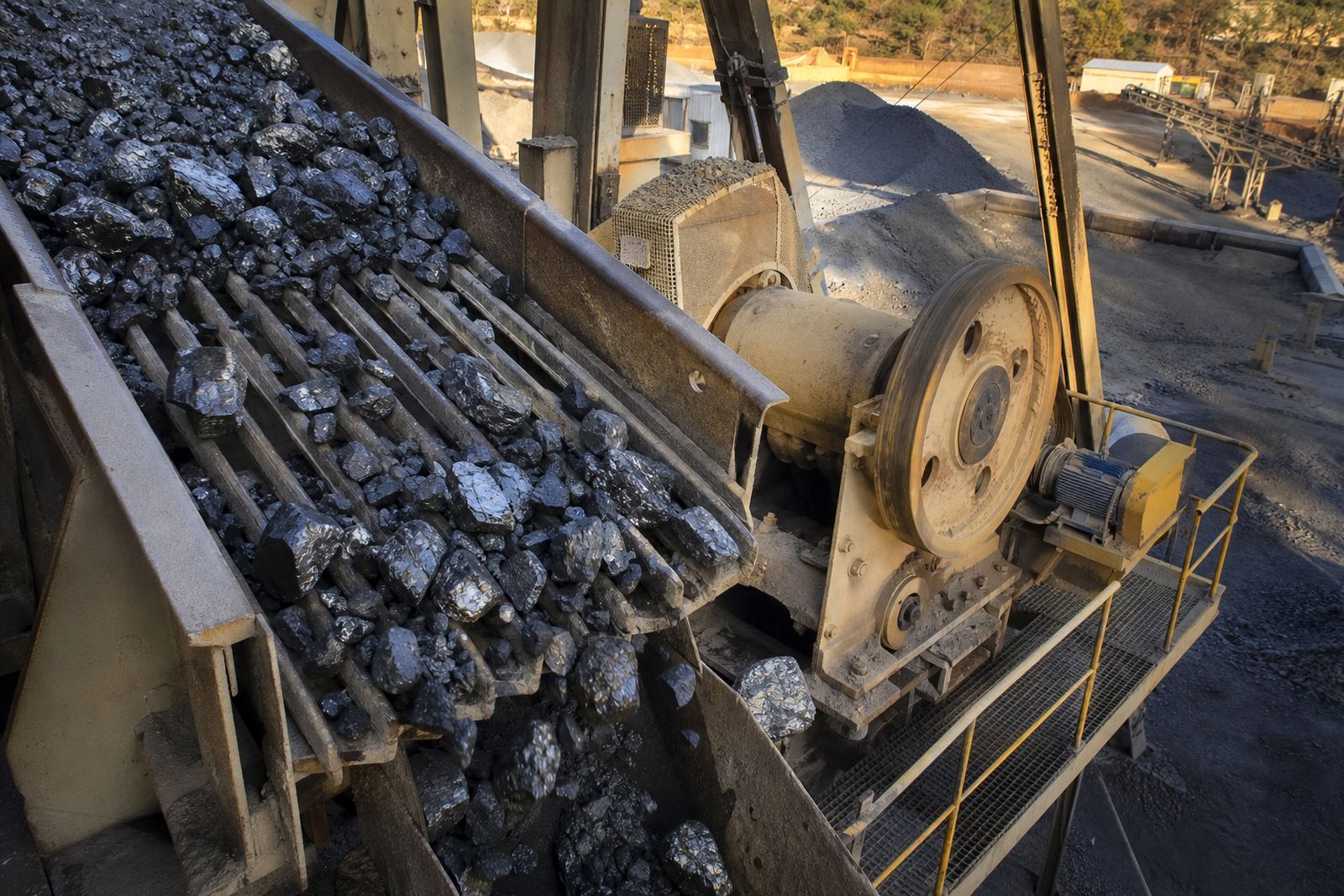
A final issue is ignoring the feed. If the primary crusher is taking oversize rock, tramp metal or inconsistent blasted material, the wear pattern will never be even. The crusher may still run but the cost per tonne rises and the parts life becomes hard to predict.
Budget ranges for primary crushing parts
Budgeting for primary crushing wear parts depends on machine size, material hardness and how often the site stops for maintenance. As a practical guide, many operations keep a smaller buffer for routine items and a larger reserve for shutdown packages, especially when freight to site is not daily.
- Routine wear items: from about R15 000 to R75 000 per order, depending on the machine and the part set
- Shutdown packs: from about R80 000 to R250 000 or more, when several major wear parts are changed together
- Freight and special handling: varies by route, weight and access, especially for remote mines and quarries
A good budget does not try to buy everything at once. It puts money into the parts most likely to stop production, then builds from there. For many sites around Middelburg, Witbank and Johannesburg East, that means keeping the fast moving items close and scheduling the heavier sets for planned delivery windows.
How we support primary crushing sites from Middelburg
Crusher Consumables Direct was founded in 2011 and operates from Middelburg, Mpumalanga, with stock holding and freight support for mines and quarries across South Africa. Our team includes Thabo Mokoena, Lerato Nkosi, Johan van der Merwe, Ayanda Dlamini, Sibusiso Mahlangu and Megan Naidoo, and the work is built around practical supply, clear communication and dependable delivery timing.
We assist clients through the enquiry form on our contact page and coordinate orders for the Middelburg Depot, Witbank Service Area, Steelpoort Service Area, Burgersfort Service Area, Phalaborwa Service Area, Rustenburg Service Area, Kathu Service Area and Johannesburg East Support. Whether the need is stock holding, urgent part dispatch or shutdown planning, the aim is to keep the primary crusher supplied without unnecessary delay.
For remote sites, the best result is usually simple: the right parts, packed properly, sent on time, and ready when the crusher stops. That saves money, avoids last minute pressure and keeps the first stage of reduction doing its job.