Hard rock sites need parts on hand before the crusher stops
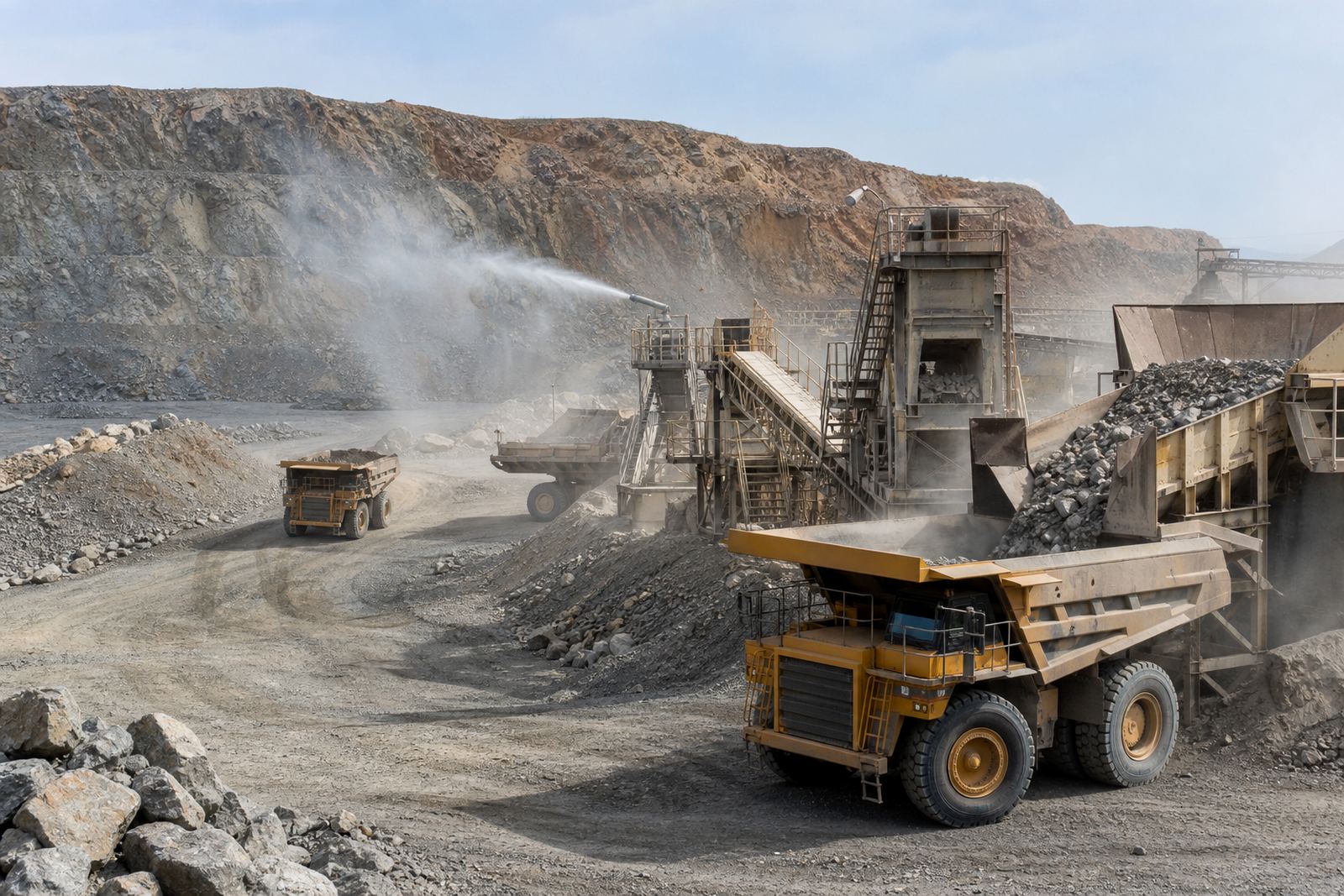
Hard rock mining usually means high impact feed, mixed sizes and constant wear on the crushing circuit. When jaw plates, mantles, concaves, blow bars and liners are working through abrasive stone, the pressure is not just on the machine, it is on the whole schedule. A late part can hold up blasting, hauling, screening and delivery to the plant, which is why stock holding matters as much as the part itself.
From our Middelburg base, we support mines and quarries in Mpumalanga, Limpopo, the Northern Cape, North West and Gauteng. That includes remote operations where roads are long, weather can shift quickly and access to the site may depend on local gate rules, weighbridge times or escort procedures. We keep the focus on getting the right wear part to site with the least amount of fuss.
- Jaw plates for primary crushing duties
- Blow bars for impact crushing applications
- Mantles and concaves for cone crushing circuits
- Liners for hoppers, chutes and transfer points
Typical crusher setups seen on abrasive feed
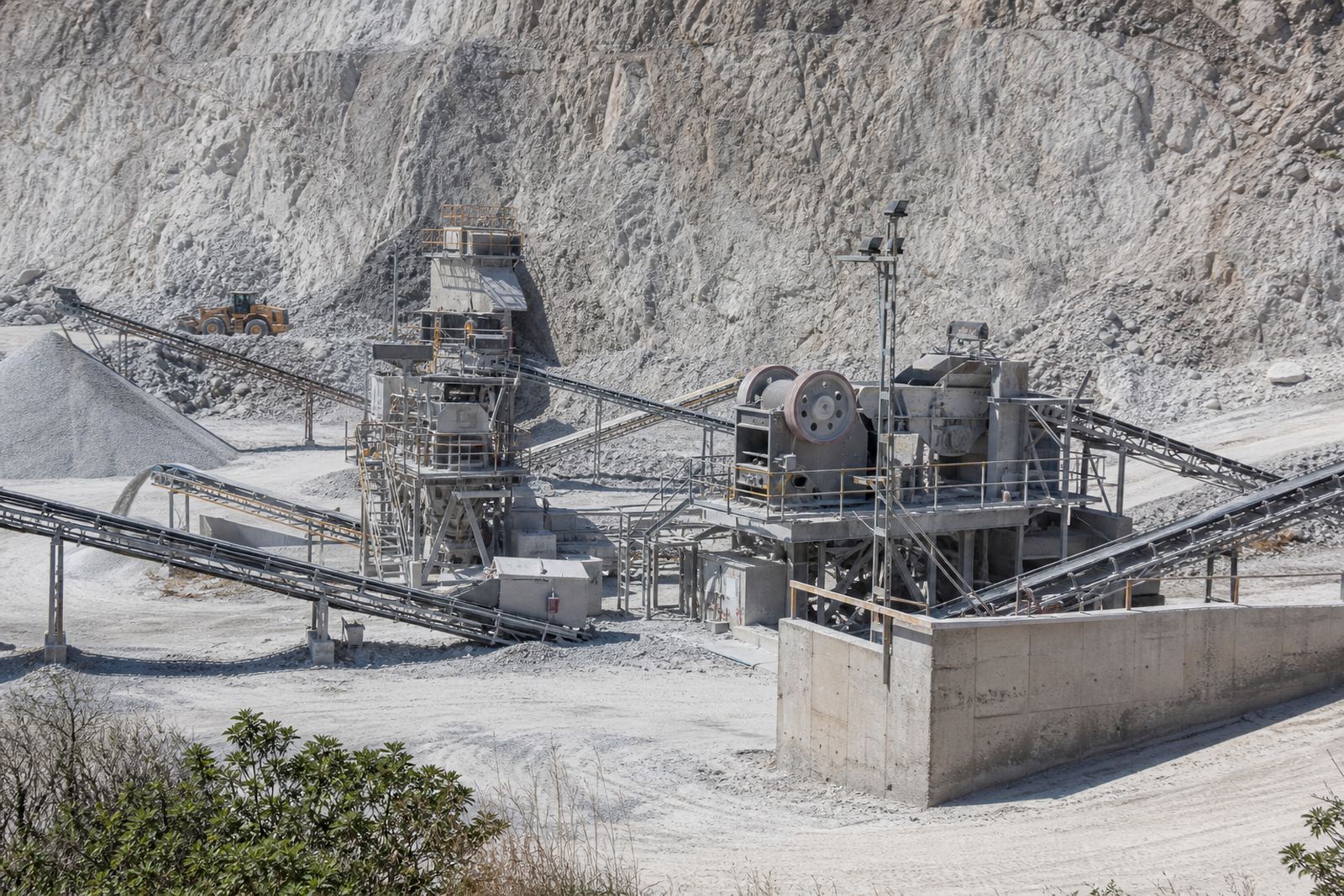
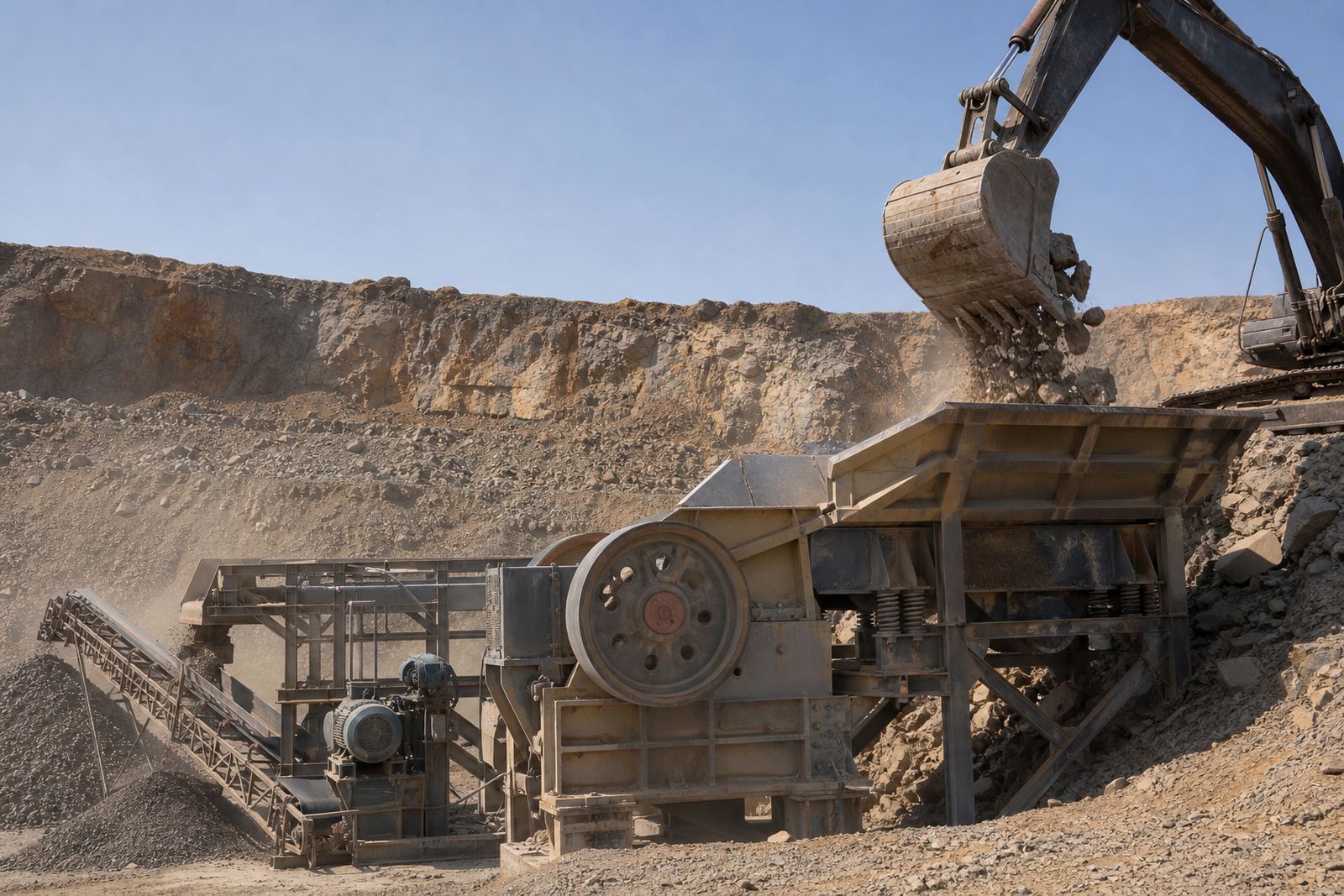
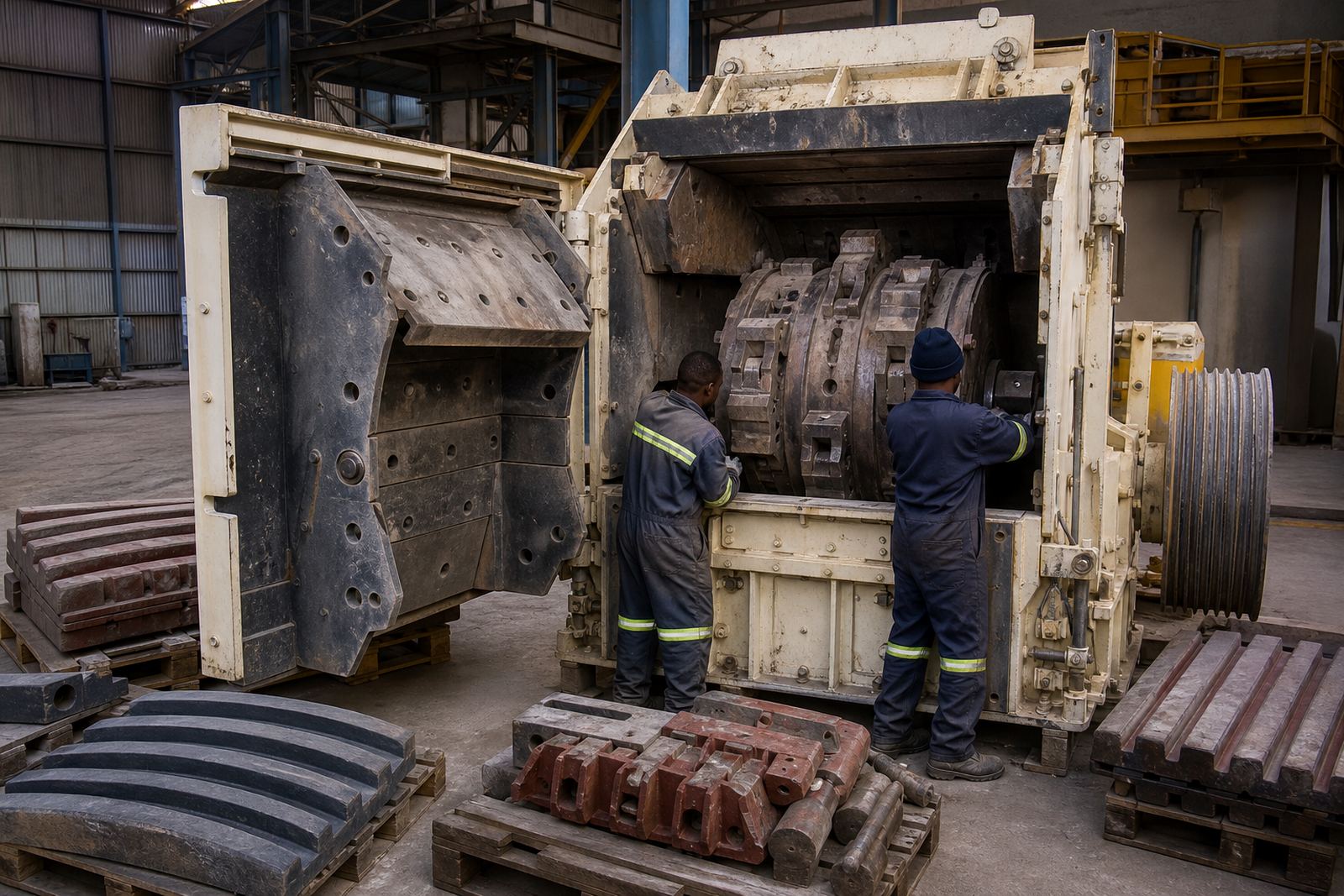
Hard rock operations often run a primary jaw crusher, followed by a cone or impact stage, with screen decks and transfer points in between. Each stage has its own wear pattern. A jaw crusher may need regular replacement of fixed and moving jaw plates, while a cone crusher will usually call for mantles and concaves matched to the feed size and reduction target. Impact units tend to consume blow bars faster when feed is sharp and highly abrasive.
We also see demand for side liners, cheek plates, hopper liners and chute liners, especially where feed is dusty or dropped from height. In some plants the crusher itself is not the only pain point. Transfer chutes, feeders and bin walls can wear down quickly if they are not protected properly, and that creates extra shutdowns nobody planned for.
For remote sites in areas such as Kathu, Phalaborwa, Steelpoort, Burgersfort and Rustenburg, the question is often not whether a part will wear, but when it will be swapped and what else should be sent with it. Bundled part kits help reduce repeat freight and cut down on small orders that cost more in transport than they save in stock value.
Planning the layout so parts move faster than plant delays
Good planning starts with the crusher layout, then works back to freight and storage. A site with narrow access roads, limited laydown space or strict loading windows needs a different supply plan from a quarry close to town. If a mine is running night shifts or dealing with load-shedding, it helps to keep critical wear parts and fast-moving consumables in a clear, labelled holding area near the plant or stores. That simple step can save hours during a shutdown.
We advise sites to group parts by machine stage and by expected change-out pattern. Keep the parts for the primary crusher together, keep secondary crusher items separate, and mark each kit for the planned shutdown date. It also helps to check the lifting points, pallet sizes and packaging before dispatch. That way the forklift or crane can unload and store the goods without extra handling.
- Match the wear part to the crusher stage before order release
- Confirm access rules, offloading equipment and site contact names
- Set aside a clean, dry storage area for high-value parts
- Plan freight around road conditions and mine gate times
Common mistakes that cost time and money
One of the most common mistakes is ordering only the obvious wear part and forgetting the supports around it. A set of jaw plates is not much use if the site still needs fasteners, liners or change-out consumables. Another mistake is waiting until the last shift before a shutdown to release the order, which leaves no buffer for road delays, weather or site access hold ups. On some routes, especially to remote mines, one missed truck can push the whole programme back a day or more.
Another issue is poor part grouping. Sites sometimes order individual items in separate loads and end up paying more in freight than necessary. Consolidation usually makes more sense for hard rock mining, particularly when a remote site needs a few different wear items at once. It also helps to check the wear pattern before approving a replacement. If the feed profile has changed, the part choice may need to change too.
We also see avoidable damage when parts are stored badly on site. Moisture, dust and rough handling can shorten service life. In coastal or humid areas, even parts that look fine on the pallet can suffer if they are left exposed. A dry store and basic protection go a long way, and so does a proper receiving check on arrival.
Budget ranges for wear parts and freight planning
Hard rock mining budgets vary widely because crusher size, material type and change-out frequency all differ. For planning purposes, many sites work with separate budgets for wear parts, freight and shutdown support rather than treating them as one line item. That makes it easier to see where the money is going and where repeat delays are coming from. It also helps procurement teams compare stock holding against emergency dispatch costs.
As a practical guide, small replacement orders for single wear items can fall in the low tens of thousands of Rand, while larger shutdown packs with multiple crusher stages can move into the mid to higher tens of thousands or more depending on quantity and size. Freight to remote mines may also rise if the load needs special handling, split deliveries or site-specific coordination. If order consolidation is done well, the combined cost is usually lower than piecemeal dispatch.
For some clients, the real saving is not the part price alone, but the avoided downtime. A crusher sitting idle for a day can cost far more than the wear items on the truck, so budget planning should account for both stock and logistics. That is why we keep the conversation practical: what is needed, where it must go and when it has to be there.
How our Middelburg team supports hard rock operations
Crusher Consumables Direct has been based in Middelburg, Mpumalanga since 2011, supporting mines and quarries with stock holding, freight and order support. Thabo Mokoena leads the business, with Lerato Nkosi handling operations, Johan van der Merwe on freight coordination, Ayanda Dlamini leading customer support, Sibusiso Mahlangu supervising the warehouse and Megan Naidoo managing procurement administration. That team structure matters because hard rock sites need quick answers, not a long chain of callbacks.
We work with the practical details that make a delivery succeed. That includes load securing, route planning, return freight planning, shutdown planning and site delivery coordination. For customers near our service areas in Middelburg, Witbank, Steelpoort, Burgersfort, Phalaborwa, Rustenburg, Kathu and Johannesburg East, we can align dispatches with site windows and consolidate orders where it makes sense. For more remote operations, the emphasis is on keeping stock available and getting it out the door without delay.
If your site is preparing for a shutdown or dealing with repeated wear in abrasive rock, the best time to plan is before the crusher goes quiet. A clear order list, the right packing method and a realistic freight schedule can make a busy week much easier to manage. Sometimes the smallest detail saves the most time, and a small mistake in planning can turn into a costly delay.