Keeping limestone production moving from face to stockpile
Limestone quarrying looks simple from the outside, but the plant side needs careful planning. Once a jaw plate starts to wear unevenly or a mantle and concave set loses profile, throughput drops and the feed gets less consistent. That affects the crusher, the screens and the downstream stockpiles. In quarries near Middelburg, Steelpoort, Burgersfort, Rustenburg and Kathu, the pressure is usually on steady output rather than short bursts, so parts need to arrive before a stoppage becomes expensive.
Crusher Consumables Direct supports limestone operations with stock holding and freight for crusher wear parts, with supply arranged around your shutdown window, site access rules and storage limits. We work with quarry teams that need simple answers: what is on hand, what can move today and what needs to be packed for the next planned stop. The aim is to keep the plant supplied without forcing you to hold too much on site.
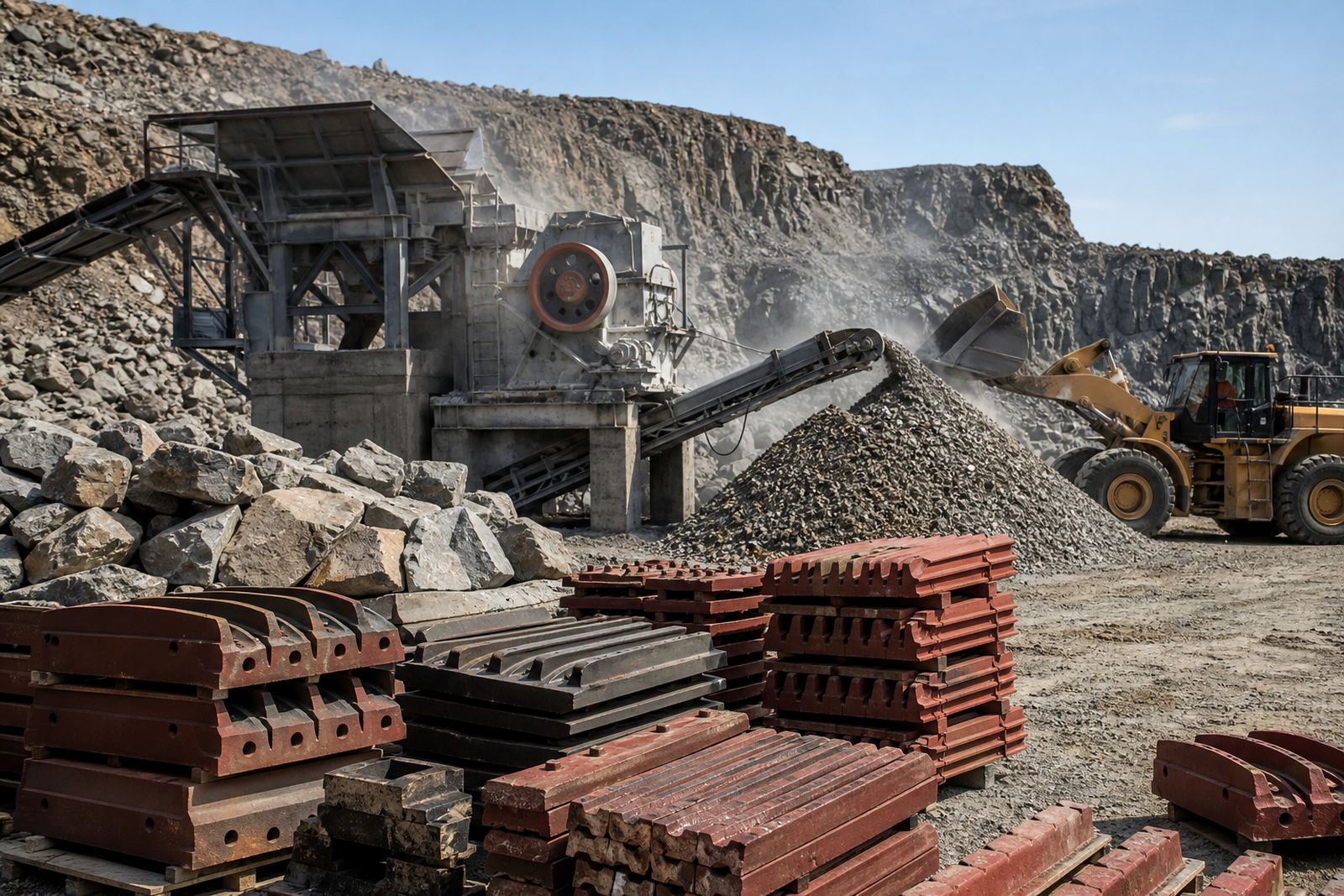
- Jaw plates for primary crushing
- Mantles and concaves for secondary and tertiary stages
- Blow bars where impact crushing is used
- Liners for chutes, hoppers and transfer points
- Bundled kits for planned maintenance stops
Typical limestone quarry equipment and wear points
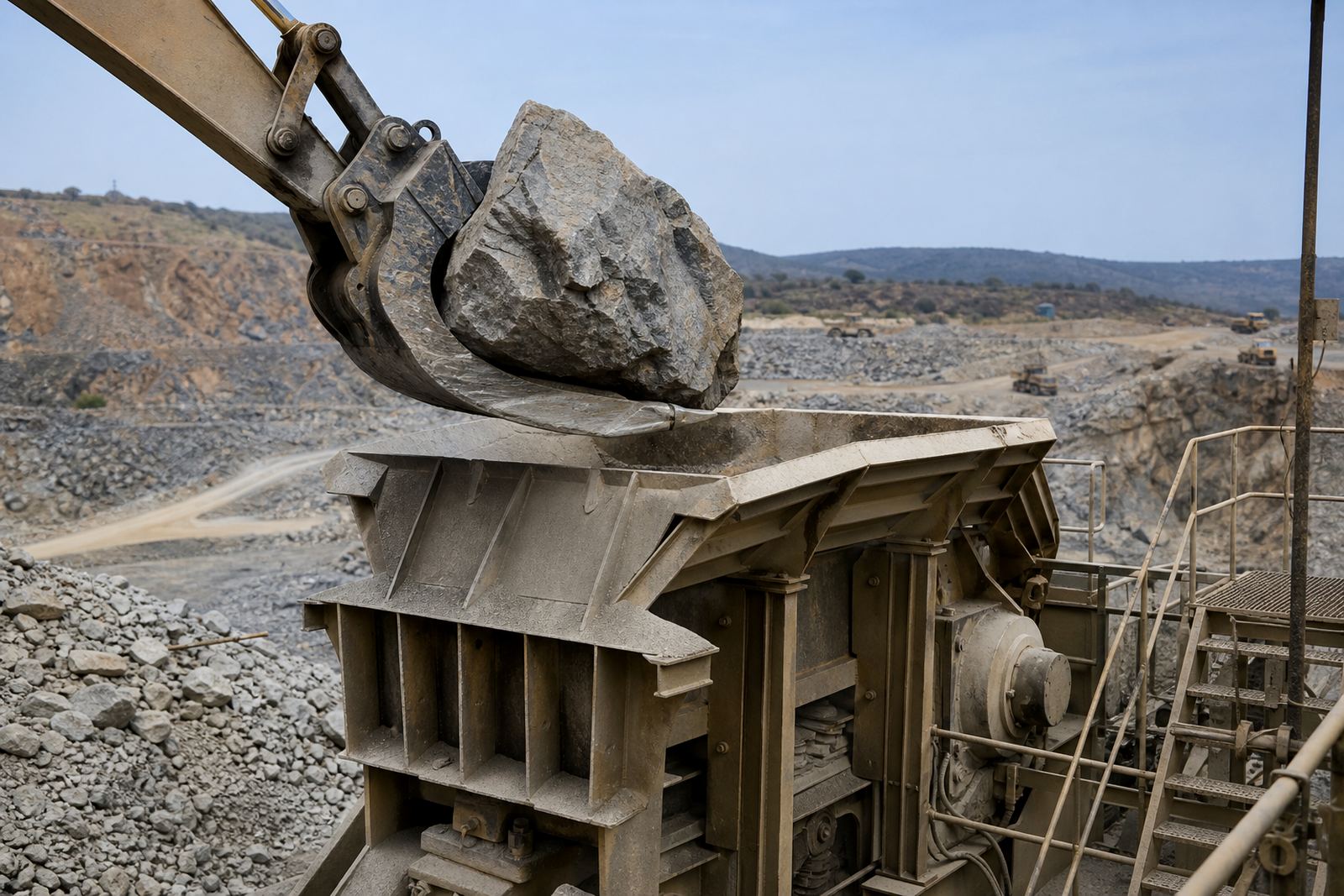
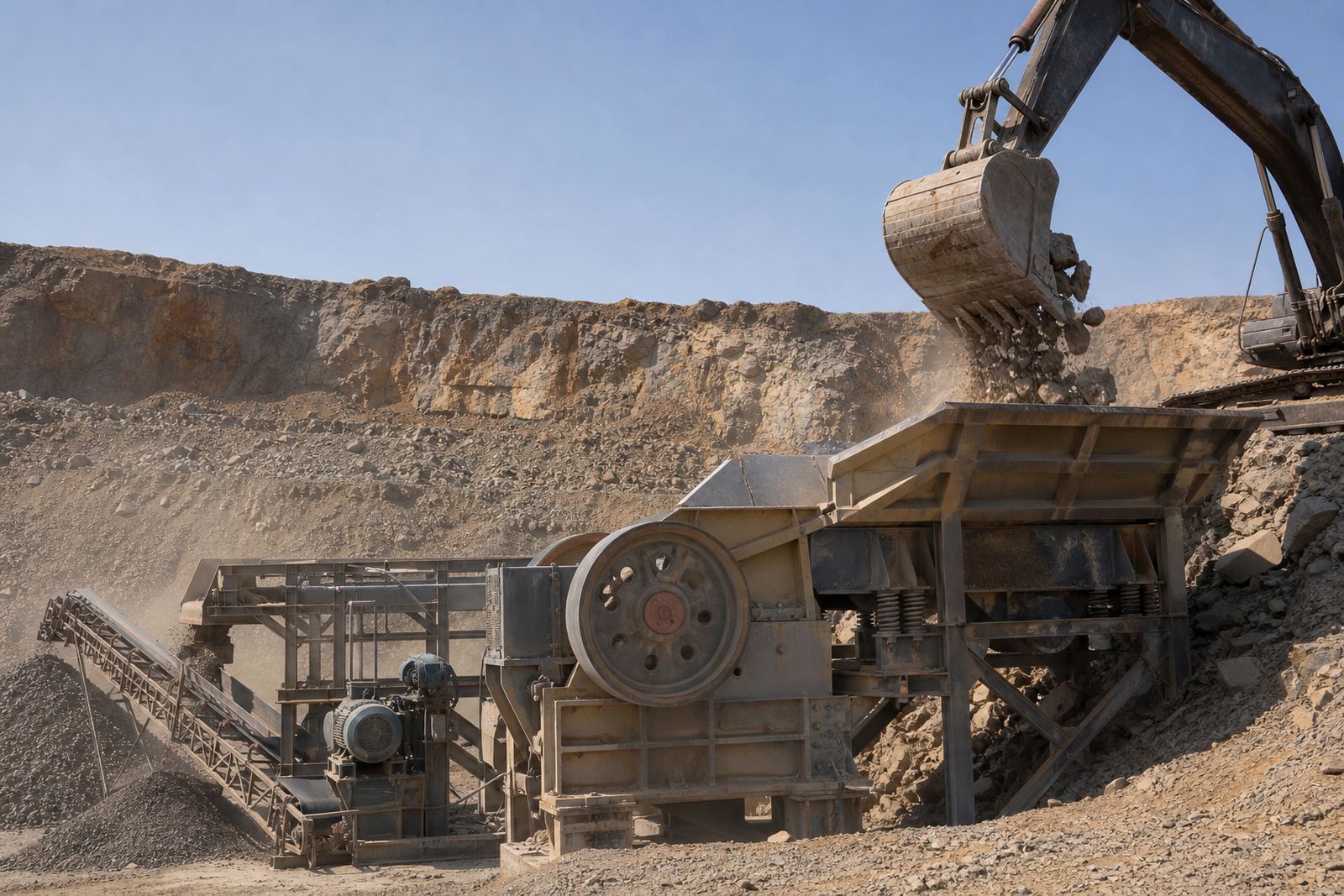
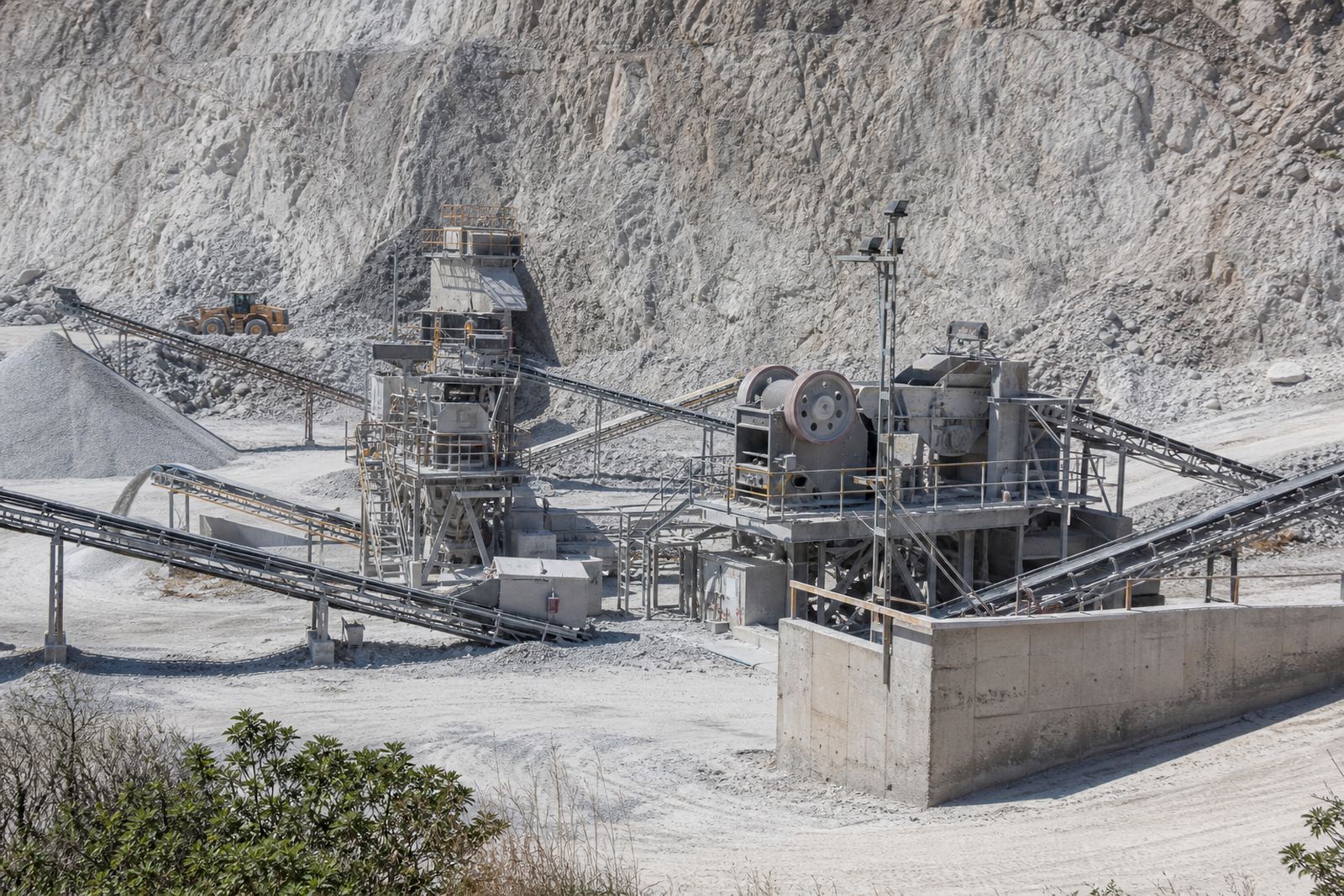
A limestone quarry normally runs a primary crusher, secondary crusher, screens, feeders and transfer points. The wear pattern changes depending on feed size, moisture and how much fines are carried through the system. Some quarries get very dusty and dry, while others deal with damp feed after rain or stockpile exposure. That changes how the parts wear and how often they need checking.
For many limestone sites, the common setup includes a jaw crusher at the front end, then a cone or impact stage if the product needs tighter sizing. Liners at transfer points matter too, because a blocked chute can stop the line just as quickly as a worn crushing chamber. On some sites the real issue is not only the crusher itself but the flow around it. A missed liner change or late freight booking can leave the whole plant waiting and operators standing around.
Good planning starts with the actual wear pattern. If the quarry pushes hard during week days and shuts on weekends, part replacement should be scheduled before the last wear limit is reached. That means checking stock, measuring remaining life and allowing time for freight from Middelburg to more remote sites in Limpopo, the Northern Cape or the North West. If the quarry is close to a municipal road with load limits or limited turning space, that should be considered before dispatch as well.
Layout and planning advice for quarry teams
Limestone quarries benefit from a simple stock plan. Keep the fast-moving wear parts close to the plant, separate from general hardware, and label them by machine stage. If a site has limited store room or no sheltered area, it is worth planning for palletised storage and weather protection because dust and rain can affect handling. In hot inland areas, packaging can also soften and split if it is left exposed for too long.
We usually advise quarry teams to line up parts around scheduled maintenance rather than waiting for failure. That reduces rushed orders and gives the freight team time to match the route, the load and the site receiving hours. Where possible, combine crusher wear parts with seals, fastening items and other service parts into one delivery so the site only signs once and the machine can go back into service sooner.
- Measure wear at fixed intervals and record it in the maintenance log
- Set minimum stock levels for critical wear parts
- Plan delivery dates around blasting, loading and screening cycles
- Confirm road access, gate times and offload equipment before dispatch
- Use bundled kits for shutdown work to reduce missing items on the day
Common mistakes that cost limestone quarries time
One common mistake is ordering too late. Another is mixing up part numbers or sizes when more than one crusher is on site. Limestone plants sometimes run similar looking parts across different machines, and a small mismatch can hold up a shutdown for hours. It is also easy to underestimate freight time to remote quarries in Phalaborwa, Kathu or western North West, especially when the route involves rural access roads or strict receiving times.
Another problem is keeping only one spare set for the whole site when production is meant to carry on during maintenance. If the only set is fitted and the next set has not yet arrived, the quarry has no buffer. Poor load securing is another issue, especially when parts travel long distances and the load is moved between depots or transferred at short notice. A damaged pallet or loose item can cause delays and extra handling.
Quarry teams also sometimes forget about return freight planning. Used parts, packaging and rejected items need to be cleared out in a way that fits the site rules. If a mine or quarry has strict contractor controls or weighbridge steps, that should be built into the delivery plan from the start not after the truck is already on the road.
Freight and stock holding from Middelburg to quarry sites
Crusher Consumables Direct is based in Middelburg, Mpumalanga and supplies limestone quarries across Mpumalanga, Limpopo, the Northern Cape, North West and Gauteng. We support remote operations with stock holding, order consolidation and delivery planning so the site receives what it needs without unnecessary split loads. That matters when the quarry is far from a major town and every trip needs to count.
Our team handles the practical side of dispatch and site coordination. Lerato Nkosi manages operations, Johan van der Merwe coordinates freight, Ayanda Dlamini handles customer support, Sibusiso Mahlangu oversees warehouse work and Megan Naidoo manages procurement. Thabo Mokoena leads the business as Managing Director. This structure helps keep communication clear when a site needs urgent part dispatch or a planned shutdown load.
We can arrange movement to limestone quarry operations in areas such as Witbank, Burgersfort, Rustenburg, Phalaborwa, Johannesburg East and surrounding industrial zones. Where the site has limited access, steep haul roads or a narrow receiving bay, we take that into account before loading. The idea is simple: correct parts, correct timing, no wasted trips.
Budget ranges for limestone quarry wear parts
Budgets vary with crusher size, wear rate and how many machines are in the line. For limestone quarries, a single order might be a modest replacement of one wear item, or a larger planned shutdown package covering several stages. As a broad working range, a small urgent dispatch can start at a few thousand Rand, while a planned multi-part order for a crusher line can move into the tens of thousands of Rand or more depending on quantities and machine type.
It is better to budget in stages. Hold a basic running stock for fast-moving parts, then set aside a separate shutdown budget for the bigger items. That approach helps quarries avoid buying everything at once while still protecting production. If your site runs year round, it is also worth keeping a freight allowance in the maintenance plan because remote delivery costs can change with distance, load size and timing.
- Routine running stock: lower-value replacement parts held on site
- Planned shutdown stock: larger items for scheduled changeouts
- Urgent dispatch budget: for unplanned failures or short-notice maintenance
- Freight allowance: based on route, load size and delivery urgency