Start with the crusher fit, not just the part name
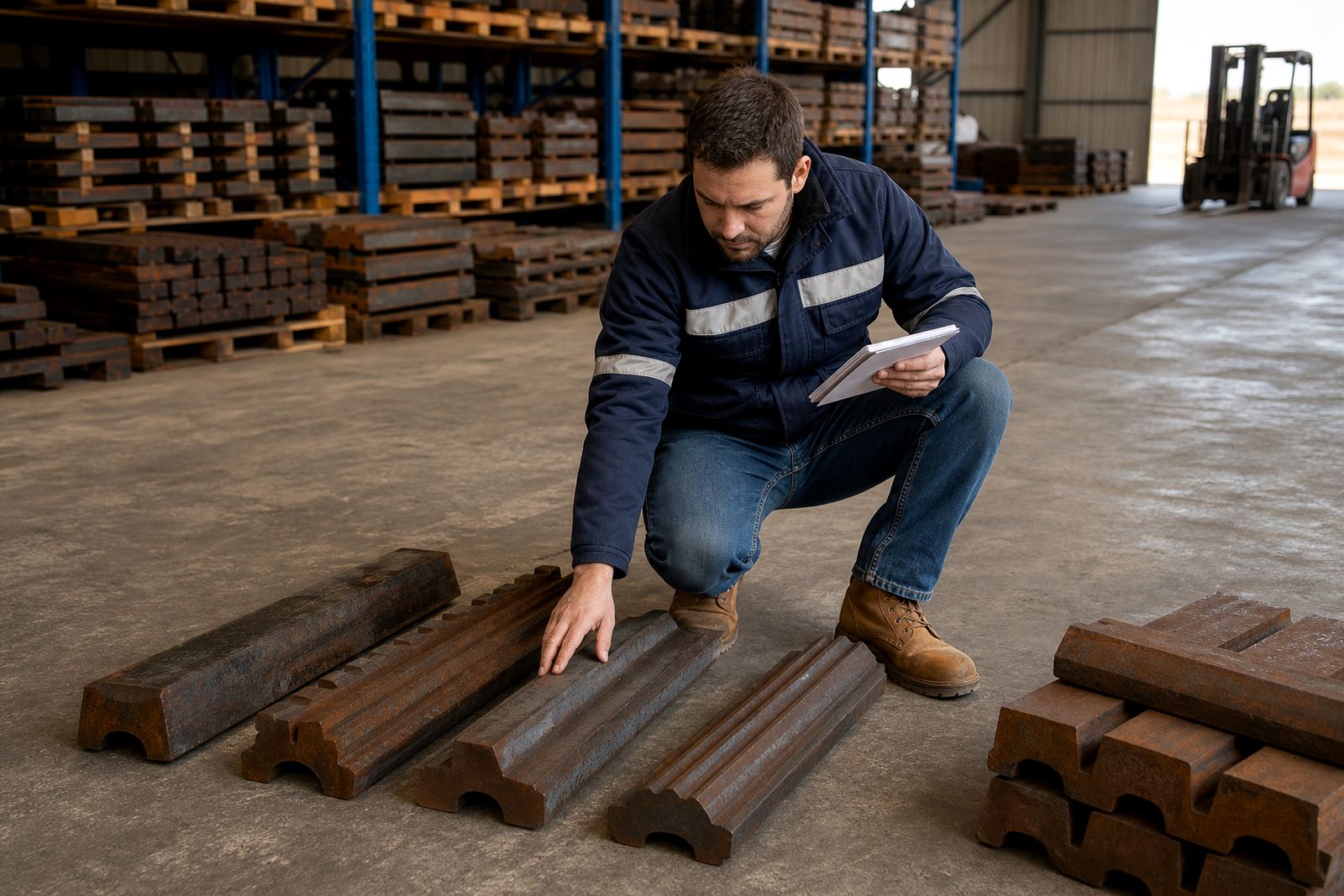
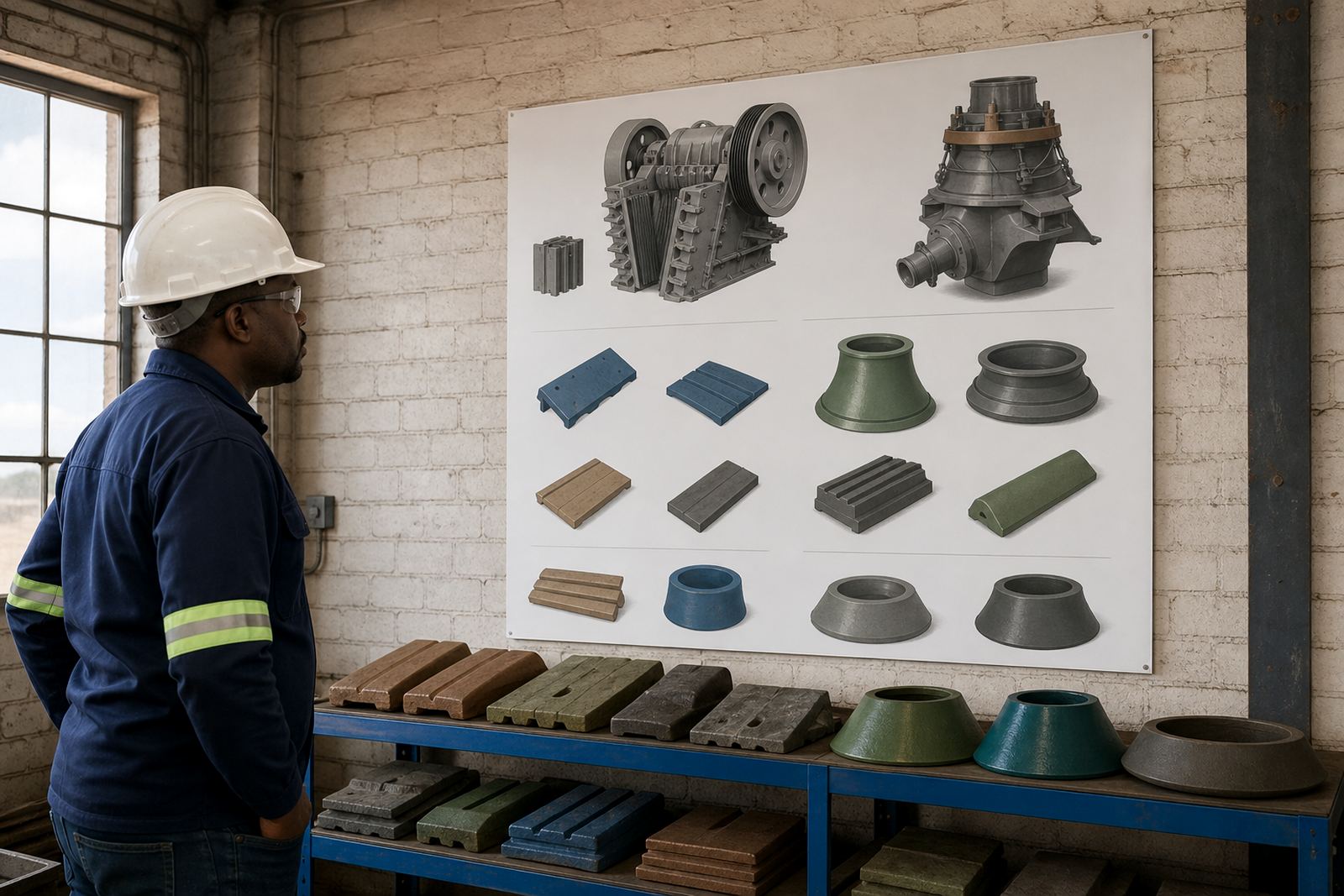
Concaves must match the crusher chamber and the way the machine is being run. Before you place an order, confirm the machine model, chamber profile, mounting style and the segment arrangement currently in use. A part that looks right on paper can still fail to fit if the profile, fixing points or thickness do not line up with the machine on site.
For mines and quarries in Middelburg, Steelpoort, Burgersfort, Rustenburg, Kathu and further out in the Northern Cape, it helps to keep the current part numbers, drawings and photos together in one file. If the site has had rebuild work, liner changes or a change in feed material, mention it at the same time. That small detail often saves a return trip and a delay at the plant.
- Confirm the crusher make and chamber size
- Check whether the concave is one piece or segmented
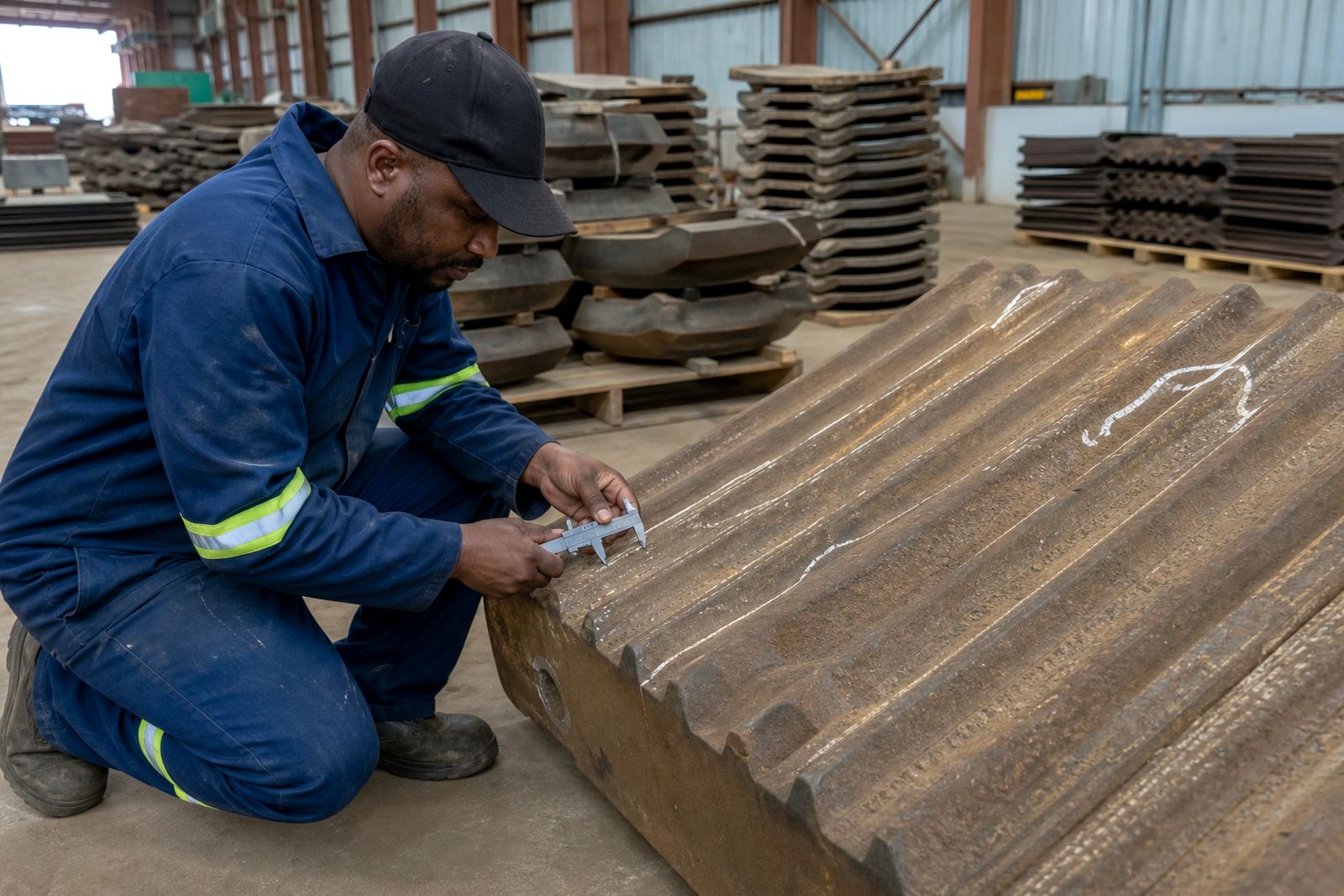
- Measure the existing wear on each segment
- Note any previous fitment changes or repairs
- Send photos of the installed arrangement if the site is remote
Check wear patterns before you order replacements
Concave wear tells you a lot about feed, choke level and crusher settings. If wear is even, you can usually plan a standard replacement cycle. If one side is carrying more wear than the rest, the chamber may be running out of level, the feed may be uneven, or a section may have loosened. That should be checked before new segments are shipped out.
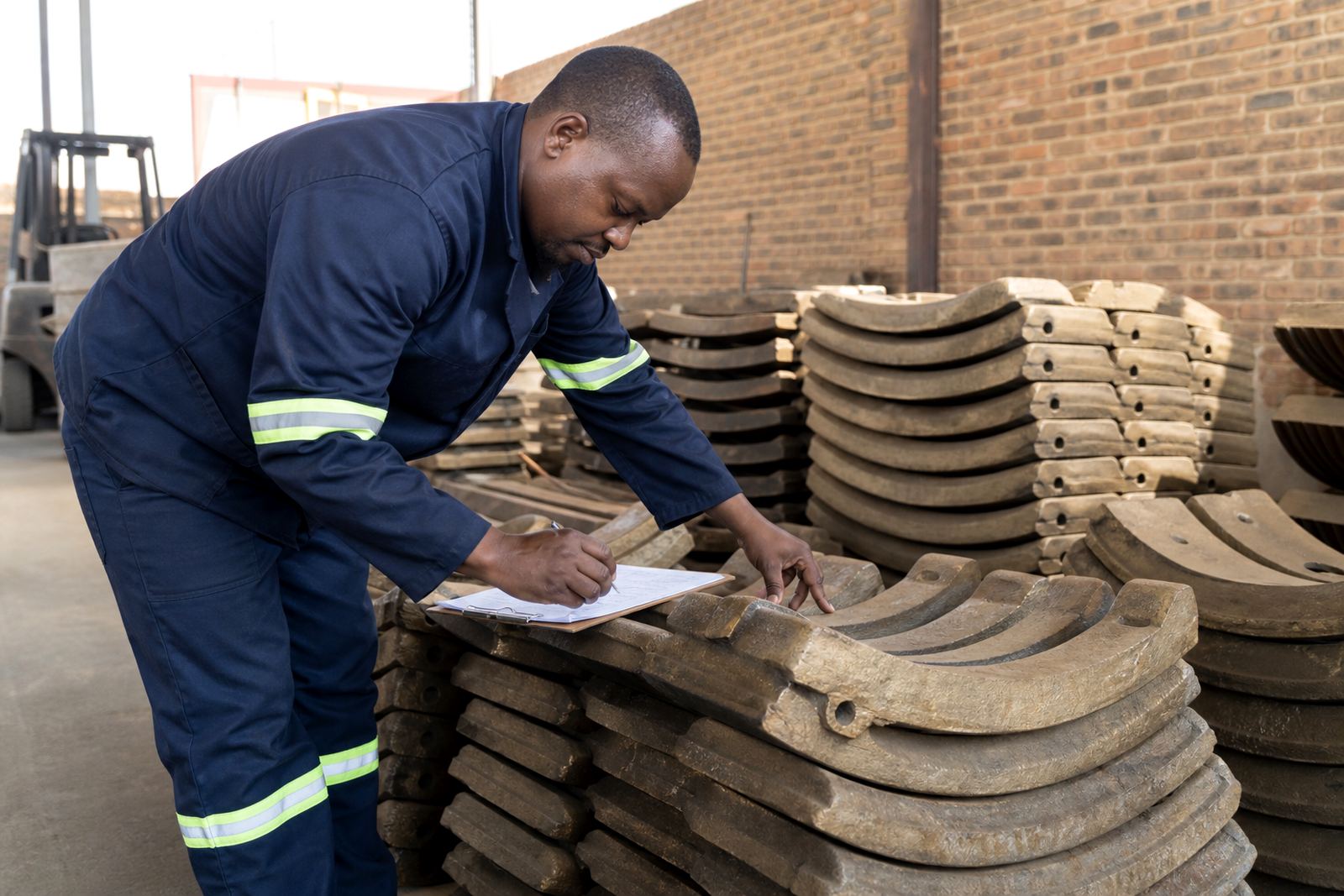
Look for thinning at the lower working edge, cracking around fixing points, corner breakage and sections that have started to shift. On some sites, especially where quartz or hard, abrasive rock is common, the wear profile can change quickly after a rain period or a shift in blasted material. A quick inspection during a planned stop can prevent a rushed order later.
- Record the thickness at several points on each segment
- Inspect the fixing holes and seating faces
- Check for cracks, chips and movement between segments
- Compare left and right side wear
- Note whether the wear is steady or accelerated after a feed change
Match the right segment set for the shutdown
When a shutdown is planned, the part set should arrive in the right sequence, with enough time for offloading and installation. For remote mines in Limpopo, Mpumalanga and the North West, the freight plan matters as much as the part selection. Late road arrivals, gate delays and offloading constraints can take hours out of a tight shutdown window.
Bundled part kits help when concaves are being changed with liners, jaw plates, mantles or blow bars on the same stop. Order consolidation also reduces the chance of one pallet arriving early and another getting held up in transit. If the mine has strict receiving times or weighbridge requirements, share those rules before dispatch so the load can be booked in properly.
- Confirm shutdown date and receiving window
- List every segment required, including spares
- Ask for bundled packing where multiple wear parts are changing
- Plan offloading equipment and labour at site
- Allow extra time for rural roads, weather and security checks
Use freight planning to protect the parts in transit
Concaves are heavy, awkward to move and can be damaged by poor handling. Correct load securing matters, especially on long routes into remote mine sites. The load should be packed so that segments cannot shift, tip or rub against each other. On coastal routes and humid areas, clean dry packing also helps reduce corrosion on storage edges and fixing surfaces.
Where roads include gravel sections, steep access tracks or municipal speed restrictions near towns, route planning should take the full journey into account. A part that is in good condition when it leaves Middelburg must still arrive ready to fit at site. That means proper pallets, stretch wrapping, strapping and paperwork that matches the consignment exactly.
- Request load securing for every loose segment
- Use pallets that can be handled safely by fork or crane
- Keep fixing surfaces protected from dirt and moisture
- Plan the route around road conditions and site access rules
- Check that the delivery documents match the order detail
Build a clear order pack for faster processing
A clean order pack makes it easier to process buying, dispatch and receiving without back and forth. Keep the crusher details, segment counts, wear notes and delivery destination in one place. If the mine has several plants or quarries, specify the exact area, for example a service area in Phalaborwa, Rustenburg, Kathu or Johannesburg East, so the load does not end up at the wrong gate.
Good order notes also help with stock holding. When the warehouse team knows what is on hand, what must be held back, and what can go to urgent dispatch, the order can be put together with less delay. That matters when a plant is running through load-shedding or pushing to finish before a shutdown weekend.
- Machine model and chamber details
- Number of concaves needed and any spare segments
- Delivery site, contact name and receiving rules
- Target delivery date and shutdown date
- Photos, drawings and any fitment notes
Plan for storage, backup stock and next shutdown
If you are buying concaves for a remote operation, the best time to plan the next set is while the current one is still working. Holding spare stock in Middelburg helps shorten lead times for mines across Mpumalanga, Limpopo, the Northern Cape, North West and Gauteng. It also gives room to manage urgent part dispatch when wear is faster than expected.
A simple stock plan should cover what is already on site, what is on route and what must be kept for the next shutdown. When the maintenance team and procurement team use the same list, there is less chance of ordering too late or ordering the wrong profile. That is especially useful where access roads are long, rain affects deliveries, or a site can only receive freight during short windows.
At Crusher Consumables Direct, the process is built around stock holding, remote mine freight, shutdown planning and order support from Middelburg, Mpumalanga. If you are preparing a concave changeout, start with the enquiry form and send through the crusher details and site notes. We can then line up the right segments, route and delivery timing for the job.
As Thabo Mokoena says, a good order starts with clear wear data and ends with a clean delivery at site.
Quick buying checklist before you confirm the order
Use this final check before you approve the purchase. It keeps the process practical and helps avoid missing a small but important detail.
- Crusher model and chamber size confirmed
- Concave profile and segment count checked
- Wear measurements recorded
- Shutdown date and site access confirmed
- Freight route, offloading and receiving rules checked
- Photos, drawings and notes attached to the order
If all six points are covered, the order is usually much easier to process and receive. That saves time for the maintenance crew and helps keep the plant moving with less interruption.