
1. Start With The Crusher And Chamber Details
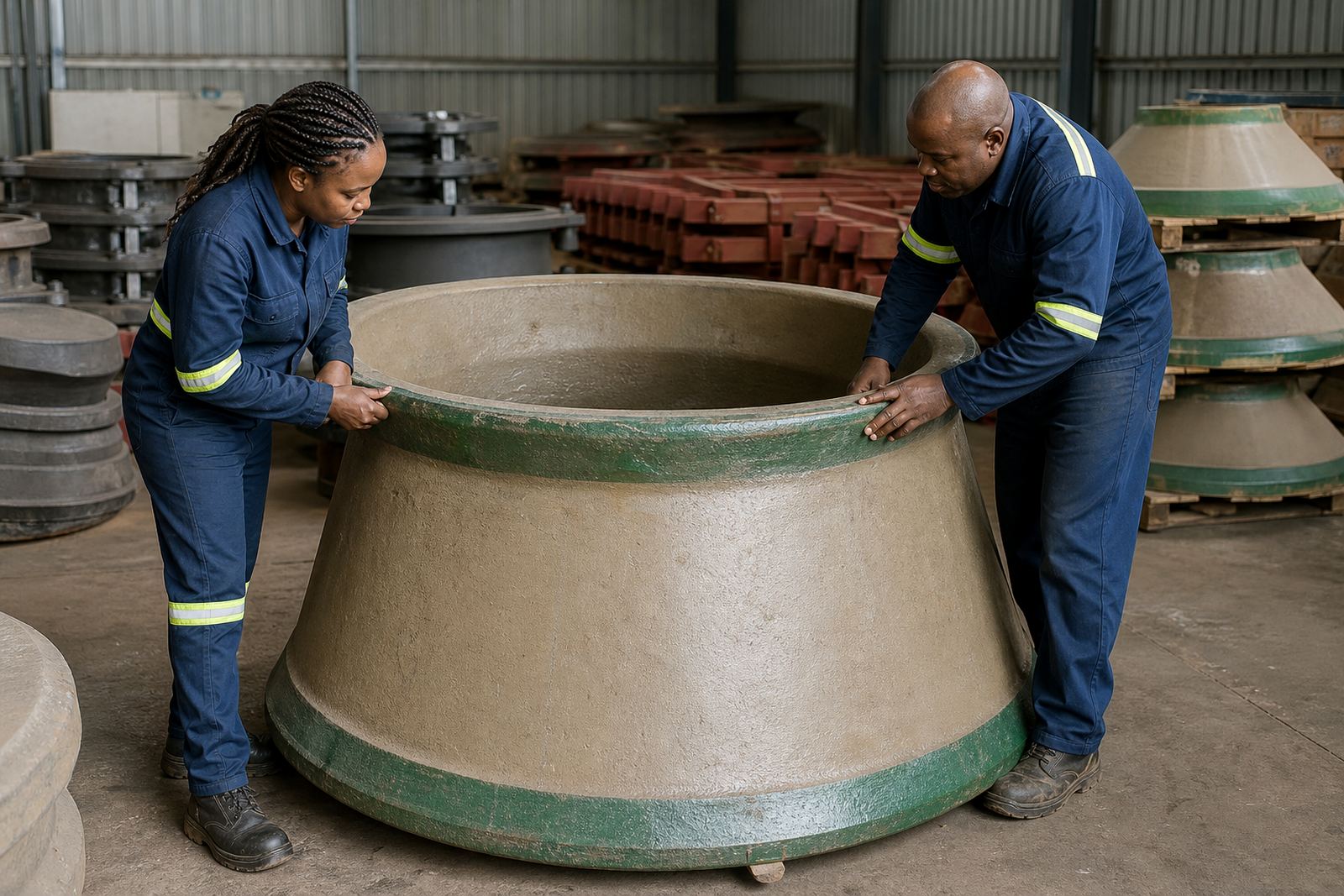
Before you order a mantle, confirm the crusher model, head size, chamber profile and the exact part number or drawing reference where possible. A mantle that is close but not quite right can affect throughput, product shape and wear patterns, and it can also create fitting delays when a shutdown is already tight. If you are working from a measurement taken on site, make sure it is checked again before release, especially on older machines where wear and previous repairs can change the profile.
For sites around Middelburg, Steelpoort, Burgersfort or farther afield in the Northern Cape, it helps to keep a simple record of the current set up. Note the feed size, closed side setting, product target and whether the crusher is running in a dry or dusty section of the plant. That information makes it easier to match the mantle to the cone application, and it reduces the risk of ordering a part that looks correct on paper but does not suit the chamber in practice.
- Confirm crusher make, model and serial details
- Check the head diameter or chamber reference
- Record current closed side setting and feed conditions
- Use the latest measurement, not an old drawing
2. Ask What Wear Pattern You Need To Manage
Different mantle profiles wear differently depending on the rock, moisture content and feed control. If the feed is uneven or fines are high, the mantle may wear more in certain bands. If the feed is hard and abrasive, expect slower but steady wear across the working face. The aim is not only to get a part that fits, but to get one that gives predictable wear life and stable production.
Ask what the mantle is expected to do in your circuit. Do you need longer life between shutdowns, better shape control, or a solution that suits frequent changeouts? On remote mines, predictable changeout intervals can be worth more than chasing the last bit of life from a part. It also helps to know whether the liner set is being changed as a full matched set or as a single replacement, because that affects the wear balance in the chamber. A mantle that is too hard for the rest of the set can cause uneven wear and a headache at the next shutdown.
- Match the mantle profile to your rock type
- Check whether the circuit runs wet, dry or mixed
- Ask about expected wear pattern and changeout frequency
- Confirm if the mantle is being fitted alone or with a full liner set
3. Check Material Grade And Casting Quality
Not all mantles are made for the same duty. Some are better suited to high abrasion, while others are selected for impact and mixed feed. The right material grade depends on the feed rock, crusher duty and the way the plant is operated. If the site has heavy tramp risk or irregular feed, the wrong choice can shorten wear life and increase the chance of damage around the chamber.
Ask how the casting is inspected and what finish is supplied before dispatch. You want consistent wall thickness, correct profile and no obvious defects. On sites with coastal humidity or long storage periods, correct packing matters too. A mantle stored in bad conditions can arrive with surface rust or damaged edges, which is not ideal when you are counting on a clean installation. We keep stock holding and freight planning aligned so the part reaches the site ready for fitting, not needing extra handling. A tidy supply chain saves time and a fair bit of stress.
- Ask which material grade suits the application
- Confirm casting inspection and dimensional checks
- Check packaging for transport and storage conditions
- Request handling advice if the part will be stored before use
4. Plan Stock Around Shutdowns And Remote Freight
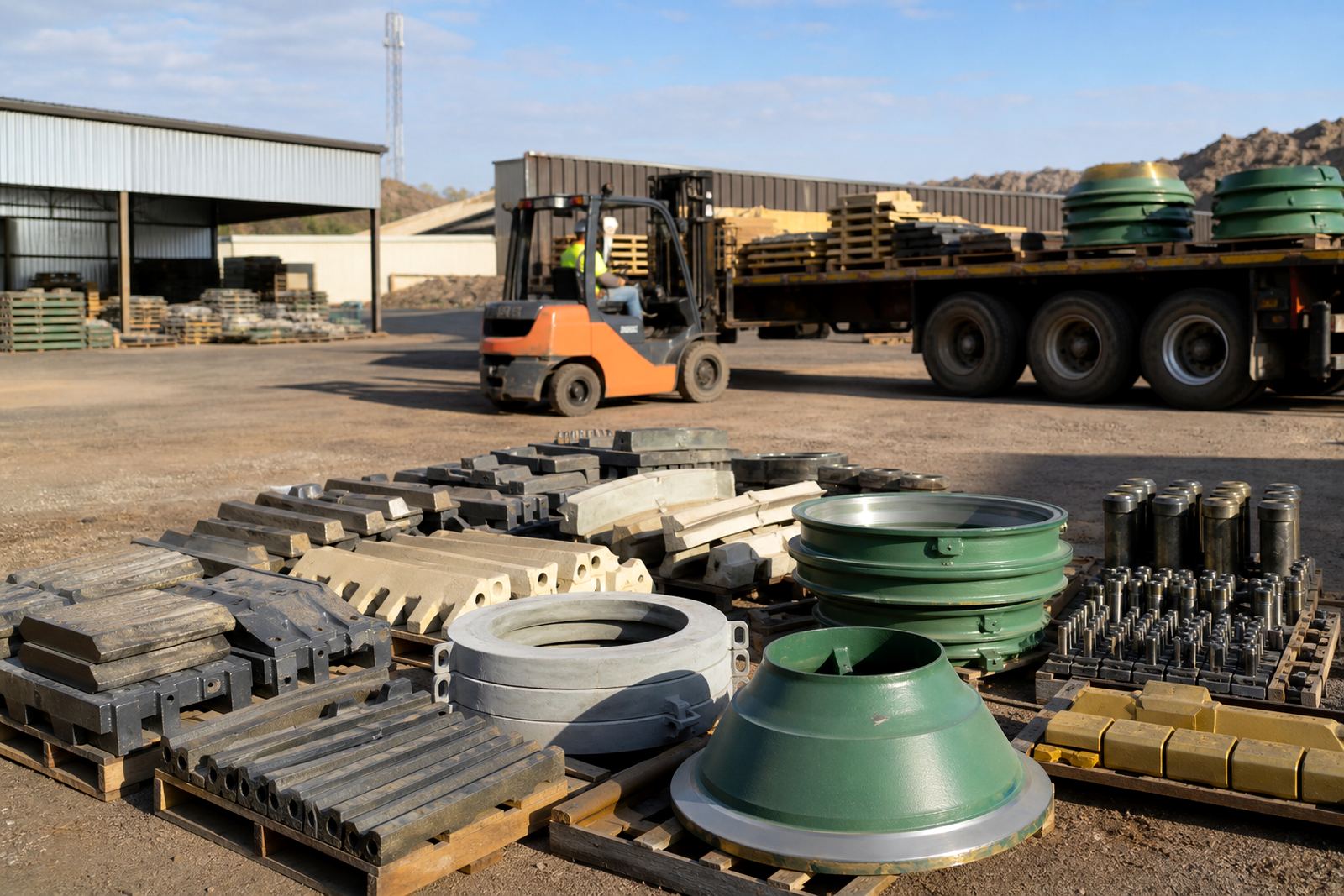
If your mine is in Limpopo, the Northern Cape, North West or another remote area, ordering a mantle is not just about the part. It is about lead time, road conditions, load securing and whether the part will arrive before the shutdown window closes. A late delivery can hold up a whole crusher crew, and that is expensive in both labour and lost production. That is why stock holding in Middelburg and freight planning to outlying sites should be part of the purchase decision.
When you place the order, ask for a realistic dispatch plan and confirm the receiving point at site. Some quarries prefer direct plant delivery, while others need delivery to a security gate, laydown area or admin yard. For routes through Mpumalanga or Gauteng, traffic can change the timing, and for more remote roads the condition of the road surface matters just as much. A good supplier will plan for that and keep communication clear. If the shutdown is fixed, say so early and request order consolidation where needed. It can save a second trip later.
- Confirm the shutdown date before ordering
- Ask when the mantle can be dispatched from stock
- Check the site delivery point and access rules
- Plan for road delays, security checks and receiving hours
5. Ask About Bundled Parts And Installation Support
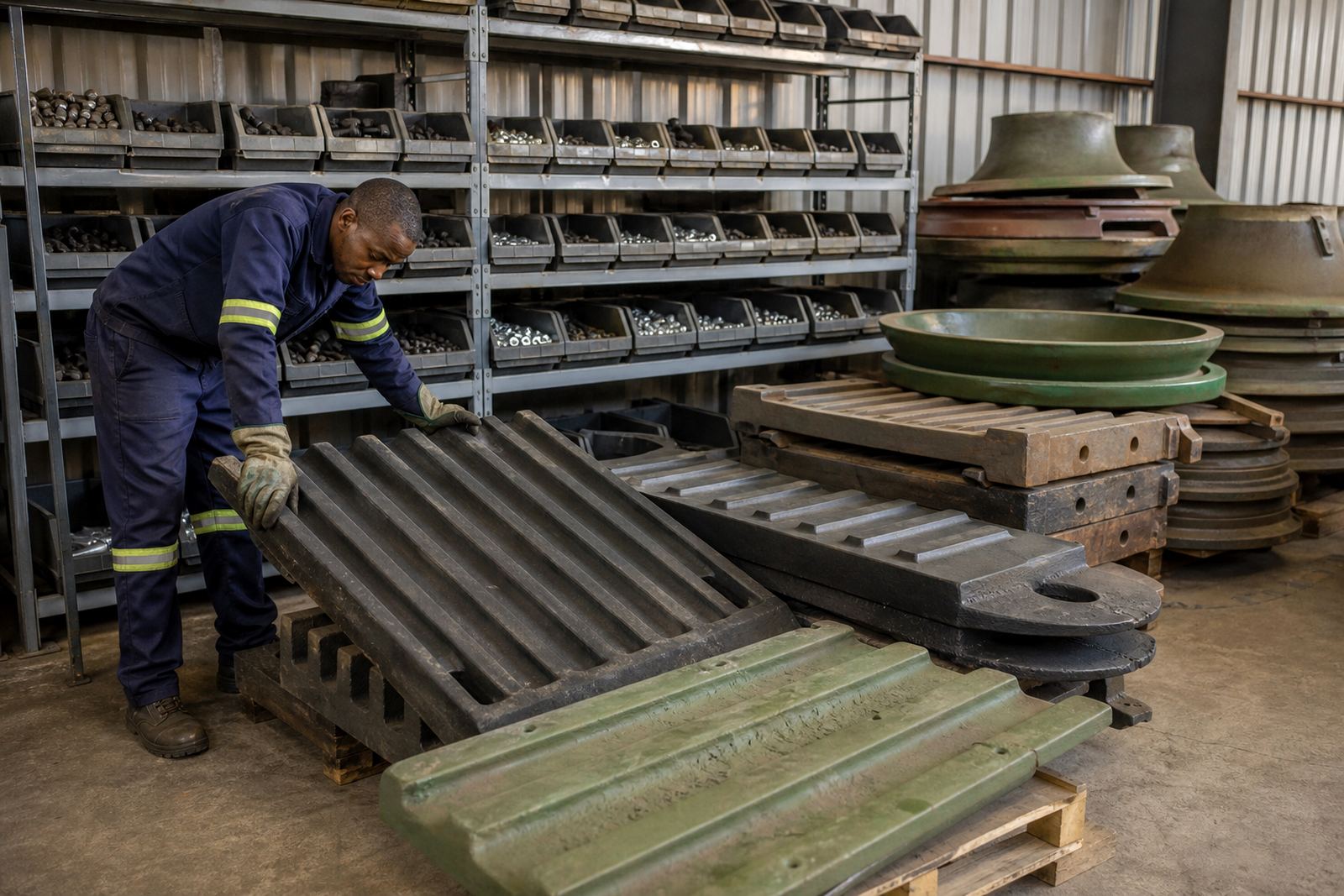
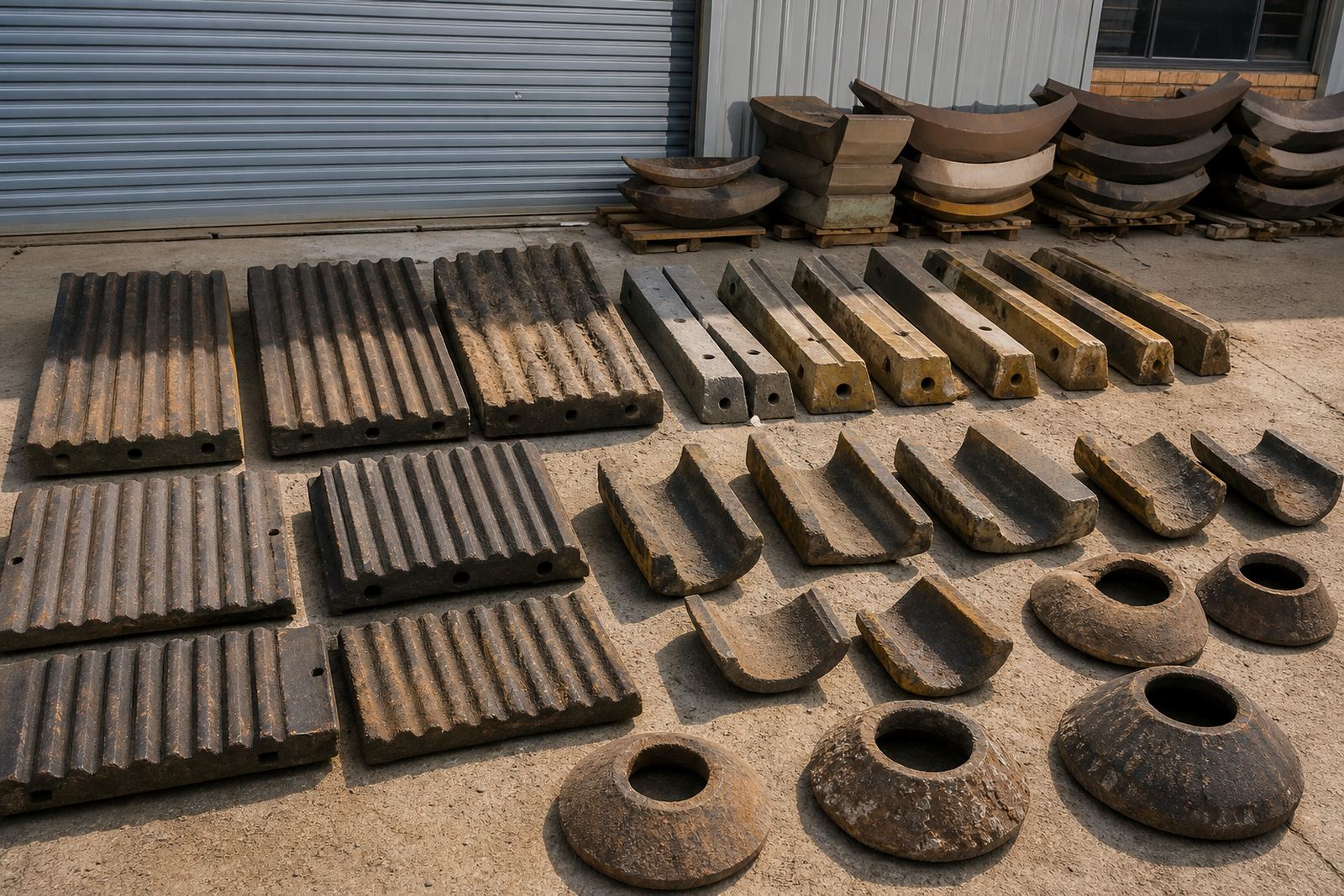
A mantle rarely works on its own. In many cases it makes sense to order it with concaves, liners, or other crusher wear parts that will be replaced at the same time. Bundled part kits reduce the chance of missing a key item during installation and help the crew finish the job in one shutdown rather than stretching it over two. For plants that run under tight maintenance windows, this is often the cleanest approach.
It is also worth asking what support is available with order checking. A good order review can pick up missing fasteners, incorrect quantities or a mismatch between the mantle and the rest of the set. That matters when the team is on site in hot weather, or when load-shedding has already cut into prep time. If your site needs return freight planning for used parts, include that in the conversation as well. It keeps the yard organised and helps with cleaner handovers after the shutdown.
- Ask whether related liners should be ordered with the mantle
- Request a full quantity check before dispatch
- Include fasteners and fitting items where needed
- Plan return freight for removed parts and scrap
6. Final Buying Checklist Before You Release The Order
Before you approve the purchase, run through a short checklist with procurement, maintenance and the crusher crew. The best mantle order is the one that arrives on time, fits correctly and suits the feed conditions without needing last minute changes. If the site is spread across multiple areas, such as Witbank, Rustenburg or Phalaborwa, make sure the delivery notes and site contacts are clear so the freight does not end up in the wrong yard.
Our team in Middelburg handles stock holding, urgent part dispatch and route planning for mines and quarries across South Africa. That includes Johannebsurg East support for receiving or forwarding where needed, plus coordination for remote sites that need clear timing and load securing. When in doubt, ask the practical questions early. It is easier to confirm a detail before dispatch than to sort it out after a truck has already left.
- Have the crusher model and chamber reference been checked twice?
- Does the mantle suit the feed type and wear pattern?
- Is the delivery window aligned with the shutdown?
- Are all related parts, notes and site contacts included?