Start With the Wear Part Being Fitted
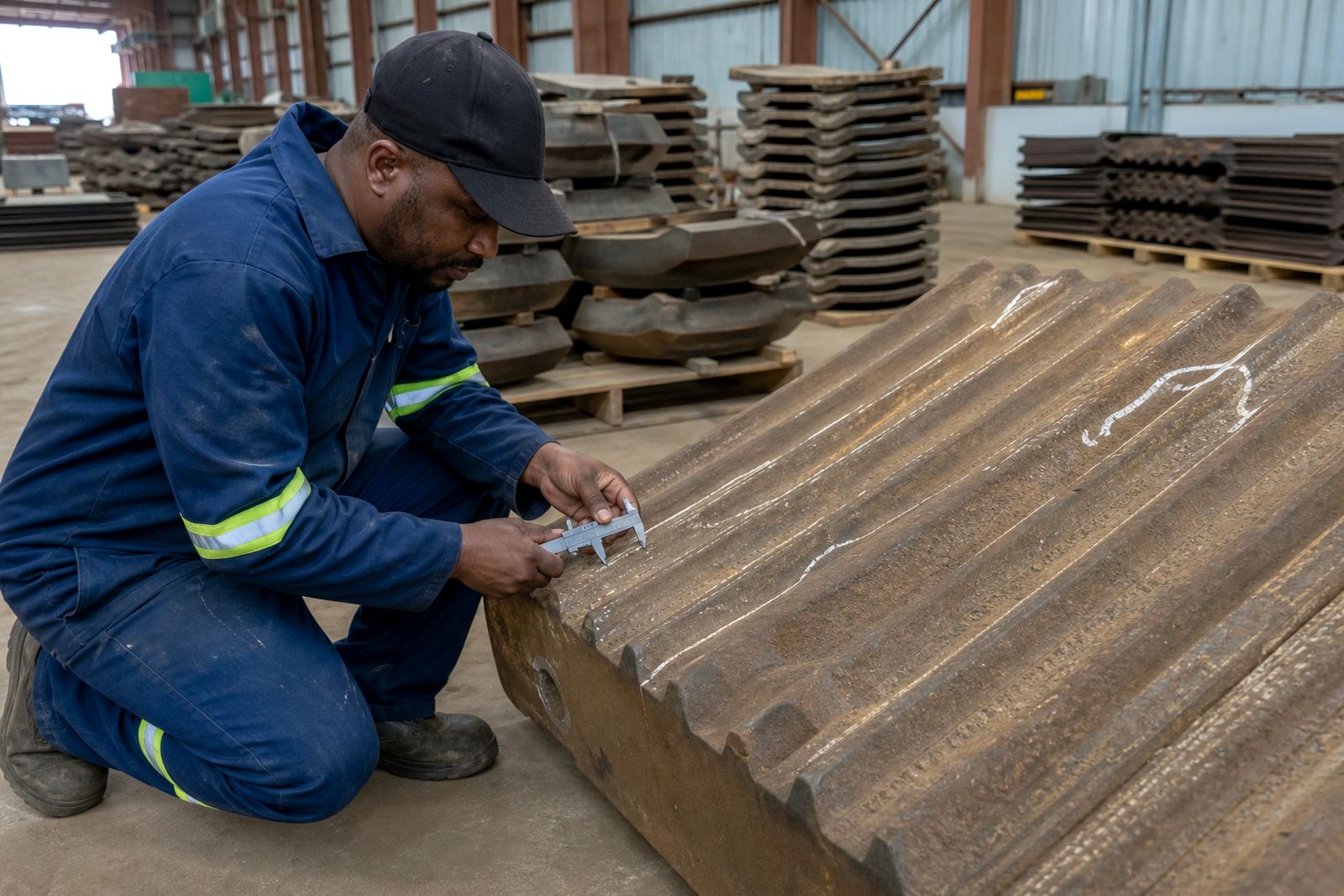
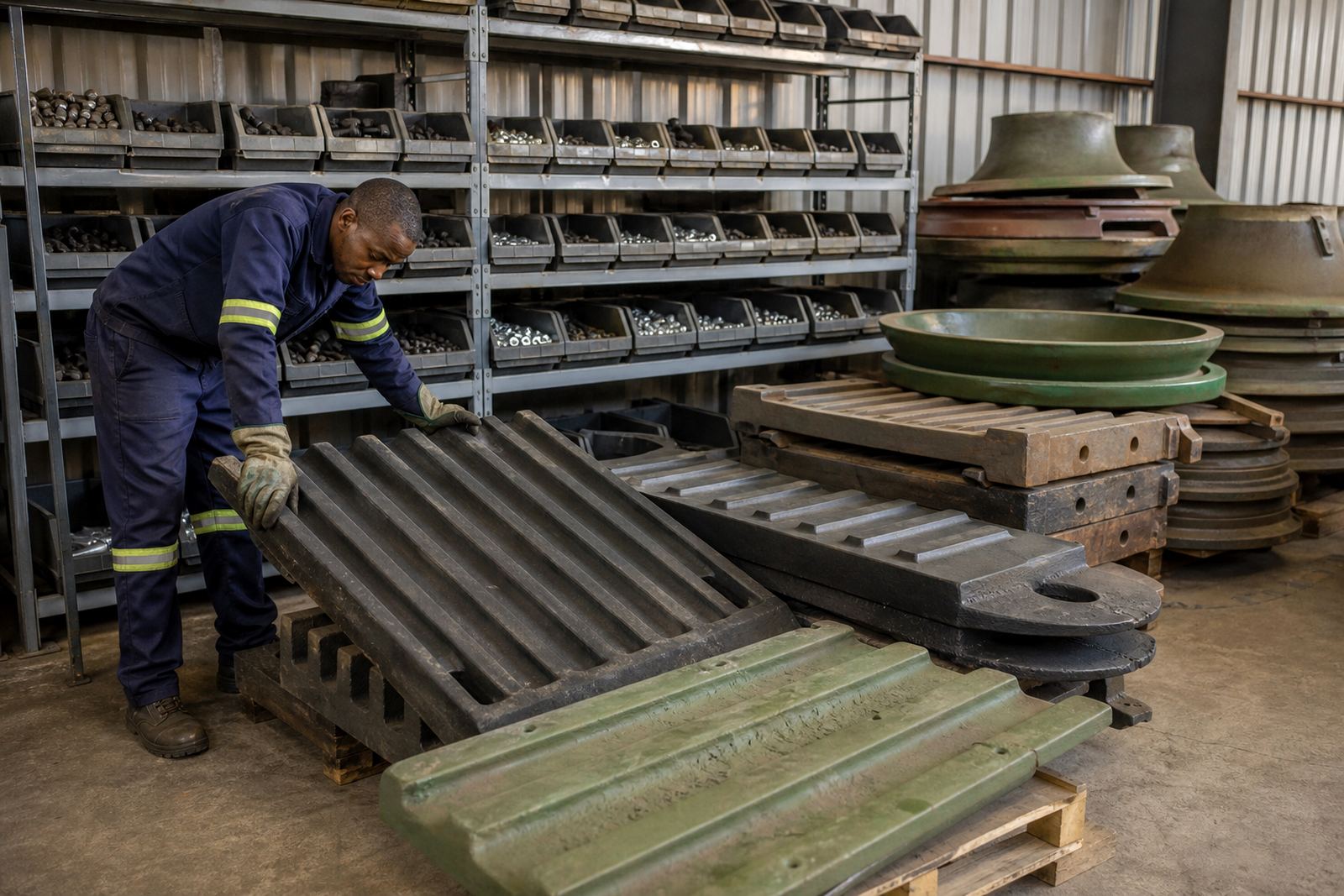
Different crusher wear parts need different fastening items, and the safest way to avoid delays is to check the part first, then match the bolts, nuts, washers and locking items to that job. A jaw plate change on a hard rock site near Steelpoort will not need the same fastening kit as a liner change at a quarry in Rustenburg, so the order should always follow the machine and the fitted section. If the machine has been opened before, check what was used last time, but do not assume the old hardware is still serviceable.
Look at the wear part type, the hole pattern, the thickness of the section and whether the set uses through bolts, countersunk fasteners or holding plates. For many shutdowns, a small miss on bolt length or thread type can hold the team up while the machine sits open. That is a costly delay on any mine, especially when crews are working around load-shedding windows and tight shift changes.
Check the Fasteners You Actually Need
Make a proper list before dispatch, not after the truck has left Middelburg. For crusher maintenance, the fastening items usually include standard bolts, high tensile bolts, nuts, flat washers, spring washers, lock nuts and retaining plates where required. On some jobs, split pins, spacers or special retaining pieces may also be needed, depending on the crusher and the wear part layout.
- Confirm bolt diameter, thread pitch and length for each position
- Check whether washers are plain, hardened or spring type
- Confirm nut style and whether a locking option is needed
- Ask if any shims, sleeves or spacers are part of the fitment
- Keep a few extras for damaged threads or site adjustments
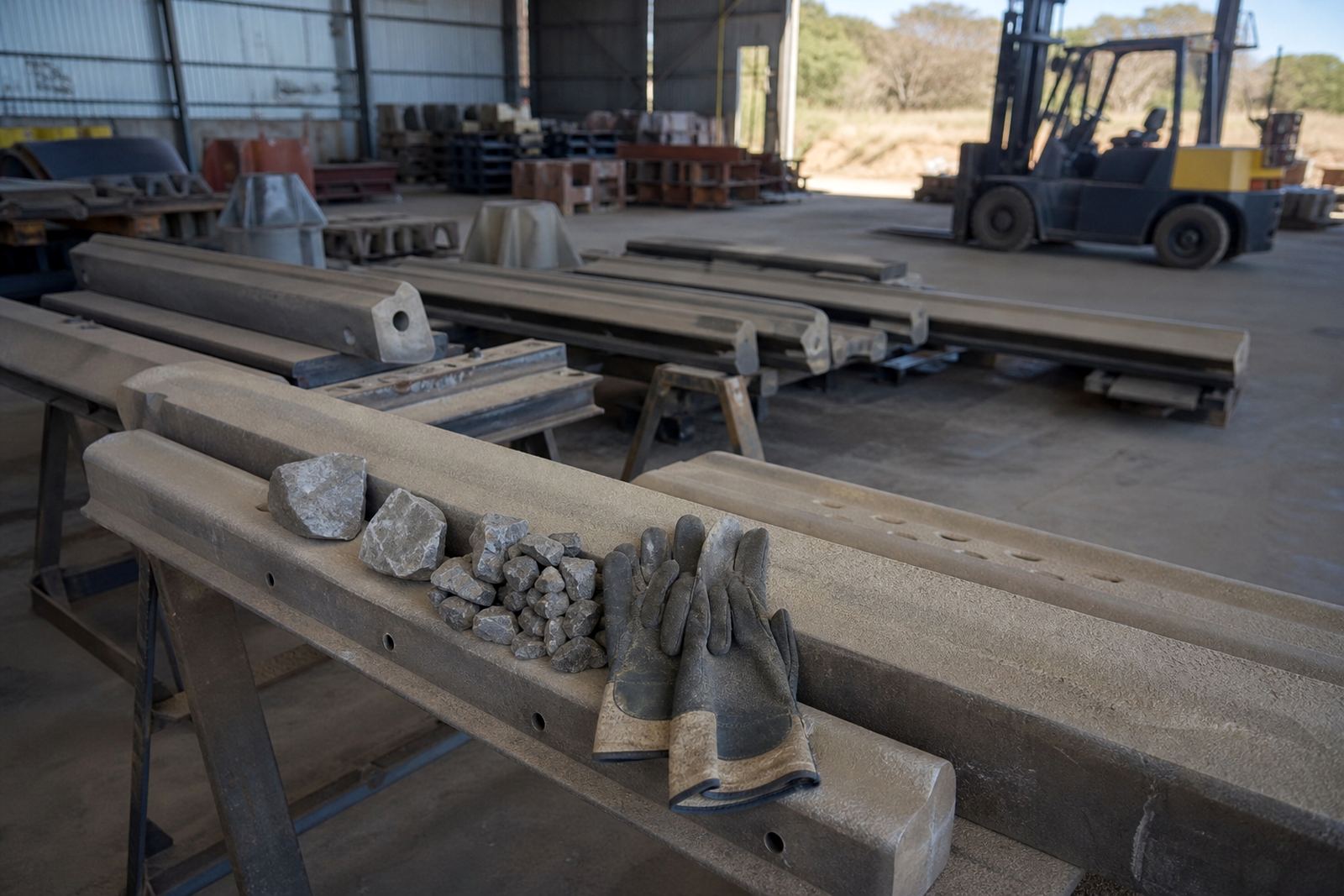
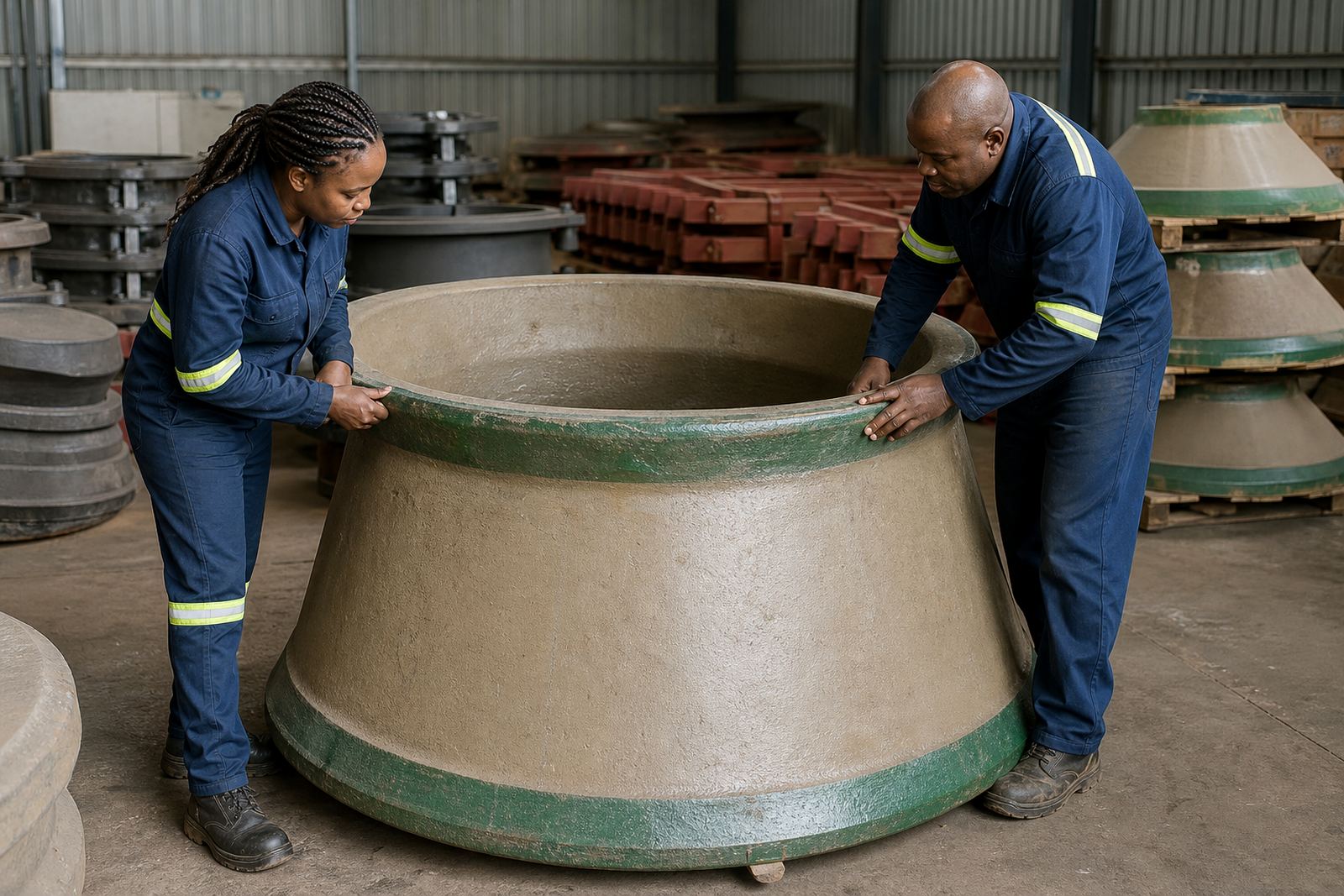
It helps to separate what is needed for one machine from what is needed for the full change-out. A bundle for concaves on a cone crusher can be very different from a set for blow bar change support or side liners, so keep each kit clearly marked. That small step saves a lot of confusion once the crew is on the floor.
Match the Kit to the Site Conditions
Remote mines and quarries across Mpumalanga, Limpopo, the Northern Cape, North West and Gauteng all have different conditions, and those conditions affect fasteners too. Dust, vibration, heat, rain and coastal humidity can all change how hardware behaves in service. In some places, especially where access roads are rough, packaging and load securing matter just as much as the bolt list itself.
If the site is in a high vibration area, ask whether the fastening plan should include locking hardware or re-torque checks after the first run. If the site is closer to the coast or stores parts for a longer period, check for surface rust, damaged threads and moisture exposure. A bolt that looked fine in the store room may not be ideal if it has sat open to humidity for months.
- Check whether the site needs corrosion resistance for storage or transport
- Confirm if the fastening items will be installed immediately or held for a shutdown
- Ask about re-torque intervals after start-up
- Separate serviceable hardware from old stock that should be scrapped
Do a Pre-Dispatch Count Before Freight Leaves Middelburg
At the point of dispatch, count everything twice. The aim is not just to send bolts, but to send the correct number, the correct sizes and the correct hardware in the same load as the wear parts. For remote mine freight, especially to places like Kathu or Phalaborwa, it is far better to delay a truck by an hour than to send an incomplete kit that stops fitment on site.
Our team in Middelburg handles stock holding, freight coordination and order support with the same focus on practical detail. Thabo Mokoena and the team know that a missing washer can hold up a full shutdown, so the packing list should always be checked against the machine list and the site contact before the load goes out. This is where clear order consolidation helps, since mixed consignments can easily become messy if every item is not grouped by machine and job.
Use This Quick Bolt Checklist Before You Release the Job
Before any crusher wear part leaves store, run through a simple checklist and make sure the fastening items are ready for the actual fitment. If the job is urgent, this step should happen before the freight booking is confirmed so there is time to fix gaps.
- Crusher model and wear part type confirmed
- Bolt size, thread and length checked against the machine
- Washers counted and matched to the bolt set
- Nuts and locking items included
- All items packed by machine and job number
- Rust, damage or thread wear inspected
- Extras added for site adjustments and contingencies
- Delivery address and site contact confirmed
If the machine has been opened for inspection and the old hardware is not reusable, replace it at once rather than trying to make do. A half-right kit can still hold up the whole programme, and that is not the place to take a chance.
Plan for Shutdowns, Standby Stock and Return Freight
Shutdown planning works best when bolt needs are mapped at the same time as the wear parts. For planned maintenance, keep a small standby stock of the most used fastening items with the crusher spares, then add job-specific items once the scope is confirmed. This is useful on sites that work long shifts or have limited delivery windows, because it gives the maintenance team a back-up if one item is missing or damaged during fitment.
Return freight should also be thought through. If used fasteners, scrap packaging or damaged hardware need to come back with the truck, make sure that is arranged before dispatch. Our freight planning covers remote mine deliveries, quarry drops and return freight planning, so the right items go out and the unnecessary items come back. That saves space, reduces mix-ups, and keeps the store area better organised.
Speak to the Team Before the Next Dispatch
Crusher Consumables Direct is based in Middelburg, Mpumalanga and supports mines and quarries with stock holding, urgent part dispatch and freight to remote areas across South Africa. Since 2011, the team has worked with practical supply needs for crusher wear parts, including bundled kits and order support for shutdowns and maintenance calls.
If you are checking bolt needs for jaw plates, mantles, concaves, blow bars or liners, send the details through the enquiry form on our contact page. Include the machine type, the wear part, the site location and any known hardware sizes, and the team will help you line up the fastening items before the truck leaves. Clear details at the start make the whole job easier, and it keeps the mine moving.