1. Start with the shutdown date and the last safe order date
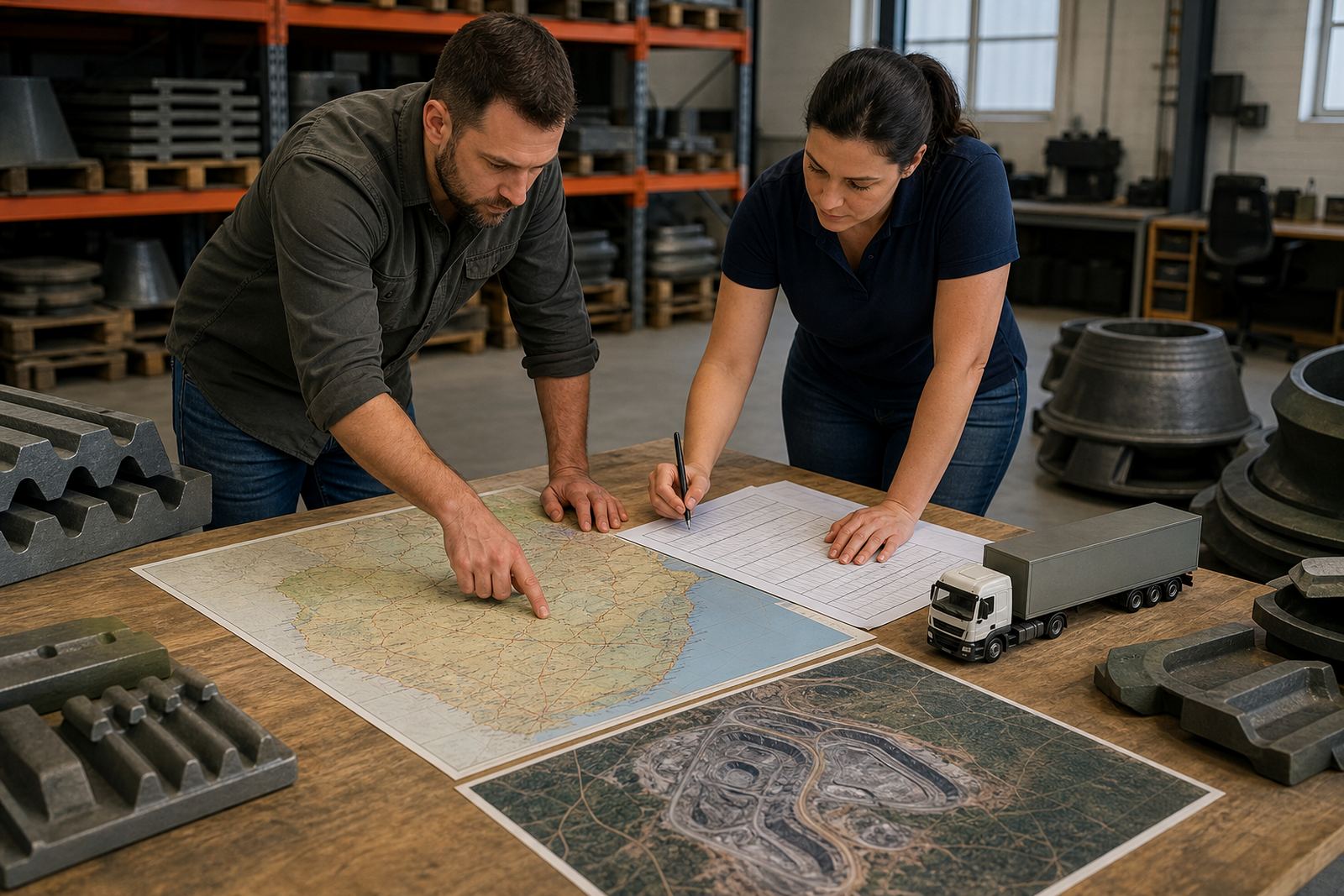
The first step is to work backwards from the planned shutdown date. Once the plant is down, every hour counts, so the order should be confirmed early enough for picking, checking, freight booking and on-site offloading. For remote mines in Mpumalanga, Limpopo, the Northern Cape, North West and Gauteng, transport can be affected by road delays, weather, weighbridge queues and site access controls.
We usually suggest setting two dates in your plan: the shutdown start date and the latest date when orders can still be accepted without risking the delivery window. That gives the mine room to handle stock checks, approvals and any last minute changes. If the site runs on a tight maintenance window, add a further buffer for load-shedding, night travel restrictions or security sign-in at the gate.
2. Confirm the wear parts needed before the plant opens up
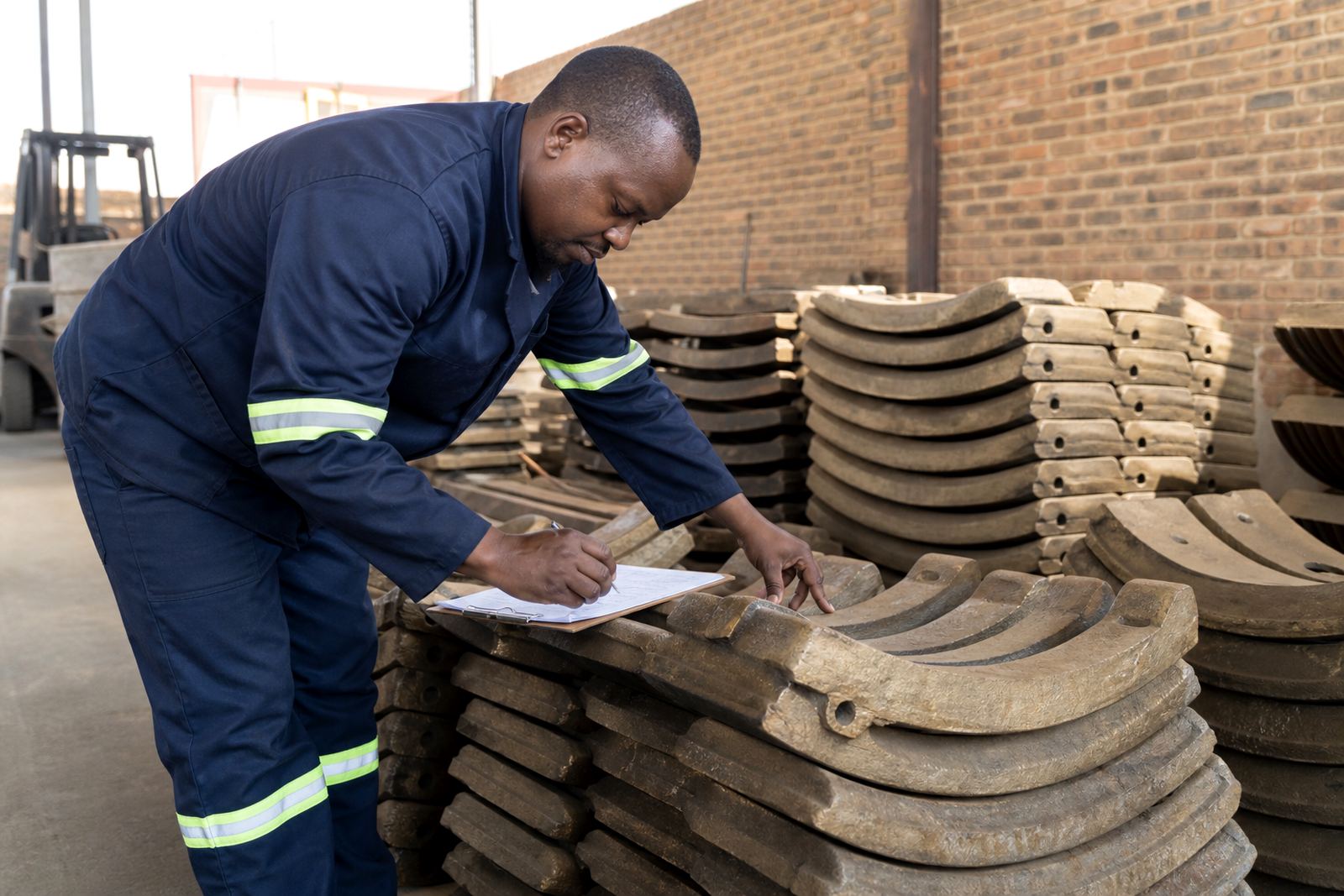
Do not wait until the crusher is stripped down before deciding what to order. A proper shutdown list should include the crusher wear parts that are already near changeout, plus anything else that is likely to hold up the restart if it fails during the stop. Common items include jaw plates, mantles, concaves, blow bars and liners, along with any matching fixings or supporting consumables required for installation.
- Check the current wear condition against the maintenance log.
- List the exact machine size and configuration.
- Separate primary, secondary and tertiary crusher requirements.
- Note any parts that must be fitted together as a set.
- Include spare fasteners, wedges, bolts or clamps where needed.
It helps to involve the maintenance supervisor, storeman and foreman in the same review. That way the order matches what the crew will actually use on the day, and there is less chance of waiting for a missing liner or a forgotten set of bolts.
3. Match the order to site resources and lifting capacity
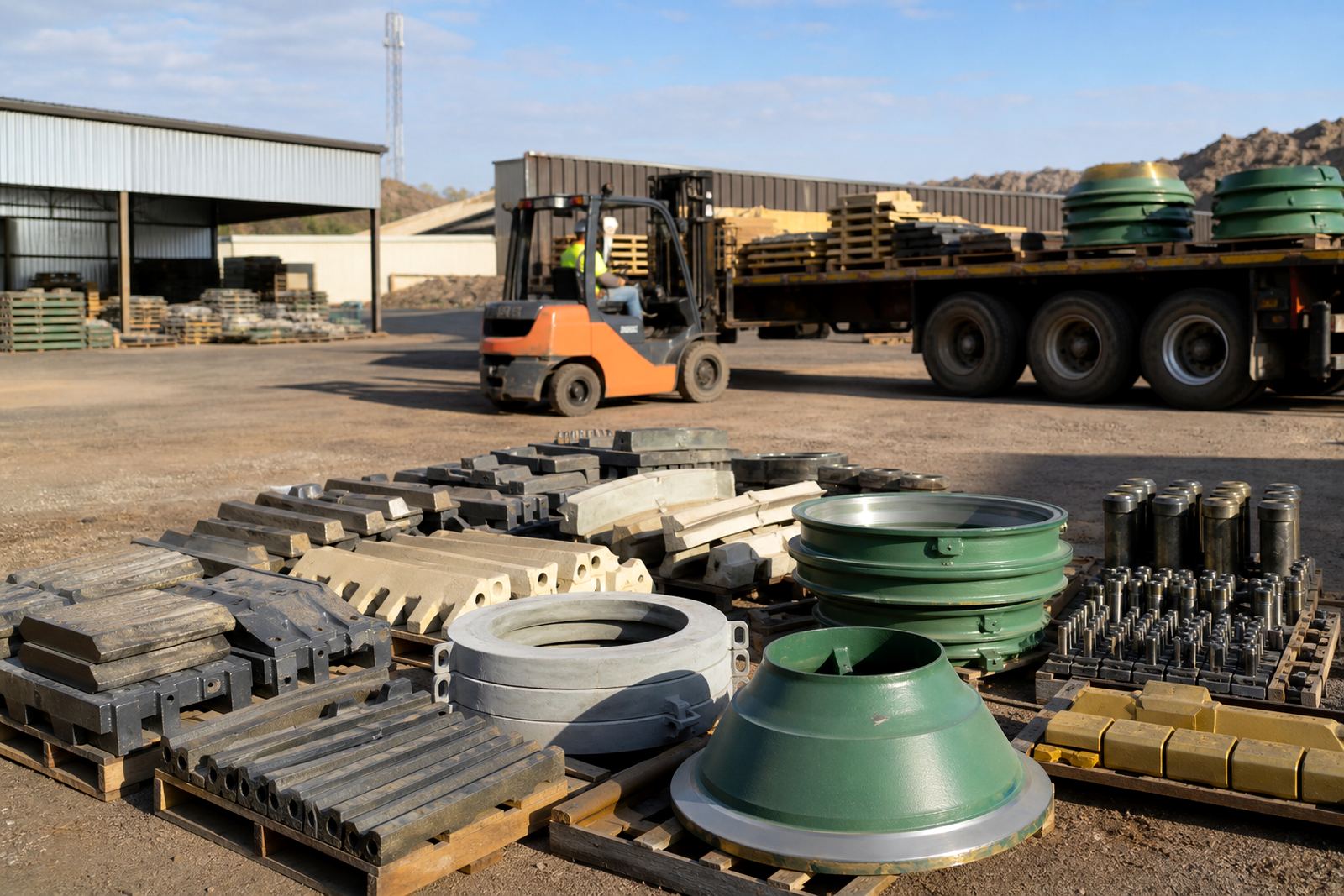
Even if the parts are on time, the shutdown can still slip if the site is not ready to receive and fit them. Check what lifting equipment will be available, who will sign for delivery and where the parts can be stored safely before installation. Some remote quarries and mines have limited crane availability, shared forklifts or narrow access roads, so delivery planning must suit the site conditions.
Make sure the team knows the crate sizes, estimated weights and offloading point. If the parts will be stored for a few days before fitting, the warehouse or laydown area should be dry, secure and clearly marked. Coastal humidity is not the issue in Middelburg, but dust, rain and mud can still affect packing and handling, so good storage matters.
- Confirm crane, forklift or telehandler availability for the shutdown window.
- Check if the access road allows truck entry at the planned time.
- Nominate one person to receive and verify the shipment.
- Prepare a dry laydown area for parts waiting to be fitted.
- Keep the installation sequence clear so the crew opens the right package first.
4. Build a shutdown kit instead of ordering loose items
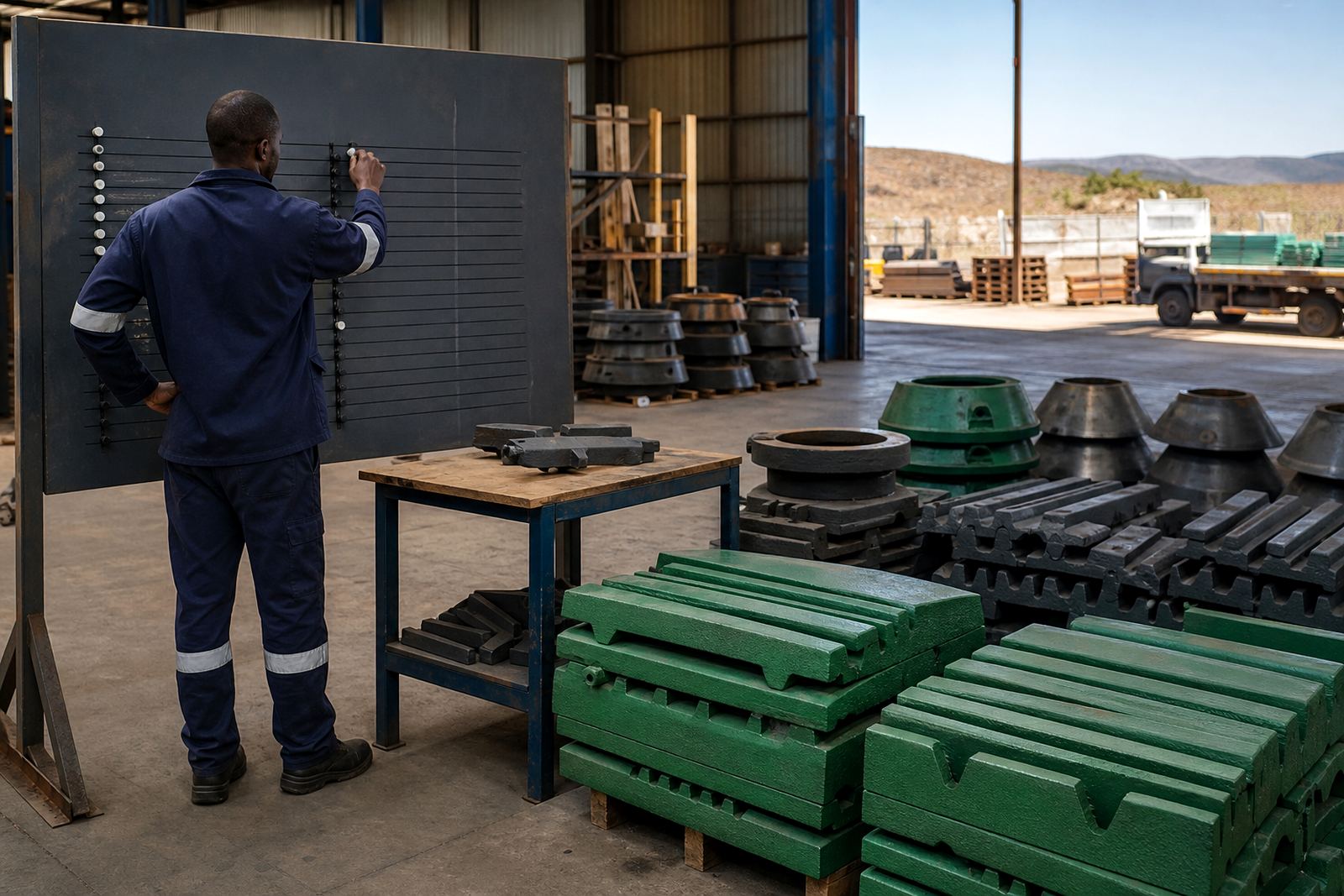
Shutdowns run better when the order is grouped into practical kits. Rather than sending parts one by one, combine the wear items needed for each machine or each stage of the shutdown. This reduces the chance of missed items, mixed labels and delays while the team searches through multiple crates. It also helps the maintenance crew track what belongs to each crusher or screen.
A bundled kit can include the main wear parts, the supporting consumables and a simple packing list. That makes it easier for the site team to tick off each item as it arrives. It also helps with order consolidation, which matters when freight is going to several areas or when the shutdown includes more than one machine. If return freight is planned for used parts or packaging, that should be set out before the truck leaves Middelburg.
For mines with repeat shutdowns, keep the kit list from the last stop and update it for wear rates, extra spares and any changes to the crusher setup. Over time, this gives the team a better picture of what should be on hand before the next shutdown, instead of scrambling at the last minute.
5. Use a simple checklist for approvals, freight and delivery
Before the order is released, it should pass through a short but clear checklist. This avoids confusion between procurement, operations and maintenance. It also helps if the mine manager needs one clean summary for approval, especially when the shutdown cost is split across departments.
- Shutdown date confirmed.
- Wear parts identified and checked against current stock.
- Part numbers, sizes or machine details verified.
- Delivery site and offloading point confirmed.
- Freight route planned for the correct province and access road.
- Receiving contact and site sign-in requirements confirmed.
- Installation team briefed on what is arriving first.
- Return freight or scrap handling noted if needed.
In practice, this checklist saves time because it answers the questions that usually delay dispatch. It also helps our team at Middelburg Depot coordinate the load, from picking and packing through to route planning and site delivery coordination. When a shutdown is remote, a small omission can cost a full shift, so the paperwork should be complete before the truck moves.
6. Keep a shutdown review for the next order cycle
Once the shutdown is complete, capture what arrived on time, what caused delays and which parts were changed sooner than expected. That review is useful for the next order, especially where the site has hard running conditions, variable feed or long haul distances. A good shutdown record makes the next one easier to plan and more accurate to budget.
Ask the site team to note whether the pack labels were clear, whether the delivery point worked as planned and whether any extra parts were needed at short notice. If there was a delay because of load-shedding, access control or weather, include that too. These details help us improve the next freight plan and tighten the stock holding position before the following stop. It is a practical habit that keeps remote operations moving, and it reduces pressure on the maintenance crew when the plant starts up again.
Crusher Consumables Direct works from Middelburg, Mpumalanga and supports shutdown orders for mines and quarries across South Africa. Clients can reach us through the enquiry form on our contact page, and we can help plan stock holding, urgent part dispatch, remote mine freight and order consolidation around the shutdown schedule.