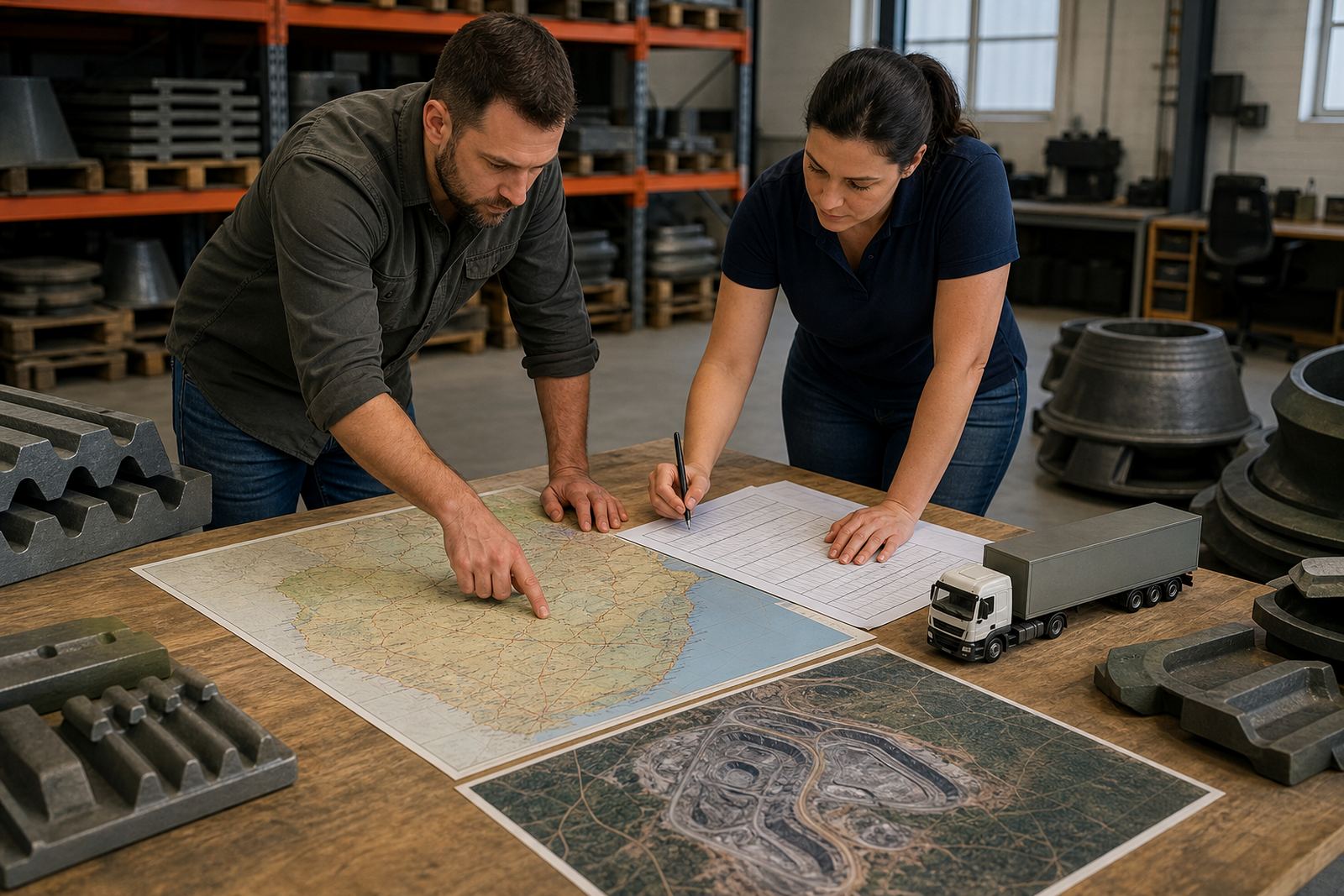
Start with the part list before you book transport
The easiest freight job is the one that starts with a clear order. For crusher wear parts such as jaw plates, mantles, concaves, blow bars and liners, the load needs to be checked against the machine model, the quantity required, and the site date when the parts must be on hand. A single missing item can delay fitting and keep plant down longer than planned.
When you send through your request, include the exact part names, the crusher or plant section they fit, and whether the order is for planned maintenance, a shutdown or an urgent change-out. For remote mines near Phalaborwa, Kathu or Steelpoort, that detail helps us match the freight method to the route, the access road and the offloading point. It also cuts down on back and forth later, which saves time when the site is already under pressure.
- Confirm the part type and quantity.
- Check if the order is for one machine or several.
- Share the site name, access rules and offloading contact.
- State the delivery date and any shutdown window.
Choose the right freight plan for the distance and road conditions
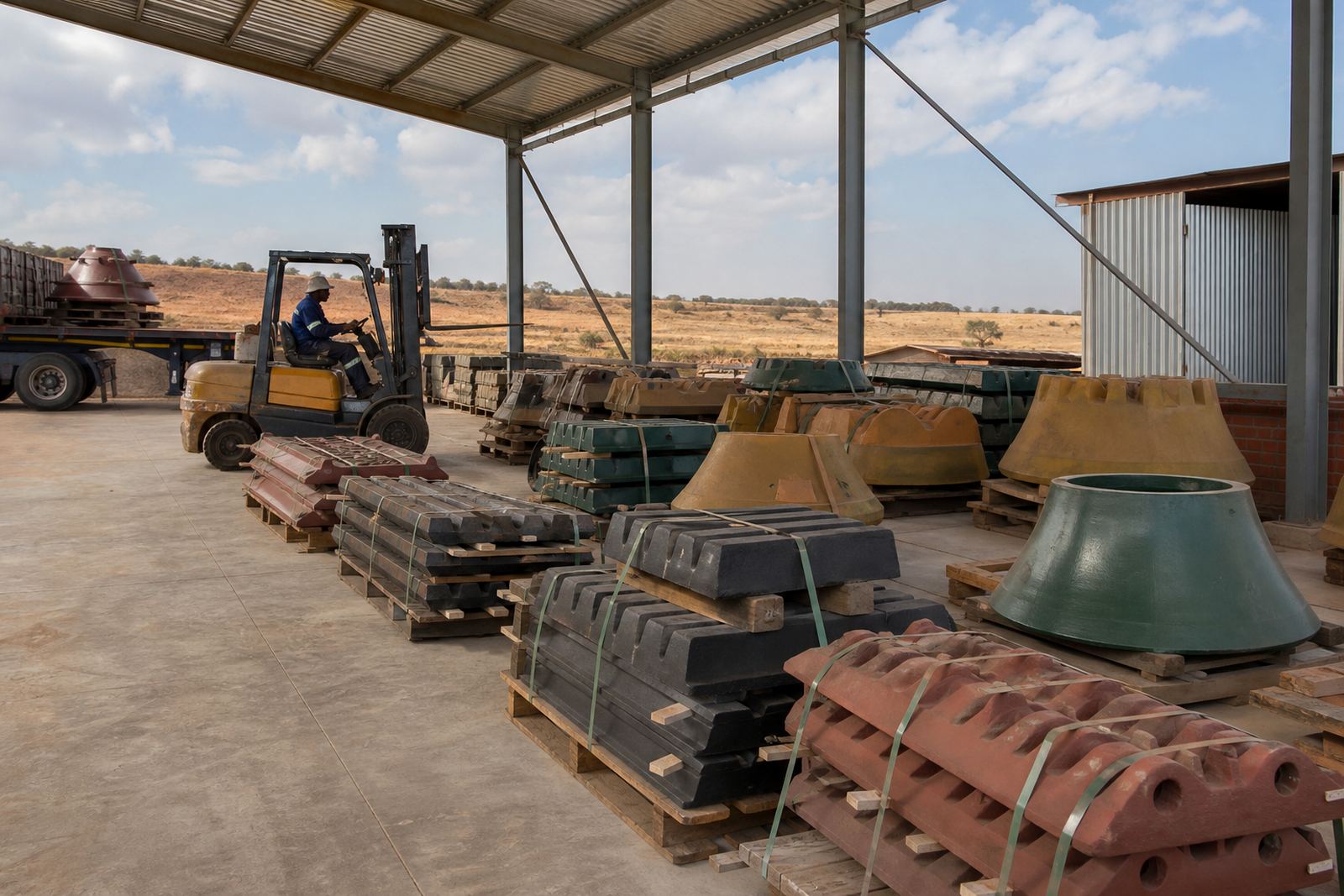
Not every delivery moves the same way. A load going from Middelburg to Johannesburg East is a different trip from a consignment headed into the Northern Cape or a quarry road outside Rustenburg. Route length, tar quality, dust, weather and the last stretch into site all shape the freight plan. Heavy wear parts also need proper securing so they do not shift during transit on rough roads or at speed.
We look at the route, the delivery timing and the receiving site before dispatching stock. That includes checking whether the destination can accept a straight truck, needs a smaller transfer vehicle for the last section, or has gate hours that must be respected. In some places, load-shedding also affects offloading and must be factored in, especially where cranes, forklifts or weighbridge systems run on site power.
- Match the transport size to the offloading area.
- Check road access after rain or when haul roads are graded.
- Plan for gate control, induction and site time limits.
- Keep spares packed for the same run where possible.
Use stock holding to avoid last minute pressure
Holding stock in Middelburg, Mpumalanga gives mines and quarries a better chance of getting what they need without waiting for a separate manufacture or a long chain of transfers. It is especially useful when a shutdown is fixed, the plant is working around the clock, or a remote site needs parts that are not practical to move at short notice from a distant supplier.
Bundled part kits are useful when the team knows a section of the crusher will be opened and more than one wear item is likely to be replaced. A kit can include matching wear parts and support items in one order, which helps reduce missed pieces and repeated freight costs. For mines in Limpopo or the North West, that can mean one planned delivery instead of three smaller ones that keep arriving on different days.
- Keep a spare list for the main crusher sections.
- Order in kits where the shutdown scope is known.
- Ask for order consolidation when several items are needed.
- Allow time for final checking before dispatch.
Prepare the site so delivery does not stall at the gate
Many delays happen after the truck arrives, not before. Remote sites often have gate checks, inductions, weighbridge steps and traffic rules for moving in and out of the plant area. If those steps are not ready, the freight may sit on the road while the clock keeps running. Good site preparation is part of the delivery plan, not an extra.
Make sure the offloading point is clear, the receiving team knows what is coming, and the person signing for the load is available. If the site has limited forklift access or narrow roads, tell us early so the trip can be arranged around that. In winter, some quarries and mine roads get slippery or dusty, and a truck might need a different arrival time to avoid delays or unsafe movement.
- Share the name of the receiving contact at site.
- Confirm induction, PPE and gate requirements.
- Check whether the site needs a specific vehicle size.
- Make sure offloading equipment is available on arrival.
Plan urgent part dispatch without disrupting the rest of the order book
Urgent dispatch is best used when a part is needed now and waiting would stop production or damage other components. Even then, the load still has to be checked, secured and routed properly. Rushing the truck without the right checks can create a bigger delay if the wrong wear part reaches the site or arrives without the matching items needed for fitting.
For mines that work across several sites, order support and return freight planning are often overlooked. If a worn part must be brought back for inspection, or if a replacement is sent out while the old set comes back, the freight flow should be mapped in advance. That is especially useful for operations spread between Middelburg, Witbank, Steelpoort and Burgersfort, where timing between plant areas can be tight.
- Mark urgent orders clearly from the start.
- Separate immediate needs from stock for later use.
- Plan the return load if the old parts must come back.
- Keep a backup contact for after-hours site access.
Use a simple checklist before every remote delivery
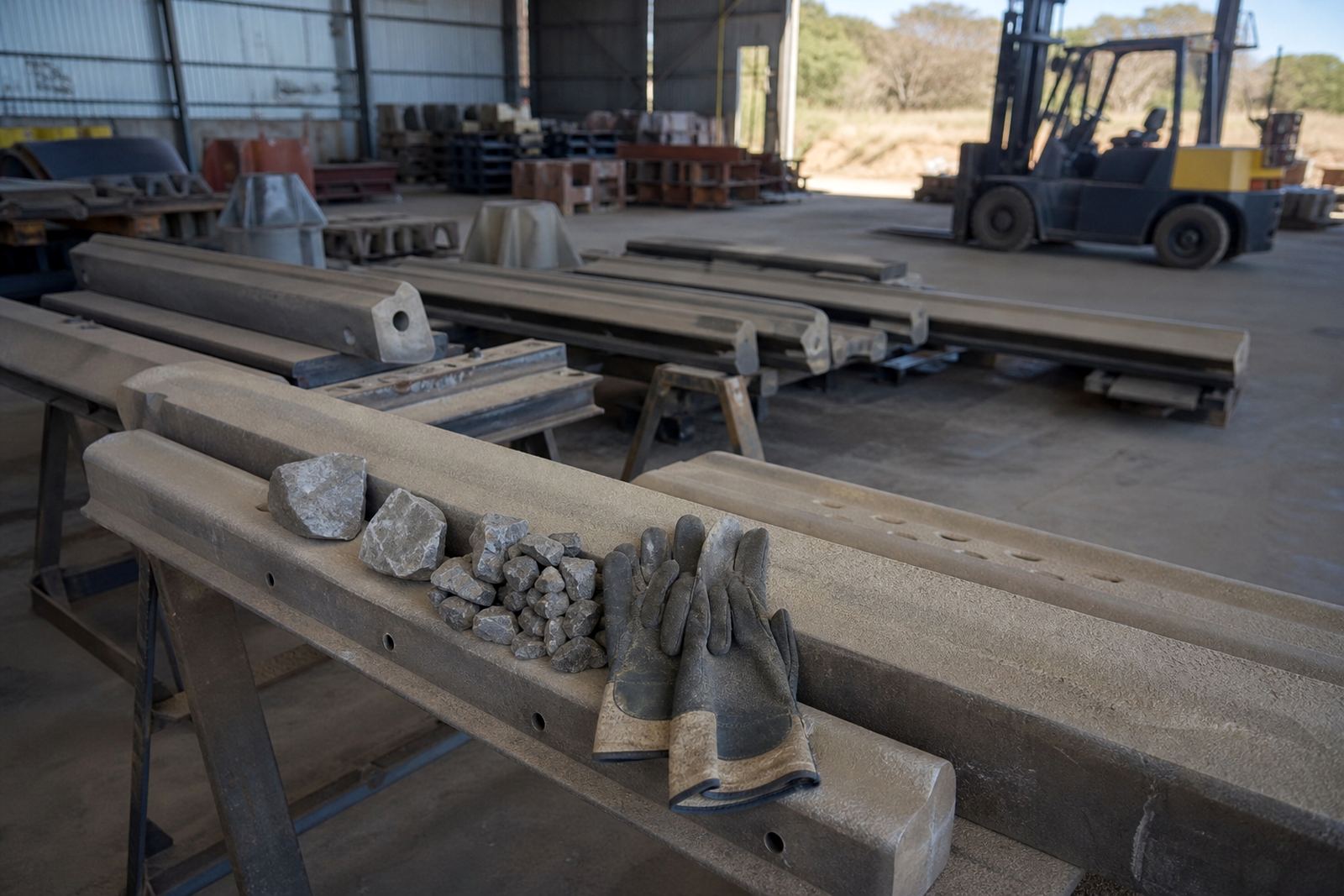
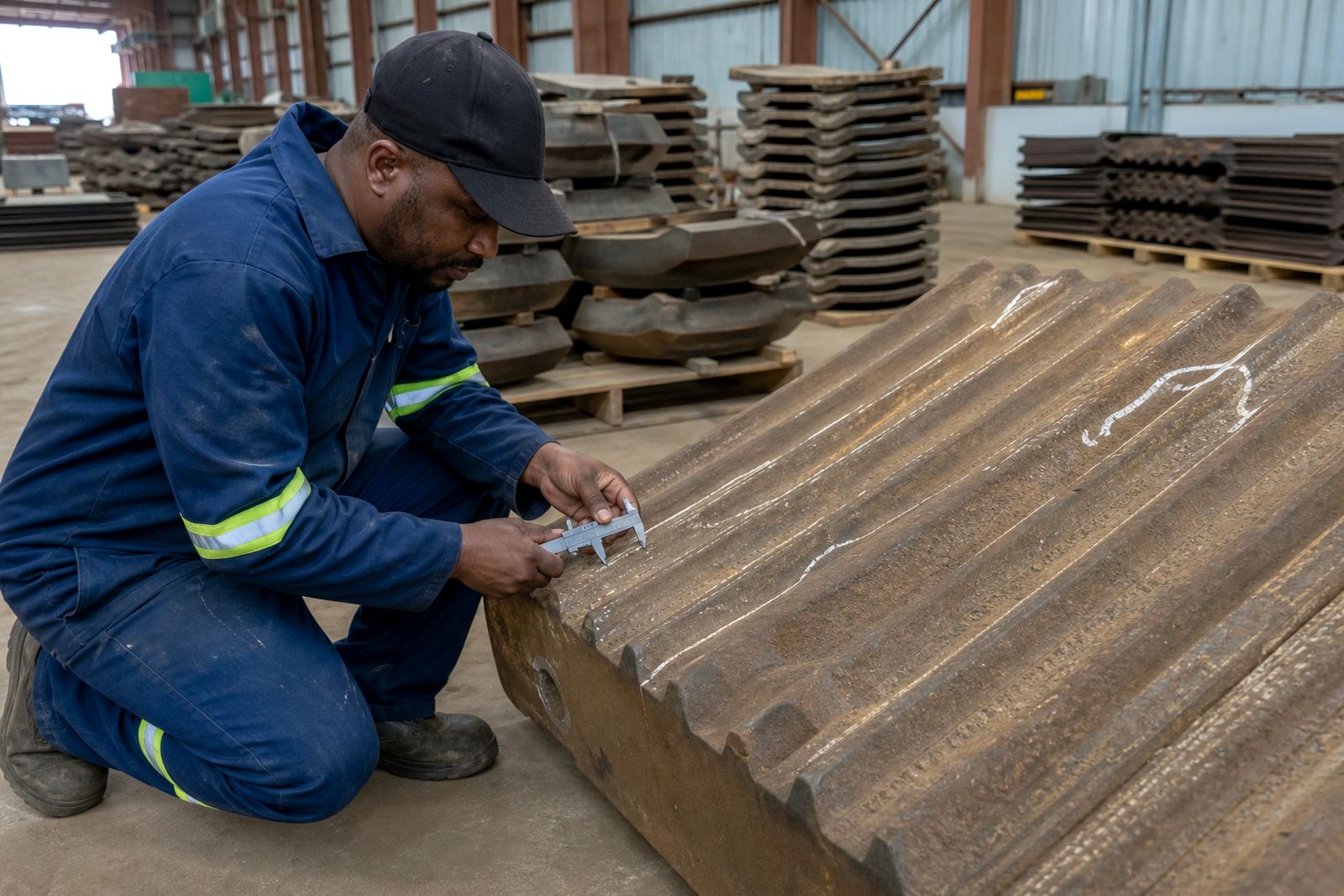
A short checklist saves time and reduces mistakes. Before the truck leaves Middelburg, the order should be checked against the packing list, the delivery point and the site timing. That is the part most teams skip when work is busy, yet it is often the step that prevents rework later. For crusher wear parts, the weight and size of the items matter as much as the part names, so load securing should always be part of the final check.
If you are planning a shutdown in Gauteng, a quarry delivery in the Northern Cape or a mine run to Phalaborwa, keep the same checklist for every order. The route changes, but the basics stay the same. Clear instructions, correct stock, good packing and a receiving team that knows the truck is coming will always make the delivery smoother.
- Check the part list, quantities and packing.
- Confirm route, delivery time and site access.
- Make sure load securing is suitable for the road.
- Keep the receiving team updated until handover is done.